


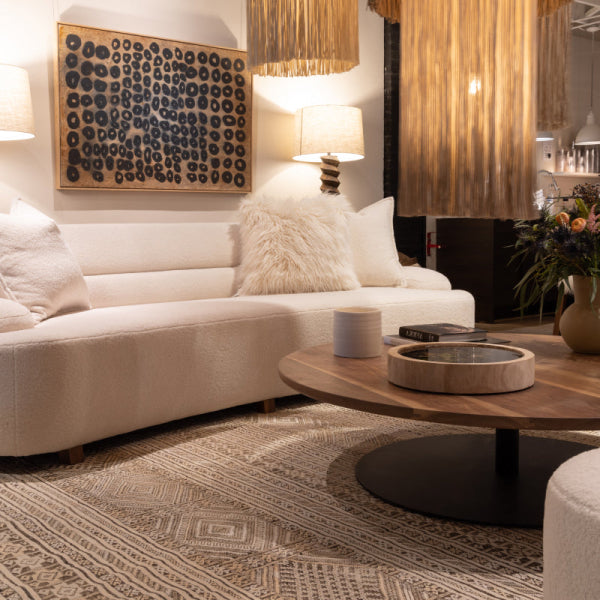
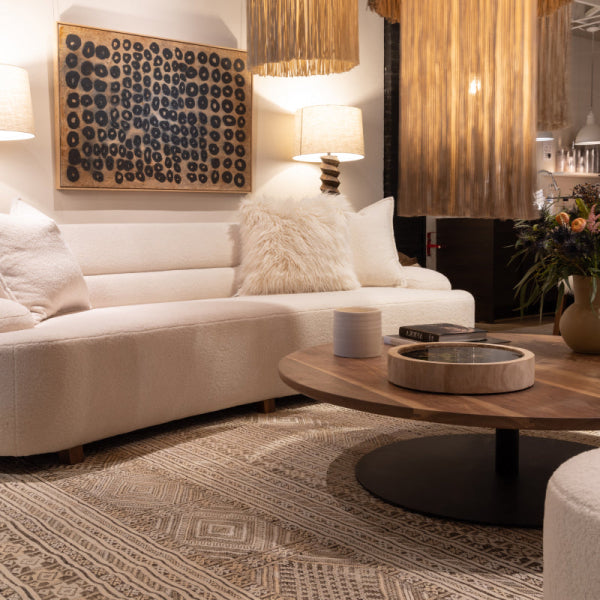


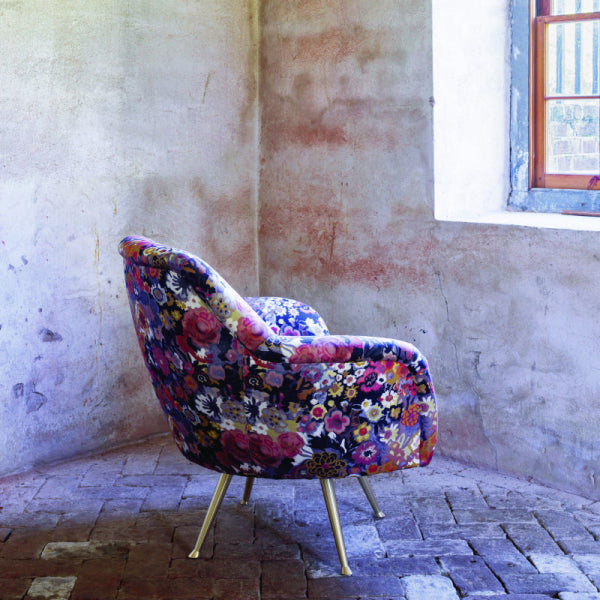
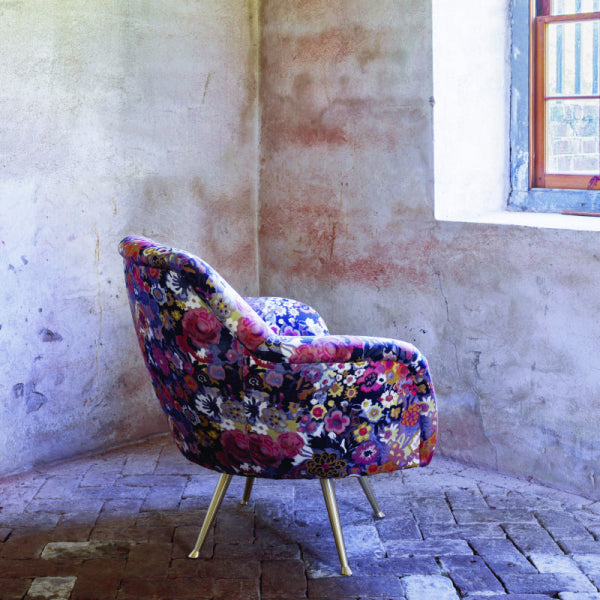
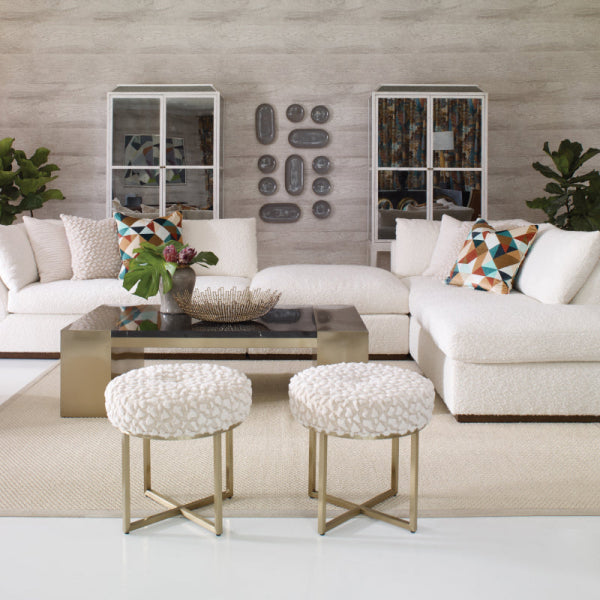
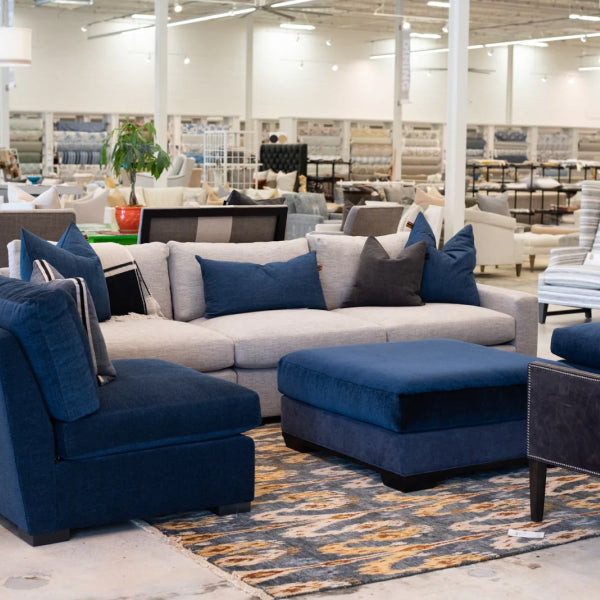

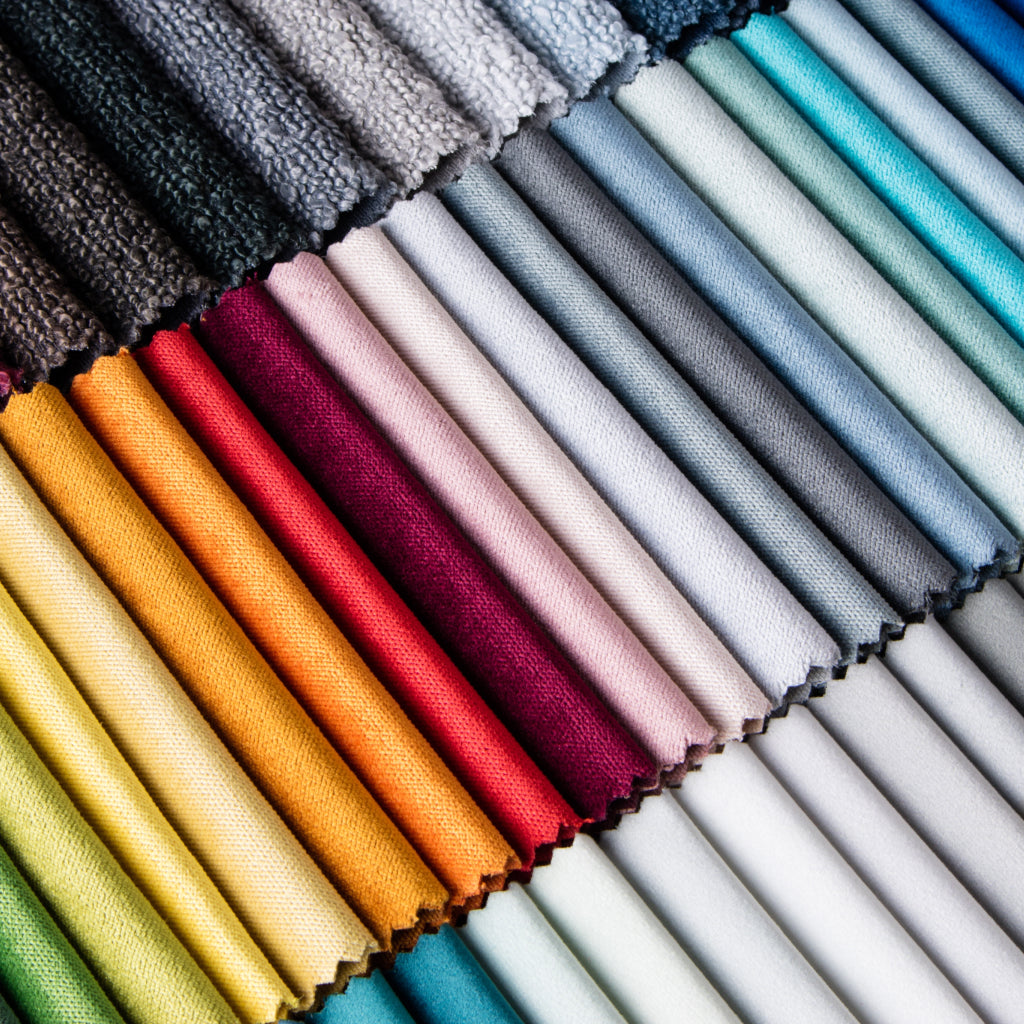

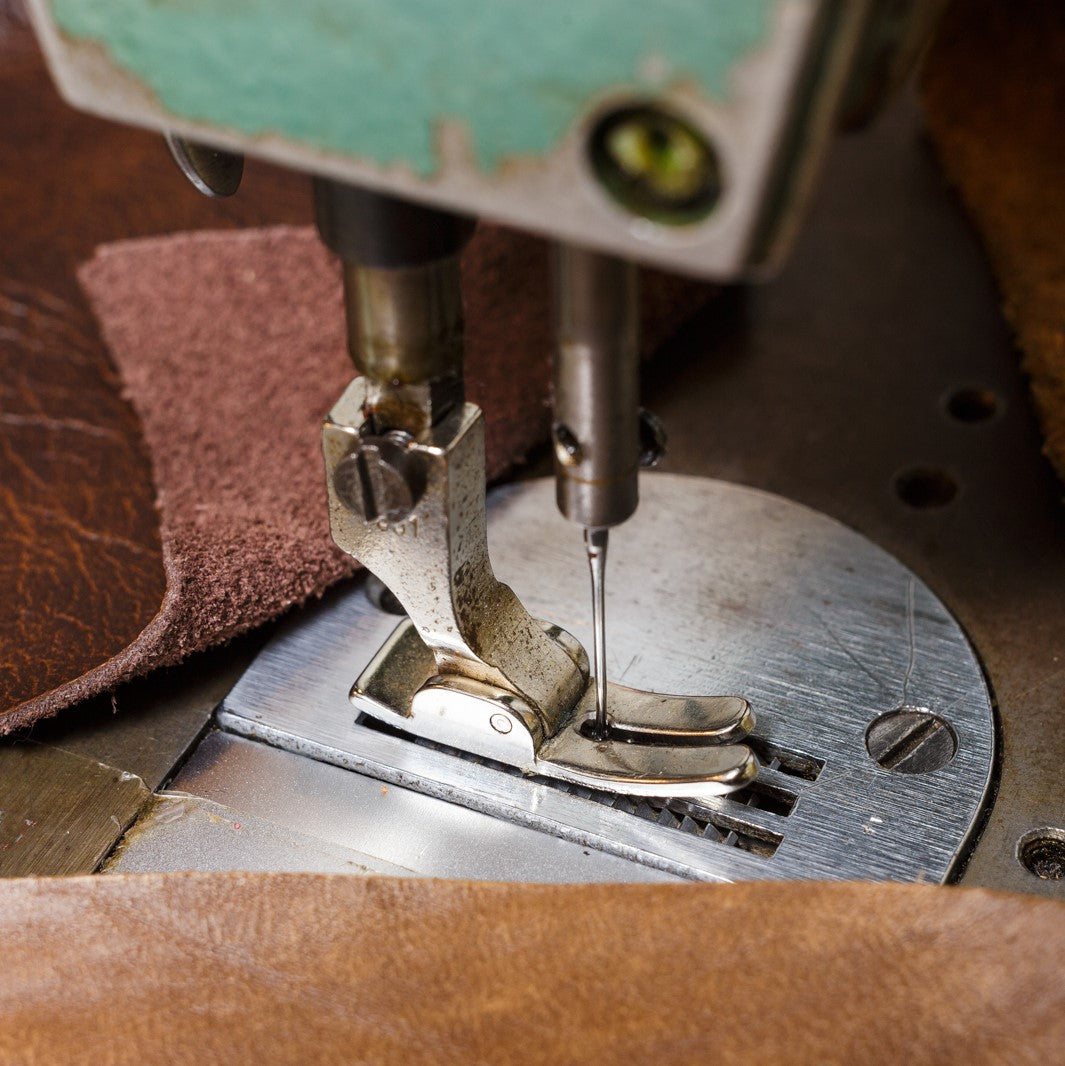
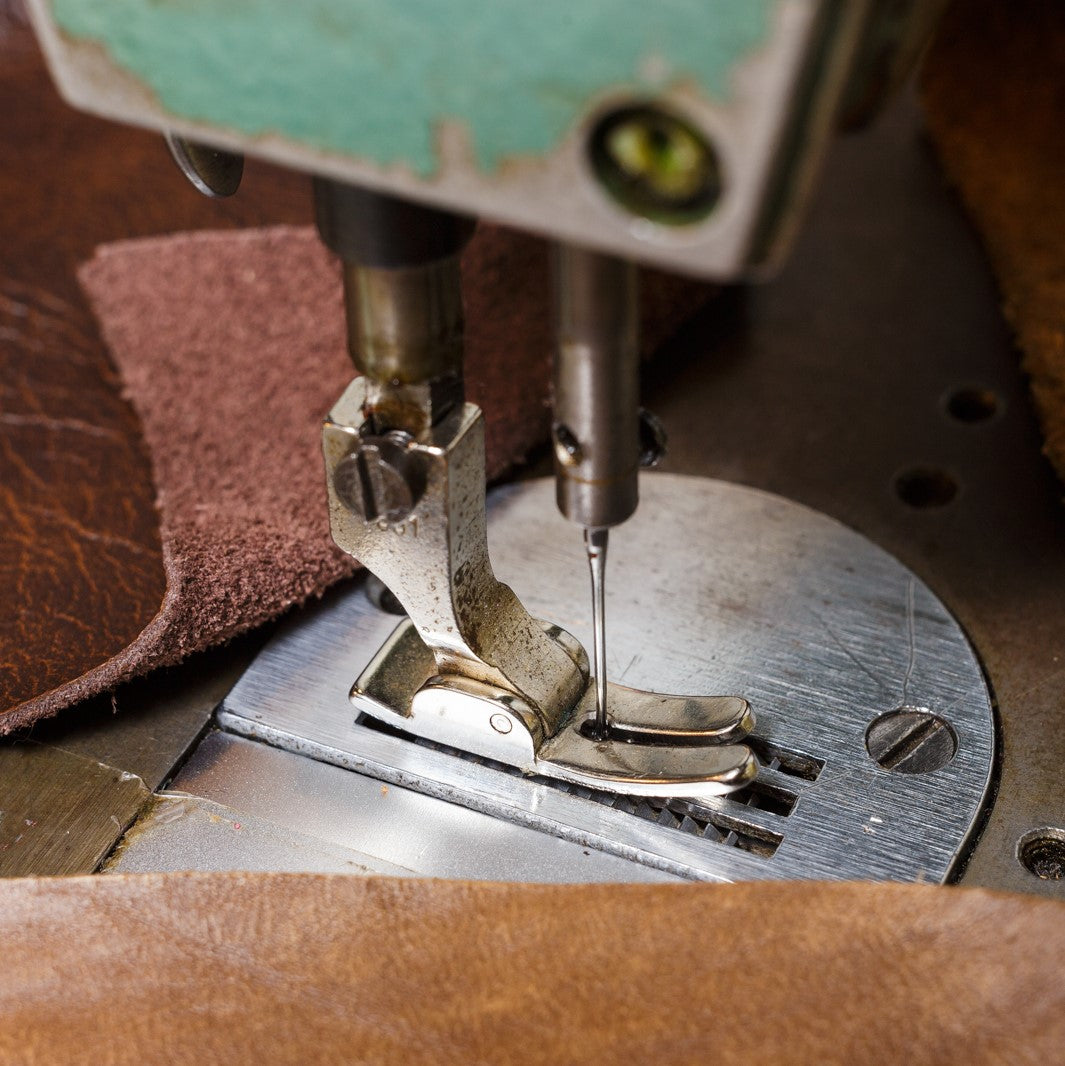
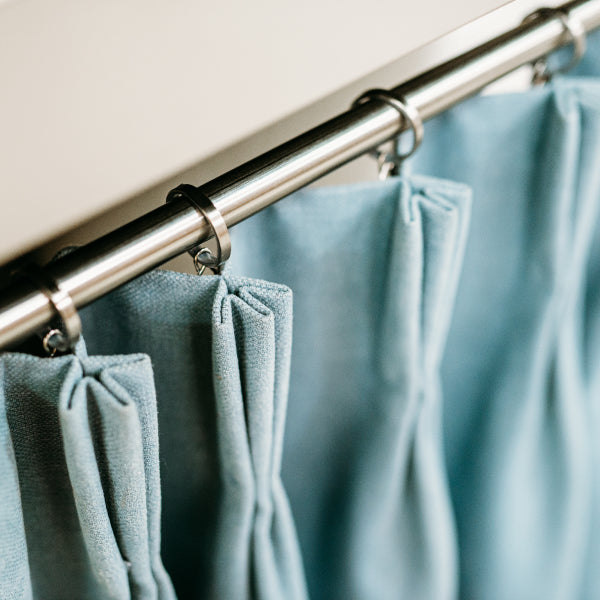
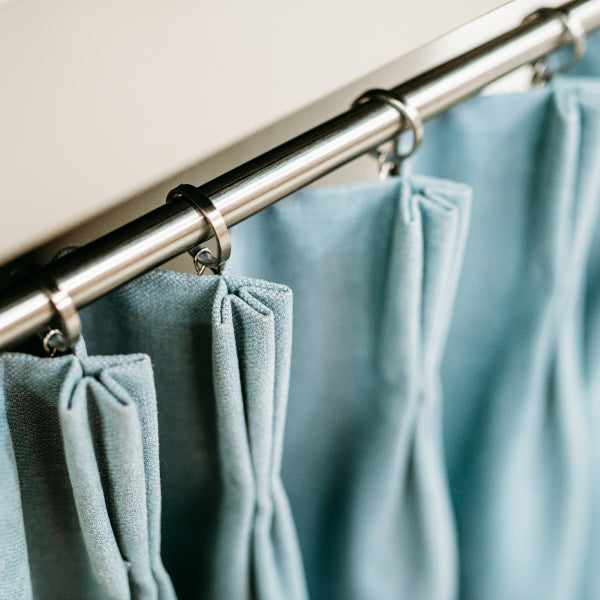
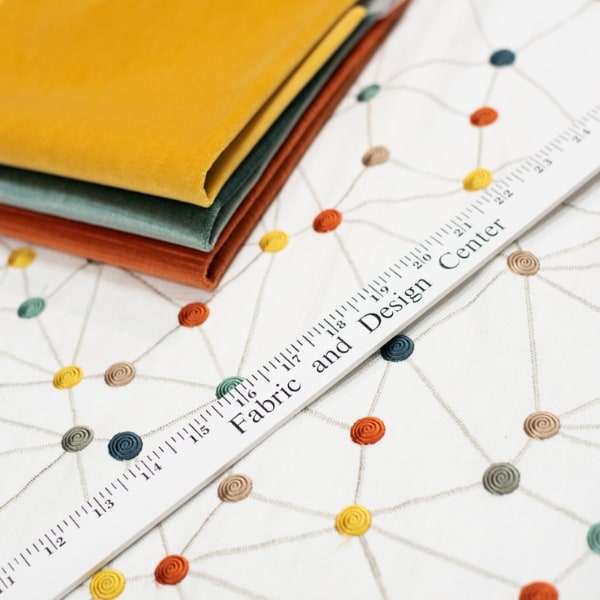
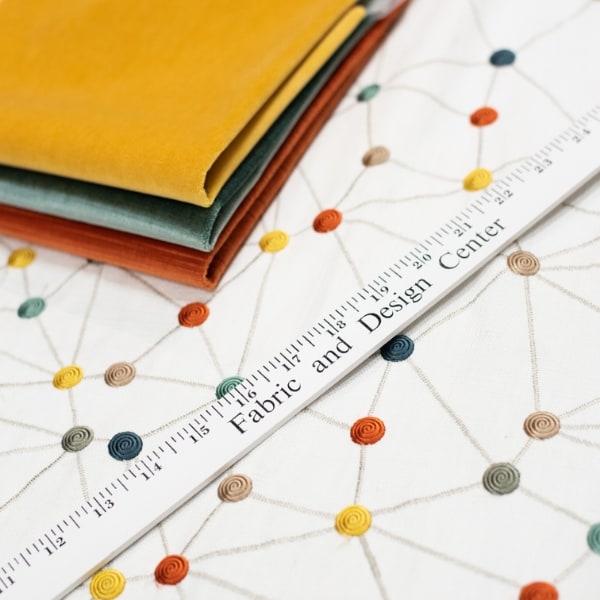
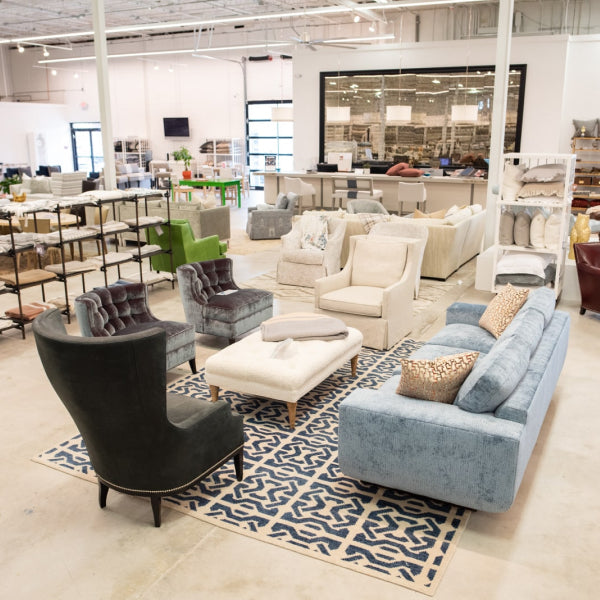


Step inside our Buckhead showroom and you’ll understand why Lewis and Sheron has been Atlanta’s destination for exquisite furniture and fine fabrics for decades. From the handcrafted lines of Verellen and Wesley Hall to the curated textures of Lee Industries, every piece tells a story of quality, comfort, and design mastery. That level of polished craftsmanship doesn't just come from the fabric. It starts with something much smaller: the sewing machine needle.
Getting the needle right is the secret to a perfect stitch. This guide will demystify sewing machine needle sizes, turning those confusing numbers on the package into your most powerful tool for achieving a professional, luxurious finish on every project.
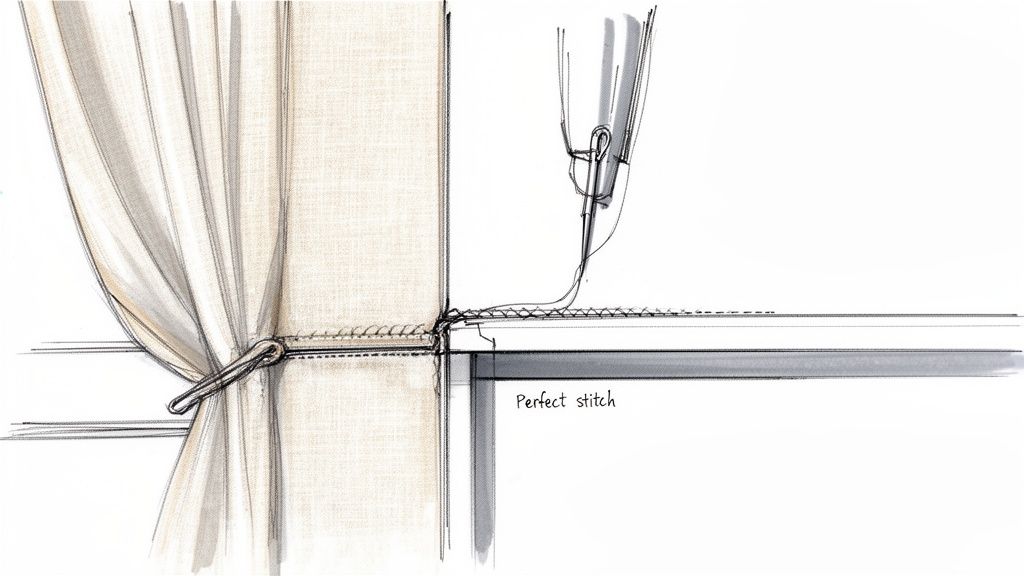
Why The Right Needle Is A Design Essential
Forget frustrating skipped stitches and ugly, puckered seams. We’re decoding the system so you can confidently tackle everything from delicate Belgian linen sheers to heavy-duty upholstery canvas. The right needle doesn't just prevent problems; it elevates the entire look and feel of your work.
Think of it like this: you wouldn't use a thick paintbrush meant for a wall mural to paint a delicate watercolor. The same logic applies here. A needle that’s too large for fine linen will punch permanent, unsightly holes in the fabric. A needle that’s too small for a heavy designer upholstery fabric will snap in an instant or, even worse, throw off your machine's timing.
Your Blueprint For Flawless Stitches
This is about more than just dodging mistakes. It’s about creating a quality of work that stands out, whether you’re a seasoned interior design pro working in Milton or a passionate homeowner in East Cobb. Proper needle selection is the foundation for:
- Perfect Seams: Create smooth, flat seams that seem to disappear into the fabric—a true hallmark of high-end furniture and drapery.
- Fabric Integrity: Protect your investment in exquisite designer fabrics by preventing snags, pulls, and runs that can ruin the material.
- Machine Longevity: Reduce the strain on your sewing machine’s motor, keeping it running smoothly for years to come.
In the world of luxury textiles, the details are what separate the good from the truly exceptional. A well-chosen needle ensures every single one of those details is perfect. And as you gather your tools, remember that a tidy workspace is just as important. For some great ideas, check out our guide to organizing your sewing supplies.
Now, let's dive into the specifics of needle sizing.
Decoding the Numbers: American vs. European Sizing
Ever glanced at a needle package and felt like you were trying to read code? That 80/12 or 110/18 on the label is actually much simpler than it looks.
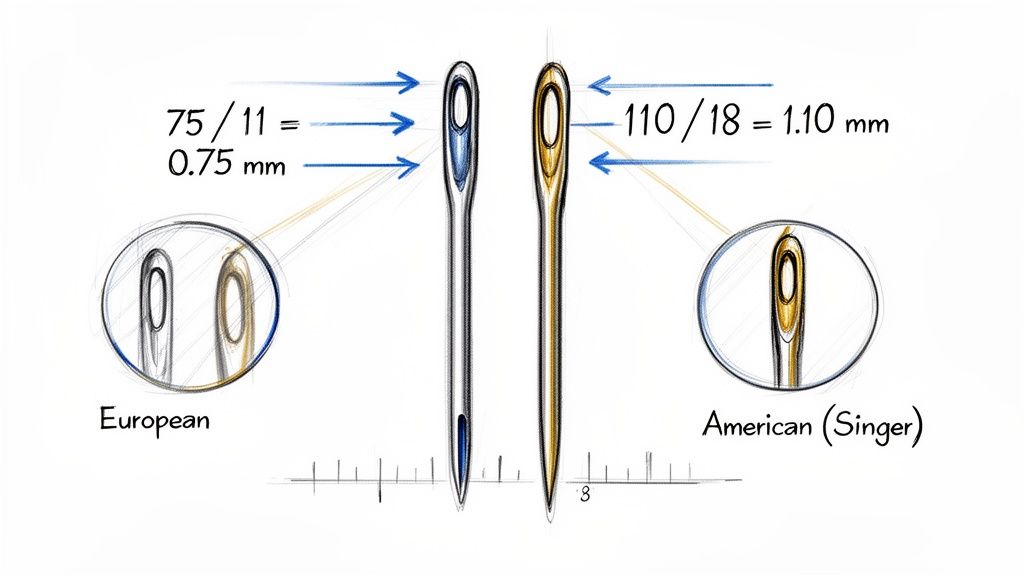
Those two numbers aren't some complicated formula. They’re just two different sizing systems trying to tell you the same thing: how thick the needle is. Think of it like temperature—some people use Celsius, others use Fahrenheit, but both measure the same thing. Once you get the hang of it, you’ll be fluent in both.
This dual-system is what gives you precision and control, whether you’re working with a delicate Belgian linen or a heavy-duty upholstery fabric for a home in Forsyth County.
The European Metric System
The first, larger number on the package is the European size, also known as the metric size. This one is refreshingly straightforward. It directly corresponds to the diameter of the needle shaft in hundredths of a millimeter.
So, a size 80 needle has a shaft that is 0.80mm thick. A beefier size 110 needle? That’s 1.10mm thick. Simple, right? This system is beautifully direct and gives you an exact measurement to work with.
The American Singer System
The second, smaller number is the American size, a legacy system developed by Singer. These sizes range from 8 to 21, and just like the European system, they correlate to the needle’s thickness—the higher the number, the thicker the needle. A size 12 is a fantastic mid-range option, while a size 18 is built for the tough stuff.
The core principle is universal: thinner needles for fine fabrics, thicker needles for heavy ones. A size 80/12 is your go-to for medium-weight cottons, while a 110/18 is essential for the custom upholstery projects we see across Atlanta, from Roswell to Buckhead.
This idea of matching a needle to the job has a long history. While today’s systems are incredibly precise, the concept of a needle is ancient. The earliest known sewing needles, crafted from bone and ivory, date back thousands of years. The refined systems we use today, with shafts ranging from 0.60mm for silks to 1.30mm for upholstery, are the result of that long evolution.
Understanding both sewing machine needle sizes gives you the versatility to choose the perfect tool for any designer fabric you find in our Atlanta fabric showroom. It's the kind of expert knowledge that protects your investment in high-end textiles and ensures every single stitch is flawless.
Choosing the Right Needle Point for Exquisite Fabrics
Beyond size, the needle's point is everything. Think of a sewing needle not as just a sharp piece of metal, but as a highly specialized tool, precision-engineered for a specific job. Using the wrong point can instantly damage a gorgeous bolt of designer fabric, turning a luxury textile into a project riddled with pulls and snags.
Understanding the difference between a needle that pierces versus one that separates fibers is what protects your investment. This is the kind of know-how that matters whether you're crafting custom drapery for a client in Roswell or reupholstering a family heirloom over in Marietta. Let’s break down the essential needle types every serious design project demands.
The Universal Workhorse
The Universal needle is the reliable starting point for so many projects. It has a slightly rounded tip, making it versatile enough to handle a wide range of woven fabrics without much fuss. This is the needle you’d grab for basic cottons and linens—a true jack-of-all-trades.
But "universal" doesn't mean "perfect for everything." While it's great for general sewing, pushing it on delicate silks or heavy upholstery can lead to skipped stitches or fabric damage. It's a dependable choice for straightforward tasks, but for the exquisite materials you'll find in our Atlanta fabric showroom, specialized tools are what deliver superior, professional results.
Ballpoint and Stretch Needles for Knits
Working with knit or stretchy fabrics demands a completely different approach. A sharp needle will literally pierce and tear the delicate looped structure of a knit, creating tiny runs that can unravel over time. This is where the Ballpoint needle comes in.
The Ballpoint's rounded tip is designed to gently push the knit fibers aside, slipping right between them without causing any damage. This subtle difference is the secret to preventing disastrous holes and maintaining the fabric's stretch and integrity.
For highly elastic materials, like those used in performance wear or custom slipcovers, a Stretch needle is an even better choice. It has a special design that prevents those frustrating skipped stitches that often plague stretchy seams. If you're tackling a project with a lot of give, you'll definitely want to explore the techniques for how to sew stretchy material to guarantee a flawless finish.
Heavy-Hitters for Upholstery Projects
When you’re tackling the kind of custom upholstery we create for pieces from Verellen furniture or LEE Industries chairs, you need needles built for power and precision.
- Denim (or Jeans) Needles: These feature a very sharp, strong point and a reinforced blade. They're designed to penetrate thick, densely woven fabrics like denim, canvas, and heavy upholstery-grade textiles without snapping.
- Leather Needles: The Leather needle is unique. It has a wedge-shaped point that cleanly cuts a tiny hole in leather and vinyl, allowing the thread to pass through without creating excessive friction or a torn-looking stitch.
- Microtex (Sharp) Needles: For fine, tightly woven fabrics like silk, microfiber, or even coated materials, a Microtex needle is essential. Its extra-sharp point creates a clean, precise hole, which prevents puckering and produces perfectly straight topstitching.
Choosing the right point ensures every stitch on your high-end furniture project is as strong and beautiful as the last.
Your Fabric to Needle Pairing Guide
Theory is one thing, but how does it all come together when you're working with the fine fabrics you'd find at Lewis and Sheron in Buckhead? Let's get practical. This is your guide to turning that abstract knowledge into flawless results and luxurious craftsmanship.
Lightweight Linens
Let’s start with a classic. Say you've fallen for a gorgeous Libeco Belgian linen for a set of custom drapes for a home in Alpharetta. With a delicate, lightweight weave like that, you need a needle that creates a clean, minimal puncture.
A size 70/10 or 80/12 Microtex needle is absolutely perfect here. It will pierce the fine threads cleanly without the slightest hint of a snag or pucker.
Upholstery and Heavy-Duty Textiles
Now, picture a more demanding project: reupholstering a Wesley Hall sofa frame with a tough, multi-layered Crypton fabric. A standard needle just isn’t going to survive that job; it would likely snap in an instant.
For this kind of work, you need a real heavy-hitter. Reach for a 100/16 or 110/18 Denim needle. Its reinforced shaft and super-sharp point are built to power right through dense layers without breaking a sweat.
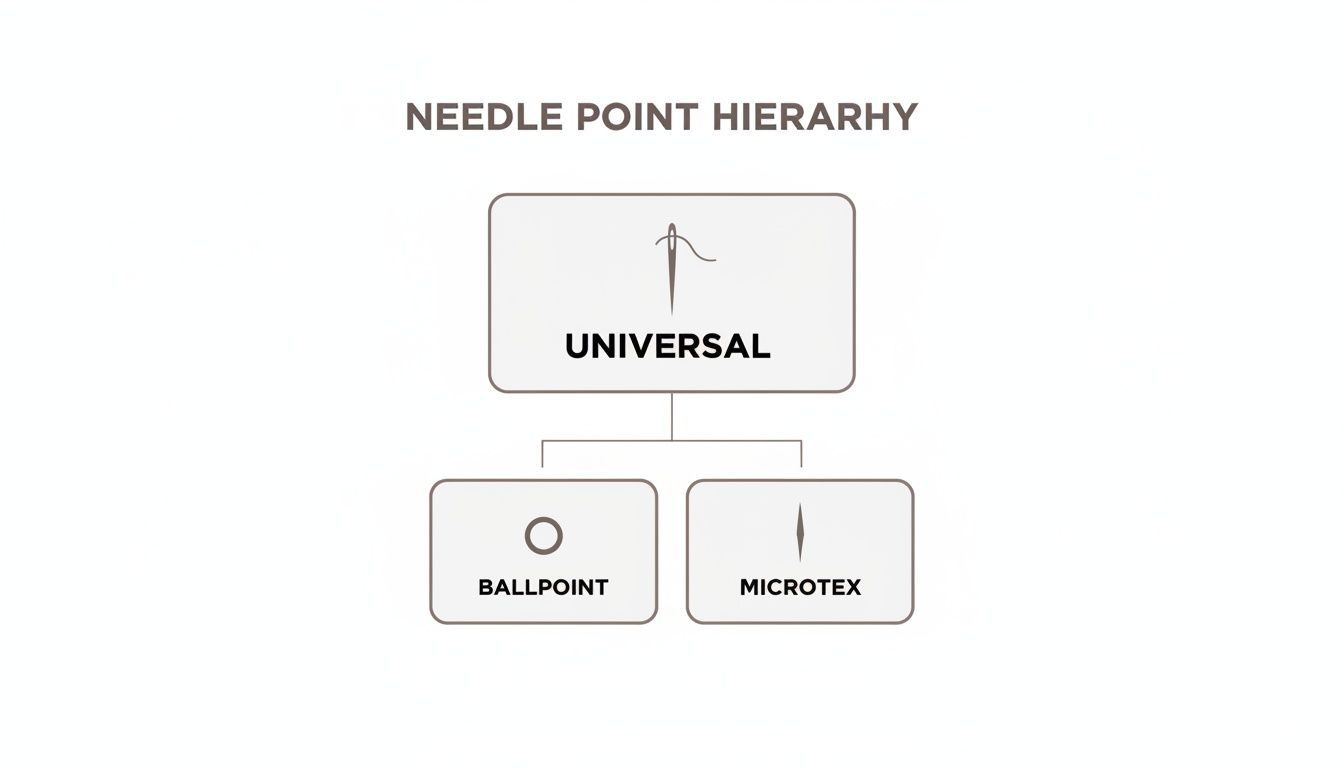
This simple chart shows how the all-purpose Universal needle is the starting point for more specialized tips like the Ballpoint and Microtex. Understanding this helps you pick the right tool for the job and protect your beautiful designer fabrics from damage.
Specialty Applications and Finishing Touches
It’s always the little details that take a piece from simply "well-made" to truly exquisite. When you’re applying an intricate trim to an Ambella furniture piece or aiming for perfect topstitching, your needle choice is everything.
- Applying Trim: For delicate trims, a smaller Universal needle (like a 75/11) usually hits that sweet spot between strength and finesse.
- Perfect Topstitching: To get that crisp, defined line, a dedicated Topstitching needle is non-negotiable. Its eye is much larger to handle thicker thread, which stops the shredding and breaking that can ruin a beautiful finish.
This attention to detail truly matters. In today's market, where 85% of sewing machines use metric sizing, choosing the right needle prevents 90% of common headaches like skipped stitches or puckering fabric. For our clients restoring heirlooms or creating stunning made-to-order drapery, this is crucial. You can learn more about needle standards and their impact to see just how significant this tiny component is.
By pairing the right sewing machine needle sizes with your fabrics, you ensure every single stitch reflects the quality and design mastery your vision demands.
Troubleshooting Common Needle-Related Problems
Even the most seasoned designers run into frustrating issues. A perfect project can suddenly go sideways with skipped stitches, shredded thread, or broken needles. More often than not, the needle is the culprit.
Think of this section as your diagnostic guide—like having an expert from our Buckhead workroom looking right over your shoulder. We’ll connect the most common sewing problems directly to their needle-based solutions, saving you time, frustration, and precious designer fabric.
Skipped Stitches
This is probably the most common headache in the sewing room. When your machine fails to form a complete stitch, the very first thing you should check is your needle.
- Dull or Damaged Needle: A needle’s point becomes dull after just 8-10 hours of sewing. A worn-out tip can’t cleanly pierce the fabric to form a proper stitch. The fix is almost always a fresh needle.
- Incorrect Needle Type: Are you trying to use a Universal needle on a stretchy knit? That fabric will just flex away from the blunt point, causing skips. You'll need to switch to a Ballpoint or Stretch needle to solve it.
- Wrong Needle Size: A needle that's too fine for a heavy fabric will bend on impact, deflecting just enough to miss the hook and skip the stitch.
Shredding or Breaking Thread
Nothing stops a project in its tracks faster than thread that constantly snaps. Before you blame the thread itself, take a close look at the needle’s eye.
If the eye of the needle is too small for your thread’s thickness, it creates a ton of friction. That friction builds heat and literally shreds the thread until it breaks. For instance, when topstitching a Wesley Hall sofa with a thick, decorative thread, you must use a Topstitching needle designed with a larger eye.
The impact of refined sewing machine needle sizes has been huge; early machines stitched 250 times per minute, outpacing five hand-sewers. Today, industrial needles prevent fabric damage in 95% of cases when matched correctly—a critical factor for reupholstery on brands like LEE Industries, which can extend a piece's life by 20-30 years. You can learn more about the evolution of sewing technology and its benefits from this detailed resource.
Fabric Puckering or Damage
If your fabric looks puckered, pulled, or has visible holes along the seam, your needle is almost certainly the problem. A needle that is too large for a delicate fabric will punch holes that are simply too big for the thread to fill, causing the material to gather and pucker.
Using a dull needle has the same effect. Instead of piercing the fibers cleanly, it brutally shoves them aside, creating snags and runs. Always match the smallest possible needle size to your fabric for a finish worthy of any luxury furniture Atlanta showroom.
Your Questions About Sewing Needles Answered
I get it. When you’re caught up in the big picture—the gorgeous lines of a Verellen sofa or getting the perfect, flowing drape for a client's custom curtains—something as tiny as a needle can feel like a minor detail. But as we’ve seen, that little needle is where real precision begins.
To wrap things up, I’ve pulled together the most common questions our designers and clients ask right here in our Atlanta fabric showroom. Think of this as the expert cheat sheet you need to tackle any project with total confidence, whether you're a designer looking for our trade furniture program or a homeowner searching for luxury furniture in Roswell.
How Often Should I Change My Sewing Machine Needle?
Picture your needle as a chef's knife. It gets dull with every cut, and a dull tool isn’t just frustrating—it can be damaging. A great rule of thumb is to swap out your needle after every 8-10 hours of sewing, or simply at the start of any new project.
Now, if you’re working with something dense, like our upholstery-grade fabrics, you might need to change it even more frequently. A dull needle is the number one cause of skipped stitches, snags, and pulls. For the tiny cost of a new needle, it’s the best insurance policy you can buy for a beautiful bolt of fabric.
What Happens If I Use the Wrong Size Needle?
Using the wrong needle size is a recipe for disaster. Honestly, it’s one of the fastest ways to ruin a stunning textile.
- If the needle is too small for a heavy fabric (imagine trying to punch through canvas with a delicate Microtex needle), it’s going to bend or break. That can throw your machine’s timing out of whack or, in a worst-case scenario, damage the internal parts.
- If the needle is too large for a fine fabric (like using a thick Denim needle on a sheer linen), it will leave behind noticeable, permanent holes. This makes the fabric pucker and creates a weak, unprofessional-looking seam.
The goal is always to create a clean perforation just big enough for the thread to pass through without a struggle. Matching your needle size to your fabric is the real secret to achieving that high-end, professional finish you see in high-end furniture stores in Buckhead.
Can I Use a Universal Needle for Everything?
A Universal needle is a fantastic all-rounder for many projects, but let’s be clear: it is not a one-size-fits-all solution for bespoke work. Think of it as a reliable sedan in a world that sometimes demands a heavy-duty truck.
For knit fabrics, a Ballpoint needle is non-negotiable to prevent runs. For tightly woven fabrics like microfiber or fine silks, a Microtex (Sharp) needle is essential for a clean, sharp stitch. While a Universal needle can work in a pinch, using a needle designed specifically for your fabric will always give you a more beautiful, durable, and professional result.
Ultimately, keeping a small collection of specialized needles on hand is one of the easiest ways to elevate your sewing. If you're building out your toolkit, our guide on essential sewing notions can help you stock up on other must-haves.
Do I Need a Special Needle for Topstitching?
Absolutely. If you want that crisp, defined topstitching you see on high-end upholstery from brands like Wesley Hall sofas or LEE Industries chairs, a Topstitching needle is a must. Don't even think about trying to get that look with a standard needle.
Topstitching needles are built differently. They have a much larger eye and a deeper groove made specifically to handle thicker topstitching thread. This design keeps the thread from shredding or breaking when you’re sewing at speed. Trying to force thick thread through a standard needle will only lead to constant frustration and a messy, amateur finish. It’s a small tool that makes a world of difference.
At Lewis and Sheron Textiles, we believe that exceptional design lives in the details. From choosing the perfect Belgian linen to selecting the right needle, every choice matters. Visit our Atlanta showroom to explore our exquisite furniture collections and fine fabrics, and let us help you bring your vision to life.