



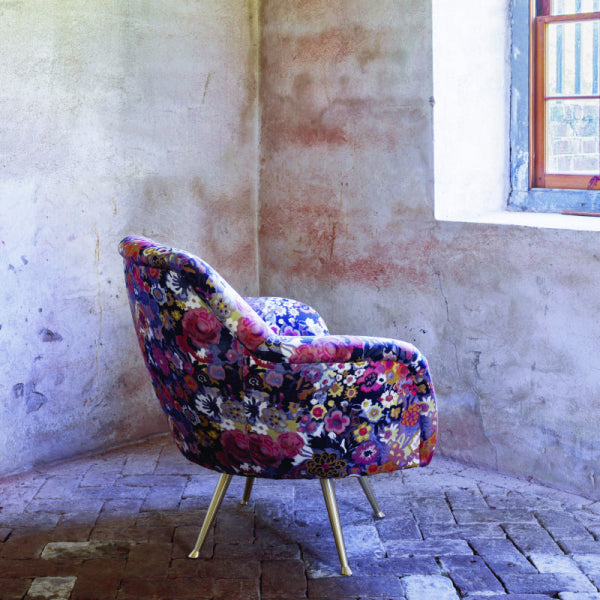
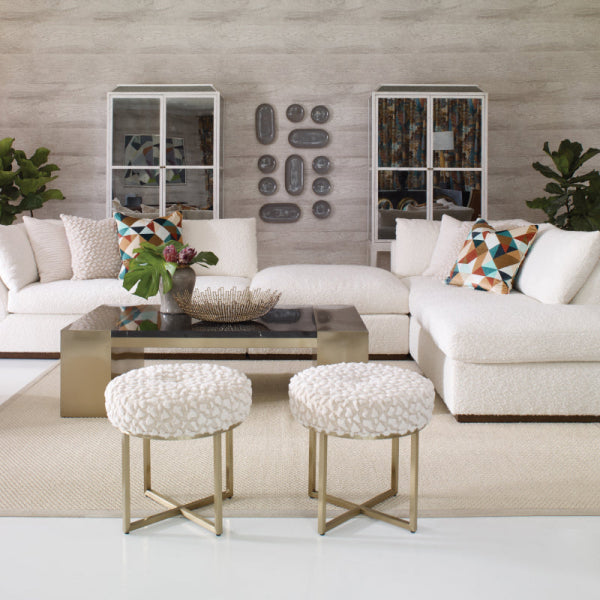
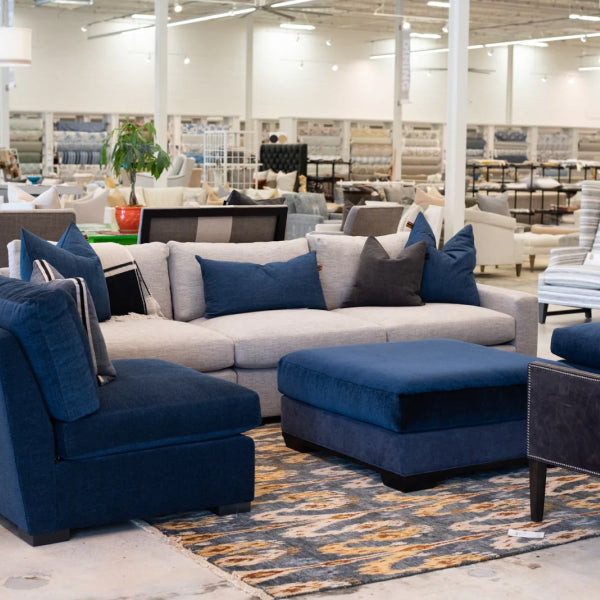






You're usually not shopping for a sofa by asking what presser foot was used in the workroom. You're looking at the seat shape, the hand of the fabric, the line of the arm, and whether the stitching looks calm and intentional or slightly off in a way you can't quite name.
That last part matters more than most buyers realize. On a luxury sofa, a custom chair, or a custom-made bench at the foot of a bed, seam quality tells you a great deal about how the piece was built. It shows up in leather that lies flat instead of fighting the stitch line, in trim that follows a curve without wobbling, and in topstitching that looks clean from one end of the cushion to the other.
One of the quiet tools behind that result is the roller foot sewing machine setup. It's a small detail. In high-end upholstery, small details are where the difference lives.
What Is a Roller Foot and Why It Defines Quality Craftsmanship
A well-made upholstered piece looks effortless. The leather on a tight back doesn't ripple. A vinyl welt doesn't drag at the corners. Decorative stitching on a custom headboard stays straight and balanced instead of drifting. Buyers in Atlanta, Buckhead, Alpharetta, Roswell, and Sandy Springs often respond to that look before they know why it feels more refined.
The roller foot is one reason.

A small attachment with a big job
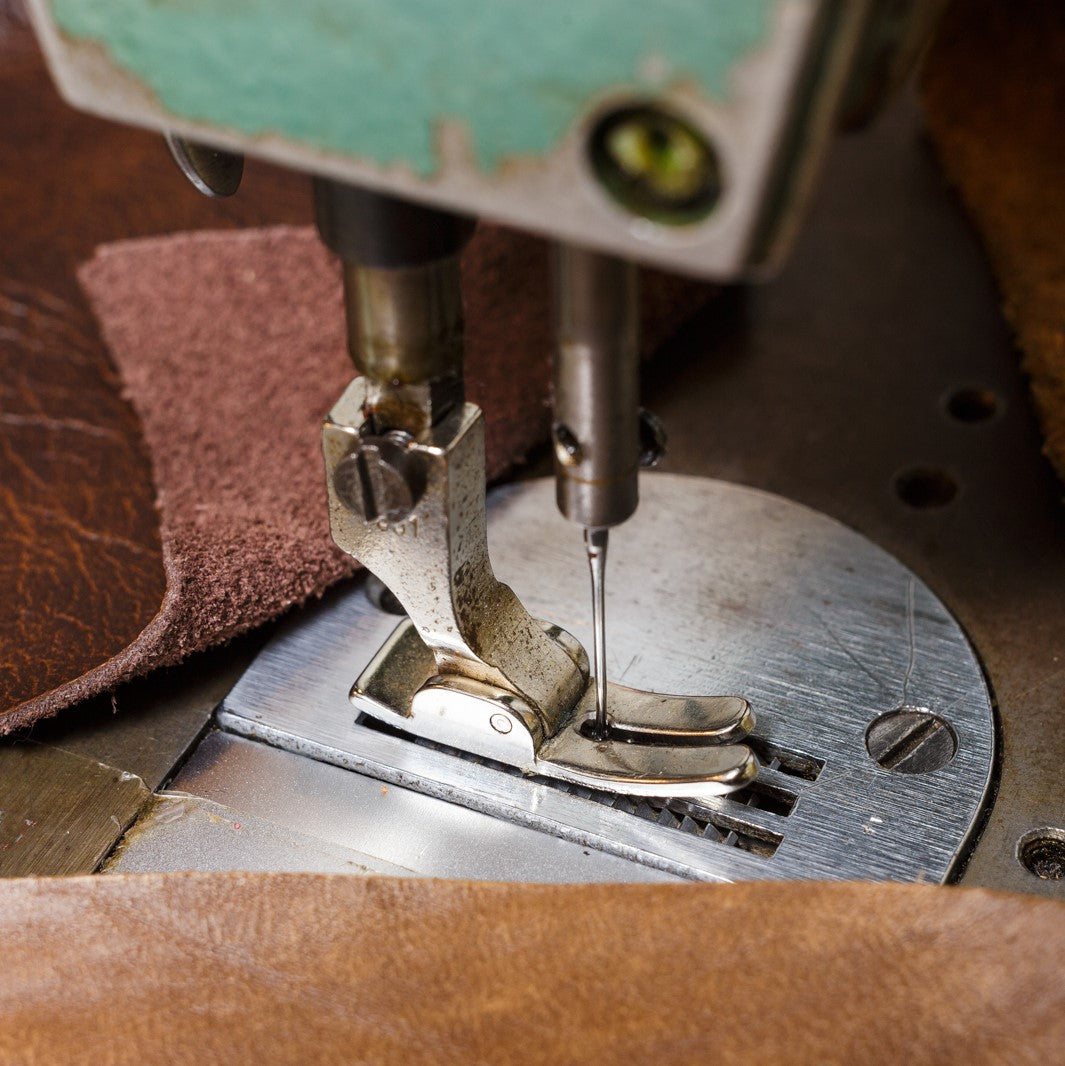
A roller foot is a presser-foot attachment designed to help difficult surfaces move under the needle with less resistance. In upholstery work, that matters most on materials that don't behave politely under a standard foot. Leather, vinyl, suede-like finishes, and some textured fabrics can grip, drag, and shift at the exact moment you need control.
That's why a craftsperson reaches for a specialized tool instead of forcing the material through a generic setup. If you want to see the type of attachment often used for those surfaces, a specialized leather sewing foot is a useful reference because it shows the kind of hardware built for harder-to-feed materials.
Practical rule: When a material resists the machine, the answer usually isn't more force. It's a better interface between foot, fabric, and feed.
Why this signals heirloom work
The roller foot wasn't part of the earliest sewing machine designs. The first practical and widely used sewing machine was invented by Barthélemy Thimonnier in 1829, and Singer's 1850 improvements focused on features such as a presser foot, tension control, and curved-line stitching, which places roller-foot style attachments later in the development of specialized sewing technology for tougher materials, as outlined in this history of the sewing machine.
That history matters because it reflects a larger truth about furniture making. Early machine sewing made production possible. Later attachments made refinement possible.
In a mass-market piece, the seam often gets treated as a basic construction step. In custom upholstered furniture, the seam is part of the design itself. It affects how light hits the panel, how the fabric turns around a radius, and whether the finished piece feels crisp or ordinary.
Where buyers actually see the difference
You can spot roller-foot-level thinking in places like these:
- Leather sofa topstitching: The line stays clean because the surface feeds without jerking.
- Vinyl trim on dining chairs: The trim lies flat instead of twisting as it rounds a corner.
- Decorative panels on statement furniture pieces: Layered materials stay aligned, so the detail looks intentional from every angle.
That's the dividing line between furniture that merely fills a room and furniture that holds its own in a carefully designed interior. In high-end furniture, tools are never the whole story. But the right tool in trained hands is often what preserves the look buyers are paying for.
The Mechanics of a Perfect Seam
A standard presser foot works well on cooperative fabric. Upholstery materials are often not cooperative. They may be slick on top, spongy underneath, heavily finished, or dense enough that the top layer wants to lag while the feed dogs move the lower layer forward. That mismatch is how seams start to wander.
A roller foot changes that interaction.

What the rollers actually do
Manufacturers describe the roller foot as using rotating rollers to reduce friction and help the feed mechanism move difficult materials more evenly. It's especially useful on leather, vinyl, suede, heavy knits, and other textured or sticky fabrics that tend to drag under a standard presser foot. In practical terms, that means less top-layer creep, fewer skipped feed steps, and better alignment between layers, as described in Singer's guide to using the roller foot.
Think of it as the difference between sliding a heavy box across a floor and moving it on casters. The load hasn't changed. The resistance has.
Why luxury materials expose every weakness
Premium upholstery textiles tend to magnify mistakes, not hide them. A polished leather surface can show waviness in a stitch line immediately. A performance fabric with a finish may drag just enough to distort a seam. Linen blends can shift at the edge if the handling is rough.
For a client evaluating designer furniture near me or comparing custom furniture in Atlanta, the visible results often come down to a few technical factors:
- Surface friction: A sticky face fabric can resist smooth feeding.
- Layer behavior: The top and bottom layers may not move at the same rate.
- Needle-path stability: Any drag at the foot can pull the line off course.
For anyone studying seam construction more closely, this guide to understanding seam allowance helps connect machine handling to the finished look of upholstery panels.
A straight seam doesn't begin at the needle. It begins where the material meets the foot.
What this means on finished furniture
When the feed is smoother, the seam looks calmer. That shows up in ways clients notice, even if they don't use sewing terminology.
- Cleaner topstitching on leather The line looks deliberate instead of slightly pulled.
- Better seam matching on bulky substrates Edges stay in register when the material would otherwise creep.
- Less puckering near trim or welting The panel stays flatter because the upper surface isn't being dragged.
A technical accessory serves as a marker of quality. On high-quality couches, premium sectionals, and custom upholstered walls or banquettes, the seam isn't a minor detail. It's one of the strongest signals that the piece was made by someone who understands how material behaves under pressure.
Roller Foot vs Walking Foot for Luxury Textiles
Not every difficult upholstery project calls for a roller foot. That's where a lot of buyers, and plenty of inexperienced makers, get turned around. A roller foot and a walking foot solve different problems.
The simplest distinction is this. A roller foot helps the top surface glide. A walking foot helps move multiple layers together more evenly, especially on thick builds or pattern-matching work, as discussed in this comparison of roller feed vs walking foot.
Surface control versus layer control
If you're sewing a slick leather panel for a luxury sofa, the challenge may be surface drag. The material doesn't want to slide cleanly under the foot. That's where the roller foot earns its keep.
If you're building a cushion with several layers, backing, and welting, or you're matching a large plaid on heavy upholstery, surface glide isn't the main problem. Layer synchronization is. That's where a walking foot becomes the better choice.
A broader look at presser foot types for sewing machines helps put those roles into context.
Choosing the right presser foot for premium fabrics
| Fabric Type | Recommended Foot | Why It's the Best Choice |
|---|---|---|
| Smooth leather for tight upholstery panels | Roller foot | The rollers help the surface move without sticking, which supports cleaner visible stitching. |
| Vinyl trim or faux leather accents | Roller foot | These materials can drag under a standard foot. The roller foot improves glide and helps the trim track more evenly. |
| Thick layered upholstery seams | Walking foot | Multiple layers need to advance together. A walking foot is better at managing that stack. |
| Heavy plaid or stripe matching | Walking foot | Pattern alignment depends on even movement across layers, not just surface slip. |
| Velvet or delicate nap fabrics | Case by case | Surface marking and drag both matter. The right choice depends on pile sensitivity, seam construction, and bulk. |
| Water-repellent finished upholstery fabrics | Depends on build | Some finishes create drag on the surface, while others sew well until seam bulk increases. Material testing matters. |
Some homeowners now compare textiles with surface treatments before they ever choose a furniture frame. If you're reviewing options in that category, this overview of water and stain repellent upholstery is useful for understanding how treated fabrics may behave differently in real use.
The wrong foot can still make a seam. It just won't make the seam you want on a visible, expensive surface.
Where a Teflon foot fits in
A Teflon foot often enters the conversation because it also helps materials glide. It can be helpful on sticky surfaces, but it doesn't behave exactly like a roller foot. The distinction matters in upholstery because a material may need less drag at the surface and more precise control around curves, trim, or exposed stitch lines.
In practice, the decision comes down to what problem needs solving first:
- Use a roller foot when the material face is resisting movement and the visible seam line must stay composed.
- Use a walking foot when the build is thick, layered, or pattern-sensitive.
- Consider a Teflon foot when reducing stick is important, but the project doesn't demand the same rolling action.
Why buyers should care
This isn't only workshop trivia. It affects how you judge designer furniture, custom chairs, and luxury home furnishings in the showroom.
When a piece has crisp leather seams, balanced welting, and trim that sits neatly through turns and transitions, that usually reflects sound tool choice before it reflects hand skill alone. Good artisans know the difference between forcing a result and setting the machine up so the material behaves. That's the kind of judgment that separates one-off quality from factory compromise.
Inside the Workshop Using a Roller Foot on Designer Pieces
The public usually sees the finished chair. In the workroom, the important decisions happen earlier, when the machine is still quiet and the material is on the table.
That's where experience shows. A roller foot isn't something you snap on and trust blindly, especially when the fabric or leather is expensive, visible, and difficult to replace.

Setup decides whether the seam succeeds
Proper setup is often what separates clean execution from damaged material. Installation can require holder alignment and needle-position clearance, and stitch-width settings may need adjustment to maintain at least 1 mm of clearance between the roller and needle. Guidance on the same setup also recommends increasing stitch length on faux leather and vinyl to reduce perforation and seam tearing, as noted in this roller foot setup demonstration.
That single detail about clearance tells you a lot. Fine upholstery sewing isn't just sewing. It's calibration.
A look inside an Atlanta custom upholstery workroom makes that easier to appreciate, because much of the craft is in preparation, handling, and sequencing rather than in the final stitch alone.
What the craftsperson is watching
On a designer piece, the operator is reading more than the seam line. They're watching the material's response second by second.
- Needle clearance If the roller sits too close to the needle path, the machine can't run confidently. Clearance is not optional.
- Stitch length On faux leather and vinyl, too-short stitches can act like a perforation line. The seam may look neat at first and fail later.
- Pressure and tracking Too much pressure can fight the surface. Too little can reduce control right when the seam curves or crosses bulk.
In upholstery, a beautiful seam is often the result of restraint. The maker avoids over-handling the material and lets the setup do the work.
Real examples from high-end interiors
Consider a custom dining chair with a slim outside back in leather and a decorative topstitch that sits close to the edge. The line has to remain consistent where the panel curves and where the thickness changes. A roller foot can help the leather travel more predictably so the visual spacing stays even.
Now take a bench seat with vinyl contrast welt. The welt needs to sit proud and clean without twisting, and the face panel can't pucker beside it. If the material drags under the foot, the whole edge starts to look unsettled. That's exactly the sort of flaw clients notice later, especially in daylight.
Why this matters to Atlanta buyers and designers
In Buckhead and North Atlanta, buyers shopping for custom upholstered furniture or sourcing statement pieces for renovated homes are often mixing texture, performance, and precision detailing in the same room. That combination raises the standard for execution.
A well-chosen fabric can still disappoint if the workroom treats every seam the same way. The opposite is also true. Skilled handling can make demanding materials look composed, expensive, and lasting.
Lewis and Sheron Textiles offers custom upholstery repair services and workroom support, which is directly relevant when a project involves difficult upholstery materials that benefit from specialized sewing setups. That matters when the goal isn't only to re-cover a piece, but to preserve its line, proportion, and finish quality.
Investing in Craftsmanship When Expert Upholstery Is Essential
By the time a buyer starts comparing custom furniture Atlanta options or asking where to find high-end furniture in Buckhead or designer furniture near me, they're usually not looking for shortcuts. They want confidence. They want to know why one piece looks sharp after delivery while another starts showing strain at the seams.
That's where craftsmanship stops being a romantic idea and becomes a buying criterion.

Home sewing changed access, not standards
The scale-up of home sewing helps explain why professional upholstery still occupies a different category. Singer introduced the first practical electric sewing machine for home use in 1889, and by 1890 the company reportedly held 90% of global sewing-machine market share, according to this history of the sewing machine industry. Home machines became widely accessible, but high-end upholstery techniques continued to develop in specialized workshops.
That distinction still matters. Access to a machine doesn't equal command of upholstery construction.
When expert work is the right decision
Some furniture projects carry too much material value, design value, or sentimental value to treat casually.
- Heirloom frames: A family chair with strong bones deserves seam work that respects the original silhouette.
- Designer textiles: Expensive fabric can be damaged quickly by the wrong settings, poor seam sequencing, or rough handling.
- Visible detailing: Contrast welt, topstitching, leather panels, and trim all amplify small execution errors.
- Large statement pieces: On a sectional or long bench, inconsistencies repeat across the whole form and become hard to ignore.
Buyers often focus on fabric selection first. The wiser question is whether the workroom can sew that fabric in a way that protects its value.
What separates mass-produced from heirloom-quality furniture
Mass production rewards repeatability. Heirloom work rewards judgment.
That judgment shows in decisions seldom visible. Which foot to use. How to set stitch length. When to test on scrap. Whether a seam should be pushed, eased, or rebuilt before it ever reaches the deck of a sofa. Those choices are why some luxury home furnishings feel composed in every line, while others feel close, but not quite resolved.
For homeowners in Sandy Springs, Roswell, Alpharetta, and the wider Fulton County market, understanding this makes shopping easier. You don't need to sew. You need to know what careful making looks like, and when the work requires someone who does this every day.
Conclusion The Mark of True Luxury
A roller foot is a small part of upholstery. It's also an honest window into how serious furniture is made. When a workshop chooses tools based on the surface, the seam build, and the final visual effect, the finished piece carries that discipline in every line.
That's the fundamental difference between something mass-produced and something lasting. Luxury sofas, custom chairs, and other designer furniture pieces don't feel distinguished because they use fancy language or trend-driven styling. They feel distinguished because the details hold together. The seams stay calm. The materials are handled with respect. The construction supports the design instead of fighting it.
For buyers furnishing homes in Atlanta, Buckhead, Roswell, Alpharetta, and surrounding neighborhoods, that's worth paying attention to. The right upholstery work doesn't just make furniture look better on delivery day. It gives the piece a better chance of becoming part of the home for years to come.
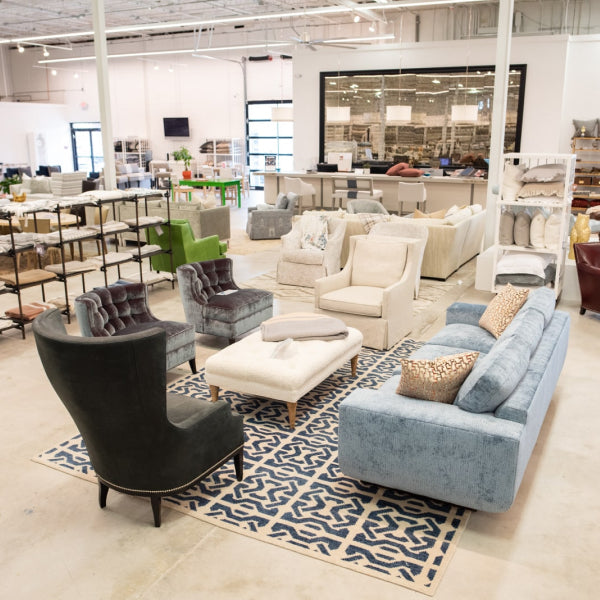
If you're choosing fabric, reworking a cherished frame, or planning a room around custom upholstery, Lewis and Sheron Textiles offers a place to evaluate materials in person, discuss construction details, and work through options for furniture, trim, and custom interiors with experienced guidance.