



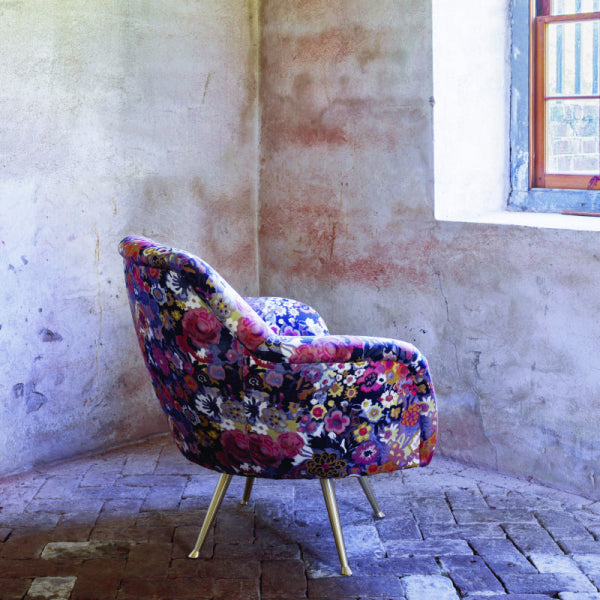
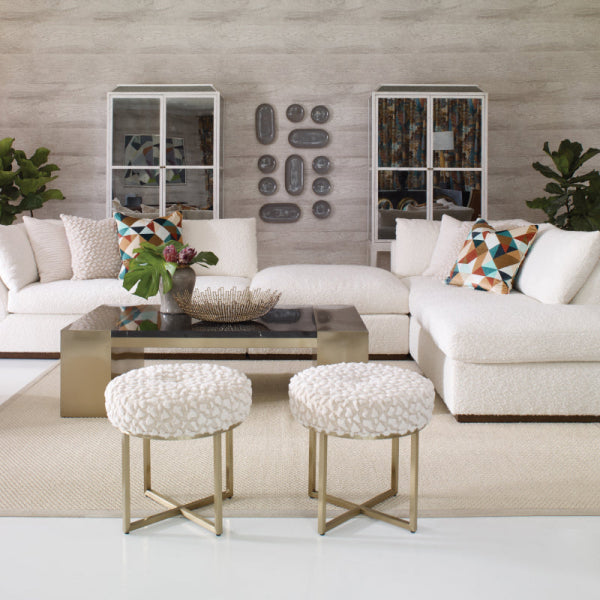
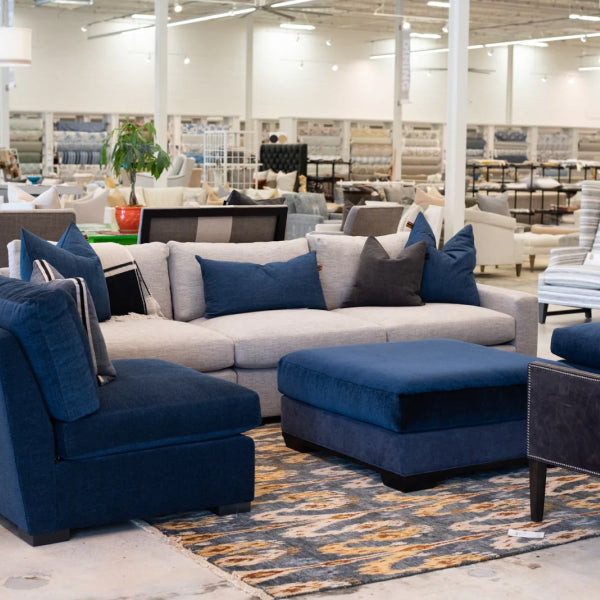




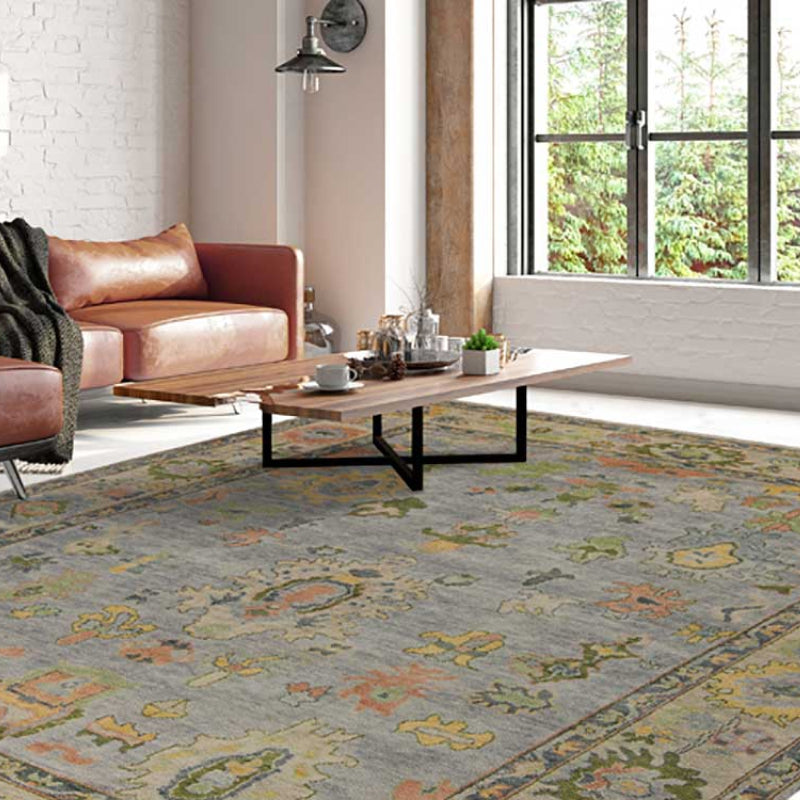
You're probably in one of two places right now. You've either sat on a sofa that looked beautiful in a showroom but felt flat, thin, or forgettable once you paid attention, or you're planning a custom piece and realizing the fabric decision matters far more than the silhouette alone.
That's where many luxury furniture projects go right or wrong. A precisely constructed frame, refined proportions, and premium cushion fill can only carry a piece so far if the upholstery fabric doesn't have depth, body, and staying power. For clients furnishing homes in Atlanta, Buckhead, Alpharetta, Roswell, and Sandy Springs, that distinction matters because investment furniture should feel composed from every angle, not just photogenic on day one.
Among the fabrics worth serious consideration, double cloth fabric stands out. It isn't just another upholstery option. It's a structural textile choice that can influence how a chair feels in the hand, how a sofa reads in the room, and how confidently a custom piece ages over time.
Why Your Luxury Sofa Needs Double Cloth Fabric
A client shopping for a luxury sofa in Atlanta often starts with color first. Then they move to texture. Only later do they ask the more useful question: why does one upholstered piece look crisp, plush, and expensive, while another with a similar shape feels ordinary?
The answer is often in the construction of the fabric itself. Double cloth fabric has a substance that many standard upholstery textiles can't fake. On a custom sofa, premium sectional, or carefully crafted accent chair, that substance shows up as cleaner lines, richer drape, and a more considered finish.

In high-end homes, especially where the furniture has to hold its own against stone, millwork, and strong architectural light, thin fabric can look underdressed. Double cloth gives upholstered furniture more visual authority. It helps a custom chair feel intentional rather than mass-produced. It helps a high-quality couch look finished even when viewed from the side or back, which matters in open floor plans.
What affluent buyers usually notice first
Clients rarely walk in asking for double cloth by name. They notice outcomes.
- A fuller hand feel that makes the fabric seem more luxurious the moment they touch it
- Better visual weight so the upholstery doesn't look flimsy on a substantial frame
- More interest on both sides when reversible or double-faced effects matter
- A premium impression that aligns with designer furniture rather than quick-turn retail pieces
A luxury sofa should feel as resolved as it looks. Fabric is what makes that possible.
If you're comparing materials for a custom furniture Atlanta project, it helps to understand what separates decorative appeal from long-term performance. A practical starting point is this guide for lasting sofa fabric, especially if you're weighing beauty against wear in a formal living room or busy family space.
Why it matters for heirloom-quality furniture
Heirloom-quality furniture isn't defined by price alone. It comes from proportion, craftsmanship, and material intelligence. Double cloth belongs in that conversation because it supports the kind of upholstery work that feels precisely fitted, substantial, and difficult to imitate.
For a buyer searching for designer furniture near me or the best luxury sofa brands, this is the shift in thinking that matters most. Don't ask only whether you like the color. Ask whether the fabric has enough integrity to support the piece you're building.
What Is Double Cloth and How Is It Made
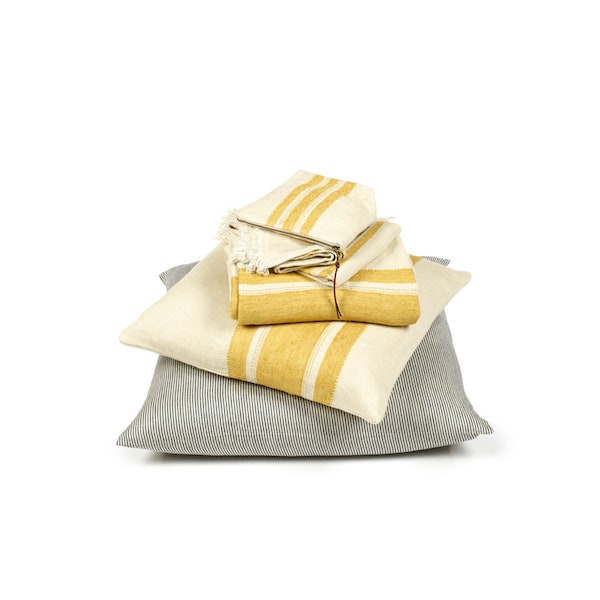
The easiest way to understand double cloth fabric is to think of a layered cake. You're not looking at one thick slab of textile. You're looking at two distinct layers woven together so they function as one cloth.
That layered construction is the whole point. The fabric gains body, structure, and design flexibility because the two layers aren't merely joined afterward. They're created together on the loom.

According to the Museum of Fine Arts, Boston, double cloth is a two-layer woven structure built from at least two warp systems and two weft systems, which allows weavers to create reversible surfaces, pockets, and dense fabrics. The same reference notes that it's often used for blankets, overcoating, and brocade because the structure produces a warm, substantial textile. It also places surviving examples in 12th- and 13th-century Sweden and medieval Norway, showing the method was already established in northern Europe by the High Middle Ages (Museum of Fine Arts, Boston on double cloth).
The practical version
If that sounds technical, here's the simpler version. Two fabric faces are woven at the same time, then connected at chosen points. Those connection points keep the cloth unified while still allowing the surface to feel richer and more dimensional than a standard single-layer weave.
A second textile reference describes double cloth as a two-layer woven construction formed with at least two warp systems and one or more weft systems, with the layers interlaced or bound at intervals. That construction is what makes reversible faces, localized patterning, and controlled separation possible (double cloth construction reference).
Where clients often get confused
People often mix up three related ideas:
| Term | What it means in plain language | Why it matters |
|---|---|---|
| Double cloth | Two woven layers made together as one textile | Best when you want substance and structural depth |
| Double-faced | Often used to describe a fabric with an attractive face on both sides | Useful when reversibility is part of the design |
| Bonded layered fabric | Separate materials joined later, often by adhesive or lamination | Not the same thing as a woven double-cloth construction |
That distinction matters for upholstery. A true woven double cloth has an internal logic to it. It doesn't just look layered. It is layered.
Practical rule: If a fabric's luxury comes only from a surface finish, it may disappoint over time. If its luxury comes from how it's built, it usually performs with more conviction.
For readers comparing constructions before selecting custom upholstered furniture, this overview of choosing upholstery fabrics is helpful alongside a broader look at examples of woven fabrics.
Durability Drape and Insulation
The strongest argument for double cloth in interiors isn't that it sounds impressive. It's that the construction changes how the fabric behaves on furniture.
When a textile has more body, it tends to hold a line better. When it has more substance, it tends to look more intentional over padding, corners, and structured seams. Those are practical advantages on luxury sofas, custom chairs, and premium sectionals where shape matters as much as color.
Why it hangs better
Some fabrics collapse onto a frame. Others work with the frame. Double cloth usually falls into the second category because it has more weight and body than a basic single-layer weave.
That matters on pieces with waterfall skirts, soft bench cushions, curved backs, or deep shelter arms. The fabric doesn't have to fight for presence. It already has it.
A useful way to think about drape in upholstery is this: the more a fabric can maintain graceful folds and clean tension without looking papery, the more expensive the piece tends to feel. Double cloth often supports that effect naturally.
Why it feels warmer and more substantial
From a performance standpoint, double cloth typically delivers more insulation, weight, and body than a single-layer plain weave because the trapped air between layers reduces heat transfer. Industry guidance also notes that double-cloth constructions are generally thicker, heavier, and warmer (performance characteristics of double cloth).
For interiors, that can translate into a softer visual profile and a more grounded physical presence. On a reading chair in a den or a custom sectional in a large family room, that extra body can make the upholstery feel more settled and less transient.
What that means for luxury furniture
The value shows up in several ways:
- Sculptural upholstery that complements well-made frames instead of flattening them
- A plush visual impression even before anyone sits down
- A quieter, more insulated feel in rooms where warmth and comfort matter
- Better compatibility with structured design because the cloth has enough substance to support details
The best upholstery fabrics don't just cover furniture. They complete the architecture of the piece.
There is one important nuance. More insulation and body aren't always ideal in every room. In a very sunny space, a casual breakfast banquette, or a house where you want an especially airy feel, another fabric may suit the setting better. But when the goal is refinement, composure, and long-term gravitas, double cloth earns its place.
Best Uses for Double Cloth in Luxury Interiors
Some fabrics are flexible but forgettable. Double cloth tends to leave a stronger impression, especially when you use it where material depth matters more than novelty.
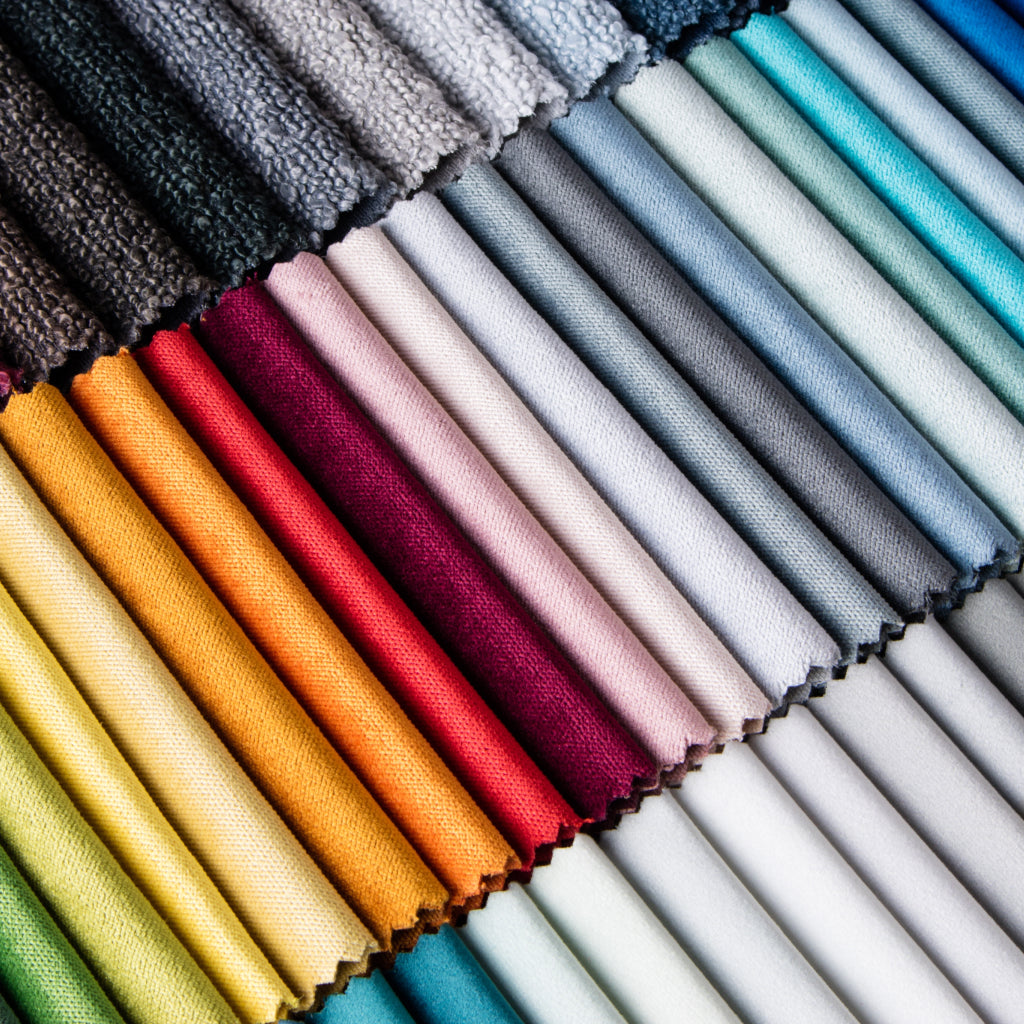
For luxury home furnishings, the most effective applications usually involve pieces that need to look polished up close and from across the room. That includes upholstery, drapery, and smaller accents that benefit from reversibility or visual fullness.

One modern fabric guide describes double cloth in apparel and home-furnishing contexts as typically 45 to over 60 inches wide, weighing 3 to 5 ounces per square yard, with cotton versions often retailing in the $12 to $18 per yard range (double cloth dimensions and retail context). Those details don't tell you everything about upholstery suitability, but they do show why the fabric remains relevant across both decorative and functional applications.
Custom upholstered furniture
Double cloth fabric offers strategic advantages for design-conscious buyers in Atlanta and nearby markets. A custom furniture Atlanta project often involves more than matching a paint color or selecting a neutral. Its aim is creating a piece that looks singular.
On a luxury sofa, double cloth can add enough depth to make a quiet color feel richer. On custom chairs, it can give compact silhouettes more authority. On premium sectionals, it helps broad seating read as elegant rather than overstuffed.
For clients in Buckhead and Sandy Springs, that often means using it on:
- Tight-back sofas where the fabric needs to look clean and architectural
- Swivel or occasional chairs that are viewed from all sides
- Statement furniture pieces in libraries, studies, and formal sitting rooms
- Heirloom-quality furniture intended for future reupholstery rather than quick replacement
Drapery and layered rooms
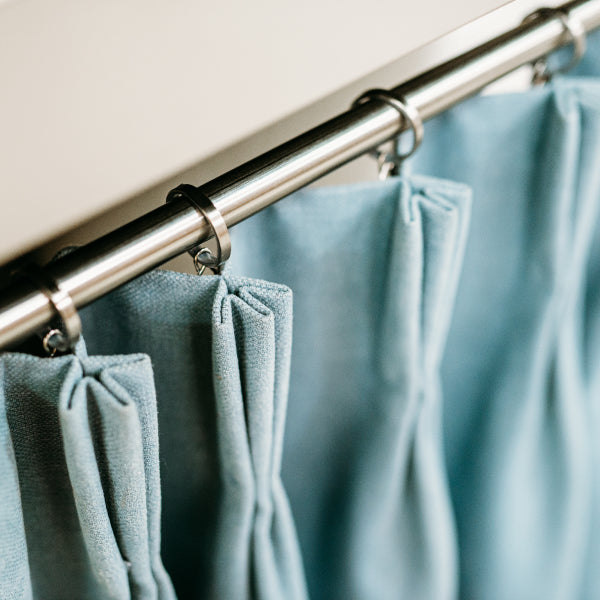
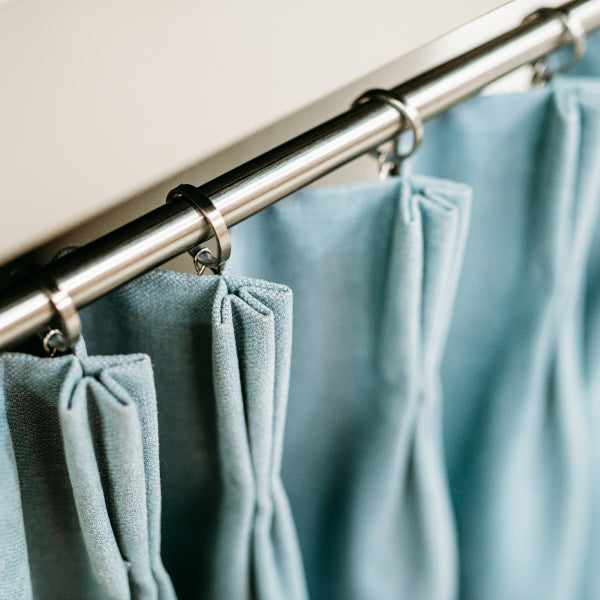
Double cloth can also perform beautifully in custom drapery when the room benefits from softness with presence. The fabric's body can support fuller folds and a more elegant hang, particularly in spaces with tall windows or formal trim details.
In homes across Alpharetta, Roswell, and North Atlanta, that can be especially effective in primary bedrooms, keeping rooms, and dining spaces where clients want drapery to feel decorative, not thin or purely functional.
Reversible accents and finishing touches
Smaller applications make excellent use of what double cloth does best. Consider:
- Decorative pillows with contrast faces
- Throws that feel finished from either side
- Bench cushions where edge quality matters
- Layered soft furnishings that need texture without visual clutter
Some of the most refined rooms rely on a few materials with strong internal character, not a dozen fabrics competing for attention.
If you're searching for luxury furniture in Atlanta or designer furniture near me, this is the useful lens. Don't ask only whether double cloth can be used. Ask whether the piece deserves a fabric with this much material presence. For many custom upholstered furniture projects, the answer is yes.
A Buyer's Guide to Choosing Double Cloth
Buying double cloth well requires a different mindset from buying decorative fabric off appearance alone. You're judging performance, hand, and construction together.
The first question isn't whether the fabric is beautiful. In luxury interiors, many fabrics are beautiful for five minutes on a hanger. The better question is whether the structure of the cloth supports the room, the frame, and the way you live.
Start with the room, not the bolt
Academic textile research notes that double cloth is especially useful when thermal insulation and a fine appearance are both needed, and that construction choices can also be used to increase air permeability or thermal conductivity for comfort. That's why a useful design question is whether double cloth might be the wrong choice when insulation is too high or breathability is too low for the setting (academic discussion of comfort tradeoffs).
That insight matters more in interiors than many buyers realize. A media room, formal library, or winter-weight sitting room may welcome a fabric with more body and insulation. A sun-drenched breakfast room might not.
What to examine in person
When you handle the fabric, slow down and check for the qualities that affect results.
- Surface composure. Does the cloth look calm and even, or does it seem unstable when folded?
- Connection integrity. The two layers should feel intentionally unified, not loosely paired.
- Edge behavior. Ask how it behaves at seams, corners, and wrapped arms.
- Face quality on both sides. If reversibility matters, one side shouldn't feel like an afterthought.
A buyer looking for high-end furniture should also ask the upholsterer how the fabric will behave over cushion crowns, boxing, and welting. A good textile can still be the wrong choice for a particular silhouette.
Questions worth asking your workroom or designer
A simple checklist often separates a decorative purchase from a smart one.
| Ask this | Why it matters |
|---|---|
| Will this fabric feel too warm or too dense in this room? | Comfort should match climate and use |
| Does this frame benefit from extra body? | Some silhouettes improve with more structure |
| Is the reverse side attractive enough to use intentionally? | Double cloth often rewards thoughtful detailing |
| Will lining, backing, or another support layer help? | Construction decisions affect final polish |
Good fabric selection is less about chasing the most expensive option and more about choosing the cloth whose behavior matches the piece.
That's what designer quality often means in practice. Not trend, not label, not marketing language. Just a better fit between material and intended use.
Tailoring and Upholstery Considerations
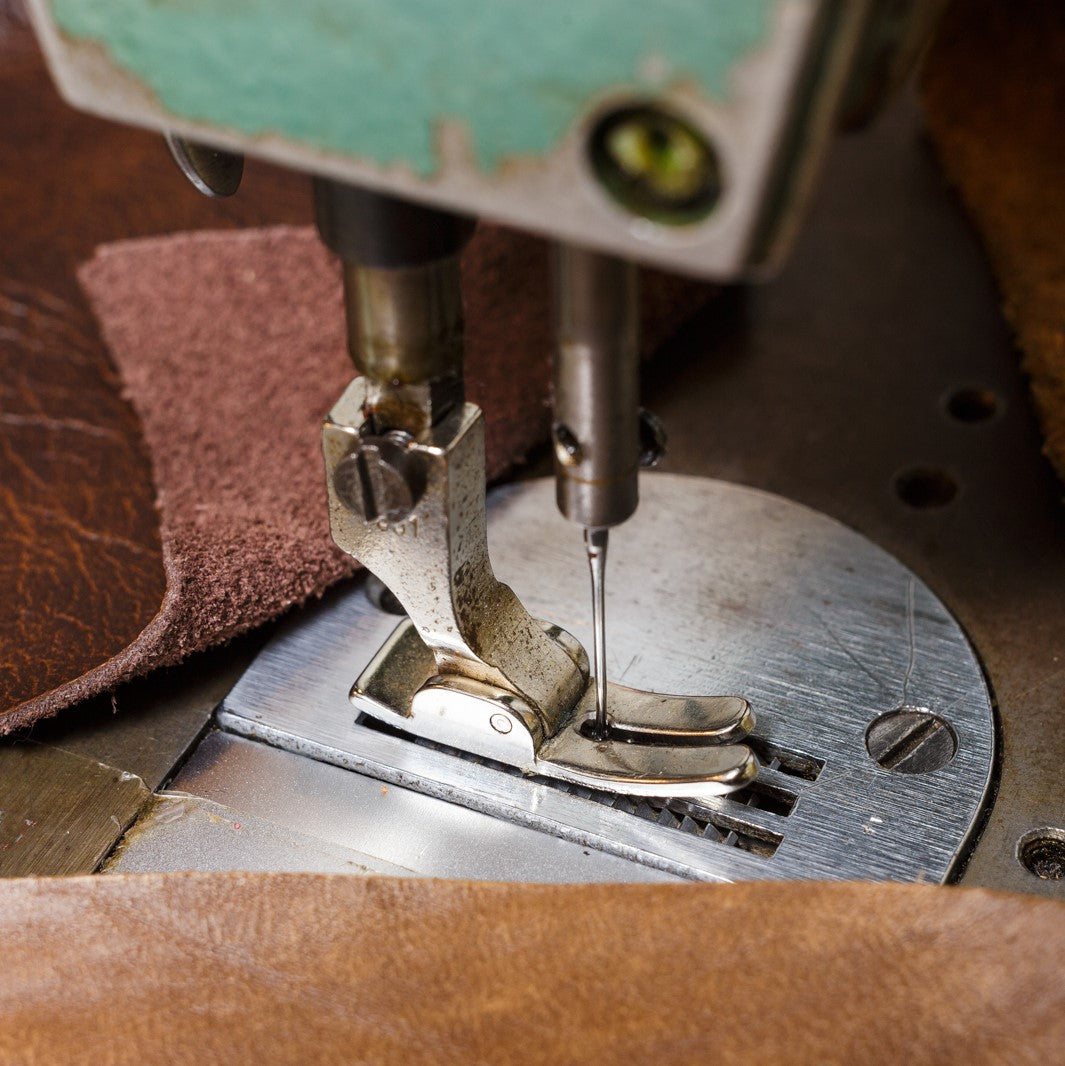
Double cloth asks more of the maker. That's part of its appeal, and part of the reason the best results tend to come from experienced workrooms rather than quick-turn upholstery shops.
The complexity isn't there for drama. It comes from the fabric's layered construction. That construction creates opportunities for elegant finishing, but only when the craftsperson understands how to control edges, seams, and tension.
Why fabrication takes more care
Sewing guidance repeatedly emphasizes that double cloth requires extra steps such as stay stitching, peeling layers, hand stitching, and careful edge stabilization, which makes it more labor-intensive than standard fabrics. That same guidance raises practical concerns about long-term maintenance, edge distortion, and repairability in upholstery and drapery use (construction techniques for double cloth).
For upholstery, that means the workroom has to think ahead. Corners, seam allowances, wrapped panels, and exposed edges all need planning. A less skilled hand can make a premium fabric look unruly very quickly.
What experienced upholsterers watch closely
On custom upholstered furniture, these details matter most:
- Seam discipline because bulky or unstable joins can spoil an otherwise elegant line
- Edge control so the layers don't distort where the fabric turns or tapers
- Pattern and face decisions when both sides of the fabric offer design potential
- Future serviceability for clients who may reupholster or repair the piece later
That last point matters more than buyers expect. Luxury furniture should be maintainable. If a fabric is difficult to stabilize or repair once worn, the long-term value equation changes.
Why comparison shopping can mislead you
Many buyers compare upholstery options by color, softness, and broad category alone. That's too shallow for investment furniture. If you want a useful baseline before choosing among performance textiles, woven upholstery, and layered constructions, this overview of how to compare upholstery fabric types helps frame the conversation.
For projects moving toward fabrication, accurate planning matters too. Yardage, repeats, and placement all affect the final result, which is why a clear guide on how to measure fabric for upholstery is worth reviewing before a custom order begins.
A demanding fabric isn't a drawback when the craftsmanship is good. It's often the reason the finished piece looks exceptional.
In other words, double cloth can absolutely justify its place on custom furniture. But it rewards discipline. If you're investing in a luxury sofa, custom chair, or designer sectional, you want a workroom that understands not just upholstery in general, but this fabric's specific demands.
Create Your Heirloom Piece with Lewis and Sheron
For buyers investing in custom upholstered furniture, the appeal of double cloth comes down to a few durable truths. It offers substance without heaviness for its own sake. It gives furniture a refined, grounded look. It supports the kind of detailing that makes a piece feel designed rather than assembled.
That makes it a smart choice for clients seeking luxury home furnishings in Atlanta, Buckhead, Alpharetta, Roswell, Sandy Springs, and the surrounding Fulton County market. If you're trying to decide between mass-produced seating and a custom piece built for your room, fabric selection is one of the clearest dividing lines.

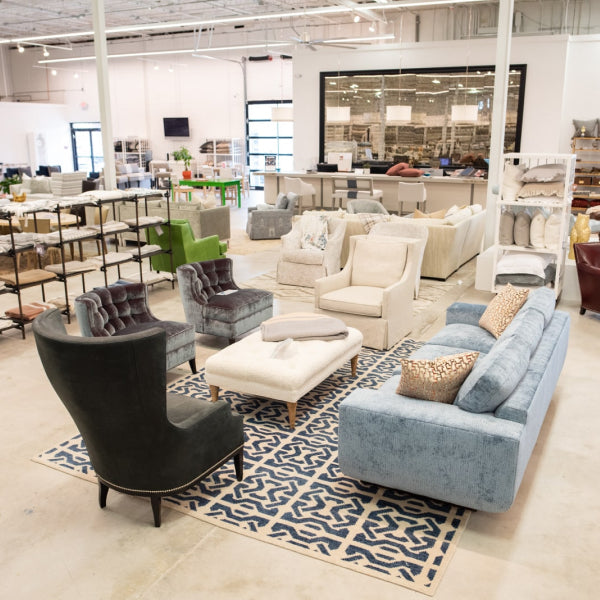
Lewis and Sheron Textiles is well positioned for that level of decision. The showroom serves Atlanta clients who want more than off-the-rack options, with premium fabrics, custom furnishings, and design support that fit high-consideration projects. If your goal is a sofa, sectional, or chair with long-term presence, their custom upholstered furniture services offer a strong path from fabric selection to finished piece.
For many homeowners, the most useful next step isn't scrolling one more gallery online. It's handling the fabric in person, seeing how it behaves in natural light, and talking through whether its body, finish, and comfort profile suit the room you're building.
If you're ready to create a custom piece with lasting presence, Lewis and Sheron Textiles is a smart place to begin. Visit the Atlanta Design Center, explore premium upholstery options in person, and work with a team that understands how fine fabrics translate into heirloom-quality furniture.