







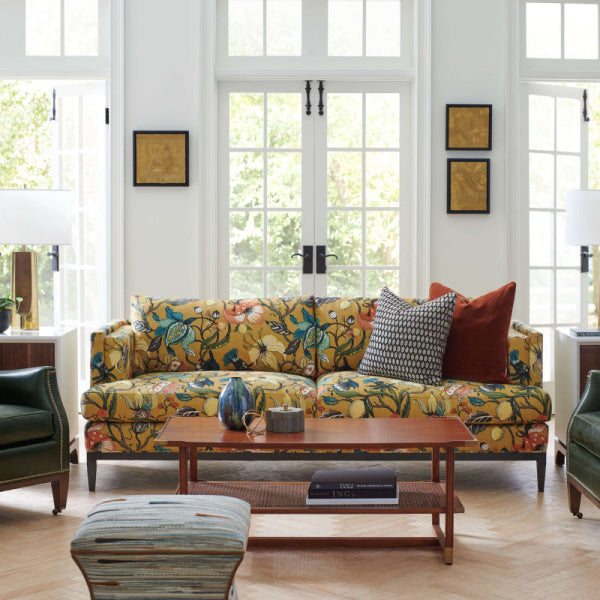
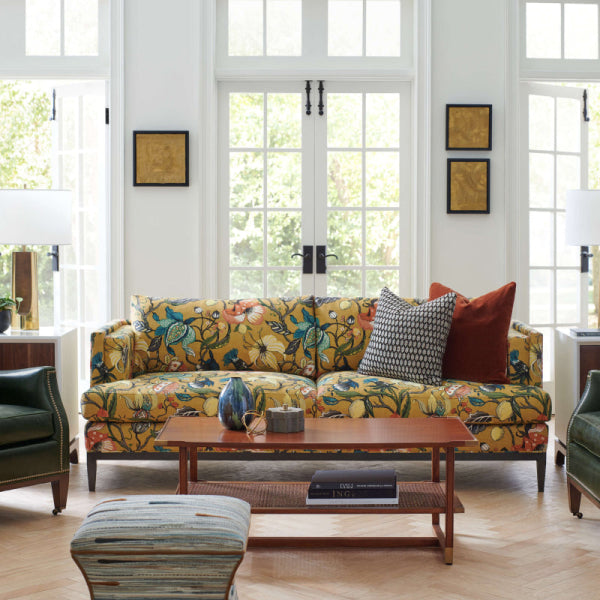


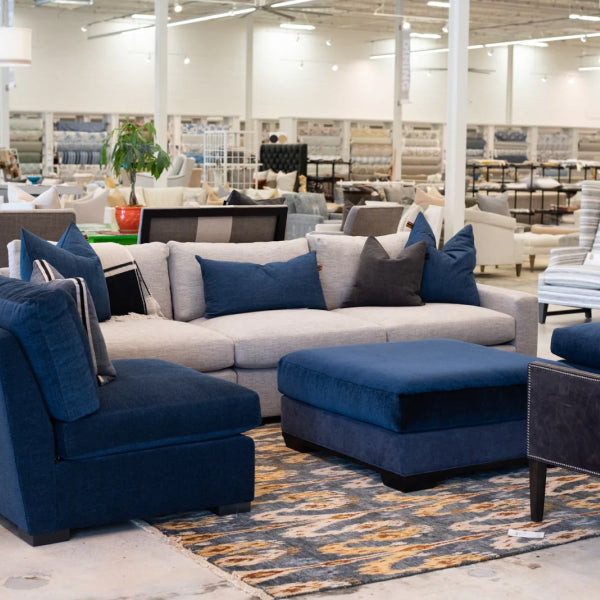











A new sofa arrives, and it's exactly right. The scale fits the room, the seat depth feels generous, the linen has that relaxed Belgian texture you wanted, and the color changes beautifully through the day. Then the thought hits. Who's going to be the first person to sit down with coffee, red wine, or a dripping weeknight takeout container?
That concern is justified, especially when you've invested in custom upholstered furniture, luxury sofas, premium sectionals, or heirloom-quality chairs. High-end furniture isn't disposable. It's selected, customized, often made to order, and expected to stay beautiful for years. If you're shopping for luxury furniture in Atlanta, Buckhead, Alpharetta, Roswell, or Sandy Springs, fabric protection for furniture should be part of the buying decision, not an afterthought after delivery.
I'll be direct. If you've chosen a Wesley Hall sofa, a Verellen sectional, a custom bench in Belgian linen, or a statement chair in velvet, you should have a protection plan. Not because fabric protection makes furniture invincible. It doesn't. You should do it because it buys you time, reduces risk, and helps preserve the look of expensive upholstery that would be difficult or costly to replace.
The mistake I see most often is simple. Buyers spend serious money on craftsmanship, frame quality, spring construction, cushions, and fabric selection, then treat aftercare as optional. That's backwards. The more special the piece, the more disciplined the care strategy needs to be.
Protecting Your Investment in Luxury Furniture
Luxury furniture asks for a different mindset. You're not buying a stopgap sofa for a few years. You're choosing a piece that may anchor a room through multiple redesigns, move from one house to another, or eventually be reupholstered instead of replaced.
That changes the role of fabric protection for furniture. It stops being a convenience add-on and becomes part of asset care.
Why high-end upholstery needs a plan
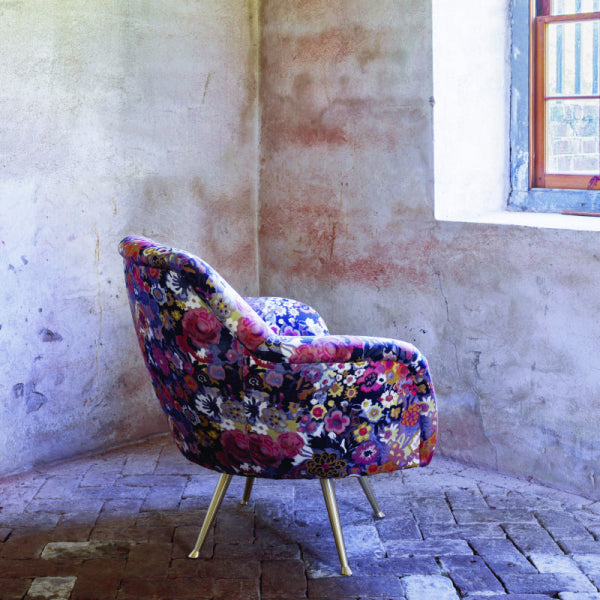
Custom upholstered furniture often uses materials chosen for beauty first. Belgian linen, textured cotton blends, mohair-inspired velvets, and other designer textiles can look extraordinary, but they also show life quickly if nobody plans for real use. Body oils, accidental spills, dust, pet contact, and routine abrasion all add up.
Protection matters even more in rooms that are lived in. A formal sitting room and a Buckhead family room don't place the same demands on a sofa. A custom chair in a primary suite and a sectional in a Roswell media room don't age the same way either. The right protection strategy should reflect that.
Practical rule: The more expensive and less replaceable the fabric, the less sense it makes to leave it untreated.
What fabric protection does for value
A protected sofa is easier to maintain. That's the essential point. You're not trying to create a magic shield. You're trying to improve cleanup, reduce panic, and give the fabric a better chance of aging well.
For homeowners and designers sourcing custom furniture in Atlanta, that has real consequences:
- Preserves appearance: Spotting, rings, and uneven wear can ruin the look of an otherwise exceptional piece.
- Supports maintenance: Protected upholstery is usually simpler to address quickly after a spill.
- Protects selection freedom: You can choose the linen, velvet, or selected neutral you want, instead of defaulting to the safest fabric every time.
- Extends useful life: Well-cared-for upholstery is far more likely to remain worth reupholstering, refreshing, or moving to a new space later.
If you're furnishing a home with designer furniture near you, especially in North Atlanta's higher-investment market, this isn't overthinking. It's basic stewardship.
How Fabric Protection Actually Works
Fabric protection works like a raincoat, not armor. It creates a temporary surface layer that helps liquids bead rather than soak in immediately. That small delay is valuable because cleanup in the first moments is what often decides whether a spill becomes a stain.

Independent testing found that after two coats of upholstery protector, some fabrics showed comparable stain resistance across brands, and the mechanism was a surface polymer layer that made liquids bead on the fabric. The same testing also noted that protectors work best on thoroughly cleaned upholstery because dirt and residue interfere with film formation and reduce repellency, as shown in this upholstery protector test.
Repellent is not stain-proof
Many buyers often misunderstand this aspect. A protector can improve spill response. It cannot guarantee immunity from staining, dye transfer, oily residue, or neglected accidents left to sit.
That distinction matters. If someone tells you protection makes a pale linen sofa “safe,” that's sloppy advice. A better description is this: it improves your margin for error.
Protection buys time. It does not replace prompt cleanup, proper maintenance, or sane fabric choices for the room.
What affects performance
Application quality matters. So does the condition of the fabric before treatment. If the upholstery has soil, detergent residue, or prior spotting, protection won't perform as well as it should.
A few practical truths matter here:
- Clean fabric first: Applying over dirt locks in problems and weakens the result.
- Even coverage matters: Missed areas create inconsistent performance.
- Fabric type changes the outcome: Tight weaves, absorbent natural fibers, and plush pile fabrics won't all respond the same way.
- Use changes everything: Dining banquettes, family-room sectionals, and occasional chairs live very different lives.
The right expectation
For luxury home furnishings, the goal isn't perfection. The goal is controlled risk. When a spill hits a protected fabric, you want time to blot, not a fabric that absorbs instantly and leaves you dealing with permanent damage before you've even found a clean cloth.
That's the right way to think about fabric protection for furniture. It's a maintenance tool. A smart one, when used correctly.
Types of Furniture Fabric Protection
The fabric protection category isn't niche anymore. One market estimate placed the global fabric protector market at USD 1.04 billion in 2023 and projected USD 1.57 billion by 2032, which points to steady demand for products that help preserve upholstery, rugs, and drapery as long-term household assets, according to this fabric protector market analysis.
That growth makes sense. People are spending more on furniture they intend to keep. But not all protection methods deserve the same confidence.

Mill-applied treatments
These are built into the fabric during manufacturing. For many buyers, this is the cleanest option because the treatment is integrated from the start rather than added later in the home.
If you're comparing upholstery options for a high-use family space, mill-finished textiles and other performance fabrics for busy households deserve attention. They're often the right answer when you want a custom look without turning every meal or gathering into a stress event.
For buyers considering fabrics with built-in protection, this overview of what Crypton fabric is is a useful starting point.
Professional post-application
This is a separate treatment applied after the furniture is made or after existing upholstery has been cleaned. It's especially relevant for custom furniture, reupholstered heirlooms, and fabrics that weren't manufactured with integrated protection.
This category makes the most sense when the textile is expensive, highly absorbent, or difficult to replace. It also suits one-off pieces where the fabric choice came first and practicality had to be solved afterward.
DIY topical sprays
DIY sprays have a place. They're accessible, familiar, and can be appropriate for simpler projects, lower-risk pieces, or household items where replacement wouldn't be painful.
They become much less appealing when the fabric is delicate, pale, textured, or costly. With luxury sofas and custom chairs, “good enough” application usually isn't good enough.
Fabric Protection Methods at a Glance
| Method | Best For | Durability | Application |
|---|---|---|---|
| Mill-applied treatments | New upholstery where integrated protection is available | Generally more consistent because it's built into the fabric | Applied during manufacturing |
| Professional post-application | Custom upholstered furniture, heirlooms, reupholstery, designer pieces | Wear-dependent and tied to fabric, use, and maintenance | Applied by a trained technician after cleaning or fabrication |
| DIY topical sprays | Lower-risk furniture, casual pieces, household touch-ups | Temporary and highly dependent on technique | Applied by homeowner |
If you own statement furniture pieces or high-quality couches in Atlanta, the decision usually comes down to this. Integrated protection is excellent when available. Professional treatment is the smart fallback when it isn't. DIY is for lower stakes.
Professional vs DIY Application for Designer Furniture
On designer furniture, I strongly favor professional application. Not because DIY never works, but because expensive upholstery leaves very little room for error.
A consumer spray sounds simple until you look at the actual variables. Scotchgard's own guidance says one can is rated for an average sofa, but performance depends on fabric type and amount applied. The label specifies two light coats, spraying from 6 inches away, and letting the fabric dry overnight at about 70°F and 50% humidity before use. It also recommends reapplication after cleaning or annually, and for upholstery specifically every 6 months or after professional or water-extraction cleaning, according to Scotchgard's upholstery protector instructions.
That is not casual work. That is controlled application.
Why DIY goes wrong on luxury upholstery
Designer fabrics punish uneven technique. A heavy hand can leave spotting. An incompatible product can alter the hand of the fabric. Overapplication can flatten texture or create a look you notice every time light hits the piece from the side.
The risk increases with:
- Belgian linen: absorbent, textural, and unforgiving of inconsistency
- Velvet: sensitive to pile disturbance and appearance shifts
- Light neutrals: any irregularity shows
- Custom sectionals: a large surface area makes even application harder
- Reupholstered antiques: older forms and customized details can create tricky coverage points
Why professional treatment makes sense
Professional application is less about convenience and more about judgment. A trained technician can evaluate the textile, confirm whether treatment is appropriate, and apply it with consistency that's difficult to achieve with an aerosol can in a living room.
For high-value pieces, that's the sensible route. It's the same reason you'd have a specialist handle drapery installation or antique restoration instead of improvising.
If you spent serious money on custom furniture, the protection step should match the level of the purchase.
In the Atlanta market, especially for homes in Buckhead, Alpharetta, Sandy Springs, and Roswell, many furniture purchases fall into the category where expert application is the prudent choice. A multi-thousand-dollar sofa deserves more than trial-and-error maintenance.
Matching Protection to Your Upholstery Fabric
The right protection strategy starts with the fabric itself. Blanket advice is lazy advice. A performance textile, a Belgian linen, and a velvet don't need the same treatment or the same maintenance plan.

England Furniture's care guidance makes an important point. Fabric protection should not be treated as an “invisible shield,” and whether it's worth adding depends on the fabric type, expected use, and risk profile, as explained in this fabric protection care note.
Performance fabrics
Performance fabrics already do a lot of the work. If the upholstery has built-in stain and moisture resistance, adding more topical protection may be unnecessary. Sometimes it's redundant. Sometimes it's helpful. The answer depends on the specific textile and how the piece will be used.
If you're weighing family practicality against a designer look, this guide to choosing the best performance fabrics is worth reviewing before you commit.
My advice is simple. Don't pay for extra treatment automatically. Ask what the base fabric already does, and whether a separate protector adds anything meaningful.
Natural fibers such as linen and cotton
Protection often proves its worth. Natural fibers can be beautiful beyond compare, especially in custom furniture, but they tend to be more vulnerable to immediate absorption. Linen in particular is a favorite in luxury interiors because it has movement, depth, and softness. It also asks for respect.
For these fabrics, I usually recommend protection if the piece will see real use. That includes family seating, breakfast-room banquettes, occasional dining chairs, and custom sectionals in active homes.
Velvet and other delicate luxe textiles
Velvet needs restraint. The issue isn't only staining. It's preserving the surface appearance, pile direction, and hand. A poor treatment choice can solve one problem while creating another.
The same logic applies to specialty fabrics used on statement chairs, benches, and headboards. Protect them thoughtfully or leave them alone. Amateur experimentation is how expensive textiles end up looking tired too early.
For outdoor or indoor-outdoor settings, material choice matters just as much as treatment. Looking at a specification example like Category G outdoor fabric helps illustrate how some textiles are engineered for exposure and use from the outset.
My recommendation by fabric family
- Built-in performance upholstery: Verify what protection is already included before adding anything.
- Natural absorbent fabrics: Protect them if the furniture will be used regularly.
- Velvet and delicate designer textiles: Use a specialist or skip treatment if compatibility is uncertain.
- Outdoor or semi-outdoor seating: Start with the correct fabric category, then build maintenance around that choice.
That's the core consultation question. Not “Should I protect furniture?” but “What does this specific fabric need?”
A Practical Guide to Long-Term Care and Maintenance
Protection only works when it's part of a maintenance routine. If you treat upholstery once and forget about it forever, you've missed the point.
A useful baseline is that many fabric protection treatments last only 6 to 12 months, with high-use furniture often needing reapplication every 6 months and less-used pieces around 12 months, as outlined in this guide to fabric upholstery protector lifespan.

A realistic maintenance schedule
Use should drive your schedule, not wishful thinking.
- Family-room sofas and sectionals: Plan on closer monitoring and more frequent reapplication.
- Formal seating: These pieces can usually go longer if they're occasional-use.
- After professional cleaning: Reassess protection immediately. Cleaning can reduce or remove the barrier.
- Sun-exposed rooms: Expect faster wear from light and environmental stress.
If you own pets, hair and dander management also become part of fabric care. This practical furniture cleaning guide from Pet Magasin is helpful for the day-to-day side of keeping upholstery cleaner between deeper maintenance.
What to do when a spill happens
Your first response matters more than the protector brand.
- Blot immediately: Use a clean, absorbent cloth. Don't scrub.
- Work gently: Press and lift. Rubbing drives the spill deeper and disturbs the surface.
- Follow the fabric's care code: Don't improvise with random cleaners on luxury upholstery.
- Call for help when needed: Dye-heavy, oily, or unknown spills deserve professional attention quickly.
Emergency rule: Speed matters. Friction doesn't help.
Keep the whole care system aligned
Protection, routine cleaning, and professional maintenance should support each other. If you're living with high-end upholstery, it helps to keep a consistent care reference on hand, such as this guide to caring for high-end upholstery.
For clients buying custom furniture or reupholstering older pieces, this is also where showroom advice matters. Lewis and Sheron Textiles offers custom furnishings, reupholstery, and fabric selection support, which makes it possible to match the upholstery choice and the protection strategy before the piece ever enters daily life.
That's how expensive furniture stays beautiful. Through planning, not luck.
Frequently Asked Questions From Atlanta Homeowners
Is fabric protection worth it on a luxury sofa
Yes, if the sofa is upholstered in an absorbent, light, textured, or expensive fabric and it will be used regularly. On a custom sofa, protection is usually a sensible part of ownership. On an integrated performance fabric, it may be unnecessary. The fabric decides.
Will protection change how the fabric feels
It can, depending on the textile and the product used. That's one reason I don't like casual DIY treatment on luxury upholstery. The finer the fabric, the more carefully compatibility should be evaluated.
Is fabric protection a one-time service
No. Most homeowners misunderstand this point. The practical question isn't only whether the sofa repels liquid today. It's the long-term maintenance value of protection compared with alternatives like naturally resilient fabrics or targeted reapplication, a gap noted in this discussion of long-term fabric protection benefits and tradeoffs.
Should I protect performance fabric too
Sometimes. Sometimes not. If the fabric already includes strong built-in resistance, adding a topical product may add little. You need to know what the textile was designed to do before paying for more treatment.
What's the biggest mistake homeowners make
They assume protection means carefree living. It doesn't. Protected furniture still needs fast spill response, routine cleaning, and periodic reassessment. The treatment supports good care. It doesn't replace it.
What would I recommend for a high-end Atlanta home
For custom upholstered furniture, premium sectionals, designer chairs, and heirloom-quality pieces, I'd choose the fabric first based on lifestyle, then decide on protection based on actual risk. That's the adult answer. Not fear-based buying, and not blind optimism.
If you're shopping for luxury furniture in Atlanta or sourcing custom furniture for a Buckhead, Alpharetta, Roswell, or Sandy Springs project, treat protection as part of the specification. It belongs in the conversation from the beginning.
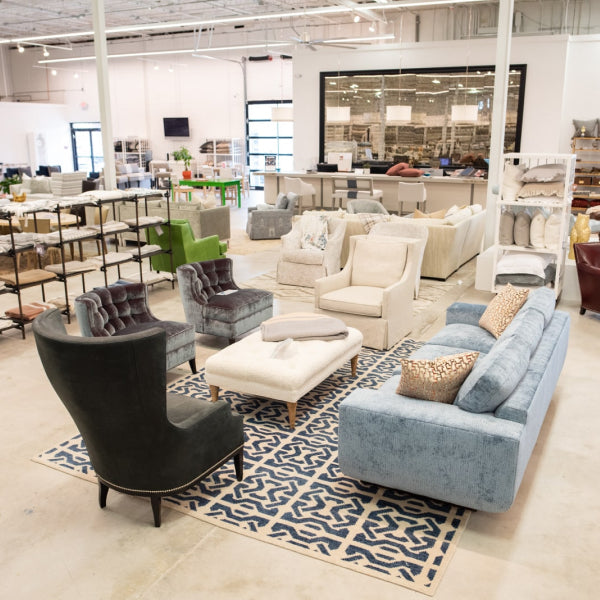
If you're selecting upholstery for a new custom piece or deciding how to care for an existing investment, Lewis and Sheron Textiles is a practical place to start. Their Atlanta design center offers access to premium upholstery fabrics, custom furnishings, reupholstery, and in-house design guidance, which helps you choose a fabric and care strategy that fit the way the room will be used.