


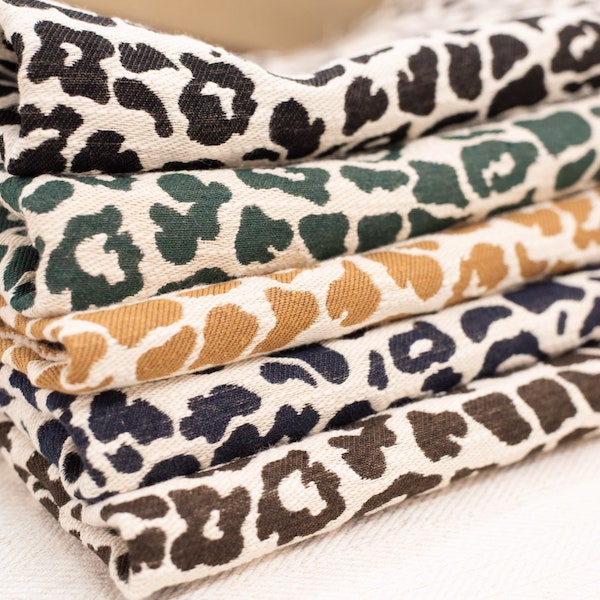
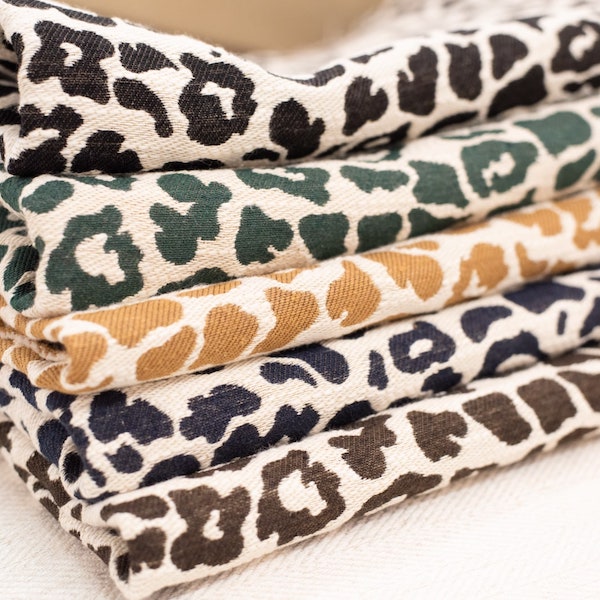







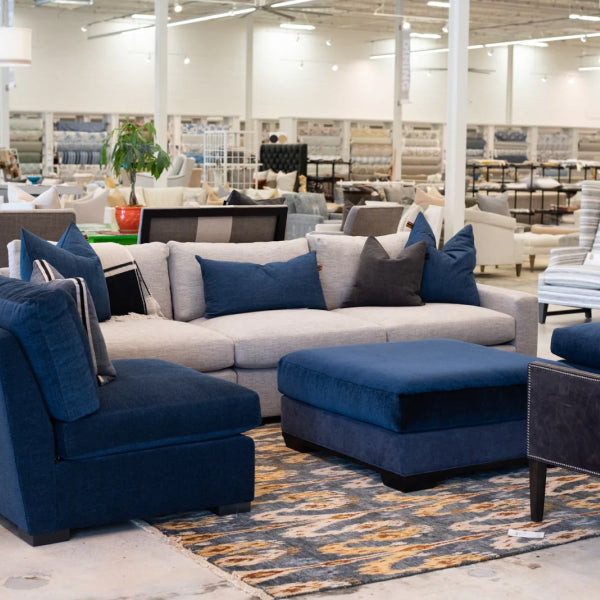

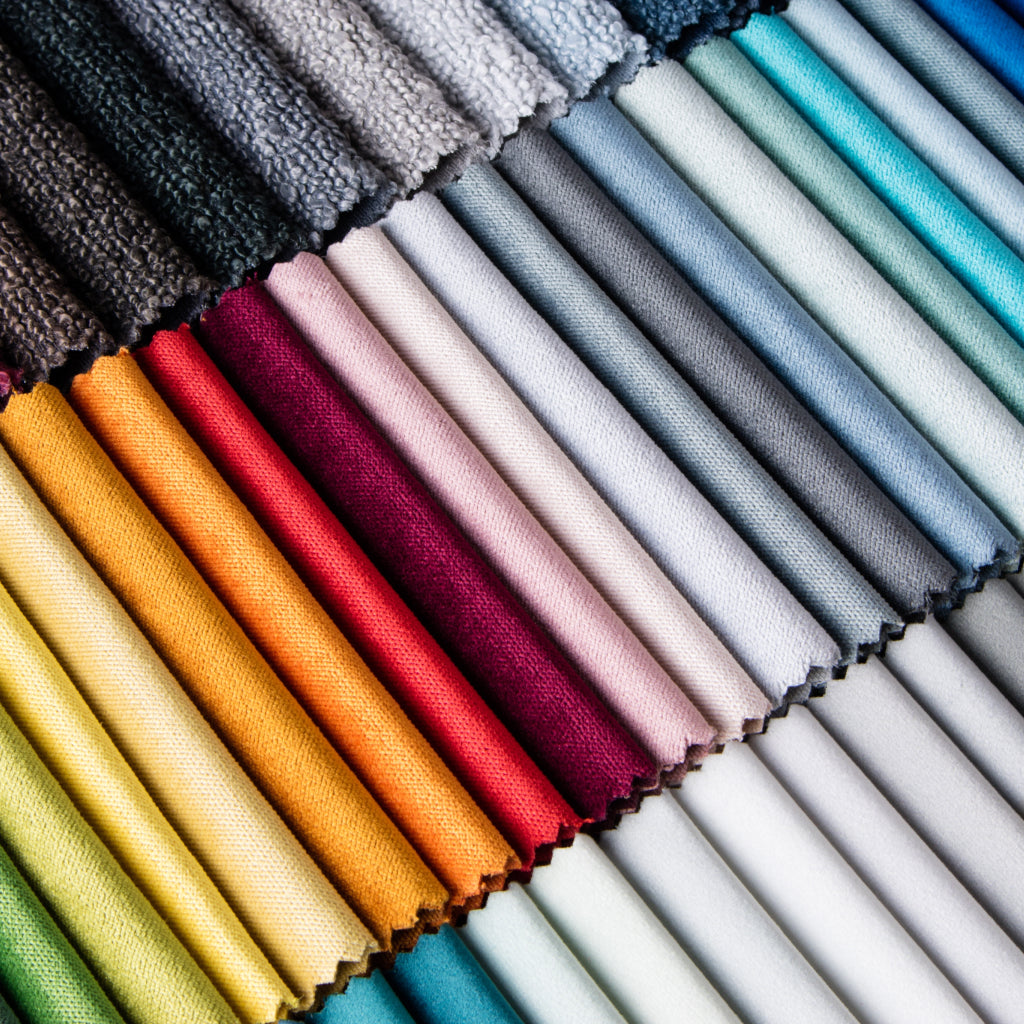






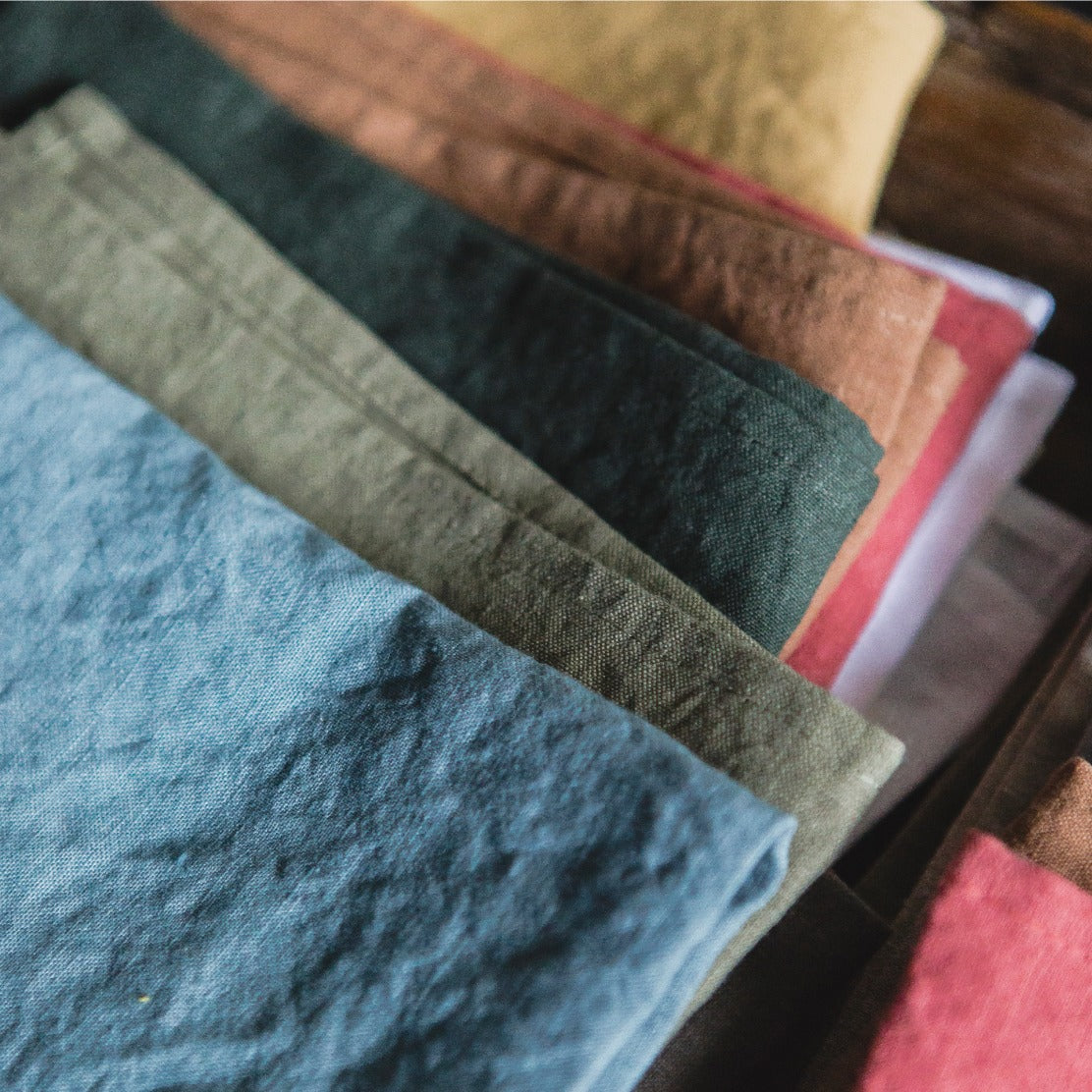

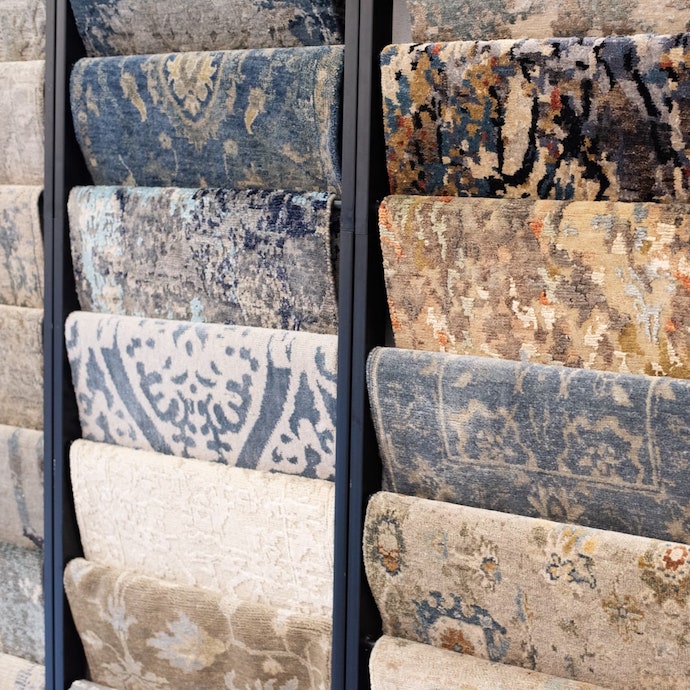
A lot of cotton satin decisions happen the same way. A homeowner in Buckhead or Sandy Springs is standing in front of a wall of fabric books, running a hand across linen, velvet, performance blends, and polished cottons, trying to decide what belongs on a custom sofa, a reupholstered chair, or a set of formal drapery panels. Everything looks promising for the first five minutes. Then the actual questions start.
Will this fabric hold its shape? Will it read elegant or fussy? Is it meant for a statement chair, or will it disappoint on a family-room sectional? And most of all, what is cotton satin, really?
Cotton satin is often misunderstood because the name sounds more luxurious than technical. It isn't a separate fiber. It's a cotton fabric made with a specific satin weave that gives it a smooth face, soft hand, and refined luster. In the right room, it can look exceptional. In the wrong application, it can be a costly mismatch.
Your Guide to Luxury Textiles in Atlanta
In a high-end showroom, cotton satin usually attracts attention before anyone asks its name. Clients touch it because it feels smoother than plain cotton and catches light in a quieter, more refined way than many synthetics. That makes it appealing for formal upholstery accents, elegant bedding, and drapery that needs fluid movement instead of stiffness.
For luxury interiors in Atlanta, that distinction matters. A formal sitting room in Buckhead, a polished primary suite in Alpharetta, or a dining room in Roswell all ask different things from a fabric. Cotton satin works when the project calls for softness, a polished surface, and natural-fiber comfort. It's less convincing when the piece will absorb constant friction, pet claws, rough denim seams, or daily sprawl from a busy household.
Where buyers usually get tripped up
Most confusion comes from two assumptions:
- It must be a fiber. It isn't. Satin refers to the weave, not the raw material.
- If it looks luxurious, it must suit every luxury application. It doesn't. Cotton satin has clear strengths, but it also has limits.
That's where practical selection matters more than marketing language. For custom upholstered furniture, the question isn't whether the fabric is attractive. It's whether its structure fits the way you live.
Practical rule: Choose cotton satin when you want elegance, drape, and a smooth hand. Pause before using it on pieces that take hard daily wear.
For affluent homeowners and designers shopping for custom furniture Atlanta, this is the useful lens. Cotton satin is not the universal answer for luxury sofas, premium sectionals, or heirloom-quality furniture. It's a targeted material. On the right frame and in the right room, it delivers a refined, upscale result that mass-market upholstery rarely achieves.
Why it still earns consideration
Cotton satin belongs in the conversation because many luxury rooms need contrast. If every surface is textured linen, nubby wool, or matte performance fabric, the room can feel visually flat. A satin-woven cotton introduces light play and softness without defaulting to overt shine.
That's why designers often consider it for:
- Statement chairs in formal living rooms
- Decorative cushions that need richer color expression
- Curtain facings where drape is part of the architecture
- Refined upholstery accents on lower-contact pieces
For buyers looking at designer furniture near Atlanta, cotton satin is best understood as a specialist fabric. Not a fallback. Not a trend. A deliberate choice.
The Weave That Creates the Sheen
Cotton satin gets its character from structure, not from coating or gimmick. Textile references describe satin as a weave built with long thread floats, sometimes passing over seven weft threads before interlacing, which creates the smooth, glossy face and fluid drape that distinguish it from plain-woven cottons, as noted in this satin history reference.

How the weave works
Think of a plain weave like a tight checkerboard. Threads alternate over and under each other in a balanced pattern. That creates a stable, practical cloth, but it also creates more visible intersections on the surface.
Satin weave changes that rhythm. Instead of crossing over and under at every turn, the yarn travels over multiple opposing threads before it interlaces again. Those longer surface floats reduce the number of visible crossover points. Less interruption on the face means a smoother surface, and a smoother surface reflects light more evenly.
That's the visual difference your eye catches first in a showroom.
For a broader primer on woven construction, examples of woven fabrics can help put satin weave in context next to plain and other common structures.
Why it feels softer than plain cotton
The hand of cotton satin isn't accidental. Because the face of the cloth has fewer interruptions, it feels less dry and crisp than a plain weave. It tends to read softer, more fluid, and more polished.
A separate textile guide also describes cotton satin as a weft-faced satin weave, often using structures such as four-over-one-under or similar long-float interlacings. That geometry is what gives the fabric its smooth hand and low-to-moderate sheen while still retaining cotton's breathable character.
The sheen in cotton satin comes from the weave itself. You're seeing light reflect off a smoother surface, not a synthetic-looking gloss applied afterward.
Why the same beauty creates risk
The same exposed floats that create the elegant face also create vulnerability. Long floats sit nearer the surface, so they're easier to catch, abrade, or disturb than the tighter crossing points in a balanced weave.
That doesn't make cotton satin fragile in every setting. It does mean you should respect what the weave is designed to do. It's meant to drape well and present beautifully. It isn't built to shrug off rough treatment the way some denser utility weaves can.
One practical quality note also appears in manufacturer guidance summarized in the verified material: a woven cotton fabric needs at least 110 threads per cm² to qualify as satin-woven cotton, according to the cited source. That threshold helps explain why cotton satin is associated with more premium bedding and decorative applications rather than bargain-basement basics.
Cotton Satin vs Silk, Polyester, and Sateen
The word “satin” causes most of the confusion. Shoppers hear silk satin, polyester satin, cotton satin, and cotton sateen, then assume they're comparing one material family. They aren't. Some are different fibers. Some are different finishes. Some are merely different labels for a similar weave idea.
The most useful buyer guidance is straightforward. The terms cotton satin and cotton sateen are often used interchangeably, so focus on 100% cotton fiber content, yarn quality, and whether the fabric has been mercerized rather than getting stuck on the name itself, as explained in this cotton satin overview.
The practical difference between the names
In technical discussions, satin and sateen can be separated by fiber type or weave emphasis. In the retail market, those distinctions often blur. If you're selecting fabric for a custom chair or drapery panel, the label matters less than what's in your hand.
Look at the surface. Feel the weight. Ask what the fiber is. Ask how it was finished. Ask what end use the mill recommends.
That's what keeps you from buying a fabric by vocabulary instead of performance.
Fabric Comparison Satin Weave Textiles
| Fabric | Fiber | Luster | Feel | Best For |
|---|---|---|---|---|
| Cotton satin | Cotton yarns in a satin weave | Low to moderate sheen | Smooth, soft, breathable compared with many synthetics | Bedding, decorative cushions, curtain facings, formal upholstery accents |
| Silk satin | Silk fiber in a satin weave | More pronounced natural luster | Fluid, smooth, luxurious | High-end decorative use, specialty accents, refined drapery |
| Polyester satin | Polyester fiber in a satin weave | Often higher shine | Slicker, less natural hand | Decorative applications where cost and shine matter more than natural feel |
| Cotton sateen | Usually cotton in a satin-style weave | Similar to cotton satin in the market | Soft, smooth | Similar uses to cotton satin, depending on quality and finish |
What affluent buyers usually notice first
Silk satin gives a richer natural glow and a more fluid hand. Polyester satin often reads shinier and can look more overtly synthetic in refined interiors. Cotton satin sits between those worlds. It offers polish without abandoning the familiar comfort of cotton.
For clients also comparing bedroom textiles, a helpful side reference on understanding silk pillowcase options can clarify the broader silk-versus-satin distinction in everyday terms.
If you're evaluating cotton quality more broadly for interiors, high-quality cotton is a useful lens because weave alone never tells the full story.
Buyers often spend too much energy on the satin-versus-sateen wording and not enough on fiber content, finish, and end use. Those are the details that determine whether the fabric feels expensive after installation, not just at the sample table.
Performance Characteristics for Luxury Homes
Cotton satin performs best when you respect its priorities. Its structure favors appearance, softness, and drape. It does not pretend to be the toughest cloth in the room.
A textile source describing cotton satin's weft-faced satin weave notes a structure like four-over-one-under, which produces a smooth hand and low sheen, but also makes the fabric more sensitive to abrasion and snagging than tighter weaves. That's why it's better suited to applications where finish and drape matter more than maximum durability, according to this cotton satin fabric guide.

Where it performs beautifully
In a luxury home, cotton satin often looks strongest in lower-abrasion settings where light, color, and surface refinement matter.
- Formal drapery works well because the weave falls cleanly and catches daylight with restraint.
- Decorative pillows and bolsters benefit from the smoother face and richer color presentation.
- Occasional chairs can be excellent candidates when they're used carefully and chosen for visual impact.
- Bed-adjacent upholstery such as benches or headboard accents can also suit the fabric well.
In these settings, cotton satin contributes elegance without the hard, glossy look that can cheapen a room.
Where I'd be cautious
For high-traffic family seating, cotton satin is usually not my first recommendation. A luxury sectional in an active media room, a breakfast-banquette seat that gets daily sliding movement, or a frequently used custom sofa in a home with pets and young children asks more from the face of the fabric than satin weave typically wants to give.
That doesn't mean it fails immediately. It means wear tends to show sooner because the surface floats are easier to disturb.
Cotton satin is a refined surface. Treat it like one. It rewards thoughtful placement and punishes rough use.
The lived-in trade-off
Many clients want one fabric to do everything. Cotton satin isn't that fabric. It gives you a polished surface, soft touch, and elegant drape, but asks for a calmer environment in return.
That trade-off is common in luxury interiors. The same is true of many handsome natural materials. Beauty often comes with rules.
If you're comparing broader upholstery options before committing, Northern Mattress & Furniture's material guide offers a useful overview of how different upholstery categories behave in real homes.
How it reads visually in upscale rooms
Its sheen is usually best described as restrained. Cotton satin doesn't have the mirror-like flash many people associate with inexpensive synthetic satin. In custom furniture, that matters. Elegant interiors need surfaces that react to light without shouting for attention.
For luxury sofas, custom chairs, and designer furniture in North Atlanta homes, that subtle surface can be exactly right on pieces intended to enhance a room rather than absorb daily punishment.
Designing with Cotton Satin in Your Atlanta Home
The right use of cotton satin can sharpen a room immediately. It introduces polish without relying on heavy ornament, and it softens architecture without turning limp or casual. In homes across Atlanta, that makes it especially useful in spaces that need refinement more than ruggedness.

Strong applications in local interiors
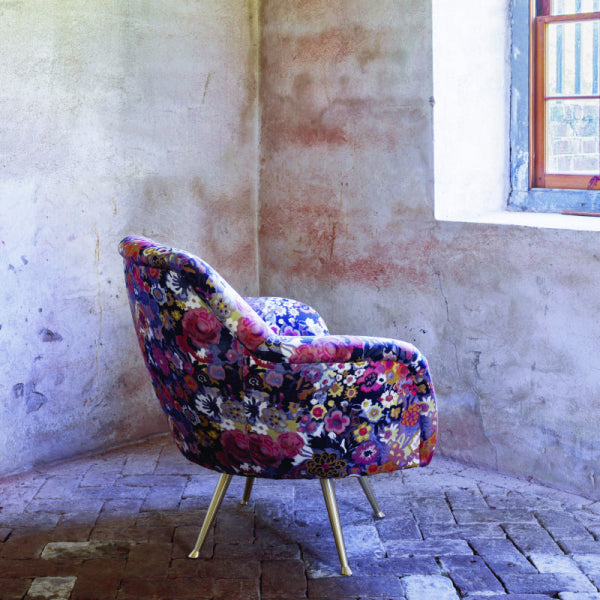
In Buckhead, cotton satin works well in formal living rooms where a custom chair or settee is expected to look composed for years, not function as the family landing pad. A jewel-toned satin-woven cotton on a sculptural accent chair can bring depth and light variation that flatter finely constructed frames.
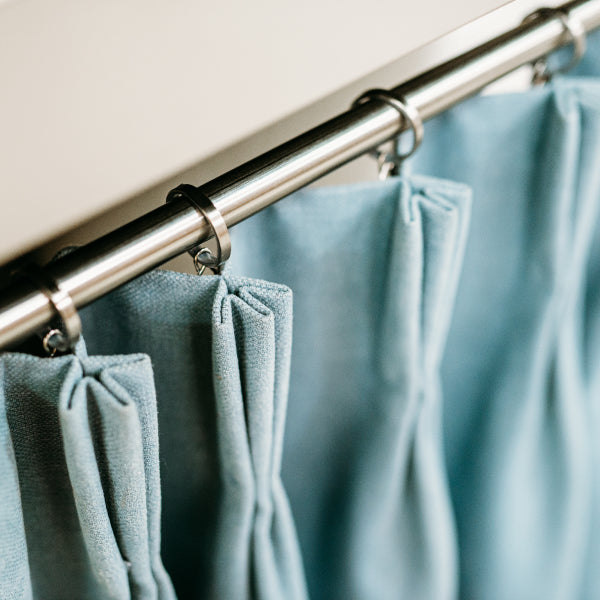
In Alpharetta new builds, it's often more convincing in drapery than on major seating. Floor-to-ceiling panels in a mineral, champagne, or warm ivory tone can give a room movement and finish without the stiffness that some denser fabrics create.
In Roswell or Sandy Springs dining rooms, it can also be effective on host chairs, decorative seat backs, or cushion details where guests appreciate the softness and sheen but the fabric isn't being dragged through constant use.
Reupholstery and heirloom pieces
Cotton satin can be a smart reupholstery choice for inherited furniture that has strong lines but needs a fresh point of view. A carved occasional chair, a bedroom slipper chair, or a refined bench can gain modern relevance from a satin-woven cotton because the fabric highlights shape and profile.
That's different from covering a sprawling family sofa. On heirloom-scale pieces, the fabric has room to do what it does best. It draws attention to silhouette, edge, and drape.
Where it belongs in the furniture hierarchy
For high-end furniture shoppers, I'd think of cotton satin in these tiers:
- Best fit for statement chairs, decorative upholstery, drapery, and select bedroom furnishings
- Conditional fit for low-contact benches, occasional seating, and formal room accents
- Weak fit for premium sectionals, high-quality couches in heavy rotation, and casual family-room seating
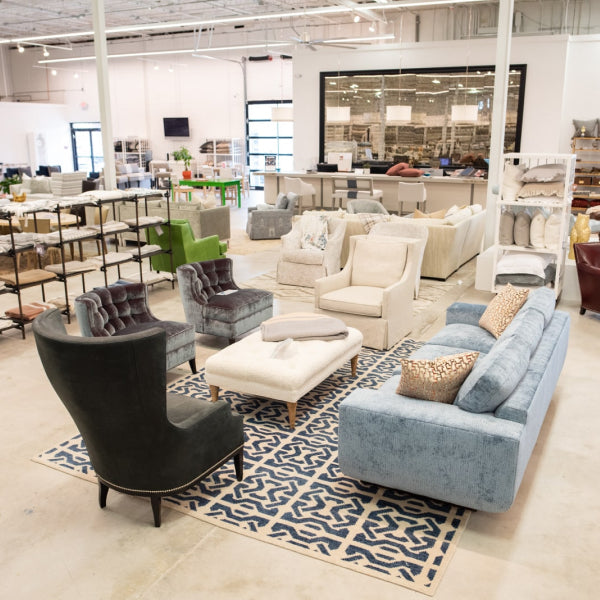
One practical option for reviewing this kind of use-case decision in person is Lewis and Sheron Textiles, where clients can compare cotton-based solids, upholstery options, custom furnishings, reupholstery, and drapery fabrics side by side within the same design process.
A beautiful fabric doesn't need universal use to be valuable. In luxury interiors, selective use is often what makes it convincing.
What cotton satin pairs well with
Cotton satin rarely needs a whole room built around it. It performs better when paired with contrasting materials:
- Matte linen for balance
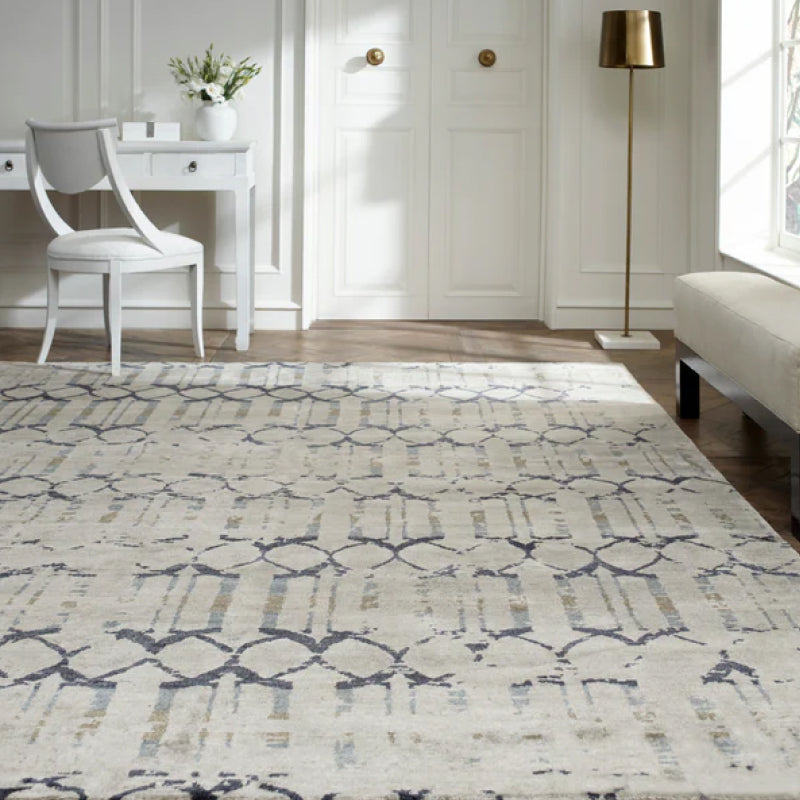
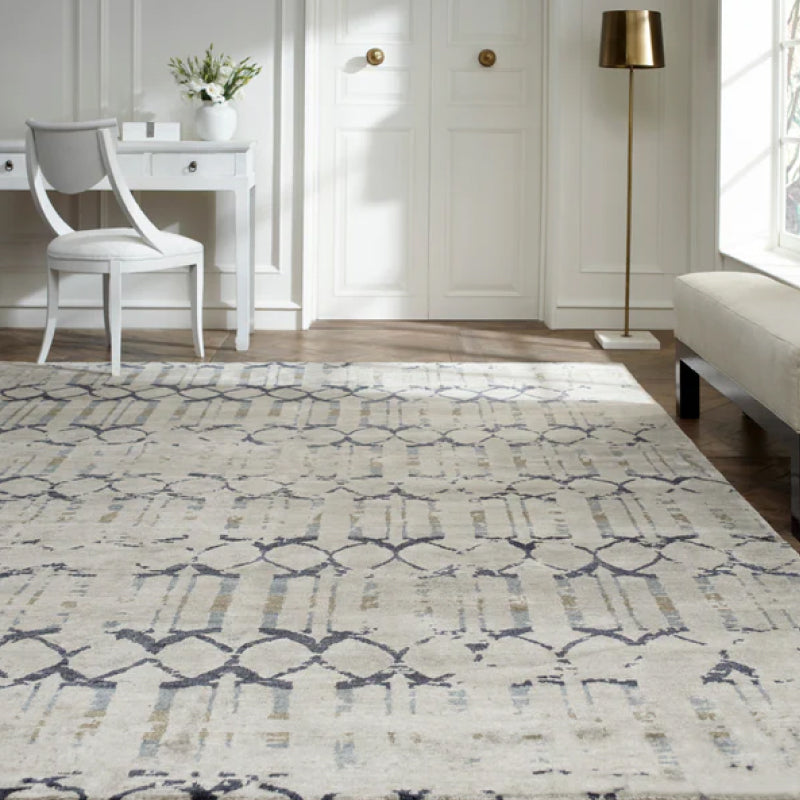
- Hand-knotted rugs for texture underfoot
- Antique wood for depth and warmth
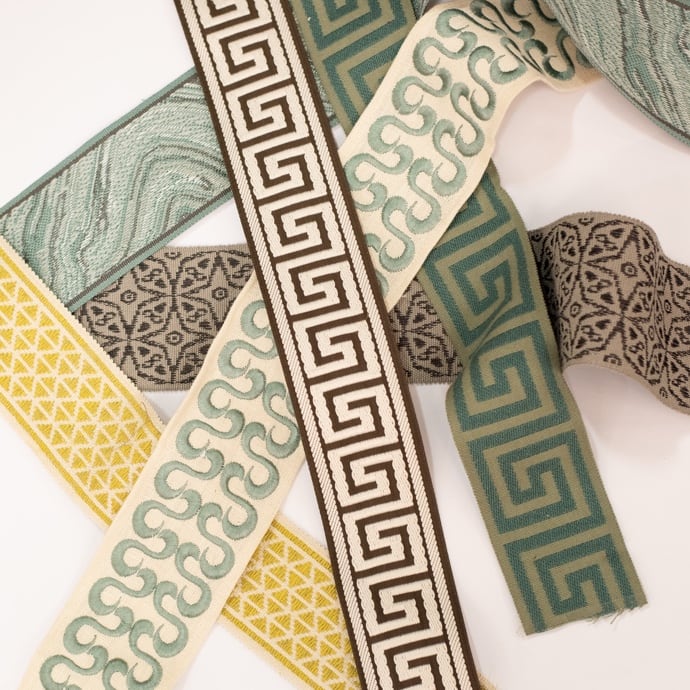
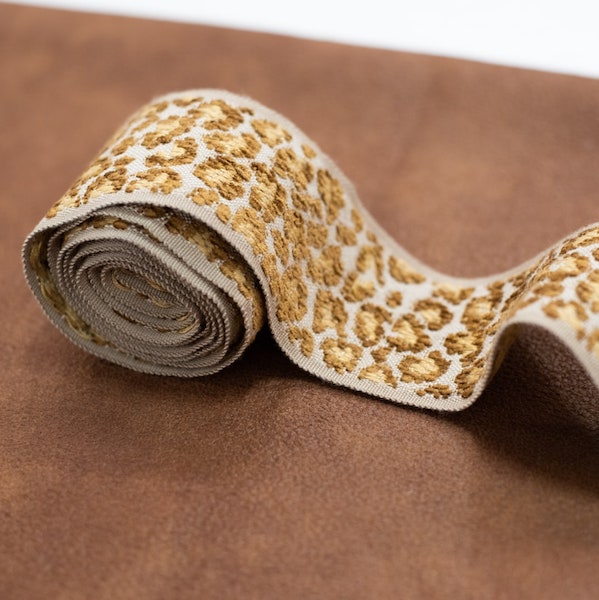
- Fitted trim or tape for structure at edges
- Velvet accents in small doses when you want richer layering
That contrast is what keeps a room feeling custom rather than overcoordinated.
How to Select and Care for Cotton Satin Furnishings
Buying cotton satin well requires more than touching the face of the fabric. Finish, density, and intended use all matter. Verified guidance notes that high-quality cotton satin is often mercerized to improve luster and dye uptake, and that it can be more prone to wrinkling and pilling than standard cotton weaves. The same source also notes potential shrinkage of 3% to 5% if the fabric isn't properly cared for or pretreated, as described in this cotton sateen care reference.
What to look for before you buy
Ask direct questions in the showroom.
- Fiber content first: Confirm that you're buying 100% cotton if that's the performance and hand you want.
- Mercerization: Ask whether the fabric has been mercerized, since that finishing step can improve luster and dye response.
- End use: Request a realistic recommendation for upholstery, drapery, or decorative application instead of assuming one fabric can handle all three.
- Pre-shrink treatment: Clarify whether the goods have been stabilized or pretreated before fabrication.
For a broader consumer-facing reference, this guide to upholstery fabric is useful because it frames selection around actual household use, not just appearance.
Care that protects the investment
Cotton satin rewards careful maintenance. For upholstered pieces, professional cleaning is usually the safer path, especially on custom furniture where seam shape, interlining, or cushion construction matter. For drapery and decorative pieces, follow the fabricator's instructions closely and avoid assuming all cotton satin behaves the same.
If you're maintaining upholstered investment pieces over time, caring for high-end upholstery is a practical reference point.
If a fabric owes its appeal to a smooth, exposed surface, rough handling is the fastest way to shorten its good-looking years.
Wrinkling doesn't mean the fabric is poor quality. It means you're working with cotton and a weave that prioritizes surface softness over rigid recovery. That's manageable if you know it upfront.
For luxury homes, that's the right expectation to have. Cotton satin is a considered material. Select it for the right room, ask the right questions before ordering, and maintain it with the same care you'd give any other refined finish.
If you're comparing fabrics for custom upholstered furniture, designer drapery, or a reupholstery project in Atlanta, Lewis and Sheron Textiles offers a place to evaluate cotton satin alongside linen, velvet, performance fabrics, trims, and custom furnishings in person. For a high-consideration purchase, seeing the hand, sheen, and scale of a fabric before it goes on a sofa or statement chair is usually the smartest step.