





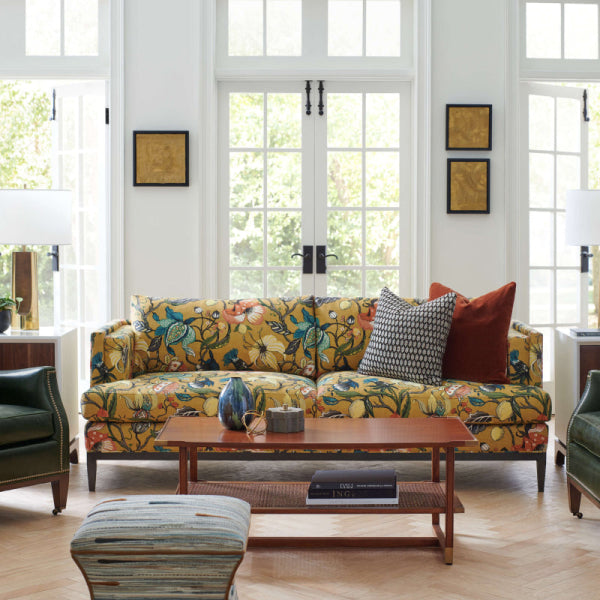
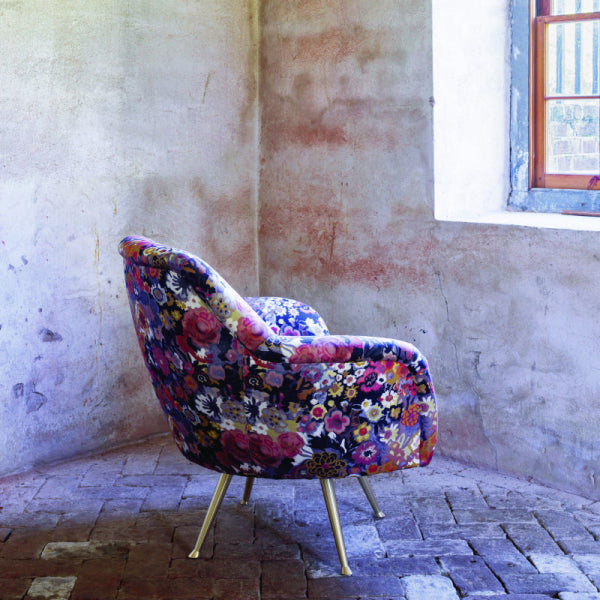
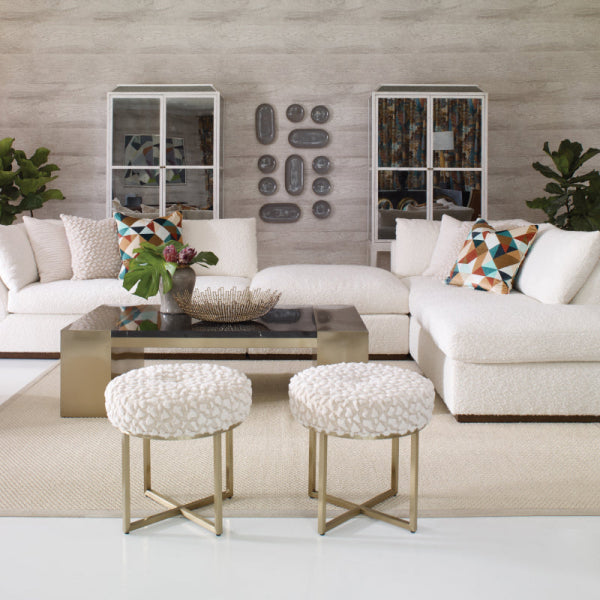
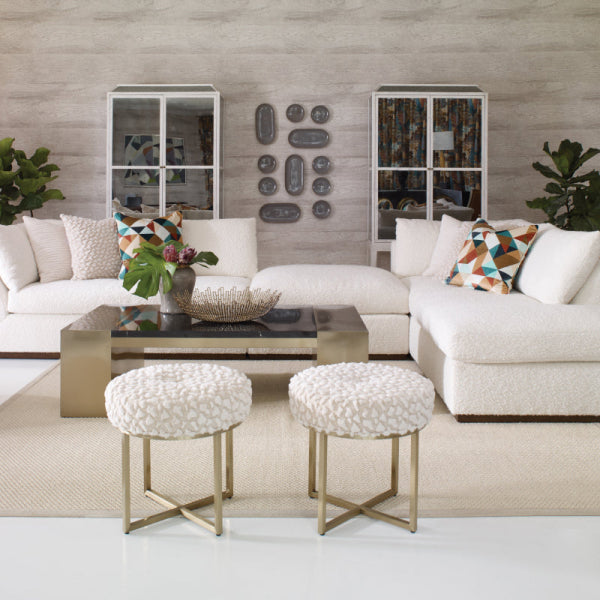











You've chosen the sofa. The frame is right, the upholstery is right, and the room is nearly there. Then you stand back and notice the last layer hasn't been resolved. The seating looks good, but not finished.
That's where custom throw pillow covers earn their place.
In homes across Buckhead, Alpharetta, Roswell, and Sandy Springs, I see the same pattern. A homeowner invests in a beautiful sectional, a custom-made chair, or a refined custom upholstered bench, then treats the pillows as an afterthought. That small decision can flatten the entire room. On high-end furniture, details don't whisper. They announce themselves.
The Finishing Touch for Your Luxury Furniture
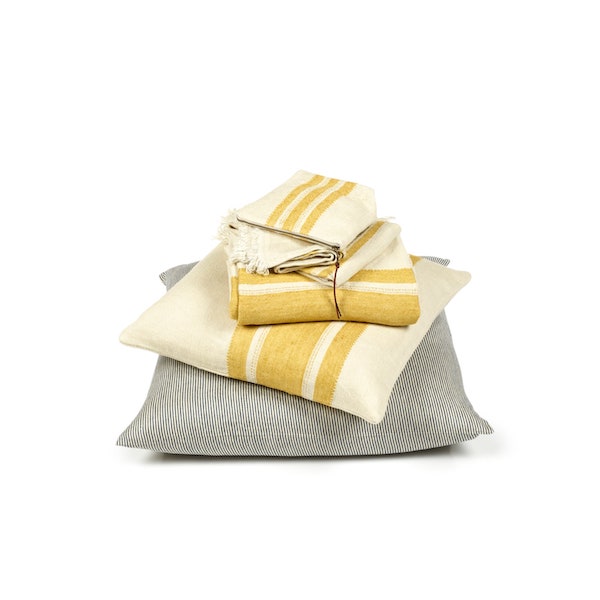
A well-made sofa without the right pillows is a bit like fine millwork without hardware. The craftsmanship is there, but the final edit is missing. On luxury sofas, premium sectionals, and heirloom-quality chairs, pillow covers do more than add color. They sharpen the silhouette, reinforce the palette, and connect furniture to drapery, rugs, and wall color.

I often think of a client who had just installed a handsome custom sofa in a formal living room. The upholstery was impeccable. The room had strong architecture and beautiful light. But the ready-made pillows she'd brought home felt generic. The scale was off, the fabric lacked depth, and the seams looked soft in the wrong way. Once we replaced them with custom covers in a richer weave and a more disciplined palette, the whole room settled into itself.
Why custom matters now
Custom no longer belongs only to trade workrooms and designer-only projects. Customization in throw pillow covers has moved from a niche craft to a mainstream decorating format, with suppliers offering hundreds of fabrics and multiple production options. One custom pillow-cover retailer advertises “hundreds of fabrics,” while another offers one- or two-sided printing and unlimited colors, showing how flexible the category has become for both residential and larger décor runs, as noted by custom pillow cover options at Cushion Source.
That matters if you're furnishing a luxury home in Atlanta and you don't want your rooms to look pulled from a showroom floor. You want specificity. You want a pillow that relates to your sofa, not just sits on it.
Custom pillow covers let you change the mood of a room without replacing the furniture you chose carefully in the first place.
What high-end buyers are really choosing
When someone searches for designer furniture near me or custom furniture Atlanta, they're usually not looking for one more object. They're trying to build a home that feels layered and resolved. Pillows are part of that decision.
They help you do three things well:
- Refine a major investment by making a luxury sofa or custom chair feel complete.
- Add individuality through fabric, trim, and scale choices that aren't available off the shelf.
- Protect flexibility because covers can be changed more easily than replacing an entire finished pillow wardrobe.
For high-consideration interiors, that's not a small purchase. It's part of the design language of the room.
Choosing Your Fabric Performance vs Luxury
Choosing fabric often leads to hesitation, and for good reason. They're balancing beauty against real life. A formal sitting room in Buckhead calls for different priorities than a family room in North Atlanta where children, pets, and weekend guests all use the same sofa.
The choice usually comes down to two paths. One favors atmosphere and hand. The other favors resilience and ease.

Luxe aesthetics
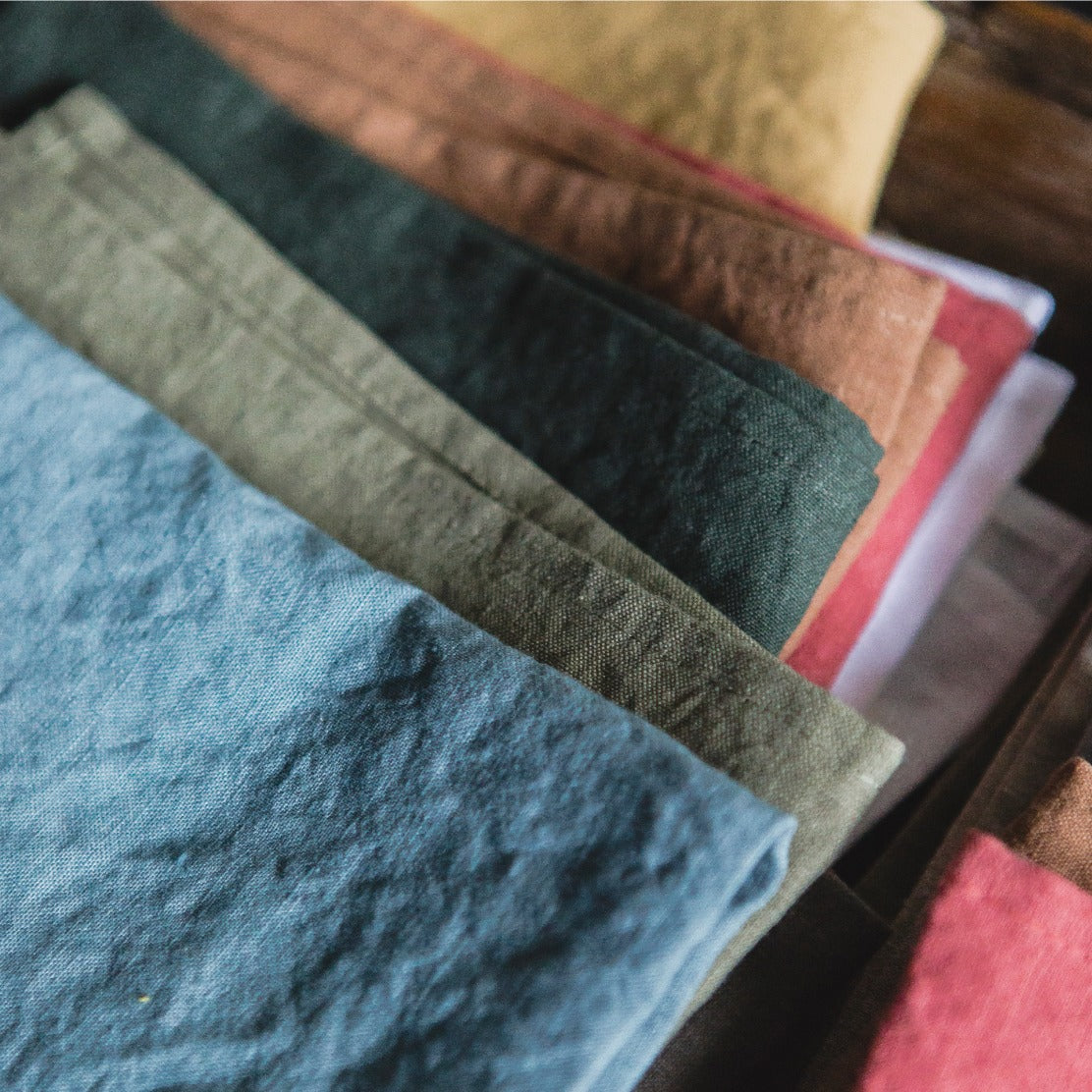
Luxury fabrics create the kind of visual richness people associate with designer furniture. They catch light differently, fold more gracefully, and often bring a sense of depth that a flatter fabric cannot.
Think about these common directions:
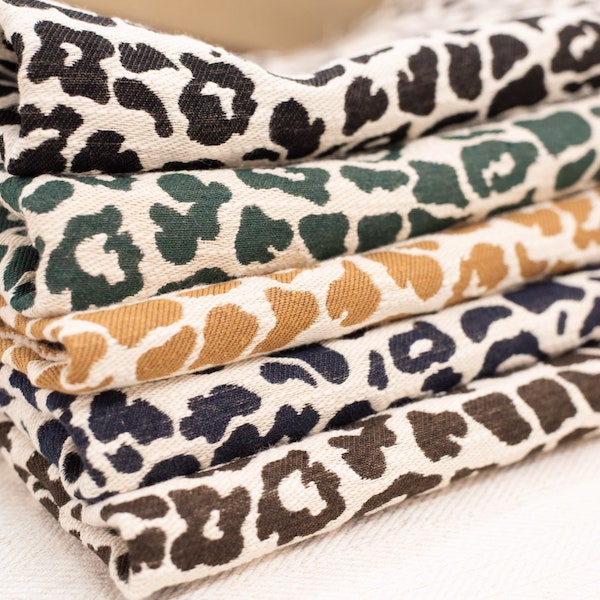
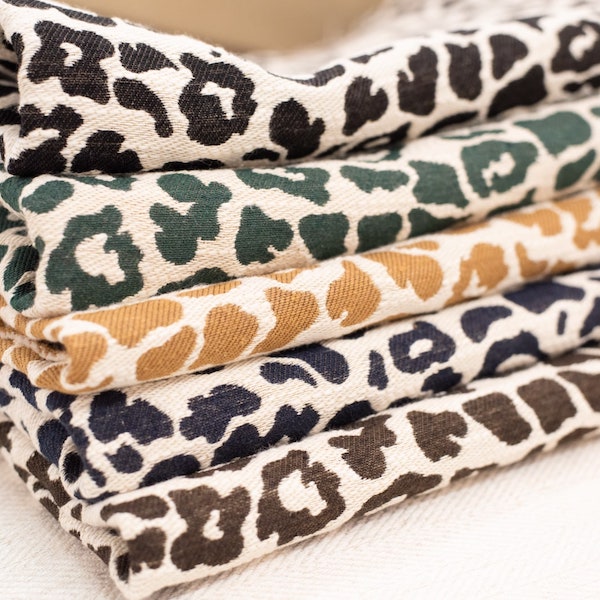
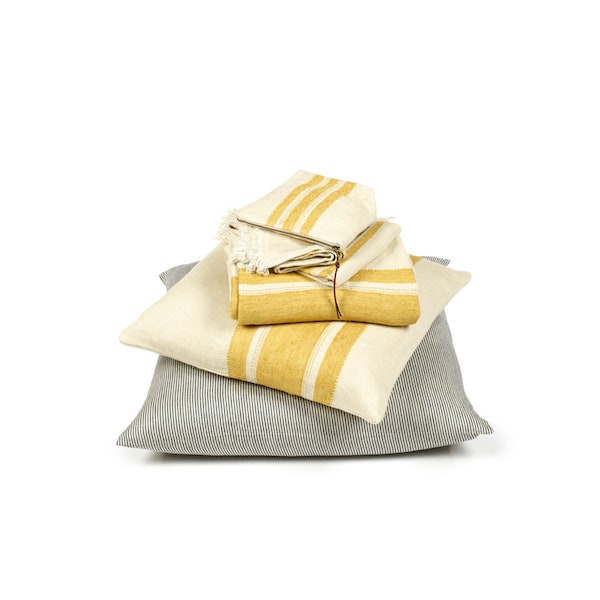
- Belgian linen brings softness, texture, and a relaxed sophistication that works beautifully on custom upholstered furniture and refined casual rooms.
- Velvet adds saturation and drama. It's especially effective on accent chairs, formal sofas, and statement furniture pieces.
- Silk and silk-like decorative fabrics offer sheen and delicacy. They're often better suited to lower-traffic spaces where appearance leads the conversation.
These fabrics are often the right answer when the room's purpose is visual impact. In a formal living room, a library, or a well-appointed primary bedroom sitting area, a more delicate textile can be entirely appropriate.
Livable performance
Performance fabrics answer a different question. Not “What looks most elevated in perfect conditions?” but “What still looks composed after daily use?”
For many households, especially those investing in high-quality couches for everyday living, performance textiles make excellent sense. They're often selected for family rooms, breakfast-area banquettes, and large sectionals where pillows are leaned on, moved, and handled constantly. If you're sorting through options, this guide to choosing the best performance fabrics is a useful starting point.
Fabric Comparison Performance vs Luxury Textiles
| Attribute | Performance Fabrics (e.g., Crypton) | Luxury Fabrics (e.g., Belgian Linen, Velvet) |
|---|---|---|
| Everyday use | Better suited to active rooms | Better suited to quieter rooms or careful use |
| Care | Generally simpler to maintain | Often needs gentler handling |
| Texture | Can feel more structured or practical | Often richer, softer, or more nuanced |
| Visual depth | Clean and tailored | More layered, expressive, and dramatic |
| Best placement | Family rooms, dens, media spaces | Formal living rooms, bedrooms, statement seating |
How to choose without regret
The mistake isn't choosing performance. The mistake isn't choosing luxury, either. The mistake is choosing a fabric that doesn't match how the room is used.
Ask yourself:
- Who uses this seat daily. A formal chair in a study can wear a more delicate fabric than the pillows on your primary family sofa.
- What do you want to feel first. Crisp polish, soft ease, shimmer, texture, or durability.
- How often do you want to maintain it. Some homeowners don't mind more careful upkeep if the aesthetic reward is strong enough.
Practical rule: Put your most precious fabrics where hands touch less. Put your hardest-working fabrics where life happens every day.
In a luxury home, good fabric selection isn't about following trends. It's about assigning the right textile to the right role.
The Secret to Perfect Fullness Sizing and Inserts
If you've ever bought a pretty pillow cover and wondered why it looked limp once filled, sizing is usually the reason. This is one of the most common points of confusion, even among people with excellent taste.
The polished, custom-made look seen on designer sofas comes from tension. Not strain, but enough internal fill to support the shape of the cover.

The sizing rule designers rely on
For custom throw pillow covers, interior design guidance commonly recommends an insert that is 1–2 inches larger than the finished cover. That difference improves loft, increases internal compression, and helps the cover look well-fitted rather than slack. A common example is a 22-inch cover paired with a 24-inch insert, as explained in this throw pillow sizing and insert guide.
In plain terms, the insert should work a little harder than the cover.
What that looks like in real life
Here's the principle in action:
- An 18-inch square cover is often paired with a 20-inch insert.
- A 14 x 24-inch lumbar cover is often paired with a 15 x 26-inch insert.
- The same guidance commonly points to an insert 1–2 inches larger on each side for a fuller look, as discussed in Laurel Bern's throw pillow overview.
Those combinations are part of the familiar overstuffed look used in polished interiors. The corners fill out. The center doesn't collapse. The pillow reads as intentional.
Fill and feel
Insert material changes the mood of the pillow. Down and down-blend inserts usually give a softer hand and that relaxed, gently refined appearance many clients want on luxury sofas. Synthetic fills can hold shape well and may suit households that prefer a more uniform structure.
If you'd like a second opinion before ordering, these expert pillow selection tips offer helpful guidance on balancing comfort, style, and proportion.
For a quick reference on pairings, a dedicated pillow insert size guide can save you from ordering a beautiful cover that never quite fills properly.
A pillow can be made from gorgeous fabric and still look inexpensive if the insert is undersized.
Details That Define Quality Closures Trims and Seams
Color typically stands out first. Experienced buyers notice construction. That's where a custom pillow separates itself from a decorative accessory bought in haste.
A cover can use excellent fabric and still disappoint if the closure puckers, the seams ripple, or the edge finish feels unresolved. On designer furniture, those details matter because the eye reads them against everything else in the room.
Closures that change the look
A hidden zipper usually gives the cleanest finish. It keeps the profile crisp and allows the fabric, pattern, and edge treatment to remain the focus. It also makes the cover easier to remove for cleaning or seasonal rotation.
An envelope closure can work in casual settings, but it generally reads more informal. On luxury home furnishings, especially custom-made sofas and custom chairs, it rarely delivers the same disciplined line.
Edge treatments and seam definition
The edge is the architecture of the pillow. It determines whether the cover feels sharp, soft, formal, or decorative.
Here are the most common treatments:
- Knife edge creates a clean, simple outline. It's versatile and often best when the fabric itself carries strong texture or pattern.
- Self-welt adds definition. It frames the pillow and often relates beautifully to precisely finished upholstery.
- Flange brings a softer, more fashion-forward line. It can feel relaxed or dressy depending on the fabric and scale.
A well-finished seam should sit smoothly and hold its shape. If the corners collapse or the edge twists, the cover won't look composed for long.
Trims that connect the room
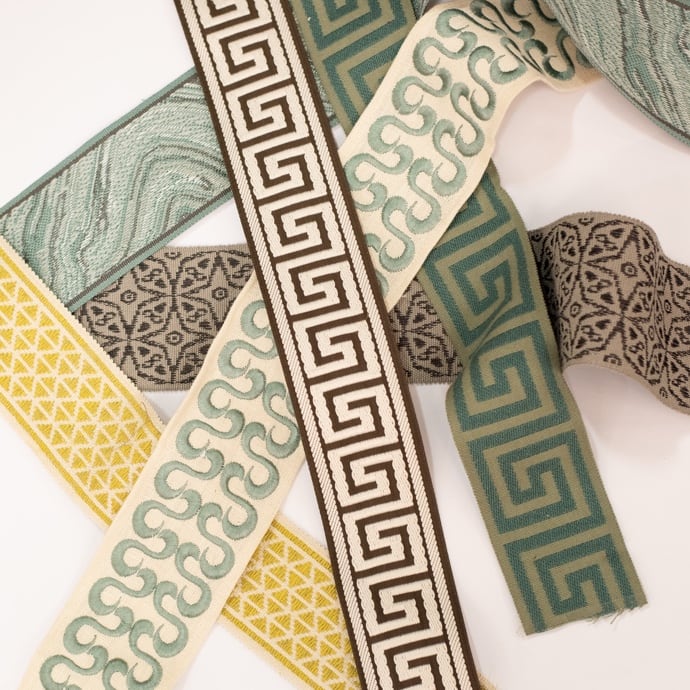
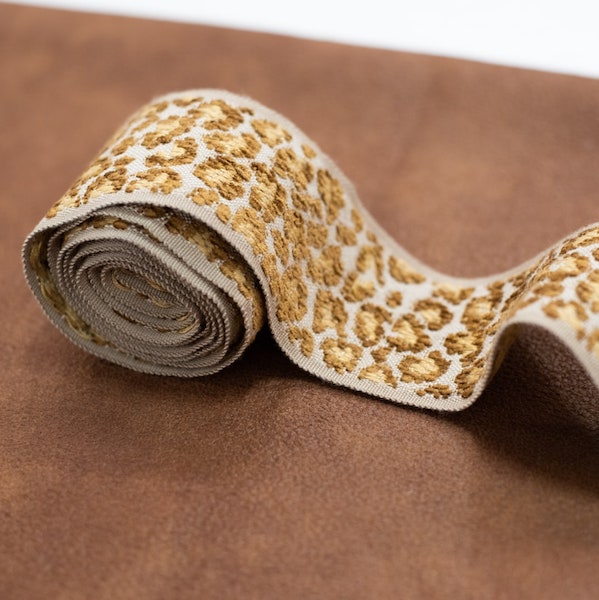
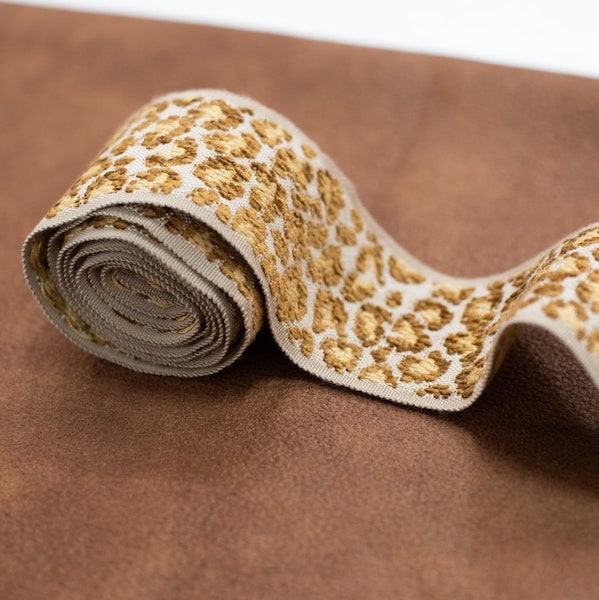
Trim is where custom work becomes personal. A narrow contrast welt can echo the tape on drapery. A brush trim can soften a reading chair in a traditional Buckhead interior. A geometric tape can add structure to a cleaner-lined Roswell room.
Not every pillow needs embellishment. In fact, restraint often feels more expensive. But when trim is used intentionally, it can tie together several parts of the room at once. This gallery of decorative trim for pillows is a useful reference if you're considering how much detail is enough.
The smallest construction choices often determine whether a pillow looks custom made or mass produced.
Styling Your Custom Pillows Like a Designer
Once the covers are made well, arrangement becomes the final art. Good styling doesn't mean piling on more pillows. It means placing the right ones in the right order so the furniture still feels inviting.
The most successful arrangements have rhythm. They balance scale, contrast, and restraint.
Start with a simple formula
A reliable approach is the rule of three. Mix three qualities rather than three random pillows:
- Texture such as linen, velvet, or a nubby weave
- Pattern such as a stripe, print, or small geometric
- Color pulled from the room's broader palette
That formula prevents the flat look that happens when every pillow matches too closely, and it also prevents the chaotic look that happens when every pillow tries to be the star.
Match the arrangement to the furniture
A deep premium sectional can usually support a more layered grouping than a slim-profile sofa. A custom chair often needs just one excellent pillow rather than a stack.
Consider these styling directions:
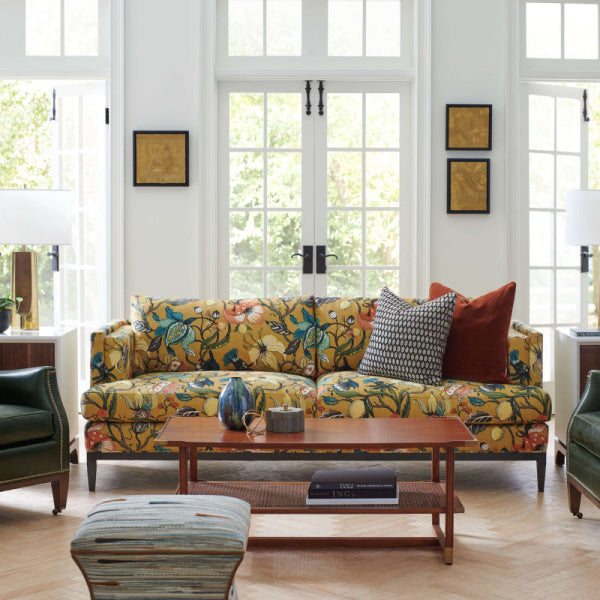
- Formal symmetry works well in classic interiors. Pair matching squares at each end of a sofa, then add a centered lumbar if the piece needs one final layer.
- Relaxed asymmetry suits more casual or contemporary rooms. Use different but related fabrics, then balance weight visually rather than mirror it exactly.
- Chair editing matters. On a custom accent chair, one pillow with strong fabric and clean construction often feels more deliberate than two smaller ones.
If you enjoy seeing additional arrangement ideas in action, these expert sofa styling tips offer a helpful visual complement.
Don't lose the seat
The most common styling mistake in high-end rooms is overcrowding. If guests have to move half the pillows to sit down, the arrangement isn't serving the furniture.
A few guiding principles help:
- Let the sofa stay visible. The upholstery is part of the composition.
- Vary scale with purpose. Larger pillows generally anchor. Smaller or lumbar shapes refine.
- Repeat something. Repeat one color, one trim detail, or one fabric family so the arrangement feels curated.
In Buckhead homes with more traditional architecture, symmetry often reinforces the room's formality. In modern Alpharetta or Roswell spaces, a looser mix can feel fresher. Neither is better. The room tells you which language it prefers.
Bringing Your Vision to Life at Lewis and Sheron
At a certain level of furnishing, the challenge isn't access to products. It's editing. There are too many fabrics, too many trims, and too many nearly-right options. That's where an informed process matters.
A good custom pillow project starts by looking at the larger room, not the pillow in isolation. The sofa fabric, the chair nearby, the rug pattern, the drapery weight, the wall tone, even the amount of natural light all affect what the finished cover should be.

A more useful way to shop
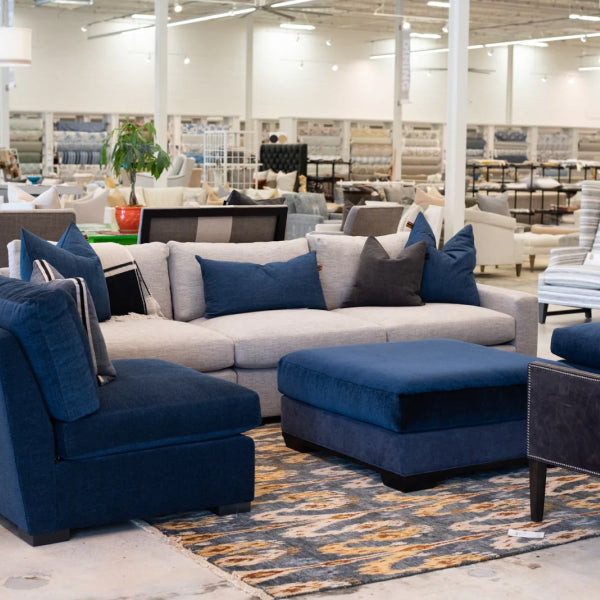
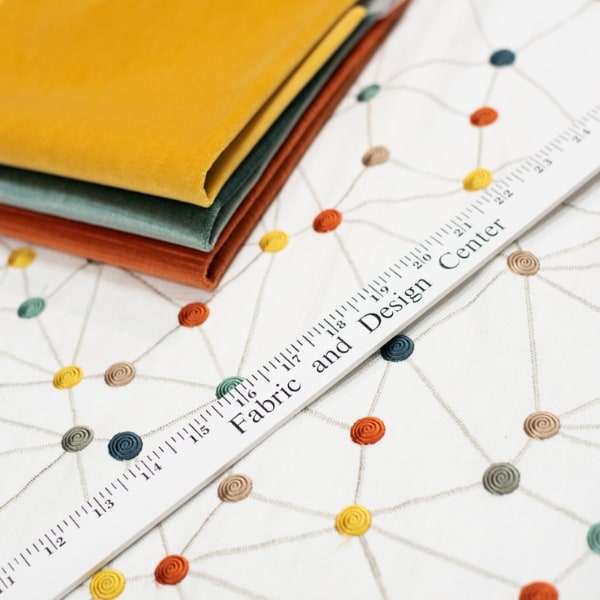
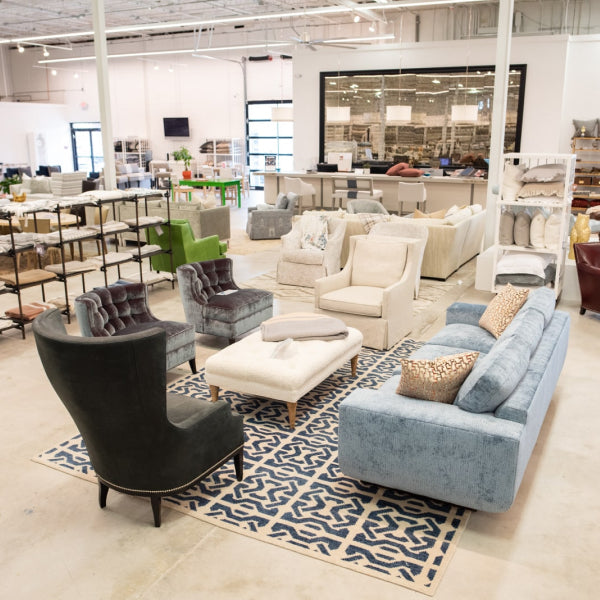
One practical route for Atlanta-area homeowners is to work from a textile-focused showroom rather than trying to assemble the result from unrelated retail sources. Lewis and Sheron Textiles offers access to in-stock bolts, cut-yardage options, trims, pillow forms, and in-house design help while shopping, which makes it easier to coordinate custom throw pillow covers with larger upholstery and room finishes.
That matters if you're also weighing luxury sofas, custom upholstered furniture, or designer furniture for a full-room project. The pillow cover becomes part of a broader furnishing decision, not an isolated add-on.
What to bring with you
You don't need a complete design plan before you begin. You do need enough context to make good decisions.
Bring:
- A photo of the room in daylight if possible
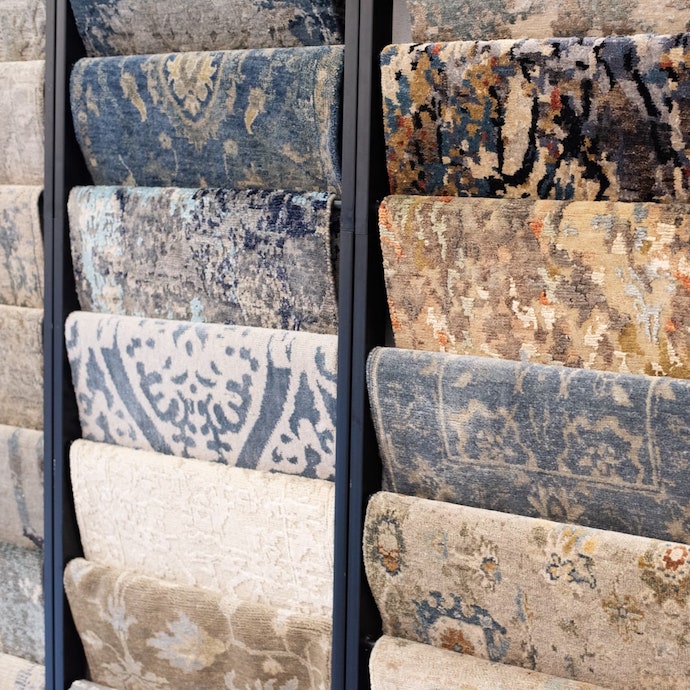
- Fabric swatches or finish samples from the sofa, chairs, drapery, or rug
- Measurements of the furniture where the pillows will sit
- A clear sense of use such as formal room, family room, reading chair, or bedroom bench
For inspiration, it can also help to study a tightly edited retail example, such as the Giorgi Bros. blush pillow collection, to see how color families can stay cohesive without becoming repetitive.
The goal isn't to copy a display. It's to identify what you respond to. Soft contrast. Sharp contrast. Pattern restraint. Trim. Shape. Once you know that, custom becomes much easier.
Frequently Asked Questions About Custom Pillows
How do I clean custom throw pillow covers
Cleaning depends on the fabric. Performance textiles usually tolerate everyday maintenance more easily, while linen, velvet, and other decorative fabrics often need gentler care. The safest approach is to choose the fabric with care expectations in mind before ordering, then follow the fabric-specific cleaning instructions once the cover is made.
Are pillow covers better than buying finished pillows
Often, yes. Covers give you more flexibility. They're especially useful when you've already invested in high-end furniture and want to update color, pattern, or seasonality without replacing every insert.
Can I use my own fabric
In many custom workroom settings, yes. This is often called COM, or customer's own material. It's a smart option when you already have a textile you love or when you want the pillows to match drapery, a bench seat, or another custom element in the room.
What's the difference between a throw pillow cover and a bed sham
A throw pillow cover is typically made for decorative pillows used on sofas, chairs, and benches. A bed sham is designed for bedding arrangements and usually follows bedding proportions and styling conventions. They may look related, but they serve different roles in the home.
How long does a custom order take
Timing varies by fabric availability, workroom schedule, and whether trim or special detailing is involved. It's best to ask for timing at the moment you choose the fabric, because the specifics of the order affect the schedule.
Are custom pillows worth it for one room
Yes, if the room contains quality furniture and you want it to feel complete. One well-made set of custom covers can do more for a sofa than several generic pillows that almost work.
If you're refining a room and want help selecting fabric, sizing, trim, or inserts, Lewis and Sheron Textiles is a practical place to start. Bring photos, measurements, and any swatches you already have, and use the showroom as a working resource for building custom throw pillow covers that support the furniture you've invested in for the long term.