











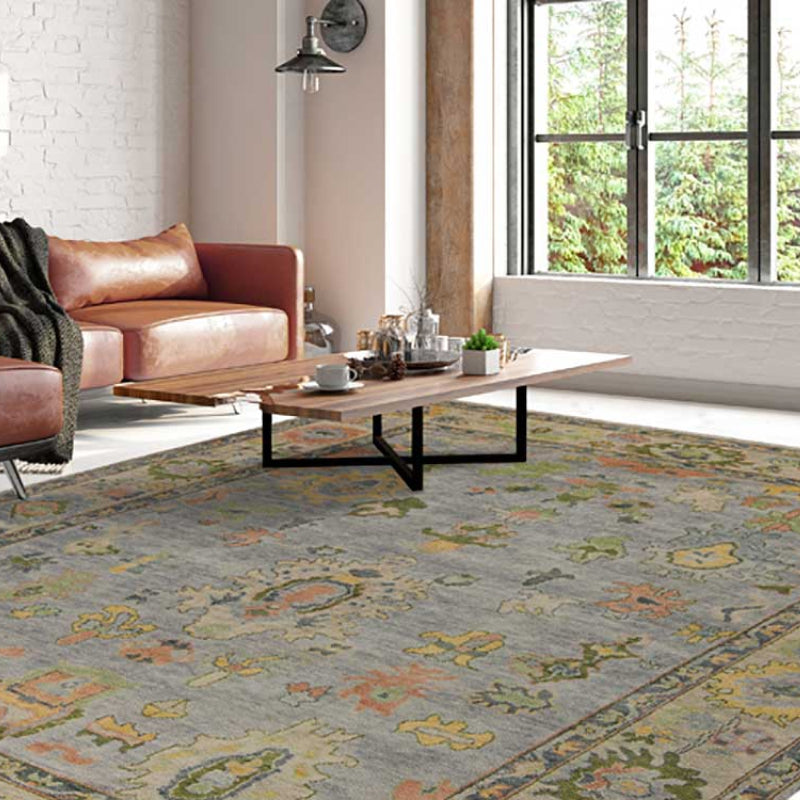
A lot of Atlanta furniture decisions stall at the same point. The frame is chosen, the room is mapped, the silhouette is right, and then the fabric question stops everything. A Buckhead client wants a refined sectional that reads as designer furniture, not family-room compromise. An Alpharetta homeowner wants high-quality couches that still look polished after real use. A Roswell designer needs custom upholstered furniture with enough structure, depth, and color stability to justify the investment.
That tension is where Poly Canvas material becomes interesting.
For years, many buyers associated canvas with utility and polyester with convenience. In luxury interiors, both words could sound like a step down from linen, cotton velvet, or a richly textured woven. That old hierarchy doesn't hold up under close inspection. In the right application, poly canvas can be one of the smartest fabric specifications for luxury sofas, premium sectionals, custom chairs, and other heirloom-quality furniture intended to live beautifully, not just photograph well.
In Atlanta, Buckhead, Sandy Springs, Roswell, Alpharetta, and the wider North Atlanta market, the best furniture choices usually come down to disciplined trade-offs. You're not shopping for a throwaway piece. You're weighing visual softness against structure, durability against maintenance, and long-term ownership against impulse appeal. Poly canvas belongs in that conversation because it solves practical problems without forcing a flat, utilitarian look.
The Modern Dilemma in Luxury Furniture Design
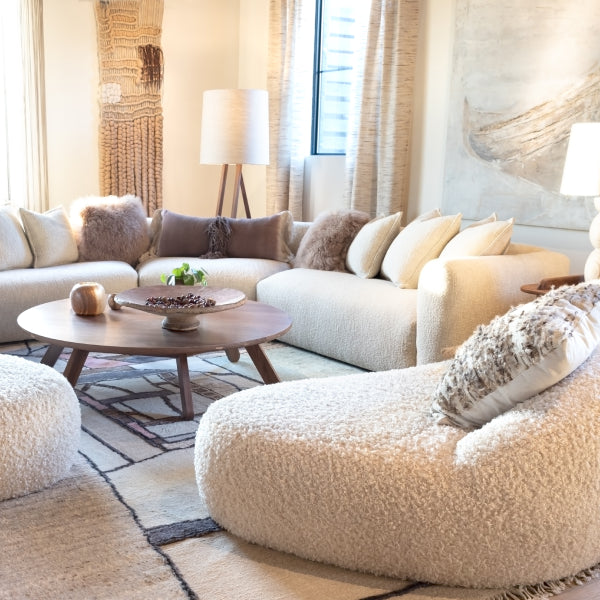
A common project starts with a clear vision. A homeowner in Buckhead commissions a long, low sectional for a renovated family room. The architecture is crisp, the rug is hand-knotted, the lighting is precisely chosen, and the sofa needs to carry the room as a statement furniture piece. But it also has to survive actual living. People sit on the same corner every night. Sun reaches one arm in the afternoon. A glass gets set down too quickly. Someone comes in from the terrace without thinking.
That's where the custom versus retail conversation gets serious. Mass-produced furniture often looks convincing for a season, but fabric choice is usually where the difference shows first. The frame may hold up, yet the upholstery loses tension, absorbs moisture, stains unevenly, or starts to look tired before the piece should. This is exactly why the decision between bespoke and ready-made matters so much in a high-consideration purchase, and why a thoughtful comparison like custom upholstery vs retail furniture is worth reading before a fabric is ever selected.
Why luxury buyers hesitate
The hesitation usually isn't about spending. It's about spending well.
A client looking for luxury furniture in Atlanta or designer furniture near me isn't asking for novelty. They're asking whether the upholstery will still look correct in three, five, or ten years. They want a sofa with presence, but they don't want to babysit it. They want custom upholstered furniture that fits the room precisely, but they won't accept a fabric that feels technical in the wrong way.
Practical rule: In high-end upholstery, the best fabric isn't the most delicate or the most indestructible. It's the one whose strengths match the room, the light, and the way the piece will actually be used.
Where poly canvas fits
Poly canvas answers a very current problem in luxury home furnishings. It gives designers and homeowners a material with the visual discipline of canvas, the structural reliability of a performance textile, and the flexibility to support both modern and traditional furniture forms.
For a Sandy Springs media room, that may mean a custom-made sectional with clean welting and minimal fuss. For a formal Roswell sitting room, it may mean a pair of custom chairs with crisp lines that hold their shape. For a family in Fulton County choosing between a softer natural fabric and a more durable woven, poly canvas often lands in the middle ground that works well.
It isn't a bargain-bin substitute. It's a modern specification for buyers who care about longevity, maintenance, and finish.
What Exactly Is Poly Canvas Material
A client choosing upholstery for a Buckhead sitting room or a family lounge in Milton usually asks a simple question first. What is this fabric made of, and will it hold up with grace?
Poly Canvas material is a canvas-style fabric woven from polyester yarns rather than cotton or linen. The key is the combination of fiber and construction. Polyester gives the cloth its performance-minded character, while the plain weave gives it the clean, orderly surface that designers have long valued in classic canvas.

The weave matters as much as the fiber
Canvas is a structure first. It uses a balanced plain weave that reads crisp, structured, and visually steady on furniture. Polyester is the yarn inside that framework. Together, they produce a fabric that tends to keep its line, resist stretching out of shape, and present a more disciplined surface than many casual upholstery cloths.
That matters on custom work. On a tight seat, a waterfall bench cushion, or a dining banquette with sharp edges, fabric that shifts or relaxes too quickly can make expensive upholstery look tired far too soon.
How poly canvas behaves on furniture
In practice, poly canvas earns its place because it solves a few common upholstery problems without forcing a sterile look.
- It handles moisture with composure. In Atlanta homes, where humidity and everyday spills are part of real life, that gives the fabric an advantage in active rooms.
- It keeps a cleaner profile. Boxed cushions, channel backs, and fitted skirts benefit from a fabric that does not easily slump or bag.
- It stands up to repeated friction. Arms, seat decks, and banquettes age better when the cloth can tolerate regular contact.
For clients reviewing polyester woven fabrics for upholstery applications, poly canvas is often the version that feels most architectural and easiest to specify for long-term use.
Expensive furniture should not ask for delicate handling. It should reward good design with a fabric that keeps the silhouette intact.
Why designers specify it for luxury interiors
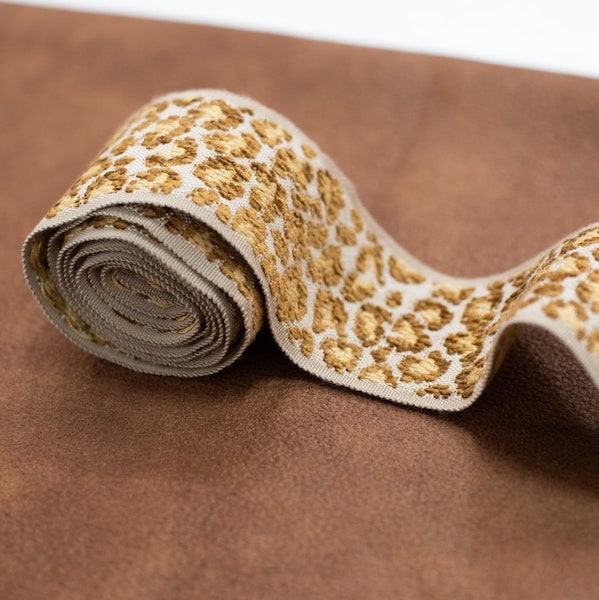
Poly canvas covers a wide range. Some versions feel dry and structured. Others are brushed, softened, or finished to sit more comfortably in refined residential rooms. That range gives designers room to match the fabric to the piece instead of forcing one generic "performance fabric" look across the house.
I also find that clients concerned with material choices often want to compare synthetic performance textiles with natural options used elsewhere in the home. For a broader natural-fiber perspective, the Joey'z Shopping organic curtain guide is a useful reference point. In upholstery, though, the standard is different. A sofa or banquette has to meet abrasion, shape, and maintenance demands that window treatments do not face.
For luxury Atlanta interiors, that is the appeal. Poly canvas can support a crisp contemporary frame, an elegantly designed transitional sofa, or a subtly formal pair of host chairs while asking for less corrective maintenance over time.
Poly Canvas Versus Natural Cotton Canvas
A client may love the romance of natural canvas until the piece in question is a pale breakfast banquette that sees coffee, denim, and morning sun six days a week. That is where the comparison becomes practical. In luxury upholstery, fabric choice has to support the way the room is used, not only the way the sample feels in hand.
Natural canvas still earns its place. Cotton and linen canvas carry a softness and irregularity that many interiors benefit from, especially in rooms designed to feel quiet, collected, and materially honest. Canvas also has a long history across utility and decorative applications, as outlined in this background on canvas and its development.
The real trade-offs
Poly canvas usually performs better where upholstery takes repeated pressure. It tends to hold shape more reliably, manages moisture more predictably, and asks for less intervention after ordinary household wear. Cotton and linen canvas offer a more natural hand, but they often require a client who is willing to accept a little relaxation, a little marking, and more careful upkeep.
That distinction matters in Atlanta homes. A sunlit family room in Buckhead, a banquette in Alpharetta, and a media room sectional in Sandy Springs all put different demands on the cloth.
For high-use seating, I specify performance first. For an accent chair in a formal sitting room, natural canvas can be the more beautiful answer if touch and fiber content matter more than easy maintenance.
| Attribute | Poly Canvas | Natural Canvas (Cotton/Linen) |
|---|---|---|
| Moisture behavior | Resists absorption better and stays more dimensionally stable | More likely to absorb moisture |
| Shape retention | Strong choice for tailored upholstery and repeated use | Can relax more noticeably over time |
| Abrasion handling | Better suited to hard daily wear | Depends heavily on construction and finishing |
| Hand and character | Can range from crisp to refined textured weaves | Often feels more organic and irregular |
| Maintenance | Typically easier to live with in active rooms | Usually needs more careful stain and moisture management |
| Best use cases | High-use seating, sunrooms, family spaces, structured upholstery | Lower-traffic rooms, decorative seating, projects prioritizing natural hand |
Why polyester became so dominant
As noted earlier, polyester now accounts for a larger share of global fiber production than cotton. Manufacturers did not make that shift for novelty. They chose it because synthetic fibers solved persistent upholstery problems around wear, stability, and care.
For a luxury client, that matters less as an industry talking point and more as a specification clue. If a fabric category has become common at scale, the useful question is why. In this case, the answer is straightforward. Poly canvas often keeps a defined silhouette longer and tolerates active living with less compromise.
When natural fibers still deserve the job
Natural canvas still belongs in refined interiors, especially where the brief calls for a dry, organic hand and a softer visual read. Some heirloom pieces improve with that honesty. A lightly used chair in a primary suite sitting area or a decorative bench in a dressing room can justify the extra care.
For adjacent soft goods, a resource like Joey'z Shopping organic curtain guide can help frame how natural textiles contribute to the mood of the home as a whole.
The best choice is the one that keeps the piece beautiful in its actual setting. In many Atlanta luxury homes, that points to poly canvas for daily seating and natural canvas for selective, lower-stress applications.
The Aesthetic Range of Performance Fabrics
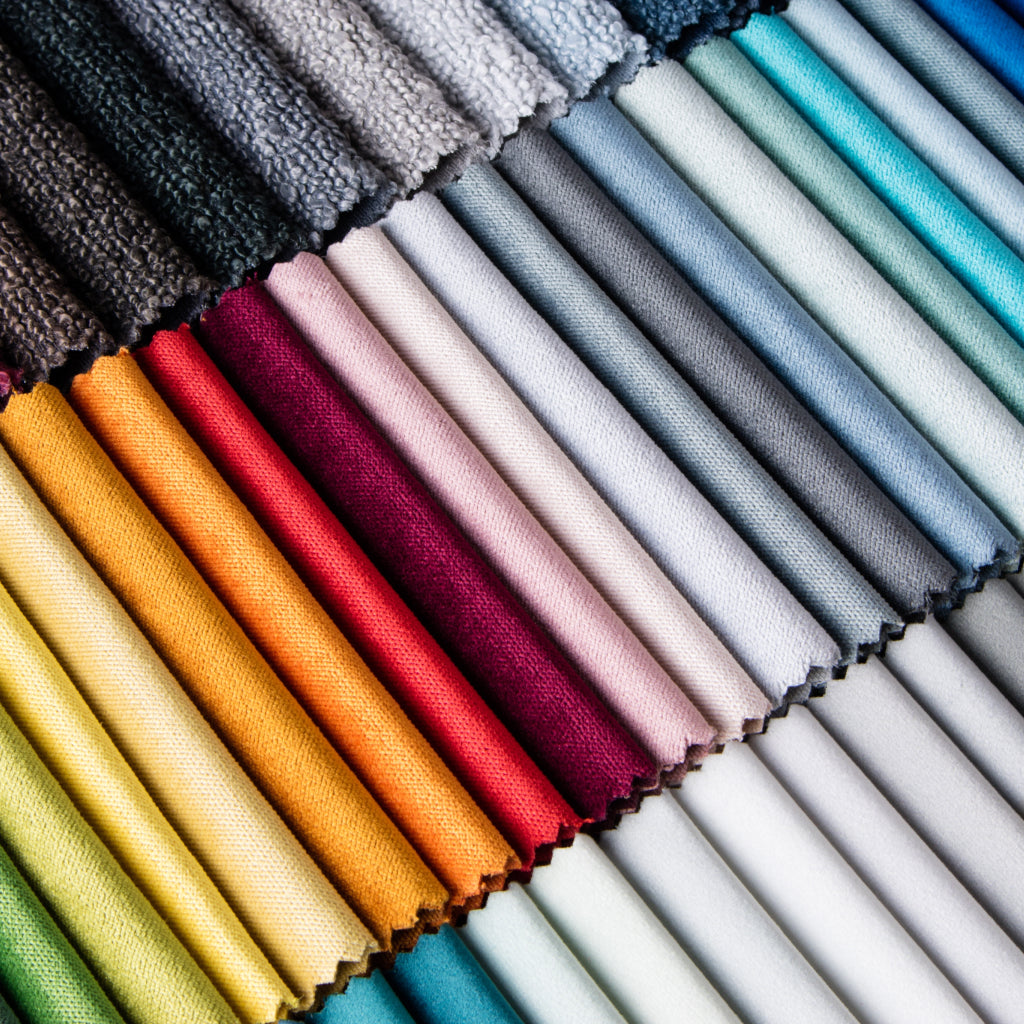
Many buyers hear “performance fabric” and assume the look will be flat, shiny, or overly engineered. That assumption is outdated. The best poly canvas options now come in finishes that feel composed, tactile, and richly decorative.
What matters is the surface language. Some poly canvases are smooth and architectural, ideal for modern premium sectionals and crisp shelter-arm sofas. Others are slubbed, brushed, or subtly irregular, which lets them echo linen, cotton duck, or even a dry woven with more visual depth.

Luxury doesn't depend on fragility
Some of the most convincing designer furniture upholstery today relies on restraint rather than obvious ornament. A fabric can be matte, structured, and durable at once. In fact, that combination often reads more expensive than a fussy textile that pills, wrinkles, or absorbs every mark.
Consider how poly canvas can be used across styles:
- Minimal interiors benefit from cleaner constructions that sharpen the silhouette of a sofa or bench.
- Layered traditional rooms often work well with textured poly canvas that mimics natural cloth but behaves more predictably.
- Indoor-outdoor transitions need fabrics that won't punish the homeowner for choosing a bright room with real sunlight.
The most successful upholstery fabrics don't announce themselves as “performance.” They simply keep looking right.
Color, texture, and room presence
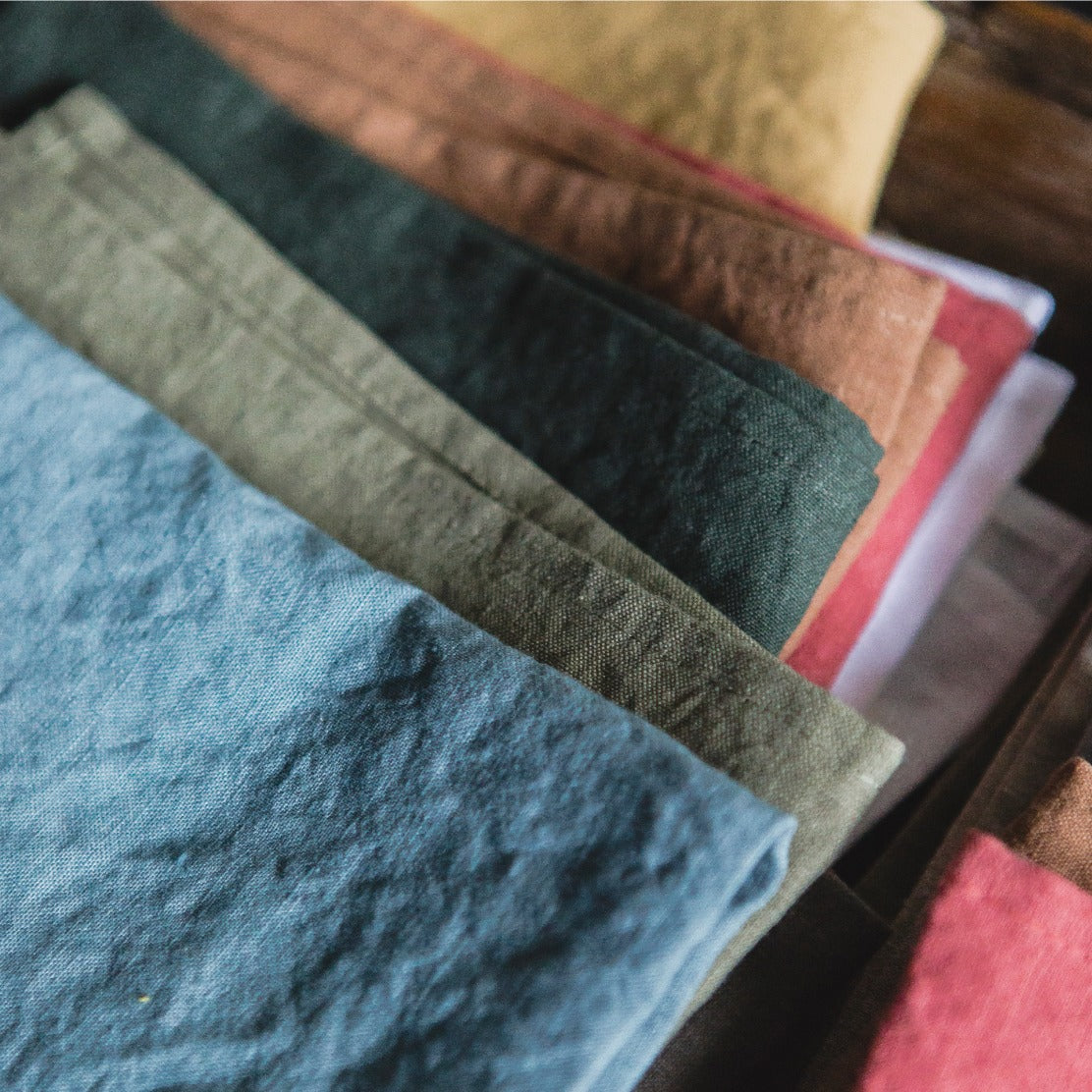
Poly canvas also performs well as a color vehicle. Deep neutrals, mineral tones, warm ivories, earthy greens, and saturated navies all benefit from a stable woven base. On custom upholstered furniture, that means the fabric can carry broad expanses without looking muddy or thin.
This is especially valuable for larger pieces. A loveseat can survive a fussy fabric. A long sectional cannot. Once the scale grows, every inconsistency becomes more visible. Poly canvas often gives a larger seating piece the calm, continuous finish it needs to feel expensive.
For outdoor-adjacent seating and terrace transitions, cushion construction matters just as much as face fabric. Buyers comparing inserts, covers, and weather exposure may find this buyer's guide to patio cushions helpful because it frames cushion decisions in practical terms rather than just style language.
Why the hand can still feel elevated
The mistake is assuming all polyester has the same hand. It doesn't. Mill finishing changes everything. The yarn size, weave density, surface brushing, and backing all influence whether a fabric feels crisp, supple, dry, smooth, or textured.
That's why fabric should be judged in person whenever possible. A well-finished poly canvas can support statement furniture pieces with the same confidence buyers expect from more traditional luxury textiles, especially when the piece needs to function every day.
Specifying Poly Canvas for Atlanta Luxury Homes
Atlanta homes ask a lot from upholstery. Light is strong. Humidity is real. Entertaining is frequent. Rooms often blur formal and casual use, especially in Buckhead, Sandy Springs, and Roswell where a living room might host both quiet mornings and crowded evenings. In that environment, poly canvas earns its place quickly.
The question isn't whether the material is durable in theory. The question is where it belongs in a luxury interior.

Best fits by room type
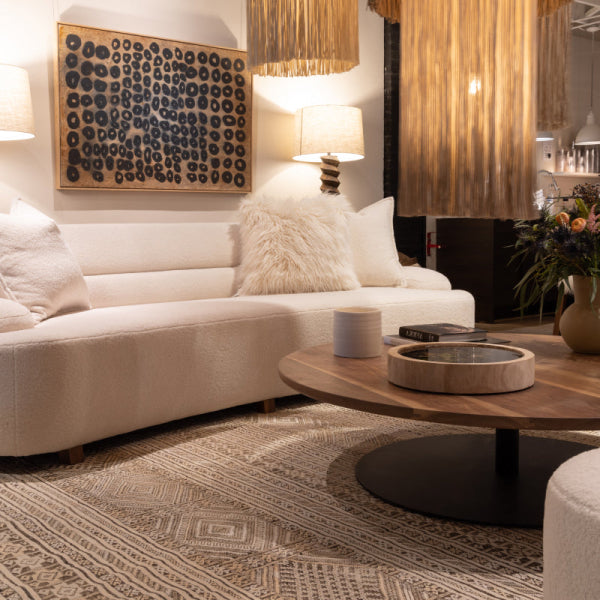
A custom sectional in Sandy Springs is a strong candidate when the room carries daily traffic and the owner wants a defined profile. Poly canvas helps maintain cushion shape and keeps the piece from drifting into that rumpled look that can make even expensive furniture feel tired.
A sun-filled sitting room in Buckhead is another smart use case. Fabrics near windows need discipline. If the upholstery must look polished through changing light and frequent use, a stable woven often performs better than a softer natural cloth that relaxes too easily.
A Roswell entertainment space often calls for custom chairs or banquettes that can handle repeated sitting, occasional spills, and constant visual scrutiny. Poly canvas gives those pieces a neat surface and easier ownership.
Why the fabric choice matters financially
This is not a casual purchase category. Custom furniture in North Atlanta, GA has an average cost ranging from $1,210 to $4,521, according to Houzz data for custom furniture in North Atlanta. Once a buyer is operating in that range, fabric selection has to support the full life of the piece.
A poor upholstery specification can undermine a well-built frame. A wise one can make the same sofa feel relevant far longer.
Matching the material to the furniture
Not every silhouette wants poly canvas. Here's where it often shines:
- Bench-made sectionals: Especially those with clean track arms, tuxedo forms, or disciplined seat geometry.
- Dining banquettes: They need shape retention and practical stain management.
- Custom chairs: Tight-seat or tight-back designs benefit from a fabric that doesn't drift out of line.
- Heirloom reupholstery: When an older frame has excellent bones but the owner wants easier day-to-day use than the previous fabric allowed.
Atlanta's luxury market also reflects a broader custom culture. Brands and workrooms serving affluent buyers emphasize made-to-order upholstery and refined materials, whether in handcrafted collections from North Carolina or custom upholstery studios in Buckhead. That local appetite for customization is exactly why fabric literacy matters. The more customized the piece, the more important the textile specification becomes.
In high-end homes, fabric isn't a finishing touch. It's part of the engineering of the piece.
Long-Term Care and Sustainability Insights
Luxury upholstery earns its value over time. In Atlanta homes, that means handling humidity, sun exposure, entertaining, pets, and everyday use without losing its discipline.

Poly canvas usually asks for less day-to-day attention than cotton canvas, but it still benefits from correct care. The difference is simple. Owners who respond quickly to spills, keep the fabric dry after cleaning, and avoid harsh spot treatments tend to preserve the color, hand, and surface texture far longer. On a custom sofa or banquette, those small habits protect the designed aesthetic that justified the investment in the first place.
What works in daily care
The best maintenance routine is gentle and consistent.
- Blot spills immediately: Press with a clean, dry cloth so moisture does not settle deeper into the weave.
- Dry the fabric fully: After spot cleaning, keep air moving through the room, especially during Atlanta's humid months.
- Use mild methods first: Aggressive scrubbing can flatten the finish, distort the surface, and make a refined textile look tired before its time.
- Vacuum upholstery regularly: A soft brush attachment removes grit that can wear the face of the fabric at seat edges and arms.
For a fuller cleaning routine, including guidance on safe spot treatment and professional service intervals, review this care guidance for high-end upholstery fabrics.
Moisture still matters
Synthetic fiber does not mean moisture-proof furniture. If cushions stay damp after cleaning, or if a room has poor airflow, mold and odor can still develop on the fabric surface or in the cushion package. That risk matters in Atlanta, where summer humidity can linger inside the home as much as outside.
I advise clients to treat drying time as part of cleaning, not as an afterthought. A well-upholstered piece can recover beautifully from a spill. It does far less well when moisture is trapped in the seams, welt, or decking.
If upholstery stays damp, the problem is no longer the fiber alone. It is the environment around the piece.
The sustainability question
Poly canvas also asks for a more mature sustainability conversation. Its strongest argument is longevity. A fabric that holds its shape, resists wear, and avoids premature replacement can be a responsible choice for a heavily used family room or media space. That is a real advantage in luxury interiors, where replacing custom upholstery is expensive in both material and labor.
At the same time, poly canvas is still a synthetic textile. Clients who care about environmental impact should ask direct questions about fiber content, backing, finishes, cleanability, and expected service life. For some rooms, a durable synthetic is the better long-term answer. For others, a natural canvas or another upholstery fiber may align more closely with the way the piece will be used and valued.
Good sustainability decisions usually look less ideological and more specific. Specify the fabric carefully. Maintain it properly. Keep the piece in service for as long as its frame and design deserve.
Choosing the Right Fabric for Your Heirloom Piece
A client falls in love with the silhouette first. The fabric decides whether that piece will still look composed and intentional ten years from now.
Poly canvas belongs in that conversation for Atlanta luxury interiors. It gives a structured shape, dependable wear, and a polished finish that suits custom upholstery in Buckhead, Alpharetta, Sandy Springs, and Roswell, especially in homes where furniture has to perform as beautifully as it presents. On the right frame, it can feel disciplined and refined rather than purely utilitarian.
The better question is not whether poly canvas is good or bad. The question is where it belongs. I specify it differently for a family room sectional than for a formal sitting room chair. A lightly used accent piece may call for the warmth and irregularity of a natural canvas. A sofa that sees afternoon sun, entertaining, children, or frequent guests often benefits from the steadier character of poly canvas.
High-end buyers are also asking sharper questions about material transparency. Concerns about polyester's long-term environmental impact and microfiber shedding have become part of the specification process, and requests for clearer eco disclosures have increased, as noted earlier. That is a healthy shift. Responsible design starts with honest trade-offs, not marketing language.
An heirloom piece earns that title through judgment at the specification stage.
Frame construction matters. Cushion fill matters. Fabric matters just as much, because it governs how the piece wears, how it sits in the room, and how confidently it ages. Choose well, and the upholstery supports the architecture of the furniture instead of fighting it.
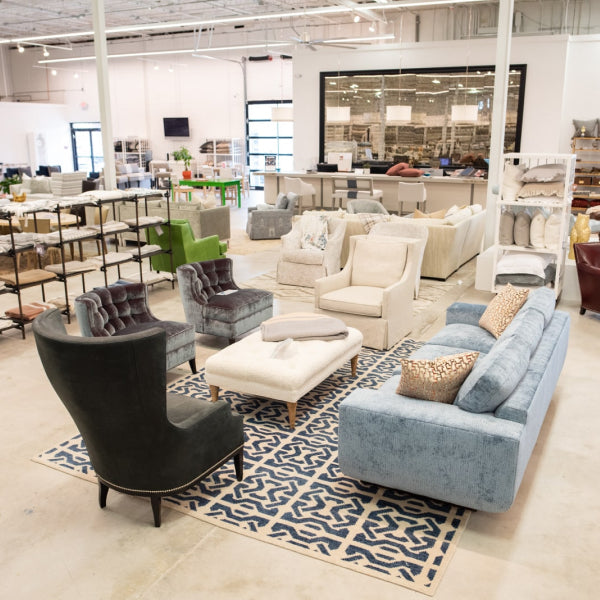
If you're weighing fabrics for a custom sofa, statement chair, reupholstery project, or full room in Atlanta, visit Lewis and Sheron Textiles. Their Design Center offers premium upholstery fabrics, custom furnishings, and complimentary in-house design guidance, so you can compare materials in person and choose a fabric that fits both your home and the way you live.