


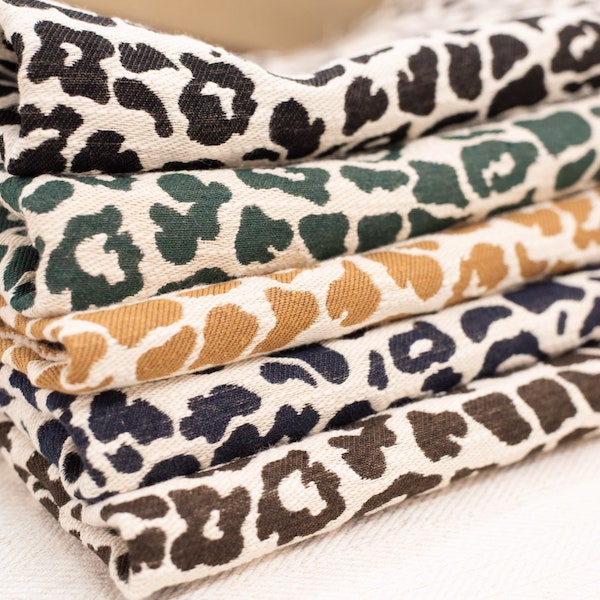
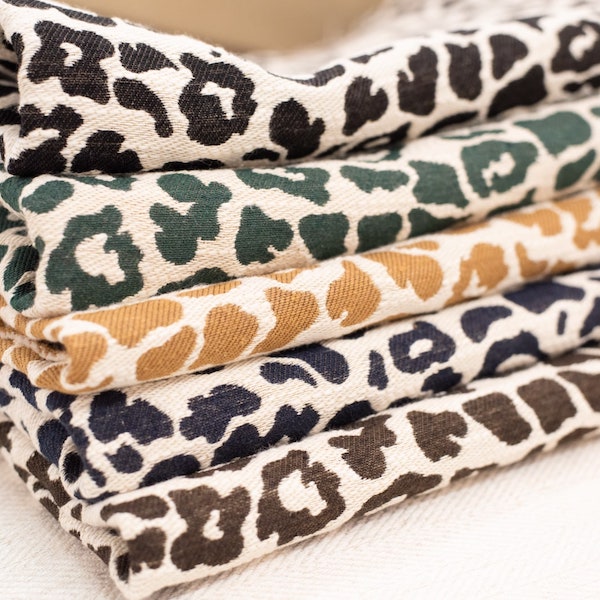
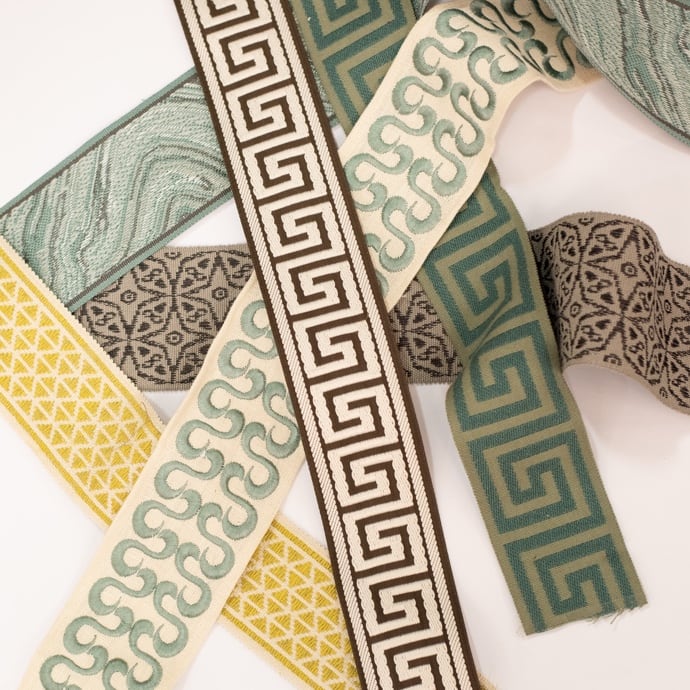

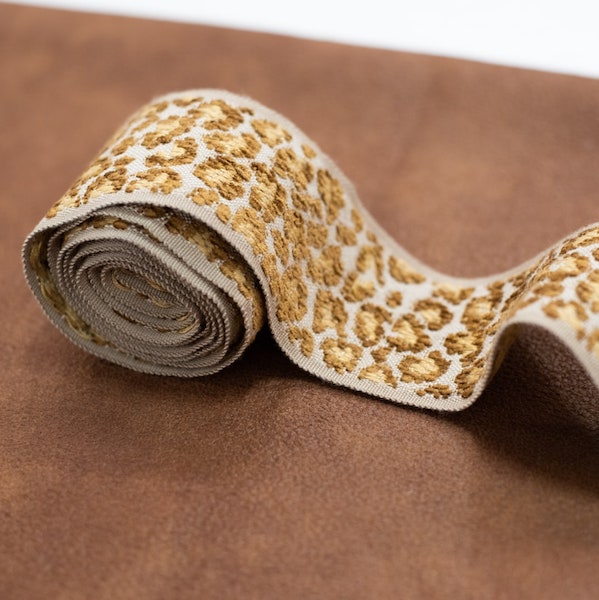


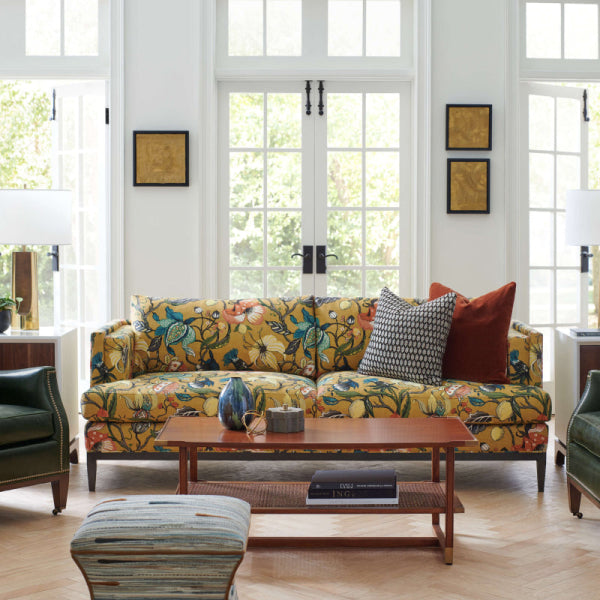
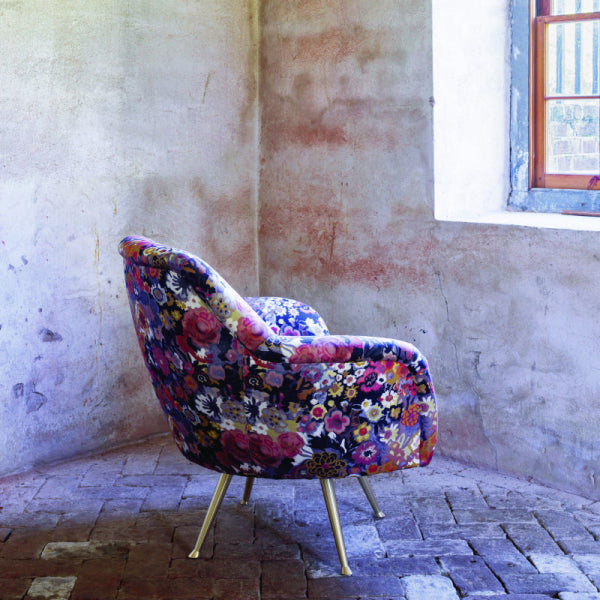
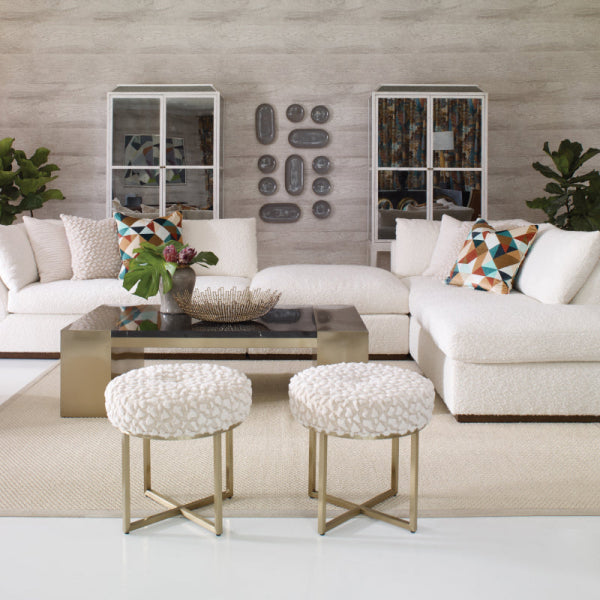
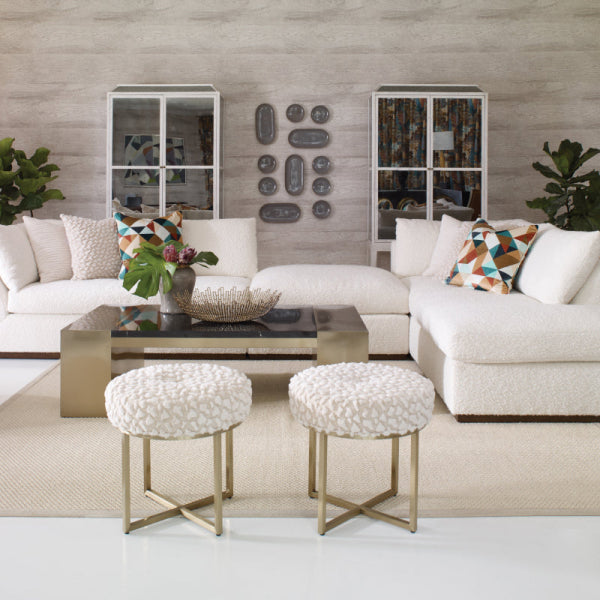
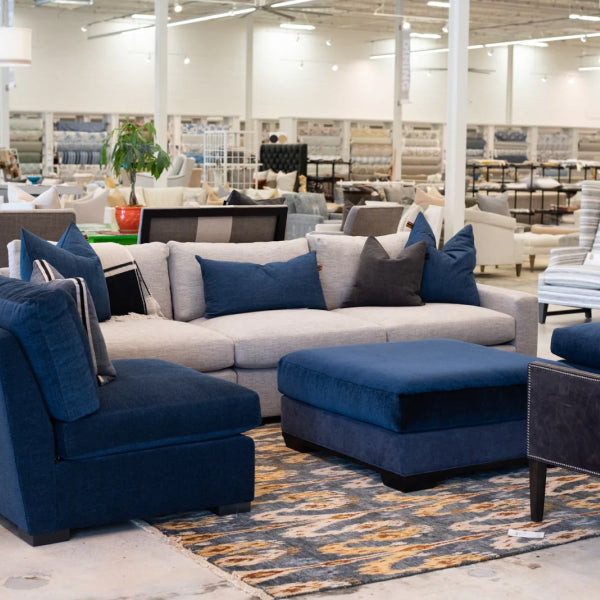







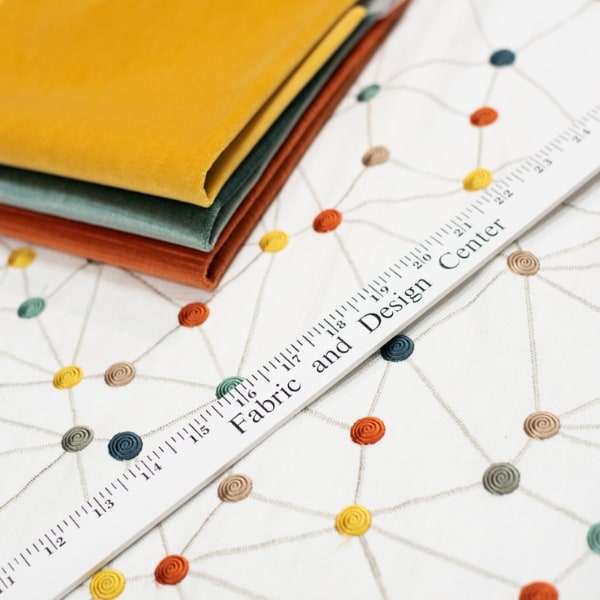




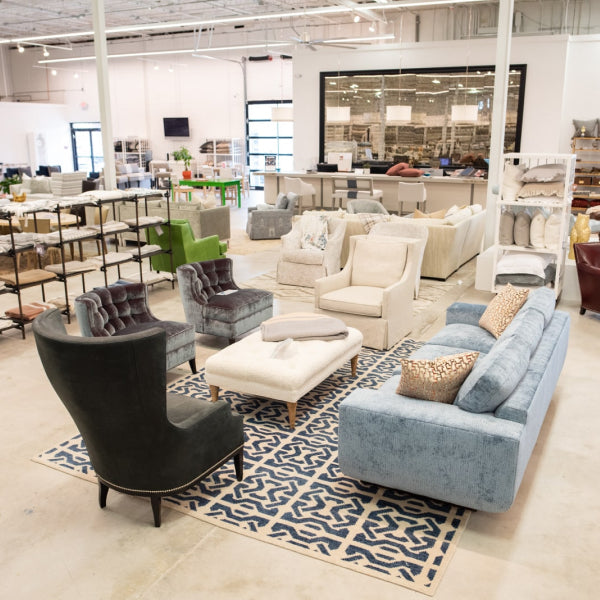

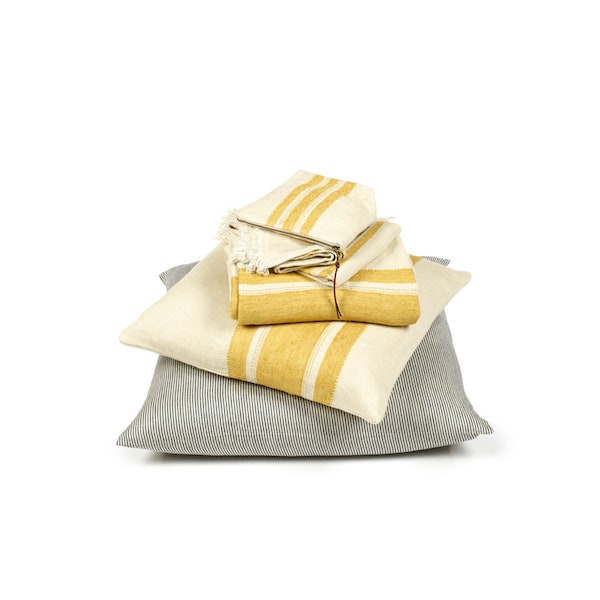
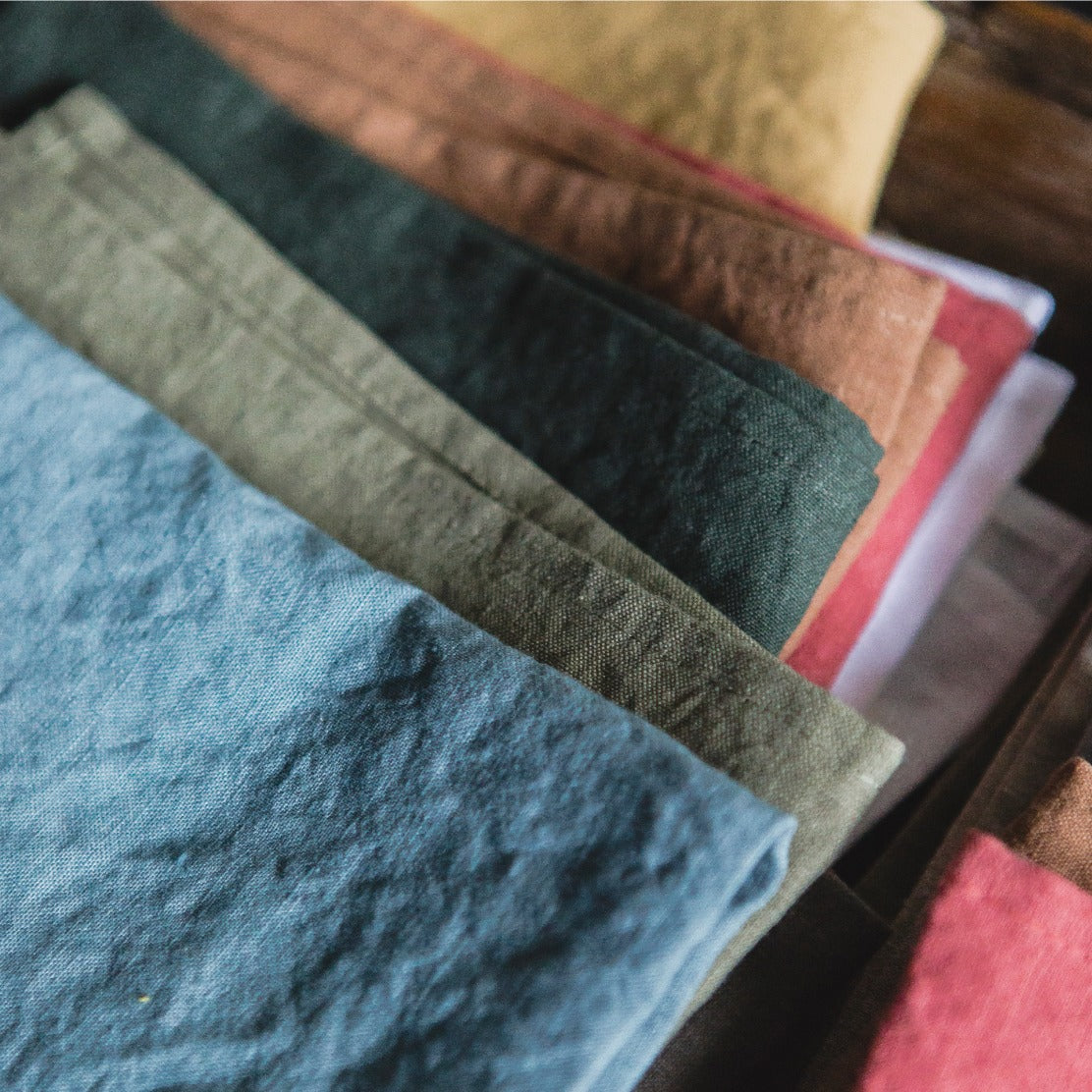

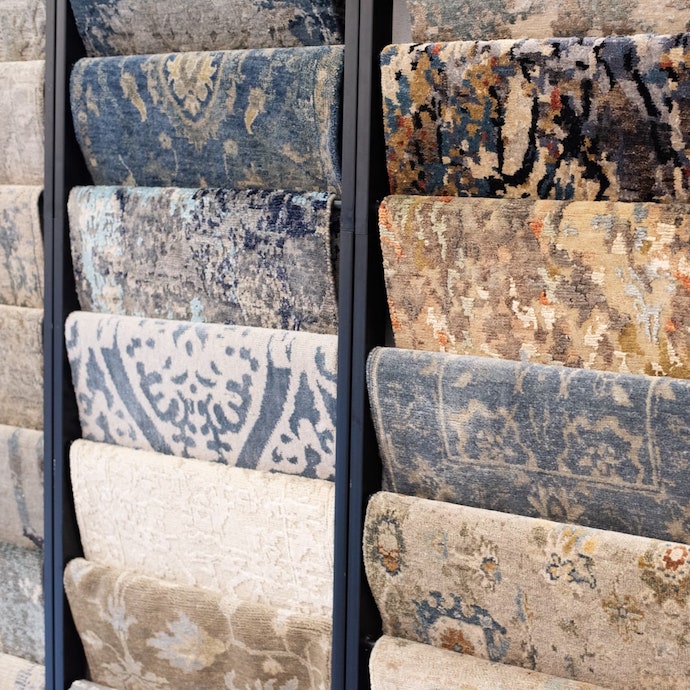
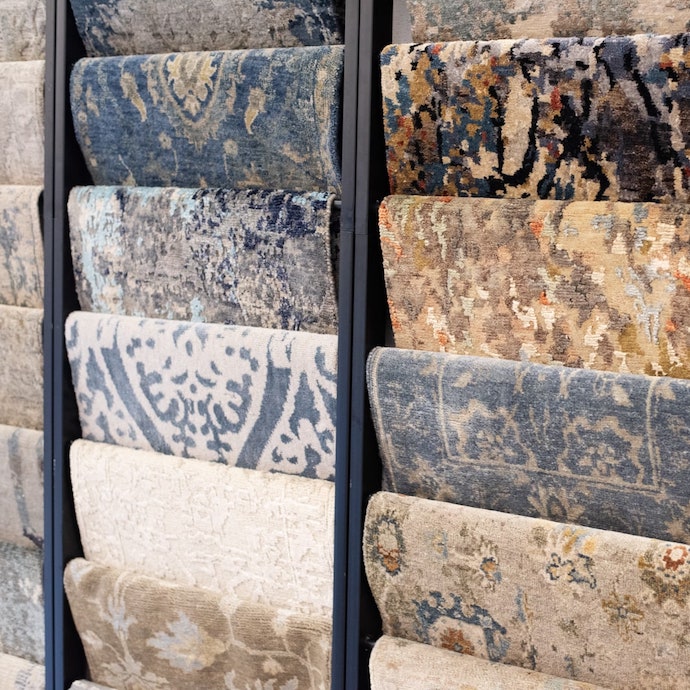
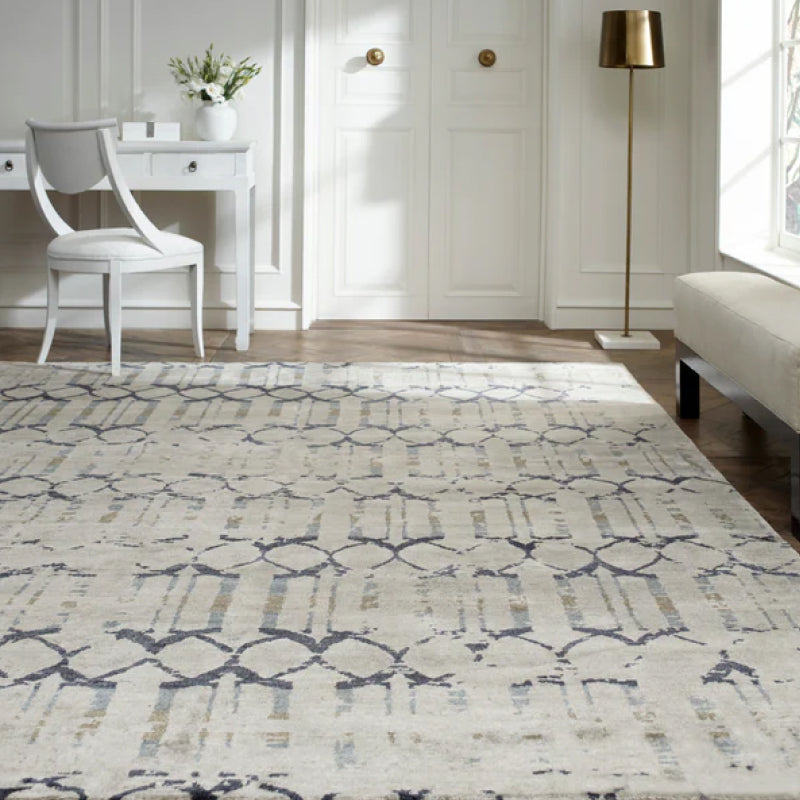
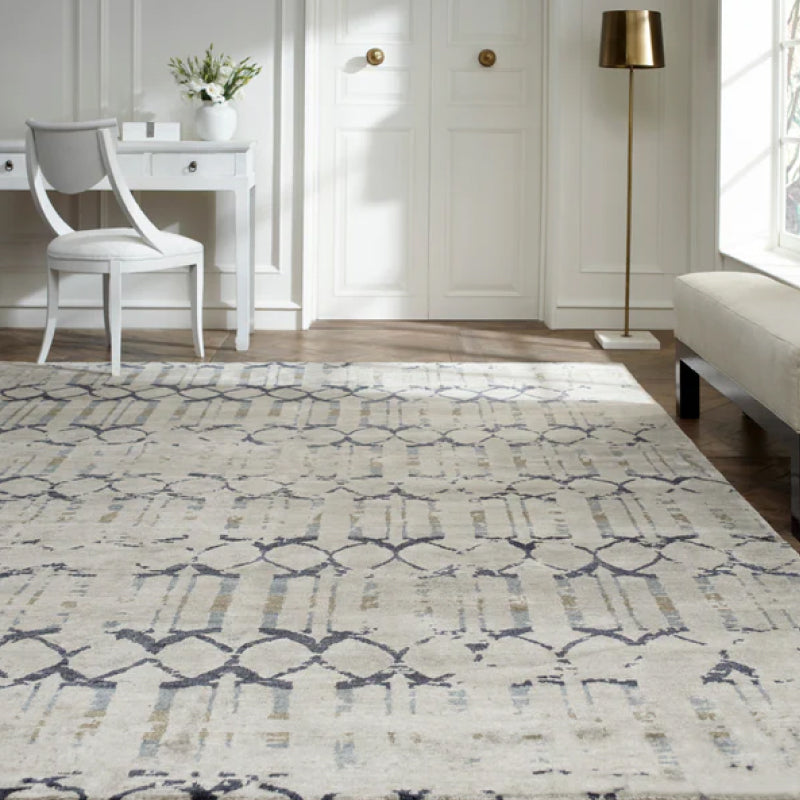
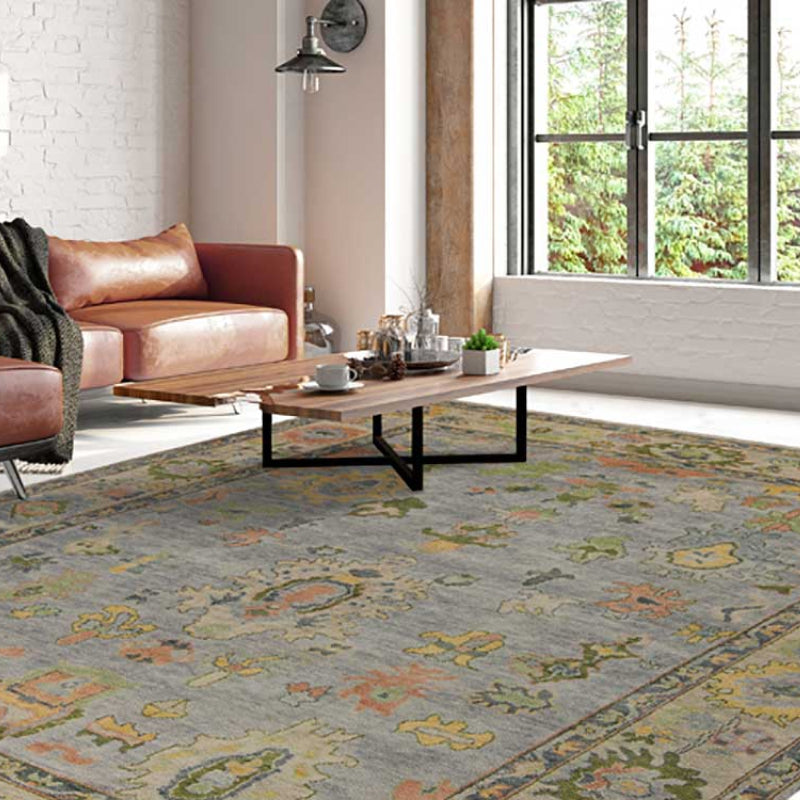
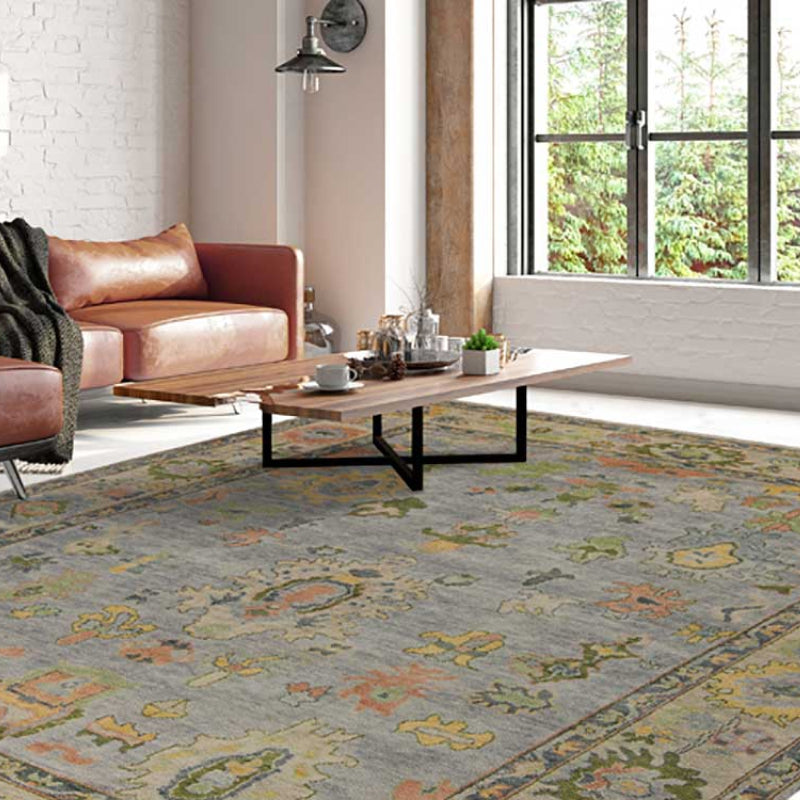
A couple walks into an Atlanta design showroom on a Saturday morning looking for a custom sectional. They know the silhouette they want. They know the room. They may even know the exact shade of warm stone or soft olive they need to pull the whole space together. Then the key decision appears on the table: fabric.
One person reaches for cotton because it feels grounded, familiar, and dependable. The other is drawn to viscose because it has that subtle glow and elegant softness that makes a sofa feel dressed, not merely covered. Both instincts are right. The challenge is that a statement piece for Buckhead, Alpharetta, Roswell, or Sandy Springs has to do more than look beautiful under showroom lights. It has to live well, age well, and still feel right years from now.
That's where cotton and viscose fabric often becomes the refined answer. In luxury upholstery, the blend isn't a compromise. It's a considered pairing. Cotton gives shape, breathability, and composure. Viscose adds polish, fluidity, and a refined hand. Together, they can create a fabric that feels precisely crafted for designer furniture and comfortable enough for daily life.
For clients choosing high-end furniture, custom upholstered furniture, or a new luxury sofa in Atlanta, understanding this blend changes the shopping experience. Instead of choosing between practical and beautiful, you can judge a textile by how well it delivers both.
Choosing the Perfect Fabric for Your Custom Furniture
A fabric decision feels abstract until you're standing in front of swatches with a full-size sectional in mind. Then every difference matters. The weave that looked lovely in a sample book may feel too flat for a formal living room. The one with a glamorous sheen may seem risky for a busy family space.
That's a common moment for buyers investing in designer furniture near me or planning custom furniture in Atlanta. They aren't browsing casually. They're choosing the finish on a piece that may anchor the room for years. For a premium sectional, custom chair, or heirloom-quality sofa, upholstery isn't a last step. It's the personality of the piece.
Where clients usually get stuck
Cotton is widely understood. Fewer feel fully confident about viscose. The confusion usually sounds like this:
- “I want something natural.” Cotton satisfies that instinct immediately.
- “I also want it to feel luxurious.” Viscose often brings the softness and visual richness people are after.
- “I don't want to sacrifice durability.” That concern is valid, especially for upholstery.
- “I want this to look expensive without feeling fragile.” That's the exact space where blends deserve attention.
A cotton-viscose blend helps solve a design problem that shows up constantly in luxury interiors. You want the sofa to hold its line, but not feel stiff. You want the chair to catch light beautifully, but not look slippery or overly formal. You want comfort with restraint.
A well-chosen upholstery blend should support the form of the furniture and the mood of the room at the same time.
Why the blend feels so right in luxury homes
In a formal sitting room, all-cotton can sometimes read a bit too crisp. In a relaxed family room, all-viscose may raise questions about wear and maintenance. The blend often lands in the middle in a way that feels thoughtful rather than diluted.
That balance is especially appealing for luxury home furnishings and statement furniture pieces. Clients shopping for a custom sofa or one-of-a-kind accent chair usually want texture, drape, softness, and visual depth. Cotton and viscose together can deliver that layered result with less tension between appearance and everyday use.
The Enduring Appeal of Cotton in High-End Furnishings
Cotton remains a cornerstone of fine interiors for a simple reason. It performs with dignity. It has a natural ease, a breathable character, and a structured hand that gives upholstered furniture a sense of integrity.

Cotton's importance isn't a recent marketing story. Its role as a premier textile goes back at least 7,000 years, and its rise accelerated after the 1793 cotton gin, which could process fiber 10 times faster than by hand. Within 10 years, the value of the U.S. cotton crop reportedly rose from $150,000 to over $8 million, according to Cotton Counts' history of cotton.
Why cotton still matters in upholstery
For furniture, cotton brings qualities clients often notice before they know how to describe them. A cotton-rich fabric tends to feel composed. It doesn't collapse visually. It usually supports cleaner lines on seat backs, arms, and structured cushions.
That matters when you're selecting high-quality couches, custom chairs, or upholstery for rooms where the furniture needs presence. Cotton helps a sofa look intentional. Even in softer silhouettes, it contributes a certain architectural calm.
Cotton is also one of the reasons many people trust traditional upholstery. It's familiar, but not ordinary. In luxury settings, familiarity is often an advantage. It means the fabric feels welcoming rather than experimental.
Cotton's strengths in real rooms
Here's why cotton remains such a dependable base fiber in custom furnishings:
- Breathability: Cotton is comfortable in everyday use, especially in homes where warmth and humidity can affect how upholstery feels.
- Structure: It supports structured forms well, which helps on benches, tight-back sofas, and refined accent chairs.
- Visual honesty: Cotton usually reads as grounded and substantial rather than flashy.
- Versatility: It suits traditional, transitional, and modern interiors without forcing the room in one stylistic direction.
If you'd like a deeper look at why this fiber remains a design staple, this guide to high-quality cotton is a useful starting point.
Cotton is premium when it's well chosen
Some buyers hear “cotton” and think of something basic. In upholstery, that's a mistake. The fiber itself is foundational. What changes the result is the weave, finish, blend, color, and how it's matched to the furniture frame.
Practical rule: Don't judge cotton by the name alone. Judge it by the hand, the weave, and how it supports the shape of the piece.
For heirloom-quality furniture, cotton earns its place because it gives luxury furnishings one of their most important traits: quiet confidence.
Understanding Viscose The Silky Fabric Innovator
Viscose often gets misunderstood because people hear “semi-synthetic” and assume it behaves like polyester. It doesn't. Viscose is a regenerated cellulose fiber made from wood pulp, so it belongs in the cellulose family rather than the petroleum-based synthetic category.
That distinction matters in a showroom. Viscose can bring softness and fluidity without giving a fabric that plasticky feel many clients want to avoid in premium sectionals or designer furniture.
What viscose contributes
Viscose is engineered to deliver a smoother surface, stronger sheen, and more fluid drape than cotton, and in comparative comfort testing of sampled man-made fabrics, it showed the highest comfort-related value, supporting the common industry view that it feels softer and more conforming at the fabric level, as explained in Contrado's overview of viscose.
If cotton is the crisp white shirt, viscose is the silk blouse. Cotton tends to hold itself with more reserve. Viscose moves more easily, catches light more softly, and brings an elegant finish.
Why buyers are drawn to it
In upholstery and decorative textiles, people usually respond to viscose before they can name it. They notice that the swatch feels smoother. The color may appear richer. The fabric can have a more liquid, refined surface.
That makes it attractive for clients shopping for luxury home furnishings who want upholstery with visual depth. It's especially effective in rooms where the furniture should feel polished without becoming formal to the point of stiffness.
For anyone still trying to sort out the terms, Little Venture Co.'s fabric guide gives a helpful plain-language explanation of bamboo viscose and the wider regenerated-cellulose category.
The question readers usually ask
People often ask whether viscose feels “fake.” In a well-made upholstery fabric, it usually doesn't. It feels refined. The better question is whether it's being used wisely in the fabric construction.
That's why blends matter so much. Viscose is rarely most compelling in isolation for furniture. It shines when paired with a fiber that steadies it.
If you want a tactile description before you start comparing swatches, this explanation of what rayon feels like can help translate technical language into something easier to picture.
Viscose doesn't replace cotton in luxury upholstery. It elevates what cotton alone can't always do.
The Perfect Partnership How Cotton and Viscose Blends Work
The smartest blends work like a good interiors team. One element provides discipline. The other brings atmosphere. With cotton and viscose, cotton usually acts as the framework, while viscose provides the finish that softens, enriches, and refines the whole result.

Commercial cotton-viscose blends are commonly found in 50/50, 60/40, and 70/30 cotton-to-viscose ratios. These blends are used specifically to balance cotton's structural stability with viscose's softness and drape, and because both fibers are cellulose-based, the blend typically keeps good breathability while reducing the crisp hand of all-cotton weaves, according to ArcusAg's explanation of cotton-viscose blends.
Think of it like tailoring
A jacket needs both shape and finish. The cut gives it authority. The cloth gives it character. Upholstery works the same way.
Cotton helps keep a sofa from feeling limp. Viscose helps keep it from feeling severe. The result can be especially compelling on:
- Luxury sofas with fitted cushions
- Custom upholstered furniture in tonal neutrals
- Statement furniture pieces where texture needs to carry visual interest
- Designer accent chairs that benefit from a softer glow
What changes with different blend ratios
The ratio tells you where the fabric leans.
- Higher cotton content: More structure, a drier hand, and a more grounded look.
- More balanced blend: Often a pleasing middle ground for upholstery, with softness and body in better balance.
- Higher viscose influence: More drape, more luster, and often a more elegant surface expression.
That doesn't mean one ratio is universally superior. It means the right blend depends on the piece. A formal bench cushion may benefit from a firmer feel. A deep lounge chair may benefit from more softness and fluidity in the textile.
Cotton vs. Viscose vs. The Blend A Comparison
| Attribute | 100% Cotton | 100% Viscose | Cotton-Viscose Blend |
|---|---|---|---|
| Hand feel | Structured, crisp, grounded | Smooth, soft, fluid | Balanced, softer than cotton with more body than viscose alone |
| Surface appearance | Matte to understated | Subtle sheen to more lustrous | Refined, often softly luminous |
| Drape | More tailored | More flowing | Controlled drape |
| Breathability | Good | Good | Good, since both fibers are cellulose-based |
| Upholstery personality | Stable and classic | Elegant and dressy | Sophisticated and versatile |
| Potential trade-off | Can feel too crisp for some rooms | Needs thoughtful use in furniture | Performance depends on blend design and end use |
The blend works best when the furniture frame, room style, and household habits all point in the same direction.
Performance in Your Home Durability Breathability and Care
A fabric can look flawless on a showroom chair and still be wrong for your home. Performance is where luxury buyers become practical very quickly. If you're choosing upholstery for a family room in North Atlanta or a formal sitting room in Sandy Springs, you need to know how the fabric will behave once people live with it.

Durability depends on construction, not just fiber name
This is one of the biggest points of confusion. People often want a simple ranking of “strong” versus “delicate.” Upholstery doesn't work that neatly. Fiber content matters, but weave, finish, backing, cushion friction, and how the piece is used matter just as much.
Cotton contributes stability. Viscose contributes softness and appearance. But viscose is less mechanically durable when wet, so blend design matters in home applications where laundering, humidity, or abrasion are expected. That doesn't make a cotton-viscose upholstery fabric unsuitable. It means it should be chosen with the room in mind.
A custom chair in a primary bedroom has different demands than a sectional in a busy media room. A decorative bench at the foot of the bed can tolerate a more fashion-forward hand than the sofa where everyone lands every night.
Breathability is a real quality-of-life benefit
In Georgia homes, fabric comfort isn't just about softness. Breathability changes how upholstery feels during long stretches of sitting, especially in warmer months.
Cotton and viscose are both cellulose-based, so their blend usually feels more breathable than many petroleum-based alternatives. For homeowners who dislike the heat-trapping feel some synthetics can have, that can be a meaningful advantage. This overview of breathable fabrics for hot weather is useful if climate comfort is high on your list.
Care questions to ask before you order
Ask to see the cleaning code and don't treat that as a technical footnote. It affects how confidently you'll live with the piece.
- W code: Water-based cleaning products are generally appropriate.
- S code: Solvent-based cleaning is typically recommended.
- S/W code: Either water-based or solvent-based cleaners may be suitable, depending on the product and method.
- Professional cleaning guidance: For custom upholstery, this is often the safest route for larger issues.
Routine care also matters:
- Vacuum gently: Use upholstery attachments to remove grit before it settles into the weave.
- Rotate cushions: Even wear helps preserve the look of the piece.
- Address spills promptly: Blot, don't rub.
- Keep swatches: They help with future cleaning or repair questions.
For a high-quality couch, the right care routine is part of the purchase, not an afterthought.
Sustainability in Modern Luxury Textiles
Luxury buyers ask sharper questions than they used to. They want beauty, performance, and a clearer understanding of what they're bringing into the home. Cotton and viscose both fit into that conversation, but neither should be treated as simple shorthand for “good” or “bad.”
The more useful approach is to ask how the fiber was sourced, processed, and specified for the final fabric.
Why viscose needs a nuanced conversation
Viscose often gets praised for being plant-based, which is true in origin. But origin alone doesn't tell the whole story. Traditional viscose production can be chemically intensive, which is why material transparency matters so much.
Newer variants such as Lyocell and FSC-certified viscose are designed to significantly reduce environmental impact, and those distinctions matter for consumers who want to know whether a textile choice is meaningfully different from petroleum-based synthetics, as discussed in Core Fabric Store's guide to viscose.
What informed luxury shopping looks like
When you're considering a cotton-viscose fabric for a custom sofa or accent chair, ask better questions rather than chasing vague “eco” language.
- Ask where the cellulose comes from: Responsibly sourced wood pulp is worth knowing about.
- Ask whether there are certified options: FSC-certified viscose and newer regenerated-cellulose options deserve a closer look.
- Ask what the fabric is replacing: A thoughtful cellulose blend may align better with your priorities than a petroleum-based synthetic.
- Ask about longevity: A fabric that remains useful and loved for years supports a different kind of sustainability than trend-driven replacement.
Luxury clients often appreciate craftsmanship in fashion for the same reason they appreciate it in interiors. Material choice and maker transparency affect the final experience. If you enjoy seeing how artisanal detail changes the feel of a finished textile item, this artisanal sheer kaftans guide offers a good example of how construction and fabric character shape perception.
Sustainability and beauty don't have to compete
The old assumption was that responsible material choices meant accepting a visible compromise. In better textiles, that's not necessarily true. The smartest selections are the ones where sourcing, finish, touch, and suitability all line up.
That's especially relevant in high-end furniture. A luxury piece should feel considered from the inside out. If a cotton-viscose blend offers the hand and look you want, the next step is to identify whether a more transparent or lower-impact version of that fabric is available.
How to Select the Perfect Fabric at Lewis and Sheron
When you're ready to choose upholstery for a custom piece, don't start with color alone. Start with the role the furniture will play. A sofa for a formal living room can tolerate a different fabric personality than one for nightly use. That's why fabric selection should happen with the frame, room, and household in view at the same time.
For Atlanta-area clients shopping custom furniture, this matters most on investment pieces such as luxury sofas, premium sectionals, and custom chairs. A beautiful swatch becomes a successful purchase only when it fits the way you live.

Start with the furniture category
A cotton-viscose blend can look very different depending on the frame beneath it. On a clean-lined sofa from Verellen, the blend may read neat and understated. On a more generous upholstered shape from Wesley Hall or LEE Industries, the same blend may feel softer and more inviting.
That's why one of the most practical things you can do at a design center is pair the swatch with the exact furniture style you're considering. Lewis and Sheron Textiles offers fabric and custom furnishings in one place, which makes that side-by-side comparison more direct for buyers considering made-to-order upholstery.
Questions worth asking in the showroom
Bring these questions with you when comparing cotton and viscose fabric for custom upholstery:
-
How will this fabric look on a large surface?
A swatch can hide sheen, texture repetition, or color shifts that become obvious across a full sectional. -
What is the cleaning code?
You want to know how maintenance will work before the order is placed. -
Is this better for a formal room or everyday seating?
Sales staff and in-house designers can usually tell when a fabric is better suited to low-traffic elegance versus heavier daily use. -
How does the hand change with backing or construction?
Two fabrics with similar fiber content can feel very different once fully upholstered. -
Can I take a sample home?
You should. Always.
What to test at home before you commit
Don't rely on showroom lighting. Test the swatch in your own space.
- Morning light: Some fabrics look cooler and flatter.
- Evening lamp light: Sheen often becomes more noticeable.
- Against paint and flooring: Undertones show up quickly.
- Next to wood, metal, and stone finishes: Luxury cohesion emerges.
- Touched repeatedly: Initial softness and lasting appeal aren't always the same thing.
A fabric isn't selected when it looks good in your hand. It's selected when it still looks right in your room, in your light, beside your materials.
Match the blend to the room's intention
Use this simple lens:
- For a formal sitting room: Lean toward a blend with more refinement, more depth, and a more polished surface.
- For a family room sectional: Favor balance, comfort, and easier day-to-day confidence.
- For custom accent chairs: You can often be more expressive with texture and sheen.
- For heirloom-minded purchases: Choose the fabric that respects both the frame and your real habits.
If you're shopping luxury furniture in Atlanta, custom furniture in Buckhead, or designer furniture near me with a strong upholstery focus, the right cotton-viscose blend can make the difference between a piece that merely fits and one that feels resolved.
If you're comparing fabrics for a custom sofa, sectional, chair, or reupholstery project, Lewis and Sheron Textiles offers fabric yardage, custom furnishings, and in-house design guidance to help you evaluate cotton-viscose options in person and choose a textile that fits both your room and your routine.