


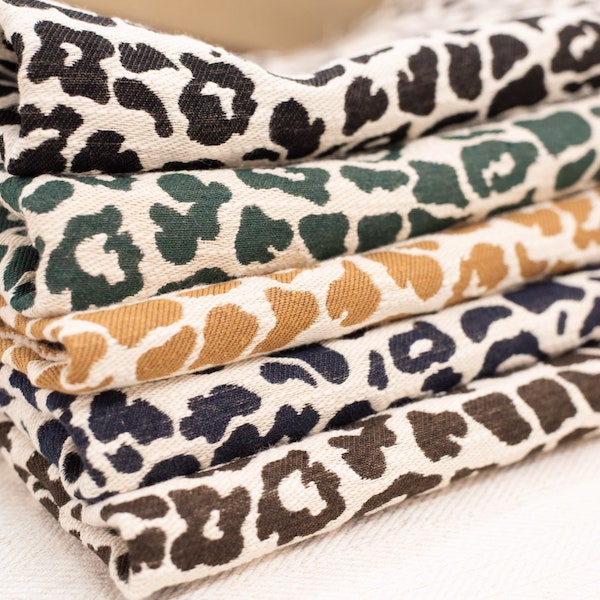
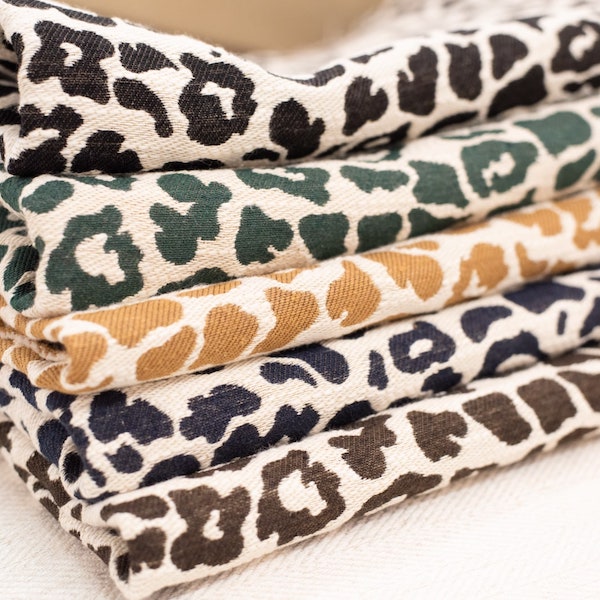











You're often standing in a showroom or workroom at the exact moment quality becomes hard to describe. The silhouette is right. The cushion feels good. The fabric is beautiful. But then your hand lands on a metal detail at the arm, a leather strap opening, or a finished drapery panel, and you realize the difference between furniture that photographs well and furniture that lives well.
In high-end homes across Atlanta, Buckhead, Alpharetta, Roswell, and Sandy Springs, that difference usually comes down to small construction choices. Not flashy ones. Permanent ones. A well-set rivet. A properly sized eyelet. Clean reinforcement where stress is expected. Tight finishing where mass-market furniture tends to cut corners.
Buyers looking for custom furniture Atlanta, luxury sofas, premium sectionals, or designer furniture near me often focus first on fabric, cushion fill, and frame. They should. But heirloom-quality furniture also depends on hardware details that customers rarely think to inspect. In upholstery, leatherwork, and soft furnishings, rivets and eyelets aren't afterthoughts. They're evidence of whether the maker understood the job the piece had to do.
The Details That Define Designer Furniture
A discerning client usually notices quality in stages. First comes proportion. Then comfort. Then finish. The last stage is where many supposedly high-end furniture pieces lose their case.
A custom chair can wear fine leather and still be poorly resolved. A luxury sofa can have a handsome profile and still hide weak detailing at the stress points. In a Buckhead showroom, the difference often appears in the places people touch every day: the edge of a leather panel, the opening around a strap, the way decorative hardware sits against fabric, or whether trim looks intentional instead of applied for effect.
What experienced buyers start to notice
Rivets and eyelets tell you a lot about the maker. They show whether the piece was designed for actual use or just for visual impact.
- Rivets signal permanence: On furniture, they often indicate a fastening method chosen because movement, pull, or repeated use had to be controlled.
- Eyelets protect vulnerability: They reinforce an opening that would otherwise fray, stretch, or tear over time.
- Both reveal discipline: Good hardware sits evenly, aligns with seams and edges, and belongs to the design language of the piece.
That last point matters. Designer furniture doesn't rely on ornament alone. It uses details to solve problems elegantly.
The fastest way to spot mass production is to look at the “small” parts. That's where shortcuts show up first.
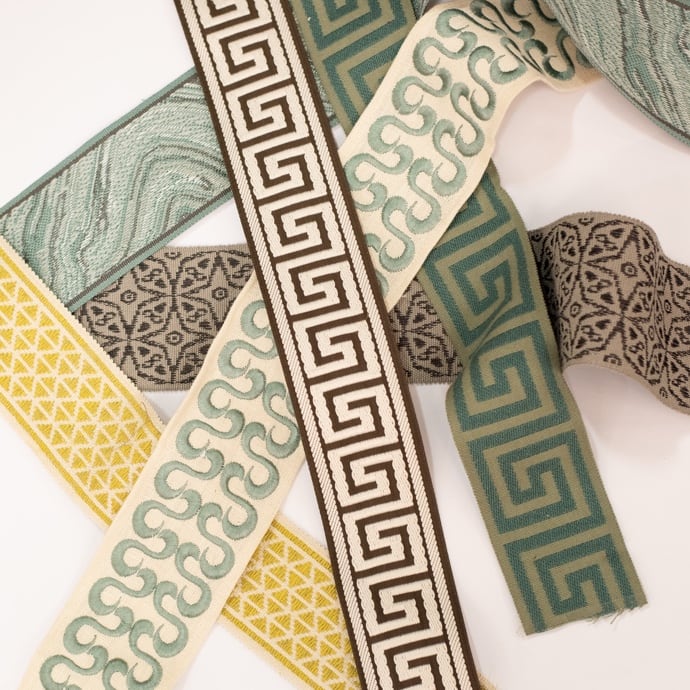
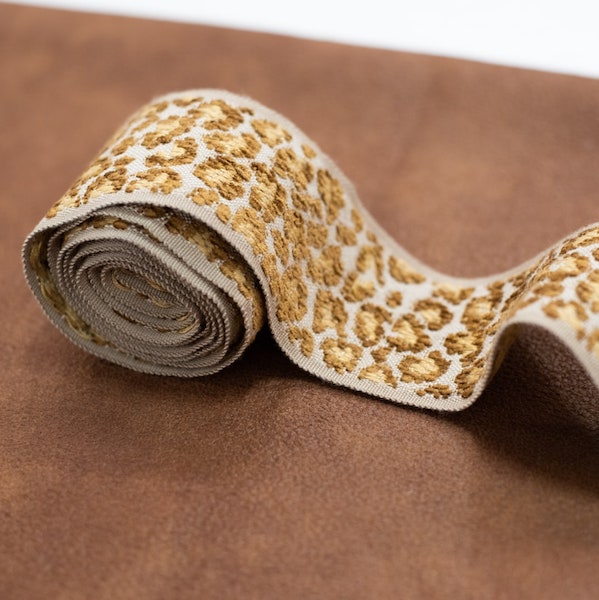
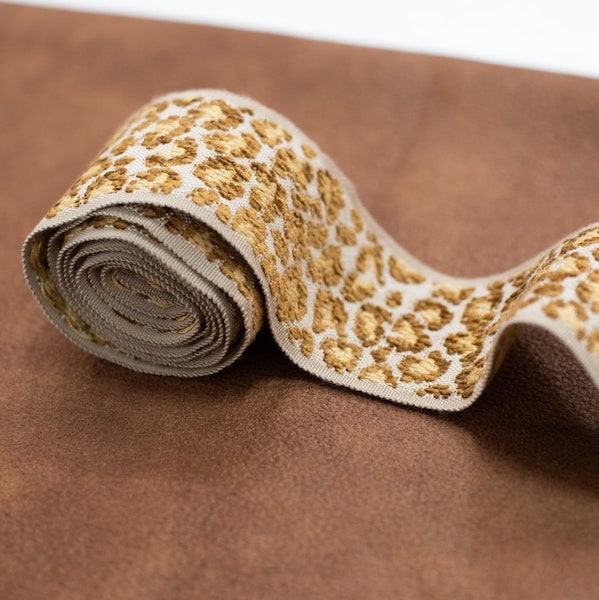
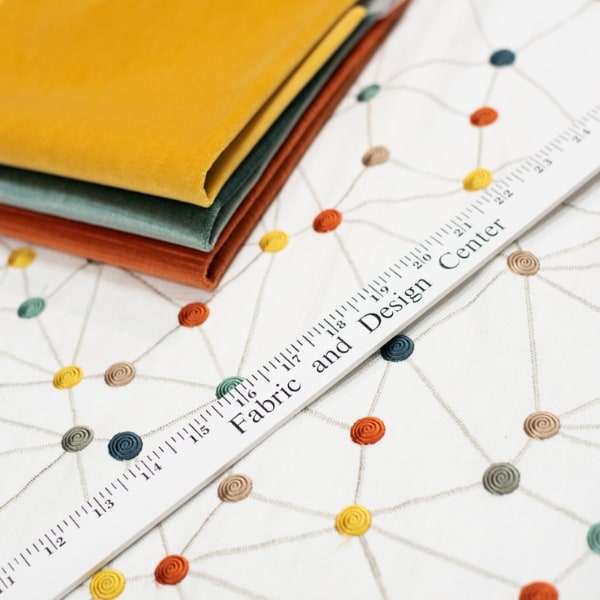
For anyone investing in custom upholstered furniture or heirloom-quality furniture, trim knowledge helps too. Decorative finishing and structural finishing often work together, especially when tape, borders, and accents meet metal hardware. The relationship is easier to appreciate when you understand how ribbons and trim shape a finished piece.
Why these details matter in luxury interiors
In a designer room, hardware has to do two jobs. It has to perform, and it has to belong. A polished metal accent on a modern custom chair, an antiqued detail on a traditional leather club chair, or a reinforced opening in custom-made drapery can enhance the entire room.
That's why serious buyers in North Atlanta don't just ask who made the piece. They ask how it was built.
Rivets The Enduring Mark of Craftsmanship
Rivets carry a long memory. They belong to a class of fastening that people have trusted for permanent work for centuries, which is why they feel so appropriate on furniture meant to stay in a family rather than cycle out in a few seasons.
According to this history of rivets from Mudge Fasteners, rivets are among the oldest mechanical fasteners in recorded history, with evidence from Ancient Egypt dating back more than 5,000 years, and they were already common in Roman construction. The same source notes that the Eiffel Tower, completed in 1889, used about 2.5 million handmade rivets across 18,038 iron pieces. That isn't furniture, of course. But it tells you why rivets still carry meaning. They were chosen where permanence mattered.

Where rivets belong on fine furniture
In luxury interiors, rivets show up in two broad roles.
First, they can be functional fasteners. That's common in leather applications, strapped details, and pieces where a material needs a permanent mechanical connection instead of adhesive or light decorative nailing.
Second, they can be visible design elements. On the right chair or bench, a rivet line gives rhythm, authority, and a feeling of honest construction. That only works when the hardware is placed with restraint. Too many rivets, or the wrong scale, turns refined furniture into costume.
What works and what doesn't
The trade-off with rivets is simple. They're excellent when you want a joint that shouldn't loosen casually. They're poor when you may need easy reversal later.
What works:
- Leather arms and straps: Rivets suit materials that can handle localized compression and benefit from permanent fastening.
- Mixed-material furniture: Wood, metal, and leather combinations often gain visual clarity from exposed rivet detailing.
- Statement pieces: In designer furniture, a rivet can act as a deliberate punctuation mark rather than generic ornament.
What doesn't:
- Thin or fragile face materials: If the substrate can't support the hardware, the detail will telegraph stress and age poorly.
- Decorative overuse: A rivet line should relate to structure or proportion. Random placement reads inexpensive.
- Poor spacing: Uneven intervals ruin the effect immediately.
Practical rule: If the rivet doesn't seem necessary visually or mechanically, it usually shouldn't be there.
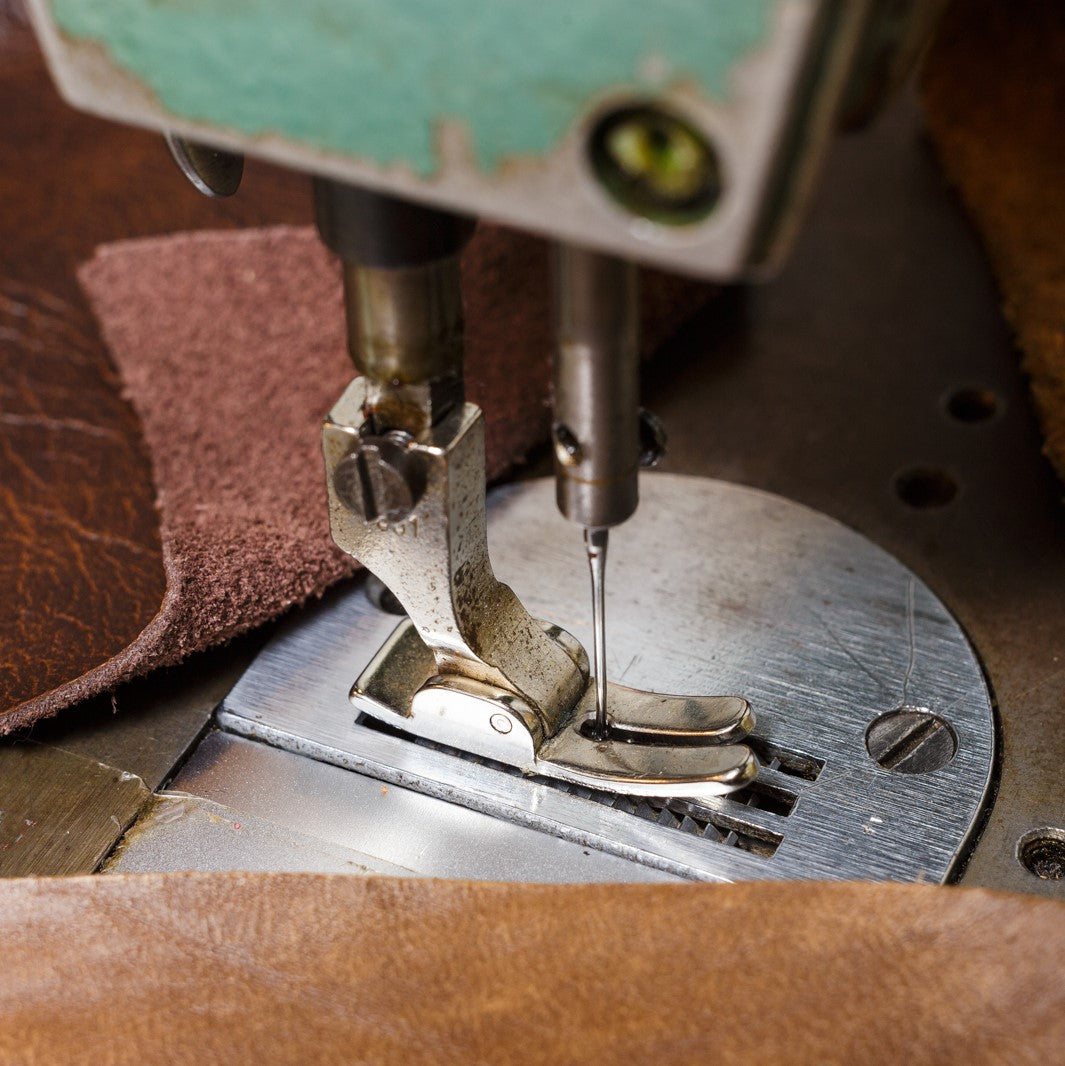
On custom pieces, this is where experience matters. A master upholsterer doesn't treat rivets as an interchangeable accent. The diameter, finish, placement, and substrate all need to agree. That same discipline shows up in sewing construction too, especially where seams carry tension and shape. Buyers comparing high-quality couches and custom chairs can sharpen their eye by understanding different types of sewing stitches, because hardware and stitch work often reveal the same level of care.
Why rivets still matter in heirloom-quality furniture
Rivets say something buyers feel immediately, even if they can't name it. They communicate resolve. On a luxury sofa or a custom leather chair, that sense of resolve contributes to perceived value because it reflects actual making decisions. The piece wasn't merely assembled. It was committed.
For homeowners choosing between mass-produced seating and custom upholstered furniture, that distinction matters. A permanent detail, done well, doesn't just decorate the piece. It helps define why the piece deserves to last.
Eyelets Reinforcing Elegance in Textiles and Leather
Eyelets do quieter work than rivets, but in upholstery and soft furnishings they're just as revealing. If a rivet announces fastening, an eyelet protects a vulnerable opening and lets the material keep doing its job.
That matters in custom drapery, leather panels, laced backs, hanging applications, and any place where fabric or leather is asked to accommodate repeated movement. According to industry guidance on rivets and eyelets, eyelets are metal fasteners used in fabrics, leather, paper, shoes, bags, belts, and leather goods, and common sizes range from 2 mm to 10 mm. That range matters in furniture and interiors because the wrong size can look clumsy, fail to support the material, or both.
What an eyelet actually does
An eyelet reinforces the edge of an opening. Instead of leaving a raw punched hole to absorb strain on its own, the eyelet creates a finished perimeter that resists tearing and wear.
In practical upholstery terms, that means eyelets are a smart choice when the design includes:
- Lacing or threading: Decorative cord, leather ties, or functional cinching.
- Hanging load at an opening: Soft goods that will be suspended, tied back, or repeatedly handled.
- Repeated contact: Places where friction would quickly destroy an untreated hole.
Why luxury work depends on correct proportion
The eyelet should disappear into the design or sharpen it. It shouldn't fight it.
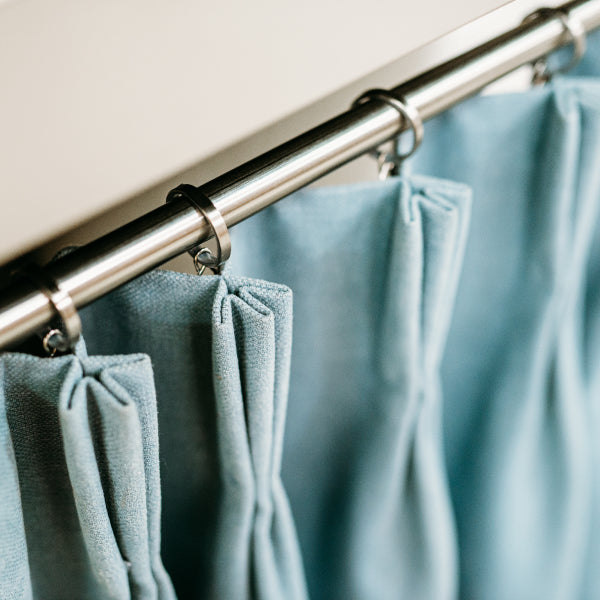
On a refined leather chair, an oversized eyelet can make the piece feel industrial in the wrong way. On drapery, a tiny eyelet can look timid and may not support the way the panel is intended to hang or move. The right choice depends on thickness, expected stress, and visual scale.
That's where many off-the-floor goods miss the mark. The opening is reinforced just enough to get through production, not enough to age gracefully in a real home.
A well-chosen eyelet protects the material first and decorates second. When those priorities reverse, the piece usually shows wear early.
Where designers should look closely
Interior designers specifying luxury home furnishings in Roswell or Alpharetta should inspect eyelets at the back side as well as the face. The front may look crisp while the underside tells a different story. Distortion, rough flare, or surrounding puckering usually means the piece wasn't set with enough care.
Eyelets also relate closely to surrounding trim and edge finishing. If a panel includes cording, border, or ornamental tape, every reinforcement point should feel integrated rather than added after the fact. In premium work, the eyelet belongs to the composition.
Choosing the Right Detail for Your Custom Furniture
Selecting between a rivet and an eyelet isn't a matter of taste alone. It starts with function. Then it moves to material behavior, visibility, maintenance, and style.
For a luxury sofa, custom chair, leather bench, or custom drapery treatment, the question isn't which one looks more upscale. The question is which detail solves the right problem without creating another one.

Start with the job the hardware must do
An eyelet is there to protect an opening. A rivet is there to create or secure a connection. That distinction clears up most specification mistakes.
According to Rivets Online's guidance on eyelets, in upholstery, drapery, and leather finishing, an eyelet is a tubular reinforcement used to protect a punched opening from tearing under repeated load, and it works by flaring a hollow barrel against a washer or formed back side. The same source notes practical sizes used in the trade, including body diameters of 1/16, 3/32, 1/8, and 5/32 inch, while conventional eyelet diameters in craft and soft-goods work are often 3.6 to 7.2 mm. Those dimensions are why experienced workrooms match the eyelet not just to appearance, but to thickness and stress.
Rivet vs Eyelet Application in Luxury Furnishings
| Consideration | Rivets | Eyelets |
|---|---|---|
| Primary purpose | Permanent fastening between materials or components | Reinforcing an opening so it resists tearing |
| Best use in furniture | Leather straps, mixed-material joins, visible structural accents | Lacing points, drapery headings, leather openings, threaded details |
| Visual character | More assertive, architectural, often decorative as well as functional | Cleaner, more refined, usually secondary to the surrounding textile |
| Material pairing | Stronger substrates that can handle compression and fixed placement | Fabrics, leather, and soft goods where hole protection matters |
| Rework and repair | Harder to remove cleanly | Easier to plan around when replacing cord or rethreading through opening |
| Common mistake | Using them as decoration where no structural logic exists | Choosing the wrong diameter for the load or material thickness |
Finish and style matter too
Once function is settled, finish comes next. Antiqued brass can warm a traditional room. Polished nickel can sharpen a cleaner silhouette. Matte black can support a more restrained architectural look. The wrong finish won't usually fail structurally, but it will throw off the piece.
For designers sourcing specialty components, it helps to review broad hardware categories before final specification. A resource like XTREME EDEALS fasteners and fittings can be useful for understanding available fastening types and finish directions when you're comparing options across upholstery and soft-goods applications.
A simple decision guide
Choose a rivet when the detail must clamp or secure material permanently and the look benefits from a stronger visual statement.
Choose an eyelet when the design needs a protected opening for passage, suspension, lacing, or repeated movement.
If the hardware is only there to imitate craftsmanship, skip it. In designer furniture, false utility is easy to spot.
Installation and Long-Term Care of Fine Details
Good hardware installed badly is still bad work. As a result, many furniture buyers pay luxury prices and get ordinary results.
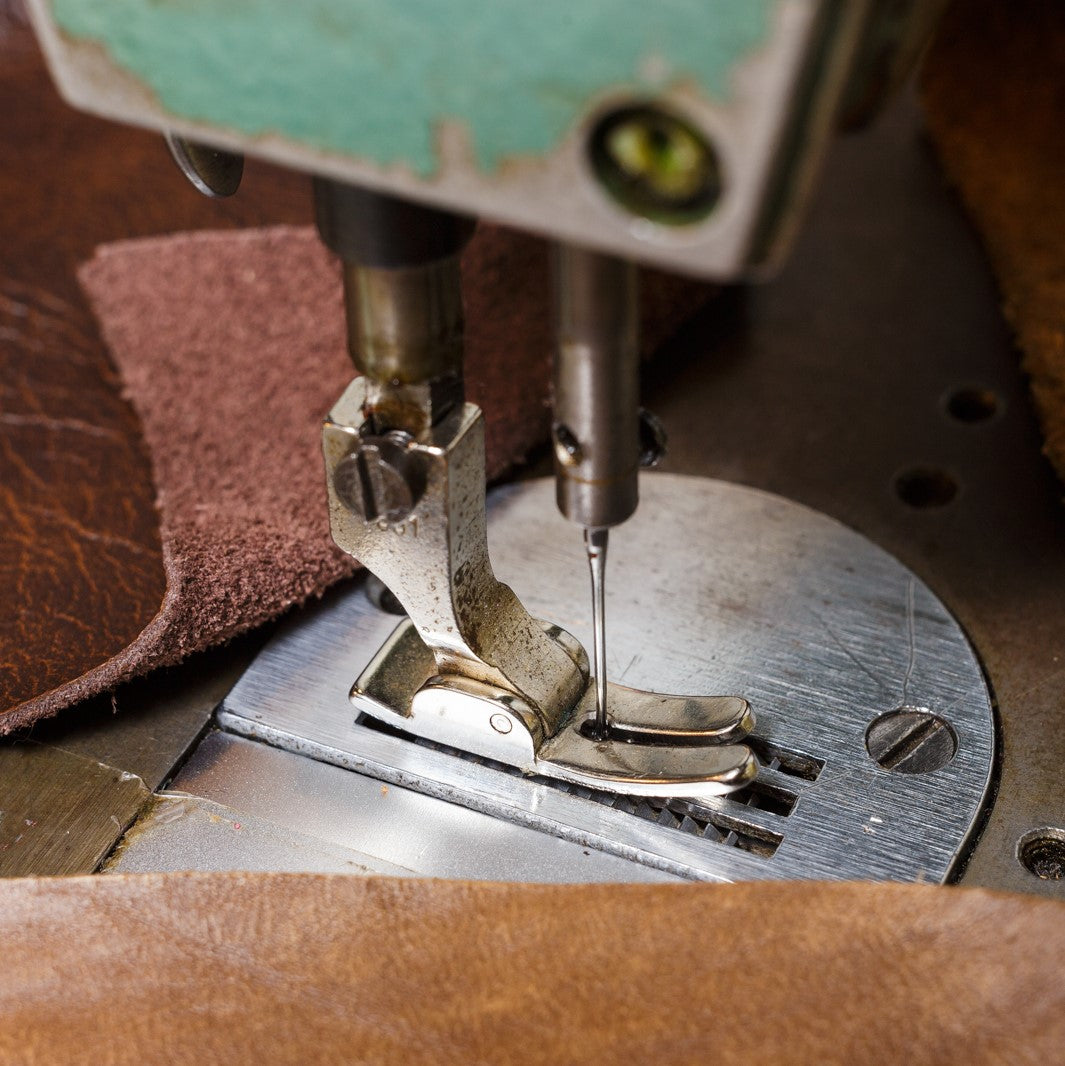
An eyelet or rivet has to be aligned, supported, and set with the correct force for the material in front of it and behind it. Too little pressure leaves a weak connection. Too much pressure bruises fibers, distorts leather, or telegraphs damage around the detail. Once that happens on fine fabric or premium hide, there's no clever way to call it character.

Why installation quality changes the lifespan
The best practical guidance on eyelet setting is refreshingly plain. According to this installation overview from Pet Hardware, a clean punch should perforate the material in one blow, then the eyelet and washer are compressed by hand or press to form a permanent connection. The same guidance warns that insufficient setting force leaves the barrel under-flared, while too much force can deform adjacent fibers and reduce holding power.
That describes exactly what upholsterers see in failed work. The detail may look acceptable from a distance, but under use it loosens, cuts into the substrate, or wrinkles the surrounding field.
What professionals do differently
A seasoned workroom treats installation as a sequence, not a single strike.
- They plan placement carefully. Hardware must relate to seams, grain, edge roll, and stress direction.
- They choose the punch and setter to suit the material. Leather, woven fabric, and backed textiles don't behave the same way.
- They test before committing. On expensive goods, mockups and scrap testing prevent costly mistakes.
For shops comparing tools or understanding what a modern rivet setup looks like, a product page such as the M12 lithium-ion rivet tool gives useful context on the kind of equipment professionals may use for repeatable fastening work. The tool alone doesn't create craftsmanship, but consistent application matters.
Hardware should never be the first thing you notice because it was installed poorly. It should disappear into the confidence of the piece.
Care after installation
Long-term care is less dramatic than installation, but it matters just as much.
- Keep cleaning gentle: Use soft cloths and material-appropriate cleaners so finishes and surrounding fibers don't get stripped or abraded.
- Inspect high-contact points: Arms, straps, lacing points, and hanging openings deserve occasional checks before wear becomes damage.
- Repair early: Slight movement, distortion, or abrasion around hardware is easier to address before the substrate fails.
That's one reason quality furniture remains worth restoring. If the frame is sound and the detailing was thoughtfully designed, the piece can often be refreshed rather than discarded. Homeowners considering restoration work can get a clearer sense of that process through the art of professional reupholstery.
One practical option in this category is Lewis and Sheron Textiles, which offers custom upholstery and reupholstery services relevant to pieces that include hardware details such as rivets and eyelets.
Achieve Your Vision with Lewis and Sheron in Atlanta
The buyers who make the best furniture decisions usually learn to read the subtle signs. They notice whether a leather opening is reinforced properly. They notice whether visible hardware has proportion and purpose. They notice whether a custom piece feels resolved from the frame out to the last finished detail.
That's especially true in the Atlanta market, where homeowners and designers aren't just looking for furniture that fills a room. They're looking for luxury furniture in Atlanta, designer furniture near me, high-end furniture, and statement furniture pieces that justify their place over time.
What that means for custom work
When you commission a luxury sofa, a pair of custom chairs, or custom drapery, you're making a chain of decisions. Fabric. Cushioning. Scale. Finish. Trim. Hardware. None of those choices lives alone. A rivet or eyelet only looks right when the larger piece was designed with discipline.
That's why technical details matter to aesthetics more than many buyers expect. The room reads the piece as one object. If the hardware is careless, the whole piece feels less expensive. If the hardware is exact, the piece feels settled and mature.

Why local expertise still matters
For homeowners in Buckhead, Sandy Springs, Roswell, Alpharetta, and the wider Fulton County market, local access to materials and experienced guidance changes the outcome. You can compare leather in person. You can evaluate trims against actual fabrics. You can discuss whether a visible metal detail belongs on the piece or whether restraint will serve it better.
For interior designers, that kind of collaboration shortens the distance between concept and execution. It also protects the project from a common problem in premium interiors. Beautiful specifications that are let down by mediocre finishing.
Lewis and Sheron has served Atlanta since 1944 and brings four generations of experience to home fabrics, custom furnishings, reupholstery, and design support. In practical terms, that means clients can source premium materials, review made-to-order upholstery, and refine the construction details that separate a handsome piece from an heirloom one.
If you're furnishing a full room, restoring a cherished chair, or sourcing custom upholstered furniture with the finish level expected in a luxury interior, the lesson is simple. Don't judge quality by silhouette alone. Look closer. The small metal details often tell the truth.
If you're ready to specify custom furnishings, compare premium fabrics, or restore a piece that deserves another generation of life, visit Lewis and Sheron Textiles to explore custom upholstery, reupholstery, drapery, and in-house design support in Atlanta.