





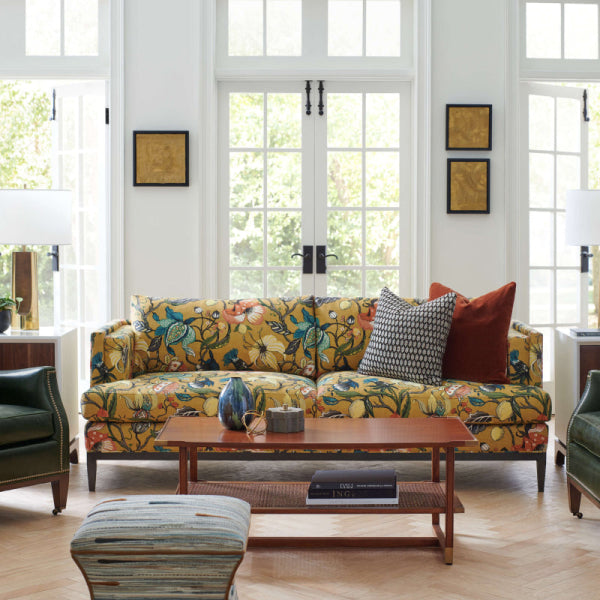
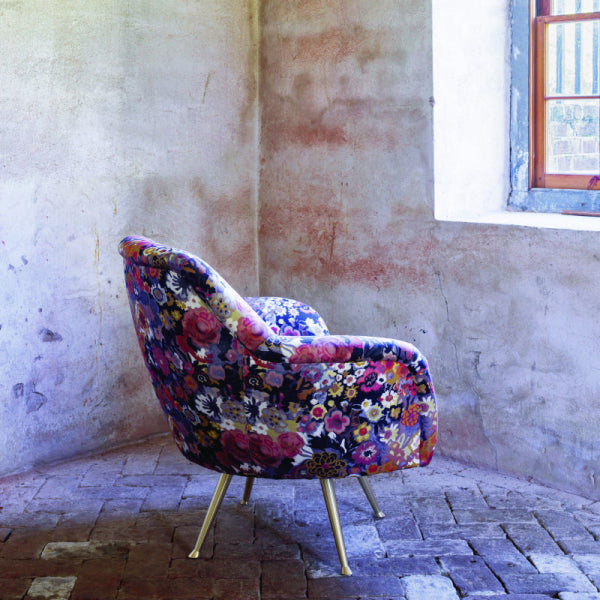
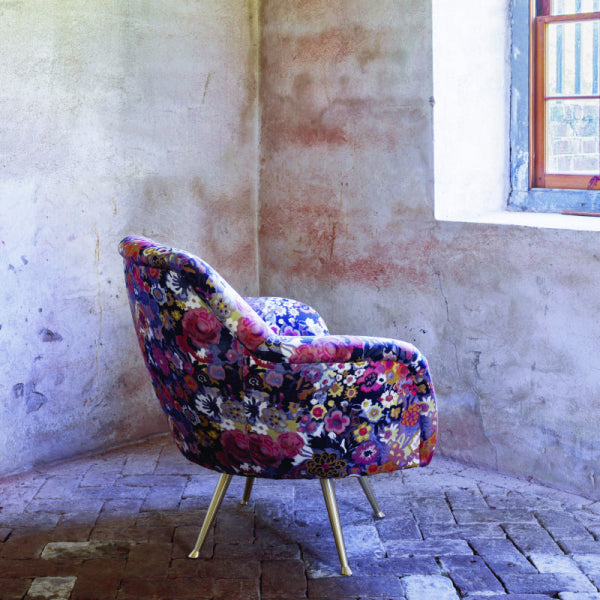
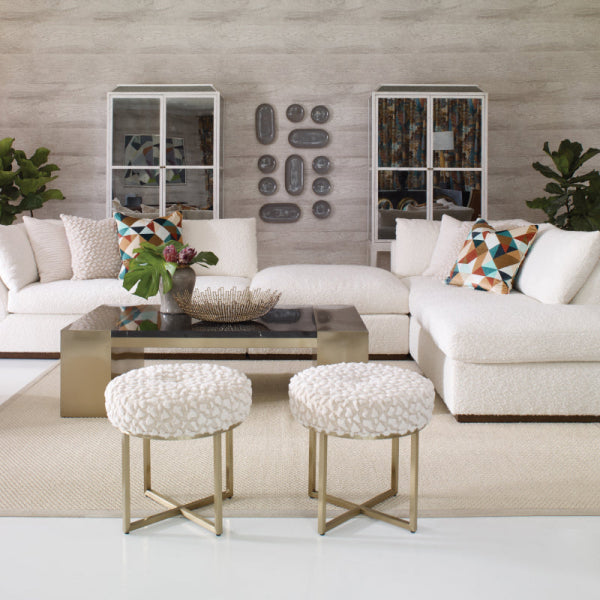











A good sofa rarely fails all at once. The fabric tells you first. The seat looks tired. The arm panels lose their crisp line. A once-beautiful chair starts to feel dated, even though the frame still sits square and solid.
That’s the moment many Atlanta homeowners reach. In Buckhead, Alpharetta, Roswell, and Sandy Springs, I see the same dilemma again and again. The piece is too well made to discard, too important to ignore, and too visible to leave as-is. It may be a luxury sofa bought years ago when quality mattered more than speed. It may be a pair of custom chairs inherited from family. It may be a designer sectional whose bones are still excellent, but whose covering no longer belongs in the room.
The Art of Professional Reupholstery begins there. Not with fabric alone, and not with a shortcut. It begins with judgment. Is this piece worth saving? Can its structure support another generation of use? Can the new textile, padding, and finish respect the original character while making it feel current again?
For heirloom-quality furniture, the answer is often yes. Reupholstery isn’t a cosmetic patch. It’s preservation, redesign, and reconstruction working together. Done well, it allows a statement piece to keep its authority in the room while fitting the way you live now.
Your Heirloom Furniture's Next Chapter
A strong frame deserves a second life. That’s as true for a formal wing chair as it is for a deep luxury sofa in a family room.

When a fine piece stops fitting the room
The most common scenario isn’t damage. It’s mismatch.
A homeowner in North Atlanta may have a beautifully scaled sofa with excellent lines, but the fabric reads heavy, flat, or old. A Roswell client may inherit an armchair with family history and sound joinery, but the floral upholstery belongs to another decade. A designer in Fulton County may find that the room needs a custom upholstered furniture solution, yet the right answer is already in the house.
That’s where professional reupholstery changes the conversation. Instead of asking, “What should replace this?” the better question becomes, “What can this become?”
Preservation with design intent
Reupholstery works best when the piece already has something worth preserving. That may be proportion, craftsmanship, sentimental value, or all three.
For clients who care about heritage, there’s also a practical side to restoration. An heirloom chair can keep its familiar silhouette while gaining fresh support and a textile that makes sense in a modern interior. A premium sectional can move from formal to livable without losing the qualities that made it expensive in the first place.
The right reupholstery project doesn’t erase a piece’s history. It edits the next chapter.
If you’re weighing how much original character to preserve, this guide on how to restore antique furniture is a useful place to start. The central question isn’t whether a piece is old. It’s whether its construction and presence justify careful work.
Why luxury buyers choose this route
Discerning buyers rarely want furniture that looks as though it came off the same truck as everyone else’s. They want shape, fabric, finish, and comfort to feel intentional.
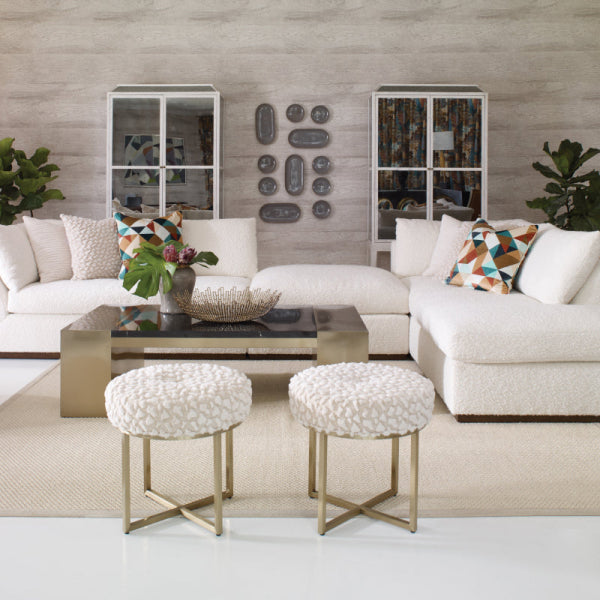
That’s why The Art of Professional Reupholstery matters in the luxury market. It allows a one-of-a-kind answer. The frame stays. The quality remains. The surface, feel, and performance are rebuilt around the way the room is used now.
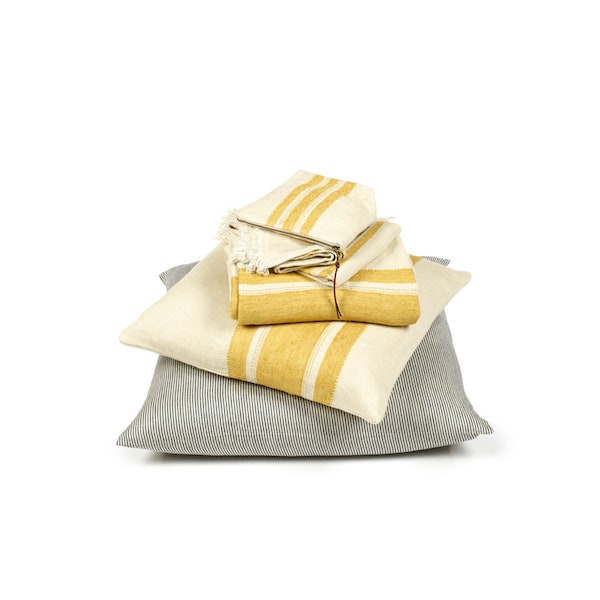
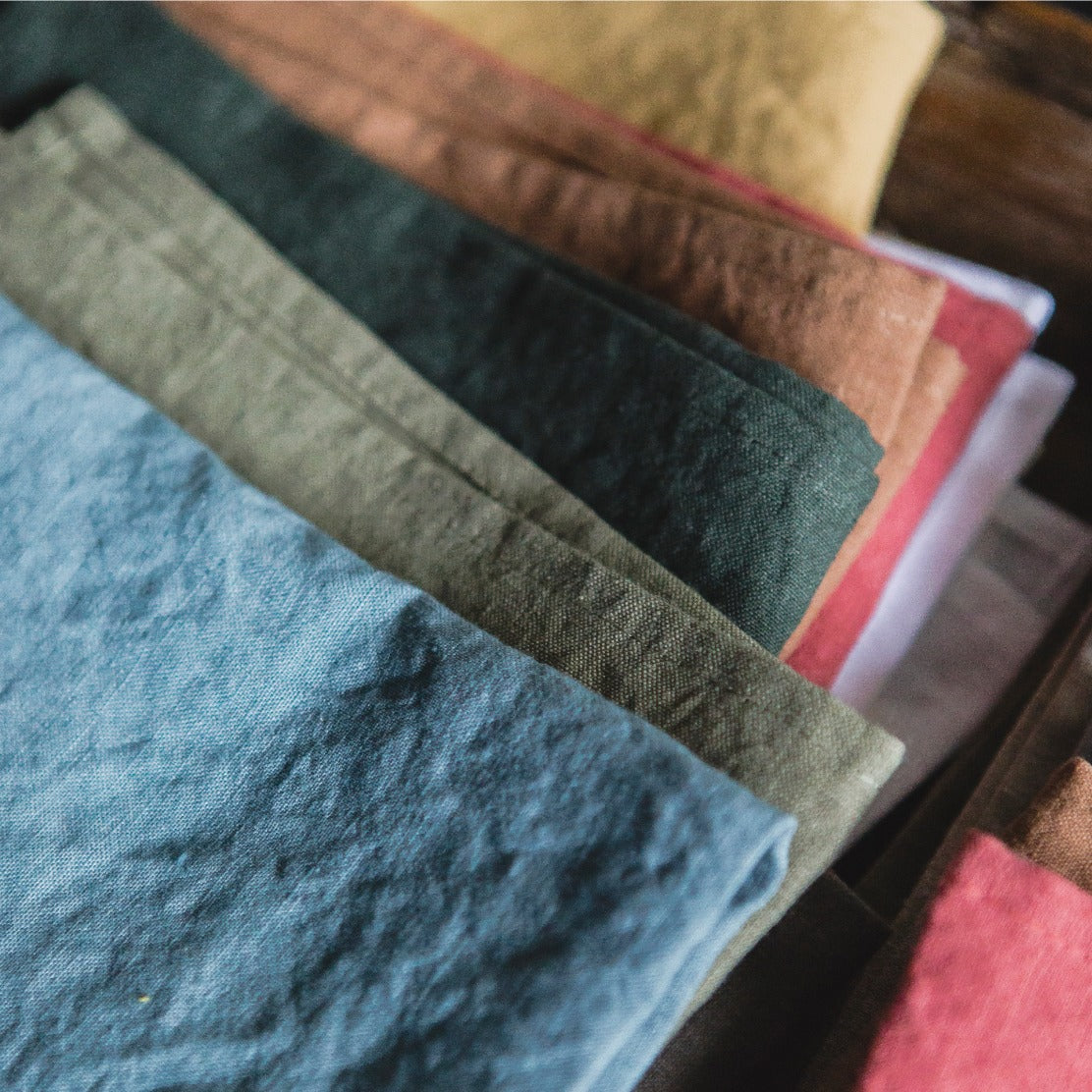
For a custom chair, that may mean a refined Belgian linen. For a high-quality couch in a busy household, it may mean a performance textile with a cleaner hand and stronger resistance to daily wear. For a formal piece, it may mean restoring dignity rather than chasing trend.
Beyond the Seams What Professional Reupholstery Truly Involves
Many people think upholstery means removing old fabric and attaching new fabric. That’s recover work. Professional reupholstery is deeper, slower, and far more exacting.

It starts with full deconstruction
If you need a baseline definition of what is upholstered furniture, it helps to remember that upholstery is a layered system. Fabric is only the visible skin. Underneath it sit padding, burlap, webbing, springs, stitching, edge rolls, and the frame itself.
Professional work begins by stripping the piece to the bare frame. That teardown phase is critical because it exposes problems hidden beneath the surface. According to Kim’s Upholstery, proper teardown reveals defects in springs, webbing, and supports, can prevent sagging that affects 70% of unrestored vintage pieces, and supports frame longevity exceeding 20 to 30 years when repairs are handled correctly (kimsupholstery.com/upholstery/preparing-furniture-for-reupholstery-the-teardown-process).
A master upholsterer doesn’t rush this stage. Old staples, tacks, and layers come off in sequence. Each part tells you how the piece was built.
What gets checked before any new fabric goes on
A serious shop inspects the structure before discussing finish details. That means looking at the parts clients never see.
-
Frame joints
Loose rails, split corners, or weakened glue joints have to be corrected before the piece is rebuilt. -
Support system
Springs, webbing, and burlap carry the load. If they’ve failed, the best designer fabric in the room won’t save the seat. -
Previous repairs
Old shortcut work often causes the biggest trouble. Layers stapled over worn material create bulk, uneven tension, and a poor silhouette. -
Original shaping
Good reupholstery respects the maker’s line. On a well-designed sofa arm or tight back, shape is everything.
Practical rule: If a workroom plans to upholster over the old cover, stop the conversation there.
The hidden labor luxury clients pay for
Luxury furniture owners often understand tailoring in clothing. Upholstery deserves the same standard.
A reupholstered designer sofa should have balanced crown, clean seams, smooth deck tension, and pattern placement that looks deliberate from every angle. That doesn’t happen by chance. It comes from documenting the original construction, using removed pieces as templates, rebuilding the layers in the right order, and correcting what failed inside.
Here’s what that often includes:
- Photographing and labeling parts so the original build can be followed where it makes sense.
- Marking edge rolls and supports so seat geometry stays accurate during rebuild.
- Repairing rather than disguising problems inside the frame.
- Cutting with discipline so stripes, florals, or texture direction don’t wander across cushions and arms.
Craft shows up most on difficult shapes
Flat seats are easy compared with rolled arms, camel backs, channeling, or tight corners. That’s where craftsmanship separates a luxury result from an amateur one.
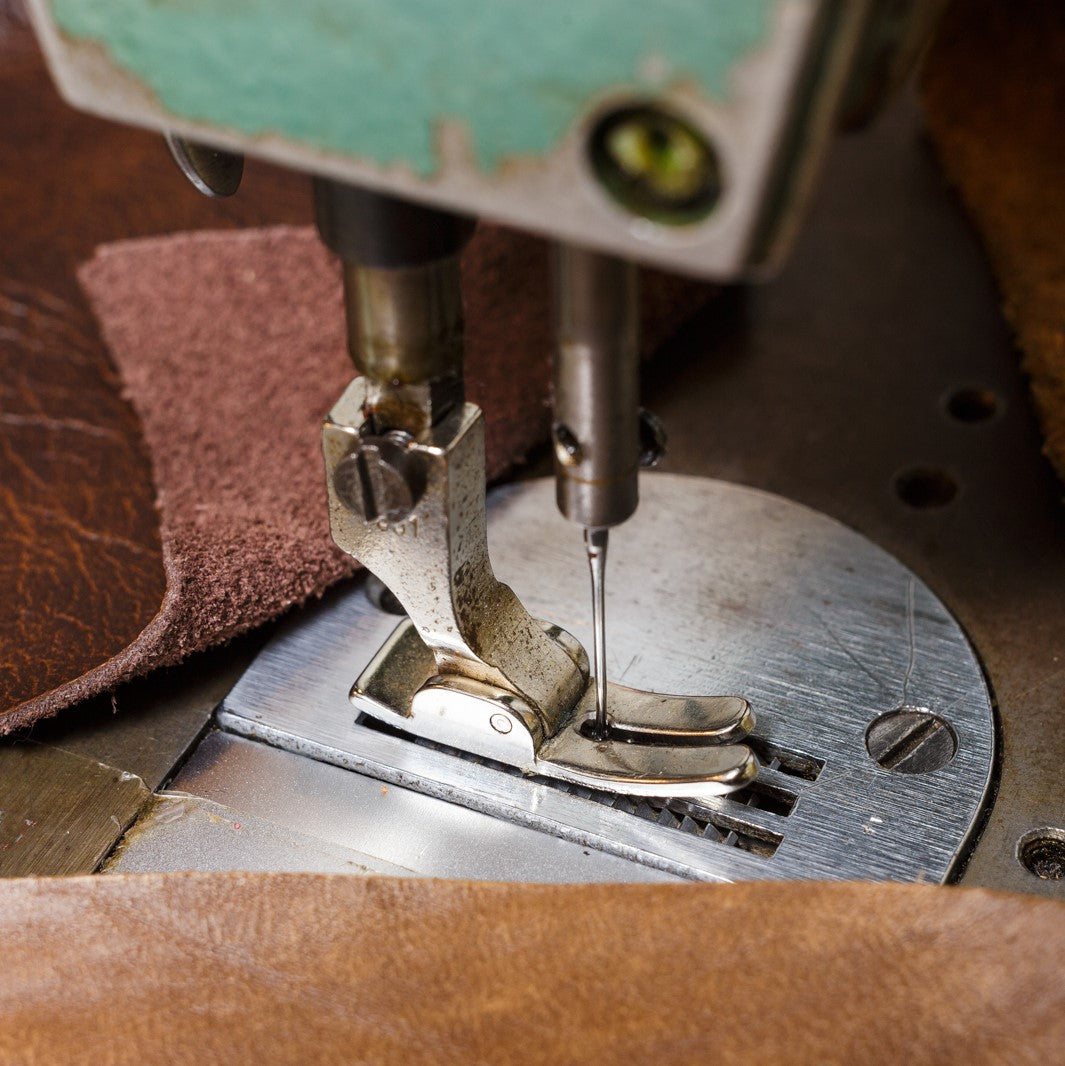
An experienced upholsterer knows when to steam fabric to help it shape around a curve, when to trim bulk out of a seam allowance, and when a corner needs a seam instead of force. Fine work looks calm. There’s no pulling, no bubbling, no overstuffed distortion.
That’s the heart of The Art of Professional Reupholstery. The best work disappears into the piece. You don’t notice the labor. You notice that the sofa looks right.
Reupholster or Replace A Guide for Luxury Furniture Owners
The wrong comparison is reupholstery versus cheap new furniture. The right comparison is reupholstery of a quality frame versus buying another quality piece that can stand in the same room.
For owners of designer furniture, custom chairs, and premium sectionals, replacement isn’t automatically the smart decision. In many cases, it’s the less precise one.
Start with the frame, not the fabric
A luxury sofa with a strong hardwood frame and good lines is often a better candidate for renewal than a new mass-produced alternative is for purchase. The value sits in the structure, scale, and workmanship.
That’s especially true when the piece already fits the room. If the depth works, the back height is right, and the proportions anchor the space, replacing it can create a new problem. You may spend more only to end up with a silhouette that doesn’t sit as well in the room.
The financial case for professional work
Professional reupholstery of high-end frames such as Verellen or LEE can retain 75% of the piece’s resale value, while new mass-produced furniture often retains 30%. The same source notes labor costs of $2,500 to $5,000 can yield a 15-year lifespan extension for the piece (youtube.com/watch?v=L0pJazY4010).
Those numbers matter, but so does control. Reupholstery lets you keep the frame you already trust while choosing a finish better suited to your house, your usage, and your design point of view.
Reupholstery makes the most sense when the piece has quality bones, correct scale, and a place in the room that a new purchase would struggle to replace.
Reupholstery versus buying new high-end furniture
| Factor | Professional Reupholstery | Buying New High-End Furniture |
|---|---|---|
| Existing frame value | Preserves a frame you already know and like | Requires starting over with a new piece |
| Resale retention | Can retain 75% of value for high-end frames | Mass-produced new furniture often retains 30% |
| Typical labor investment | $2,500 to $5,000 for professional labor | Purchase price varies by maker and design |
| Longevity outcome | Can add 15 years of lifespan | Depends heavily on construction quality |
| Customization | Fabric, trim, cushioning feel, and details can be tailored | Options depend on manufacturer offerings |
| Design continuity | Keeps a proven silhouette in the room | May require redesigning the space around a new scale |
| Sentimental value | Preserves family or design history | Starts a new story, but loses the old one |
When replacement is the better choice
Not every piece deserves the bench.
Replacement can make sense if the frame is weak, the proportions were never right, or the original furniture was built to a disposable standard. If the bones aren’t there, reupholstery becomes expensive camouflage.
A seasoned upholsterer should tell you that plainly. Good judgment is part of the service.
When reupholstery wins outright
Reupholstery usually wins for:
- Heirloom-quality furniture with strong frames and distinctive shape
- Designer seating whose scale and comfort already suit the room
- Statement furniture pieces that need a fresh textile rather than a full identity change
- Custom upholstered furniture where new production would require a long design process anyway
For the luxury buyer in Atlanta, Buckhead, or Alpharetta, this isn’t only about thrift or sentiment. It’s about keeping the better object and making it more personal.
Selecting a Fabric Worthy of Your Statement Piece
The fabric decision changes everything. It determines how the piece looks in morning light, how it wears under real use, and whether it still feels refined after years in the room.

Beauty alone isn't enough
Clients often begin with color. Professionals begin with use.
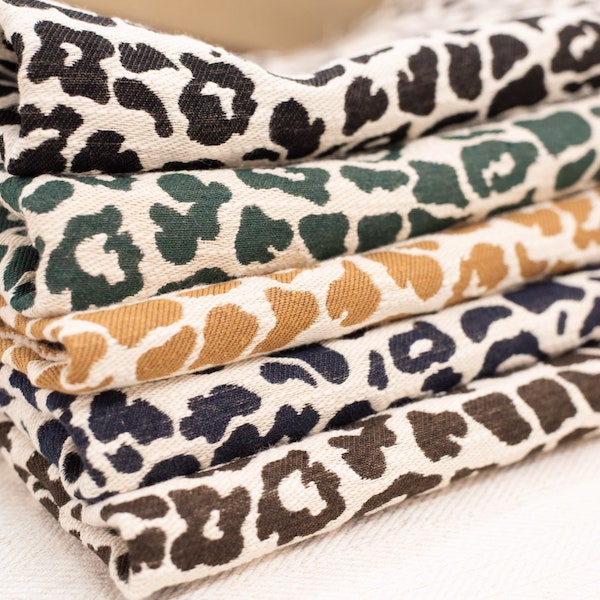
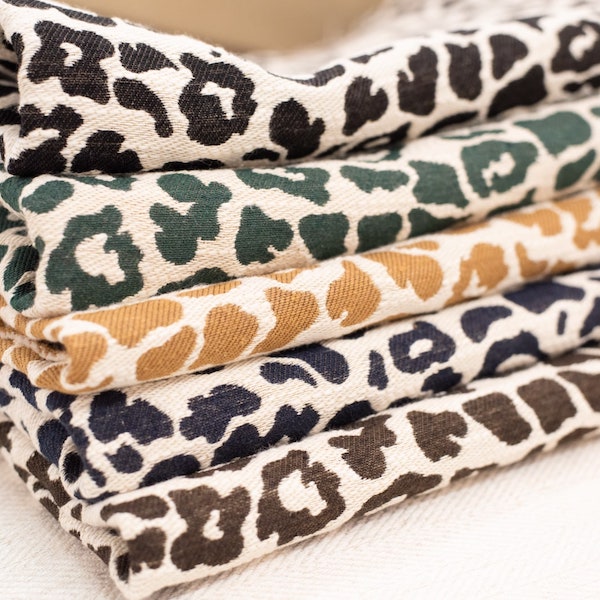
A formal Bergère chair can wear a more delicate textile because it lives lightly. A family room sectional in Sandy Springs needs a different answer. So does a pair of custom chairs near a sunny window in Buckhead. The right upholstery fabric has to satisfy hand, drape, cleanability, and wear in the specific setting where it will live.
If you want a broader primer before narrowing options, this overview on understanding upholstery materials is helpful. It gives context for how fibers and constructions behave before you get into designer-grade selections.
Performance fabrics have changed the luxury conversation
A great many homeowners still assume performance fabrics look technical or stiff. That used to be a fair concern. It isn’t anymore.
A 2025 upholstery trend report cited by C.S. Osborne notes 40% growth in performance fabric sales for reupholstery. The same source states that textiles such as Crypton offer 98% stain-proof moisture resistance and enhanced UV fade resistance, supporting 20+ year longevity in humid climates like Georgia (csosborneupholsterytools.com/upholstery-tool/whats-the-secret-to-flawless-upholstery-on-armrests-and-corners).
That matters in Atlanta. Heat, humidity, sunlight, entertaining, children, and pets all place demands on upholstery. A luxury home furnishing should feel refined, but it also has to survive real life.
Matching textile to piece
The best fabric choice depends on where the piece sits in the hierarchy of the room.
-
For luxury sofas and premium sectionals
Performance textures, tightly woven linens, and durable blends often make sense. They keep the shape well-defined and handle daily use more gracefully. -
For custom chairs and statement furniture pieces
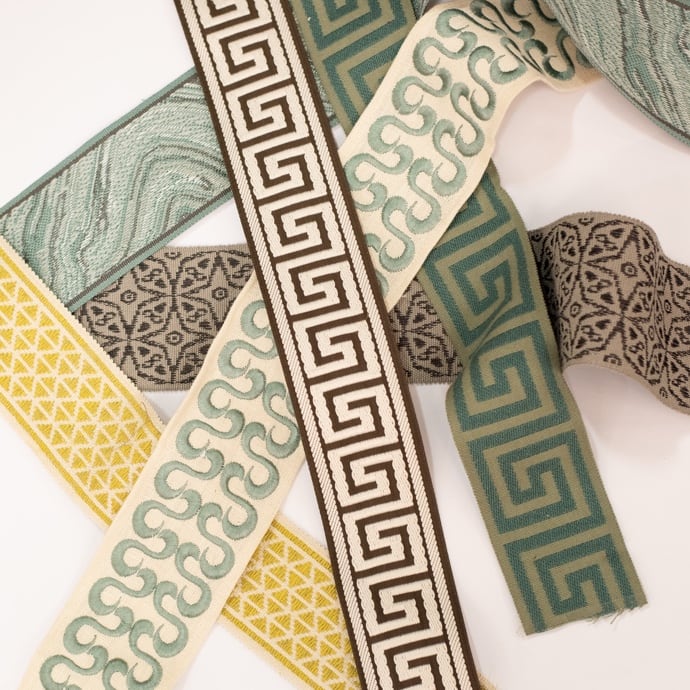
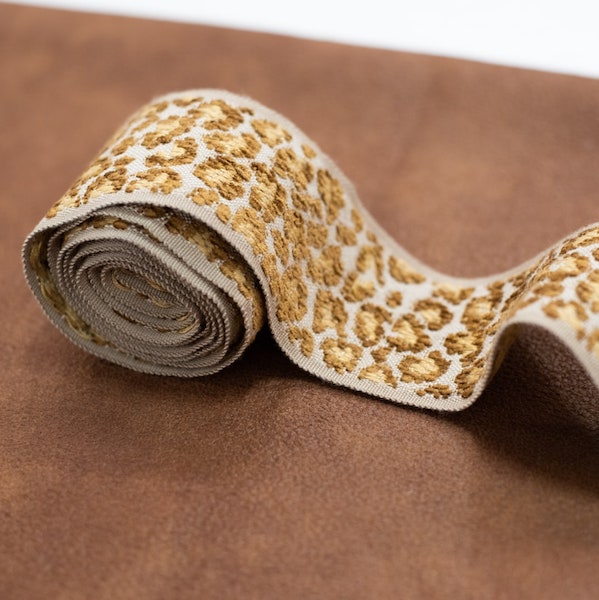
In these pieces, richer expression can work. Velvet, pattern, contrast welt, or a larger-scale motif can turn a secondary piece into the room’s focal point. -
For heirloom-quality furniture
Respect the architecture of the frame. Traditional forms usually benefit from textiles with depth and restraint rather than trend-driven novelty.
A bold fabric can rescue a plain frame. A beautiful frame usually asks for a fabric with discipline.
What to ask before you approve a fabric
A fabric book can seduce you into the wrong answer. Ask sharper questions.
Where will the piece live
Sunroom, formal living room, den, bedroom, library, or open-plan family space all call for different priorities.
Who uses it every day
Adults only, children, pets, and frequent guests all change the recommendation.
What should the piece say
Quiet backdrop, sculptural focal point, relaxed elegance, or precise formality are not the same brief.
For clients comparing premium options, this guide on how to choose upholstery fabric is a practical next step. It’s useful when you’ve narrowed the room direction but need help balancing texture, durability, and style.
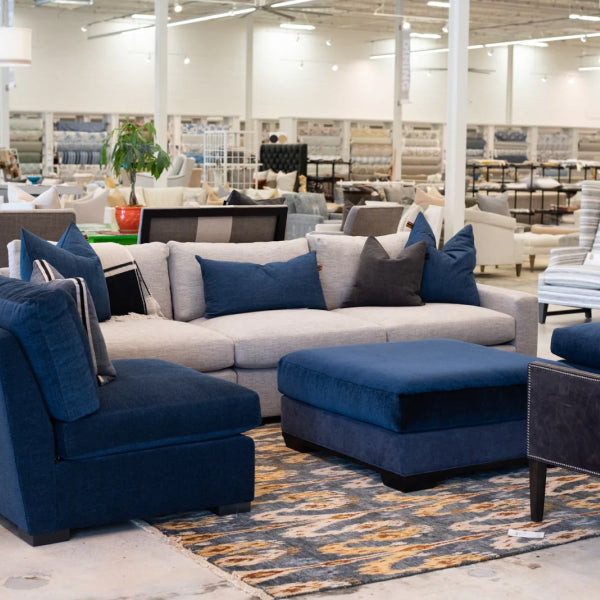
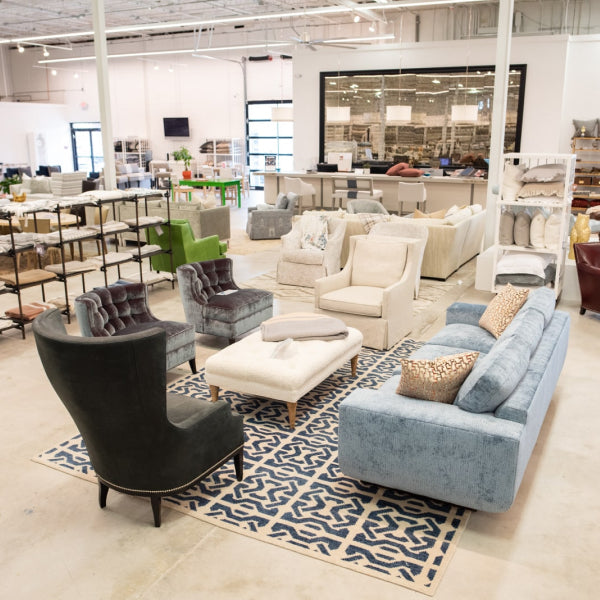
One source for these materials in Atlanta is Lewis and Sheron Textiles, which carries in-stock and cut-yardage options from mills including Kravet, Fabricut, P. Kaufmann, Libeco Home, and Crypton. For a reupholstery project, access to those ranges makes it easier to match a frame’s character to the right textile without settling for a generic substitute.
Your Reupholstery Journey Demystified Timelines and Investment
Good reupholstery takes time because every worthy piece asks a different question. One chair needs only new covering and rebuilt padding. Another sofa needs internal correction before anyone should talk about welt or trim.
Why timelines vary
Clients often want a calendar date. That’s understandable. But custom work doesn’t move like warehouse furniture.
The schedule depends on the piece’s condition, the complexity of the frame, fabric availability, and how much internal rebuilding is required once the cover comes off. A tight-back sofa with shaped arms and pattern matching will move differently than a straightforward dining chair seat. A vintage frame with hidden issues will take longer than one that was well maintained.
That uncertainty isn’t a flaw in the process. It’s one reason professional work lasts.
What drives the investment
Labor is the largest part of most reupholstery jobs because skilled hands do nearly everything that matters. The cost also reflects the fabric you select and any structural repairs required after teardown.
A major element inside that investment is padding. Creative Style Furniture notes that using high-density foam in the 2.5 to 3.0 lbs/ft³ range can extend furniture lifespan by 15 to 25 years and resist compression 40 to 60% more than low-grade alternatives. The same source states this level of craftsmanship can preserve heirloom value up to 5 times over replacement (creativestylefurniture.com/custom-reupholstery).
That’s why quality seating feels different after proper work. It isn’t only firmer or softer. It carries weight better, keeps its shape longer, and returns the body to the frame in a more controlled way.
What clients should expect
A sound process usually includes these stages:
-
Assessment of the piece
The upholsterer evaluates whether the frame and support system justify the work. -
Fabric and finish decisions
For fabric and finish decisions, comfort, use, and design direction have to align. -
Pickup or delivery coordination
Large luxury sofas and designer furniture need careful handling before work even begins. -
Bench work
Teardown, repairs, padding rebuild, cutting, sewing, upholstering, and final detailing all happen here. -
Return and placement
Delivery should feel like installation, not drop-off.
How to think about the spend
The most satisfied clients don’t think of reupholstery as buying fabric. They think of it as commissioning a better version of a piece they already own.
If you’re trying to budget with more precision, this article on how much does reupholstery cost breaks down the main pricing variables in a way that’s useful before you choose fabric or commit to repairs.
For homeowners in Roswell, Sandy Springs, and North Atlanta, that’s usually the right lens. You’re not paying for speed. You’re paying for corrected structure, customized comfort, and a finish worthy of the frame.
How to Choose a Reupholstery Artisan in Atlanta
Atlanta has no shortage of people who can staple fabric onto furniture. That is not the same as an artisan who can handle luxury home furnishings, designer furniture, and heirloom-quality pieces without compromising them.
The market is large enough to require discernment
The U.S. Furniture Repair & Reupholstery industry is projected to reach $2.07 billion by the end of 2025, and it includes 4,670 specialized upholsterers in Personal and Household Goods Repair alone, according to IBISWorld (ibisworld.com/united-states/industry/furniture-repair-reupholstery/1713). A market of that size includes excellent craftspeople, average shops, and operations that should never touch a valuable frame.
The burden is on the client to ask better questions.
What to verify before handing over a piece
A serious workroom should be able to answer plainly.
Do they strip to the frame
If the answer is vague, move on. Quality work begins with proper teardown.
Can they show comparable pieces
Not just any portfolio. Ask to see work on tight backs, shaped arms, antique frames, designer sofas, or custom chairs similar to yours.
Do they discuss the inside of the furniture
A real upholsterer talks about springs, webbing, burlap, edge rolls, and padding, not only fabric books.
Can they speak about proportion and line
This matters more than many clients realize. The wrong amount of fill can ruin the profile of an elegant arm or seat deck.
Do they understand premium textiles
Luxury reupholstery requires knowledge of linen behavior, velvet pressure marks, pattern repeat, seam placement, and performance fabric handling.
If a shop can only talk about color and price, they’re not ready for high-value furniture.
Local judgment matters
An Atlanta-area artisan should understand how local homes are used. A formal living room in Buckhead has different demands than an active family room in Alpharetta. A designer project in Sandy Springs may require tighter scheduling, exact pattern placement, and a more collaborative approach with the interior team.
That local knowledge affects recommendations on fabric, cushion feel, and durability. It also affects whether the piece comes back looking merely fresh or convincingly right for the house.
The signs of a better partner
Look for a shop or design resource that offers:
- Clear process language instead of vague promises
- Access to premium fabric lines rather than limited books
- Comfort discussing structural repair as part of the project
- Respect for antique and designer frames
- A point of view on design, not just labor execution
For clients investing in custom furniture Atlanta projects or restoring expensive seating, the right artisan does more than recover furniture. They protect value, proportion, and presence.
Case Studies Breathing New Life into Atlanta Homes
Reupholstery is easiest to understand when you see what it solves. Not in abstract terms, but in rooms where a piece had every reason to stay, if someone handled it correctly.

A family sofa in Buckhead
The sofa had the right depth, the right arm height, and a frame that still felt substantial. Its problem was surface fatigue. The old fabric had dulled, the seat felt tired, and the room around it had grown more refined than the sofa’s finish.
Replacement would have meant hunting for the same scale again, and that rarely ends well. The better decision was to preserve the silhouette and change the experience.
The rebuilt version used a performance-minded upholstery fabric with a cleaner hand and a more architectural texture. The result wasn’t flashy. It was disciplined. The room immediately looked more expensive because the largest piece in it regained shape and authority.
A Roswell antique chair with good bones
This chair came from an antique shop, but that alone didn’t make it worth saving. Its value was in the frame. The pitch was comfortable, the lines were elegant, and the carving still had presence.
The old upholstery had done the chair no favors. It looked heavy and slightly apologetic.
A careful reupholstery plan changed that. The frame was respected, the padding was corrected, and the new textile gave the chair clarity instead of noise. It became a statement furniture piece without losing its age.
Old furniture doesn’t need to look old-fashioned. It needs to look intentional.
Dining seats for a new generation in Sandy Springs
Dining chairs are often overlooked in these conversations, but they show workmanship quickly. If the upholstery is poorly tensioned or badly scaled, everyone sees it at eye level.
In this case, the chairs were family pieces. The wood had warmth, and the clients wanted to keep that continuity while making the room feel lighter and more current. The right answer wasn’t dramatic pattern. It was balance.
The seats were rebuilt for better comfort, then covered in a fabric that complemented the table and surrounding finishes without competing with them. Once finished, the room read as collected rather than inherited.
What these projects share
The forms were different, but the principles were the same.
- Each piece had a frame worth preserving
- The redesign began with use, not trend
- Fabric selection respected the room
- Internal rebuilding mattered as much as the visible finish
That’s why The Art of Professional Reupholstery remains relevant for luxury buyers. It gives homeowners and designers a way to hold onto quality while refining how a room feels today.
For Atlanta homes, that often means keeping the piece with the strongest bones and giving it a better future than a quick replacement ever could.
If you’re considering a restoration, redesign, or full custom furnishing project, Lewis and Sheron Textiles offers Atlanta clients access to premium fabrics, custom furnishings, and reupholstery support for pieces that deserve more than a quick fix. Bring in photos, room details, or the piece itself, and start with a clear conversation about whether it should be restored, reimagined, or replaced.