












You’re probably standing in your living room right now, looking at a room that’s almost there. The rug may be chosen. The wall color works. The lighting is close. But the sofa, the piece that sets the tone for everything else, still isn’t settled.
That’s where most high-end furniture decisions get simplified too much. People treat Slipcovered vs Tight-Back Sofas like a casual style preference. It isn’t. It’s a decision about how your home functions, how polished you want the room to feel, how much maintenance you’ll tolerate, and whether you’re buying a short-term solution or a piece with real heirloom potential.
In Atlanta, that decision usually gets sharper. A Buckhead formal living room asks for one thing. A Roswell family room asks for another. An Alpharetta new build with open-plan living has different needs than a custom Sandy Springs sitting room. Good furniture selection starts with lifestyle, but it ends with construction, fabric, and long-term value.
Before we get into the details, here’s the straight comparison.
| Factor | Slipcovered Sofa | Tight-Back Sofa |
|---|---|---|
| Overall look | Relaxed, soft, casual-luxury | Tailored, crisp, architectural |
| Best room type | Family rooms, casual living spaces, multipurpose rooms | Formal living rooms, studies, refined sitting areas |
| Comfort profile | Often softer, more lounge-oriented | More supportive, upright, consistent |
| Maintenance | Covers can be removed and cleaned, but require effort | Spot issues usually mean professional cleaning |
| Visual discipline | Can wrinkle by design | Holds a cleaner line |
| Fabric flexibility | Strong choice for washable fabrics and seasonal changes | Strong choice for statement upholstery and permanence |
| Long-term strategy | Replace covers as needed | Reupholster when the frame deserves renewal |
| Best buyer | Wants flexibility and low-stress living | Wants structure, polish, and a lasting silhouette |
The Art of Choosing Your Forever Sofa
A forever sofa should solve more than one problem. It should anchor the room, support the way you sit, and still make sense years from now when your paint, pillows, and art have changed.
That’s why I push clients to stop shopping by trend. Start with the role the sofa needs to play. Is it the place where kids climb in after school? Is it a formal focal point visible from the entry? Is it a statement piece for entertaining, or a hardworking seat that has to absorb daily life without looking defeated?
Start with the room’s job
A sofa isn’t just furniture. It sets the behavioral tone of the room.
A slipcovered piece tells people to exhale. A tight-back tells people to sit, stay, and notice the lines of the room. Neither is automatically better. One is just more honest for your space.
If you’re still refining the overall room before choosing your sofa, this guide on how to style a living room is useful because it helps you think in layers, not isolated purchases.
Practical rule: If the room needs to feel composed even when untouched for a week, choose tighter tailoring. If the room needs to welcome real life every day, lean toward removable softness.
Think like an investor, not a browser
Luxury sofas aren’t expensive because of branding alone. They cost more when the frame is better, the suspension is better, the tailoring is better, and the fabric choice is specific to the room’s use.
That’s the difference between a showroom impulse and a design decision. In high-value homes across North Atlanta, the smartest buyers aren’t asking which sofa is popular. They’re asking which one will still make sense after years of use.
Your sofa should match your standards
If you’re searching for custom furniture Atlanta, designer furniture near me, or luxury furniture Buckhead, you’re already past the mass-market conversation. You’re looking for fit, finish, customization, and longevity.
That means you need to decide whether your home calls for relaxed elegance or structured polish. Once that’s clear, the rest of the specification gets easier.
Understanding Slipcovered Sofas Casual Charm Meets High Design
A slipcovered sofa isn’t just a sofa with a removable shell. At the luxury level, it’s a very specific design choice. Done well, it feels collected, breathable, and effortless. Done badly, it looks like you gave up halfway through upholstering the room.

Why clients still love them
Slipcovered sofas have long roots. They originated in medieval Europe and later surged with the 1990s shabby chic trend, reaching up to 25% of casual sofa sales in the US market by 1995. More recently, they’ve become mainstream again, with 2023 designer surveys indicating 45% preference for family rooms because of adaptability and spill resistance, according to this overview of why people consider slipcover sofas over traditional sofas.
That popularity makes sense. A slipcovered sofa gives you three things many clients want:
- Visual softness that keeps a room from feeling stiff
- Practical maintenance when spills, pets, or children are part of the equation
- Styling flexibility if you like to refresh a room without replacing the frame
What makes a luxury slipcovered sofa work
The fabric matters more here than people think. A premium slipcovered sofa lives or dies by drape.
Belgian linen is one of the strongest choices because it supports the relaxed silhouette instead of fighting it. The slight texture and natural movement work with the style. That’s why a piece like a linen slipcovered chair often feels more refined than a heavily structured form in the same room.
A good slipcovered sofa should still look intentional. That means:
- The skirt should fall cleanly, not puddle.
- The seams should align, especially around arms and cushions.
- The fabric should wrinkle with grace, not bunch awkwardly.
- The profile underneath should be strong, because the cover can’t rescue a weak frame.
A slipcover should look relaxed, not careless. There’s a difference, and good tailoring is what creates it.
Where slipcovered sofas perform best
I recommend them most often for spaces that earn their keep every day.
Think of:
- Family rooms in Roswell
- Open-plan living spaces in Alpharetta
- Casual dens in Sandy Springs
- Homes where light fabrics are essential, though the concern of stains is very real
They also work for clients who like to change the room’s mood over time. The frame stays. The surface can evolve.
When they’re the wrong call
Slipcovered sofas aren’t automatically the practical winner. They can look too informal in a high-gloss sitting room, and some buyers hate the process of removing and refitting covers.
If you want the sofa to hold a crisp line every single day with almost no visual fluctuation, a slipcovered model probably isn’t your answer.
Understanding Tight-Back Sofas Structured Elegance and Lasting Form
A tight-back sofa is the opposite of casual drift. It gives a room definition.
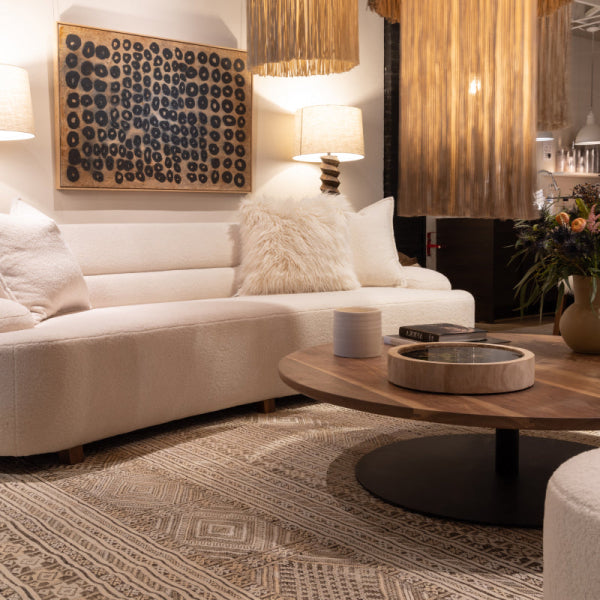
The back is fully integrated. There are no loose back cushions slumping out of place. The shape stays intact, the silhouette stays clear, and the room immediately looks more disciplined.

Why this style still matters
Tight-back sofas weren’t a passing phase. They were a dominant style in the late 19th and early 20th centuries, valued for supportive, upright posture in formal rooms. Analyses cited in this history of popular sofa styles from the 19th century through modern times note they made up over 60% of formal seating in upper-middle-class homes by 1900. Even after casual living shifted the market, they still hold 15% to 20% share in high-end custom upholstery as of 2023.
That persistence tells you something important. This style survives because it solves real design problems.
What a tight-back sofa does better
A tight-back sofa gives you a cleaner visual line than almost any loose-cushion alternative.
That matters when you want the room to feel:
- Architectural
- Intentional
- Symmetrical
- Well dressed without fuss
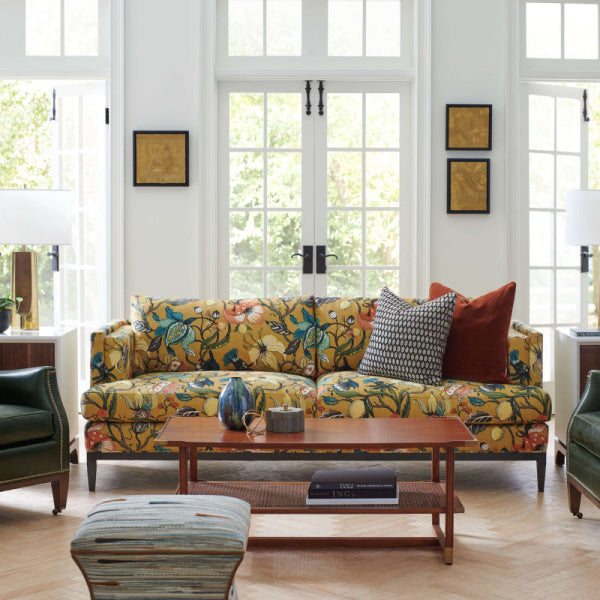
This is the sofa I reach for when a client wants a living room, study, or reception-style space to feel composed at all times. In a Buckhead condo, a crisp tight-back in velvet or a refined woven can carry the whole room. In a Sandy Springs library, it can make the difference between “comfortable” and “finished.”
It also showcases fabric better
If you’re investing in a statement textile, tight-back upholstery lets the material do its job.
There’s less interruption from shifting back cushions. Pattern placement stays more controlled. A rich solid from Kravet or an elegant woven with texture reads more clearly across an uninterrupted surface.
This is not the sofa for everyone
A tight-back sofa asks more from the buyer. You need to be comfortable committing to the look for a longer stretch. You also need to understand that cleaning and updates usually involve more effort than removing a cover.
But if your standards are high and your room needs polish, the payoff is obvious.
Tight-back sofas suit people who want the room to look finished before anyone sits down.
Best use cases
I recommend tight-back sofas when the room is meant to impress, hold shape, and support a structured interior.
They’re especially strong for:
- Formal living rooms
- Client-facing studies
- Elegant sitting areas
- Homes where the sofa is a statement furniture piece, not just a soft landing zone
If your priority is visual control and enduring form, this is usually the stronger answer.
Comparison Appearance Comfort and Heirloom-Quality Construction
The smartest way to compare these styles is to ignore trend language and judge them on the three issues that matter: how they look in a room, how they feel in daily use, and how they’re built underneath.

Appearance and formality
Slipcovered sofas soften a room. Their lines are gentler, their edges are less strict, and they immediately lower the formality level.
That’s useful in large homes where hard finishes dominate. Stone, metal, expansive windows, and white walls often need something with drape to keep the room from feeling cold.
Tight-back sofas do the opposite. They sharpen a room. They create contour and hold it. If your architecture is already strong, they reinforce that language instead of relaxing it.
A quick rule I use with clients:
| If you want the room to feel | Better fit |
|---|---|
| Relaxed, lived-in, inviting | Slipcovered |
| Tailored, polished, composed | Tight-back |
Comfort and seating experience
Many buyers make their selection with their body before they choose with their eyes.
Slipcovered sofas often feel more casual because they’re commonly paired with softer cushions and a lounge-friendly profile. They invite multiple postures. You can curl into them, stretch, shift, and treat them less preciously.
Tight-back sofas usually offer a more stable sit. The back support is more consistent because it doesn’t depend on loose cushions staying in place. If you read, host, or sit upright for conversation, that support matters.
Here’s the blunt version:
- Choose slipcovered if you want a sofa that feels forgiving and casual.
- Choose tight-back if you want a sofa that feels supportive and orderly.
- Choose based on how you typically sit, not how you think an elegant room is supposed to behave.
If you spend evenings sprawled across the sofa with a dog and a throw blanket, buy for reality. If you host often and want clean posture and cleaner lines, buy for that.
Heirloom-quality construction
This is the part most shoppers miss, and it’s the part that determines whether the sofa becomes disposable or restorable.
According to this explanation of sofa build quality and suspension systems on YouTube, the structural foundation dictates longevity. Both slipcovered and tight-back sofas built with hardwood frames like teak or walnut and spring-based suspension systems offer better integrity and reupholstery potential than softwood frames or webbing-only construction. For slipcovered pieces, a cotton duck undercover adds another protective layer and supports restoration over time.
That means the actual hierarchy isn’t slipcovered versus tight-back. It’s well-built versus poorly built.
What to inspect before you buy
When I evaluate a custom sofa for a luxury client, I care about these points first:
-
Frame material
Hardwood is the standard if you want a piece worth keeping. -
Suspension system
Springs generally offer better support and resilience than webbing-only setups. -
Tailoring quality
On a tight-back sofa, this shows in the precision of the upholstery. On a slipcovered sofa, it shows in how cleanly the cover hangs and refits. -
Renewal potential
Can the sofa be reupholstered, reslipped, or restored without compromising the integrity of the frame?
The construction takeaway
If you’re shopping for high-quality couches or heirloom-quality furniture in Atlanta, don’t get distracted by surface styling alone.
A slipcovered sofa with a weak frame is still a weak investment. A tight-back sofa with poor suspension is still a poor seat. The buyers who get the best long-term value ask first what’s under the fabric.
The Fabric Decision Belgian Linen Crypton and Lifetime Maintenance
Fabric determines whether your sofa choice works beautifully or turns into a maintenance argument.
Style matters. Color matters. But daily life usually comes down to performance, cleaning habits, and how the textile behaves on the silhouette you chose.

Belgian linen on a slipcovered frame
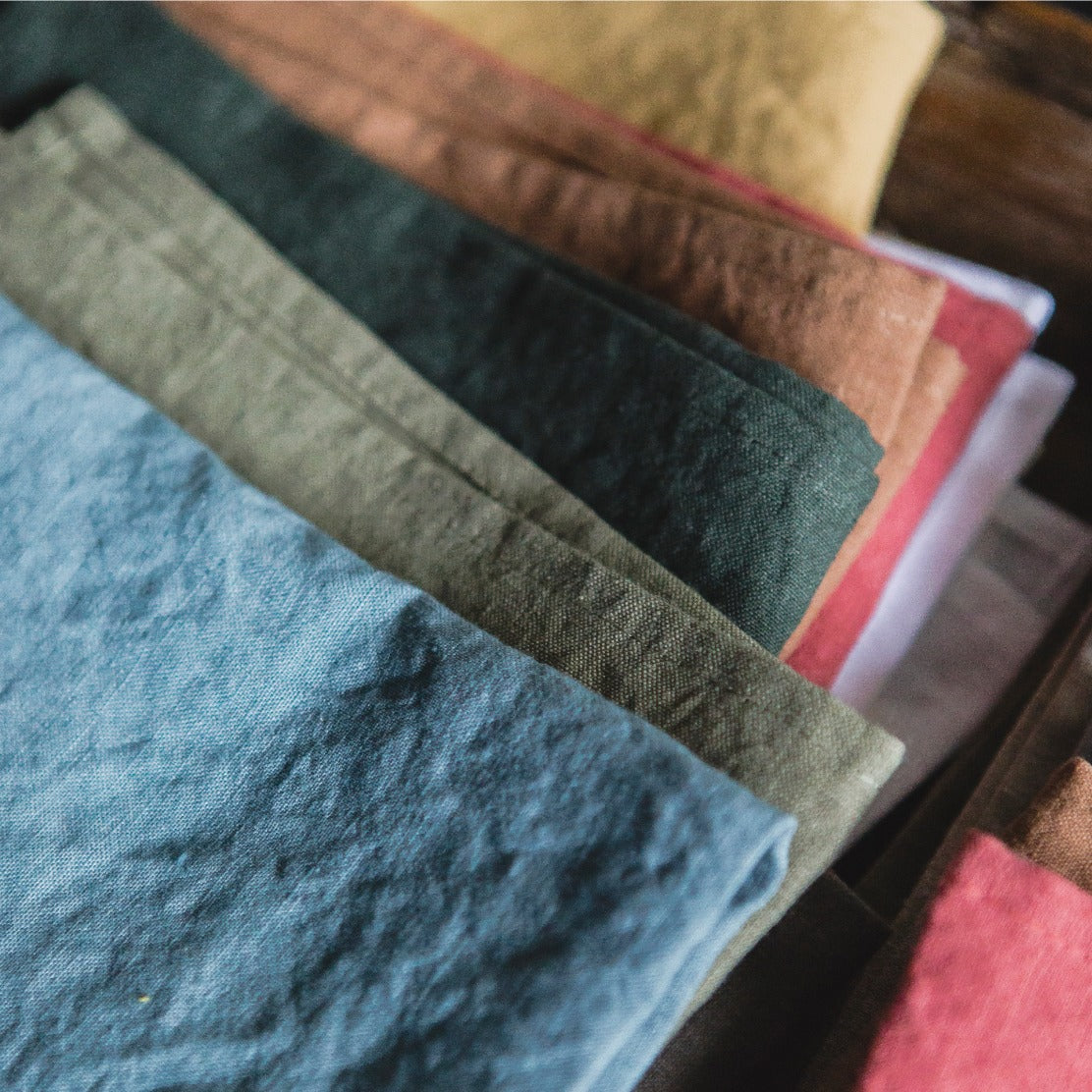
Belgian linen is one of the most beautiful ways to dress a slipcovered sofa. It has movement, texture, and a softness that suits the relaxed form.
It doesn’t try to look rigid. That’s the point. On the right frame, linen gives a room maturity without stiffness.
What you need to accept is the character of the material. Linen has a lived-in surface. If you want a perfectly taut look every day, you’re choosing against the nature of the fabric.
Crypton on a tailored sofa
Crypton is a strong answer when the room needs more protection and less fuss. It’s especially effective for buyers who want a cleaner, more controlled appearance without sacrificing practical performance.
On a tight-back sofa, performance fabric can be a smart match because the silhouette already asks for visual discipline. If the room gets regular use, that added durability makes the commitment easier to justify.
If you want a straightforward overview, this explanation of what is Crypton fabric is a useful starting point.
What maintenance really looks like
Here, fantasy and reality split.
Slipcovered sofas give you access to a broader range of washable fabrics, but there’s a rule many owners ignore. All covers need to be washed at the same time to prevent uneven fading, as explained in this article on upholstery vs slipcovers. That same source notes that tight-back sofas usually require professional cleaning for stains, but you avoid the labor of removing and refitting large covers. It also notes that slipcovers cost more upfront because of dual-layer construction, while a replacement slipcover costs much less than full reupholstery.
That’s the maintenance trade:
| Issue | Slipcovered | Tight-back |
|---|---|---|
| Spill response | Removeable cover can help | Usually spot care, then professional cleaning |
| Cleaning effort | Physical labor to remove and refit | Less hands-on, more service-based |
| Fading risk | Must wash all covers together | No refitting issue, but upholstery still needs care |
| Aesthetic after cleaning | Depends on refit quality | Depends on stain treatment success |
Your tolerance matters as much as the fabric. Some people would rather send a cleaner. Others would rather strip and wash covers themselves.
My design advice on fabrics
Choose linen when you want softness, drape, and a room that feels collected rather than rigid.
Choose Crypton or another strong performance textile when:
- the sofa gets regular daily traffic,
- the room must stay neater visually,
- or you know you won’t keep up with fragile-fabric habits.
For luxury homes, the winning fabric choice isn’t the prettiest swatch under showroom lighting. It’s the one that still suits your life six months later.
Analyzing the Long-Term Value and True Cost of Custom Sofas
My patience wears thin with certain showroom clichés. Slipcovers are not always the cheaper route. In premium furniture, they often aren’t.
A custom slipcovered sofa usually includes a muslin or similar undercover beneath the visible cover. That means more labor, more material, and more tailoring. So if you assume slipcovered means budget-friendly, you’re using a mass-market idea in a luxury conversation.
Why the sticker price can surprise people
According to this discussion of slipcover sofa vs regular sofa, premium custom slipcovered sofas often cost more than upholstered versions because of that dual construction. The same source notes that replacing a slipcover is cheaper than full reupholstery, but frequent seasonal changes at $500 to $2000 per set can eventually exceed the long-term cost of reupholstering a durable tight-back sofa in a performance fabric.
That matters for anyone buying luxury sofas or custom upholstered furniture in Atlanta.
Total cost of ownership is the right lens
Don’t ask which sofa is cheaper today. Ask which one costs less to own well.
For a low-traffic formal room, a tight-back sofa can be the smarter investment because:
- the neat upholstery may stay appropriate for years,
- the room doesn’t demand frequent fabric changes,
- and expert reupholstery later can preserve a frame that still deserves use.
For a busy family room, a slipcovered sofa may still win because:
- cover replacement is easier than full upholstery work,
- washable fabrics lower daily stress,
- and the visual flexibility can help the room evolve without replacing the sofa itself.
Who should challenge the “slipcovers save money” myth
You should question that assumption if you are:
- furnishing a formal Buckhead sitting room,
- selecting premium fabrics from mills such as Kravet or Fabricut,
- planning multiple seasonal looks,
- or buying with heirloom restoration in mind.
In those cases, the long-term math can move toward a well-built upholstered frame.
One helpful starting point for exploring makers and construction standards is this overview of custom sofa manufacturers.
Cheap slipcovers are one thing. Premium custom slipcovered upholstery is another. They shouldn’t be treated like the same product category.
My blunt financial take
If you’re furnishing a polished room with controlled use, don’t choose slipcovered just because you think it sounds practical. It may cost more up front and more over time if you keep changing covers.
If you’re furnishing a room that absorbs daily life, then yes, slipcovered can be a sensible value because the maintenance path is simpler and the updates are less invasive.
The right answer depends on how the room will be used. Not on a blanket assumption about affordability.
Your Perfect Sofa A Designer's Recommendation for Atlanta Homes
Most clients don’t need more options. They need a firm recommendation. Here it is.
Choose slipcovered if your home runs on real life
If you live in Roswell, Alpharetta, or another active North Atlanta household with children, pets, guests, and constant traffic, a slipcovered sofa usually makes more sense.
Choose one when you want:
- a family room that feels refined but not precious,
- washable or more forgiving fabric options,
- the ability to refresh the look without replacing the frame,
- and a softer visual presence in open-concept spaces.
This is especially true for large casual sectionals and multipurpose rooms where people work, lounge, snack, and pile in to unwind.
Choose tight-back if you care most about polish and permanence
For a Buckhead living room, a Sandy Springs study, or a formal entertaining space, I’d steer most clients toward a tight-back sofa.
Choose one when you want:
- a silhouette that stays neat,
- a stronger sense of architecture in the room,
- a better stage for statement textiles,
- and a piece that feels intentional every time you walk in.
If you’re building a room around symmetry, fine art, lighting, and custom drapery, the tight-back usually supports that vision better than a casual slipcover ever will.
Match the sofa to the house, not the trend
Seasoned design judgment matters. A sofa should relate to your floors, wall treatments, ceiling height, and the overall level of finish in the house.
For instance, if you’ve invested in architectural finishes, you should think about how all those permanent choices work together. This article on how hardwood floors increase home value is useful because it reinforces the broader principle that durable, high-quality foundational elements tend to support long-term home value better than cosmetic shortcuts.
The sofa belongs in that same category. Buy it like a foundational piece.
My room-by-room recommendations
Here’s how I’d call it for different Atlanta clients:
| Home scenario | My recommendation |
|---|---|
| Roswell family room with pets and kids | Slipcovered sectional in a washable or performance-minded fabric |
| Alpharetta open-plan great room | Slipcovered or semi-tailored sofa if comfort and flexibility lead |
| Buckhead formal living room | Tight-back sofa in a statement upholstery |
| Sandy Springs study or library | Tight-back sofa with supportive sit and refined tailoring |
| Low-traffic luxury sitting room | Tight-back for stronger long-term value |
| Everyday den that needs less stress | Slipcovered for ease and adaptability |
Final advice from the showroom floor
If you’re torn, don’t ask which one is more stylish. Both can be beautiful.
Ask four better questions:
- How formal is this room supposed to feel?
- How much visible order do I want day to day?
- Do I want to wash covers or call a cleaner?
- Am I buying for flexibility, or am I buying for permanence?
Answer those thoughtfully and the right sofa becomes obvious.
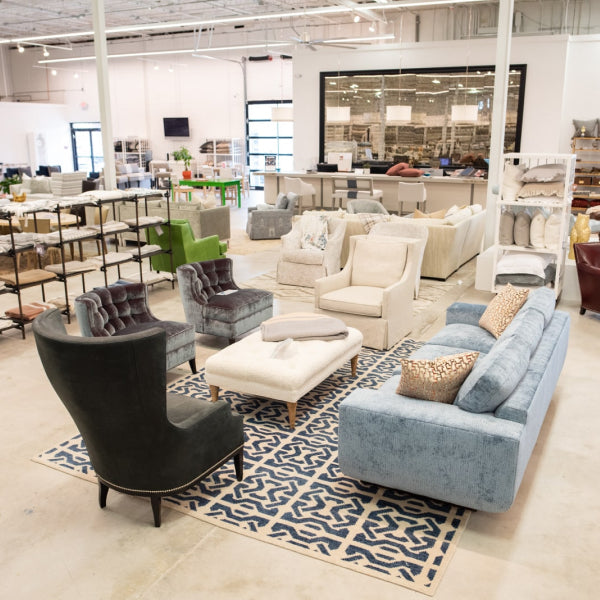
There’s also a practical path if you want guidance in person. In Atlanta, buyers comparing custom upholstered forms, Belgian linen, performance fabrics, and reupholstery options can evaluate those choices through a showroom and design-service resource such as Lewis and Sheron Textiles.
If you’re choosing between slipcovered and tight-back sofas and want help specifying the right frame, fabric, and finish, visit Lewis and Sheron Textiles. You can compare custom furnishings, upholstery options, and reupholstery paths in person, then build a sofa that fits your room for the long haul.