














A beautiful chair rarely fails all at once. In Atlanta homes, especially in Buckhead, Alpharetta, Roswell, and Sandy Springs, it's often one seat that gives way first. The frame is still elegant. The silhouette still belongs in the room. But the cushion has gone flat, the fabric has loosened, and the whole piece starts to look less expensive than it actually is.
That's where thoughtful chair cushion replacement matters. For heirloom-quality furniture, custom chairs, luxury sofas, and designer furniture, a cushion isn't a throwaway component. It's part comfort system, part visual architecture. Replace it well, and the piece regains its posture, polish, and value. Replace it poorly, and even a strong frame from a respected maker will look tired.
Homeowners shopping “custom furniture Atlanta,” “designer furniture near me,” or “luxury furniture Atlanta” are usually past the browsing stage. They're deciding whether to preserve a meaningful piece, upgrade materials, or invest in work that respects the original craftsmanship. That's a different conversation than bargain DIY. It's closer to restoration.
Reviving Your Heirloom A Guide for Atlanta's Design-Conscious Homes
A breakfast room in Buckhead can be perfectly resolved, limestone floors, custom drapery, a table chosen to suit the room, and still feel slightly wrong because one chair has lost its seat. It sits lower. The fabric blouses at the corners. The line of the chair no longer matches its mates. In a well-designed home, a failed cushion reads immediately, even when the frame is still beautiful.
Chair cushion replacement deserves more respect than it gets. In Atlanta homes with custom seating, antique dining chairs, or designer case pieces, replacing a cushion is not a shortcut purchase. It is maintenance for furniture that was worth buying in the first place. I often tell homeowners the same thing. If the frame is sound and the proportions still work in the room, a properly rebuilt seat protects both comfort and visual discipline.
That matters in North Atlanta, where many interiors mix newer investment pieces with inherited furniture, custom banquettes, and chairs bought years ago from quality workrooms. A Wesley Hall host chair, a favorite reading seat in Sandy Springs, or a Roswell dining chair passed down through family can often stay in service for many more years with the right cushion work. The goal is not to make an old piece merely usable again. The goal is to restore the way it sits, the way it presents, and the way it supports the room around it.
Why this project matters in luxury interiors
In higher-end interiors, a cushion does more than provide softness. It sets seat height, keeps the silhouette crisp, and controls how the fabric breaks at the edges. Once that interior build starts to fail, the whole piece can look under-scaled or tired, even if the joinery and upholstery frame remain in excellent condition.
That is why replacement is often the sensible decision.
A homeowner with two custom side chairs usually does not need two new chairs. They need seats that recover their shape and sit at the correct height again. A family with a well-made club chair does not gain anything from discarding a frame that still has integrity. They gain far more from rebuilding the cushion properly and preserving a piece that already belongs in the house.
Good upholstery work protects the value of furniture you chose with intention.
There is also a design reason to preserve rather than replace. Rooms with depth rarely come from ordering everything at once. They come from keeping strong pieces in circulation, refreshing them with care, and letting age sit beside newer selections without apology. If you enjoy seeing how homeowners approach thoughtful reuse, these sustainable furniture projects for UK homes offer useful inspiration around preservation rather than disposal.
The Atlanta perspective on preservation
Atlanta homeowners tend to know the difference between a disposable chair and one worth saving. The question is usually not whether the cushion looks worn. The key question is whether the underlying piece still merits careful work. In many cases, it does, especially when the issue is isolated to the seat rather than the frame, springs, or joints.
That is the point where restraint pays off. Replacing a cushion on a quality chair can preserve scale, finish, and history in a way off-the-floor replacements rarely do. For a broader view of how careful restoration supports long-term value, heritage furniture restoration insights are worth reading before you remove the first staple.
Assess Your Project Replace Repair or Restore
A common mistake is assuming the fabric is the problem. Sometimes it is. More often, the cover is only reporting what the cushion underneath has already lost. If the foam has collapsed, a new textile won't restore shape, comfort, or edge definition.
Start with your hands, not your fabric swatch book.

Check the crown and the rebound
Professional upholstery guidance indicates that foam should be replaced if it lacks a crown, meaning a visible depression, or if it feels loose when grabbed. That signals permanent compaction rather than fabric stretch. The same guidance notes that foam cushions should be replaced every 2 to 3 years if they fail to rebound, a standard drawn from medical seating practice and discussed in this upholstery diagnostic video. Residential DIY tutorials rarely apply that standard, which is why many homeowners spend on fabric and keep a failed core.
Use this quick diagnostic sequence:
- Look from the side: A healthy cushion usually has a gentle rise rather than a dish in the center.
- Grab the foam through the cover: If it feels loose, airy, or disconnected from the board, it's usually past simple recovery.
- Press and release: If the seat doesn't return to shape, the cover isn't your main problem.
- Compare chairs in a set: If one seat sits noticeably lower, use the better cushion as your visual benchmark.
Separate wear from structural failure
A worn cover often shows itself at the corners, welt, or staple line. A failed cushion changes how the chair sits. You'll feel that difference immediately at breakfast, at a desk, or at the head of the table. In designer furniture, the line of the seat is part of the piece's identity. Once the foam loses integrity, the chair starts to read as cheap even when it isn't.
Here's a useful way to decide:
| Condition | What it usually means | Better path |
|---|---|---|
| Fabric faded or abraded, seat still shaped well | Cosmetic wear | Recover |
| Seat has a visible depression and doesn't bounce back | Foam compaction | Replace foam and recover |
| Corners look swollen but center feels firm | Poor previous upholstery work | Rebuild and recover |
| Board feels unstable or wood damaged | Structural issue | Professional restoration |
Practical rule: Never use compressed old foam as your measuring template if it has already lost shape.
Repair may be enough in one narrow case
There is one exception worth knowing. If the cushion is flat but not crumbling, some homeowners experiment with steam to coax compressed foam back toward its original shape. This can be useful as a temporary extension of life on secondary seating. It's not my first choice for a formal dining room or a custom chair in a polished living space, but it can help you distinguish tired foam from dead foam.
For luxury seating, though, comfort and profile have to work together. If you're preserving custom chairs, premium sectionals, or heirloom-quality furniture, diagnosis comes first. Beautiful fabric over a failed seat is still a failed seat.
Choose Your Materials The Foundation of Lasting Luxury
A beautiful chair can be undone by the wrong cushion build in a single season. I see it often in Atlanta homes. A refined frame survives, the room is thoughtfully layered, and the seat starts to sag, wrinkle, or crown at the corners because someone chose fabric by color and foam by price.
That is why material selection starts inside the seat. The goal is not a quick cosmetic improvement. The goal is to preserve the chair's profile, comfort, and value.

Start with the inside, not the surface
Foam decides how the seat sits. Batting affects the edge, the softness, and how the fabric rounds over the board. Fabric finishes the piece, but it cannot correct a weak interior.
For chair cushion replacement, choose in this order:
- Foam core first. Match firmness to the chair's use and silhouette.
- Wrap second. Batting, Dacron, or a softer outer layer shapes the seat and smooths transitions.
- Fabric last. Once the build is right, the textile can serve the room instead of hiding problems.
That order protects long-term quality. Premium custom upholstered furniture often stays in service far longer than mass-produced seating. Earlier Atlanta designer upholstery guidance cites a 15 to 25 year lifespan for high-end custom pieces, compared with 7 to 10 years for mass-market sofas. A well-made frame deserves interior materials that honor that difference.
What to choose, and why
A dining chair, a formal host chair, and a bedroom accent seat should not receive the same cushion package.
Use these trade-offs as a guide:
- High-density foam: Better for dining and everyday seating because it holds shape and resists body impressions longer.
- Softer foam with a wrap: Better for occasional chairs where comfort on first sit matters more than all-day support.
- Polyester batting: Useful for a smooth, rounded surface and cleaner fabric drape.
- Cotton or specialty wraps: Better in select restoration work where you want a more traditional hand, though they can require more skill to apply cleanly.
Cheap foam usually fails first at the front edge. That is where people sit down, shift weight, and slide out. If you want a practical explanation of density, resilience, and why low-grade inserts collapse early, Lewis and Sheron Textiles offers a helpful read on why high-quality foam matters.
Fabric choices that suit luxury homes
Good upholstery fabric has to earn its place. It needs the right hand, enough body for the seat shape, and the durability to handle abrasion at the front rail and corners.
In Atlanta interiors, these options usually perform well:
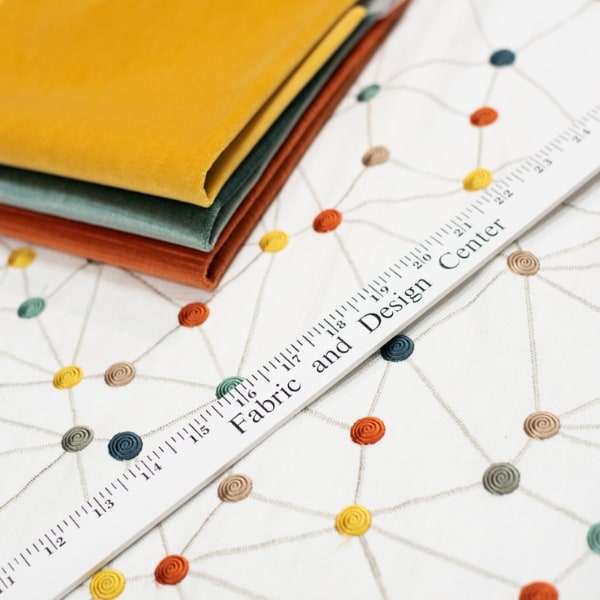
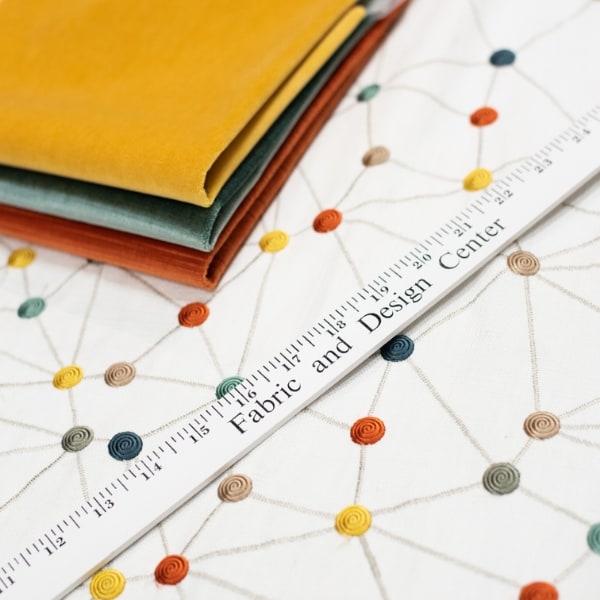
- Performance velvet: Rich color, refined appearance, and strong behavior on dining seats or occasional chairs.
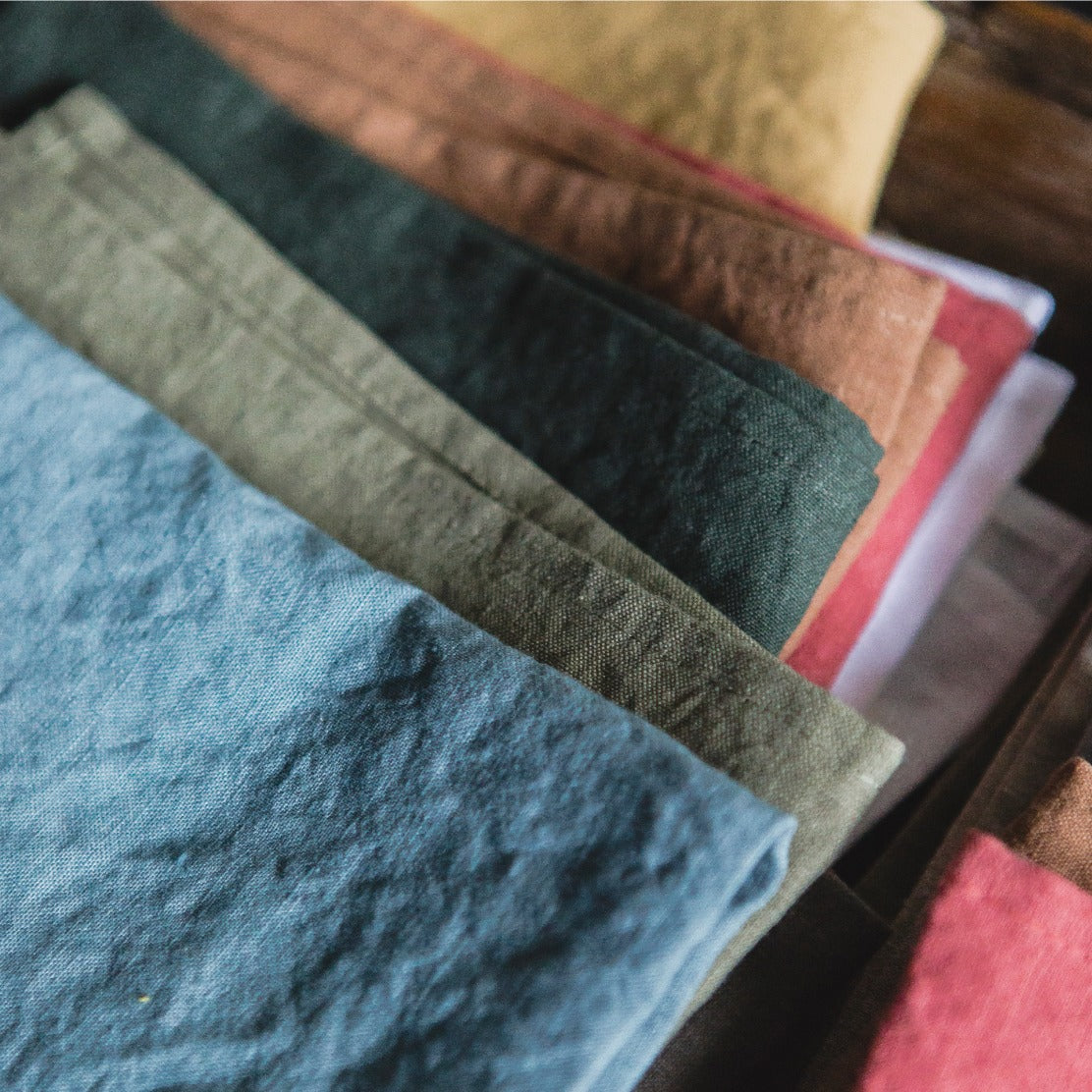
- Belgian linen: Refined and relaxed, best on chairs that are not subjected to hard daily wear.
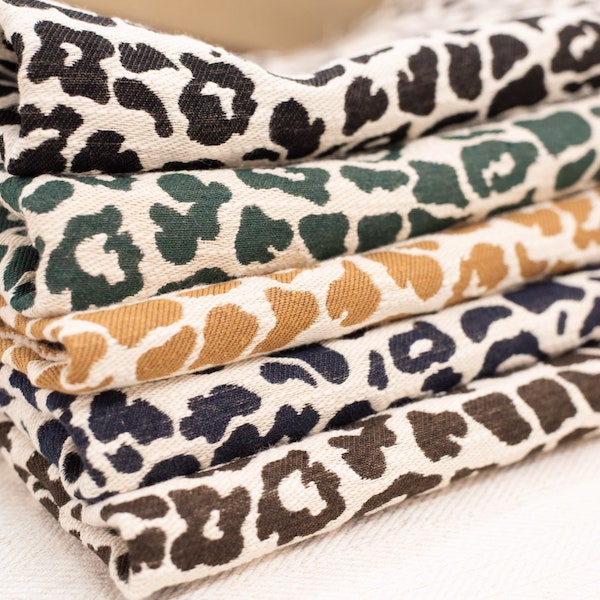
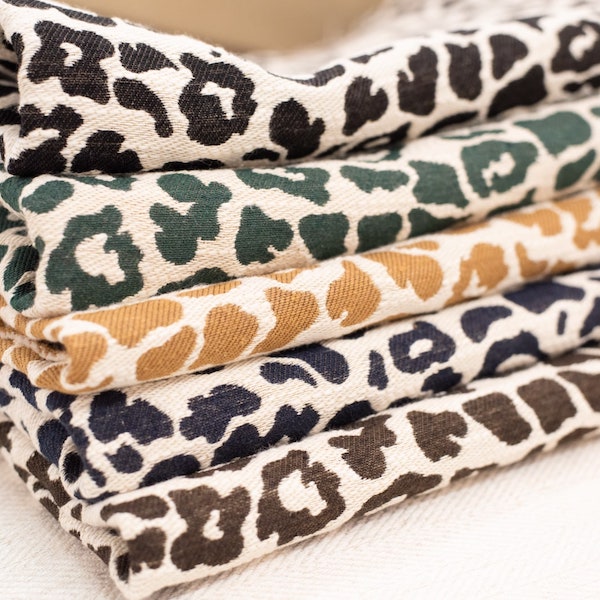
- Woven patterns: Excellent for statement seating if the scale fits the chair and the pattern can be centered properly.
- Textured solids: A smart choice when the frame, finish, or room architecture already carries visual interest.
Sun exposure matters here. In rooms with strong morning light, especially in parts of Buckhead, Alpharetta, and Sandy Springs, I steer clients toward fabrics that can handle UV exposure with less visible fading. Pale natural fibers can be beautiful, but they ask more of the room and more of the homeowner.
If you are coordinating the chair with nearby accents, these chic decorative pillow ideas can help you keep the palette and texture story consistent.
A better standard for material selection
The right material package matches the chair's job.
Formal seating benefits from cleaner lines and firmer support. Family dining chairs need durability and recoverability. Accent chairs can accept a more delicate fabric if the room is low-traffic and the frame is worth protecting rather than overworking.
Lewis and Sheron Textiles carries upholstery options from mills such as Kravet, Fabricut, Libeco Home, and Crypton, along with custom furnishing resources and reupholstery support. That makes it a useful stop when you need to compare hand, durability, and finish quality in person rather than guessing from a swatch online.
A successful cushion replacement feels true to the piece. The seat should hold its line, the fabric should sit cleanly, and the chair should still look at home in a well-designed room years from now.
Your DIY Chair Cushion Replacement Guide
A Saturday morning in Atlanta often starts the same way. The dining chair comes off the rug, gets turned upside down on a worktable, and within ten minutes the project reveals its real character. A straightforward seat swap stays straightforward. An heirloom frame with brittle rails, uneven webbing, or a misaligned board asks for a steadier hand.
For a simple drop-in dining seat, the work follows four phases. Remove the old materials carefully, use the seat board as your pattern, cut each layer with intention, then assemble in a controlled sequence. The order matters because every shortcut shows on the finished chair.
Deconstruction without damaging the frame
Turn the chair over and study the underside before pulling a single staple. Photograph each side. Note fabric direction, staple placement, the dust cover if there is one, and the way the corners were folded. If the seat is screwed in from below, remove it and keep the screws and washers together.
Use an upholstery staple remover, not a flat screwdriver forced under the staples. Fine hardwood seat frames can splinter at the edges, and soft or broken wood will not hold a clean new staple line. Strip the fabric, batting, and foam off in order so you can see how the seat was built.
If the old foam has collapsed, ignore its shape. The seat board is the only reliable template.
Templating with the board as truth
Set the board on the new foam and trace its exact outline. Then account for the wrap layers. As shown in this step-by-step upholstery guide, adding enough batting and fabric around the perimeter gives you room to pull the cover cleanly over the edge without starving the corners.
That margin needs judgment. Too little fabric creates strain lines and thin corners. Too much creates bulk underneath and a lumpy profile once the chair is back in place.
Use this cutting logic:
| Layer | Cut basis | Why it matters |
|---|---|---|
| Foam | Seat board | Keeps the seat footprint accurate |
| Batting | Foam plus wrap allowance | Softens the edge and rounds the crown |
| Fabric | Board and cushion build plus perimeter allowance | Gives enough material for tension and corner folding |
Cutting for shape, alignment, and visual balance
Sharp tools matter here. A ragged foam edge will telegraph through the batting, especially on thinner upholstery fabrics or tightly woven linens. Cut foam with a clean blade, trim batting evenly, and lay out fabric on a flat surface where you can check the pattern before cutting.
Pattern placement deserves more attention than many homeowners expect. On a solid fabric, a slight shift may disappear. On a stripe, lattice, or large floral, even a small drift reads as amateur work from across the room.
For anyone tackling a matching banquette or sofa project at the same time, this tutorial on how to make a couch cushion with the same layering logic is a useful companion.
The seat should look calm before it looks tight.
Assembly and the cross-stapling sequence
Stack the seat in the correct order. Fabric face down first, then batting, then foam, then the seat board on top. Flip the assembly carefully and start stapling at the center of each side.
Cross-stapling keeps tension balanced. Place one staple at the center front, one at the center back, then one on each side. After that, work outward in small increments, alternating sides as you go. Check the top surface every few staples. If a wrinkle starts to form, pull the fresh staples and correct it before the corner area locks the problem in place.
A clean working rhythm helps:
- Start at the centers: This sets the seat on square.
- Alternate front to back and side to side: Balanced tension keeps the crown even.
- Stop and check the face often: Small errors are easy to correct early.
- Leave corners for last: The field of fabric should already be smooth before you fold them.
Know when a DIY job should pause
A dining chair seat is a reasonable home project. A vintage chair with a delicate frame, show wood, or expensive fabric is a different assignment. If the board is warped, the staple line is failing, or the pattern refuses to stay centered, stop before frustration damages the piece.
That restraint preserves value. In well-designed Atlanta homes, a restored chair should look intentional from every angle, and the work under the seat should be as disciplined as the room around it.
Achieve a Professional Finish With These Techniques
A chair can be freshly reupholstered and still look disappointing once it sits back under the chandelier or beside a neatly upholstered sofa. The giveaway is rarely the center of the seat. It is the corner profile, the line along the rail, and the condition of the underside when the chair is moved.
In Atlanta homes with layered, collected interiors, those details matter because the chair is being judged against better company. Fine case goods, custom drapery, and heirloom seating expose sloppy upholstery fast.

Corners decide whether it looks custom
Corners carry more visual weight than many homeowners expect. A smooth top can still read homemade if the corner is swollen, uneven, or folded in different directions from one side to the other.
The clean standard is a necktie pleat, shown clearly in this upholstery finishing video. The front fabric tucks over the side fabric in one controlled fold. That gives the seat a crisp edge and keeps the corner from looking overstuffed.
Good corners share a few traits:
- One intentional pleat: Multiple tiny tucks add bulk and catch light.
- Matched orientation: Each corner should fold the same way, usually toward the back.
- Trimmed excess where appropriate: Too much fabric underneath creates a lump that no staple pattern will hide.
- Shaped by hand before stapling: Set the fold first, then fasten it.
This is also where fabric choice shows its personality. Linen and cotton blends forgive less. Velvet hides some surface tension but adds bulk at the corner. Leather and high-performance vinyl demand accuracy because every misplaced fold stays visible.
Finish the underside like it belongs in a design studio
The underside should look disciplined, not ignored. A proper dust cover conceals the staple line, keeps the seat cleaner in daily use, and protects the work from abrasion when the chair is lifted across hardwood, sisal, or stone.
That matters on dining chairs and accent pieces that move often. In active homes, the bottom of the seat takes more abuse than people realize. If the underside is left exposed, staples can loosen, batting can catch, and the chair starts to look tired long before the fabric on top is worn out.
A well-finished underside protects the investment and signals that the chair was restored with care, not rushed to completion.
Use cambric or another suitable black bottom cloth, pull it straight, and staple it close to the perimeter in a neat line. Keep the edges square. Even though few guests will kneel down to inspect it, the person moving the chair will see it, and poor finishing tends to show up at the least flattering moment.
Small tools make a visible difference
Professional-looking work often comes down to control.
| Tool | Why it earns a place on the bench |
|---|---|
| Upholstery staple remover | Removes old staples without tearing up the seat board |
| Pneumatic or consistent-pressure staple gun | Drives staples to an even depth across hardwood and softwood |
| Sharp foam-cutting blade | Produces a cleaner edge and a better seat profile |
| Rubber mallet or staple-set habit | Seats any proud staples before the bottom cloth is applied |
Pattern alignment belongs in the finish stage too. A beautiful corner cannot rescue a stripe that drifts off center or a large print that falls awkwardly at the front rail. On heirloom furniture, symmetry preserves value because the seat looks true to the frame and to the room around it.
The best result is quiet. Nothing calls attention to the repair. The cushion looks settled, proportionate, and appropriate to the chair, whether it lives in a Buckhead dining room, a Virginia-Highland breakfast nook, or a sitting room filled with collected antiques.
When to Trust the Experts in Atlanta Custom Upholstery
Some projects are ideal for DIY. Others are expensive to learn on. If the chair has sentimental value, a difficult shape, or a fabric that can't be replaced casually, the wiser move is to hand it to someone who works with custom upholstered furniture every day.
That's especially true in Atlanta homes built around luxury sofas, designer furniture, premium sectionals, and heirloom-quality furniture. The more valuable the frame and the textile, the less room there is for trial and error.

Projects that deserve professional handling
Call for professional help when the work involves more than a straightforward seat board and staple-on cover.
- Antiques and family pieces: Old joinery, brittle wood, and original proportions are easy to damage.
- Complex upholstery details: Tufting, channeling, boxed cushions, or shaped inside backs need exact patterning.
- Large repeats or exact matching: Stripes, plaids, and statement prints have to align with the frame.
- High-visibility seating: Formal dining rooms, entry chairs, and primary living spaces don't hide mistakes.
- Time-sensitive homes: If the room is being installed around a deadline, experimentation isn't helpful.
Roswell and Sandy Springs homeowners often know this instinctively. They're not asking whether a chair can be recovered. They're asking whether the finished result will justify the room around it.
Why restoration is becoming the smarter choice
The broader market supports what many design-conscious homeowners already feel. The global market for chair cushions is projected to reach USD 5.91 billion by 2035, with a projected 8.43% CAGR, reflecting a sustained preference for refreshing existing furniture instead of replacing it outright, according to this market projection on seat pads and chair cushions. For homes furnished with custom chairs and high-end materials, that preference isn't just economical. It's aesthetic.
A strong frame, correct scale, and designer-quality construction are difficult to replace well. Many people searching “designer furniture near me,” “luxury furniture Atlanta,” or “where to buy premium furniture in Atlanta” already understand that quality over price is the point. Restoration fits that mindset.
Knowing when not to DIY is part of good taste
There's no shame in doing the assessment yourself and stopping before the risk increases. In fact, that's often the most disciplined choice. A savvy homeowner protects the asset first.
If the chair matters, the room matters, and the finish matters, professional custom upholstery is often the right final step.
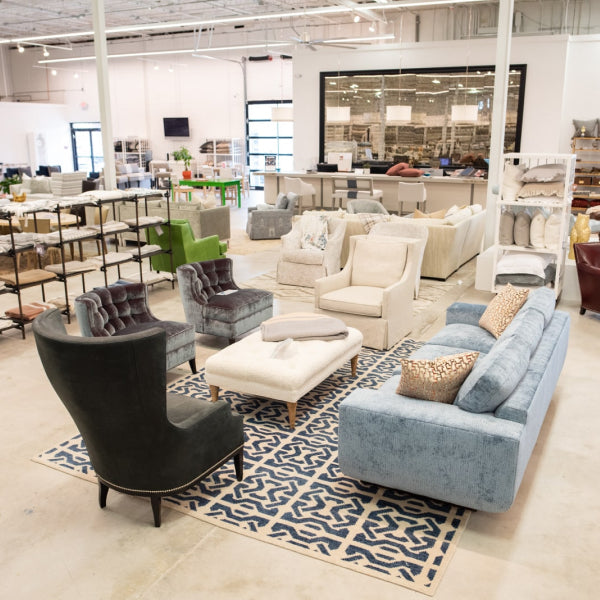
If you're weighing whether to recover a favorite dining chair, rebuild a flattened seat, or preserve a piece that still anchors the room, Lewis and Sheron Textiles is a practical place to start. Their Atlanta Design Center serves homeowners and design professionals looking for premium fabrics, custom furnishings, and reupholstery support for furniture worth keeping.