


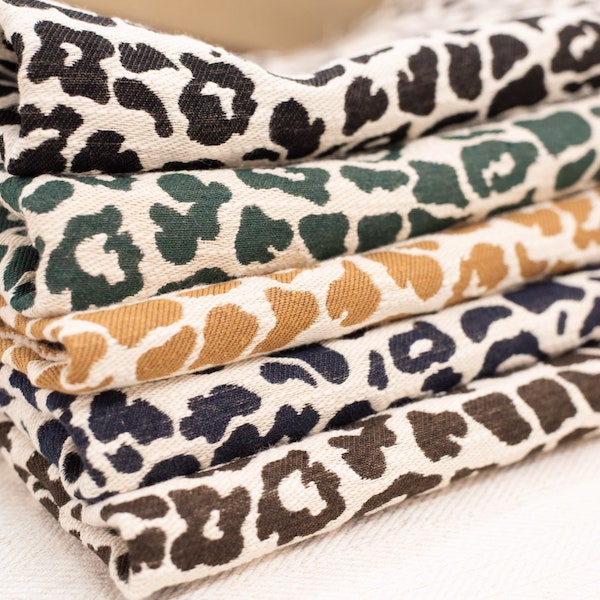
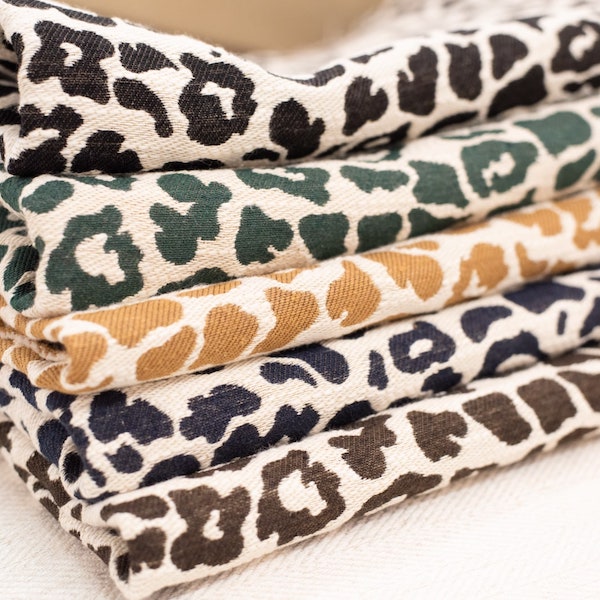
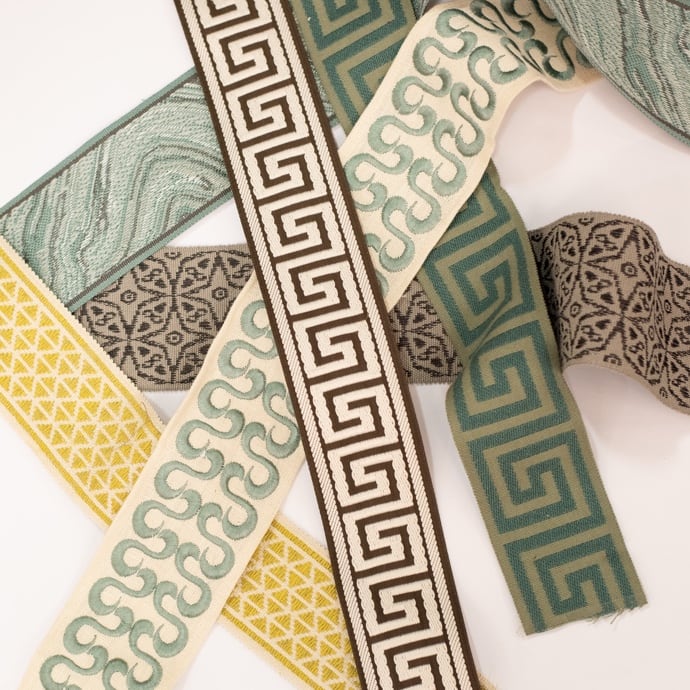

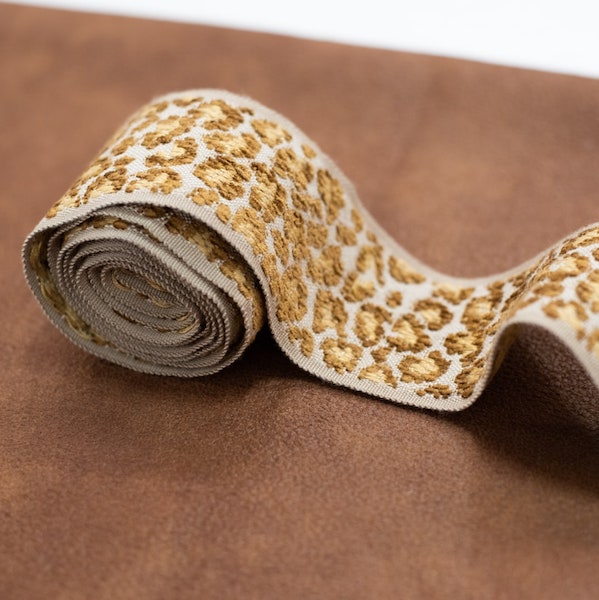
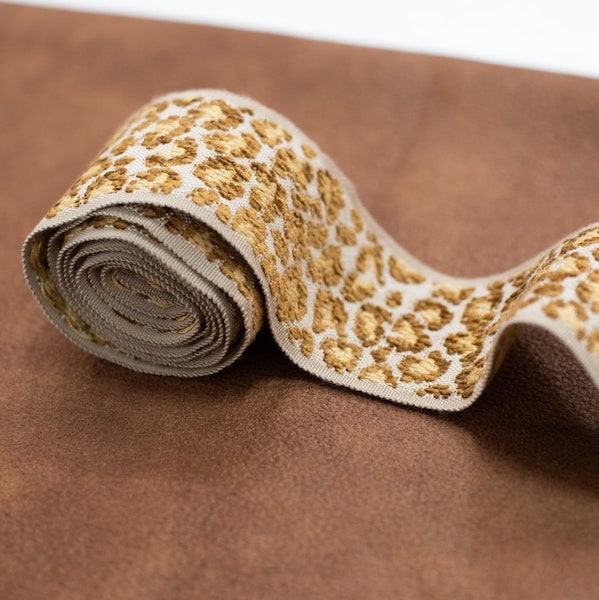






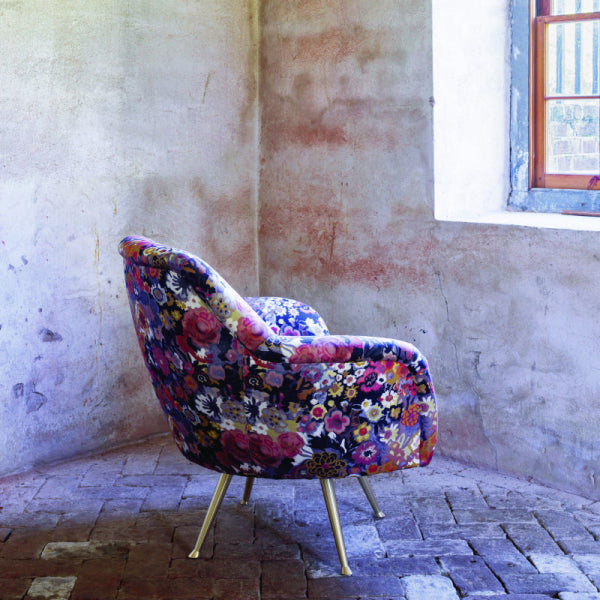


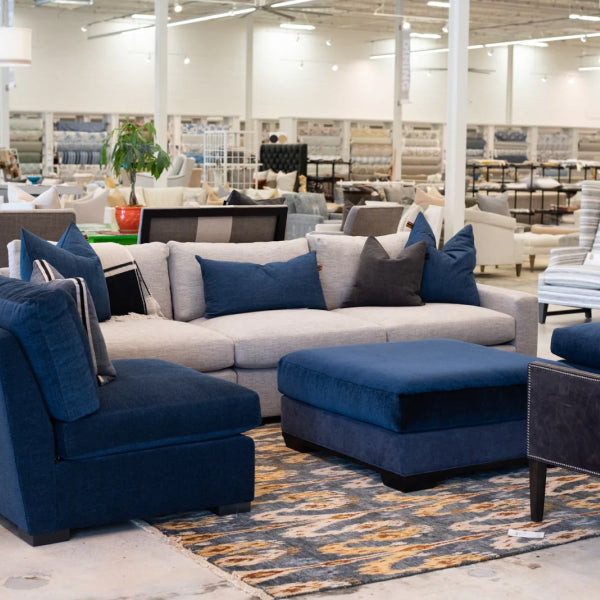





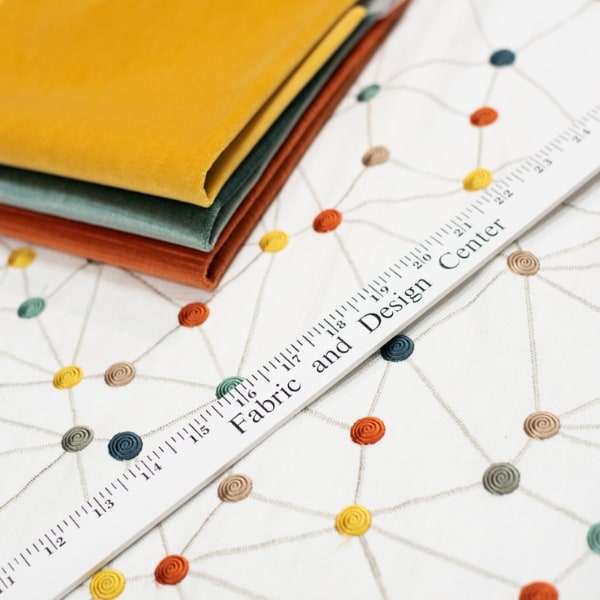
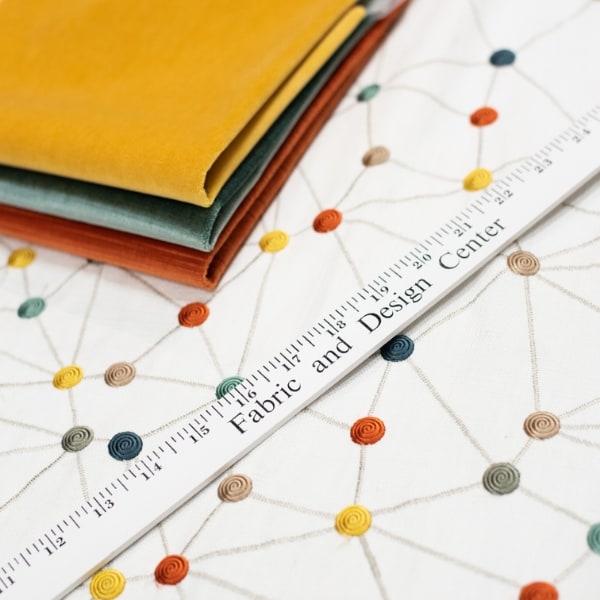




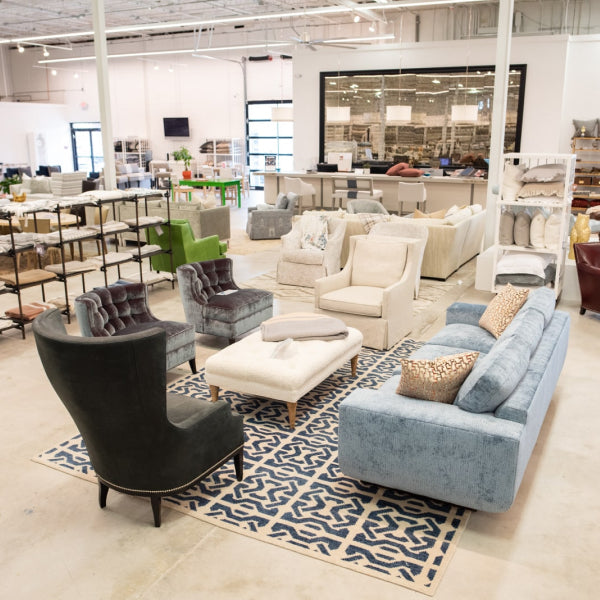

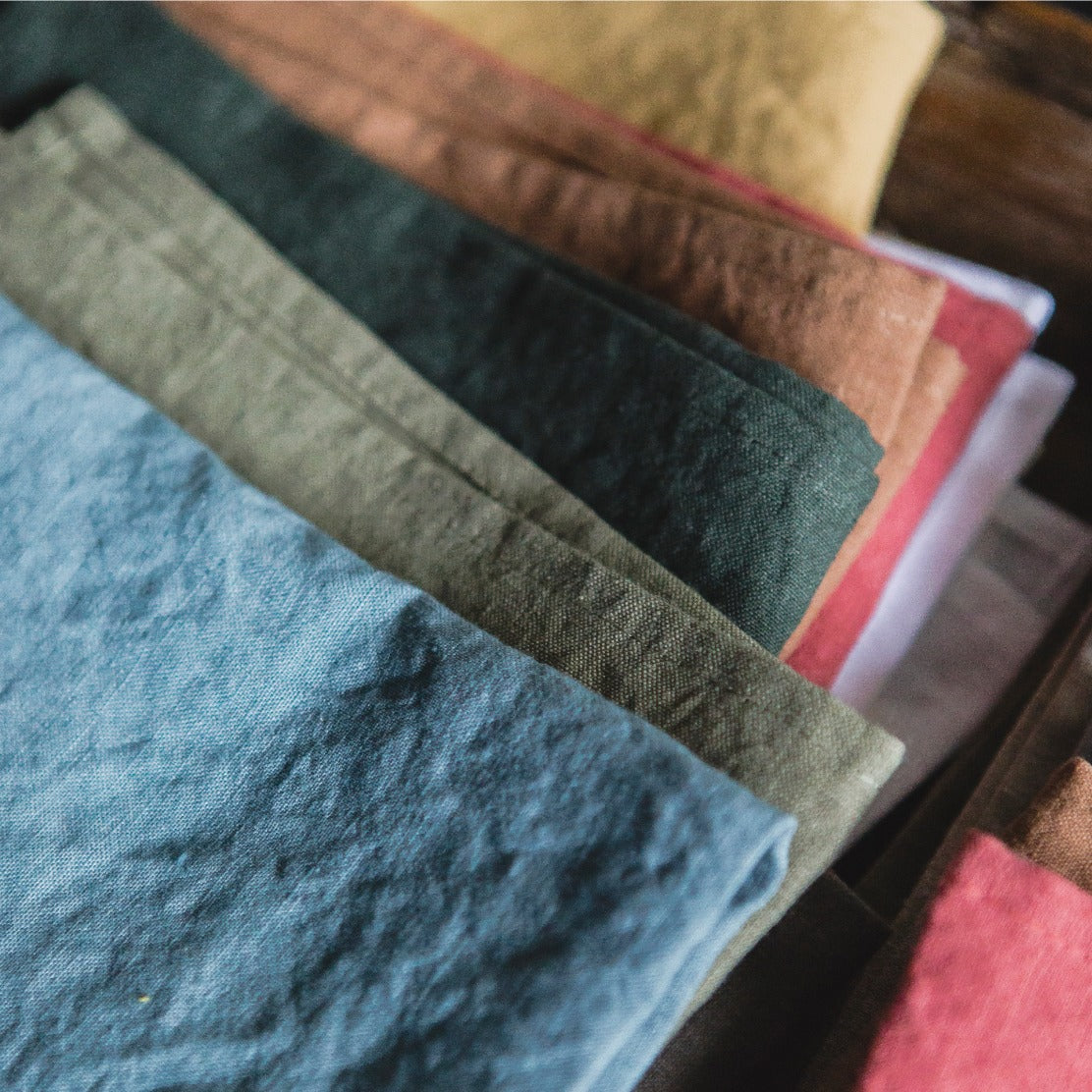

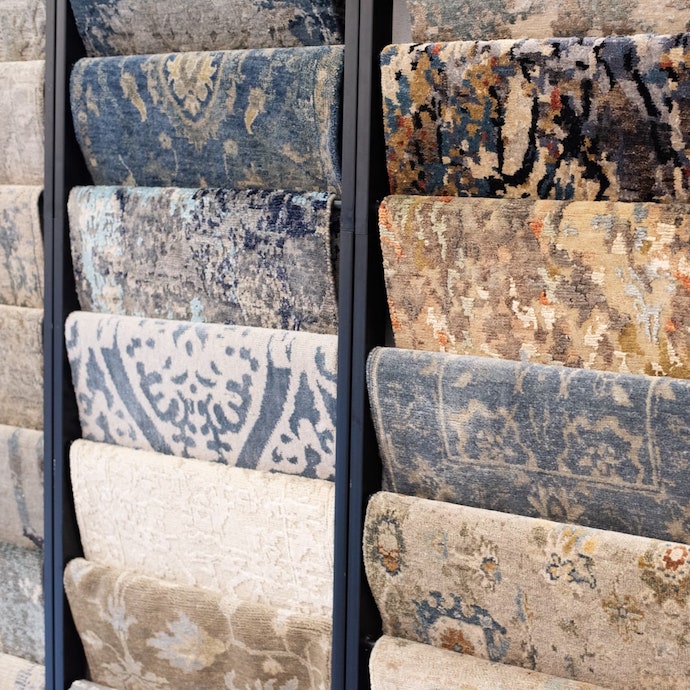
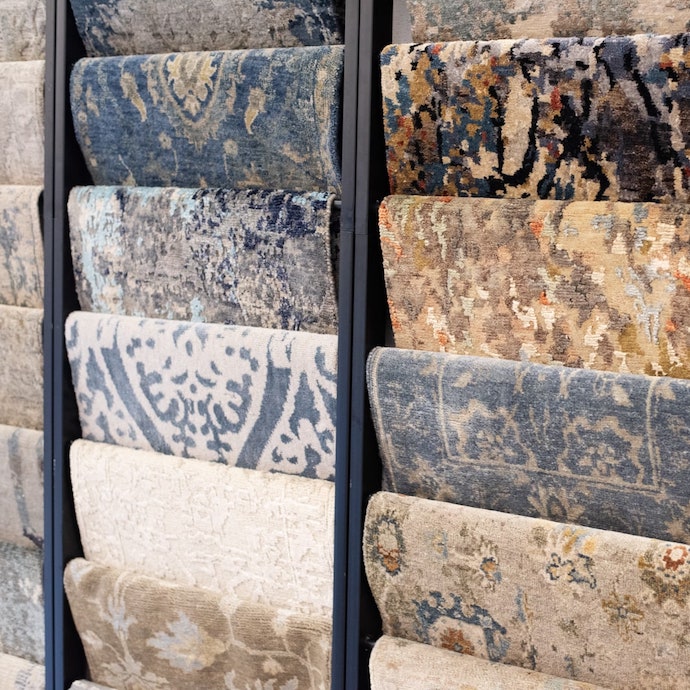
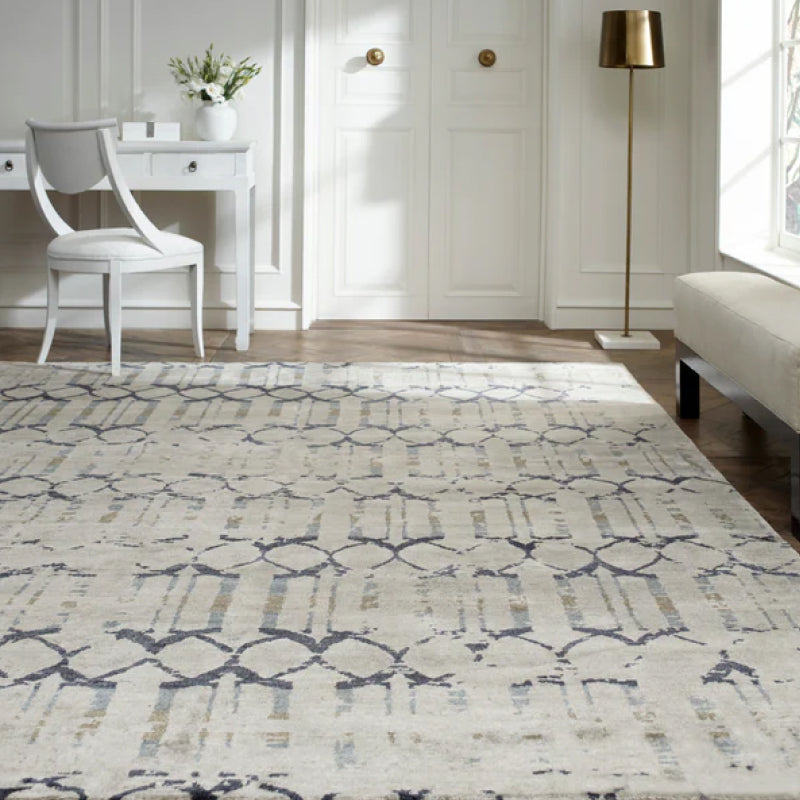
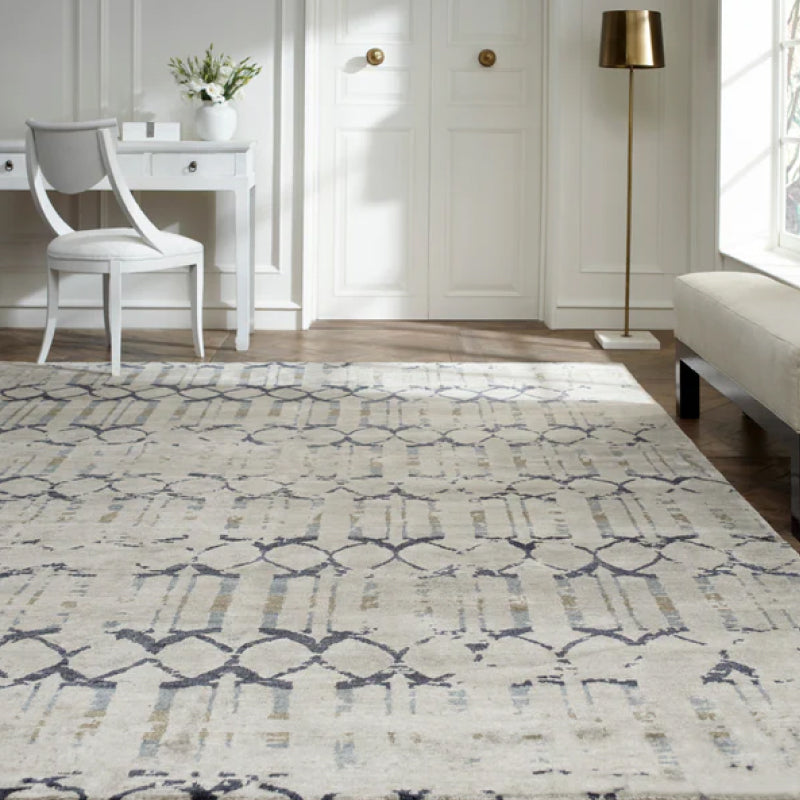
You’re often choosing the visible parts first. The Kravet linen. The Fabricut velvet. The trim, the silhouette, the leg finish, the scale that fits a Buckhead living room or a Roswell family room.
Then the piece arrives, and the true test begins. Not on delivery day, but after long evenings, holiday gatherings, movie nights, and the thousand ordinary moments that turn a sofa from a purchase into part of daily life. That’s where foam proves whether a piece is merely beautiful or built for luxury living.
The Soul of the Sofa The Unseen Core of Luxury Furniture
A client falls in love with a sofa in a showroom because of what they can see. The lines are elegant. The upholstery feels rich. The seat looks precisely shaped and inviting. But the reason that sofa still feels composed years later usually has little to do with the fabric alone.
The hidden core matters more than most buyers realize. Foam determines whether a cushion welcomes you with support or collapses under you. It decides whether a luxury sofa keeps its shape or starts looking rumpled long before the room is ready for a redesign. In custom upholstered furniture, foam is the quiet material doing the hardest work.

I often compare it to tailoring. A fine jacket needs beautiful fabric, yes, but it also needs structure beneath the surface. Without that internal support, the whole garment loses its line. Furniture works the same way. A custom chair can wear exceptional textile, yet still disappoint if the seat core is weak.
That matters even more when a piece has to do double duty. If you're evaluating multifunctional seating, this guide to couches that fold out to beds is useful because it highlights how construction affects comfort when furniture shifts between uses.
Luxury furniture isn't just about what catches the eye. It's about what keeps working after the room has settled into real life.
A well-made frame and spring system are part of the story too. If you want to understand how suspension affects comfort beneath the cushion, 8-way hand-tied furniture construction is another important piece of the puzzle.
For buyers searching for luxury furniture in Atlanta, designer furniture near me, or custom furniture Atlanta, the discussion needs to focus on substance. The upholstery may win your attention. The foam earns your investment.
Decoding Foam Quality Key Technical Attributes
Foam specifications can sound dry until you sit on a sofa for an hour, stand up, and notice whether the cushion still holds its shape. For a luxury buyer, those numbers are not factory jargon. They describe how a piece will live in your home, how it will age, and whether it will still feel refined a few years into daily use.
Density means how much material is inside
Density measures how much foam material is packed into a cubic foot. A cushion with more material usually holds its shape longer and resists premature breakdown better than one with less material.
A simple comparison helps here. Cake flour and bread flour can fill the same bowl, yet they behave very differently once baked. Foam works in a similar way. Two cushions may look equally full on a showroom floor, but the denser one usually has more staying power beneath the fabric.
For upholstery-grade polyurethane foam, a density above 1.8 lbs/ft³ is widely considered a stronger starting point for seating that sees regular use, as explained in The Foam Factory’s guide to density and ILD.
Buyers often confuse density with firmness. Density speaks to durability and substance. A dense cushion can still feel plush if the firmness is calibrated that way.

ILD tells you how firm the seat feels
ILD, short for Indentation Load Deflection, measures how much force it takes to compress the foam. This is the specification that shapes the first impression when you sit down.
Density is the amount of material in the cushion. ILD is the cushion’s resistance. That distinction matters. A sofa can use high-quality foam and still feel soft, supportive, or quite customized depending on the ILD selected.
For custom furniture in Atlanta, this is often the difference between a casual media-room sectional and a formal living room sofa with a more poised sit. The room may call for softness. The client may need support. ILD helps match the cushion to both.
A practical guide:
- Lower ILD: Softer initial feel, easier compression, often used for a more relaxed sit
- Higher ILD: Firmer response, more pushback, often better for upright seating
- Moderate ILD: A balanced feel that many luxury buyers prefer for everyday comfort and cleaner seat definition
Resilience is the cushion’s recovery
Resilience refers to how well foam springs back after weight is removed. In high-end upholstery, that recovery affects more than comfort. It affects appearance.
A cushion with good resilience returns to form more cleanly after someone stands up. The seat looks smoother. The profile stays sharper. The furniture keeps the crisp lines that made it attractive in the first place.
That is especially important in custom pieces with disciplined silhouettes. In a well-designed Atlanta home, a sofa should not look tired long before the textiles or frame show age.
Comparing upholstery foam types
| Foam Type | Density (lbs/ft³) | Feel & Use Case | Typical Lifespan |
|---|---|---|---|
| Commercial Grade Polyurethane | 1.2 | Light, inexpensive foam often used in budget furniture | Shorter service life |
| High Density Foam | 1.8 | Better everyday support for standard upholstery applications | Longer-lasting than low-density foam |
| High Resilience Foam | 3.0 | Responsive, supportive foam often chosen for premium seating | Long service life |
| Memory Foam | 3.2 | Contouring feel, often used as a layer rather than the full seat core | Long service life in the right construction |
Industry references from Sleep Foundation’s foam mattress guide also distinguish density from feel, noting that higher-density foams generally last longer while firmness is a separate characteristic.
Practical rule: Ask for both density and ILD. Density tells you how well the cushion is likely to wear. ILD tells you how the seat is likely to feel.
How Foam Quality Shapes Comfort Durability and Appearance
You sink into a beautiful sofa in a Buckhead living room. The fabric is exquisite. The lines are precise. Then, five minutes later, you start shifting to get comfortable, and when you stand up, the cushion still carries the shape of your body. That moment tells you a great deal about what is inside.
Foam quality shows up in the lived experience of furniture. You feel it in how the seat supports your hips and back. You see it in how the cushion keeps its shape. Over time, you notice it in whether the sofa still looks appropriate for a polished Atlanta home or begins to look worn long before it should.

Comfort that feels balanced
The best seat cushion has controlled give. It yields enough to feel welcoming, then supports enough to keep you comfortably upright. Density helps the cushion hold up over repeated use. ILD helps determine how much initial resistance you feel when you sit down. Together, they shape whether a sofa feels plush, supportive, or unsteady.
A helpful comparison is footwear. A luxury shoe can have a soft lining, but if the sole collapses under weight, comfort disappears quickly. Sofa foam works the same way. Surface softness matters, but underlying support decides whether you can enjoy a long conversation, a full movie, or an evening of entertaining without constantly adjusting your posture.
Pressure relief matters here too. The team at The Foam Factory explains how foam softness and firmness affect support and pressure distribution. In seating, that translates to fewer pressure points and a more settled, composed sit.
In practical terms, better foam helps a custom sofa feel inviting for hours, not just for the first few seconds in a showroom.
Durability that protects the investment
High-end furniture should mature well. The frame, textile, and silhouette are expected to last, and the cushion core has to keep pace with them.
Foam with better material quality resists premature compression set, which means it is less likely to stay flattened after repeated use. Analysts at Amino’s review of foam quality testing describe rebound and fatigue testing because those measures help predict how a cushion will perform after years of sitting, standing, and daily pressure.
That matters in real homes. One seat is always used more than the others. A lower-grade foam core weakens in that favorite spot first, and the whole sofa starts to feel uneven. A better core keeps the experience more consistent across the piece and over time.
If you are already seeing early sinkage, our guide to fixing sagging sofa cushions explains what can be corrected and when the foam itself is the underlying issue.
Appearance that keeps furniture looking tailored
Luxury furniture is judged with the eye before it is judged with the body. Foam plays a large role in that first impression because it gives the upholstery its shape from underneath.
Good foam works like the structured lining inside a finely made jacket. It supports the outer material so the form stays clean. On a sofa or chair, that means smoother seat decks, fuller crowns, straighter welts, and sharper edges. Those details are what make custom furniture look crisp rather than casually overstuffed or tired.
Poor foam changes the silhouette slowly. The center of a bench cushion starts dipping. Corners soften. Fabric begins to wrinkle because the fill is no longer holding the cover properly. In a refined Atlanta interior, especially one with disciplined modern lines or formal symmetry, that visual drift stands out quickly.
This is why density and ILD are not abstract factory numbers. In luxury seating, they influence how a room feels to live in, how a sofa supports the body, and how well the piece continues to look custom-made year after year.
The Telltale Signs of Poor Quality Foam
A sofa can look beautiful on delivery and still have a weak core. In many Atlanta homes, that disappointment shows up a few months later. The seat that first felt soft and inviting now feels shallow, uneven, or strangely tired.
You can often spot the issue before you ever see the inside of the cushion. Poor foam leaves a pattern. Once you know that pattern, you can judge a piece with a much more trained eye.
What failure looks like in real life
Start with your hand, then your eye, then your seat.
Lift the cushion. If it feels unusually light for its size, that can point to lower-density foam. Press the surface with your palm. Good foam pushes back with quiet confidence and recovers its shape cleanly. Lower-quality foam often compresses too easily and rebounds more slowly, like a worn hotel pillow that never quite looks fresh again.
Then sit down and pay attention to the descent. A luxury cushion should welcome you, then hold you. If you drop quickly and feel the support layer too soon, the foam is not doing enough of the work.
Common warning signs include:
- Body impressions that linger: the cushion shows your shape long after you stand up.
- Bottoming out: you feel the deck or support beneath the cushion instead of a stable, cushioned seat.
- Loose or wrinkled upholstery: the cover no longer has a full, fitted form underneath.
- Uneven comfort across the sofa: one seat starts feeling lower or softer than the rest.
- A flattened crown: the cushion loses the gentle lift that gives custom furniture its polished silhouette.
These changes are not only about comfort. They affect how the entire piece reads in a room. On a custom sofa in Buckhead or a pair of custom chairs in a refined Roswell sitting room, softened edges and sunken seats can make expensive furniture look far less distinguished than it should.
What the density numbers are really telling you
Density and ILD help explain why two cushions that feel similar on day one can age very differently.
Density is the amount of material packed into the foam. More material usually means the cushion has a better chance of holding its structure through years of daily use. ILD measures how firm the foam feels when compressed. If density is like the quality of the cake itself, ILD is how much resistance you feel when you press the top. You need both. A cushion can feel soft at first but still wear out early if the foam core lacks substance.
That is why visual wear often traces back to the insert, not the fabric. If a sofa looks rumpled even though the textile still appears sound, the foam is often the underlying issue. Homeowners planning reupholstery often discover this after the fact. Our guide to fixing sagging sofa cushions explains when reshaping can help and when replacing the foam makes more sense.
Poor foam strips away the qualities buyers expect from luxury furniture. Better foam preserves comfort, keeps lines cleaner, and helps a custom piece continue looking worthy of its room.
Cost Versus Value Why Premium Foam is the Wiser Investment
A sofa that looks beautiful on delivery day can become an expensive disappointment by the second or third year. In many Atlanta homes, that lesson shows up slowly. The seat loses its shape, the front rail starts to look tired, and the room no longer feels as polished as it did when the piece first arrived.
That is the difference between cost and value.
Lower-grade foam often lowers the purchase price, but it also shortens the period when the furniture feels worthy of the room around it. Premium foam asks for more upfront because it is built to hold its shape, support the body more consistently, and protect the refined look that makes custom furniture feel luxurious in the first place.
Lower price, shorter satisfaction window
Buyers often experience foam in a brief showroom sit. Ownership is different. A sofa in an active Buckhead family room or a custom banquette in Alpharetta gets compressed day after day, by different body types, in the same favorite spots. If the foam core is weak, the cushion starts aging long before the fabric does.
That changes the math. A less expensive sofa that needs cushion replacement early, or never feels quite right after a year of use, can cost more in the long run than a better-built piece that keeps performing.
And performance matters in luxury interiors. High-end furniture is not only purchased for a place to sit. It is chosen to keep a room feeling composed, intentional, and well cared for.
Value lives in the daily experience
Premium foam earns its keep in small, repeated moments. Morning coffee feels supported instead of slouchy. A long conversation does not end with everyone shifting around to find a better position. The sofa still looks crisp when guests walk in.
That is why foam should be considered part of the living experience, not just a hidden insert. Density and ILD are technical numbers, but in practice they shape how a piece welcomes the body and how gracefully it ages. For a luxury buyer, those are not minor details. They are part of what makes custom furniture feel custom.
If you want to understand how the inside of a cushion affects the finished piece, our guide to how to make a couch cushion gives a clear look at the layers and decisions involved.
Premium foam protects more than comfort
It protects the investment around the foam as well.
A custom sofa includes fabric, labor, frame construction, and design time. When the insert fails early, the whole piece suffers. Even a beautiful textile can look less refined once the seat begins to dip or the cushion loses its clean crown. For clients furnishing luxury sofas in Buckhead, high-end furniture in Atlanta, or custom upholstered furniture in Alpharetta, that is usually the wrong place to economize.
Premium foam helps preserve:
- Your comfort: Support stays more consistent through daily use.
- Your appearance standards: Cushions keep a cleaner, more defined shape.
- Your budget over time: Replacement and rework are less likely to arrive early.
- Your design intent: The furniture continues to suit the room it was selected for.
A well-made cushion works like the foundation under a fine home. You do not admire it first, but you feel the result every day.
A Designer's Guide to Selecting the Right Foam
The right foam depends on how the piece will be used. A formal sofa, a family sectional, a dining seat, and a custom bench should not all be specified the same way.
That’s where buyers get tripped up. They ask for “soft” or “firm,” but those words don’t tell a workroom enough. Better questions lead to better furniture.

Match the foam to the room
A deep lounge sectional in a media room usually calls for a different sit than a structured sofa in a formal living room.
Use this approach when evaluating custom furniture Atlanta projects:
- For seat cushions in everyday-use sofas: Ask for high-density foam with enough resilience to hold shape under repeated use.
- For a more formal perch: Choose a firmer ILD so the seat stays upright and easier to exit.
- For back cushions: Consider comfort and recovery differently than seat support. Back cushions often need softness, but they still shouldn’t collapse.
- For dining chairs or banquettes: Support matters more than sink-in softness because people sit more upright.
- For benches and window seats: Prioritize shape retention so the cushion keeps a clean line.
Ask better showroom questions
When you’re shopping for luxury home furnishings in Atlanta, Buckhead, or Sandy Springs, ask direct questions.
- What is the foam density? This helps you judge substance and longevity.
- What is the ILD or firmness rating? This helps you understand the sit.
- Is the foam high resilience? That matters for recovery and shape retention.
- How is the seat built overall? Foam works with the suspension and cushion wrap, not in isolation.
- Can the cushion be customized? In designer furniture, it often can.
Ask for the cushion specification in writing. If a seller talks only about softness and never about density or construction, you still don't know enough.
Don’t ignore indoor air quality
Health-conscious buyers also want to know what’s inside the cushion from a materials standpoint.
For eco-conscious homeowners, CertiPUR-US certified high-density foams are important because they’re made without formaldehyde, heavy metals, or PBDEs, and they have low VOC emissions, according to Michael Alan Outlet’s discussion of high-quality foam and long-term health.
That’s especially relevant in homes where furniture is used daily and in close contact with children, pets, or anyone sensitive to indoor air quality.
Use customization wisely
If you’re reworking an existing sofa or commissioning a new one, details matter. A workroom can often tailor the cushion build to how you live. That may mean a firmer seat for posture, a softer back for lounging, or upgraded foam for a heavily used sectional. For homeowners comparing options, how to make a couch cushion gives helpful context on what goes into cushion construction.
This is also where a showroom like Lewis and Sheron Textiles fits into the process. It offers custom furnishings, reupholstery, and design support, which gives buyers a place to compare textiles, seat feels, and construction options in one setting.
Achieve Enduring Quality with Lewis and Sheron Textiles
Luxury furniture should reward close inspection. The fabric should be beautiful. The tailoring should be crisp. The scale should feel right for the room. But the lasting satisfaction comes from what sits underneath all of that.
Foam is one of the clearest markers of whether a piece is built for real longevity or only for a good first impression. It shapes how a sofa sits, how a chair recovers, and how well a sectional maintains its presence in the room. For buyers furnishing homes in Atlanta, Buckhead, Alpharetta, Roswell, and Sandy Springs, that hidden layer deserves as much attention as the textile on the outside.
The strongest results usually come from asking better questions before you buy. What’s inside the cushion. How dense the foam is. Whether the seat is built for formal use, everyday lounging, or a room that sees constant family traffic. Those decisions separate high-quality couches from furniture that merely photographs well.
Good furniture doesn’t ask to be replaced quickly. It settles into the home, keeps its comfort, and continues to look intentional. That’s the standard people usually mean when they talk about heirloom-quality furniture, premium sectionals, and designer furniture worth the investment.
If you’re choosing custom upholstered furniture or evaluating a reupholstery project, Lewis and Sheron Textiles can help you compare materials, construction options, and cushion choices with a clearer eye. Visit the Design Center to explore luxury home furnishings, textiles, and made-to-order upholstery with guidance grounded in how furniture should look, feel, and last.