














You’re often standing in the same room where holidays happen, where friends linger after dinner, and where family stories get repeated. Yet the seating doesn’t match the house, the table, or the way you live. Maybe the chairs are too small for the table. Maybe the room looks finished in photos but feels awkward once everyone sits down. Maybe you have a pair of inherited host chairs you love, but nothing else in the room belongs with them.
That’s usually the moment custom dining seating starts to make sense.
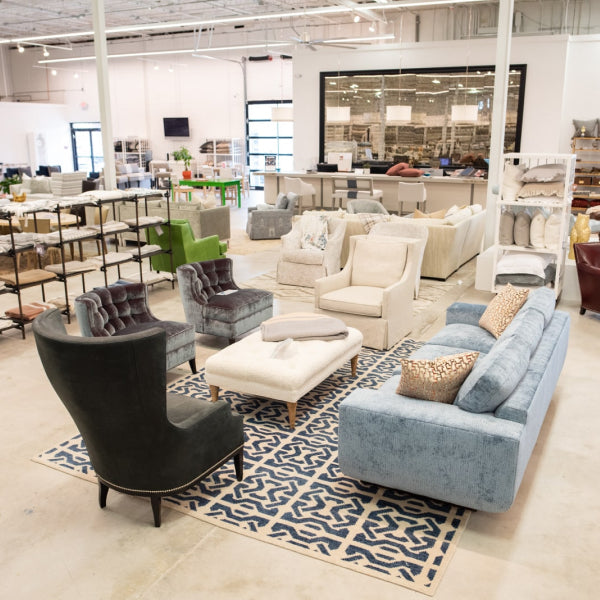
Mass-produced dining furniture can solve a short-term need, but it rarely solves the whole room. In high-end homes across Atlanta, Buckhead, Alpharetta, Roswell, and Sandy Springs, the challenge isn’t finding a chair. It’s creating a seating plan that fits the room precisely, supports the way you host, and looks intentional from every angle. That’s where custom upholstered furniture earns its place. You get the right scale, the right comfort, the right materials, and a result that doesn’t look like it came from a showroom floor set.
A strong custom piece begins before fabric is chosen. It starts with proportion, use, and a clear design direction. Even a simple product design sketch helps homeowners understand how bespoke furniture moves from idea to build, especially when details like seat pitch, arm shape, and base style matter.
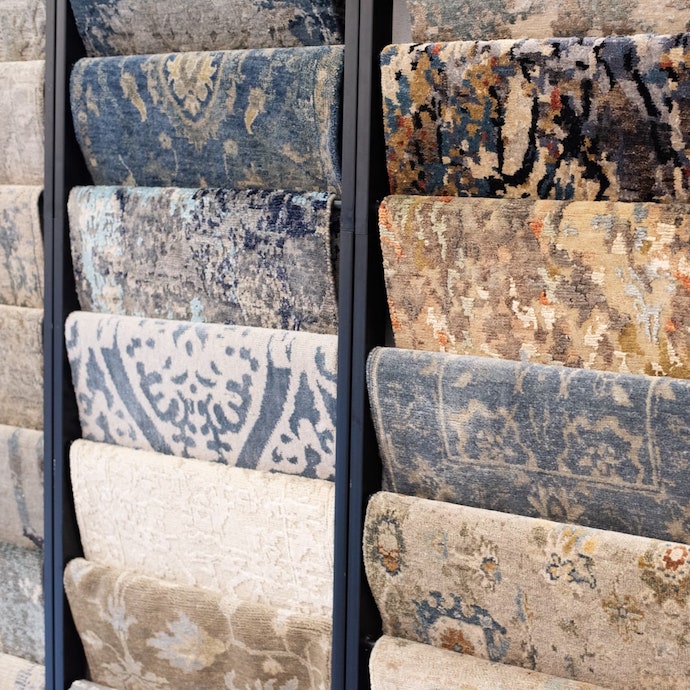
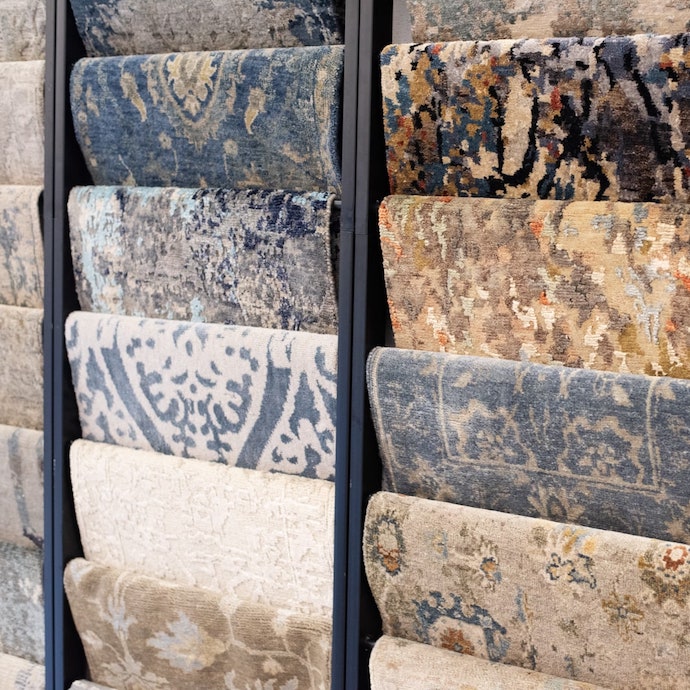
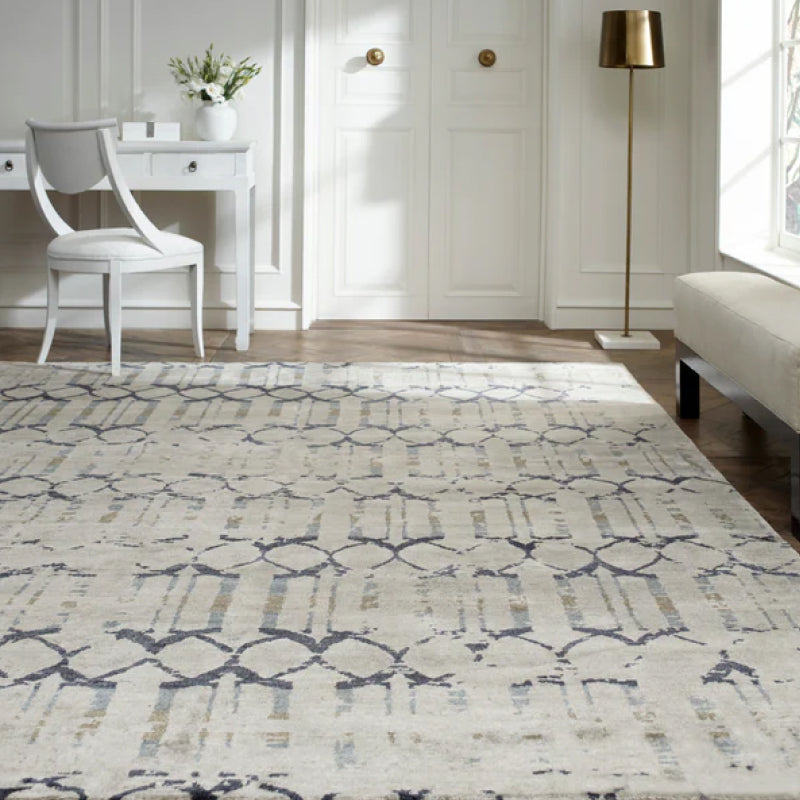
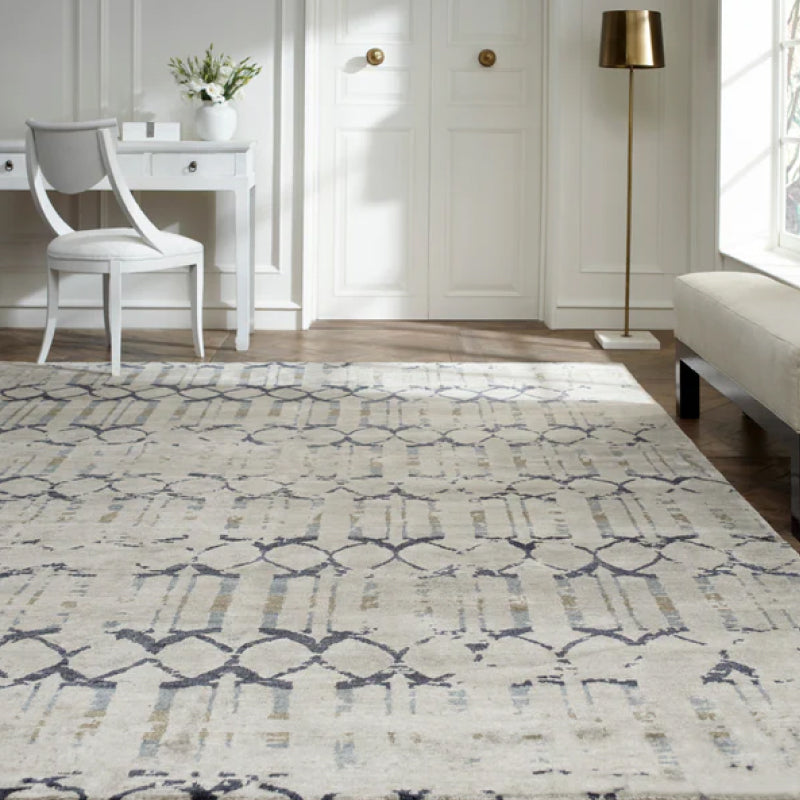
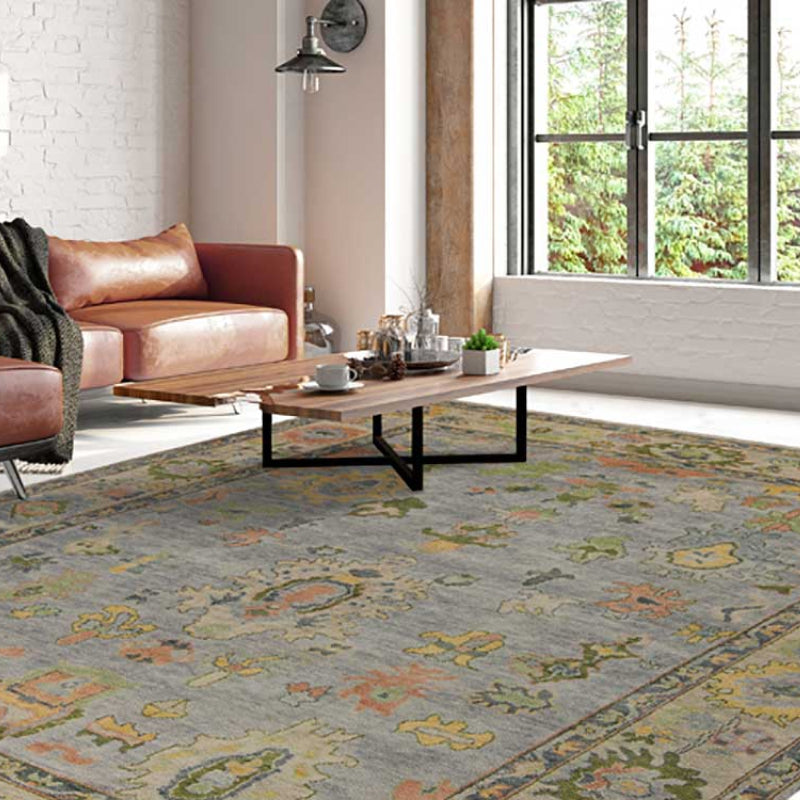
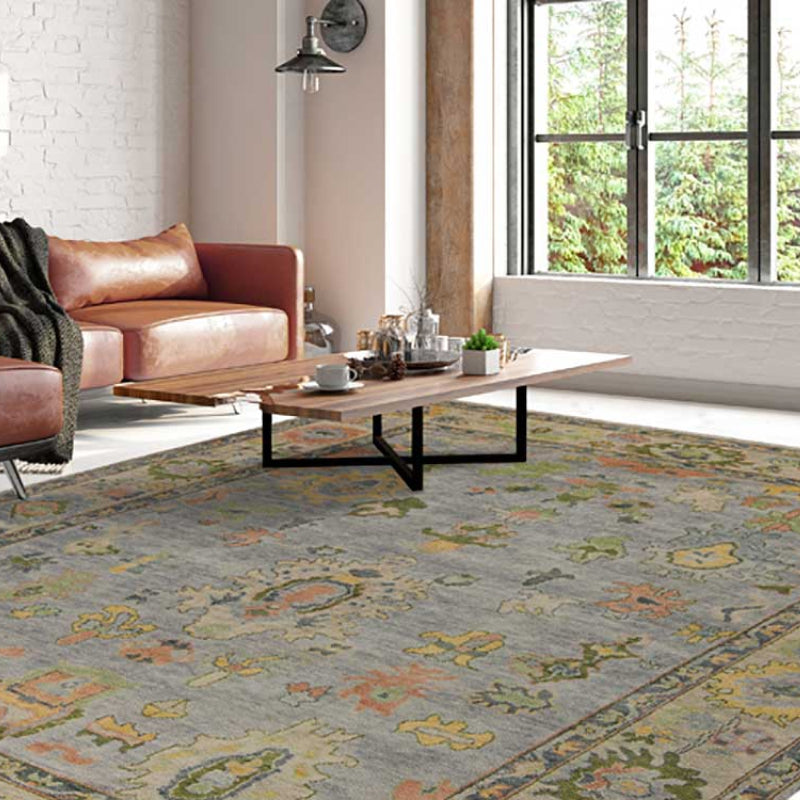
The dining room also doesn’t exist in isolation. Seating has to relate to the rug, table finish, lighting, and circulation around the room. If you’re still refining the broader scheme, this guide on how to choose a rug for a dining room is a useful companion because the rug size often influences chair movement more than clients expect.
Envisioning Your Perfect Dining Experience
The best dining rooms don’t start with a furniture catalog. They start with a few practical questions. Who eats here most days? How long do people stay seated? Do you host formal dinners, relaxed family meals, or both? A custom commission works when the answers shape the piece from the start.
In affluent homes, dining seating usually has to do more than one job. It needs to read as designer furniture when the room is empty, feel comfortable through a long meal, and hold up to regular use without looking tired too quickly. That combination is harder to get from mass-market pieces because those lines are built for broad appeal, not your table height, room proportions, or household habits.
Start with how the room should feel
Some clients want a room that feels bespoke and architectural. Others want softness and ease. Both can be beautiful, but they lead to very different seating decisions.
A few examples make the difference clear:
- For frequent entertaining: Upholstered side chairs with a slightly more formal silhouette often suit a room where the table is used for dinner parties and holiday meals.
- For family-heavy use: A banquette or bench can make daily meals easier and less precious, especially when children or extra guests are part of the routine.
- For collected interiors: Reupholstered heirloom host chairs paired with new custom side seating usually create a more personal result than buying an entire matching set.
Practical rule: If the room already has one memorable element, such as an antique table or inherited chairs, let the new seating support it rather than compete with it.
Custom should solve a problem, not just add options
The most successful custom furniture projects answer a specific need. Sometimes that’s comfort. Sometimes it’s scale. Sometimes it’s the ability to integrate old and new without the room feeling patched together.
That’s why heirloom-quality furniture matters in the dining room. These are hard-working pieces. Guests drag them, children lean on them, and they’re visible in a room where details are easy to judge. A custom piece should earn its keep for years, not just look good for one season.
Planning Your Layout with Precision
A dining room can look perfectly proportioned on paper and still feel frustrating the first time eight people sit down. I see that often with first custom commissions in Buckhead and Alpharetta. The table fits, the chairs are beautiful, and no one can pass behind a seated guest without turning sideways.
Good layout work prevents that.
The baseline measurements are simple. The National Kitchen & Bath Association recommends 36 inches of clearance between the table edge and wall where no one needs to pass behind diners, and 44 inches where traffic continues through the room. Standard dining ergonomics also call for enough table edge per person and a workable relationship between table height and seat height, as outlined in this dining table seating guide.

Measure the room the way a designer does
Start with the architecture, not the wish list.
I measure the full room first, then everything that interrupts it: door swings, window trim, radiators, floor vents, fireplaces, casing depth, and the projection of any sideboard or built-in. In many Atlanta homes, the dining area also borrows space from another zone, so traffic paths matter as much as wall dimensions. A room may be generous overall and still have one tight side that determines the whole plan.
Three reference points help settle the layout early:
- The true usable footprint: The area left after accounting for openings, trim, and circulation.
- The visual anchor: Chandelier, window alignment, fireplace, or rug placement.
- The fixed furniture relationship: Sideboards, existing casegoods, and any inherited pieces you plan to keep.
That last point gets overlooked. If the room includes your grandmother’s buffet or a table with sentimental value, the new seating has to respect those dimensions and sightlines. The best custom work often starts by accommodating the heirloom instead of replacing it.
Start from clearance, then size the table
Clients usually ask how many seats they can get into the room. I prefer to solve for comfort first, capacity second.
Set the perimeter clearance. Then place the table. Then confirm the chair footprint and seat count. That order avoids one of the costliest mistakes in custom furniture: commissioning chairs that technically fit under the table but crowd the room once someone is sitting in them.
A few practical realities matter here:
- Upholstered arms add width fast: They can be worth it at the heads of the table, but they often reduce flexibility on the sides.
- Deep backs need more pull-out room: A chair with a generous silhouette may require more clearance than the room can spare.
- Pedestal and trestle bases help: They give more freedom for mixed seating and easier entry.
- Banquettes recover space: Along a wall, they can solve a tight clearance problem that individual chairs cannot.
I also advise clients to plan for ordinary days, not just Thanksgiving. If a room only feels comfortable when every chair is pushed in with precision, the layout is too tight.
Account for circulation, not just symmetry
A formal dining room with doors that stay closed allows a different seating plan than an open breakfast area between the kitchen and terrace. In the second case, circulation usually decides the seating style.
For example, if one side of the table sits near a main walkway, a banquette on that side often performs better than a row of chairs because it keeps the aisle stable. If the room is more enclosed, individual chairs can create a more balanced, ceremonial arrangement. Homes with adjacent millwork often benefit from coordinating the seating plan with custom cabinetry solutions so drawers, doors, and chair backs do not compete for the same space.
Symmetry still matters. Function matters more.
Sketch the room before you approve a frame
A scaled sketch catches problems early, before a workroom builds anything. I mark the table, chair footprint, rug size, chandelier centerline, and the pull-back zone for each seat. That simple exercise usually reveals whether a host chair will hit the drapery stack, whether a bench leaves enough knee room, or whether the heirloom sideboard suddenly feels oversized once the table is centered.
Painter's tape helps too. Mark the proposed footprint on the floor. Borrow a chair from another room and test the movement. Sit down, stand up, and walk behind it.
That five-minute test saves expensive revisions later.
Exploring Custom Dining Seating Styles
Every seating type changes the room’s character. A banquette can make a dining area feel custom-fit and architectural. A bench can relax the room. Individual chairs can raise the formality level or soften it, depending on the upholstery and frame.
That’s why I don’t treat these as interchangeable versions of the same idea. They solve different problems.

Banquettes
A custom banquette works well when the room has an underused wall, a breakfast-area corner, or a niche that standard furniture can’t address cleanly. In a Roswell townhome or a Buckhead breakfast room, this often increases seating capacity without filling the room with extra chair legs and backs.
Banquettes also create a strong built-in look, even when they’re technically freestanding pieces. That said, they aren’t ideal for every home. Getting in and out is less graceful than with individual chairs, and the comfort depends heavily on seat depth, back pitch, and cushion firmness. A banquette that looks elegant but holds your body too upright becomes decorative very quickly.
Benches
Benches are the most casual option in the group. They can feel fresh and uncomplicated, especially with long tables or homes that blend classic architecture with a more relaxed interior.
They work best when flexibility matters. You can squeeze in extra guests, move them elsewhere, or tuck them under the table more easily than a row of chairs. The limitation is support. For long dinners, a backless bench is rarely the most comfortable choice unless there’s a wall behind it and a properly designed cushion.
Individual chairs
Custom dining chairs offer the most control. You can tune seat width, back shape, arm profile, leg finish, and upholstery details with precision. They’re also the easiest category to adapt to changing needs over time.
For a formal dining room, individual chairs usually deliver the most polished result. They also pair well with heirloom pieces. If a client owns antique host chairs, I can design custom side chairs that borrow one visual cue, such as finish tone, back line, or trim detail, without directly replicating the antiques.
For adjacent millwork, a room often feels most resolved when the seating relates to nearby built-ins or paneling. In those situations, studying examples of custom cabinetry solutions can help clients understand how furniture, wall detailing, and storage should speak the same language.
Comparison of Custom Dining Seating Options
| Seating Type | Best For | Space Efficiency | Comfort Level | Style Versatility |
|---|---|---|---|---|
| Banquette | Corners, niches, family-friendly dining zones, rooms needing tailored built-in character | High | High when dimensions are customized well | Moderate to high |
| Bench | Casual dining, flexible guest seating, long rectangular tables | High | Moderate | Moderate |
| Individual chairs | Formal dining rooms, mixed seating plans, heirloom integration, refined entertaining | Moderate | High | High |
Choose the seating style that fits the room in motion, not just the room when it’s photographed.
What usually works best
In most luxury homes, the strongest result is mixed seating. A pair of more expressive host chairs, simpler side chairs, or a banquette combined with movable end seating often gives a room more depth than six or eight identical pieces.
What tends not to work is forcing symmetry where the architecture doesn’t support it. If one side of the room has a wall and the other opens to circulation, the seating plan should acknowledge that.
The Art of Selecting Fabrics and Finishes
Making custom dining seating ordinary or memorable depends on specific choices. The silhouette matters, but materials carry the piece. Fabric affects comfort, maintenance, light reflection, and how formal the room feels. The finish on the legs or base determines whether the chair feels integrated with the table or imported from another room.
In luxury interiors, material choices should do two jobs at once. They should look refined on day one and still make sense after repeated use. That’s the line between designer quality and furniture that reads expensive.

Fabric should match the room’s real use
For daily dining, performance matters. For occasional formal use, you have more freedom to lean into texture and nuance.
Here’s how I guide fabric selection:
- Performance fabrics: These are often the safest choice for family dining rooms, open-plan homes, and clients who entertain often. They help reduce stress around spills and frequent use.
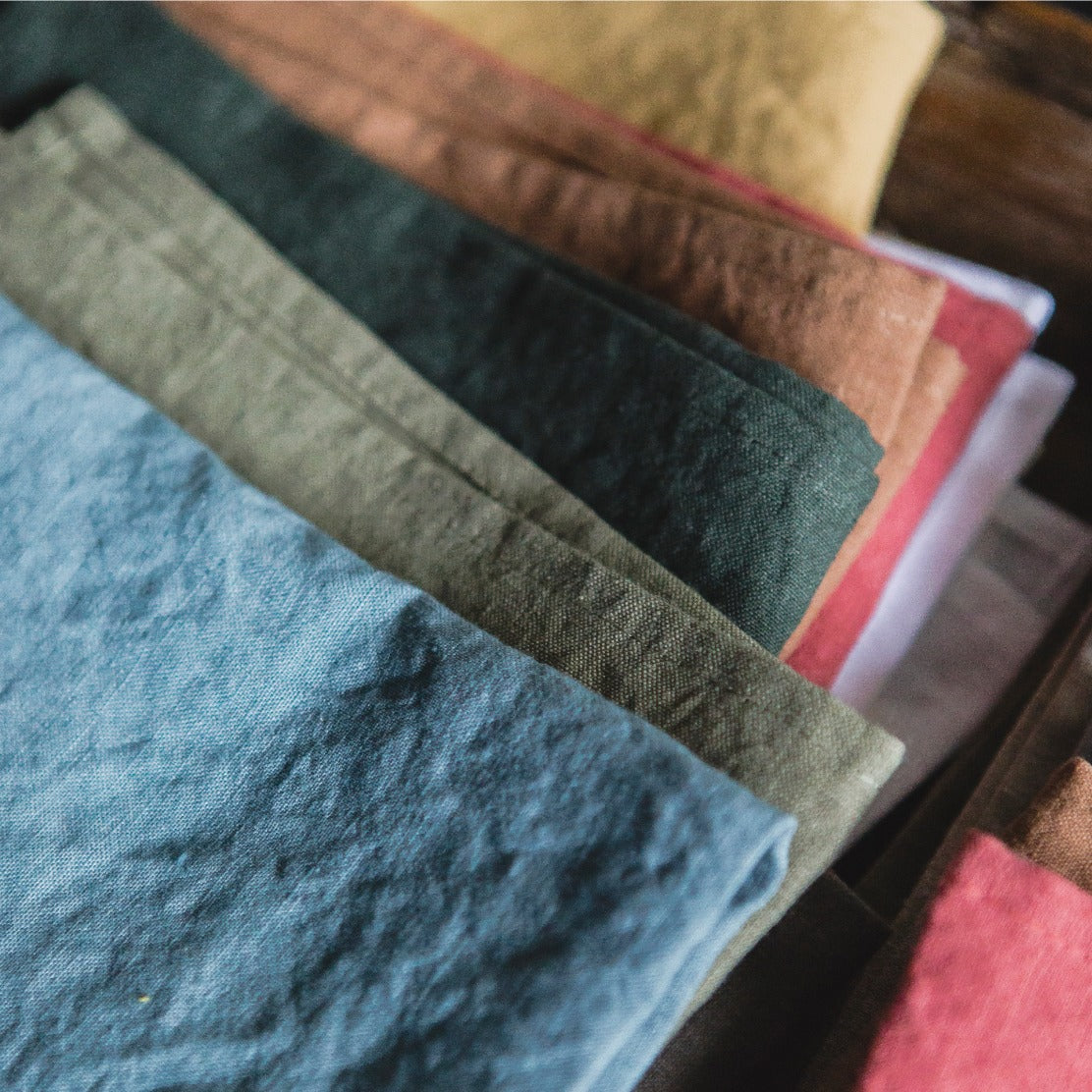
- Belgian linen: Linen gives a room an easy elegance that’s hard to fake. It’s beautiful on host chairs or lower-traffic dining spaces, but it needs the right client and the right expectation.
- Velvets and textured wovens: These create depth and formality, especially in richer dining rooms with layered lighting and darker finishes.
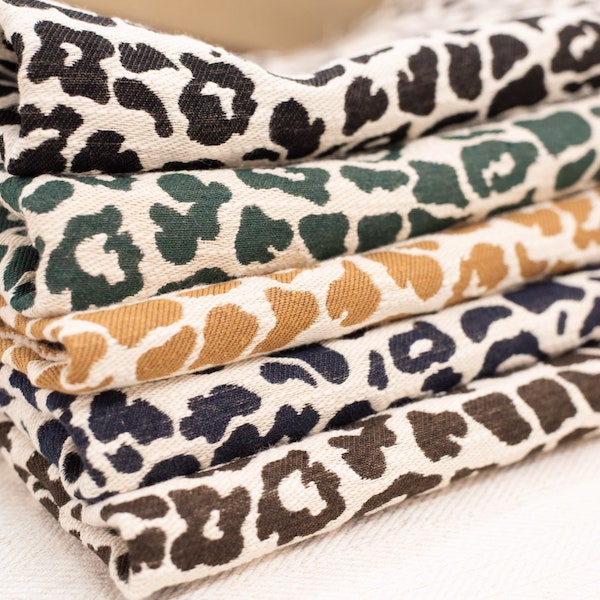
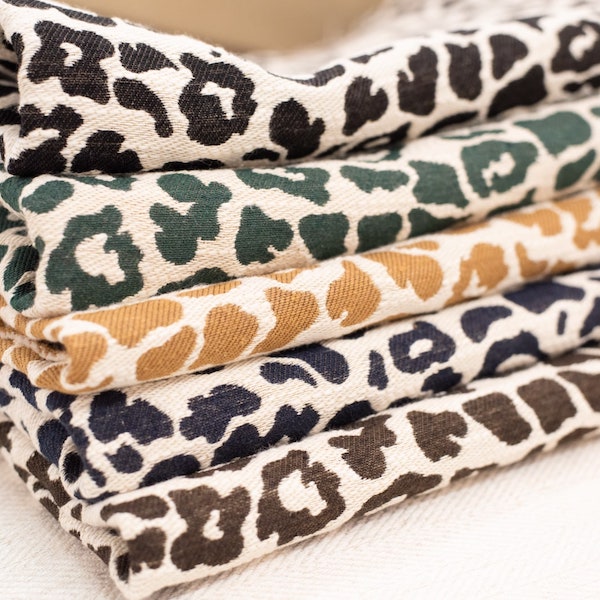
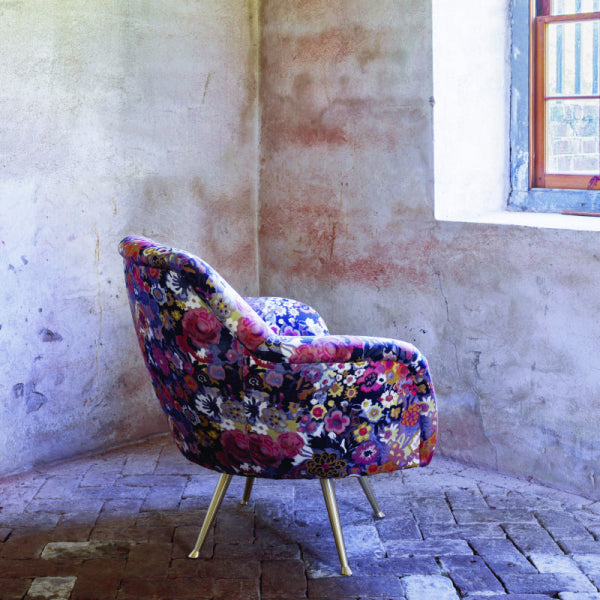
- Patterned upholstery: A controlled pattern can disguise wear and add individuality, but scale matters. A pattern that’s too busy can fight the table and rug.
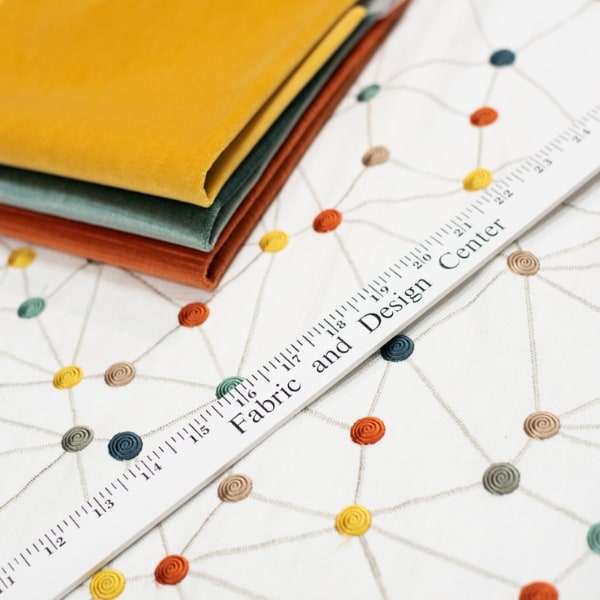
For a closer look at practical fabric trade-offs, this guide to the best fabric for dining room chairs is useful, especially if you’re deciding between elegance and durability rather than trying to maximize one at the expense of the other.
Luxury comfort is spatial as well as material
Even the finest upholstery looks diminished in a cramped room. Commercial design standards are useful here because they clarify what an uncrowded experience requires. For a more generous, high-end feel, design standards recommend 18 to 20 square feet per diner, as noted in this table and seating size guide.
That standard matters because premium seating isn’t only about the chair itself. It’s about giving the chair enough room to be appreciated. Rich fabrics, shaped backs, and substantial frames all need visual breathing room.
A dining chair can be beautifully made and still feel wrong if the room doesn’t let it sit properly.
Don’t ignore what’s under the upholstery
Clients often focus on fabric memos and overlook construction. In practice, the hidden decisions determine whether a chair still feels supportive years later.
Ask about these details:
- Frame construction: Hardwood frames and well-executed joinery usually hold up better than lighter construction that loosens over time.
- Seat support: The support system beneath the cushion affects comfort and recovery after use.
- Cushion specification: A very soft dining seat may feel pleasant for a moment but can become tiring through a long meal if it lacks support.
- Trim and welting: These are small details, but they sharpen the silhouette and make a piece feel finished.
Finishes should belong to the room
Wood tone is where many custom dining commissions go off track. A chair leg doesn’t need to match the table exactly, but it does need to relate to it. If the tones are too close without being intentional, the result looks mismatched rather than layered.
I usually recommend thinking in terms of harmony instead of duplication:
- pull from the table undertone rather than its exact stain
- repeat a metal finish that already appears in lighting or hardware
- use contrast carefully, especially when the table is itself a statement piece
For buyers considering custom furniture Atlanta options, this material stage is where value becomes visible. A well-made frame, thoughtful upholstery, and the right finish palette create the kind of seating that still belongs in the room years from now.
Navigating the Custom and Reupholstery Process
A Buckhead client often starts in one of two places. The dining room is finished except for seating, or the room already holds a table or host chairs the family wants to keep. The second case requires more design discipline, especially when a cherished heirloom needs to sit comfortably beside newly commissioned pieces without making the room feel staged or dated.

A good custom project begins with what stays. In many Atlanta homes, that means a mahogany dining table, a pair of carved armchairs from a parent’s home, or a sideboard with real history. The goal is visual agreement. New seating does not need to imitate those pieces, but it does need to share their scale, level of formality, and material character.
What the process usually looks like
The first meetings are less about style boards and more about judgment. We review the room’s dimensions, how the family typically entertains, which pieces deserve preservation, and where new work will solve a real problem. A table with sentimental value may stay. The side chairs may need to be built from scratch because the originals were too narrow, too fragile, or uncomfortable for a two-hour dinner.
From there, the process usually follows five decisions:
-
Assess the room and the pieces already in it
Accurate measurements, photographs, and notes about traffic flow matter more than a stack of inspiration images. -
Define the scope clearly
Some projects need six new side chairs. Others need a banquette on one wall, reupholstered host chairs, and a bench sized to clear the table base properly. -
Approve the comfort and proportions
This stage covers seat height, back pitch, arm clearance, and how the chair feels after more than ten minutes. -
Finalize the workroom details
The approved plan should include fabric placement, trim, leg finish, cushion construction, and any modifications to heirloom frames. -
Release the piece to fabrication or restoration
Once production starts, changes are possible but costly. That is why clear approvals matter.
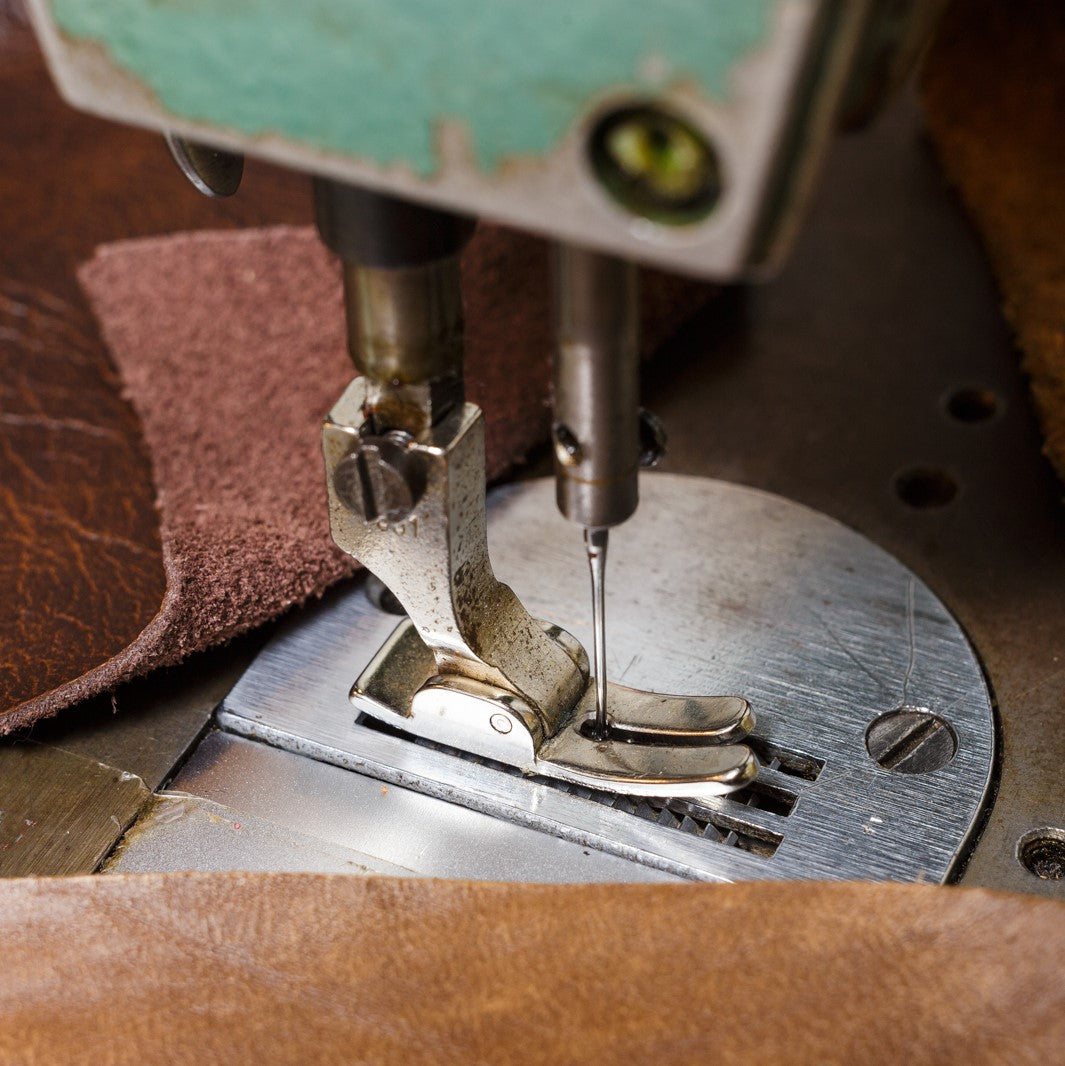
For vintage dining seating, reupholstery often makes better financial and aesthetic sense than replacement. The art of professional reupholstery explains why proper restoration usually includes structural repair, padding updates, and finish decisions, not just new fabric.
Integrating heirlooms without making the room feel frozen
This part gets overlooked in many design guides, yet it comes up constantly in Alpharetta and Buckhead projects. Clients rarely want a dining room filled with brand-new pieces that erase family history. They want the room to feel collected and current.
That usually means preserving one strong original quality in the heirloom piece. It may be the aged walnut frame, the carved crest rail, or the patina that only time creates. Then the new work around it carries the room forward with cleaner upholstery, quieter trim, and custom seating scaled for present-day comfort.
An antique host chair can sit beautifully beside a new banquette if the relationship is handled carefully. The proportions need to agree. The wood tones need to converse rather than compete. The fabric on the heirloom should connect to the palette used on the new seating, even if the patterns differ.
A useful outside example appears in this design feature on unconventional dining room seating, which shows how mixed seating can feel intentional when proportion and material choices are controlled.
Old wood, fresh upholstery, and well-scaled custom seating often produce a richer room than a full matching set.
What tends to work, and what usually fails
The strongest projects edit carefully. They keep the heirloom’s best qualities and correct only what interferes with comfort, durability, or cohesion. That may mean tightening joints, replacing collapsed padding, lowering a skirt, or swapping a dated floral for a textured solid or restrained pattern.
Problems usually come from overcorrection. Stripping every sign of age from an antique chair removes the depth that made it worth keeping. Forcing a family piece to match new chairs exactly can make the whole room feel artificial. Starting with the heirloom fabric before the room’s broader upholstery plan is established also leads to avoidable compromises.
I advise clients to judge old and new pieces by the same standards. Do they sit well at the table? Do they hold up to regular entertaining? Do they belong to the same room, even if they came from different decades? If the answer is yes, the mix will feel resolved.
Commissioning with realistic expectations
Custom dining seating takes time because each decision affects the next one. Delays usually come from late changes, incomplete measurements, or approving a beautiful concept before the comfort details are proven.
Before a piece goes into the workroom, confirm these points:
- Dimensions are final
- The table clearance and seating relationship have been tested
- The upholstery suits the household’s actual use
- The finish has been reviewed in the room’s light
- The heirloom and the new pieces share a consistent design language
For homeowners searching for designer furniture near me or luxury furniture Atlanta, Lewis and Sheron Textiles is one practical resource because custom furnishings, textile sourcing, and reupholstery can be handled together. That coordination matters in projects where inherited seating and newly built pieces need to read as one thoughtful commission rather than a series of separate decisions.
Caring For Your Heirloom-Quality Investment
Well-made dining seating doesn’t ask for constant fuss, but it does reward consistency. A custom chair or banquette will age better when routine care happens before visible wear sets in. That’s especially true with light fabrics, natural fibers, and dining pieces that see frequent use.
Protect the fabric before stains become the story
Dining upholstery should be vacuumed gently with an upholstery attachment to remove dust and crumbs that settle into seams and welting. That simple habit helps preserve the look of textured weaves and keeps grit from wearing fibers down over time.
For spot cleaning, blot first. Don’t scrub. Aggressive rubbing can distort the weave, flatten the pile, or push a stain deeper into the cushion. If your seating uses a performance fabric, follow the maker’s cleaning guidance. If it’s linen, velvet, or another specialty textile, err on the side of caution and bring in a professional when the stain is substantial.
The faster you respond to a spill, the more likely the fabric keeps its original hand and finish.
Maintain the structure, not just the surface
Dining chairs loosen gradually. Check joints, stretchers, and seat stability periodically, especially on pieces that get moved often. If a chair starts to wobble, deal with it early. Small movement can become frame damage if it’s ignored.
For banquettes and benches, rotate loose cushions when possible so wear doesn’t concentrate in one favorite spot. If the piece includes exposed wood, dust it with a soft cloth and avoid leaving moisture on the finish. Dining rooms with strong sunlight can also fade textiles and wood over time, so lining, window treatments, or repositioning can help preserve the piece.
Know when to call a professional
Some maintenance is simple. Structural repair is not. If springs, seat support, foam, or antique joinery need attention, a skilled upholstery or restoration shop should handle it. The same goes for inherited pieces with sentimental value.
That’s how high-quality couches, custom chairs, and dining seating become lasting assets instead of disposable purchases. Good care protects both the appearance and the craftsmanship that made the piece worth commissioning in the first place.
Frequently Asked Questions About Custom Seating
Is custom dining seating worth it compared with buying a matching set
If the room has unusual dimensions, a distinctive table, or heirloom pieces you want to keep, custom is usually the smarter path. A matching retail set can be convenient, but it often forces compromise in scale, comfort, or material quality. Custom lets you solve for the room you have rather than adapting your room to what a manufacturer stocked.
What’s the biggest mistake first-time buyers make
Spatial planning is frequently underestimated. A typical mistake involves selecting a chair style before confirming its required occupied space. The second mistake is choosing fabric based only on appearance. Dining seating needs to support real use, not just a design presentation.
Can I mix a banquette with individual chairs
Yes, and it’s often the best solution. A banquette can make efficient use of one side or corner of the room, while movable chairs preserve flexibility. Mixed seating also prevents the room from looking too rigid or overly matched.
Can heirloom chairs be updated without losing their character
Usually, yes. Good reupholstery respects the frame and proportions while improving comfort, fabric suitability, and overall cohesion with the rest of the room. The aim isn’t to make an antique chair look brand new. It’s to make it feel intentional in a finished space.
Should dining chairs match the table exactly
No. They should relate, not disappear. Matching every wood tone and line too closely can flatten the room. Contrast often works better when it’s controlled. The key is to repeat undertones, finishes, or shapes with enough intention that the room feels composed.
Are fully upholstered chairs practical for everyday use
They can be, if the frame is well built and the fabric choice is realistic. For homes with regular family dining, performance-oriented upholstery often makes the most sense. For formal rooms used less often, you can be more expressive with texture and finish.
Can I use my own fabric
Sometimes, yes. Many custom and reupholstery projects can work with client-supplied material if the textile is appropriate for the application. The important part is confirming suitability before fabrication begins. Not every beautiful fabric belongs on a dining seat.
How do I know if a chair is designer quality
Look at the fundamentals. The proportions should feel balanced. The upholstery should be fitted cleanly. The seat should be supportive. The frame should feel solid. Quality is visible in the finish details, but it’s also obvious when you sit down.
If you’re ready to commission dining seating that fits your room, your table, and the way you live, Lewis and Sheron Textiles offers access to premium fabrics, custom furnishings, and reupholstery services for homeowners and design professionals in Atlanta and beyond.