


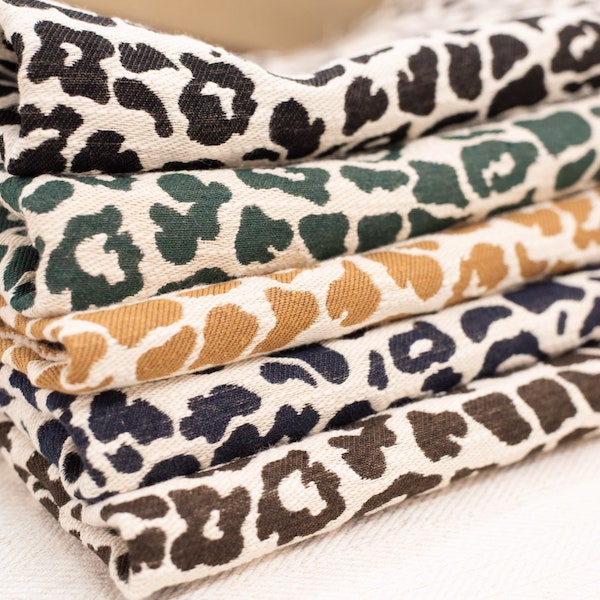
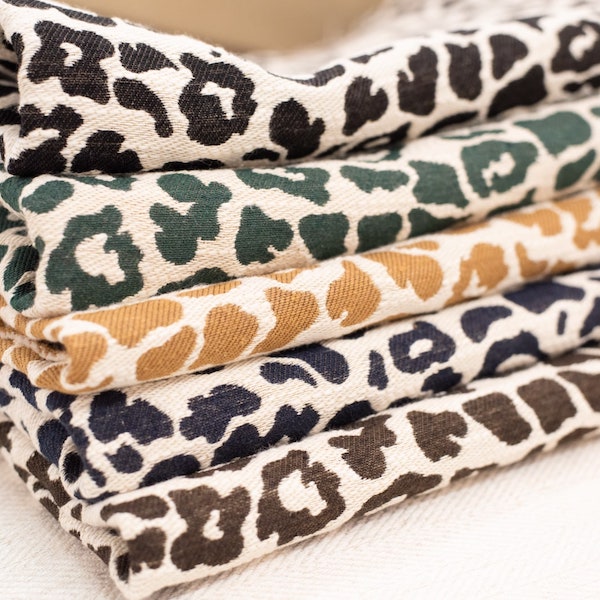
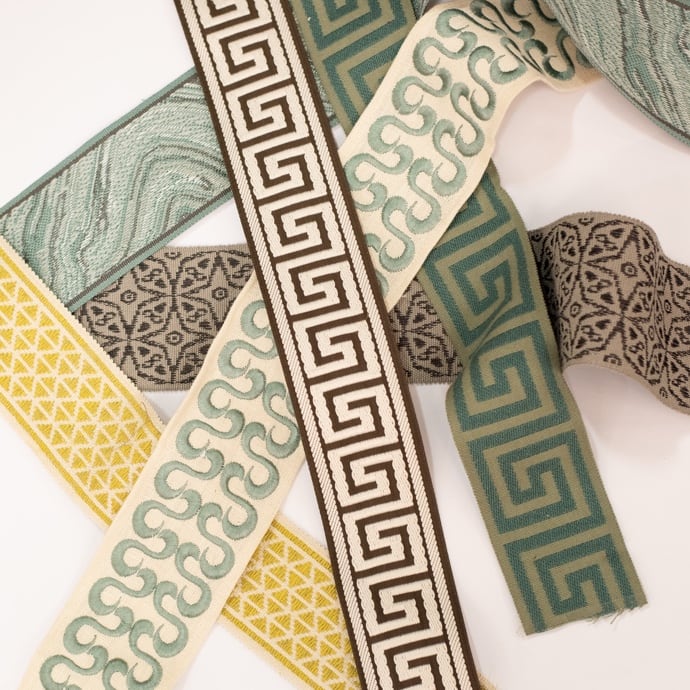

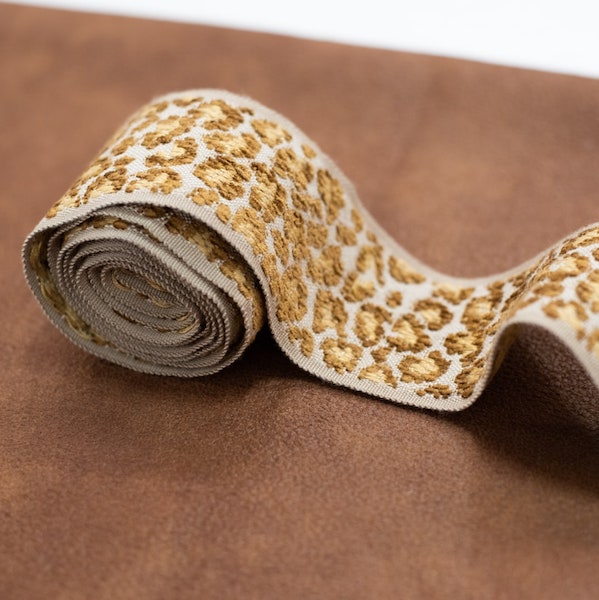
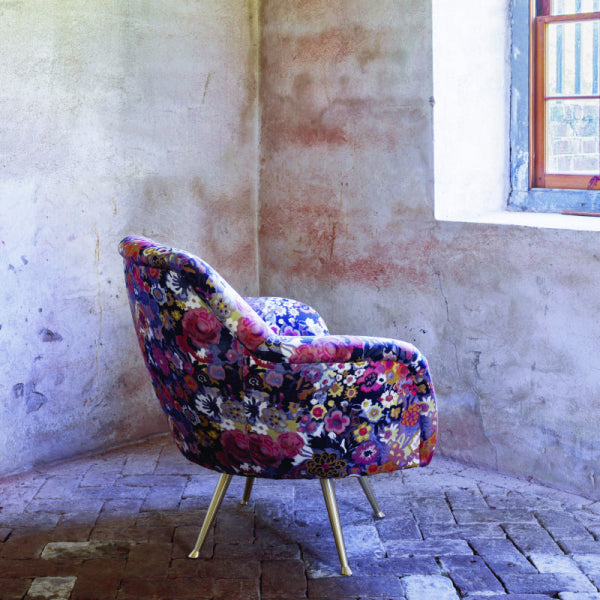
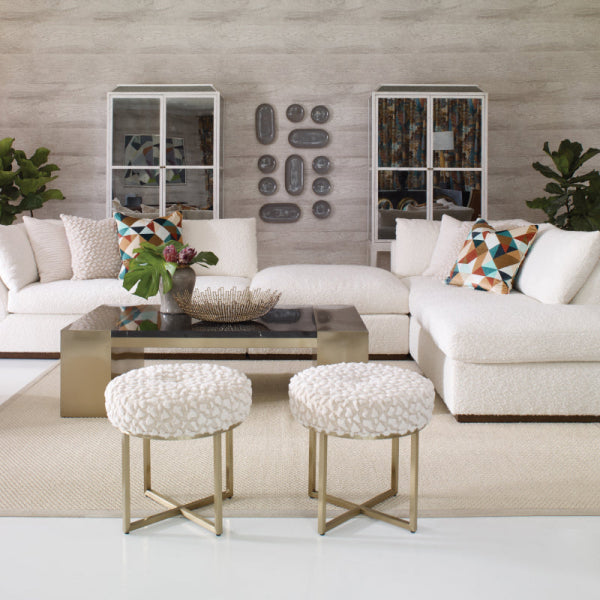





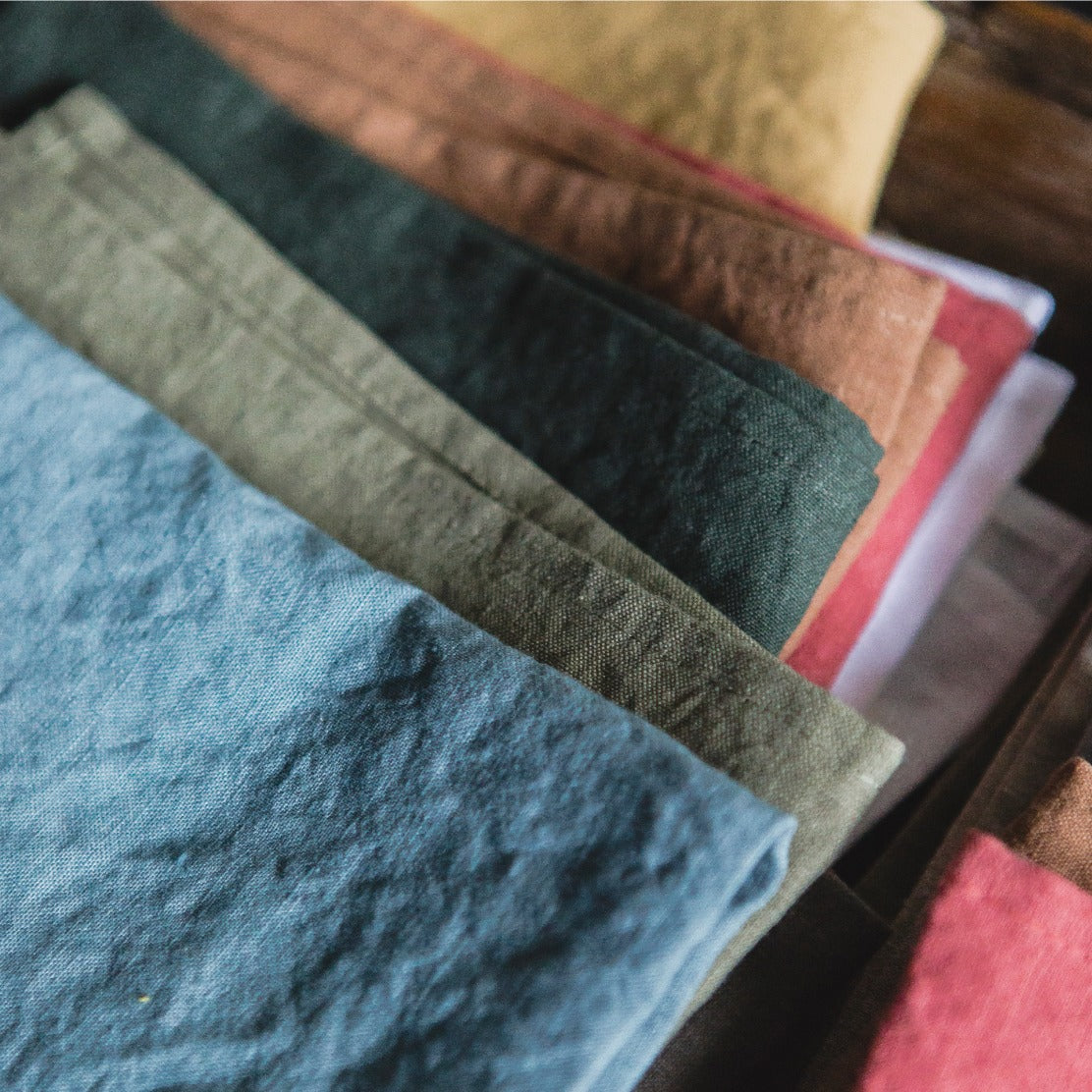

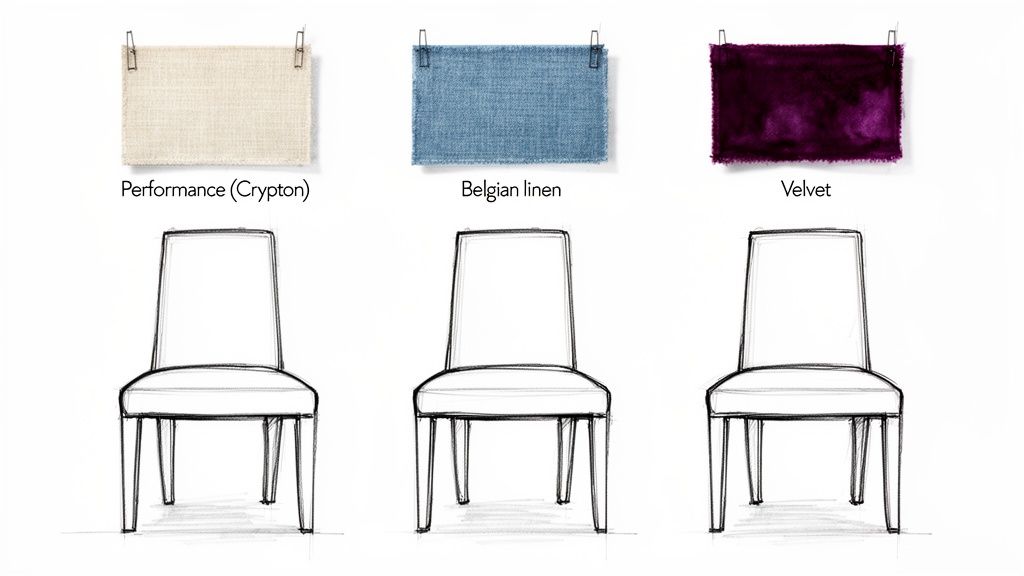
Let's get right to it. The best fabric for dining room chairs has a tough job. It must be beautiful, incredibly durable, and easy to clean—a true investment in countless family dinners and late-night conversations.
For a busy home in Roswell, a high-performance fabric like Crypton is the undisputed champion, giving you that priceless, spill-proof peace of mind. Craving timeless texture for a Milton estate? You can't go wrong with a beautiful Belgian linen. And for a touch of drama in a formal Buckhead dining room? Nothing beats a decadent, high-quality velvet.
Choosing The Perfect Dining Chair Fabric
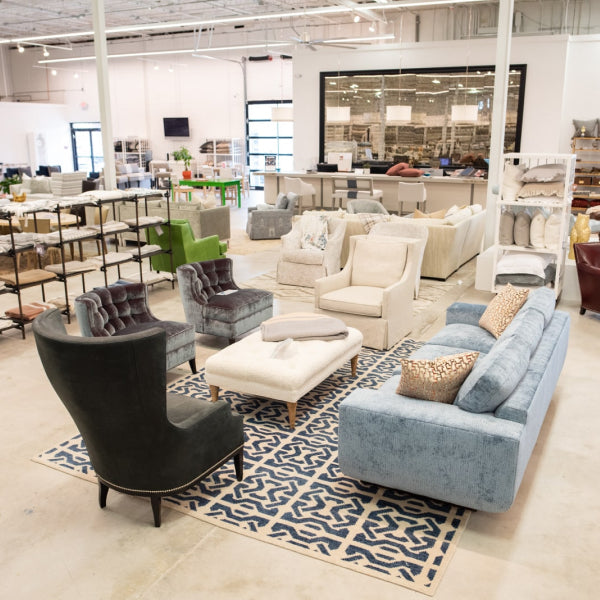
Step inside our Buckhead showroom, and you'll understand why Lewis and Sheron has been Atlanta’s destination for exquisite furniture and fine fabrics for decades. From the handcrafted lines of Verellen and Wesley Hall to the curated textures of Lee Industries, every piece tells a story of quality, comfort, and design mastery. Picking the right fabric is simply the final, crucial chapter.
Think of your dining chairs as the unsung heroes of your home. They’re there for holiday feasts, impromptu homework sessions, and those long, lingering conversations. The fabric you choose needs to be more than a pretty face; it must be a stylish suit of armor, ready for real life. This guide is your personal design consultation, here to help you navigate the world of designer fabrics and find the perfect match for your lifestyle.
The Foundation of a Flawless Dining Room
Before we dive into fibers and weaves, let's frame your decision around the rhythm of your home. The best choice always strikes a perfect balance between aesthetics and pure practicality, ensuring your investment looks stunning for years.
- Consider Your Lifestyle: Is your dining room a formal space reserved for special occasions, or the beautifully chaotic heart of your Forsyth County home? Be honest—it’s the best design tool you have.
- Factor in Sunlight: If you have a sun-drenched breakfast nook in East Cobb, a fade-resistant fabric is non-negotiable. It’s the only way to protect your investment.
- Think Tactile: How a fabric feels is as important as how it looks. The cool touch of leather creates a different experience than the plush warmth of velvet.
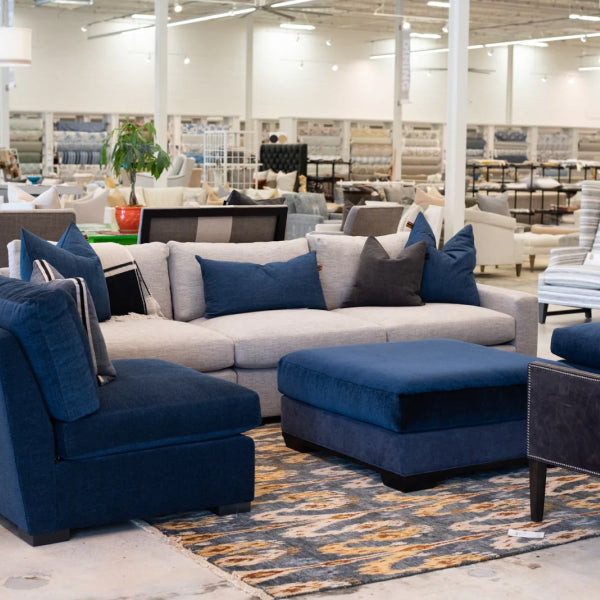
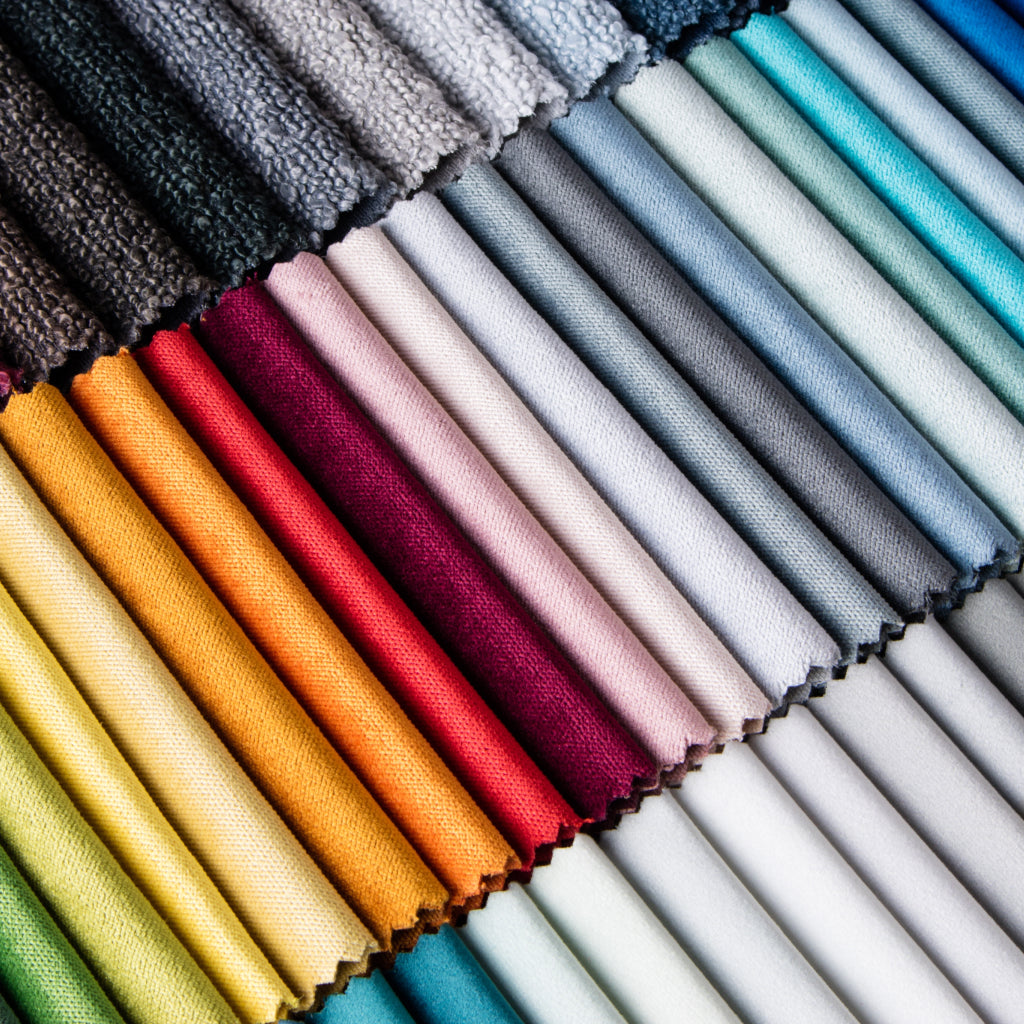
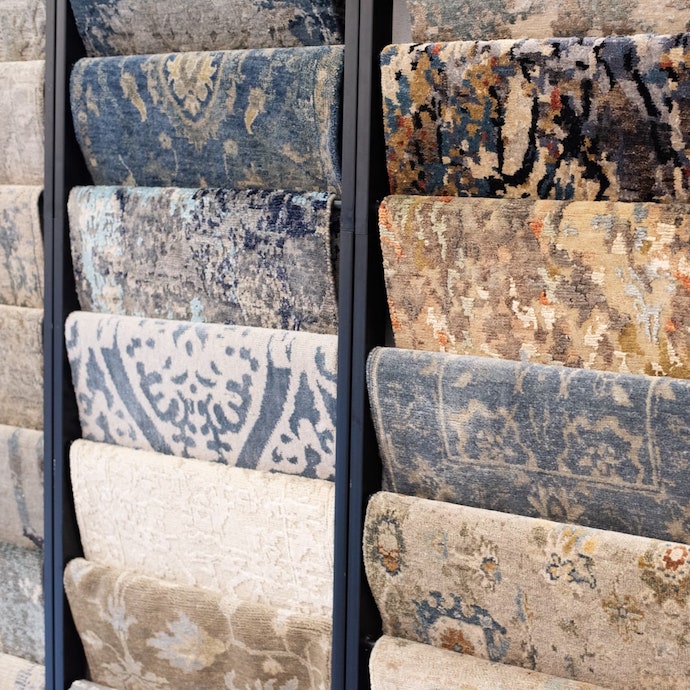
Our Atlanta fabric showroom on Collier Rd is a tactile library of possibilities, filled with thousands of options from the world’s most exclusive mills. Seeing and touching these textiles is the only way to truly appreciate their quality.
For a deeper dive into refreshing existing pieces, our guide on choosing the best fabric for reupholstering dining chairs is an excellent start. We're not just selling fabric; we're empowering Atlanta's homeowners and designers to make confident, lasting choices for their custom upholstery projects.
Understanding Fabric Durability: What Are "Double Rubs"?
Ever wonder what makes one fabric look brand new after years of family dinners while another looks tired and frayed? It’s not a secret ingredient—it's a number. That number is the fabric’s “double rub” count, and it’s the key spec to understand when choosing upholstery.
Imagine a machine rubbing heavy cotton back and forth over a fabric swatch. One complete pass is a single "double rub." This test repeats thousands of times until the fabric shows significant wear. That final number is its durability rating.
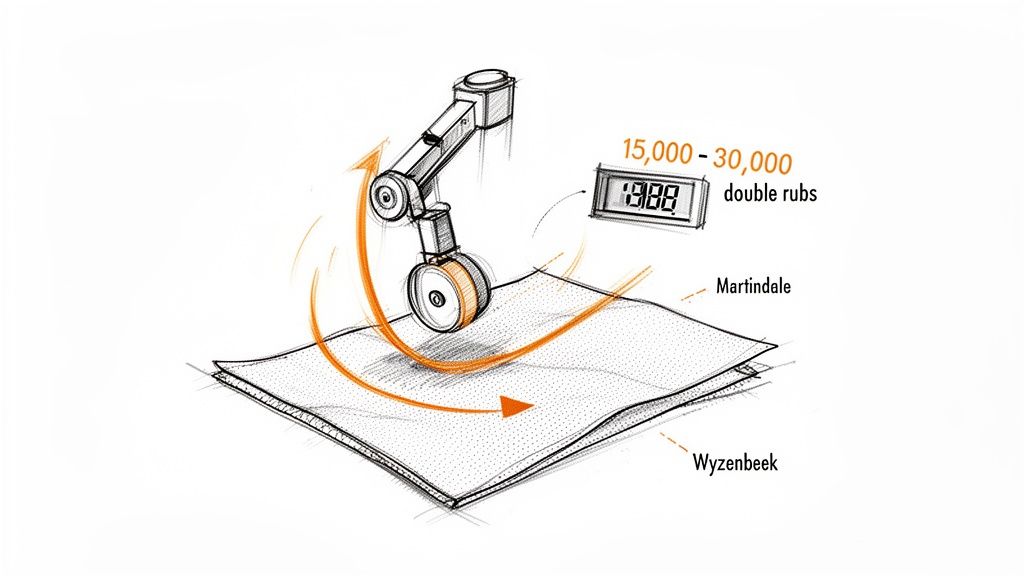
This simple test predicts how a fabric will hold up to everyday life. For something like dining chairs, which get a ton of use, this number is your best friend. It’s what ensures the custom upholstery on your beautiful LEE Industries chairs stays flawless.
Decoding the Numbers: Finding the Sweet Spot
When you’re browsing designer fabrics, you'll see results from two tests: Wyzenbeek (the North American standard) and Martindale (common in Europe). Their goal is the same: to tell you how much abrasion a fabric can handle.
For dining chairs, you don't need a bulletproof fabric, but you want something substantial. Here’s a quick guide:
- Under 10,000 Double Rubs (Light Duty): Think delicate. Best for decorative pillows or curtains.
- 10,000 to 15,000 Double Rubs (Medium Duty): A decent start for furniture that sees only occasional use.
- 15,000 to 30,000 Double Rubs (Heavy Duty): This is the sweet spot. Fabrics in this range are built to handle daily use without showing premature wear.
- Over 30,000 Double Rubs (Commercial Grade): The true workhorses, designed for restaurant booths and busy hotels.
The right durability rating is about peace of mind. Choosing a fabric between 15,000 and 30,000 double rubs means your Verellen or Wesley Hall chairs can gracefully handle everything from holiday feasts to Tuesday night homework.
Why This Matters for Your Atlanta Home
In a design-savvy city like Atlanta, this metric tells an important story. When you visit our Atlanta fabric showroom, you’re not just seeing beautiful patterns; you're exploring textiles engineered for real, busy lives.
Understanding the double rub count empowers you to make a smarter investment. It’s the hidden spec that confirms the quality you can feel, ensuring the fabric on your Ambella dining chairs is as enduring as the handcrafted frame underneath.
For the design professionals in our trade furniture program, this number provides the confidence to specify materials that will perform beautifully for their clients for years. It’s an essential detail that makes all the difference.
Performance Synthetics vs. Natural Fibers
This is the classic debate in fabrics, and your dining chairs are ground zero. In one corner: modern performance synthetics engineered for reality. In the other: timeless natural fibers with an organic soul.
Choosing isn't about right or wrong. It’s about matching the textile to your lifestyle, whether that’s in a bustling Alpharetta home or a formal Buckhead dining room.
The Case for Performance Synthetics
Think of performance fabrics as the superheroes of the textile world. They look and feel like luxury materials but come with a hidden shield of stain-repelling, life-proof technology. For a busy household, they're a game-changer.
Take Crypton. This isn't just a surface spray; it’s a patented technology woven into the fiber's DNA, creating a barrier against spills and stains. Our guide on what makes Crypton fabric a top choice for families goes deeper into how this innovation works.
High-grade polyesters and acrylics also fall into this category. They stand up to daily use and sunlight, making them a brilliant choice for custom upholstery on a set of Wesley Hall sofas in a sunny room.
- Pros: Unbeatable stain resistance, incredible durability, fade resistance, and surprisingly easy to clean.
- Cons: Less breathable than natural fibers, and some lower-quality versions lack a rich, nuanced texture.
The Allure of Natural Fibers
There's an undeniable romance to natural fibers like linen, cotton, and wool. They feel incredible, breathe beautifully, and get better with time. For a sophisticated dining room, the elegant texture of fine fabrics from Alpharetta mills is simply unmatched.
These materials have a distinct "hand" and drape that synthetics can never fully replicate. Imagine a set of Verellen dining chairs in a nubby linen blend—it brings a layer of warmth and authenticity that feels both luxurious and genuinely lived-in.
- Pros: Exceptional softness and texture, highly breathable, eco-friendly, and they develop a beautiful patina.
- Cons: More susceptible to staining and wrinkling; often require professional cleaning.
Your choice comes down to your priorities. Do you value the bulletproof peace of mind of performance textiles, or the authentic, tactile luxury of natural fibers? Our high-end furniture Buckhead showroom is designed to help you answer that question by experiencing both firsthand.
The demand for stylish and durable seating is reshaping the industry. The US upholstered furniture market is projected to hit $27.64 billion by 2030, with fabric leading the charge at a 54.60% market share for dining chairs in 2025. This surge is fueled by families wanting stain-resistant finishes for everyday meals.
Comparing Natural and Performance Fabrics
This table breaks down the key characteristics to help homeowners and designers make an informed choice.
| Feature | Natural Fibers (Linen, Cotton, Wool) | Performance Fabrics (Crypton, Polyester) |
|---|---|---|
| Durability | Varies; can be delicate (silk) or robust (wool). Prone to wear. | Engineered for high traffic; resists pilling, abrasion, and fading. |
| Stain Resistance | Naturally absorbent and susceptible to stains unless treated. | Excellent. Repels liquids and prevents stains from setting in. |
| Feel & Comfort | Superior softness, breathability, and luxurious hand-feel. | Can mimic natural textures but may feel less breathable. |
| Maintenance | Often requires professional cleaning. Prone to wrinkling. | Easy to clean with water-based solutions; stains wipe away. |
| Best For | Formal dining rooms, low-traffic areas, and prioritizing organic materials. | High-use kitchens, homes with kids and pets, and sun-exposed rooms. |
Ultimately, the best fabric is the one that fits seamlessly into your life.
Decoding Cleaning Codes
No matter which path you choose, understanding the cleaning code is essential. This little tag holds the secret to keeping your upholstery looking pristine.
- W: You can use water-based cleaners. Common for performance fabrics.
- S: Use solvent-based cleaners only. Water can damage these.
- W/S: A mix of water- and solvent-based cleaners can be used.
- X: Vacuum only. Don’t use liquids of any kind.
Understanding material properties is crucial in any design project. For a broader perspective on comparing different material types for furniture, exploring how solid wood and plywood are evaluated offers valuable parallels. This knowledge is key whether you're using our Lewis and Sheron Trade Program or selecting fabrics for your own home. The best decision is an informed one.
Exploring Luxe Textures Like Leather and Velvet
Some fabrics just hit different. When you want to bring drama and sophistication to your dining room, leather and velvet are in a class of their own. They aren't just materials; they're statements that can elevate a room from functional to unforgettable.
Of course, not all leather or velvet is created equal. This is where discerning Atlanta designers and homeowners know to look beyond the surface. Let's pull back the curtain.
The Timeless Allure of Leather
Think of high-quality leather as an investment that gets better with age. It's both rugged and refined. A set of Ambella furniture chairs wrapped in supple leather immediately grounds a room with warmth and presence.
But knowing what you’re buying is crucial.
- Full-Grain Leather: This is the best of the best—the top layer of the hide with all its natural grain and imperfections intact. It’s incredibly durable and develops a gorgeous patina over time, that soft sheen that tells the story of your life.
- Top-Grain Leather: Still a premium choice, its surface is lightly sanded for a more uniform look. It's slightly less breathable but offers fantastic durability.
- Bonded Leather: This is an entirely different product made from leather scraps. While budget-friendly, it lacks the durability and character of its full- or top-grain cousins. You won’t find it in our curated collections of luxury furniture in Atlanta.
Good leather is surprisingly easy to care for. A quick wipe handles most spills, making it a great choice for a stylish home. For those who love the look but want an alternative, modern faux leathers offer impressive performance. Dive deeper in our guide to styling with brown faux leather.
The New Age of Velvet
Velvet used to be that delicate, hands-off fabric you'd only see in formal rooms. Its plush softness felt too precious for a dining chair. Not anymore.
Today’s performance velvets are engineered for real life. They deliver that decadent, jewel-toned richness with surprising, built-in stain resistance. A splash of red wine is no longer a crisis.
This game-changing innovation has made velvet one of the most requested designer fabrics. Imagine a set of exquisite Verellen furniture in a deep emerald performance velvet—it’s pure luxury without the constant worry. These modern textiles blend opulent feel with practicality, a brilliant choice for adding glamour.
This isn’t a passing fad; it’s a major shift. The global market for luxury interior fabrics is projected to boom, growing from USD 2.3 billion in 2024 to USD 5.56 billion by 2033. Upholstery—especially performance-enhanced velvets and linens—is driving this growth. See the full analysis of this booming market at Straits Research. It confirms what our designers see daily: people want beauty and resilience.
Matching Your Fabric to Your Lifestyle
Alright, let's get down to what really matters. The perfect fabric for a formal, adults-only dining room is worlds apart from what you need for a bustling kitchen table. This is where we bridge the gap between textile specs and your actual life.
Your dining chairs are the silent witnesses to your life. They host holiday dinners and catch stray crayon marks. The best fabric choice honors the beautiful, messy reality of your home.
For the Spill-Proof Family Zone
If your home is the central hub for kids, pets, and spaghetti nights, durability is everything. This is where performance fabrics don’t just shine; they save the day.
We're talking materials like Crypton. Their stain-fighting superpower is engineered directly into every fiber. Red wine and juice stand little chance. A quick blot is often all it takes to erase the evidence, giving you permission to actually relax.
For the Elegant Entertainer
If your dining room is a curated space for sophisticated dinners, you can explore more refined textures. This is your chance to indulge in the tactile beauty of natural fibers and luxe textiles.
- Refined Linen Blends: These give you gorgeous, organic texture with added resilience from blended synthetic fibers. The result? Fewer wrinkles and better durability.
- Sophisticated Velvets: Don't be afraid! Modern performance velvets deliver deep, jewel-toned richness with incredible, built-in stain resistance. They feel decadent and inviting.
Imagine a set of classic Wesley Hall or Lee Industries chairs in a rich velvet or timeless linen blend. It sends a message of confident, approachable luxury.
This quick guide can help you visualize the choice between two classic luxe options, leather and velvet.
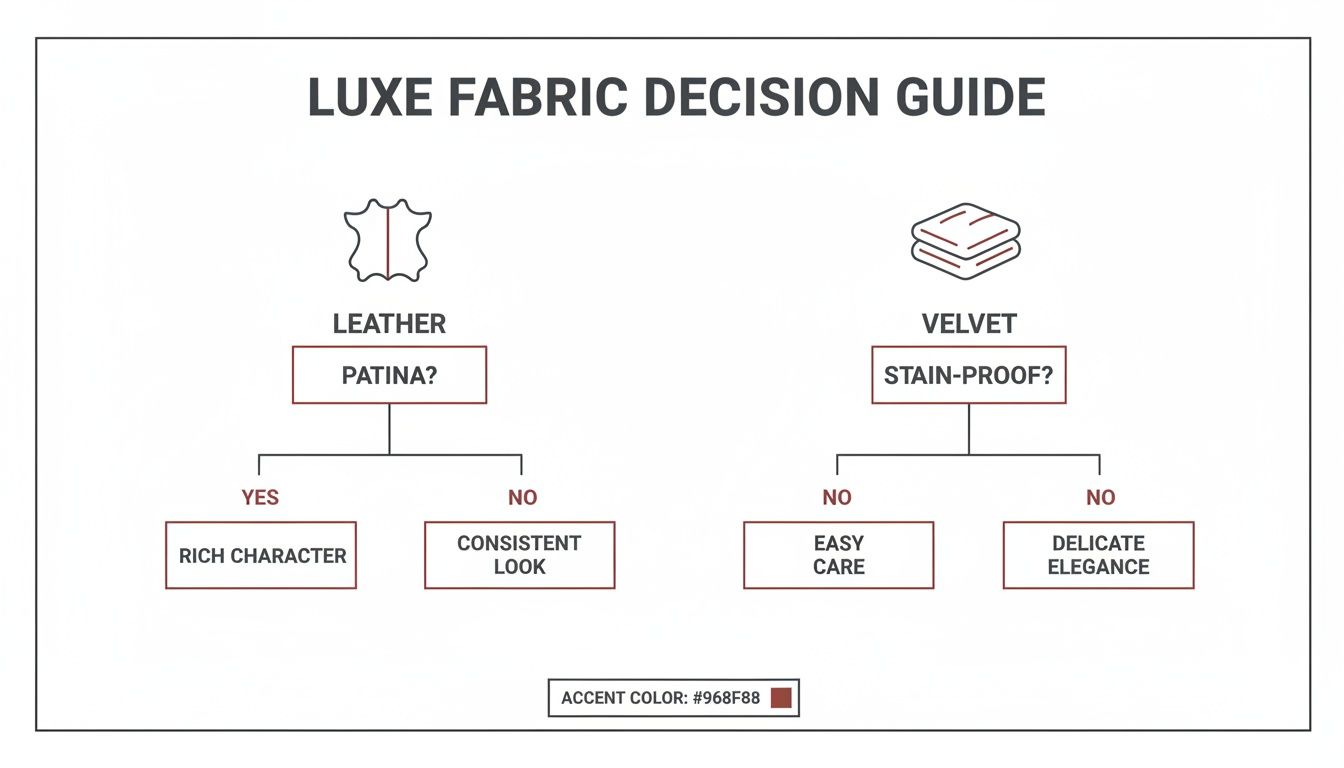
Ultimately, the choice comes down to this: do you prefer a material that develops a story through a beautiful patina, or one that offers steadfast, stain-proof elegance from day one?
For the Sun-Drenched Breakfast Nook
For that beautiful, sunny spot where you sip morning coffee, UV resistance is non-negotiable. Direct sunlight is one of the quickest ways to fade a fabric.
Performance fabrics are your best defense, especially solution-dyed options where the color pigment is part of the fiber itself. They hold their color for years, ensuring your investment continues to look stunning.
Your lifestyle is your best design brief. The goal is always to create a home that is both beautiful and beautifully livable.
The high-end upholstery sector, valued at USD 834.02 million in 2024, is projected to hit USD 1,272.91 million by 2033. The sheer practicality of engineered textiles makes them a go-to for high-use dining areas where life—and spills—are guaranteed to happen. Explore more insights into the high-end upholstery market on SkyQuestt.com.
The Custom Details That Make All The Difference
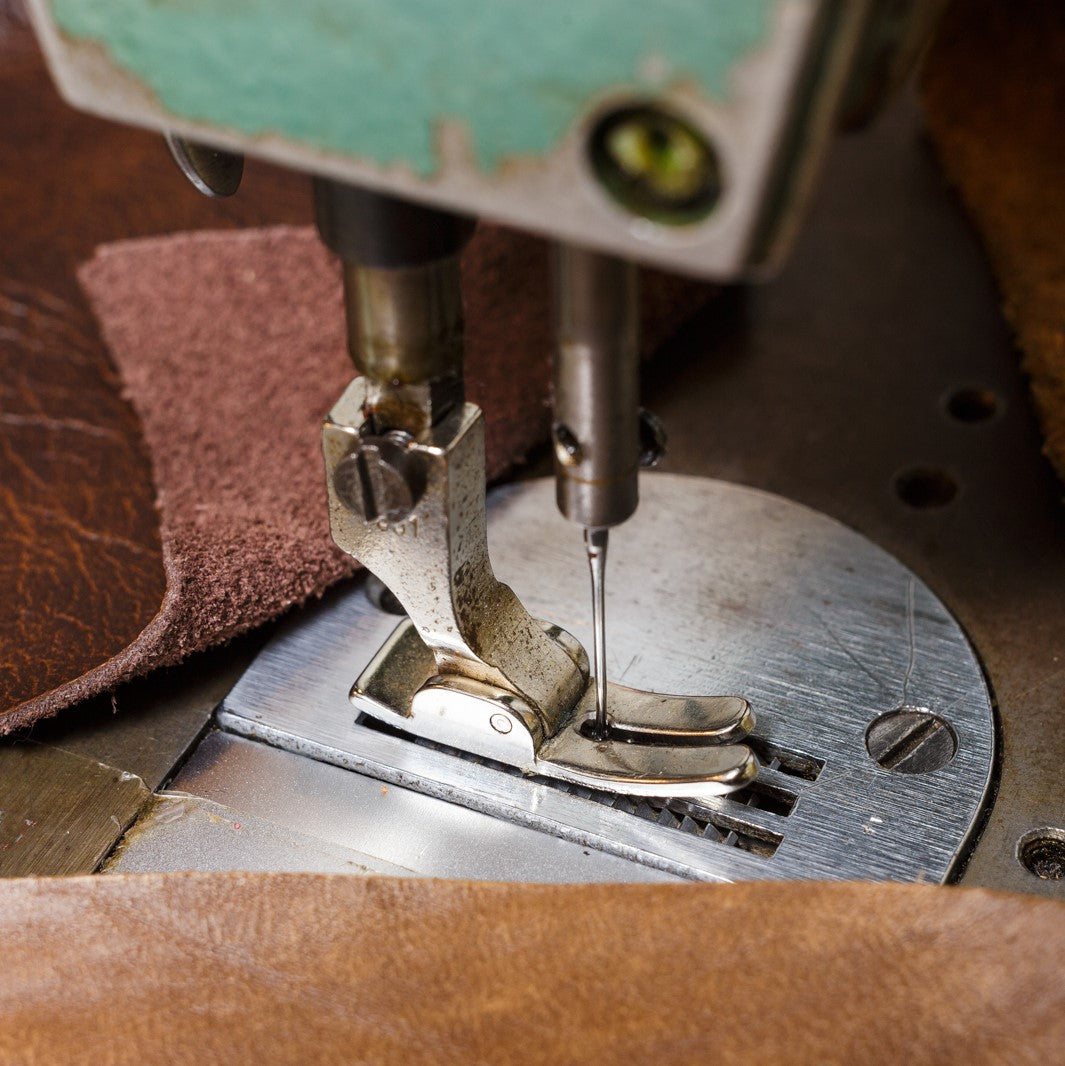
Picking the perfect designer fabric is just the first step. The real magic—the kind that elevates a dining chair from "nice" to truly special—is in the custom details. This is where true craftsmanship turns a well-made frame from a brand like Lee Industries or Wesley Hall into something uniquely yours.
When you walk into our Buckhead showroom, this is the world we live in. We get excited about the little things that make a big impact. It's why we're a trusted Atlanta interior design resource.
What Is a Pattern Repeat and Why Does It Matter?
If you're drawn to a vibrant print, you'll need to know about pattern repeat. It’s the vertical distance before the design starts over.
This measurement is a huge deal for two reasons:
- Aesthetics: You want the pattern to look consistent. A talented upholsterer will make sure the main element hits the same spot on every chair back for that seamless, high-end look.
- Yardage: The bigger the pattern repeat, the more fabric you need. The upholsterer can't just cut anywhere; they have to find the right spot in the pattern, which means some fabric gets wasted.
Our team helps you figure this out so you order the right amount from the get-go, saving headaches and extra costs.
Don't Overlook Backing and Welting
Some gorgeous fabrics, like delicate silks or loose-weave linens, need reinforcement. This is where fabric backing is essential. It's a thin, unseen layer bonded to the back of your textile, giving it the structure to prevent stretching and sagging.
And for the perfect finishing touch, you have the welt cord (or piping). This is the corded trim that outlines a chair's seams.
A crisp, perfectly applied welt cord is one of the clearest signs of quality custom upholstery. You can use a self-welt (same fabric) for a tailored look or a contrasting cord for a pop of personality.
These are the details designers in our Lewis and Sheron Trade Program count on us to get right. We offer the technical know-how and incredible fabric selection that professionals from Alpharetta to Roswell need. We’re here to be a partner in creating something beautiful and lasting.
Your Dining Chair Fabric Questions Answered
We get these questions every day in our Atlanta fabric showroom. You’ve narrowed down your choices, but a few doubts are holding you back. Here are our designers' answers to the questions we hear most.
How Much Fabric Do I Need For A Dining Chair?
It depends. A simple seat cushion might take half a yard, but a fully upholstered chair could need 2-3 yards. The real variable is pattern repeat. A large pattern will require more yardage to ensure the design is centered perfectly.
To skip the guesswork, just bring photos and basic dimensions of your chairs when you visit the Lewis and Sheron Design Center. Our experts will calculate the precise yardage you need.
Can I Use Outdoor Fabric For Indoor Dining Chairs?
Absolutely! This is one of our favorite designer tricks for high-traffic kitchens. Today’s performance outdoor fabrics are a world away from the stiff materials you might be imagining; many are so soft you’d never guess their rugged origins.
The beauty is their built-in stain resistance, water repellency, and UV protection—a lifesaver for that sunny breakfast nook. Brands like Sunbrella have gorgeous collections that deliver bomb-proof durability without sacrificing style.
What Is The Best Way To Clean Upholstered Chairs?
Always check the cleaning code first. You'll see a tag with a letter: 'W' (water-based cleaners), 'S' (solvent-based cleaner), and 'X' (vacuum only).
For most performance fabrics like Crypton, a simple soap-and-water solution is all you need. But for delicate materials like natural velvet or linen, we strongly recommend calling a professional. And if you're ever moving, protect your investment by using removal blankets for damage-free moving.
Why Visit A Showroom Instead Of Buying Online?
A screen can’t do a beautiful fabric justice. It can’t show you the true color, how it feels, or how light plays across its texture. Visiting our Buckhead showroom lets you physically experience the difference between a nubby linen and a plush performance velvet.
Plus, at Lewis and Sheron, you get complimentary advice from our in-house designers. They can help you navigate thousands of options from exclusive mills you won't find anywhere else. It’s a hands-on process that ensures you'll go home with a fabric you'll love for years.
Ready to find the perfect textile for your dining room? Visit the Lewis and Sheron Textiles Design Center on Collier Rd in Atlanta and let our experts guide you through our exquisite collection of designer fabrics and custom furniture. Explore our services and plan your visit today.