


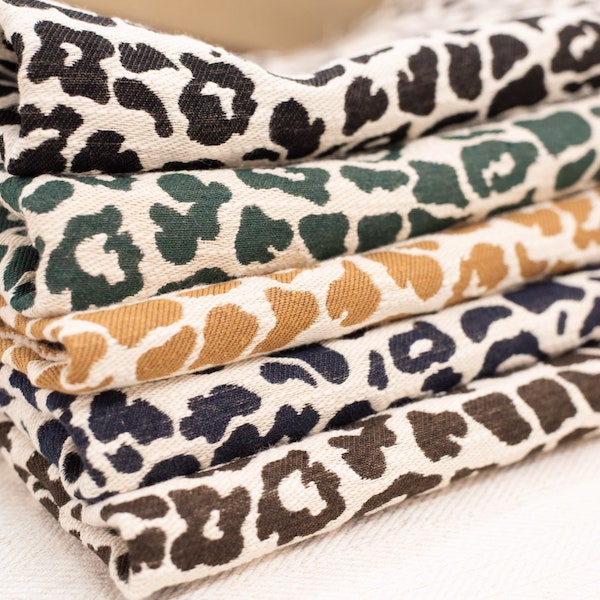
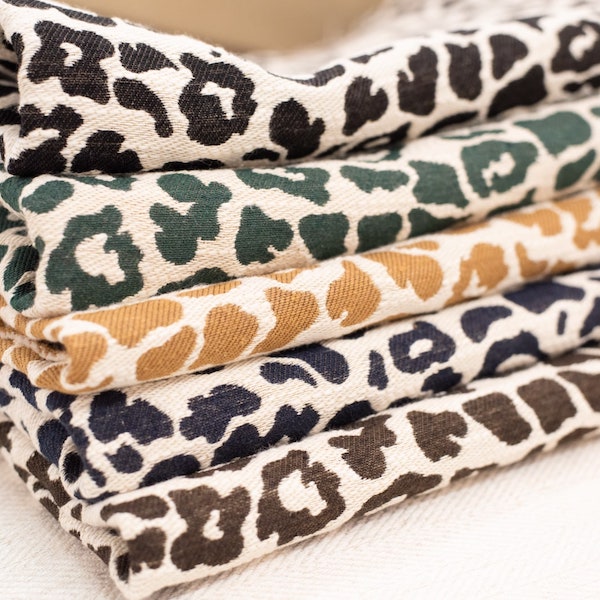
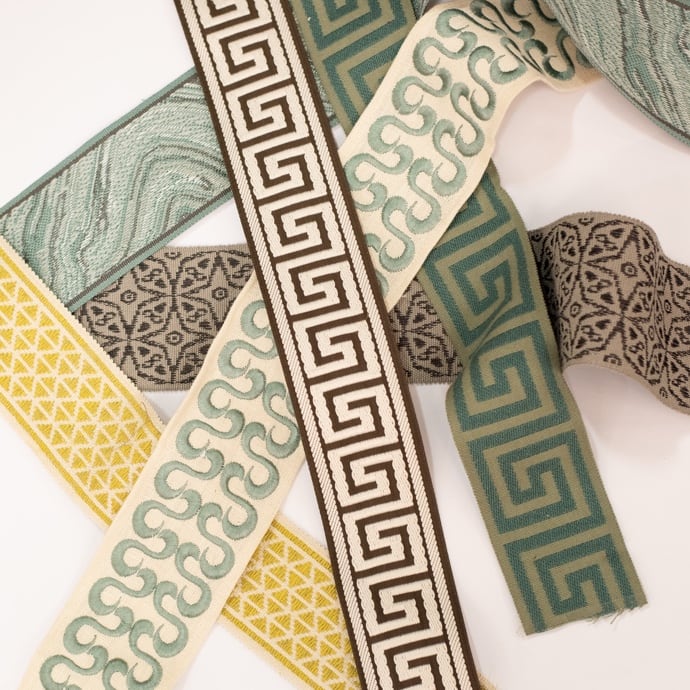

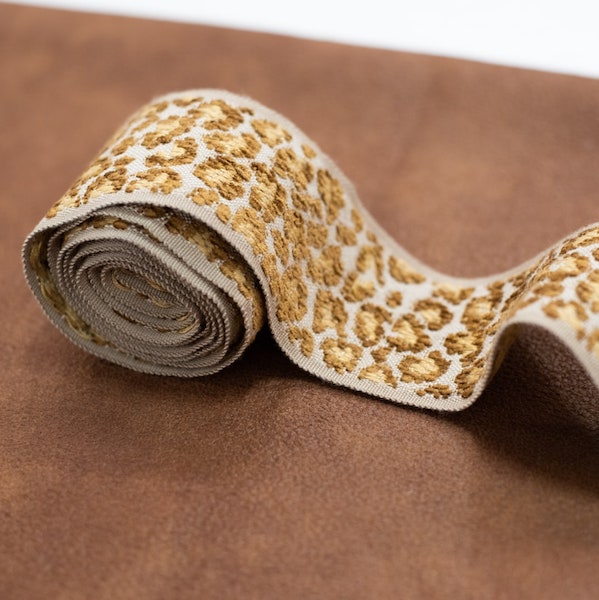
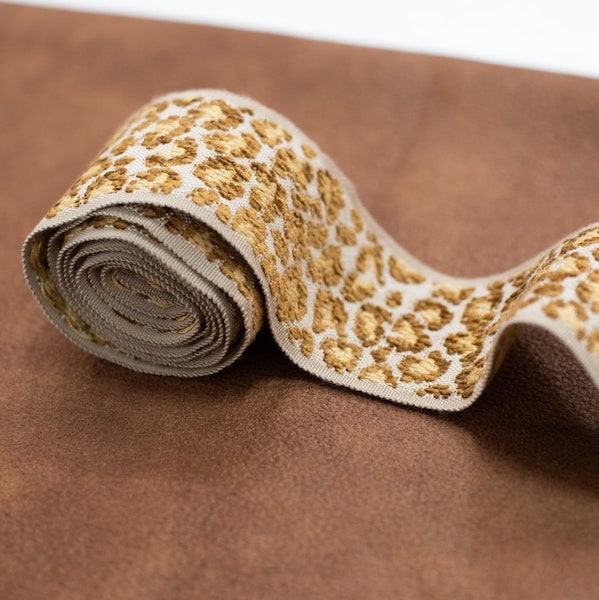
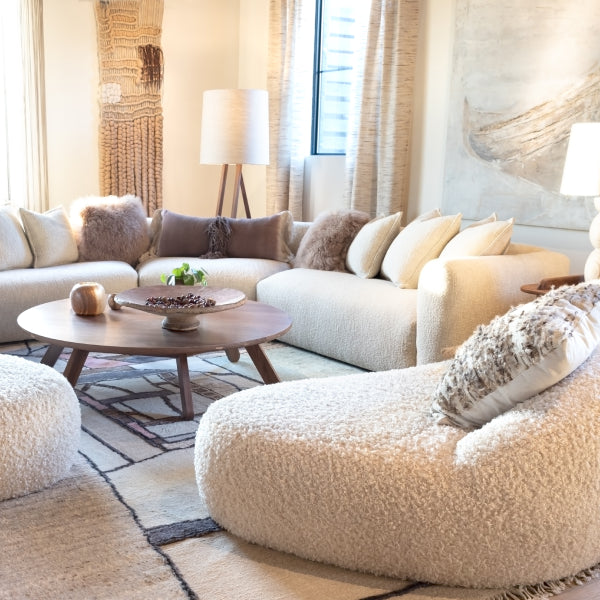
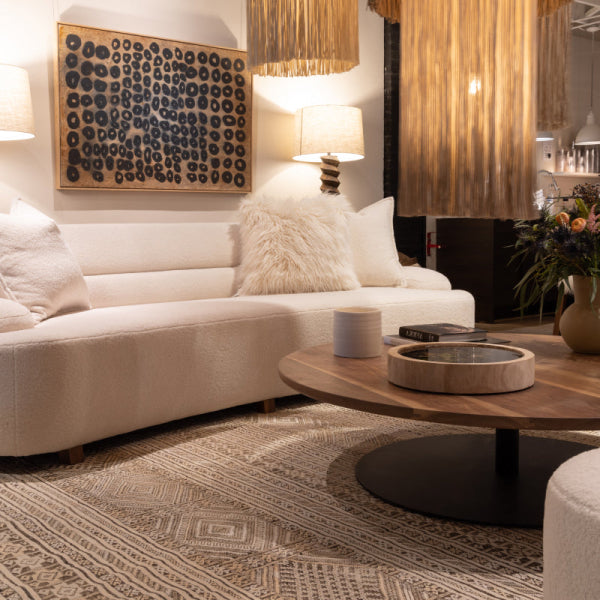
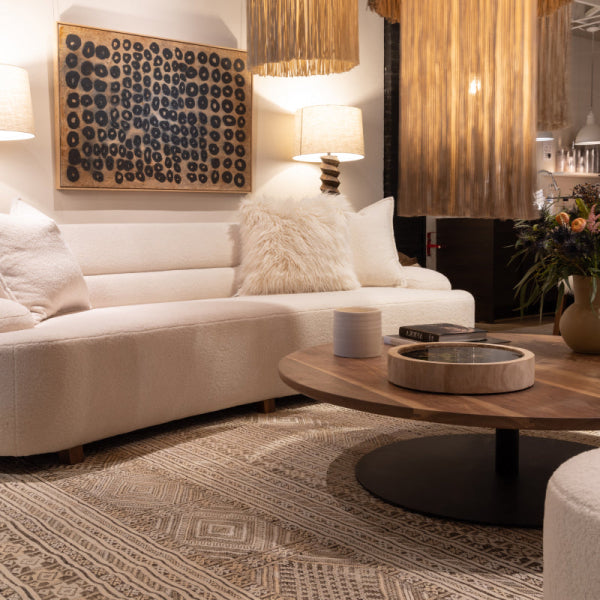
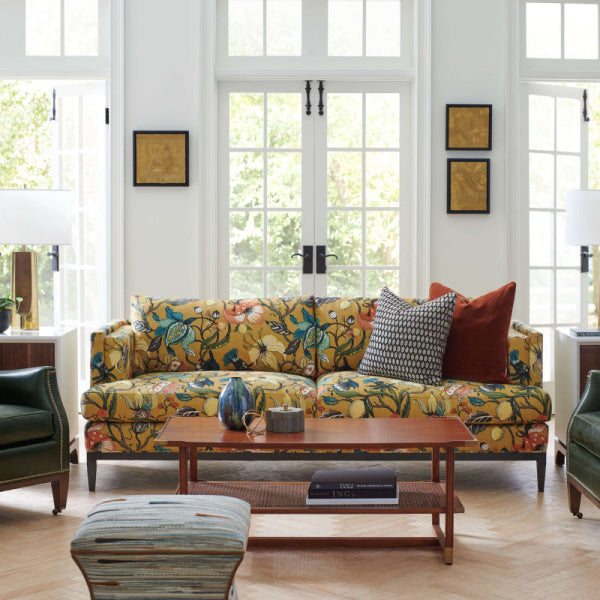
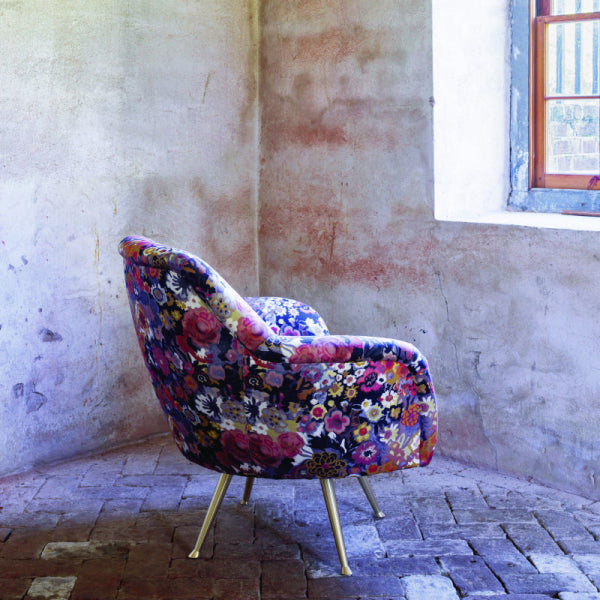





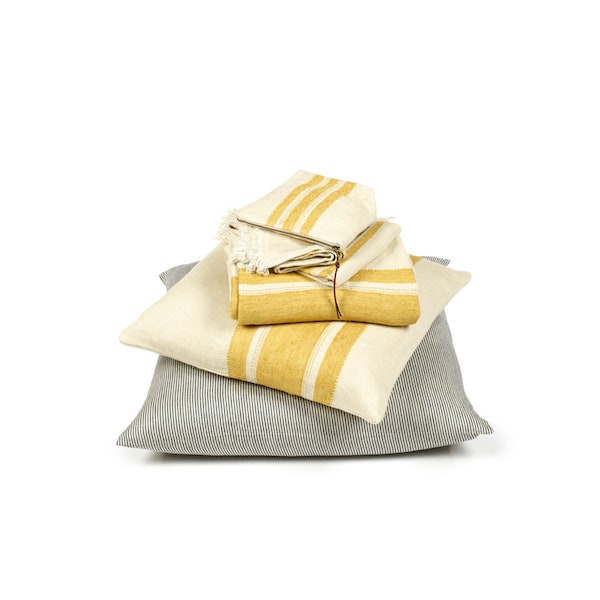

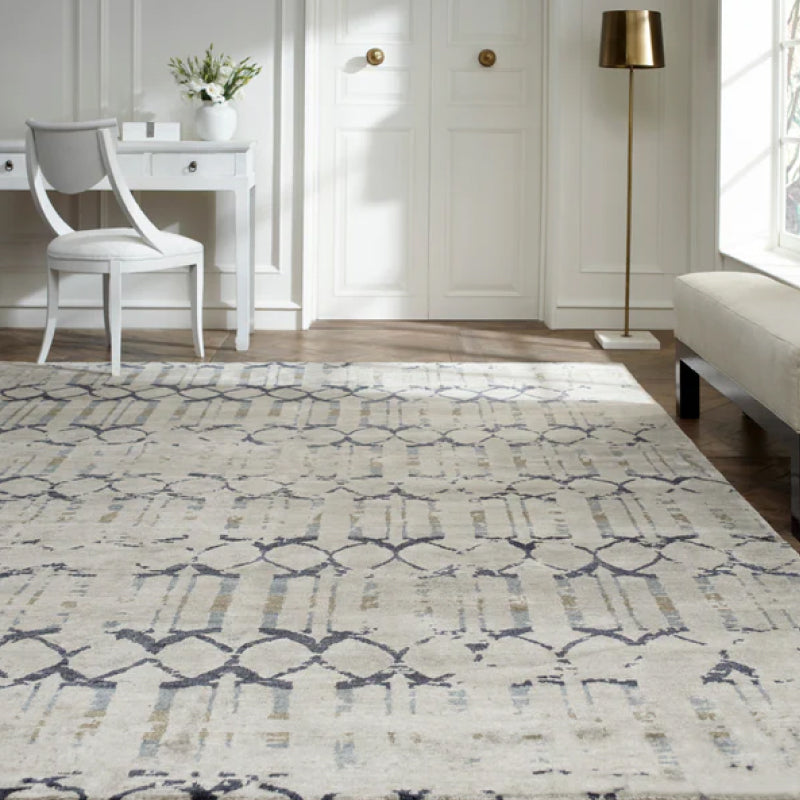
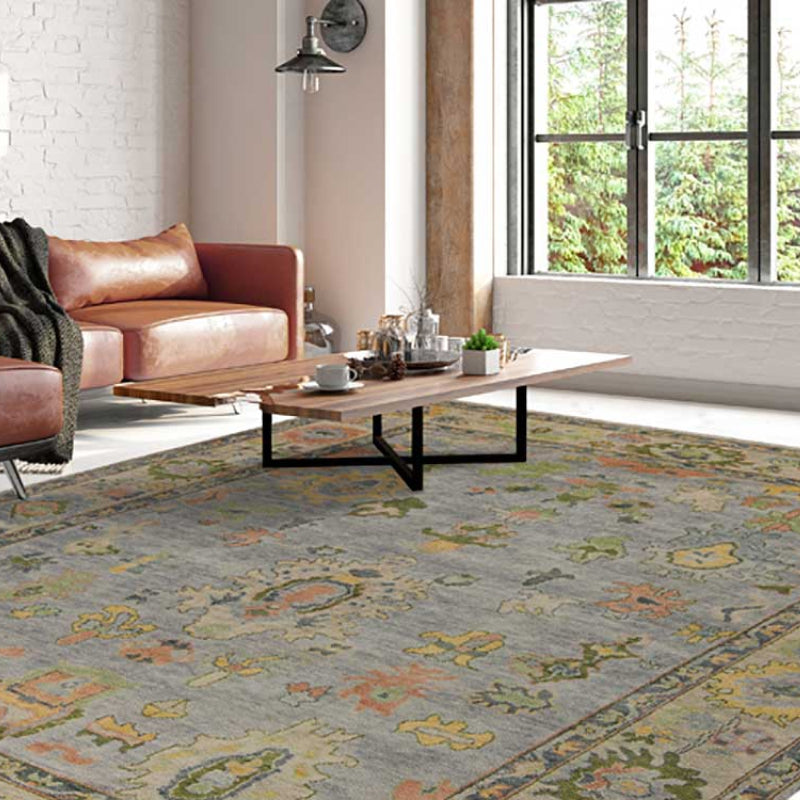
Sewing trim fringe is the designer's secret for turning standard decor into something truly bespoke. It’s the small detail that adds a huge layer of curated texture and personality.
This is how you transform a simple pillow into a statement piece. It's how drapery gets a luxurious, custom-finished weight.
This is how you create a space that feels intentional.
The Detail That Defines a Room
Forget a room that’s just 'nice'. Let's build a space that feels curated and custom.
The secret weapon? Sewing trim fringe.
This isn’t about slapping on decoration. It's about injecting personality and a layer of bespoke luxury you can't buy off the shelf. For discerning homeowners and interior designers across Atlanta—from Buckhead to Milton—this skill separates the ordinary from the extraordinary.
From Concept to Creation in Atlanta
The right trim doesn't just complete a project. It elevates the entire design narrative.
Imagine the rich, tactile edge of bullion fringe on a Wesley Hall sofa, grounding the piece with classic elegance. Picture a playful tassel trim adding a touch of soul to custom cushions on a Lee Industries chair. This is the detail that defines high-end interiors throughout North Georgia, from Roswell to Alpharetta.
The most memorable interiors are all about the details. Fringe adds movement, texture, and a sense of history, making a piece feel collected, not just purchased.
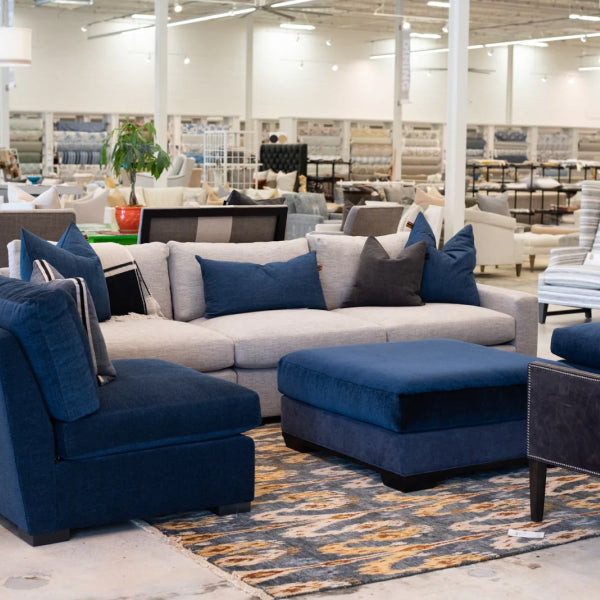
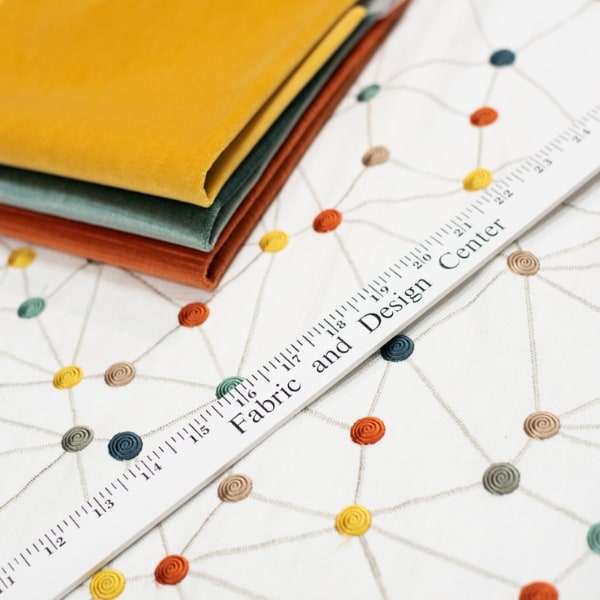
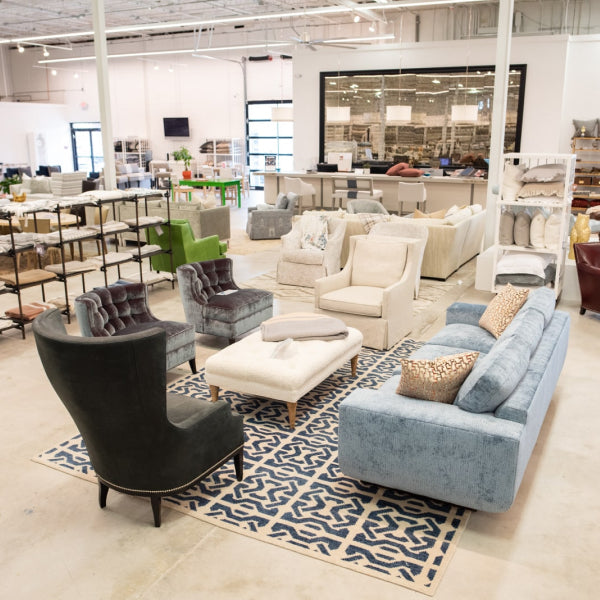
Our Atlanta fabric showroom is a playground for this exact kind of detail-oriented design. We provide the resources for Atlanta’s top design talent, including those in our Lewis and Sheron Trade Program, to source the exquisite textiles and trims that bring these visions to life.
Matching Fringe Style to Your Project
Choosing the perfect fringe is step one. The style should complement the fabric, the furniture, and the room's vibe. A delicate brush fringe might suit a silk drapery panel, while a robust corded fringe is better for a durable, custom upholstery project.
Here’s a quick guide to pairing the right fringe with luxury home decor.
| Fringe Type | Best For | Design Impact | Pairs Well With |
|---|---|---|---|
| Tassel Fringe | Drapery leading edges, throw pillows, lampshades | Playful, worldly, adds movement. | Velvets, embroidered fabrics, and rich, saturated colors. |
| Bullion Fringe | Sofa and chair skirts, ottomans, formal drapery | Traditional, opulent, adds dramatic weight. | Heavy damasks, brocades, and classic Verellen furniture. |
| Brush Fringe | Cushion edges, light drapery, decorative accents | Soft, subtle, provides a clean, tailored line. | Linens, cottons, and silks for a refined finish. |
| Knot/Loop Fringe | Pillows, throws, bohemian or eclectic decor | Textural, artistic, adds a handcrafted feel. | Woven textiles, natural fibers, and Ambella furniture. |
Learning the art of sewing trim fringe lets you apply the same precision seen in high-end furniture stores in Buckhead, creating pieces that speak to impeccable taste. To explore a wider world of decorative details, check out our guide on ribbons and trim. This foundation will set you up for success.
Your Toolkit for a Flawless Finish
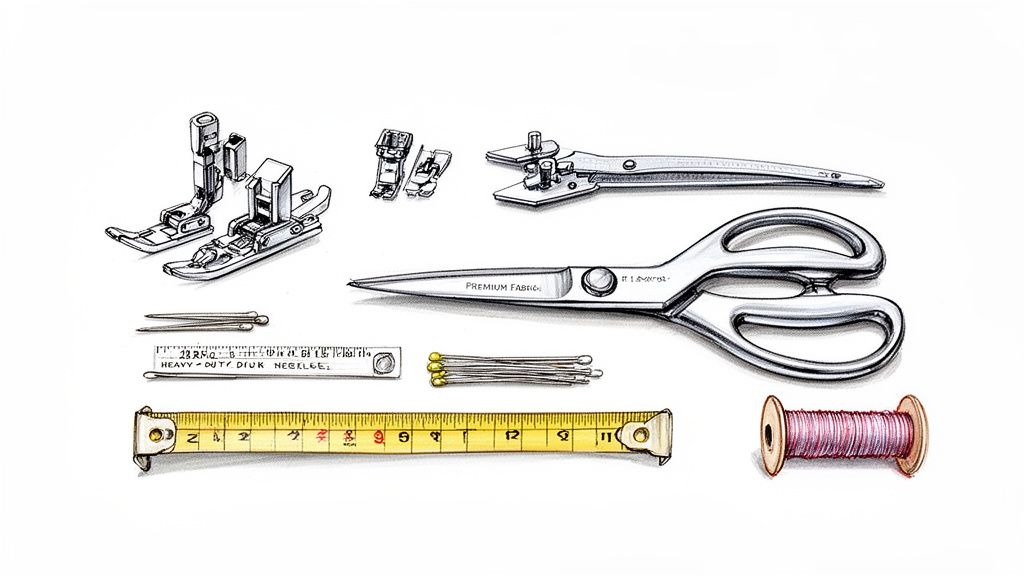
Before a single stitch, let’s talk tools. A professional fringe application isn't about owning the most equipment—it’s about having the right equipment.
The workrooms crafting custom upholstery for homes in East Cobb and Forsyth County don’t grab any old scissors. They use a curated toolkit that guarantees precision. This is what separates a beautiful, high-end finish from the puckering, pulling, and wobbly lines that scream DIY.
The Non-Negotiable Essentials
Think of these as your foundation. Skimping here will show in the final product.
- Premium Fabric Shears: This is not the place for kitchen scissors. Sharp, dedicated shears ensure clean, fray-free cuts every time. One clean snip beats a chewed, messy edge.
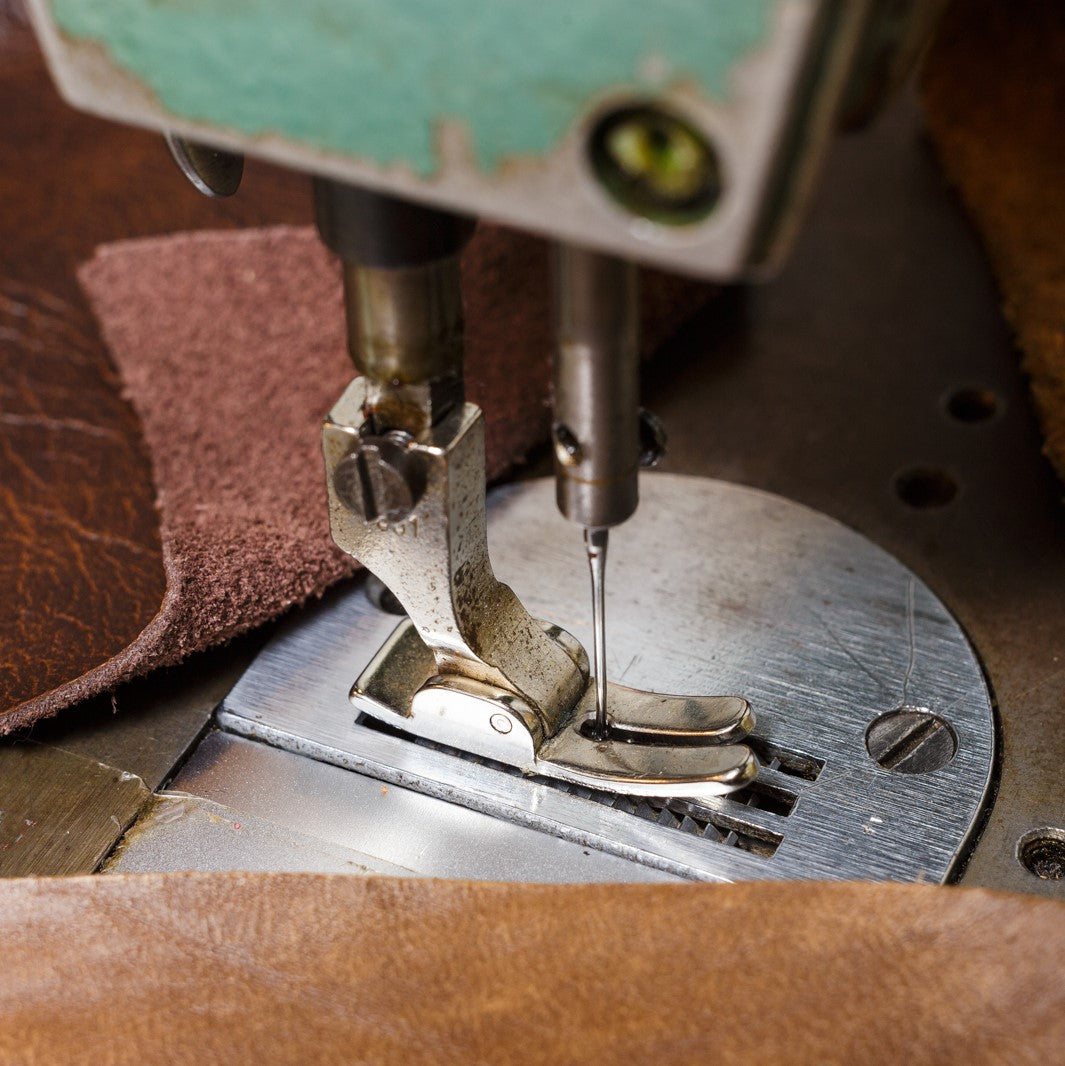
- Specialized Machine Feet: A standard presser foot crushes delicate tassels. A zipper or cording foot is the real secret. It lets your needle get right up against the trim's tape for a tight, invisible seam.
- Fine, Sharp Pins: When working with delicate designer fabrics from our Atlanta showroom, always use silk or extra-fine sharp pins. They glide through without leaving permanent holes or snags.
A common mistake is using the wrong needle. For most fringe projects with medium-weight fabrics, a universal 80/12 is perfect. For heavier upholstery, step up to a 90/14 or even a denim needle to power through layers without skipping a stitch.
Beyond the Basics for a Bespoke Look
Once you have the essentials, a few extra tools make the process smoother and the results more refined. These are the items that separate good work from truly great work.
For a deeper dive into these small but mighty tools, explore our guide on what sewing notions are and why they matter.
Having the right tools is about control. It’s the difference between fighting your fabric and guiding it gracefully, ensuring the finished piece—be it a refreshed Lee Industries chair or custom cushions—looks impeccably crafted. That’s the Lewis and Sheron standard.
Applying Fringe to Pillows and Drapery
This is where the artistry begins. Adding fringe to pillows and drapery is a deliberate design choice that completely shapes the final look. It’s the detail that elevates a project from finished to truly custom.
For pillows, your technique defines the personality. Before you thread a needle, know your goal. There's a great guide on choosing the perfect pillow that can give you a solid foundation.
Once you’re ready to sew, designers use two primary methods.
The Two Core Pillow Techniques
First, you can insert the fringe directly into the seam. This gives you a clean, integrated finish where the fringe looks like it’s part of the pillow's edge. It’s a sophisticated, tailored look you see in high-end Buckhead showrooms.
Your other option is to top-stitch the fringe onto the finished pillow. This makes a bolder statement, creating a layered, pronounced effect. It’s a fantastic way to add texture and turn a simple cushion into a focal point.
The method you choose impacts the pillow's character. An inset fringe whispers elegance. A top-stitched fringe announces its presence with confidence.
Drapery Placement and Precision
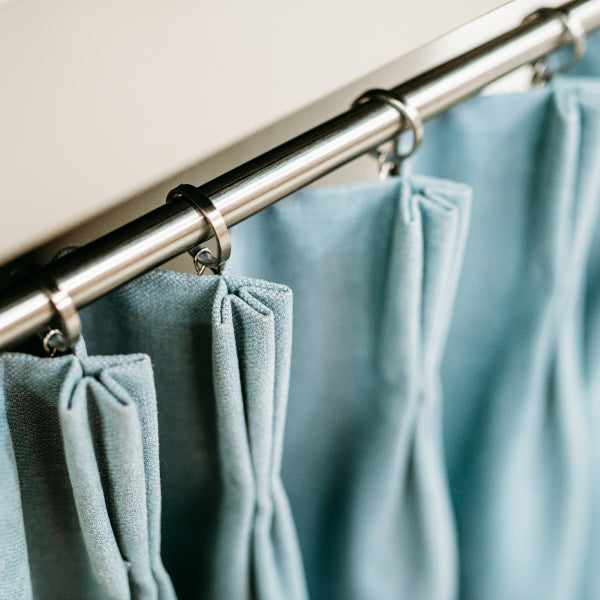
With drapery, placement is everything. The right details can transform a window treatment in a Roswell or Milton home into a work of art.
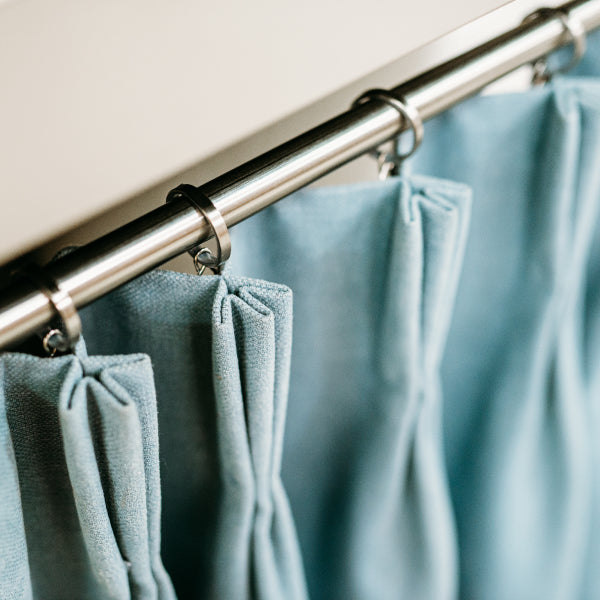
- Leading Edge Application: Adding fringe to the leading edge—the inner vertical side of each panel—is a classic choice that draws the eye upward, creating a stunning vertical line.
- Hemline Application: Trimming the bottom hem adds luxurious weight, helping the fabric hang more beautifully. This is especially effective for the fine fabrics Alpharetta designers love, giving them a more grounded appearance.
Navigating Corners with Finesse
A common challenge is getting around corners without a lumpy bunch of trim. The professional trick is a mitered corner.
As you approach a corner, stop stitching about a half-inch from the edge. Fold the trim at a 45-degree angle, press it neatly, and then continue sewing.
This small step ensures the fringe lies flat and the corner looks sharp. It’s this precision that distinguishes custom work and is a cornerstone of fine Atlanta interior design. For more inspiration, check out our advice on using decorative trim for pillows.
Advanced Fringe Techniques for Upholstered Furniture
Alright, let's move into the big leagues. Sewing trim onto upholstered furniture is where true customization happens. This is how you elevate an Ambella ottoman or a classic Wesley Hall sofa from a beautiful piece into a bespoke masterpiece.
Unlike a simple pillow, furniture challenges you with curves, existing welting, and solid forms. It demands patience, precision, and a few insider techniques.
Let's break down the professional methods for applying fringe along the base of a sofa or chair—a timeless detail that adds incredible definition.
Machine Work vs. Hand Application
For removable parts, like a Lee Industries seat cushion, your sewing machine is your best friend. Treat the cushion like a large pillow, sandwiching the fringe into the seams with a zipper foot for a crisp finish.
However, when applying trim directly to a non-removable part of a furniture frame—like the skirt of a sofa—hand-sewing is non-negotiable. This is where the real craft comes in. It's the skill designers in our Lewis and Sheron Trade Program use to deliver show-stopping results for clients in Buckhead and Marietta.
Hand-sewing gives you ultimate control. It allows you to subtly manipulate the trim around curves and secure it invisibly, creating a finish that looks original to the piece.
Secrets to a Flawless Frame Application
Applying fringe to a solid frame requires a different set of tools. You’ll need a curved upholstery needle, a thimble (don’t skip this!), and a heavy-duty thread that matches your designer fabric perfectly.
- The Right Needle is Crucial: A curved upholstery needle is designed to pass through thick layers of fabric and padding and come back out a short distance away, all from one side.
- Navigating Curves with Relief Cuts: To get a smooth application around a curve, make tiny snips into the fringe’s header tape. These small relief cuts allow the tape to relax and follow the curve without buckling.
- The Hidden Stitch: Use a slip stitch or a blind stitch. Your goal is to catch just a few threads of the main upholstery fabric with each pass, keeping your work invisible.
This process is a testament to quality craftsmanship and reflects a growing demand for personalized, high-quality home furnishings. The broader textile market is projected to grow to USD 1,955.50 billion by 2034, highlighting a clear consumer shift toward the bespoke interior solutions we champion in Atlanta. You can explore more data on the thriving global textile market on fortunebusinessinsights.com.
This quick visual guide outlines the fundamental differences in applying fringe to softer decor versus weighted drapery.
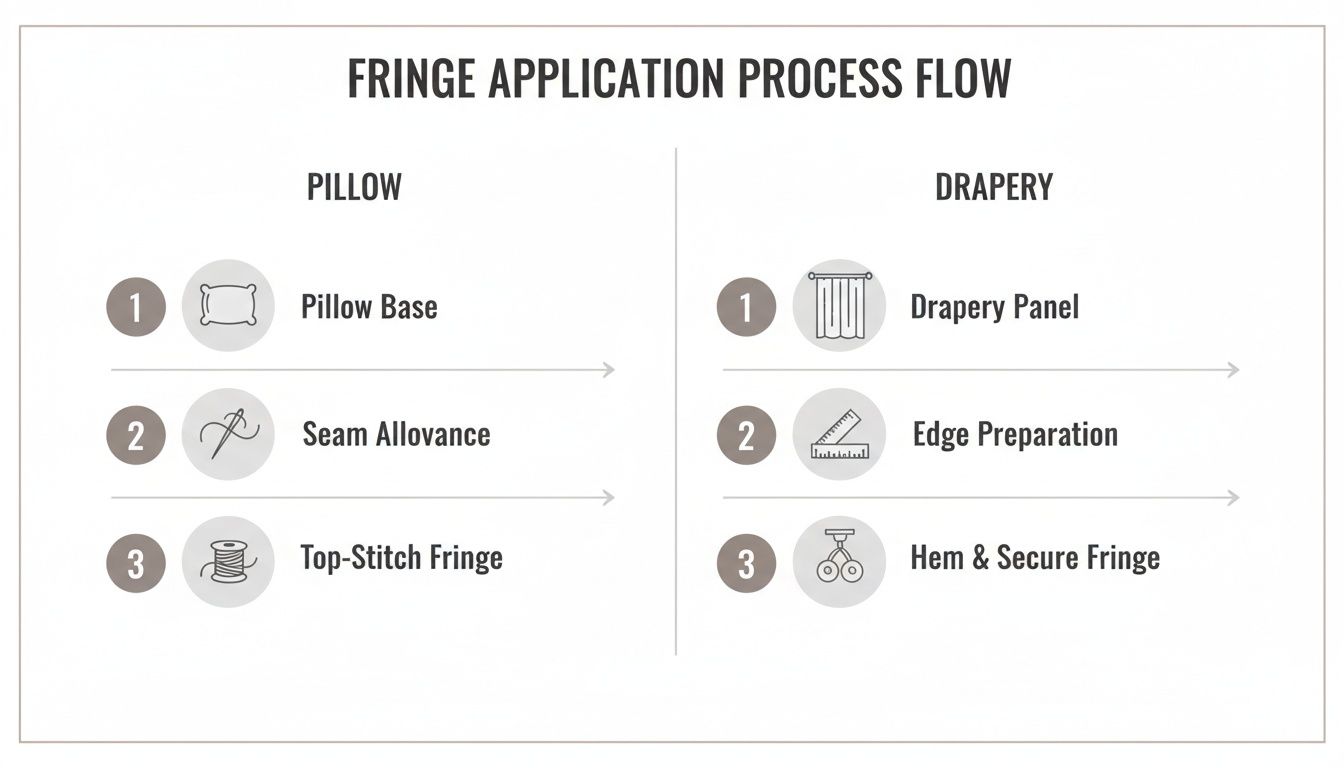
The core principle shifts from seam integration on pillows to edge finishing on drapery, each requiring a distinct approach to achieve a professional, polished look.
Solving Common Problems and Finishing Like a Pro
A project is only as good as its final details. A few finishing steps are all that stand between a project looking 'homemade' versus 'handcrafted'. It’s the difference between a good piece and the exquisite furniture you’d find in high-end furniture stores in Buckhead.
First, secure the ends of your trim to prevent unraveling. Dab a small amount of Fray Check or clear fabric glue onto the raw edge. For a truly professional finish, fold the last half-inch of the trim’s header tape under itself before your final stitch. This encases the raw edge, making it incredibly durable.
Troubleshooting Common Frustrations
Even pros run into issues. The key is knowing how to pivot with the poise of an Atlanta design expert.
What do you do when your machine starts skipping stitches over a thick flange? This is almost always a needle or tension issue. First, ensure you're using the right needle—a 90/14 or 100/16 can power through dense layers. If that doesn't work, slightly decrease your upper thread tension.
The secret to avoiding frustration is recognizing when to switch tactics. Sometimes, the best solution is to stop, lift the presser foot, and hand-crank the needle through a thick spot. It’s about precision, not speed.
Preventing Puckering and Pulling
Another headache is fabric puckering, especially when sewing heavy tassel trim onto a lighter fabric. The fringe's weight is literally pulling the fabric out of shape.
To counteract this:
- Use a walking foot: This specialty foot grips both fabric layers simultaneously, feeding them through at the same rate.
- Apply interfacing: Fuse a lightweight strip of interfacing to the back of the fabric where the trim will be attached. This gives the base fabric more stability.
- Choose the right thread: Quality thread is your best defense. A cheap thread can stretch or break, leading to uneven stitches.
The global sewing thread market, a direct support to our industry, was valued at USD 3.66 billion in 2024, reflecting the huge demand for quality components that ensure lasting custom upholstery. You can find more insights on the value of quality sewing thread at precedenceresearch.com.
These are the secrets that ensure your work has the lasting quality you’d expect from the finest luxury furniture Atlanta has to offer.
Your Fringe and Trim Questions Answered
We hear a lot of the same questions in our Atlanta fabric showroom. When you’re investing in high-end fabrics for a bespoke finish, you want to get every detail right. Here’s some straightforward advice.
Can I Add Fringe to an Existing Sofa Without Reupholstering It?
Absolutely. This is a brilliant way to refresh a piece without a full overhaul. Hand-sewing is your best bet. Carefully attach the fringe along the base or around cushions using a curved upholstery needle and strong, matching thread.
The secret is making your stitches small and discreet. It's a fantastic way to update a classic Wesley Hall sofa or add personality to an Ambella armchair.
What Is the Best Sewing Machine Foot for Attaching Fringe?
A zipper foot or a cording foot is your best friend. A standard presser foot mashes down the decorative part of the fringe, leading to uneven stitches.
A zipper foot lets you get your needle right up against the trim's flange, creating a clean, tight, nearly invisible seam. If you’re working with especially bulky trims from our designer fabrics collection, a walking foot is another great option.
How Do I Calculate the Amount of Fringe I Need?
Measure twice, buy once. It saves a trip and ensures you don't run out of your perfect trim mid-project.
We always recommend buying 10% more fringe than your measurement. This extra bit provides a crucial buffer for turning corners, matching patterns, or fixing mistakes.
A quick breakdown:
- For a pillow: Measure all four sides and add at least 6 extra inches.
- For drapery: Measure the specific edges you plan to trim and add a few extra inches per panel.
- For furniture: Use a flexible measuring tape to trace the exact path the fringe will follow.
Of course, our team in the Atlanta fabric showroom is always here to help you estimate quantities, ensuring you leave with exactly what you need for your luxury furniture project.
Ready to find the perfect finishing touch for your next design? Explore the exquisite collection of designer fabrics and trims at Lewis and Sheron Textiles. Visit our Buckhead showroom or browse our curated selection online at lsfabrics.com.