


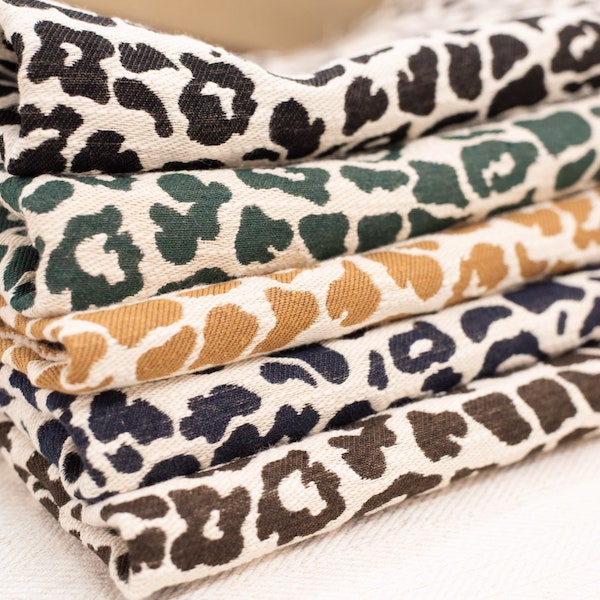
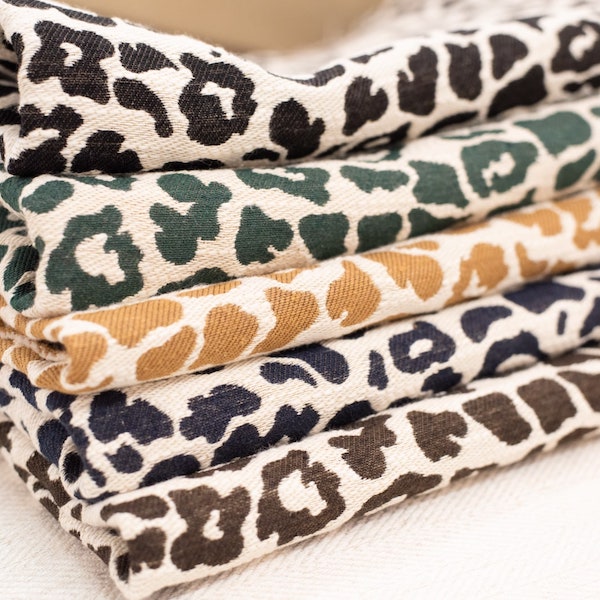
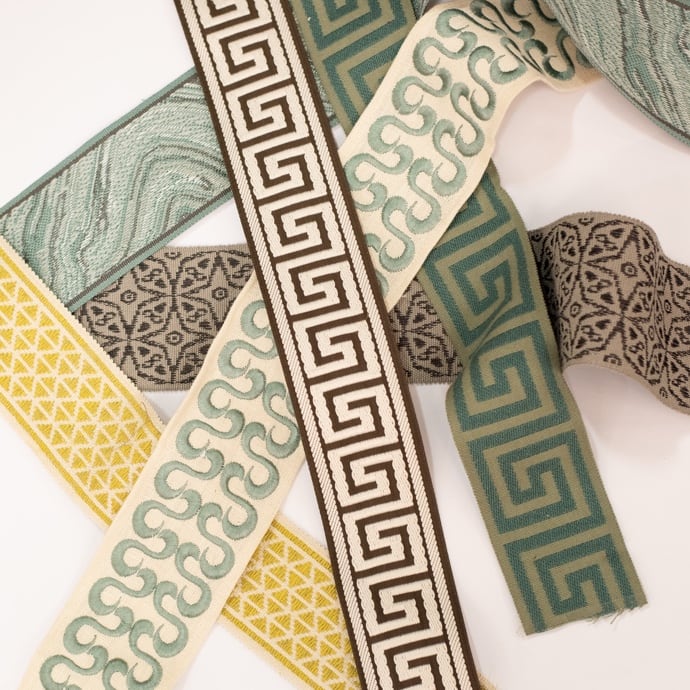

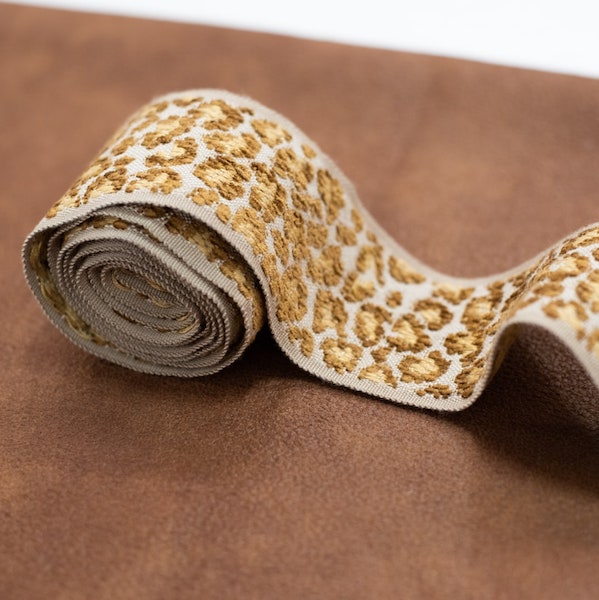
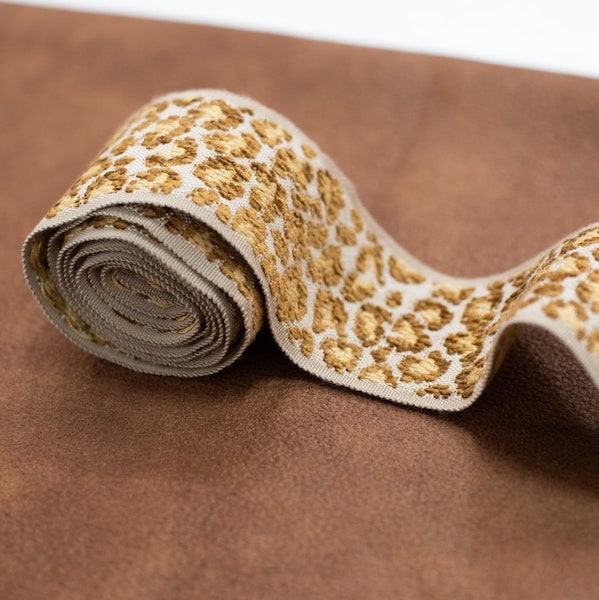
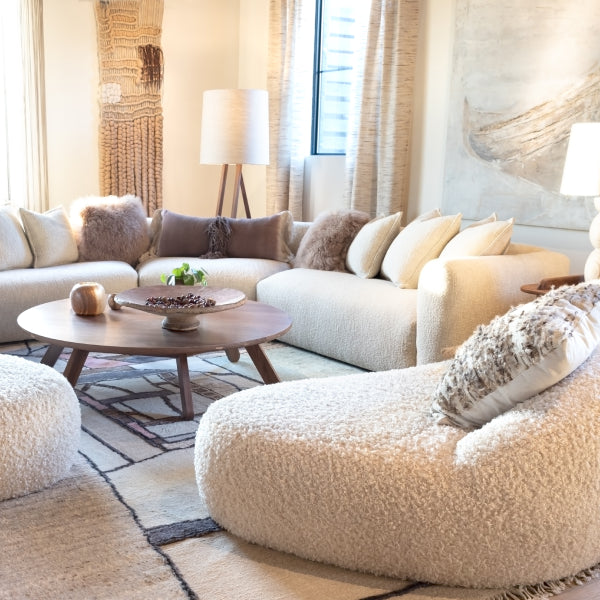
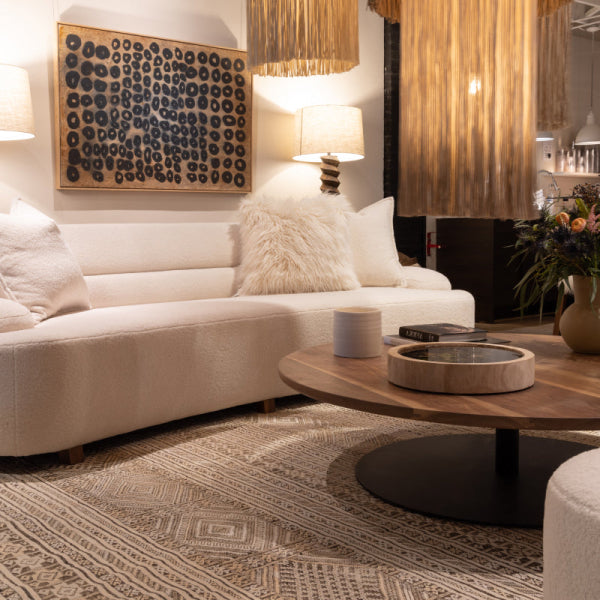







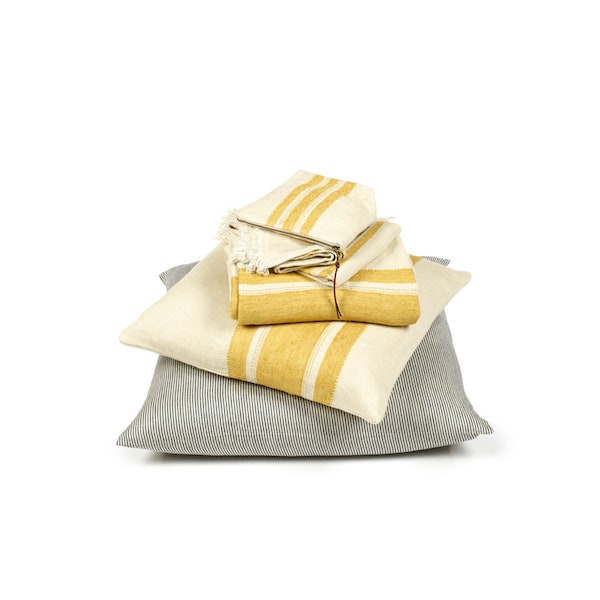
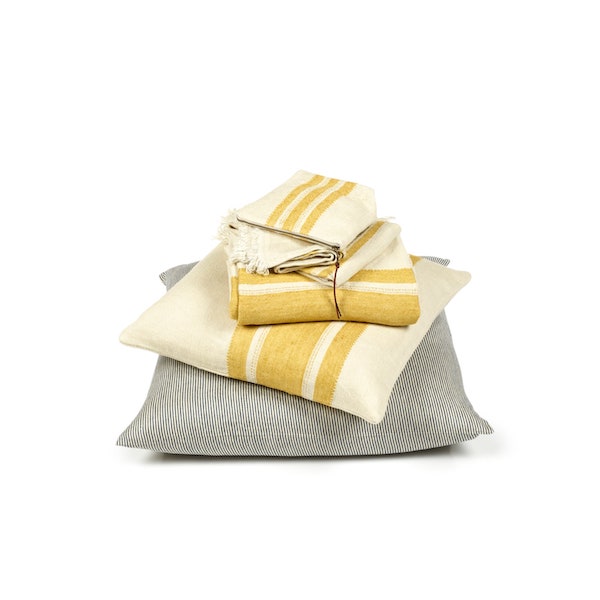
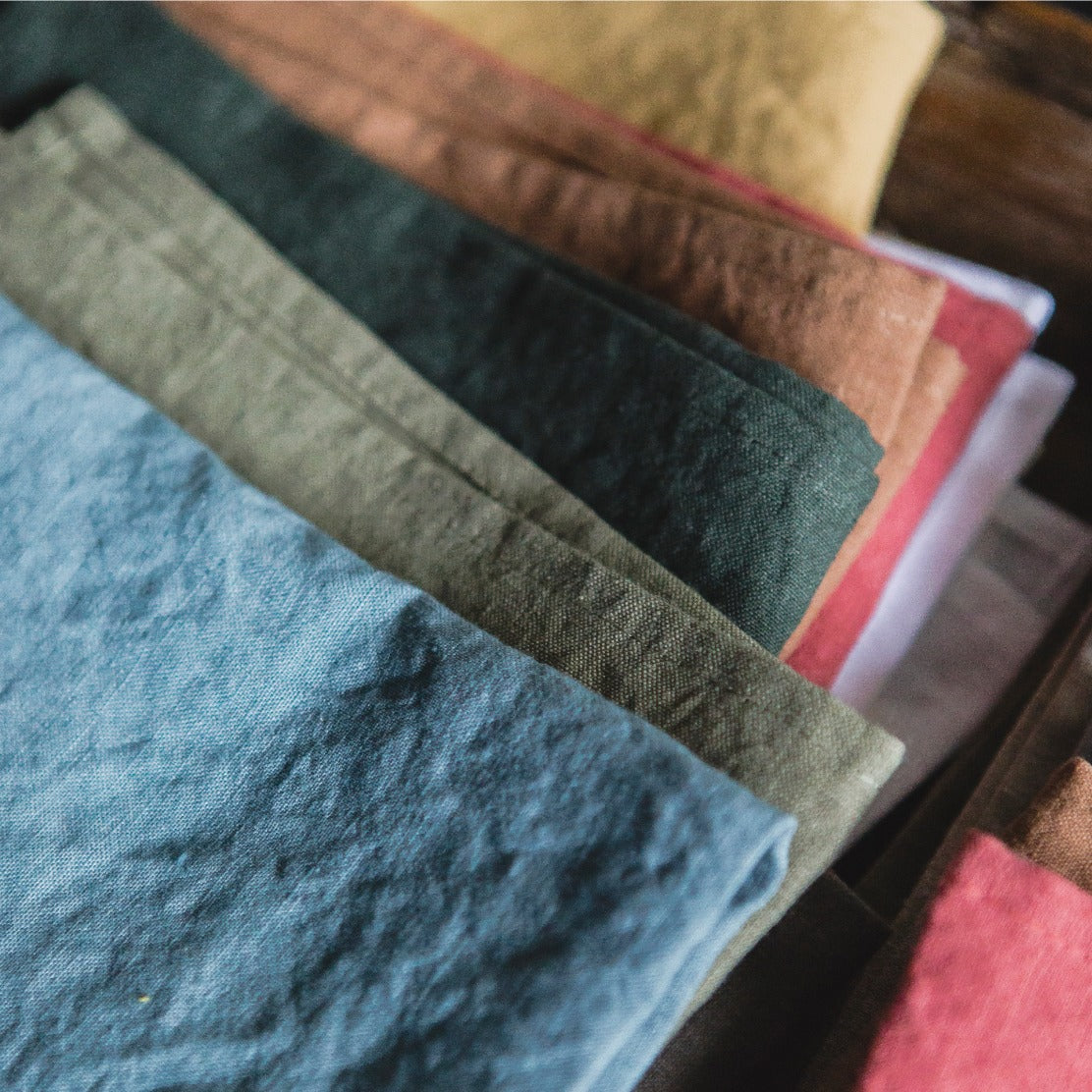

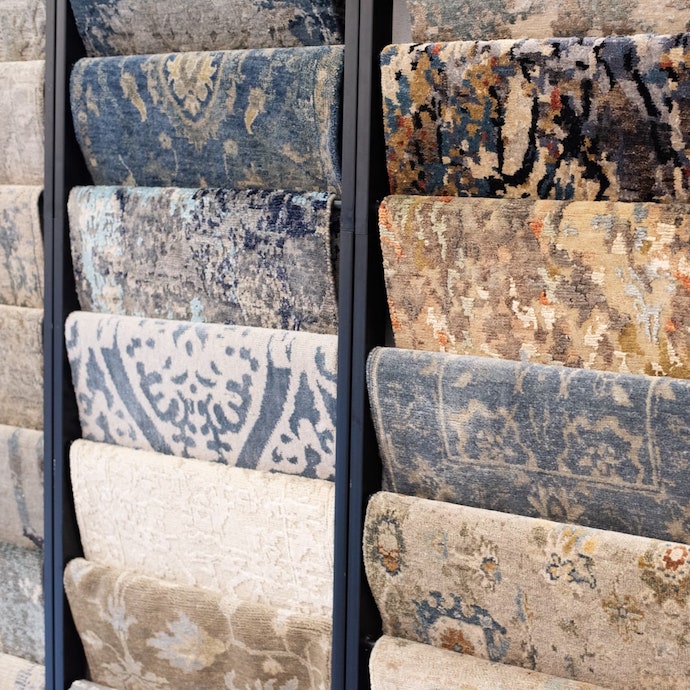
It’s a simple truth in design: the real magic is in the details. That’s where high-quality ribbons and trim enter the picture. They’re the final flourish, the secret weapon in a designer’s arsenal that takes a room from simply nice to absolutely unforgettable.
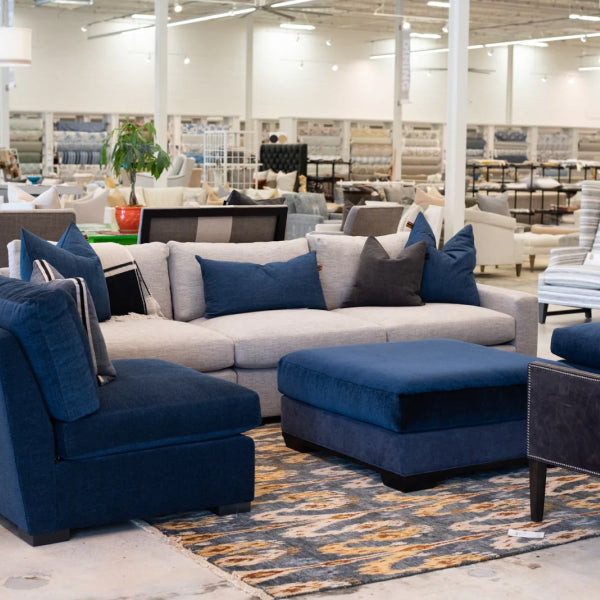
Step inside our Buckhead showroom and you’ll understand. For Atlanta's most discerning designers and homeowners, these finishing touches aren't just an option—they're essential.
Why Trim Is a Designer’s Secret Weapon
Think of ribbons and trim as the perfect piece of jewelry for your furniture and draperies. It’s that last, intentional layer that tells you a space was thoughtfully curated, not just put together. For Atlanta's elite designers and homeowners, from Buckhead to Alpharetta, it's a non-negotiable for creating that truly custom, high-end finish.
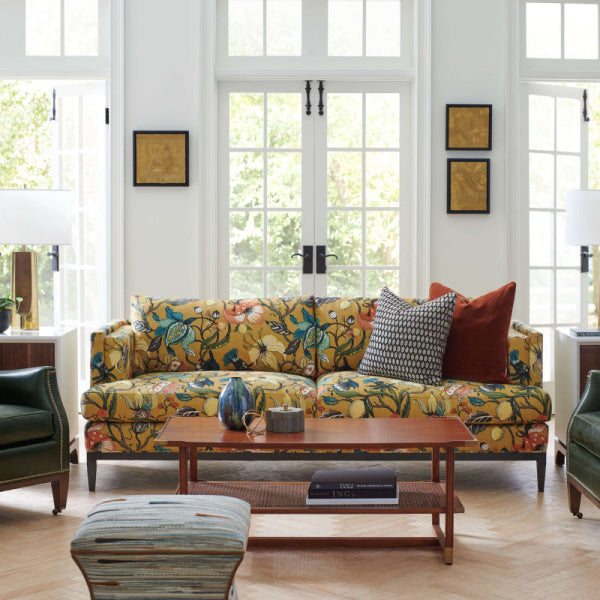
A well-chosen trim does so much more than just decorate. It can define the very shape of a piece, add a layer of inviting texture, or introduce that perfect, precise pop of color. It’s how a stunning Wesley Hall sofa becomes a one-of-a-kind masterpiece, or how custom drapery panels are elevated from merely functional to an absolute statement. The right trim can trace the elegant silhouette of a Lee Industries chair or bring a playful yet sophisticated edge to a line of custom pillows.
The Power of the Finishing Touch
In the world of luxury interior design, these finishing touches are everything. They’re what turn a simple piece into a conversation starter.
Just think about the effects:
- Defines Form: A contrasting welt cord piped along the seams of a cushion highlights its clean lines and the quality of the tailoring.
- Adds Texture: A delicate brush fringe or a substantial tassel can introduce a completely new material, adding depth and a tactile quality that begs to be touched.
- Creates Cohesion: Trim is the perfect tool for tying different elements in a room together, echoing a color from the rug or a pattern from a nearby accent chair.
This is precisely why investing in quality trim at our Atlanta fabric showroom is so important. If the fabric is the foundation, the trim is the signature. It’s that specific detail that makes a guest lean in for a closer look and ask, “Wow, where did you find this?” This level of customization is what separates the luxury furniture Atlanta homes are known for from the standard, off-the-floor pieces you see everywhere else. It’s not an afterthought; it’s a core part of the design story.
At Lewis and Sheron, we've always believed the final 5% of a project makes 95% of the impact. Trim is that final 5%. It's the detail that ensures a design feels complete, polished, and uniquely yours.
Whether you're an interior designer leveraging our Trade Program or a homeowner bringing your own vision to life, understanding the power of ribbons and trim is key. It’s what transforms a well-appointed house in Roswell into a thoughtfully curated home. To dive deeper into all the possibilities, you can learn more about our expansive collection of ribbons and trim in our detailed guide. It’s the perfect first step toward creating spaces that feel both personal and impeccably designed.
Speaking the Language of Trim: A Practical Guide
Feeling a bit lost in a sea of gimp, cording, and fringe? You're in good company. Think of this as your personal translator for the world of high-end trim—no dusty dictionaries, just practical advice for your next project.
We'll break down the essentials so you can walk into our Atlanta fabric showroom and speak the language of design with total confidence. It’s about knowing why a certain trim works, not just what it’s called.
Decoding the Most Essential Trim Styles
Let's cut through the jargon. While there are hundreds of variations out there, most of the designer trims we use fall into a few key families. Getting to know them is the first step to making choices that feel intentional and polished.
Here are the heavy hitters you’ll find on luxury furniture from Buckhead to Marietta:
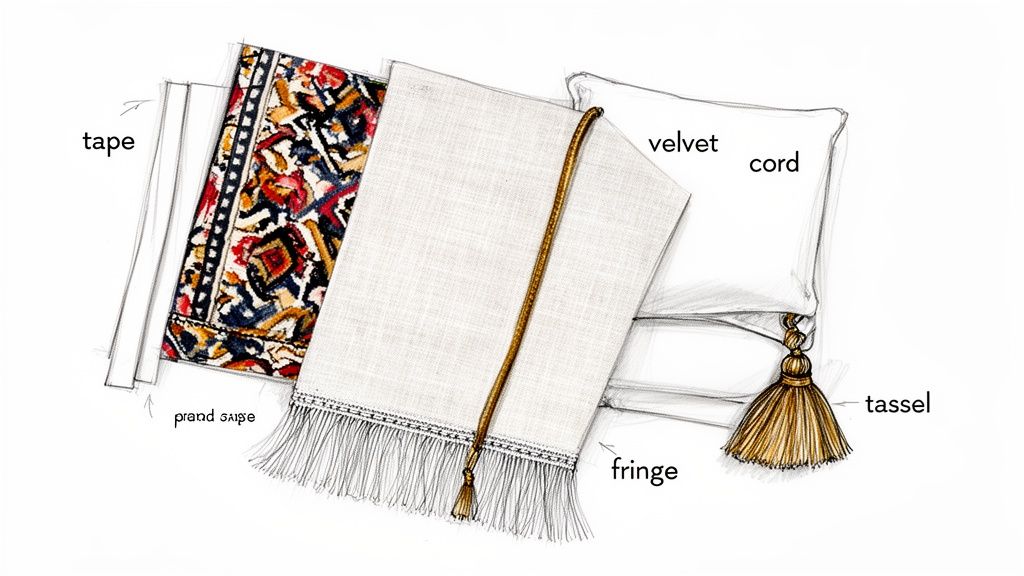
- Welt Cord (or Piping): This is the clean, tailored cord you see outlining the seams of cushions and pillows. It’s a workhorse for a reason—it defines the shape of a piece beautifully, giving it a crisp, finished edge. Just think of it accentuating the gorgeous lines of a Lee Industries chair.
- Fringe: From thick, dramatic bullion fringe brushing the floor on a classic sofa to a soft, delicate brush fringe on a throw pillow, this trim adds wonderful texture and movement. It’s a fantastic way to introduce a sense of luxury and softness.
- Tape (or Braid): These are flat, decorative bands that can be applied to the leading edge of drapery panels, around the base of a sofa, or even to create geometric patterns. They’re perfect for adding a pop of color or an intricate pattern without overwhelming the piece.
- Gimp: A narrow, ornamental braid, gimp is often used to conceal upholstery tacks or staples, providing a clean transition between fabric and frame. It's a subtle but absolutely essential detail in high-end upholstery work.
- Lip Cord: Similar to a welt cord, but with a small flange (or "lip") of fabric that gets sewn into the seam. This allows the decorative cord part to sit right on the surface, making it perfect for edging pillows and Roman shades.
This mind map breaks down how these elements—shape, texture, and color—are the designer's secret weapon in creating a truly bespoke look.
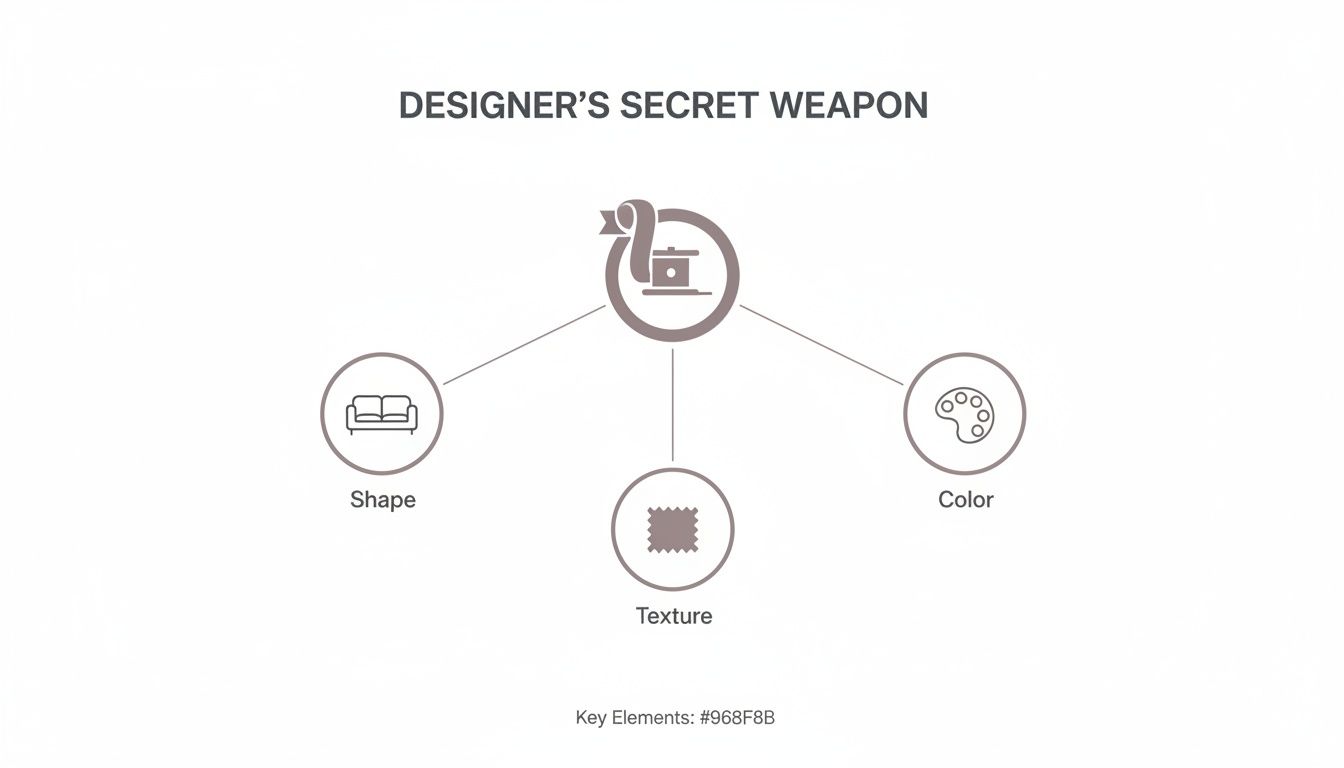
As you can see, the right trim selection is a powerful tool. It directly influences the final look and feel of your furniture or draperies, taking them from simple to stunning.
Matching the Right Trim to Your Project
So, when do you use which? The key is to match the trim’s style and durability to the project's function. A delicate beaded trim that looks stunning on a stationary drapery panel in an Alpharetta home might not survive a week on a high-traffic family room sofa.
This quick guide can help you narrow down the best options for your project.
Matching the Right Trim to Your Project
| Project Type | Recommended Trim | Why It Works |
|---|---|---|
| Sofa & Chair Upholstery | Welt Cord, Gimp, Bullion Fringe | Welt cord provides clean, durable lines, while gimp elegantly conceals staples. Bullion fringe adds classic weight and drama to skirted pieces. |
| Drapery Panels | Tape/Braid, Brush Fringe | Tapes applied to the leading edge add a beautiful, vertical design element. Brush fringe offers a soft, decorative finish without adding too much weight. |
| Pillows & Cushions | Lip Cord, Welt Cord, Tassels | Cords are perfect for defining edges. Tassels and smaller fringes add a playful, decorative touch, especially on corners. |
| Roman Shades & Bedding | Tape/Braid, Lip Cord | Tapes are excellent for creating borders on shades and duvets. Lip cord provides a neat, pronounced edge for a high-end, custom look. |
Ultimately, choosing the right trim comes down to understanding how a piece will be lived with.
The rule of thumb is simple: The more a piece is used, the sturdier the trim should be. A welt cord on a Wesley Hall sofa is built for lounging; a silk tassel on a decorative pillow is meant to be admired.
The demand for these durable, beautiful details is only growing. The global market for ribbon additives—which enhance the shimmer and strength of luxury textiles—was valued at USD 145 million in 2025 and is projected to hit USD 199.42 million by 2032. This growth is driven by the textile industry's need for premium ribbons & trim that elevate everything from custom upholstery to fine draperies. You can discover more insights about the global ribbon additives market and its impact on textiles.
Understanding the language of trim is about building confidence. It’s knowing that a simple braid can frame a window like a piece of art, or that a well-placed cord can transform a piece of furniture from standard to statement. The next time you visit us on Collier Rd, you'll be ready to select the perfect detail to bring your vision to life.
How to Pair Trims with Fabrics Like a Pro
The real magic happens when fabric and trim come together in perfect harmony. This is where a room’s entire personality can shift from pleasant to unforgettable. It’s one thing to choose a beautiful textile; it’s another to know exactly how to frame it, accentuate it, and give it that final, bespoke touch.
Think of it as the art of contrast and complement. This is your playbook for making selections that look confident, timeless, and intentionally designed—the kind of detail that makes guests lean in for a closer look. Let’s master the art of the perfect pairing.
Match Textures and Materials
First, let's talk about texture. The interplay between the fabric and its trim is where you can create incredible depth. A successful pairing often comes from either complementing the fabric’s texture or creating a deliberate, striking contrast.
Consider these classic pairings you might see in high-end homes from East Cobb to Milton:
- Smooth on Smooth: A silk tassel on a silk pillow creates a seamless, elegant look. The consistent sheen just feels polished and sophisticated.
- Rough on Smooth: Imagine a chunky jute braid against a smooth, Belgian linen. It creates a beautiful tension. The organic, rustic texture of the trim makes the linen feel even more refined.
- Luxe on Luxe: A rich velvet cord trimming a mohair cushion is the very definition of opulence. It's a tactile experience that invites you to touch it.
The key is to think about the story you want to tell. Are you aiming for something serene and uniform or more dynamic and layered? The textures you choose will set that tone immediately.
Nail the Color and Pattern Game
Pairing colors and patterns can feel intimidating, but a few simple principles make it effortless. You’re not trying to create a perfect match; you’re aiming for a perfect conversation between the elements.
Your trim shouldn't just sit there; it should amplify the fabric it's paired with. It’s the supporting actor that makes the star shine even brighter.
Here’s how the pros do it:
- Monochromatic Harmony: Use a trim that’s the exact same color as your fabric but in a different texture (like a matte linen trim on a slubby linen fabric). This adds dimension without introducing a new color, creating a look that’s pure, understated luxury.
- Pick a Secondary Color: When you’re working with a patterned fabric, pull one of the less dominant colors from the print and use it for your trim. This is a designer secret for making a space feel cohesive and thoughtfully layered. A simple tape trim in a subtle accent color can beautifully frame a bold patterned drapery panel.
- Bold and Contrasting: For a real statement, choose a trim in a completely contrasting color. Think a crisp black welt cord on a white sofa—it’s classic, confident, and graphic. This approach works best when you want to emphasize the clean lines and silhouette of a piece.
Get the Scale and Proportion Just Right
Finally, let’s talk scale. This is arguably the most common mistake we see: a trim that’s either too wimpy for the piece or so overwhelming it steals the show for all the wrong reasons. The proportion of the trim must match the visual weight of the item it’s adorning.
Think about it this way: a chunky tassel fringe is perfect for anchoring a grand, skirted sofa, adding the right amount of drama and weight. But that same fringe would completely swallow a small lumbar pillow, making it look clumsy and out of balance.
A simple rule of thumb:
- Large pieces like sofas and draperies for tall windows can handle wider tapes, larger cords, and more substantial fringes.
- Smaller pieces like accent pillows or dining chair cushions need more delicate trims—think a fine lip cord, a narrow braid, or a small brush fringe.
Always test a sample. Drape your potential trim over the fabric and step back. Look at it from across the room. Does it feel balanced? Does it enhance the piece or compete with it? Your eyes will tell you everything you need to know. Getting this right is what separates good design from truly great design.
From Showroom to Your Home: Measuring and Ordering Trim
There’s nothing worse than that sinking feeling when you realize you’re three feet short of the perfect trim. That last-minute scramble is frustrating, expensive, and completely avoidable. This is where we get practical and demystify the measuring process, so you can order with the confidence of a seasoned pro.
Let's get the math right the first time. Whether you’re adding a luxe welt cord to a pillow or a sophisticated tape to a drapery's leading edge, a few simple formulas are all you need to bring your vision to life without any costly missteps.
Simple Formulas for Common Projects
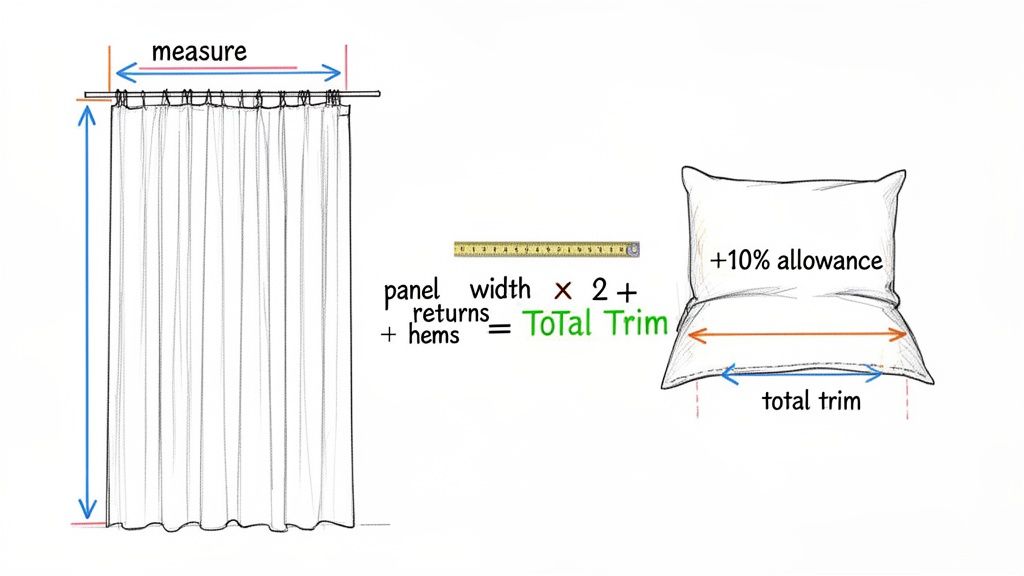
You can forget about complicated calculations. Most projects really just boil down to measuring the perimeter and adding a smart buffer. These are the go-to rules of thumb we share with our clients every day in our Buckhead showroom.
-
For Pillows (Welt Cord or Fringe): Measure the length and width of your pillow form. Add those two numbers together and multiply by two to get the perimeter. Then, and this is important, add at least 6 extra inches for joining the ends cleanly.
- For example, an 18" x 18" pillow: (18 + 18) x 2 = 72 inches. Add 6 inches for a total of 78 inches (or 2.25 yards) of trim.
-
For Drapery Panels (Leading Edge Tape): This one's easy. Just measure the finished length of your panel. If you want to trim both the leading edge and the bottom hem, you’ll add the finished width to that finished length. Always add 10% extra to account for cuts and straightening the material.
- For example, a single 96" long panel needs 96 inches. Add 10% (9.6 inches), and you'll want to order 106 inches (or 3 yards) per panel.
The Cardinal Rule: Always Add Extra
If you take only one piece of advice away from this, let it be this: always order more trim than you think you need. You can't undo a cut that's too short, and an extra yard is a tiny price to pay for peace of mind.
The professional standard is to add 10-15% to your final measurement. This buffer accounts for matching up patterns, mitering corners perfectly, and those small but inevitable human errors. It’s what separates a seamless, beautiful project from a costly trip back to the store.
Simplifying for the Pros: The Trade Program
For our design partners managing large-scale projects in Forsyth County and across North Georgia, we know accuracy is everything. That’s why we created the Lewis and Sheron Trade Program—to make sourcing completely seamless. We work directly with designers to verify quantities, manage complex orders, and ensure every single yard of trim for your custom upholstery or drapery is accounted for.
It simply removes the guesswork. This frees you up to focus on what you do best: creating breathtaking interiors. Just walk into our Atlanta design center with your plans, and let our team handle the details.
Beyond the Basics: Designer Inspiration for Using Trim
Ready to move beyond the expected? This is where the real fun begins. Once you’ve mastered the fundamentals of pairing trim and measuring for your project, you can start using ribbons & trim not just as an accent, but as a central design feature. It’s how Atlanta's top designers turn a simple piece into an absolute showstopper.
Let’s explore the truly creative, unconventional ways to make a statement. Forget just edging a pillow—we’re talking about turning trim into the star of the show.
Create Architectural Interest on Drapery
Think of plain drapery panels as a blank canvas. Instead of just letting them hang there, why not treat them like a piece of art? Using a flat tape trim to create bold, graphic patterns is a brilliant way to add architectural interest to a room without touching the walls.
- Geometric Grids: Apply tape in a crisp, geometric grid. Imagine intersecting lines that form elegant squares or diamonds. It's a fantastic trick for adding a modern, totally custom feel to a classic window treatment in a Buckhead high-rise.
- Bold Borders: Don't just stop at the leading edge. Create a wide, multi-layered border using two or three different widths or colors of tape. This approach frames the window beautifully and adds a real sense of weight and importance.
- Vertical Statements: Try running a series of parallel vertical tapes down the full length of the panel. This technique naturally draws the eye upward, making the ceilings in a Roswell home feel even taller.
Transform Everyday Objects into Custom Pieces
Trim isn’t just for sofas and curtains. With a little imagination, you can add a bespoke touch to almost anything in a room. This is where you can really let your personality shine and create something that is uniquely yours.
Consider these unexpected applications:
- Lampshade Artistry: A plain drum shade is a golden opportunity. Wrap it with a beautiful ribbon or apply a delicate gimp along the top and bottom edges. Just like that, you’ve created a custom light fixture for a fraction of the cost.
- Headboard Definition: Give a simple upholstered headboard that boutique hotel feel. Adding a contrasting welt cord to the outer edge—or even inlaying a flat braid a few inches from the border—creates an incredibly polished, high-end look.
- Table Skirt Drama: Elevate a simple skirted table by adding a thick, luxurious tassel or bullion fringe to the hem. It instantly adds a dose of old-world glamour and wonderful texture.
For those who love embellishing projects in unexpected ways, exploring how to create stunning cross stitch floral borders can provide a wellspring of fresh inspiration.
The Art of the Unexpected Detail
Sometimes, the most impactful design moments are the most subtle. It’s the detail a guest might not notice right away, but once they do, they can’t unsee it. This is where true design mastery lies.
The goal is to create moments of delight. A surprising pop of color on the back of a cushion, a hidden pattern on the inside of a pleat—these are the details that make a design feel alive and personal.
This is especially true in the high-end furniture world, where quality is everything. Even the unseen elements matter. From Verellen to Ambella, our luxury furniture partners know that true craftsmanship extends to every stitch.
Whether you’re a designer working with our trade furniture program on a project in Forsyth County or a homeowner looking to add that perfect finishing touch, we encourage you to think outside the box. Bring your boldest ideas to our Atlanta fabric showroom, and let’s find the perfect ribbons & trim to bring your vision to life.
Caring for Your Custom Trim and Accents
You’ve done the creative work—pairing that stunning fabric with just the right ribbons & trim. But now comes the part that ensures your vision lasts a lifetime: flawless application and thoughtful care. This is where true craftsmanship and a little maintenance know-how make all the difference.
There’s a reason designers and homeowners alike turn to professionals. Our custom upholstery and drapery teams in Atlanta see things the average eye might miss. They know precisely how to apply a heavy bullion fringe so it hangs perfectly straight, not wavy. They can attach a delicate beaded trim to a drapery panel without a single pucker in sight.
It all comes down to precision. An expert understands the right adhesive to use, the perfect stitch tension for a specific fabric, and how to miter a corner on a tape trim so it looks like a single, seamless frame. This level of skill ensures your investment not only looks spectacular on day one but also holds up to real life, whether it's on a plush Ambella furniture piece in a Buckhead living room or custom drapes in a sunny Roswell estate.
Long-Term Care for Lasting Beauty
Protecting your investment is actually simpler than you might think. With the right approach, you can keep your custom pieces looking just as fresh as the day they arrived. The secret is to match the cleaning method to the material—both the main fabric and the trim itself.
Here are a few straightforward tips to get you started:
- A Light Dusting: For drapery with beaded or tassel trims, a gentle dusting is your best friend. A soft, clean cloth or the brush attachment on your vacuum (set to low suction!) is perfect for carefully clearing dust from those beautiful hanging embellishments.
- Quick Spot Cleaning: Spills happen! When they do, act fast. Gently blot the spot on your upholstery with a clean, dry, white cloth. Whatever you do, don't rub—that can damage delicate fibers or push the stain deeper into the fabric.
- When to Call the Pros: Some jobs are best left to the experts. For deeply set dirt or stubborn stains on furniture with intricate trim, consider professional upholstery cleaning services. They have the right tools and expertise to treat complex pieces without risking damage.
Protecting Your Investment
Beyond cleaning, a little preventative care can work wonders. Simply think about the environment where your custom pieces live. Direct sunlight is the number one enemy of fine fabrics and trims, causing them to fade and weaken over time.
Consider your trim’s biggest vulnerabilities. A silk fringe is susceptible to fading from UV rays, while a cotton welt cord might be prone to staining. Knowing this helps you place and protect your furniture wisely.
Just positioning a Wesley Hall sofa with a delicate fringe away from a window that gets harsh afternoon sun in your Alpharetta home can dramatically extend its life. For draperies, a quality lining does more than improve how they hang; it acts as a crucial protective barrier against sun damage. Taking these small, thoughtful steps ensures the ribbons & trim you so carefully selected will remain a source of beauty and pride for years to come.
Your Ribbons and Trim Questions Answered
We get it—the world of decorative trim can feel vast and full of nuance. Over the years, we've heard just about every question from designers and homeowners who walk into our Atlanta showroom. Here are a few of the most common ones, answered with the kind of practical advice you need to finish your project with complete confidence.
How Do I Know if I'm Choosing a High-Quality Trim?
This is something you can literally feel. Quality trim is all about the materials and the way it’s made. When you visit our showroom on Collier Rd, pick it up. You’re looking for a good weight, weaves that are tight and consistent, and color that looks rich and even. You can feel the difference instantly.
High-end ribbons & trim are crafted from superior fibers like real silk, fine linen, or premium synthetics designed to resist fraying and fading. It should feel substantial in your hand, not flimsy or thin. For anything with beads or tassels, give them a gentle tug—they should feel securely attached. A quality trim is an investment that holds its shape and beauty for years, making it the perfect partner for designer fabrics and the kind of luxury furniture Atlanta homes deserve.
Can I Add New Trim to My Existing Furniture or Curtains?
Absolutely! This is one of our favorite ways to completely refresh a piece without going through a full reupholstery or replacement. For things like pillows and drapery, it's often a surprisingly straightforward update that delivers a huge impact.
And for upholstered furniture, like a classic Wesley Hall sofa or a comfortable Lee Industries chair, it’s a game-changer. Adding a gimp or braid to cover old staple lines, or running a new welt cord along the seams, can give a piece a whole new personality. We always recommend consulting with our experts in-store to choose a trim that really complements your existing piece and to get some tips on the best way to apply it.
What's the Biggest Mistake People Make When Choosing Trim?
By far, the most common mistake we see is ignoring scale. A tiny, delicate trim will get completely lost on a large, overstuffed sofa. On the flip side, a wide, bold tape trim can easily overwhelm a small accent chair or a petite pillow.
It’s crucial to consider the size of the furniture or window and the scale of the fabric’s pattern. A trim should complement the piece, not compete with it for attention.
Our best advice is simple: always take a sample home. Drape it on the furniture you’re updating and look at it from across the room in your Roswell or Alpharetta home. This is the only way to truly visualize the final result and make sure the ribbons & trim you chose make the right statement—elegant and intentional, not out of place. It's this simple step that separates good design from truly great design.
Ready to discover that perfect finishing touch for your next project? Visit the Lewis and Sheron design center in Buckhead or explore our collections online. Let our experts help you select the exquisite ribbons and trim that will bring your vision to life. Shop our full collection today.