





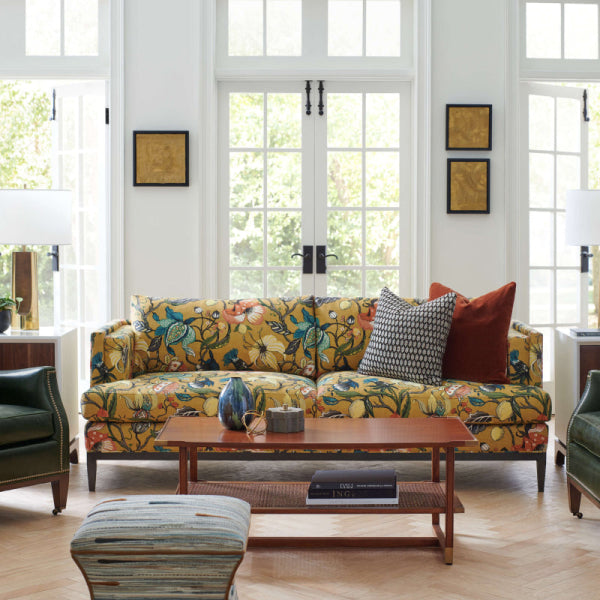
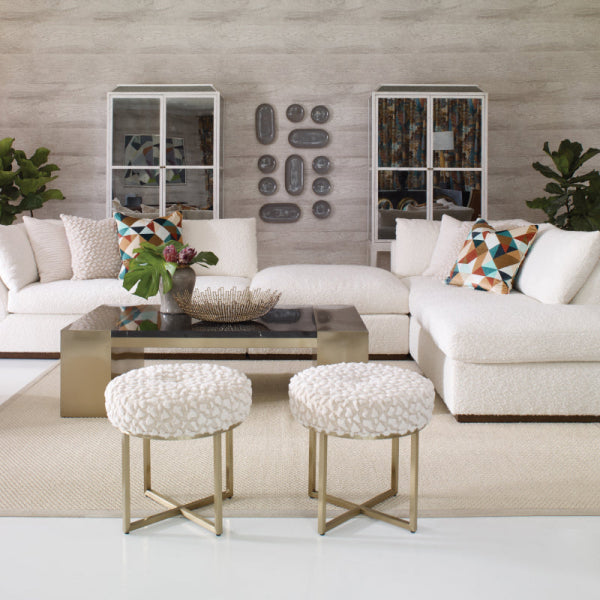
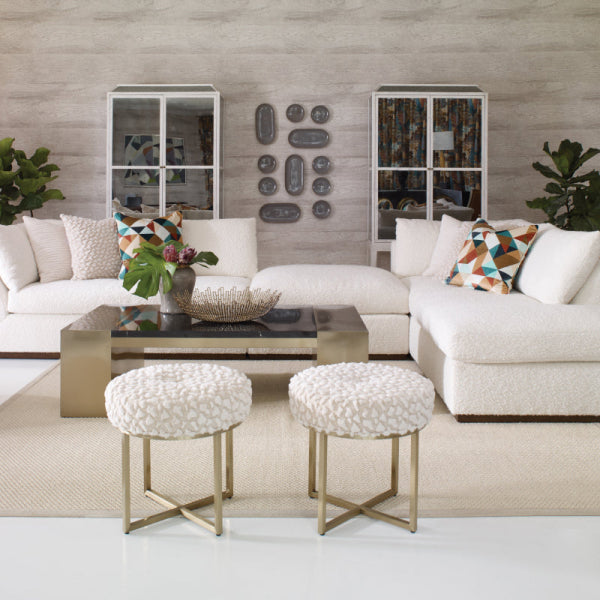
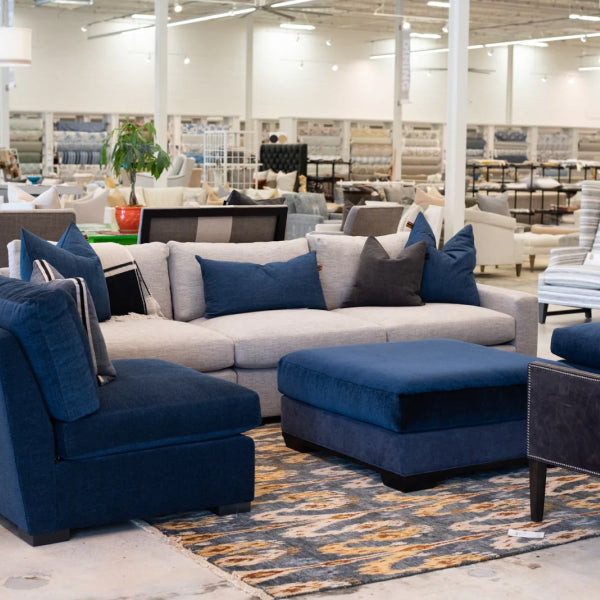







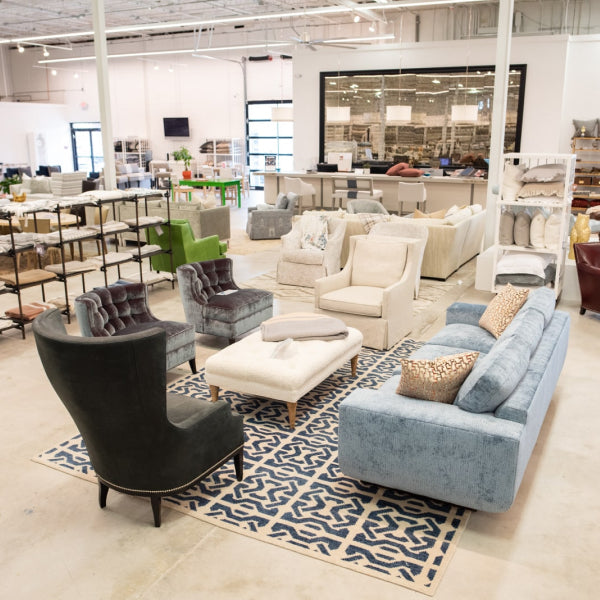


You've bought the sofa you searched for under every high-intent phrase imaginable. Luxury sofa Atlanta. Designer furniture near me. Custom furniture Atlanta. Maybe it's a precisely crafted Wesley Hall piece, a deep-seat LEE Industries sectional, or one of those heirloom-quality furniture investments that finally made your living room feel substantial.
And yet the room still looks unfinished.
That's the moment many homeowners in Buckhead, Alpharetta, Roswell, and Sandy Springs reach. The premium sectional is in place. The rug is down. The lamps are right. But the windows still have off-the-shelf panels that flatten the room instead of framing it. In homes with tall ceilings, detailed millwork, or generous window spans, that missing layer becomes obvious fast. The drapery isn't just decoration. It's part of the architecture.
The Finishing Touch That Defines a Luxury Interior
In well-designed rooms, curtain pleat styles do more than soften glass. They shape how the eye reads height, symmetry, and finish. A crisp pleat can make a room with high-end furniture feel edited and intentional. A poor pleat, or no pleat at all, can make even expensive designer furniture look like it was dropped into a space that wasn't fully resolved.
That's why custom drapery often becomes the last move that turns a room from nice to designer-curated. In Atlanta's luxury neighborhoods, that choice isn't treated casually. In the Atlanta luxury home market of Buckhead, Sandy Springs, and Alpharetta, 68% of interior designers specify custom drapery with pinch pleat or triple pleat styles for high-end living rooms, and custom pleated drapery averages $120 to $250 per linear foot compared with $40 to $80 for ready-made options, according to an Atlanta Decorative Arts Center trade survey on custom drapery preferences in affluent markets.
Why pleats matter more than most homeowners expect
A pleat controls the top line of the curtain. That one detail affects how the fabric falls, how much volume you see, how neatly the panels stack when open, and how formal the room feels.
Consider two living rooms with the same premium sectionals, custom chairs, and statement furniture pieces. In one, the drapery hangs from a simple gathered header and pools awkwardly. In the other, the panels are finished in a clean pleat with proper structure. The second room looks more expensive, even if the fabric itself isn't dramatically different.
Pleat choice is one of the clearest signals that a room was designed, not just furnished.
Why this matters in Atlanta homes
Homes across North Atlanta and Fulton County often have wide windows, transoms, high ceilings, or open-plan sightlines. Those features need drapery that can hold its shape from across the room. In a Buckhead sitting room, a formal pinch pleat can echo crown molding and substantial upholstery. In a Roswell family room with a softer palette, a quieter pleat may suit the architecture better.
This is the same thinking buyers use when comparing custom upholstered furniture to mass-produced seating. Quality isn't only about materials. It's also about proportion, construction, and fit.
Understanding Drapery Fullness and Stackback
If pleat style is the language of drapery, fullness and stackback are the grammar. Once you understand those two terms, most curtain pleat styles become much easier to evaluate.

Fullness is what gives drapery body
Fullness is the amount of fabric used across the width of the treatment compared with the finished span it needs to cover. Think of an accordion. When there's enough material, the folds are pronounced and orderly. When there isn't, the curtain looks skimpy and flat.
The foundational rule is straightforward. Standard pinch pleat curtains require about 2.5 times the width of the window track to achieve proper fullness and structure, according to The Principles of Pleating. That ratio is why custom drapery has presence. It's also why ready-made panels often disappoint in larger rooms. They usually don't give you enough width for a luxurious header.
Here's where readers often get confused. Fullness doesn't mean the curtain should look puffy or messy. Proper fullness creates disciplined folds, not bulk for its own sake.
- Too little fullness: The pleats spread out, the header loses definition, and the fabric can't disguise hardware well.
- Balanced fullness: The panel presents a crisp appearance, the folds stay even, and the room gains softness without losing structure.
- Excessive fullness: The treatment can become heavy and harder to operate, especially on broad windows.
Stackback is the space the panels occupy when open
Stackback is the amount of room your curtains need at the sides when fully drawn open. This affects how much glass remains visible and how much daylight enters the room.
That sounds technical, but it matters in everyday life. If you have a beautiful backyard view in Alpharetta or a wall of windows in Sandy Springs, you don't want your panels eating into the opening more than necessary. Some pleats stack tighter. Others need more space.
Practical rule: A curtain can look perfect when closed and still be wrong for the room if it crowds the window when open.
Hardware, fabric thickness, and pleat style all influence stackback. That's one reason measuring drapery isn't just about length. Width, return, projection, and operating space matter too. If you're also sorting out proportions at the floor, this guide to avoiding curtain length mistakes is a useful companion because length and fullness work together.
A simple way to think about both
Use this quick lens when reviewing samples:
| Concept | What it affects | What you'll notice |
|---|---|---|
| Fullness | Body, richness, pleat definition | Whether the curtain looks tailored or thin |
| Stackback | Clear window area when open | How much light and view you keep |
When people shop for luxury home furnishings, they usually compare sofas by cushion fill, spring construction, and frame quality. Drapery deserves the same level of scrutiny. Pleat style starts the conversation, but fullness and stackback determine whether the final result performs beautifully.
A Guide to Common Curtain Pleat Styles
Once you know how drapery is supposed to function, the visual differences between pleats become easier to read. Some curtain pleat styles project formality and visual weight. Others recede into the architecture.
A useful benchmark comes from luxury design specifications. Pinch pleat, goblet pleat, and triple pleat are among the most common high-end styles, and 85% of custom drapery orders in affluent markets specify pinch or triple pleats for formal living rooms, according to drapery specification data from the National Association of the Decorating and Interior Design Industries.
The classic choice of pinch pleat
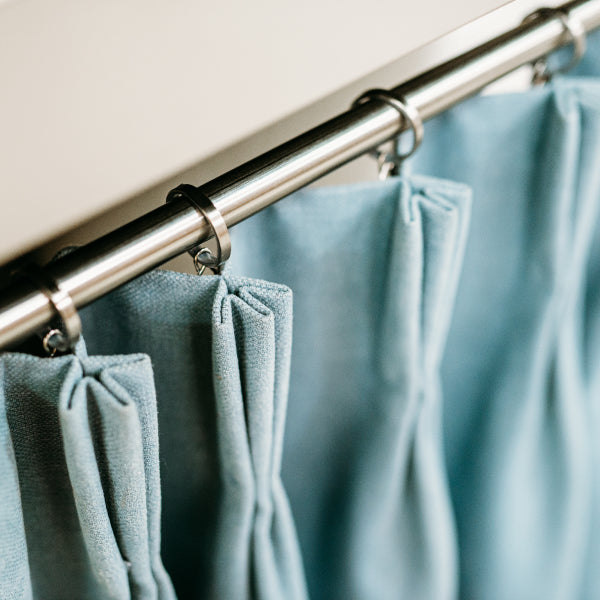
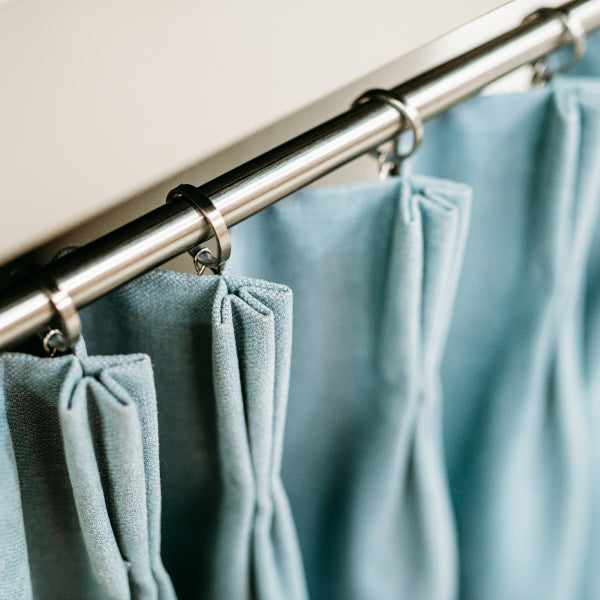
Pinch pleat is the style many people picture when they think of custom drapery. It has a crisp front, consistent folds, and a polished line that works beautifully with luxury sofas, custom chairs, and traditional millwork.
The spacing matters. In high-end interiors, pinch pleats commonly use 3 to 4 fingers with 1.5 to 2 inches of spacing, as noted in that same [drapery specification data from the National Association of the Decorating and Interior Design Industries](drapery specification data from National Association of the Decorating and Interior Design Industries). Visually, that gives the top of the curtain rhythm. It feels deliberate without looking stiff.
A French pinch pleat usually reads more traditional. A Euro pleat often feels cleaner because the tack is at the top. Both can work in homes that mix antique pieces with designer furniture.
Goblet pleat for formal rooms
Goblet pleats are sculptural. The top of each pleat forms a rounded cup shape, which gives the drapery a more ceremonial look. This style belongs in rooms that can support that level of dress.
In formal dining rooms, paneled studies, or richly furnished sitting rooms, goblet pleats pair naturally with statement furniture pieces and layered textiles. They're less common in casual spaces because they're meant to be seen and admired rather than fade into the background.
Triple pleat and its polished rhythm
Triple pleat is often grouped with pinch pleat, but it deserves its own mention because it creates a strong, orderly cadence across the window. In luxury interiors, triple pleat is described as a 3-finger pleat positioned 1.75 inches from the edge, according to that same [drapery specification data from the National Association of the Decorating and Interior Design Industries](drapery specification data from National Association of the Decorating and Interior Design Industries).
This is a strong option when you want classic formality without the extra ornament of goblet pleats. It suits elegant living rooms and primary bedrooms especially well.
Box and inverted pleats for cleaner lines
Box pleats and inverted pleats usually appeal to homeowners who like a more restrained aesthetic. These styles create flatter faces across the curtain and less visual busyness at the header.
Inverted pleats are especially useful in modern homes where the drapery should support the architecture rather than dominate it. If your room includes premium sectionals with low profiles, sculptural lighting, and fewer decorative accessories, an inverted pleat may feel more aligned than a traditional French pleat.
In a contemporary room, the best pleat often looks quieter from across the room and sharper up close.
Cartridge and ripplefold for softer repetition
Cartridge pleats have a rounded, tubular top. They look elegant but less fussy than goblet pleats. They can be especially beautiful in linen or fabrics with a soft hand because they create volume without hard edges.
Ripplefold is different. Instead of individual stitched pleats, it produces a continuous wave. That makes it a favorite for contemporary interiors and large expanses of glass. It feels architectural and calm.
Curtain Pleat Style Comparison
| Pleat Style | Formality | Typical Fullness | Best For |
|---|---|---|---|
| Pinch Pleat | High | Full | Formal living rooms, classic interiors |
| Triple Pleat | High | Full | Elegant rooms needing strong symmetry |
| Goblet Pleat | Very high | Full | Traditional rooms with rich fabrics |
| Box Pleat | Medium | Moderate | Transitional spaces, tailored looks |
| Inverted Pleat | Medium | Moderate | Modern and minimalist interiors |
| Cartridge Pleat | Medium-high | Full | Softly tailored rooms with texture |
| Ripplefold | Low to medium | Consistent wave rather than traditional pleating | Contemporary rooms, large windows |
Matching Pleats with Fabrics and Room Aesthetics
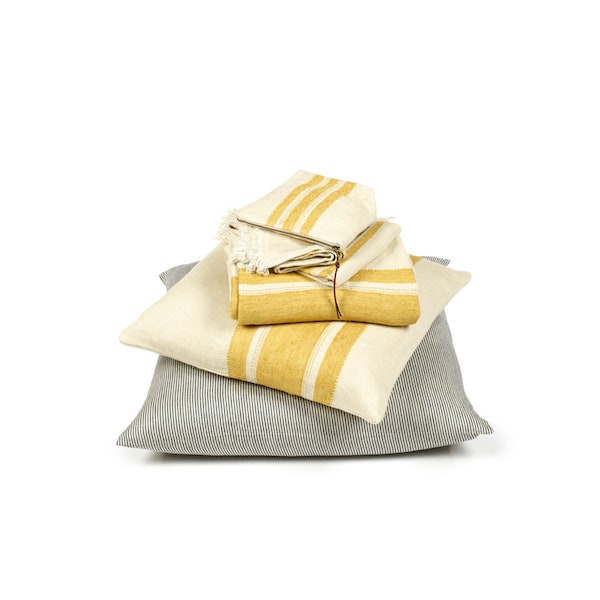
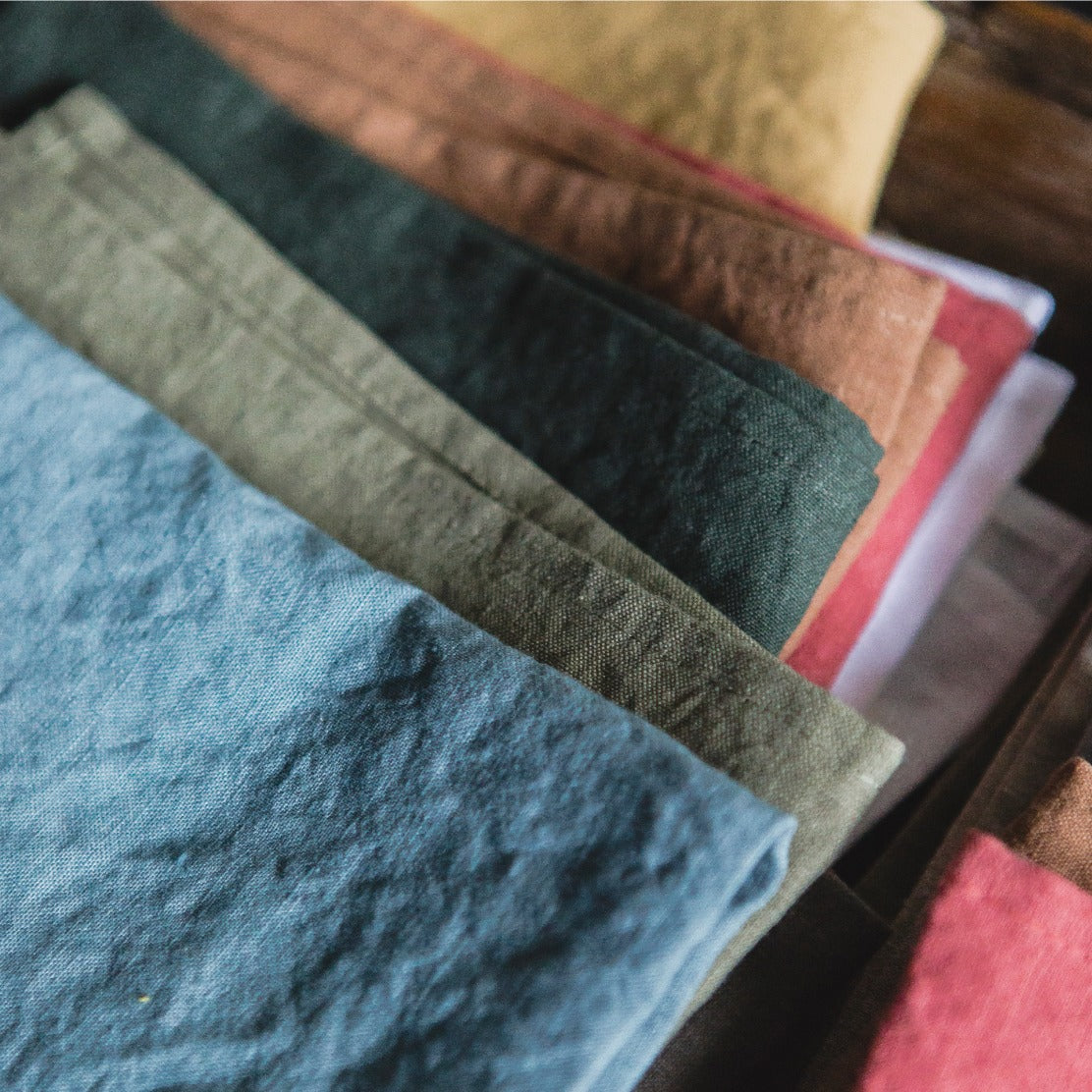
The same pleat can look entirely different depending on the fabric behind it. That's why selecting curtain pleat styles without discussing material is like choosing a luxury sofa silhouette without asking about the upholstery.

Structured pleats need the right body
Some pleats ask the fabric to hold a shape. Goblet pleats require a specialized construction method that stuffs the top of each pleat to keep its rounded form, and they're best suited to heavy velvet or damask fabrics in formal traditional interiors, as explained in this overview of goblet pleats and their effects.
That tells you something important even if you never order goblet pleats. Structure and fabric weight are linked. A dramatic pleat in a limp fabric usually won't look luxurious. It will look underbuilt.
Pairing style with room mood
Use the room's purpose as your guide.
- For formal living rooms: Pinch pleat, triple pleat, or goblet pleat work well with velvet, lined linen, or substantial woven fabrics.
- For relaxed but polished spaces: Cartridge or softer pinch pleats suit linen blends and textured neutrals.
- For contemporary rooms: Inverted pleats or ripplefold often work best in fabrics that hang cleanly and don't fight the line of the window.
- For sheers: Simpler, less bulky headers usually let the fabric read as airy rather than overworked.
Homeowners shopping for high-end furniture in Atlanta often already understand this principle in upholstery. A curved custom chair feels different in bouclé than it does in performance linen. The same kind of thinking applies to drapery. This article on choosing durable sofa fabrics is helpful because it highlights a shared truth across home furnishings. The right textile has to match both the look and the use of the piece.
Don't ignore lining
Many pleat problems blamed on fabric are actually lining issues. Without the right lining, a pleat may collapse, wrinkle poorly, or allow too much light through. If you want a clearer sense of what lining changes in the final result, this piece on the role of drapery lining in custom drapes is worth reading.
A beautiful pleat in the wrong fabric is still the wrong pleat.
A quick matching guide
| Room style | Fabrics that usually work | Pleats that often fit |
|---|---|---|
| Traditional | Velvet, damask, substantial linen | Pinch, triple, goblet |
| Transitional | Textured solids, linen blends | Pinch, cartridge, box |
| Contemporary | Smooth linen, modern woven, sheers | Inverted, ripplefold |
Why Your Hardware Choice Is Crucial
A curtain header never works alone. Pleat style and hardware form one system, and when they aren't matched properly, even excellent fabric can underperform.
The pleat tells the hardware what to do
Ripplefold is the clearest example. Its signature wave depends on a dedicated track system that guides the fabric into a repeating curve. Put that same fabric on a decorative rod meant for rings, and the look disappears.
Pinch pleats are more flexible. They can work with rods and rings, traversing hardware, or concealed systems depending on the room and the desired finish. That flexibility is one reason they remain popular in homes that balance traditional architecture with updated interiors.
Function matters as much as appearance
Hardware affects how smoothly the curtains move, how far they stack, and whether the panels stay aligned over time. In large family rooms or primary suites, a drapery panel that catches or drifts out of line becomes irritating quickly.
Construction details matter. Expert drapery methods distinguish pleat types by how spacing and pleat size are handled. For instance, cone pleats use uniform pleat size with variable spacing, while pinch pleats use uniform spacing with variable pleat size. French pinch pleats are pinched one inch down above the seam and pushed outward, while Euro pleats are tacked at the top for a tighter stack-back, according to this technical demonstration of pinch and cone pleat construction.
That technical difference has a practical result. Euro pleats often feel tidier when opened often. French pleats usually present more classic fullness when closed.
Good drapery hardware should disappear in use. You shouldn't have to fight it, adjust it, or notice it.
What homeowners often miss
People tend to pick hardware by finish alone. Brass or black. Modern or traditional. That's understandable, but incomplete.
Ask three questions instead:
- How will the panel operate daily
- How much stack space do I have at the sides
- Does this pleat need a rod, rings, or a track to look correct
If you're investing in designer furniture, premium sectionals, and custom upholstered furniture, the windows deserve the same level of precision. Hardware is part of the finish, but it's also part of the engineering.
The Enduring Value of Custom Drapery Craftsmanship
Ready-made curtains are convenient. They're also built for averages. Average widths. Average drops. Average windows. Luxury interiors rarely feel memorable because they were furnished to an average.
Custom drapery solves a different problem. It addresses the exact scale of the room, the exact fabric behavior, and the exact visual weight the space needs. That's why it belongs in the same conversation as custom chairs, heirloom-quality furniture, and designer furniture chosen for long-term use rather than quick replacement.

Quality principles carry across the room
In furnishings, craftsmanship changes lifespan. Top-tier American manufacturers such as Wesley Hall and LEE Industries typically use 8-way hand-tied springs and high-density foam, resulting in a lifespan of 15 to 25 years compared with 5 to 7 years for mass-produced pieces, based on industry craftsmanship standards for luxury furniture. That same quality logic extends to drapery.
Custom window treatments aren't just cut from better fabric. They're planned with more discipline. The header is built for the chosen pleat. The lining supports the face fabric. The widths are calculated for the room rather than guessed from packaging.
Where ready-made usually falls short
The problems are familiar once you know how to spot them.
- The width is thin: The curtain closes, but it doesn't have enough body to look intentional.
- The length is compromised: It hovers awkwardly above the floor or puddles without purpose.
- The pleat is generic: The top doesn't reinforce the style of the room or the scale of the furniture.
- The fabric options are narrow: You settle for what exists instead of choosing what belongs.
By contrast, custom drapery allows proper fit on difficult windows, cleaner proportions beside statement furniture pieces, and access to more refined textiles. If you're weighing whether bespoke is worth it, reviewing custom drape options helps clarify what changes when drapery is made for your home rather than adapted to it.
Why this matters for design-conscious buyers
Shoppers looking for custom furniture Atlanta, best luxury sofa brands, or what makes furniture designer quality are usually asking one deeper question. Will this still look right years from now?
That's the right question for drapery too. A well-made pleat style doesn't chase novelty. It supports the room's architecture and lets the rest of the furnishings breathe.
Custom drapery isn't an add-on. It's one of the finishes that determines whether a room looks collected or complete.
Design Your Perfect Curtains in Atlanta
Curtain pleat styles shape more than the top edge of a panel. They influence how a room feels, how the light enters, and how your furniture reads against the architecture. In a home filled with luxury home furnishings, high-quality couches, premium sectionals, and designer pieces, that finishing layer matters.
If you're planning window treatments in Atlanta, Buckhead, Alpharetta, Roswell, Sandy Springs, or across North Atlanta and Fulton County, start with measurement, proportion, and use. This guide to how to measure windows for curtains is the right first step before selecting fabric or hardware.
The best pleat isn't the trendiest one. It's the one that fits your architecture, supports your fabric, and makes the room feel resolved.
If you'd like expert help choosing fabrics, pleat styles, and custom finishing details, visit Lewis and Sheron Textiles. Their Atlanta showroom offers access to premium textiles, custom drapery, luxury home furnishings, and complimentary guidance from in-house designers who can help you create a room that feels precisely designed from every angle.