





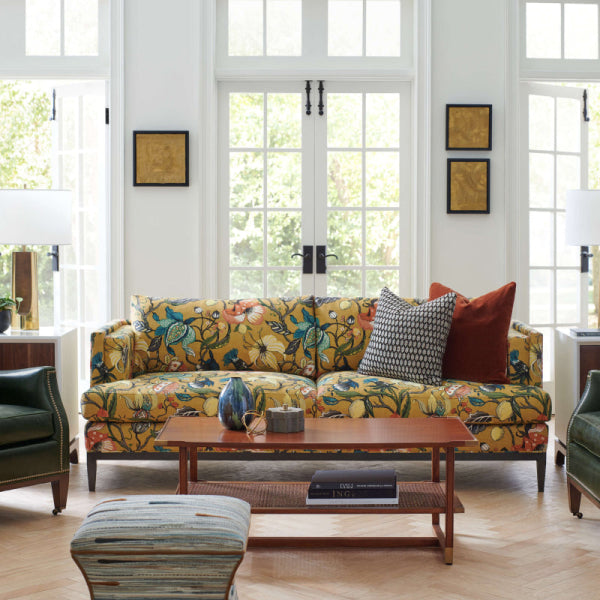
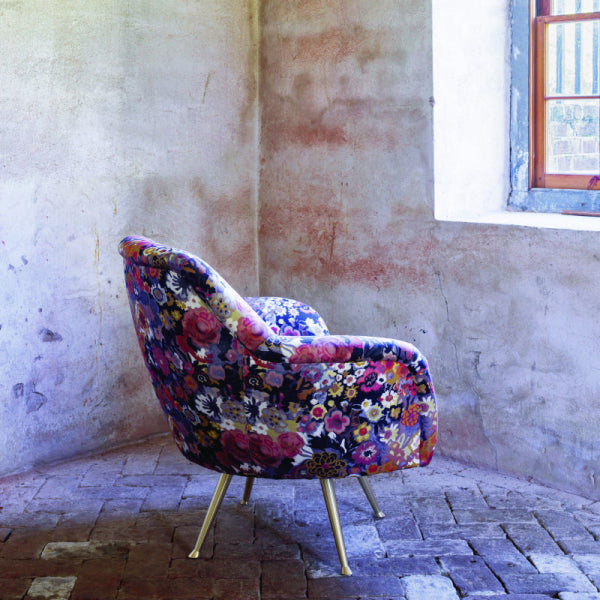
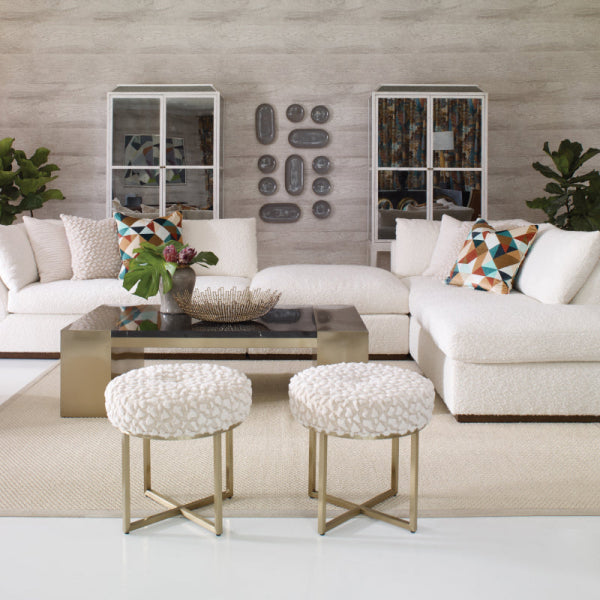












You're probably standing in front of a piece you can't ignore anymore. The frame is solid, the silhouette is beautiful, and the history matters. But the seat has collapsed, the fabric looks tired, and the wood shows every year it has lived through. That's the moment when most Atlanta homeowners start searching for heirloom furniture repair, luxury furniture Atlanta, or designer furniture near me.
Most advice sends you straight toward sanding, stripping, and refinishing. That's too blunt for a valuable piece.
The better question is whether the frame deserves preservation and whether new upholstery can carry the piece forward without erasing what made it worth saving in the first place. In Buckhead, Roswell, Alpharetta, Sandy Springs, and across North Atlanta, that's the decision affluent homeowners and interior designers face. They aren't looking for a cheap patch. They want heirloom-quality furniture, high-end furniture, custom upholstered furniture, and statement furniture pieces that still belong in a polished home.
The Enduring Value of Heirloom Furniture
A family chair, sofa, or settee rarely loses value because the fabric wore out. It loses value when someone treats it like ordinary furniture.

That's the central mistake I see in Atlanta homes. A homeowner has a classic frame with excellent bones, maybe a shaped armchair from a grandparent or a well-built sofa that still deserves a place in a refined living room, and they assume the only choices are full refinishing or replacement. They miss the middle path. Preserve the wood. Rebuild the comfort. Upgrade the textile.
That gap is real. A critical underserved angle is the reupholstery vs. refinishing value conflict for heirloom pieces. While 70% of antique furniture restoration inquiries involve loose joints or finish issues, there is a distinct lack of guidance on how to determine if a piece's structural wood is viable enough to support new premium upholstery without compromising its historic patina, as noted in this discussion of antique furniture care and preserving heirlooms.
Patina matters more than perfection
Old wood doesn't need to look factory new. In many cases, it shouldn't.
Small wear marks, softened edges, and a finish that has aged naturally are part of the piece's character. Stripping all of that away just to make the fabric change feel complete is often the wrong move. If the frame is stable and the visible wood still has integrity, preserving that surface usually protects more value than replacing it.
Practical rule: If the wood tells the story and the upholstery is the problem, don't refinish by reflex.
Why luxury upholstery changes the equation
Here, heirloom furniture repair intersects with the world of high-quality couches, custom chairs, luxury sofas, and custom furniture Atlanta shoppers are buying now. A strong antique or vintage frame can become more relevant, not less, when paired with a better textile and a smarter interior scheme.
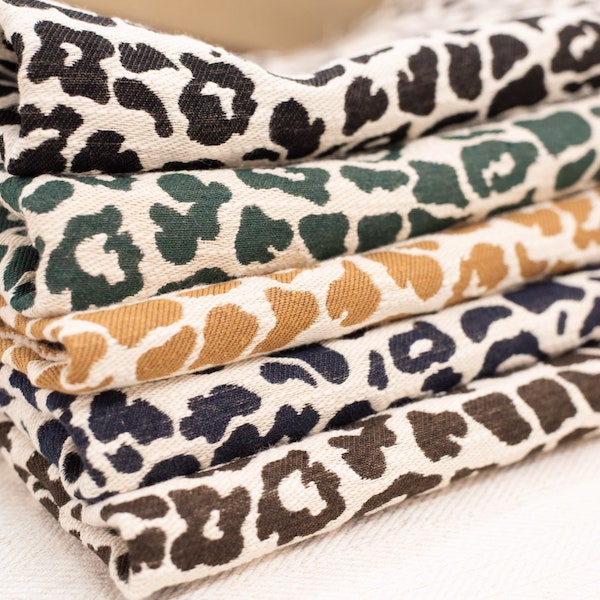
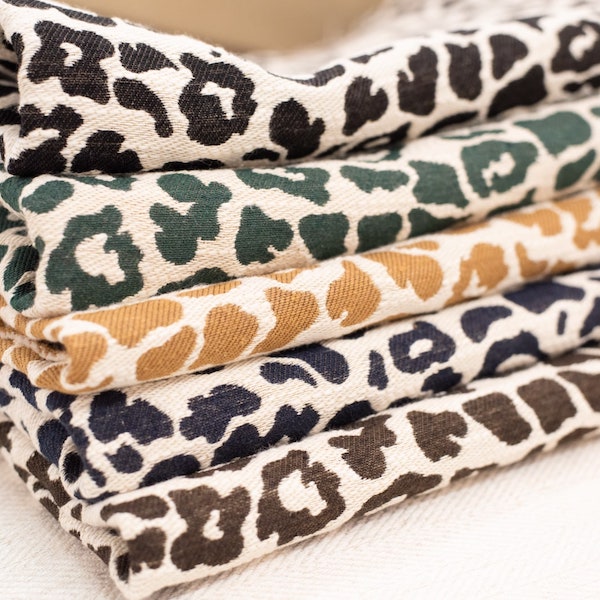
That's why the right evaluation matters. Premium fabrics from mills such as Kravet or Fabricut can give a piece a fresh life, but only if the frame is ready for that next chapter. If you want a deeper look at that preservation mindset, this heritage furniture restoration article is worth reading.
In other words, heirloom furniture isn't just sentimental inventory. It's often better raw material than much of the mass-produced designer furniture sold today.
Evaluating Your Piece Repair Restore or Reupholster
Don't start with fabric books. Start with the frame.
A proper evaluation comes down to three questions. Is the structure sound, is the surface worth preserving, and is the upholstery system spent? Once you answer those, the path gets clearer.
Know the three categories
Repair means correcting a specific failure. A loose leg, broken stretcher, separated joint, torn deck, or failed spring falls into this category.
Restore means preserving or reviving what's already there. That can include stabilizing wood, cleaning a finish, addressing water marks, or conserving visible surfaces without wiping out age and character.
Reupholster means removing the existing textile and rebuilding the comfort layers as needed. On a serious piece, that often reaches far below the fabric. Springs, webbing, padding, and support materials may all need attention.
Check the inside, not just the outside
In Buckhead and Roswell, buyers who invest in custom upholstered furniture usually care about construction. They should. In affluent Atlanta markets like Buckhead and Roswell, 72% of interior designers and high-net-worth homeowners prioritize custom furniture with 8-way hand-tied spring construction and full-damask dust caps, citing these features as determinants of a sofa's 20+ year lifespan, according to this Buckhead upholstery market reference.
That standard gives you a useful lens for evaluating an older piece. Ask:
- Seat support: Does it still have quality spring construction, or has the seating collapsed because the support system failed?
- Frame joinery: Do arms shift when pressure is applied? Does the back rack slightly when moved?
- Underside clues: If the dust cover is torn or missing, that's often a sign the interior has been neglected or altered poorly.
- Previous work: Staples, crude screws, and thick filler usually mean somebody chose speed over craft.
If you want a practical companion on wood evaluation, this article on how to restore antique furniture covers the surface side well.
What each result usually means
Use this simple framework:
-
Stable frame, worn fabric
Reupholster it. This is the best-case scenario and the one many luxury homeowners hope for. -
Loose joints, decent surface, dead upholstery
Repair the frame first, then reupholster. Don't put expensive fabric over structural weakness. -
Heavy finish loss, water damage, joint failure
Restore selectively. Save what can be saved. Don't assume full stripping is the answer.
A beautiful textile can elevate a room. It can't rescue a frame that's already giving up.
Signs a piece is worth the effort
Here's my opinion. If the proportions are right, the wood is honest, and the frame still has quality joinery or spring construction, it's usually worth serious consideration. That's especially true for designer furniture, premium sectionals, custom chairs, and classic sofas that weren't built as disposable goods in the first place.
The wrong way to judge a piece is by the condition of the fabric alone. Fabric is the easiest part to replace. Structure is the determining factor.
Understanding Common Heirloom Repair Processes
Good restoration work looks quiet from the outside because the hard part is under the surface.

Structural repair
When a chair wobbles or a sofa arm shifts, the answer isn't usually a bigger screw and more glue. For heirloom work, conservators think about reversibility. For heirloom furniture with structural joinery damage, expert conservators prioritize reversible methods, specifically using hide glue because it provides strong adhesion yet can be reversed with heat, safeguarding the original material's integrity and value, as explained in this overview of antique furniture restoration methods.
That matters because future craftsmen may need to revisit the repair. A reversible method respects the life of the piece beyond the current job.
Typical structural work includes:
- Joint correction: Taking apart failed joints and rebuilding them properly.
- Frame stabilization: Reinforcing rails, arms, backs, and legs without changing the shape.
- Support repair: Replacing failed blocks, webbing, or internal supports that no longer carry load.
Surface restoration
Homeowners often make the most expensive mistake by thinking all old finish is bad finish.
It isn't. Sometimes the right move is cleaning, blending, and conserving. Sometimes a ring mark, surface haze, or worn edge can be treated without stripping the entire piece. If the patina still has depth and the color has aged beautifully, aggressive refinishing can erase exactly what made the furniture special.
A floor-focused resource can still sharpen your eye for wood surfaces. This guide for Long Island homeowners offers a useful way to think about old wood condition, finish wear, and when restraint matters more than complete replacement.
Preserve original character whenever the surface still has integrity. Restoration should solve damage, not sterilize history.
Upholstery renewal
This is the part too many articles treat like an afterthought. It isn't. On many heirloom pieces, upholstery renewal is the main transformation.
A proper reupholstery job usually goes in stages:
- The old cover comes off.
- The upholsterer inspects the bare frame.
- Springs, webbing, and padding get evaluated.
- Support materials are rebuilt where needed.
- New cushioning and top layers go in.
- The finish fabric is cut, matched, and applied with precision.
For luxury sofas, custom chairs, and statement furniture pieces, the upholstery system determines comfort just as much as the frame determines longevity. That's why details like spring tying, foam quality, deck build, and edge shaping matter so much.
Why premium textile choices must follow structural truth
A frame may look handsome from ten feet away and still be wrong for modern premium upholstery. Heavy fabric, patterned fabric, and precisely shaped silhouettes all place demands on the frame. If the wood is weak, the joints are loose, or the original support system has been patched badly, an expensive textile won't solve the problem. It will only hide it for a while.
That's why the sequence matters. First stabilize. Then conserve. Then upholster.
A Decision Framework DIY vs Professional Restoration
I'm not against DIY. I'm against casual DIY on valuable furniture.
If you're working on a low-value side chair with minor cosmetic wear, do what you want. If you're touching heirloom-quality furniture, luxury sofas, or designer seating with structural, finish, or upholstery complexity, know the risk before you start.
Where DIY makes sense
DIY can work when the job is simple, low-risk, and fully reversible. Tightening a visible screw, cleaning a non-fragile surface carefully, or addressing a minor fabric issue on a non-valuable piece is one thing.
DIY usually fails when the owner underestimates what's hidden inside. Upholstery comes off. Rotten webbing appears. A rail is cracked. The spring unit is distorted. Then the project sits in a garage for months while the piece gets worse.
Decision Matrix DIY vs. Professional Heirloom Repair
| Factor | DIY Approach | Professional Service |
|---|---|---|
| Best use case | Minor cosmetic care on low-value furniture | Heirlooms, designer furniture, structural problems, full reupholstery |
| Skill required | Basic hand skills and restraint | Trained joinery, finish conservation, upholstery craftsmanship |
| Tools needed | Household tools, limited specialty gear | Professional upholstery and restoration equipment |
| Risk to value | High if you strip finish, alter joinery, or over-repair | Lower when original material and construction are preserved |
| Time commitment | Often longer than expected | Managed workflow with defined process |
| Material selection | Limited by what the owner can source confidently | Better matching of textile, support system, and frame condition |
| End result | Variable, often cosmetic | Structural, aesthetic, and functional renewal |
Follow the money, but read it correctly
Some homeowners flinch at professional reupholstery until they compare it with replacing a piece at the same quality level. Expert reupholstery of heirloom furniture costs $800 to $2,500, while replacing it with a new luxury sofa from a brand like Verellen averages $4,500 to $9,000, making reupholstery a 60 to 75% cost savings that preserves the superior original frame, according to this Buckhead reupholstery pricing reference.
That's the right comparison. Don't compare heirloom restoration to a disposable retail sofa. Compare it to what it would cost to buy equivalent craftsmanship today.
My rule for affluent homeowners and designers
Use this threshold:
- Choose DIY if the piece has little market value, no serious family value, and no structural or finish sensitivity.
- Choose a professional if the furniture has original joinery, visible age worth preserving, complicated upholstery, or any chance of devaluation through amateur work.
- Refuse the middle ground where someone promises a fast cosmetic fix on a piece that needs proper teardown and rebuilding.
If you'd hesitate to replace the piece, don't gamble on repairing it casually.
For custom furniture Atlanta buyers and interior designers sourcing luxury home furnishings in Fulton County and North Atlanta, that's the practical mindset. Preserve the hard-to-replace frame. Don't turn a valuable object into a learning exercise.
Budgeting Your Project in the Atlanta Market
A serious restoration budget should reflect labor, complexity, and material quality. If the quote sounds suspiciously cheap, something is being skipped.
What realistic pricing looks like
Heirloom furniture restoration projects typically cost between $350 and $2,400, with labor rates for professional upholsterers and refinishers in the U.S. ranging from $40 to $125 per hour, based on this breakdown of antique furniture restoration cost.
That range makes sense because heirloom furniture repair isn't one service. A small structural fix is different from a full teardown and rebuild. A chair with straightforward upholstery is different from an intricate exposed-wood piece that needs careful surface conservation and precise fabric installation.
What pushes the price up
Three things usually drive the total:
- Labor intensity: Detailed shaping, spring work, and hand-fitted upholstery take time.
- Frame condition: Hidden damage always costs more than visible wear.
- Material level: Luxury home furnishings require better textiles, better interior components, and more exacting workmanship.
If you're pricing luxury sofas, custom chairs, premium sectionals, or designer statement pieces in Atlanta, the fabric choice can shift the project just as much as the labor. A tight small-scale print, a directional velvet, a Belgian linen, or a performance textile all demand different handling.
Ask better questions before you hire anyone
Don't ask only for a quote. Ask how they think.
A good restoration partner should be able to answer these clearly:
- Will they preserve original wood character where possible?
- Will they inspect the frame before quoting final upholstery scope?
- Can they explain whether the support system needs rebuilding?
- Do they understand premium fabrics and how those materials behave on older frames?
- Can they guide you toward the right solution instead of just the biggest invoice?
If you're comparing local options, this article on finding furniture reupholstery near me gives a useful lens for evaluating service quality.
The Atlanta reality
In Buckhead, Sandy Springs, Roswell, Alpharetta, and the broader North Atlanta market, homeowners buying high-end furniture and custom upholstered furniture aren't chasing the lowest number. They're trying to avoid the wrong result. That's smart.
A poor restoration wastes labor, fabric, and time. A thoughtful one gives you a piece that fits a polished room, carries family history, and performs like quality furniture should. That's the budget lens I recommend. Don't ask, “What's the cheapest way to make it look better?” Ask, “What's the right level of work for this frame?”
Selecting Materials and Preserving Your Restored Piece
The fabric choice can either honor the piece or fight it.

Most homeowners think only about color and pattern. That's not enough for heirloom furniture repair. The textile has to suit the frame, the room, and the long-term use. Breathability matters. Weight matters. How the fabric drapes and stretches over an older form matters.
Choose textiles that respect the frame
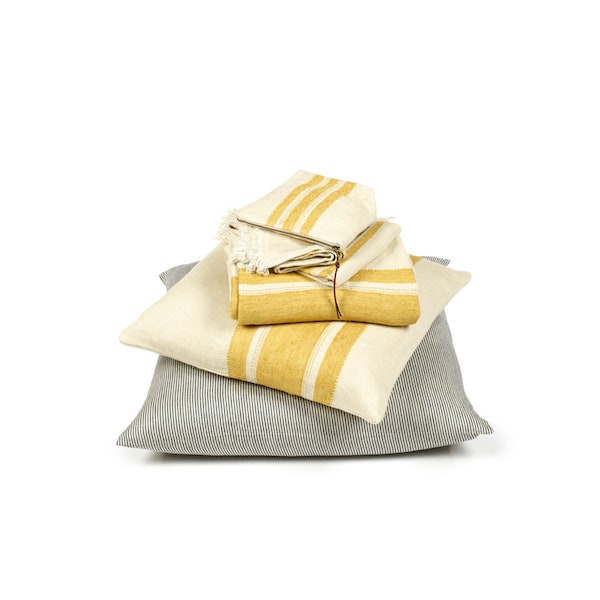
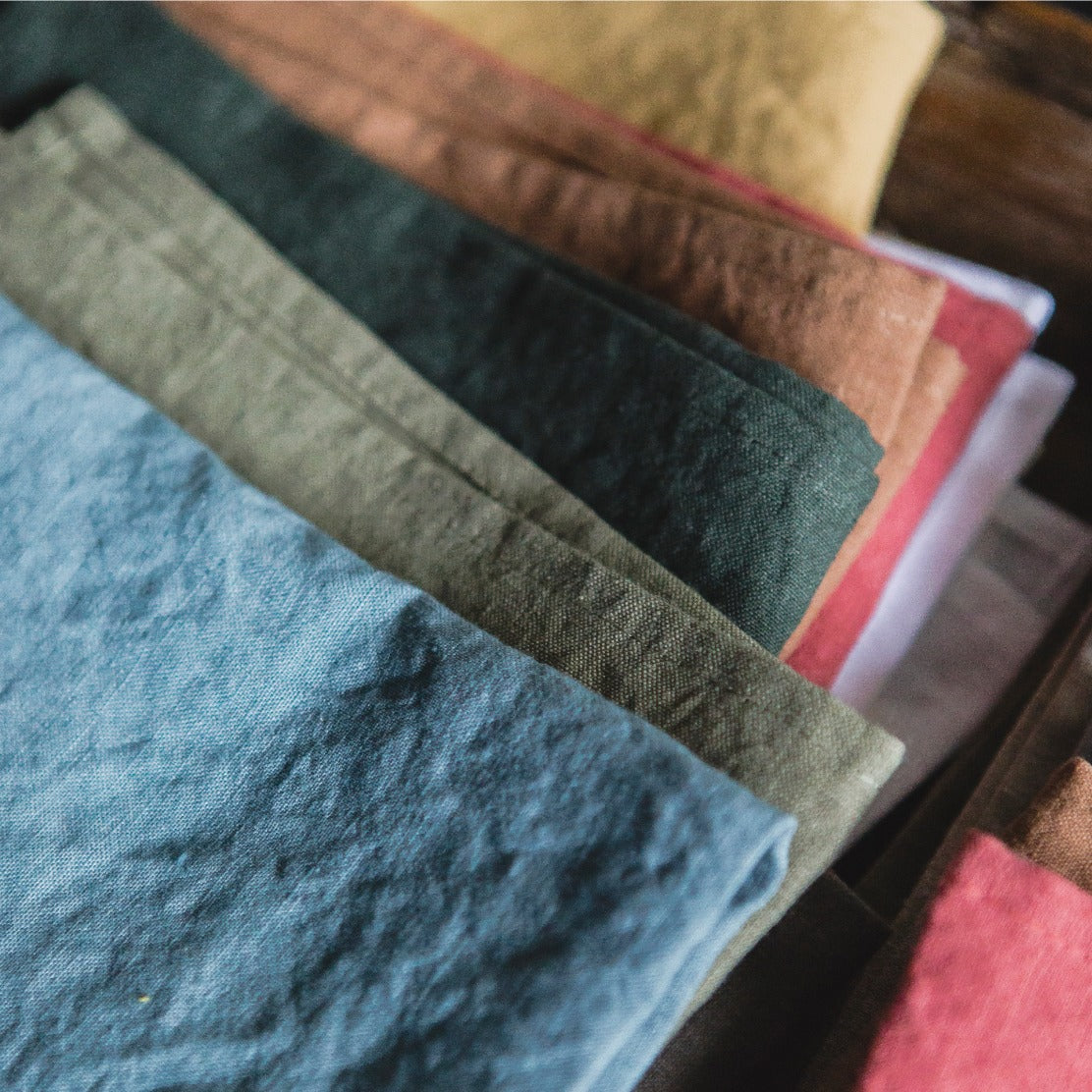
Natural-looking options such as Belgian linens from Libeco often suit antique and transitional pieces beautifully because they don't overwhelm the architecture. Performance-focused textiles such as Crypton can make sense too, especially in active households, but the fabric still needs to be appropriate for the scale and support of the piece.
The wrong upholstery can trap heat, hold tension badly, or visually smother a graceful frame. The right upholstery makes the furniture feel current without making it look confused.
Good fabric selection doesn't modernize a piece by force. It lets the frame keep speaking.
Preserve the work after it's done
Once the piece is restored, protect it like an asset:
- Keep it out of harsh sunlight: Direct exposure shortens the life of both wood and fabric.
- Address spills correctly: Blot, don't wipe.
- Watch the frame seasonally: Movement, looseness, and soft spots should never be ignored.
- Schedule professional checkups: For heritage upholstery, professional inspections should be scheduled every 18 to 24 months, according to this guidance on preserving historical-value furniture upholstery.
That's how restored heirloom-quality furniture stays beautiful in real homes, not just in photographs.
If you want expert help restoring a valuable frame and pairing it with the right luxury textile, visit Lewis and Sheron Textiles. Their Atlanta Design Center gives homeowners and interior designers access to premium fabrics, custom furnishings, and expert reupholstery support for cherished pieces that deserve more than a quick fix.