


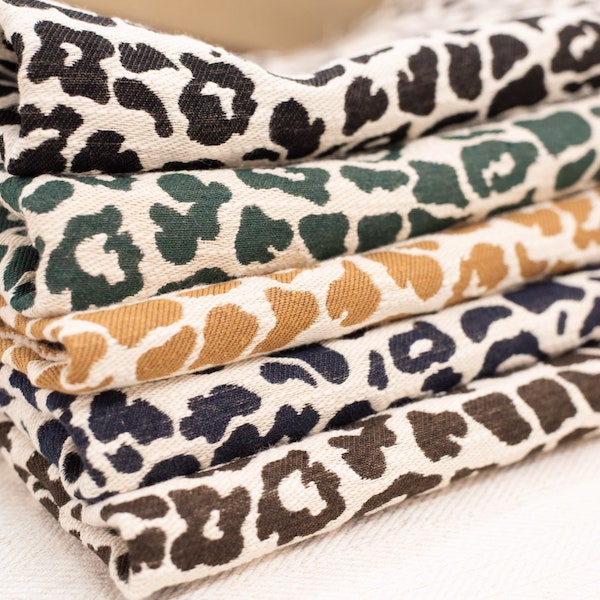
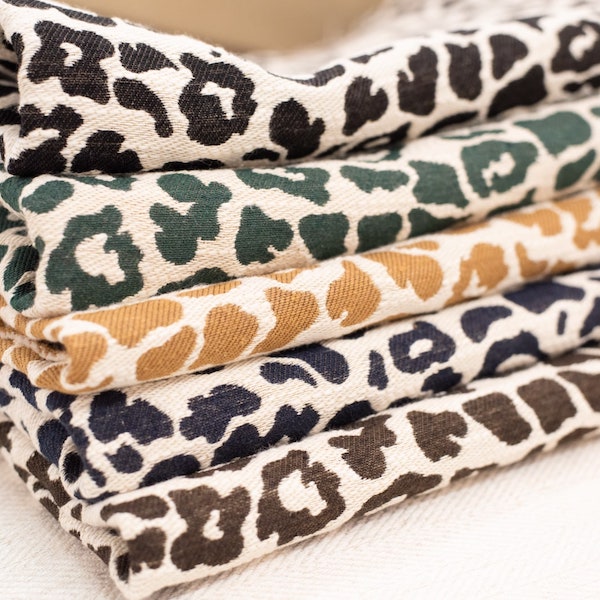
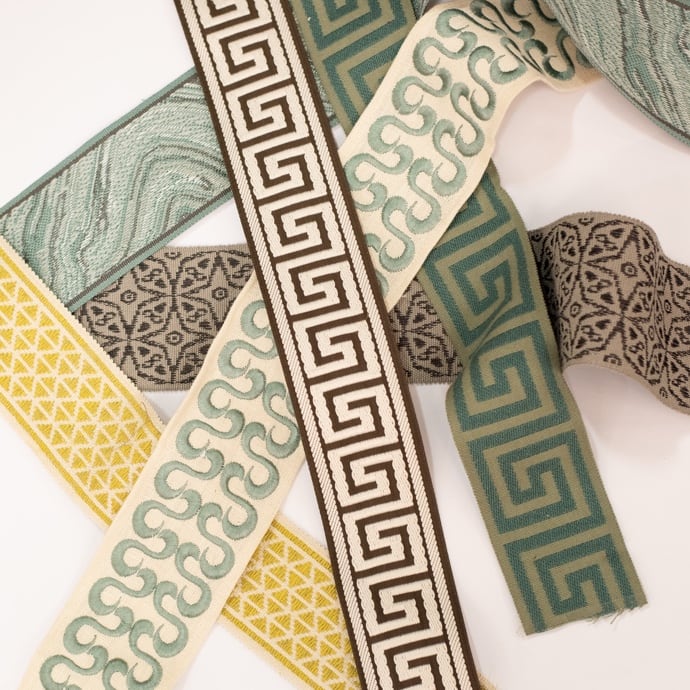

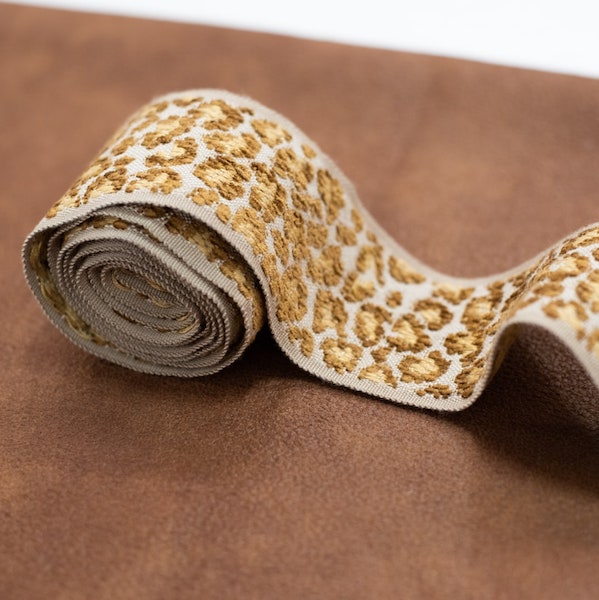
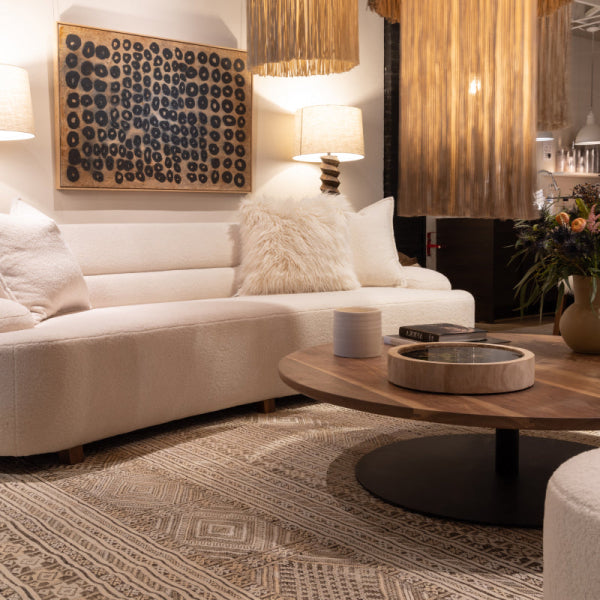
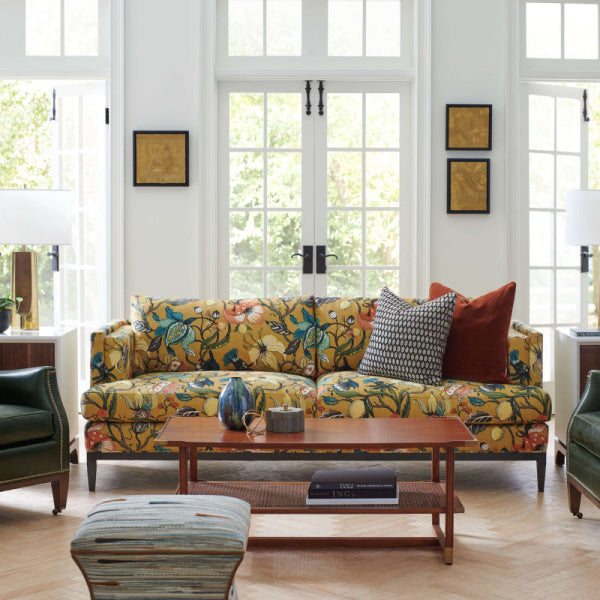
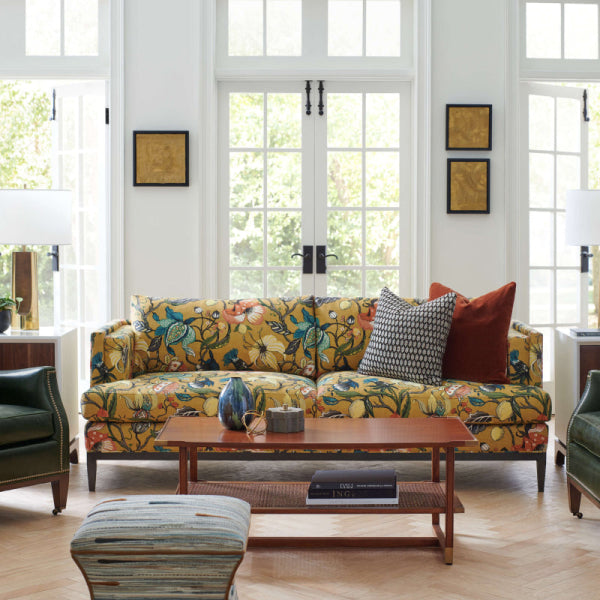
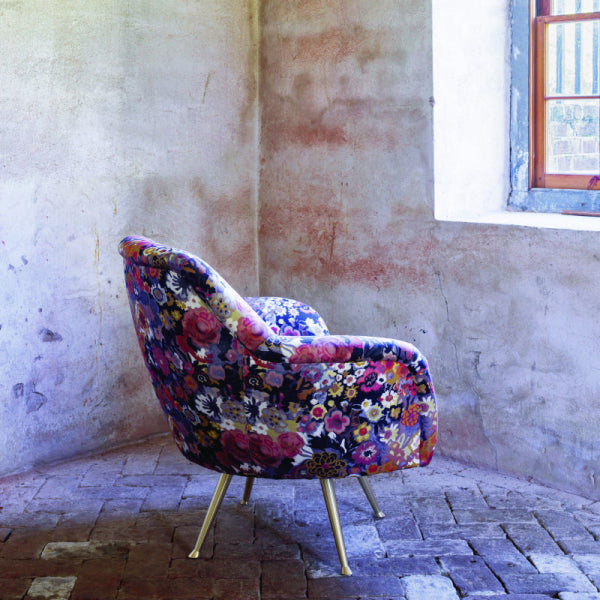
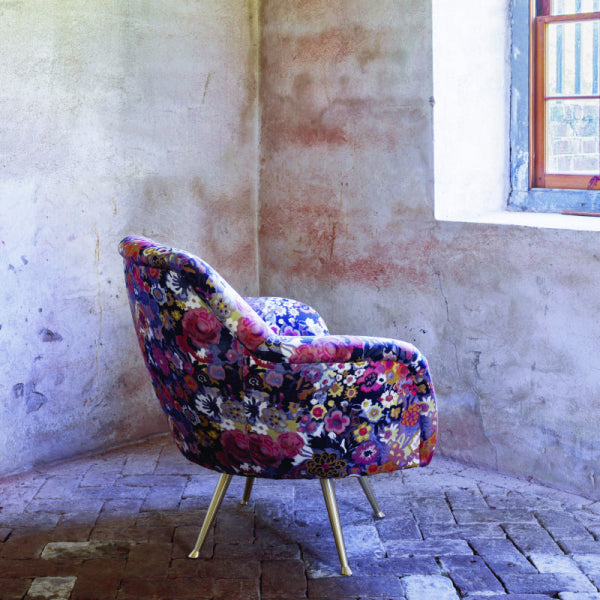
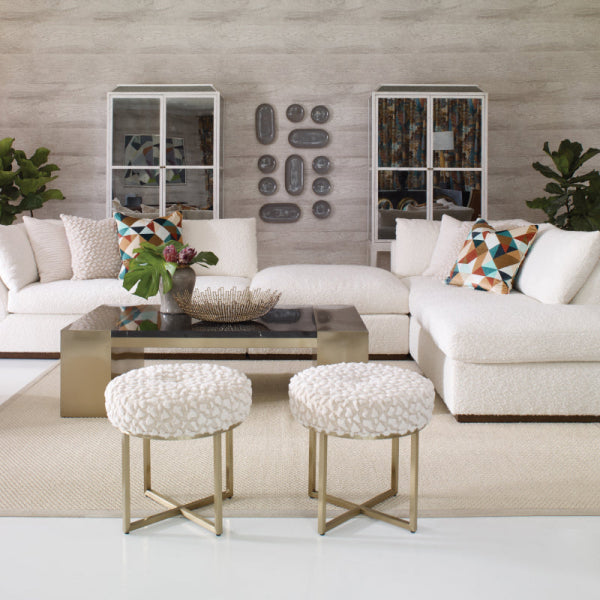








You can stand in a Buckhead living room with a beautiful new sofa on the shortlist and still feel unsure. The fabric needs to look refined, handle Atlanta heat, survive family use, and still feel worthy of a luxury home furnishing investment.
That's where Wool Upholstery Fabric earns a serious look. It isn't the obvious mass-market choice, but for the right chair, sectional, or statement piece, it gives designers and homeowners something valuable, a refined hand, natural resilience, and a finish that reads as understated and expensive instead of trendy.
Why Wool Upholstery Deserves Attention in Luxury Atlanta Homes
A client in Sandy Springs may want a sofa that looks refined in spring and fall, feels comfortable in summer humidity, and doesn't look worn out after a few years of real use. That is exactly the kind of room where wool upholstery fabric belongs in the conversation, because it sits at the intersection of comfort, performance, and visual depth.
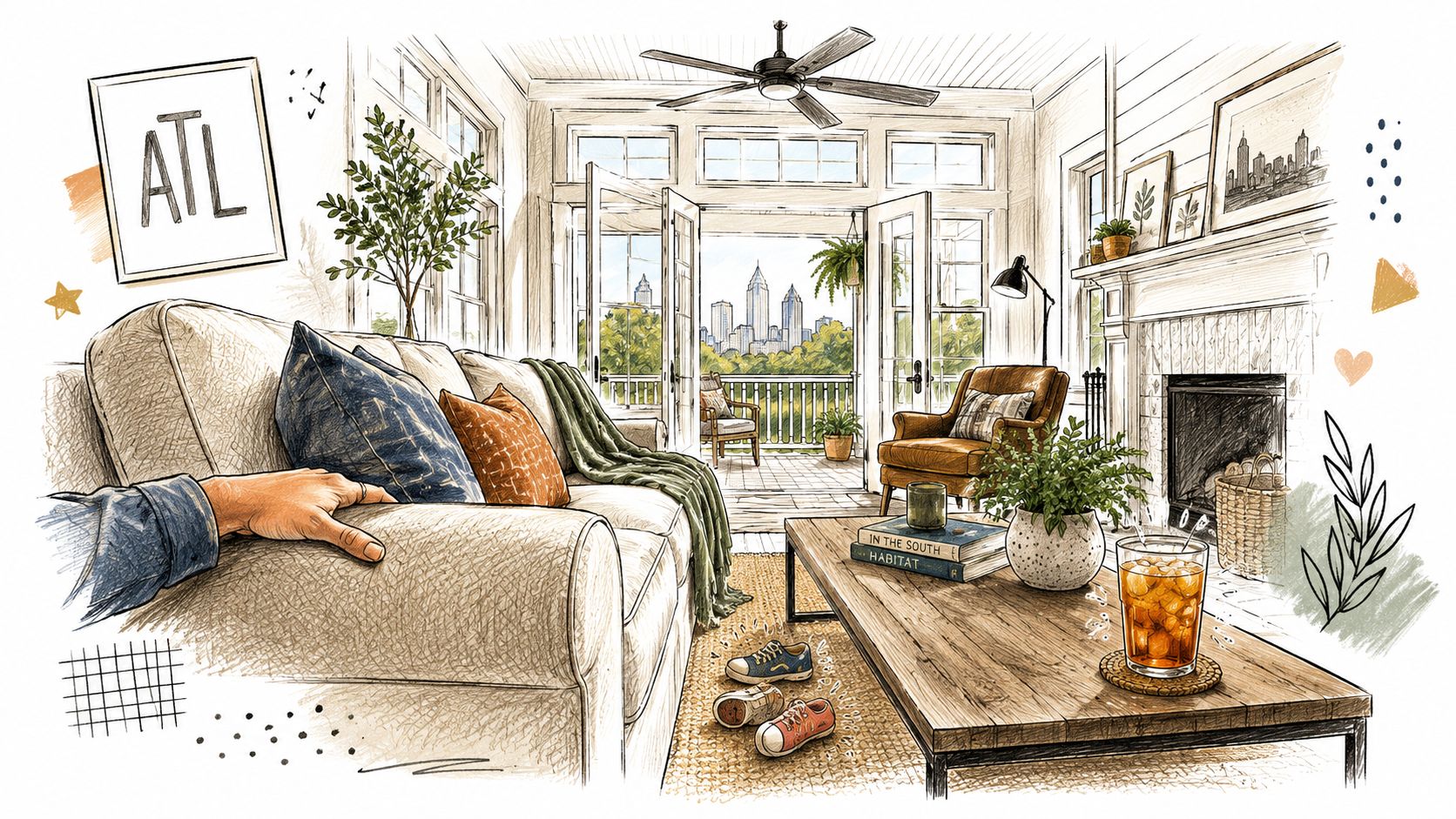
Wool is still a niche fiber, accounting for about 0.9% to 1.1% of the world's fiber market according to the International Wool Textile Organisation, but that scarcity is part of the appeal in high-end interiors. In luxury homes across Atlanta, Buckhead, Alpharetta, Roswell, and North Atlanta, a niche material often signals better editing, better specification, and fewer compromises.
Why designers keep coming back to wool
Wool's practical charm is simple. It brings a soft but structured surface, and independent wool sources describe it as resilient, resistant to crushing, and capable of holding shape for years with proper care. For custom upholstered furniture and designer furniture near me searches, that matters because buyers aren't just paying for appearance, they're paying for a fabric that supports the furniture's long service life.
Practical rule: if the room gets daily use, the cloth needs to look luxurious and behave like a work fabric.
The trade-off is real, though, and too many glossy guides skip it. Wool can demand more thoughtful care than polyester-heavy options, especially in active households with children, pets, or heavy entertaining. That is why wool works best when the homeowner wants a premium textile and understands that premium doesn't mean carefree.
For premium seating, wool also aligns with the expectations behind high-end furniture, custom chairs, and luxury sofas. It breathes more naturally than many coated surfaces, it has a refined matte presence, and it avoids the over-shiny look that can make a room feel dated quickly. In the right weave, it reads as heirloom-quality furniture material, not just a cover.
Understanding Wool's Natural Performance Properties
Wool's value starts at the fiber level, not the showroom floor. The fiber has a protein-based structure with high nitrogen and moisture content, and that chemistry helps it char instead of flaming, which is why it behaves differently from many common upholstery textiles.
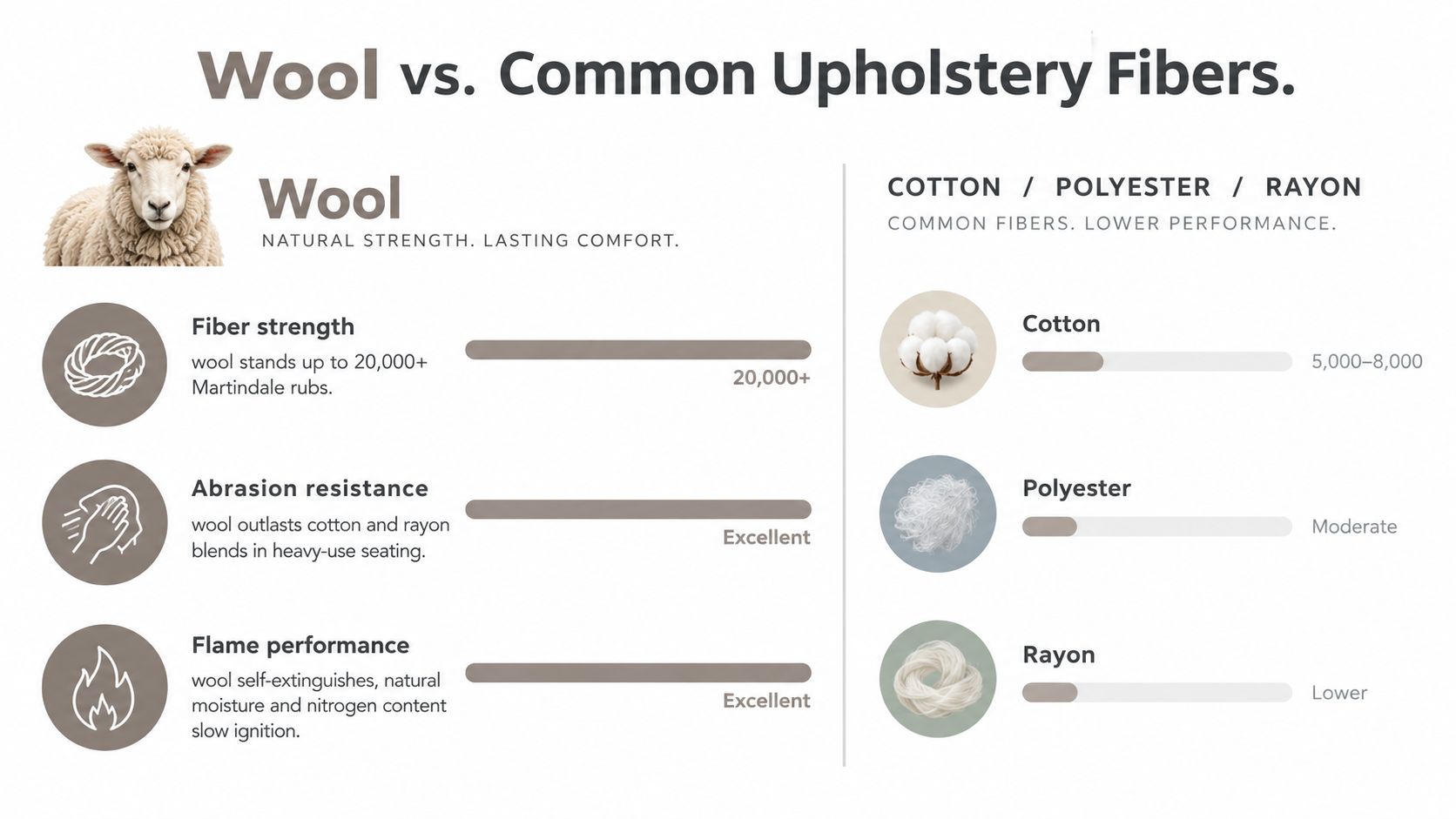
Woolmark says wool typically doesn't ignite until about 570–600°C, while cotton ignites at about 255°C, and if the flame source is removed, wool can self-extinguish instead of continuing to burn as documented by Woolmark. That doesn't replace proper furniture compliance, but it does give wool a meaningful edge in high-use interiors where fire behavior is part of the spec conversation.
Abrasion, pilling, and why construction matters
Durability isn't just about fiber content. It's also about how the yarn is spun, how dense the weave is, and how the fabric is finished. A materials analysis notes that longer wool fibers, especially those above 3.5 inches, can exceed 50,000 Martindale cycles at a 4 to 5 grade change, with an ICI pilling-box rating above 3.5 after 18 hours in the cited material analysis.
That's the practical lesson for shoppers considering premium sectionals or high-quality couches. A wool cloth made for upholstery can perform very differently from a decorative wool fabric meant for cushions or drapery. Tight construction, longer staple length, and a sensible finish all raise the odds that the piece will keep its shape and its appearance.
What the Martindale number actually tells you
The Martindale test is one of the clearest tools a buyer can use. One manufacturer's upholstery guide frames 10,000 to 15,000 cycles as light domestic use, 15,000 to 25,000 as general domestic use, 25,000 to 30,000 as heavy-duty use, and 30,000+ as commercial use according to Schumacher.
A global textile supplier also places wool upholstery abrasion resistance anywhere from 20,000 to 120,000 Martindale, and says 80,000+ is suitable for public places such as airports and restaurants per Bolia's upholstery fabric guidance. That range is why wool can be a sensible choice for a formal Buckhead sitting room or an active family den, but only if the exact fabric spec matches the job.
Wool isn't one performance category. The weave, finish, and fiber length decide whether it behaves like a showcase fabric or a hard-working one.
Comparing Wool to Common Upholstery Alternatives
The right comparison is rarely wool versus “everything else.” In real projects, I compare wool against leather, polyester blends, velvet, and linen by use case, not by ideology. A homeowner in Alpharetta with a sunny family room wants different answers than a Roswell couple buying a formal settee for occasional use.
Below is a practical framework using the Martindale lens buyers already understand.
| Material | Martindale Rating | Durability | Maintenance | Cost Range |
|---|---|---|---|---|
| Wool upholstery fabric | 20,000 to 120,000 | Strong when tightly woven, resilient, and shape-retentive | Needs careful cleaning, can shrink or felt if mishandled | Premium |
| Leather | N/A | Very durable, but shows wear differently | Requires conditioning and careful spill handling | Premium to very high |
| Polyester blend | Often varies by construction | Good everyday durability, often more forgiving | Usually easier to spot clean | Moderate to premium |
| Velvet | 15,000 to 100,000 depending on fiber | Can be elegant and durable, but pile direction matters | More maintenance-sensitive, especially on high-contact areas | Moderate to premium |
| Linen | 5,000 to 15,000 for pure linen | Beautiful but less forgiving under heavy use | Wrinkles, stains, and abrasion need more attention | Moderate to premium |
For a balanced shopping guide on broader fabric categories, Indian River Furniture material tips is a useful reference point. It helps frame the decision correctly, material choice should follow room use, not just a favorite look.
Where wool wins, and where it doesn't
Wool excels when the homeowner wants a refined hand, natural fire behavior, and a fabric that looks crisp rather than glossy. That makes it a strong candidate for statement furniture pieces, formal sofas, structured chairs, and rooms where appearance retention matters as much as comfort.
It is less ideal when the main priority is wipe-clean convenience. A young family with constant spills, muddy paws, or frequent snack time may do better with a more forgiving performance textile, especially on the main family sofa.
Wool also brings a different value proposition than leather. Leather can be easier to wipe down, but it won't always deliver the same textile depth or soft, upholstered feel. Polyester blends may be easier to live with, but they often don't carry the same tactile richness or heirloom look that design-conscious buyers want in luxury sofas and custom upholstered furniture.
If the room is formal, wool often feels right. If the room is chaotic, wool needs to be specified very carefully.
Selecting the Right Wool for Your Furniture and Lifestyle
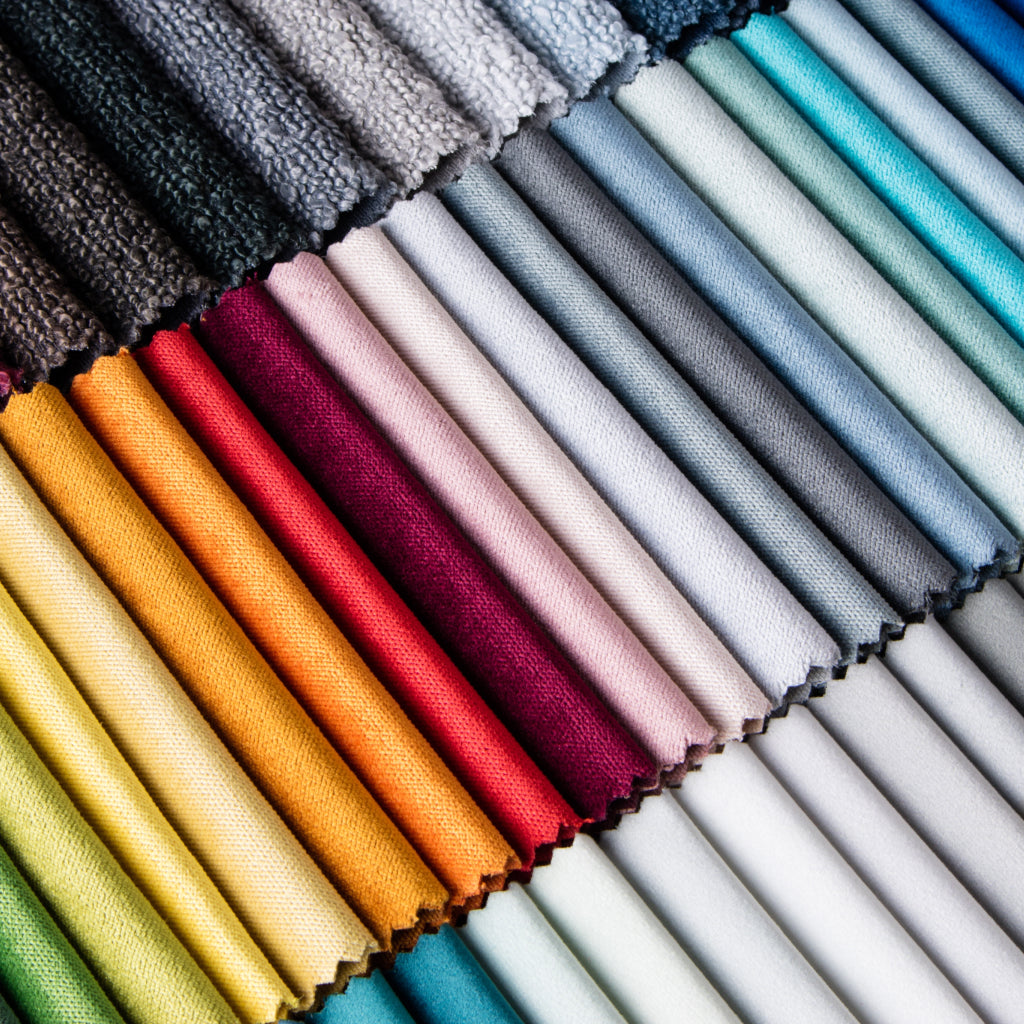
The smartest way to buy wool is to treat it like a specification, not a mood board choice. Fiber length, weave density, and treatment finish all affect how a piece behaves once it leaves the showroom and lands in a real Atlanta home.
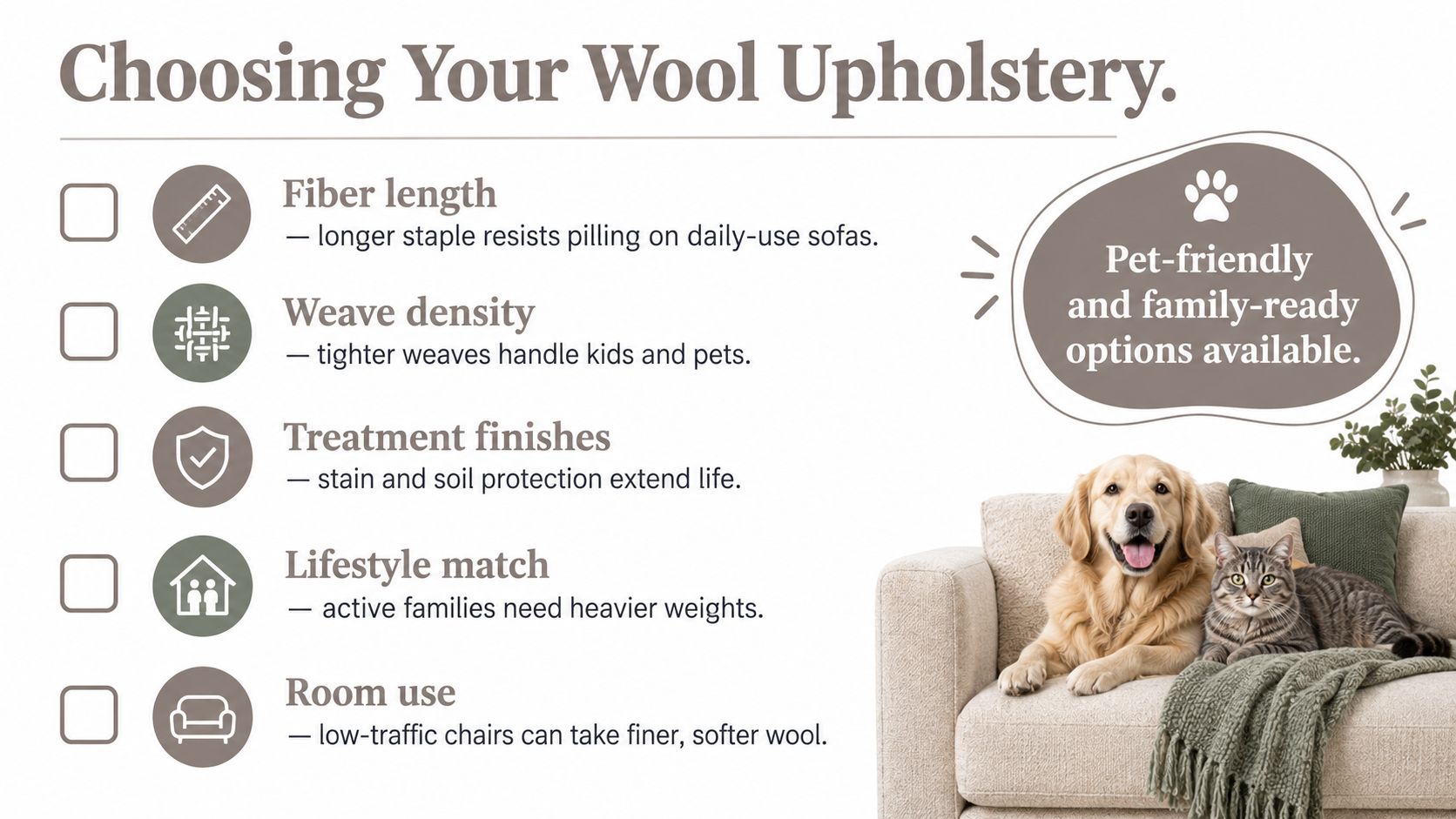
Longer wool fibers tend to resist pilling better, and tighter constructions hold up better under repeated sitting. That matters most for daily-use sofas, sectionals, and chairs that see constant contact, not just weekend entertaining.
Pure wool or a wool blend
Pure wool is often the right choice when the goal is a rich hand, a natural look, and strong textile character. Wool blends can make more sense when a room needs extra stability, easier handling, or a different maintenance profile.
For many households, the better question isn't “Is pure wool better?” It's “Which wool content, weave, and backing will survive the room?” A wool-blend boucle can be a smarter spec than a delicate pure wool cloth if the piece will be used heavily.
Selection rule: match the cloth to the worst realistic day in the room, not the nicest day.
A simple buying checklist
- Fiber length: Longer staple helps reduce pilling on high-contact seating.
- Weave density: Tighter weaves handle kids, pets, and daily settling better.
- Treatment finish: Stain and soil protection can extend usable life.
- Lifestyle match: Active households need a heavier, more forgiving spec.
- Room use: Low-traffic chairs can take finer, softer wool.
That framework also helps when comparing wool to other premium textiles inside custom furniture Atlanta projects. A reading chair in a private study can tolerate a more delicate cloth than a family sectional in a sunlit open-plan room.
For a deeper fabric-selection workflow, how to choose upholstery fabric is a practical starting point. It's especially useful when you're narrowing fabric options for luxury furniture + city searches and need something that looks right in the home, not just in a swatch book.
Caring for Wool Upholstery in Atlanta's Climate
Atlanta weather asks a lot of upholstery. Humidity, seasonal temperature swings, and everyday indoor life can all affect how a wool sofa ages, especially if it sits in a bright family room or near heavy traffic from the kitchen and patio.
The maintenance question matters because wool's sustainability story is only part of the picture. Wool can be renewable, breathable, and naturally flame resistant, but it still needs the right cleaning habits if you want it to stay beautiful.
What daily care should look like
Vacuuming with an upholstery attachment keeps grit from working into the weave. That matters more than many homeowners think, because abrasion begins with particles rubbing against the face of the fabric over time.
Spills should be blotted quickly rather than rubbed, and wet cleaning should never be improvised. Wool can shrink 4% to 8% when exposed to heat and moisture, and it can felt when heat and friction are combined as noted in the cited maintenance guidance.
For households with children or pets, those are the details that decide whether wool feels luxurious or fussy. The fabric isn't fragile, but it does reward owners who treat it like a premium textile instead of a wipe-anything surface.
When to call a professional
A good rule is simple. If a stain reaches deeper than the surface, or if a piece needs a full refresh after a busy season, professional cleaning is the safer move. That's especially true on custom pieces where the fabric, cushion fill, and construction are all part of the finished performance.
For broader low-maintenance interior planning, Interiors by DeX material guide offers a useful way to think about upkeep trade-offs across materials. The same logic applies here, the more active the room, the more intentional the cleaning plan has to be.
Use the guidance in caring for high-end upholstery to build a routine around the actual fabric spec, not a generic “upholstery” label. That's where premium wool keeps its edge, because thoughtful maintenance protects both appearance and long-term value.
Working with Atlanta Specialists for Custom Wool Upholstery
Wool performs best when the whole project is specified well. That's why Atlanta specialists matter, especially for homeowners in Buckhead, Fulton County, Roswell, Sandy Springs, and North Atlanta who are investing in designer furniture or reworking a cherished piece.
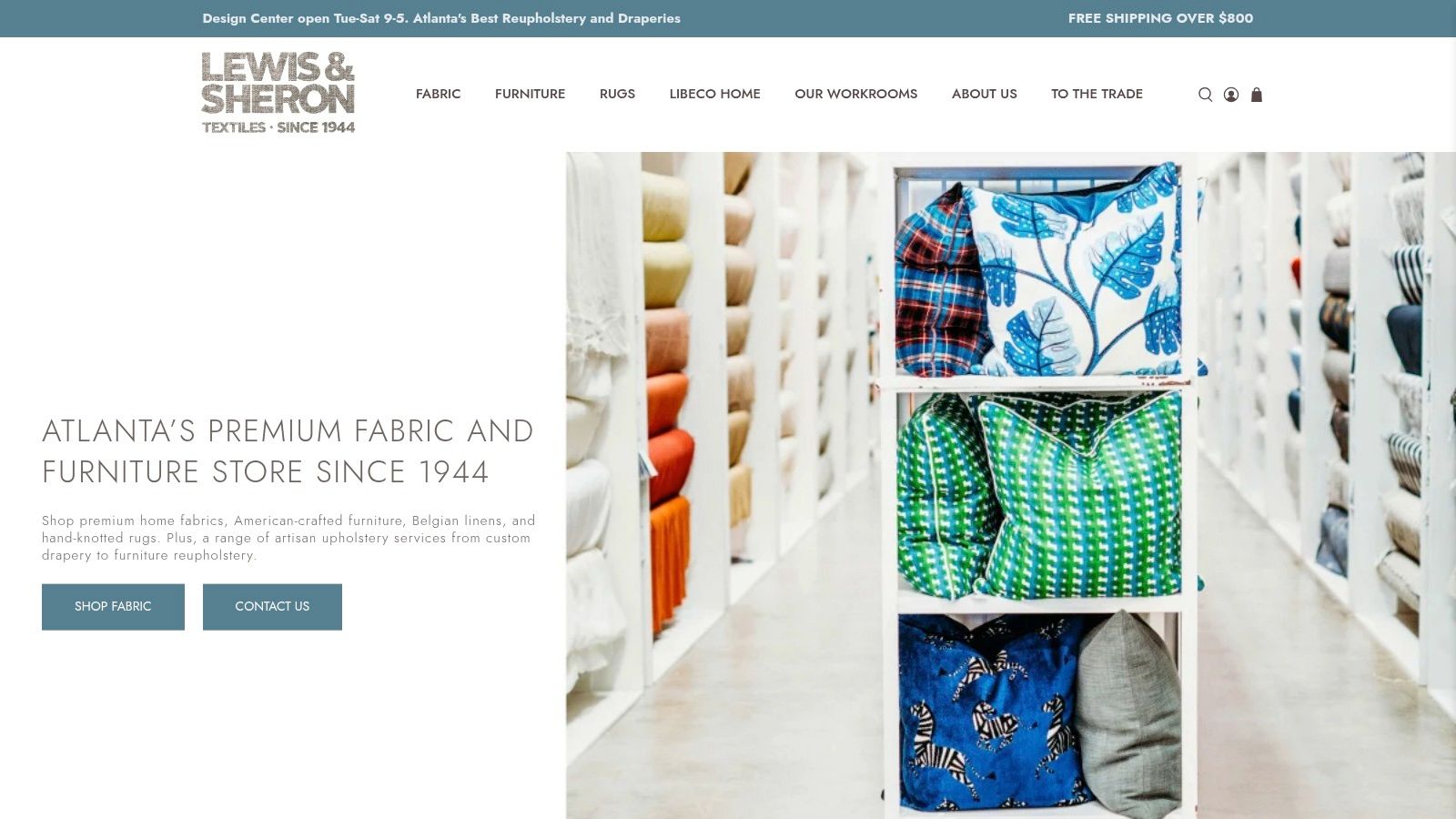
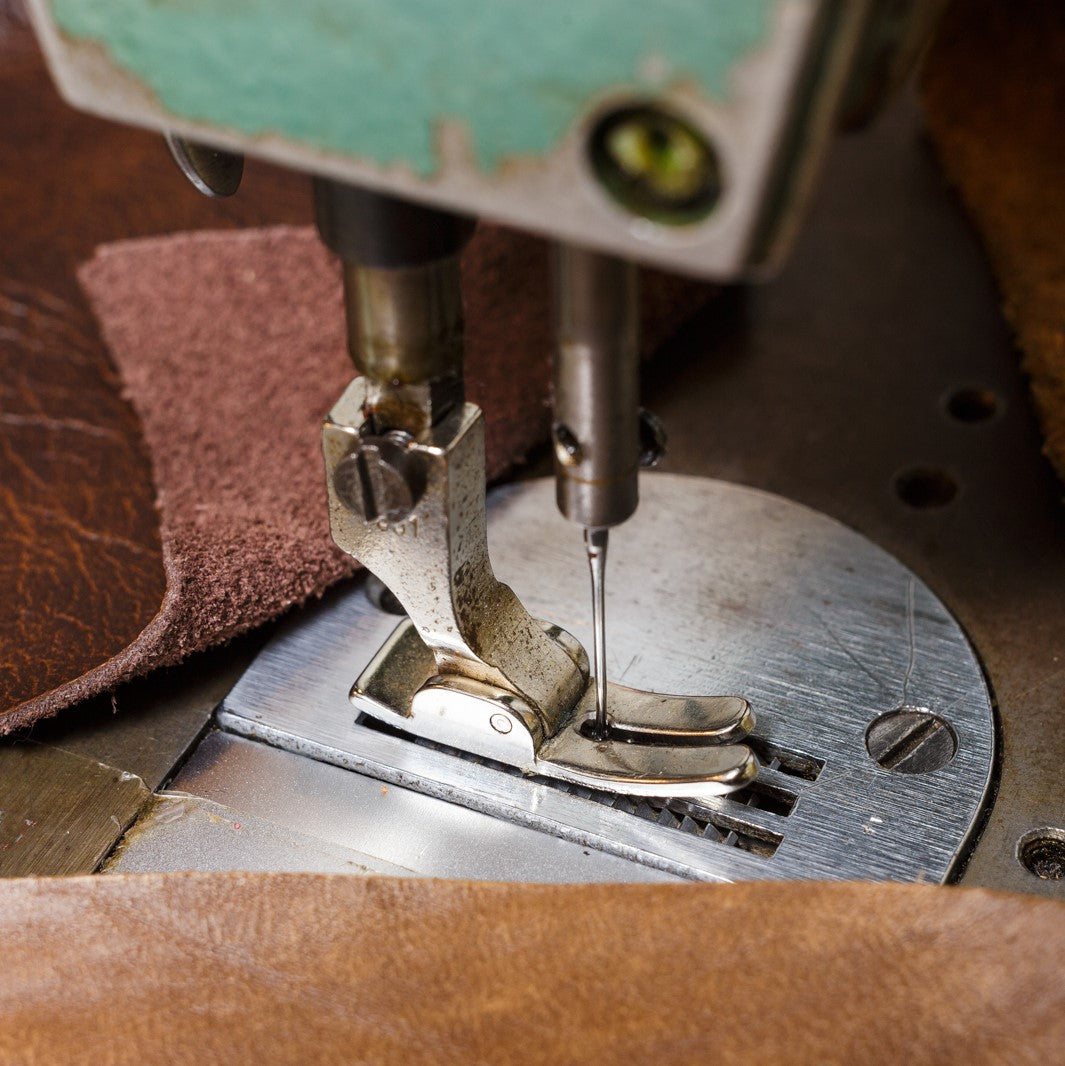
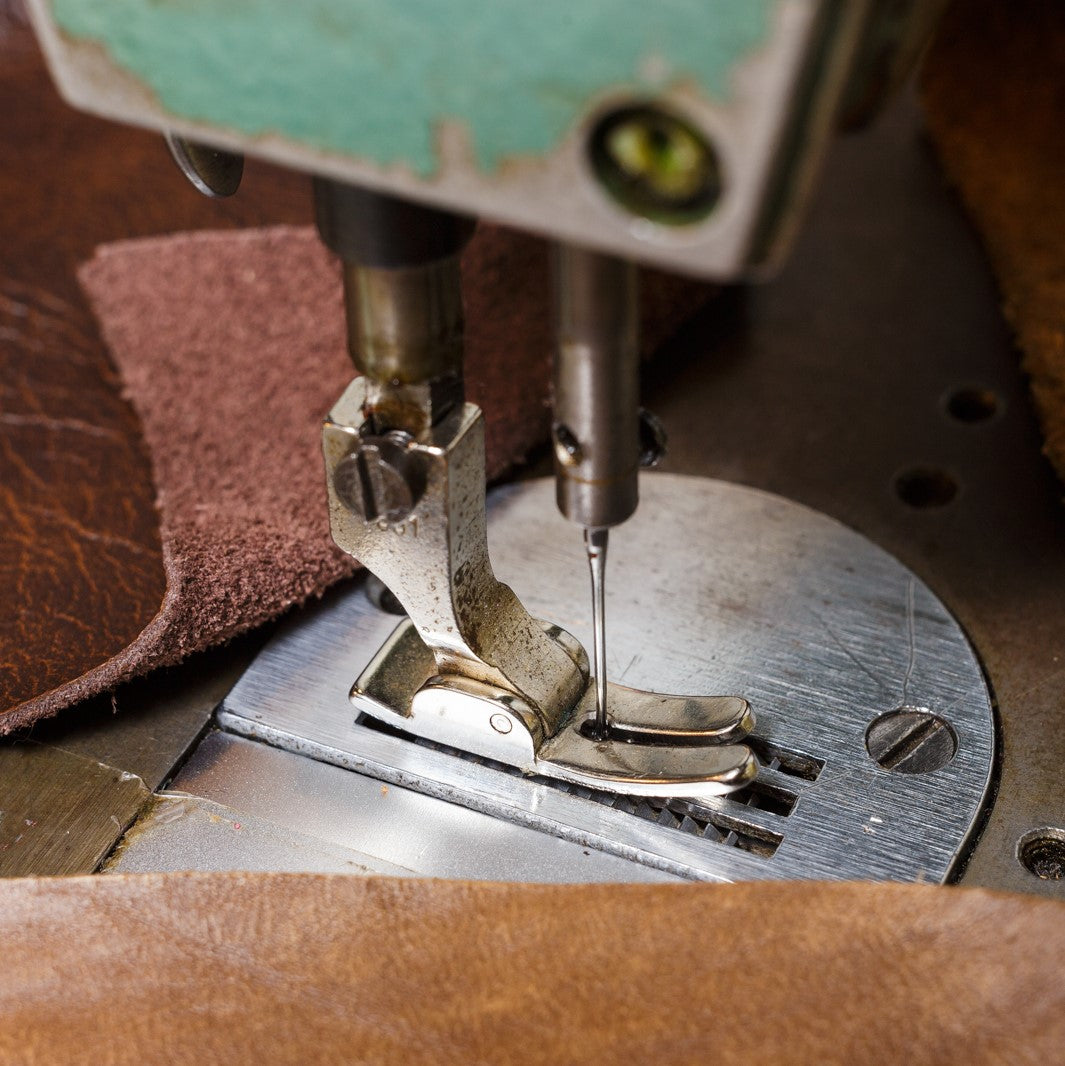
A skilled workroom helps with more than choosing a fabric swatch. They can match wool to frame style, cushion build, seam detail, and room use, which is why custom upholstery often outperforms a fast, off-the-rack purchase in both feel and longevity. That matters most for high-end furniture where the buyer expects the piece to hold up, not just look good on delivery day.
What to evaluate in a local partner
Look at seam execution, pattern matching, edge finish, and how the shop talks about fabric use. A strong specialist asks about sunlight, pets, cleaning habits, and whether the piece is meant for daily lounging or occasional entertaining.
For Atlanta buyers, that conversation is often more valuable than a generic online product page. A local team can steer you toward a wool cloth that fits the room and the family, whether the project is a new sofa, a pair of custom chairs, or a reupholstery job on an older frame that still has good bones.
Lewis and Sheron Textiles works in that exact space, with custom upholstery, reupholstery, and a broad fabric selection that helps homeowners and designers spec pieces thoughtfully. For a regional reference on service options, best upholstery services in Atlanta is worth reviewing alongside your project plans.
Wool upholstery fabric rewards informed buying. If you're planning a luxury sofa, a custom sectional, or an heirloom chair in Atlanta, visit Lewis and Sheron Textiles to explore fabrics, compare options, and get guidance from a team that understands both design intent and real-world wear.