
















A well-made sofa can anchor a room for years, sometimes for generations. Then one day the fabric dates the space, the seat loses its shape, or the scale no longer fits the way you live. That’s usually when Atlanta homeowners start searching for the Best Upholstery Services in Atlanta and discover that most advice is built around quick fixes, basic repairs, and budget shopping.
That’s not the same decision as restoring a designer frame, commissioning custom upholstered furniture, or sourcing luxury sofas for a Buckhead living room, an Alpharetta keeping room, or a Sandy Springs primary suite. High-end upholstery asks different questions. Is the frame worth preserving? Will the fabric age well? Can the work hold up to daily use without looking overdone or overbuilt? Will the finished piece still feel right five or ten years from now?
Clients who invest carefully tend to think about furniture the same way they think about mattresses, rugs, and lighting. They’re not buying a temporary solution. They’re buying comfort, longevity, and a room that feels resolved. That’s the same logic behind this thoughtful piece on Golden Dreams Mattress sleep investment. Some home purchases cost more upfront because they perform better over time.
Your Guide to Investing in Timeless Furniture in Atlanta
Atlanta has plenty of upholstery shops. What it does not have much of is clear guidance for the client who wants designer furniture, high-quality couches, premium sectionals, and heirloom-quality furniture rather than a low-cost recover.
That distinction matters. A chair that only needs a serviceable fabric swap is one thing. A custom bench in Roswell, a custom-fit sectional for North Atlanta, or a statement sofa for Buckhead is another. The standards should be higher, and the selection process should be more disciplined.
What luxury upholstery really means
Luxury upholstery isn’t just expensive fabric. It’s the combination of frame integrity, cushion construction, fit, tailoring, and material selection. It’s also restraint. The best work doesn’t announce itself with gimmicks. It looks calm, sharp, and correct from every angle.
For affluent homeowners and interior designers, the goal usually falls into one of two paths:
- Preserve something worth keeping. That may be a family piece, a designer frame, or a sofa with proportions that are hard to replace.
- Build something more exact. That means custom chairs, bespoke banquettes, or luxury home furnishings sized for the room instead of forced into it.
What works and what doesn't
A premium result usually comes from a shop or design destination that can do more than staple on fabric.
What works:
- Detailed evaluation before quoting
- Access to designer-grade fabric libraries
- Clear discussion of cushion comfort, scale, and use
- Tailoring standards that suit the style of the piece
What doesn’t:
- Pricing a project from a single phone photo
- Pushing in-stock fabric because it’s convenient
- Ignoring the frame, springs, or seat deck
- Treating every piece like a generic recover
The most expensive mistake in upholstery usually isn’t the quote. It’s putting premium fabric on a piece that was never worth saving.
The First Decision Reupholstery vs New Custom Furniture
Before choosing a workroom, decide what you’re buying. Are you restoring a strong piece with good bones, or are you trying to solve a design problem that old furniture can’t solve?
That answer shapes everything, from budget to fabric to comfort.

When reupholstery makes sense
Reupholstery is usually the right move when the frame is sound, the proportions are excellent, or the piece has sentimental or design value. Many vintage and older upholstered frames have better lines than newer mass-market furniture. If the silhouette is right and the structure is stable, new fabric and interior rebuilding can give the piece a second life.
A sofa may also deserve reupholstery if you already know it fits the room and feels good to sit in. Replacing it with a “similar” retail piece often sounds easier than it is. Scale, arm height, seat depth, and back pitch are harder to match than most clients expect.
If you're weighing that question specifically, this outside perspective on is sofa reupholstery worth it is a useful companion read.
When new custom furniture is the better answer
Custom furniture becomes the stronger choice when the old piece is structurally weak, visually ordinary, or unsuitable for the room. If a sofa is too deep for the space, too short for the wall, or too casual for the architecture, recovering it won’t solve the underlying problem.
New custom upholstered furniture also gives you control over details that matter in luxury interiors:
- Exact dimensions for tight floorplans or oversized rooms
- Seat depth and cushion comfort tuned to how you live
- Arm profile and skirt or leg style that suit the architecture
- Fabric placement planned from the beginning, not adapted after the fact
For anyone comparing these paths in a practical way, this breakdown of custom upholstery vs retail furniture helps clarify where each option delivers value.
A side by side decision lens
| Question | Reupholstery | New custom furniture |
|---|---|---|
| Do you love the frame? | Strong reason to proceed | Less relevant |
| Do you need exact sizing? | Limited by existing frame | Best option |
| Is the piece sentimental? | Often worth preserving | Usually not the point |
| Are proportions wrong now? | Hard to correct fully | Can be designed correctly |
| Do you want a signature look? | Possible, but constrained | Easier to achieve |
Practical rule: Reupholster when the structure and shape are worth defending. Build new when you’re trying to correct proportion, comfort, or layout.
Clients in Buckhead, Roswell, and Sandy Springs often assume custom is only about luxury. In practice, it’s often about precision. The room dictates the furniture, not the showroom floor.
Vetting Atlanta's Artisans A Craftsman's Inspection Checklist
A client sends a photo of a beautifully recovered sofa, then asks the question that matters. Is the work good, or just photogenic? In Atlanta’s luxury market, that distinction matters. Fine fabrics and polished styling can disguise mediocre upholstery for the first year. The better shops show their standards in the frame, the springing, the tailoring, and the way they talk about process before they ever quote the job.

Start with what happens under the cover
Luxury upholstery is built from the inside out. If a workroom cannot explain what sits beneath the fabric, keep looking.
Strong shops inspect the frame for movement, moisture exposure, joint failure, and old repairs. They can tell you whether the springs will be retied, replaced, or left alone, and why. They should also specify cushion materials in plain language, including foam density, wrap, and expected seat feel. On premium projects, those decisions shape comfort, profile retention, and service life far more than a handsome fabric sample does.
Ask direct questions:
- Will you strip the piece to the frame? Many high-value rebuilds require it.
- How do you check for hidden damage? Loose joinery, cracked rails, and fatigued suspension change the scope.
- What cushion construction do you recommend? The right answer depends on how formal or relaxed the seat should feel.
- How will you rebuild the support system? Eight-way hand-tied, sinuous spring correction, or partial retention each carry trade-offs.
- What fabric performance standards do you rely on? Reputable mills such as Kravet publish abrasion and care data in their own product specifications, and a good upholsterer should know how to interpret that information for residential use.
Those are construction questions, not academic ones. They determine whether a sofa still sits properly five years from now.
Read the tailoring like a designer
The finish work tells you how disciplined the bench work is. Small errors show up quickly on luxury pieces because the materials are less forgiving. Velvet, linen, patterned weaves, and contrast welt all expose shortcuts.
Inspect these areas closely:
- Welts and cording: Lines should stay crisp and even around curves and corners.
- Pattern placement: Stripes, plaids, and large repeats should align where the eye naturally lands.
- Tufting tension: Buttons should sit in a consistent grid without dragging the surrounding fabric.
- Deck and skirt line: The base should hang cleanly without twisting, kicking out, or collapsing inward.
- Inside backs and arms: Shaping should look smooth and intentional, especially on tight upholstery.
- Outside back: A premium piece should look finished from the rear, not only from the front.
If a shop only shows styled front angles, ask for close photos of seams, corners, welts, and the outside back. That’s where the quality of the work is revealed.
Questions that expose weak process
A seasoned workroom usually answers technical questions quickly and without defensiveness. Vague language often signals inconsistent methods, outsourced steps, or limited experience with designer-grade materials.
Use this checklist:
-
What happens if you find frame damage after stripping the piece?
Look for a specific repair process, not a soft answer. -
How do you handle fabric with nap, repeat, or direction?
This matters with velvet, linen, stripe, and many large-scale prints. -
Who manages pickup, storage, and delivery?
Fine furniture is vulnerable long before it returns to the room. -
Can I see recent work in person or close detail?
Luxury clients should not have to approve craftsmanship from a distance. -
What would make you decline this project?
Good artisans know when a frame, budget, or client expectation is misaligned with the work required.
Signs of a premium workroom
| Strong sign | Why it matters |
|---|---|
| Detailed intake process | Shows they are assessing the piece, not guessing from photos |
| Comfort discussion | Seat feel, crown, and support should be specified early |
| Fabric guidance | Indicates they understand drape, wear, repeat, and installation limits |
| Visible sample work | Lets you inspect tailoring and finish quality up close |
| Clear limitations | Honest shops explain what can be improved and what cannot |
A craftsperson worth hiring will not promise to save every piece. In high-end upholstery, discernment is part of the service.
Decoding the Quote Understanding Luxury Upholstery Costs and Timelines
A client sends photos of a well-made sofa from a Buckhead living room and asks why one quote is twice another. The answer usually sits below the surface. Luxury upholstery is rarely a simple recover. On the right frame, it is a measured rebuild of comfort, proportion, and finish.
Cheap quotes flatten that reality into one number. Serious quotes show where the money goes and what standard of work you are buying.
What should appear on a serious quote
A high-end proposal should separate labor, materials, and risk points instead of hiding everything under “reupholstery.” That level of detail matters because two shops can price the same sofa very differently while offering very different outcomes.
Look for these categories:
- Labor: Stripping, patterning, cutting, sewing, upholstery, hand-finishing
- Fabric: Yardage, fabric grade, repeat allowance, and whether the material is COM
- Cushion work: New inserts, down wraps, foam cores, or rebuild of existing cushions
- Repairs: Frame correction, spring work, webbing, seat deck repair, leg or trim restoration
- Logistics: Pickup, storage, delivery, and placement in the home
For a more detailed breakdown of how shops structure these numbers, review this guide on how much reupholstery costs before approving a proposal.
One line item should also address what happens after teardown. That is where hidden problems often appear, especially on older pieces with fatigued springs, split rails, or previous low-grade repairs.
Why luxury work costs more
In the high-end market, cost usually follows labor hours, construction standards, and material handling. Designer fabrics with large repeats, velvet nap, contrast welt, or exacting pattern placement slow the process because they should. Mistakes show immediately on refined materials.
The trade-off is straightforward.
| Lower quote often reflects | Higher quote often reflects |
|---|---|
| Surface recover only | Structural repair and comfort correction |
| Less time spent on matching and tailoring | Cleaner lines, better alignment, sharper finish |
| Standard cushion fills | Cushions specified for seat height, support, and use |
| Little allowance for difficult fabrics | Proper handling of designer textiles and repeats |
A luxury client is not paying for busier paperwork. The client is paying for a piece that sits properly, wears well, and still looks correct a decade from now.
How to read timeline promises
Production schedules deserve the same scrutiny as price. A six-week promise can sound attractive until you learn the fabric has a long lead time, the cushions are being outsourced, or the shop has not inspected the frame in person.
Well-run workrooms usually build timelines around four variables:
- Fabric availability
- Complexity of the silhouette
- Condition discovered during teardown
- Custom cushion or trim orders
For premium projects, speed is rarely the main marker of quality. Control is. The best shops explain what is scheduled now, what could change once the upholstery is removed, and which client decisions can extend the calendar.
Questions that protect the investment
Before approving the quote, ask for written answers to three points:
- What is included at this price today?
- What conditions could trigger added work after teardown?
- What lead times depend on fabric, cushions, trim, or delivery coordination?
That conversation usually reveals whether the shop is pricing for a careful restoration or just trying to win the job. In Atlanta’s luxury market, the lowest number often buys the most expensive compromise.
The Soul of the Piece A Guide to Selecting Designer Fabrics
A client falls in love with a sofa shape, approves a beautiful fabric memo, and six months later the seat looks crushed, the color reads wrong in afternoon light, and the pattern breaks awkwardly across the cushions. That is rarely a workmanship problem. It is usually a fabric selection problem.
In high-end upholstery, fabric is not decoration added at the end. It determines how the piece reads, how it wears, and whether the investment still feels correct years after installation.

Start with the room, not the sample
A formal sofa in Buckhead and a media-room sectional in Sandy Springs should not be upholstered with the same priorities. One may justify a refined linen or velvet with a more nuanced finish. The other may need a performance weave that can handle daily use without losing its shape.
The right selection usually comes down to four factors:
- How the piece will be used: Daily family seating needs forgiveness
- Natural and artificial light: Texture, sheen, and undertone shift throughout the day
- The furniture silhouette: Tight backs, bench cushions, skirts, and exposed frames all place different demands on fabric
- The client’s maintenance habits: Some owners will care for linen properly. Many will not
That last point matters more than clients expect. A beautiful textile is only a good choice if the household will live with it properly.
Know how designer fabrics behave before you commit
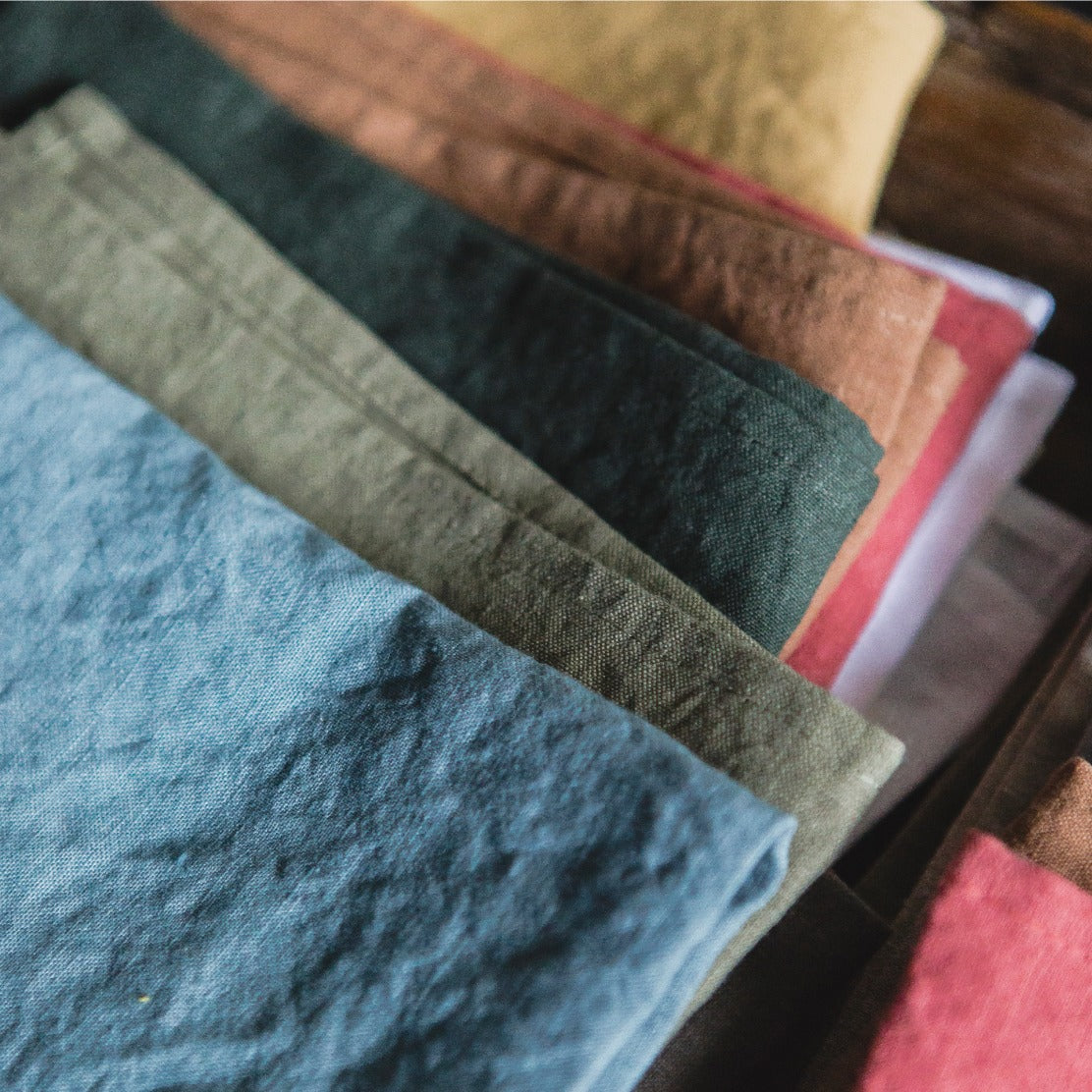
Belgian linen offers depth and softness that many synthetic blends cannot match, but it relaxes and wrinkles in a way some clients love and others regret. Velvet gives a sofa architecture and richness, yet pile direction, color saturation, and room scale all have to be handled carefully. Performance fabrics solve real problems in busy homes, though some can look too flat or too clean for a room that needs warmth and character.
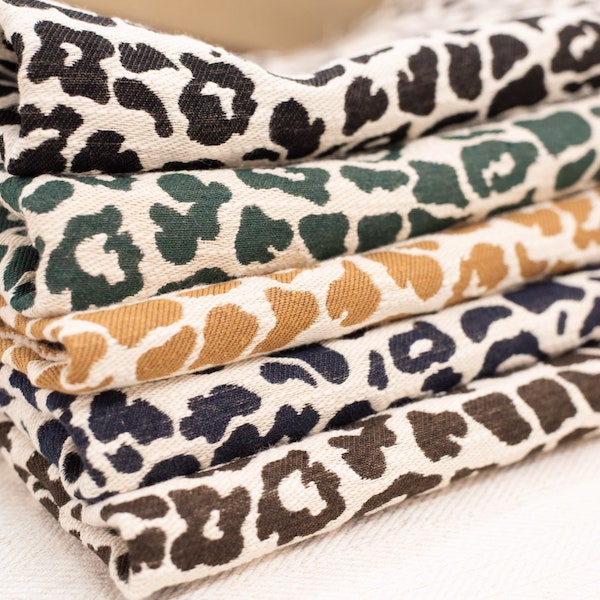
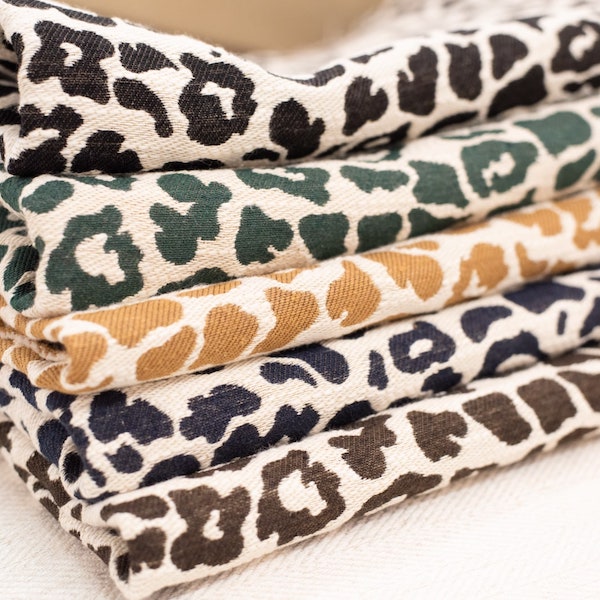
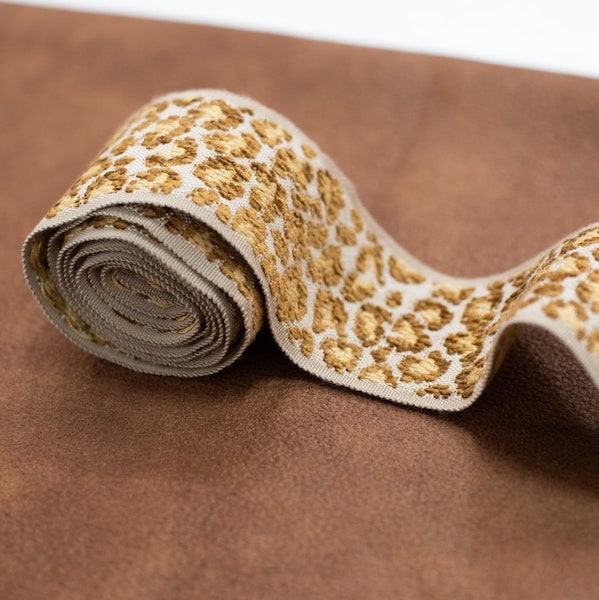
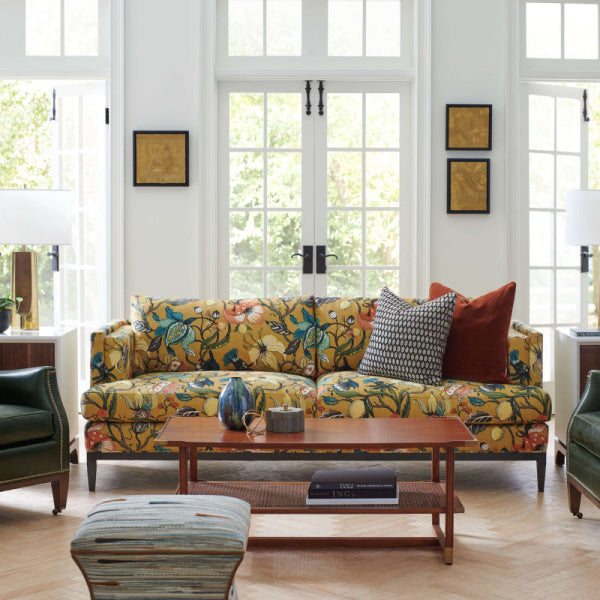
Pattern brings its own discipline. A large repeat can look superb on a long sofa and feel forced on a small slipper chair. Wovens such as jacquards need careful placement at arms, decks, and cushion seams or the piece can look unsettled. For clients comparing that category, this guide to jacquard fabric for home decor is a useful primer.
Performance matters, but it is not the whole answer
Abrasion ratings, cleanability, and fiber content help narrow the field. They do not replace judgment. Upholstery fabric should be chosen as upholstery fabric, not as if it were decorative yardage that happened to be available in the right color.
A strong selection balances three things at once: durability, appearance, and appropriateness for the frame. If one of those is ignored, the piece usually shows it. For a practical framework, this guide on how to choose upholstery fabric is a helpful reference when reviewing options.
A deep fabric library changes the result
Luxury projects rarely fail because there were too many good choices. They fail because the available choices were too narrow. When a room already includes custom drapery, antique case goods, hand-knotted rugs, or complex wall color, fabric access becomes part of the design outcome.
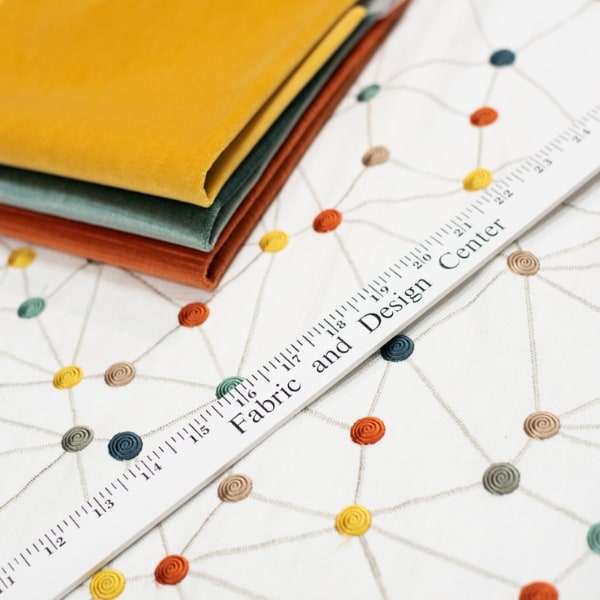
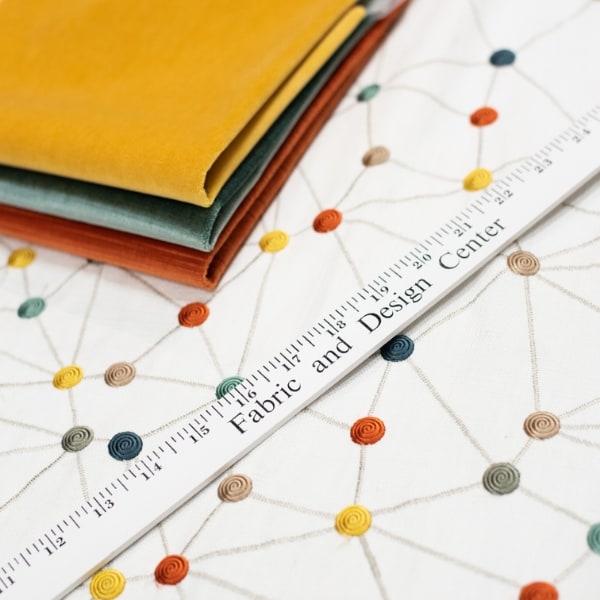
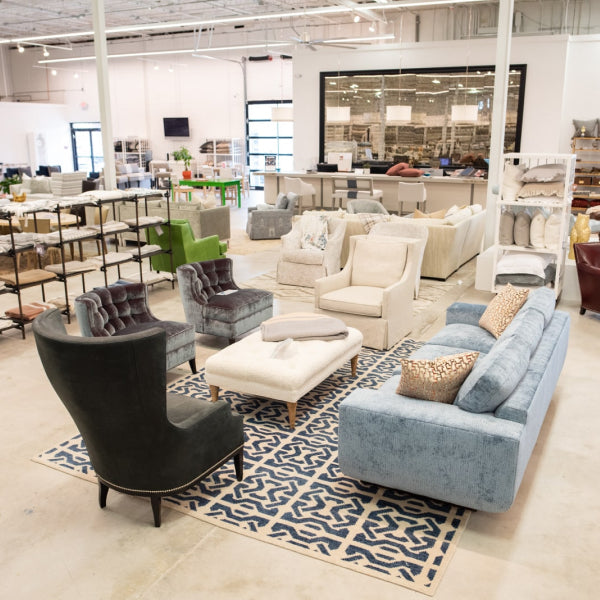
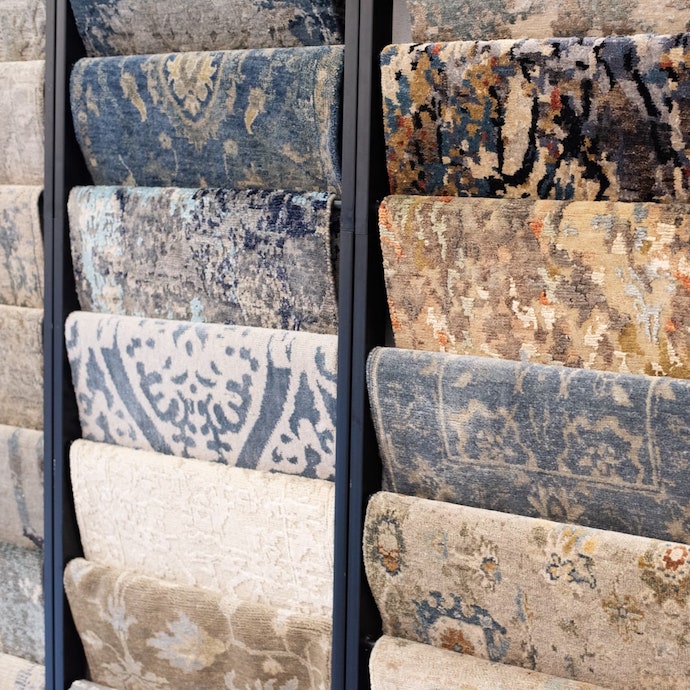
That is one reason Lewis and Sheron Textiles remains relevant in Atlanta. Its Design Center gives clients and designers access to a large in-stock fabric library and a broad range of cut-yardage options from established mills. That breadth helps when the goal is not just to recover a chair, but to place a finished piece into a fully considered interior.
Fabric defines the piece, both visually and in how it performs. Treat it as a construction choice with aesthetic consequences, not a last-minute finish.
Finalizing the Partnership Warranty Delivery and Red Flags
The true test often starts after the fabric is chosen. A chair can look promising on the showroom floor and still become a frustrating project if the warranty is thin, the delivery terms are loose, or the shop goes quiet once work begins.
In luxury upholstery, the agreement matters, as there is much at risk. Designer fabrics are expensive to replace. Antique and heirloom frames carry structural risks that may only appear after teardown. White-glove delivery is part of the result, not an afterthought.
Questions that clarify the partnership
Ask for direct answers before approving work, and get them in writing.
- What does the workmanship warranty cover? Ask specifically about seams, spring work, cushion construction, trim application, and any frame repairs completed by the shop.
- What is excluded? Sun exposure, pet damage, client-supplied fabrics, and normal wear are often treated differently from workmanship issues.
- Who manages pickup and delivery? A high-value piece should not be treated like routine freight.
- Is the piece insured while in transit and in the workroom?
- What happens if hidden frame damage appears after the upholstery is removed? Good shops pause, document the issue, price the repair clearly, and wait for approval.
- How are schedule changes communicated? Luxury clients and designers need updates tied to milestones, not vague assurances.
A strong workroom answers these questions without irritation. Clear terms usually reflect a disciplined process behind the scenes.
Red flags that deserve a hard stop
Some problems show up in the estimate. Others show up in the conversation.
- Non-itemized pricing. If labor, materials, cushion work, repairs, and delivery are rolled into one number, it is hard to judge where the value sits.
- Loose warranty language. "We stand by our work" is not a warranty. Coverage should be defined.
- No transport plan. Fine upholstery can be damaged on stairs, in trucks, or during storage long before it reaches the room.
- Pressure toward an easier fabric or simpler detail. Sometimes a shop is protecting the timeline. Sometimes it is avoiding the skill the project requires. Those are not the same thing.
- No process for change orders. Hidden repairs and yardage adjustments happen. The issue is whether the shop documents them properly.
- Weak portfolio proof. Ask to see close-up work, pattern matching, cushions, skirts, welts, and inside backs. Styled room photos do not show craftsmanship.
One more point matters in Atlanta's upper tier. If a provider can support fabric sourcing, upholstery execution, and delivery coordination under one roof, communication tends to be tighter and mistakes are easier to catch early. That does not guarantee excellence, but it does reduce handoff problems.
The right partner welcomes scrutiny. In high-end upholstery, precision in the paperwork usually signals precision in the work.
The Lewis and Sheron Difference Atlanta's Heritage Design Destination
A client walks into a showroom with three real decisions in play. Keep the heirloom sofa and rebuild it properly. Order a new bench-made piece with better proportions. Or commission something made for the room from the start. In Atlanta's luxury market, the value is not in having more options. It is in having the right options under one roof, with people who can judge quality before money gets spent.

What a legacy provider brings to the process
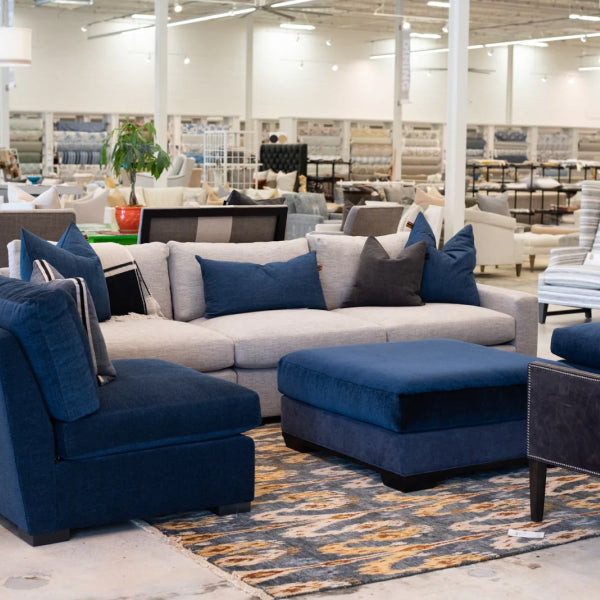
Lewis and Sheron Textiles has served Atlanta since 1944 and remains a four-generation family business. Its Design Center carries over 1,000 in-stock fabric bolts and maintains relationships with respected American makers such as Verellen and Wesley Hall.
That combination matters because high-end upholstery is rarely a single transaction. It is a chain of decisions about scale, fabric, cushion construction, finish, lead time, and installation. A heritage showroom with deep inventory and long-standing vendor relationships can resolve those decisions faster and with fewer costly substitutions.
Why that matters for discerning clients
For a luxury buyer, the advantage is practical.
| Need | Why it matters in a luxury project |
|---|---|
| Large fabric selection | Gives the room better continuity and reduces compromises on color, hand, and durability |
| Access to American makers | Supports custom scale and specific requirements |
| Reupholstery capability | Keeps strong existing frames in service when the piece deserves the investment |
| Design consultation | Helps resolve proportion, fabric placement, and finish choices before they become expensive mistakes |
I see this most often with clients furnishing primary homes in Buckhead, Alpharetta, Roswell, and Sandy Springs. They are not trying to patch a serviceable chair for one more season. They are deciding where to place capital. A sentimental piece may deserve a full rebuild. A poorly scaled sofa may need to be replaced outright. A formal living room may call for custom seating that fits the architecture instead of fighting it.
That is a key advantage of a heritage design destination. It can assess existing furniture accurately, source designer materials with confidence, and provide access to new luxury upholstery when restoration is no longer the right answer.
Frequently Asked Questions About High-End Upholstery
Is reupholstery more sustainable than buying new
Often, yes. If the frame is strong and the proportions are still right, reupholstery keeps a substantial piece in use and avoids replacing it with something disposable. Sustainability only works when the underlying piece deserves the investment. Saving a weak frame isn’t sustainable if it fails again.
How should I care for newly upholstered furniture
Vacuum gently and regularly, especially along seams and seat decks. Rotate loose cushions so wear develops evenly. Keep direct sunlight in mind, especially with natural fibers and richly saturated colors. Most damage comes from neglecting routine maintenance, not from a single dramatic spill.
What does COM mean
COM means Customer’s Own Material. In practice, that means the client supplies the fabric instead of purchasing through the upholsterer or design source. It can work well, but the responsibility shifts. The shop will usually want to confirm suitability, yardage, repeat, and application before cutting begins.
What’s the difference between showroom furniture and bespoke furniture
A high-quality showroom piece can still be excellent. The distinction is that bespoke furniture is specified for your room, your dimensions, and your comfort preferences from the start. That includes scale, cushion feel, arm shape, seat depth, and fabric placement. Showroom furniture is selected. Bespoke furniture is resolved.
Can any old sofa become a luxury sofa with new fabric
No. Fabric can enhance a piece, but it can’t correct weak proportions, poor frame quality, or awkward comfort. Some pieces improve dramatically with reupholstery. Others just become expensive versions of the same problem.
Should I prioritize the frame, the fabric, or the cushion comfort
Start with the frame. If the bones are wrong, everything else is secondary. Then address comfort. Fabric comes after that. Clients often reverse this order because fabric is visible, but long-term satisfaction usually depends on structure and sit before surface.
If you're weighing reupholstery against a new custom piece and want experienced guidance, Lewis and Sheron Textiles offers Atlanta homeowners and design professionals a place to source premium fabrics, explore custom furnishings, and evaluate heirloom pieces with a long-view approach to comfort, craftsmanship, and lasting value.