



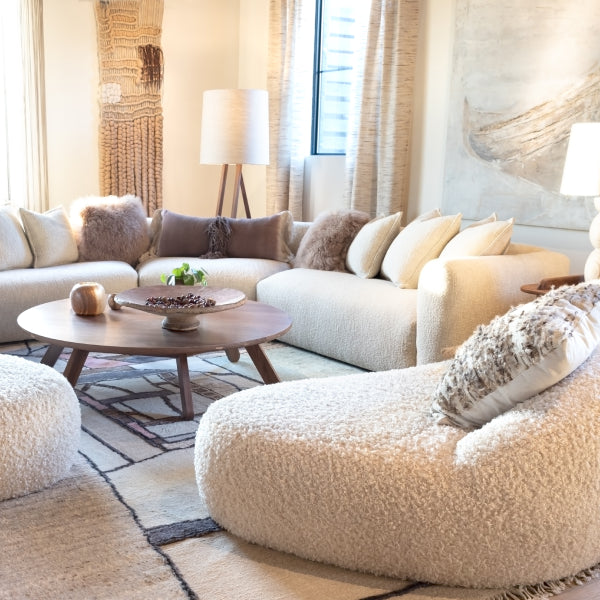
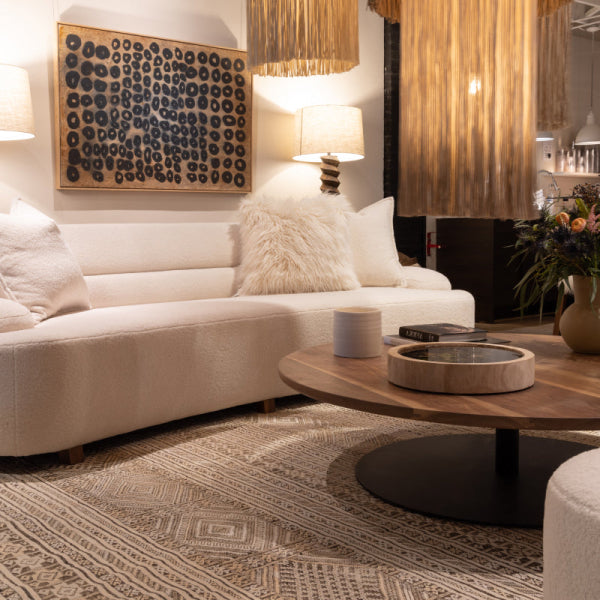
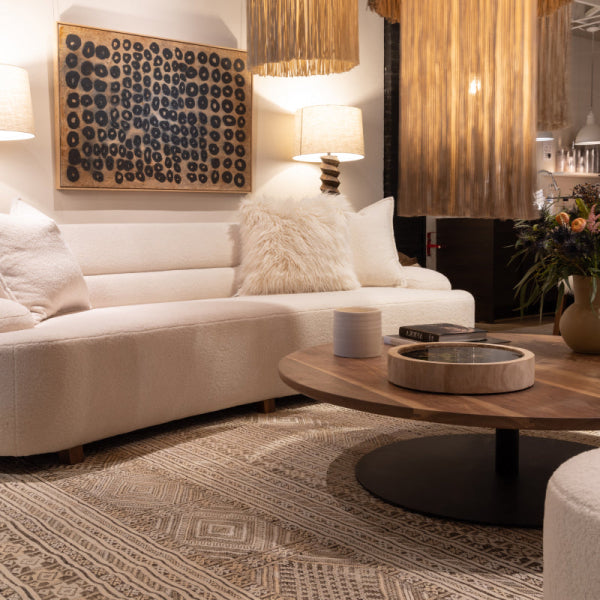
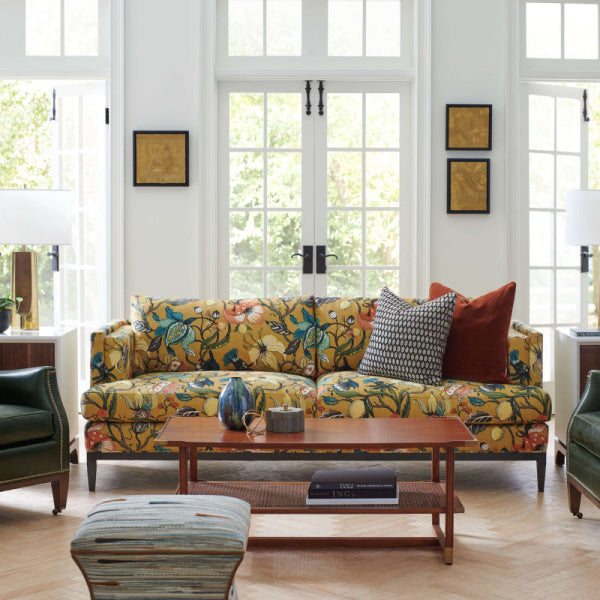
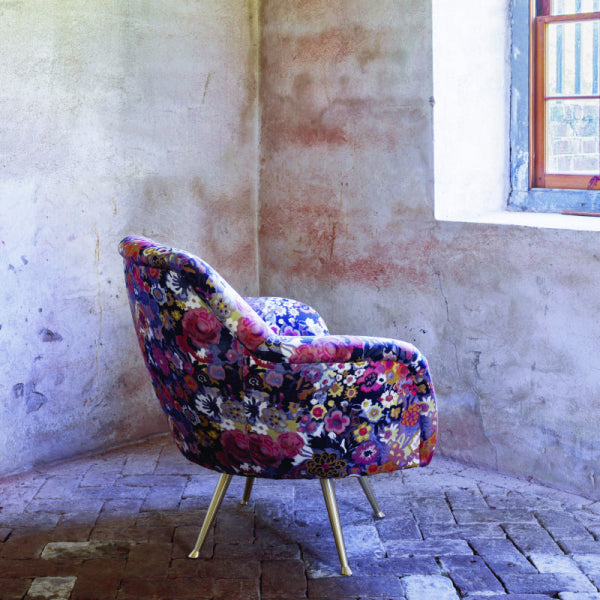
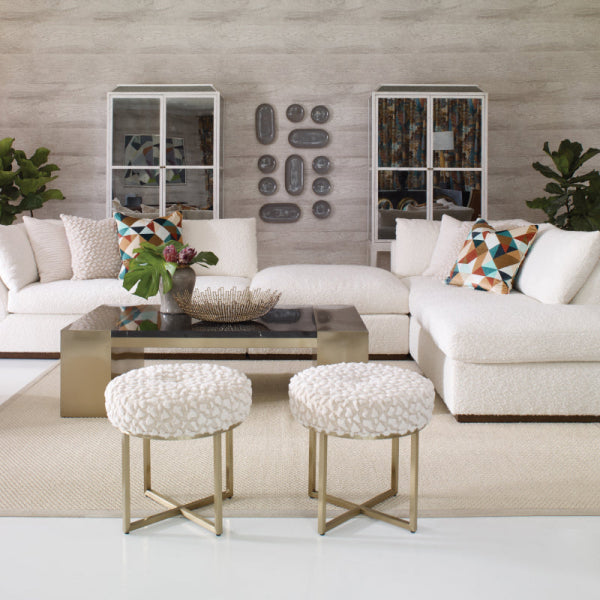
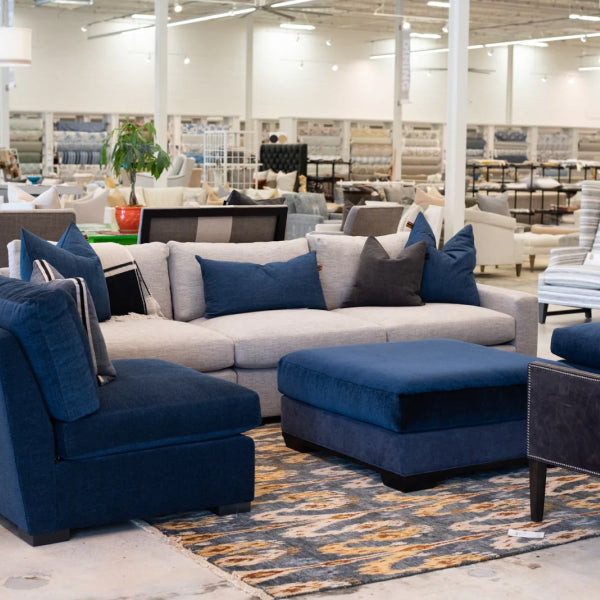












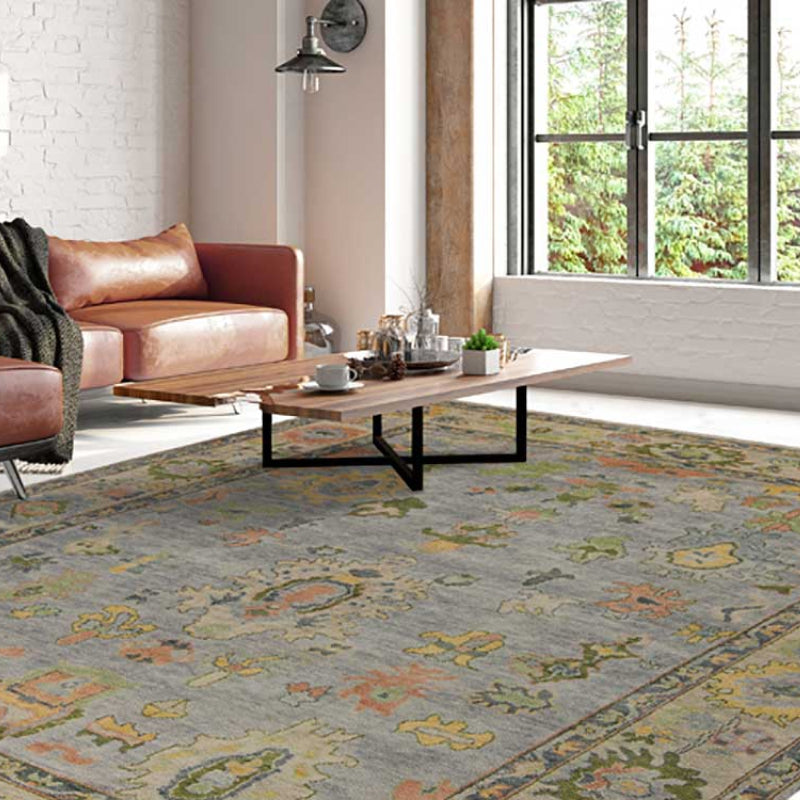
A lot of Alpharetta homes are beautifully finished and still feel incomplete. The architecture is polished, the lighting is right, the floors are right, and yet the room falls flat because the furniture could belong to anyone. A stock sofa might fill the footprint, but it rarely solves the room.
That’s where custom furniture changes the conversation. Instead of buying around someone else’s template, you build around the way you live, the scale of your home, and the mood you want each room to hold. In a market like North Atlanta, where homeowners are making careful decisions about quality, that difference matters.
Elevating Your Alpharetta Home Beyond the Ordinary
You walk into a finished Alpharetta home with beautiful millwork, strong lighting, and the right flooring, yet the room still feels unsettled. In my experience, that usually comes back to furniture that fits the address but not the house.
Mass-market pieces miss for predictable reasons. The scale is slightly off. The sit is too upright or too deep for how the family uses the room. The fabric looks polished under showroom lights but wears poorly once kids, pets, guests, and Georgia humidity enter the picture.
In North Atlanta, clients usually want more than a full room. They want visual order, comfort that lasts, and pieces that make sense with the architecture. A curved stair hall, a wide open-concept great room, or a formal living room with tall windows often needs furniture built to specific dimensions and proportions, not the nearest standard size.
Custom furniture solves that problem at the source. It allows real decisions about seat depth, cushion construction, arm profile, skirt or exposed leg, back height, and fabric performance. Those choices affect how a room feels every day, not just how it photographs.
Practical rule: If the finishes are strong and the room still feels generic, the furniture usually needs more thought.
The best custom work is specific, not excessive. A sofa may need a narrower arm to keep the room open. A sectional may need one seat adjusted so conversation feels natural instead of forced. A dining host chair may need a performance velvet that keeps its color and hand without turning maintenance into a chore. Good customization addresses use, scale, and longevity first. Decorative details come after that.
That is also why well-made custom pieces tend to stay in a home longer. They are selected with more discipline, built around the room they live in, and less likely to be replaced after a few years of frustration.
Local history matters here too. Lewis and Sheron Textiles has served the Atlanta area since 1944, and that kind of continuity carries weight in a category where judgment, sourcing, and material knowledge matter. Homeowners making substantial furnishing decisions benefit from working with people who understand how Atlanta clients live, what fabrics hold up, and where spending more improves the result.
A useful outside reference is this guide to custom furniture, especially for understanding how dimensions, upholstery choices, and finish details change the final piece.
Custom Furniture for Alpharetta Homes is not about making every room ornate. It is about making each piece look intentional, feel right, and earn its place over time.
Planning and Budgeting for Your Custom Furniture Project
A homeowner in Alpharetta finishes a renovation, orders a custom sofa, and only then learns the piece cannot make the turn at the stair landing. Another approves a beautiful fabric memo, then realizes the room gets harsh afternoon sun and the color was never a safe choice for that exposure. The costly part of custom furniture is often not the piece itself. It is correcting decisions that should have been settled at the beginning.

Good planning gives a client something many showrooms never explain clearly. It sets the scope, the investment range, and the production calendar before orders are written. That is the difference between a custom project that feels well managed and one that keeps getting more expensive.
Start with the room, then measure the route
Room dimensions are only the first layer. The full measurement set should include wall lengths, ceiling height, windows, fireplaces, floor vents, and built-ins. Then measure the path from truck to final placement. Entry doors, stair widths, turns, elevator interiors, hall pinch points, and interior doorways all affect what can be built and delivered.
Anticipating installation details enables clients to save money early. A bench can often be built in one piece without issue. A long sofa for a second-floor sitting room may need adjusted arm thickness, a lower back, removable legs, or a sectional build so it can be installed without damage to the piece or the house.
Keep a working record of:
- Room size and architecture: Overall dimensions, window placement, ceiling conditions, fireplaces, and built-ins
- Delivery access: Exterior doors, stair runs, landings, hallway turns, elevators, and interior openings
- Fixed obstacles: Radiators, vents, low chandeliers, outlets, and trim details that affect placement
- Existing furnishings: Rugs, cocktail tables, side tables, case goods, and clear walking space
A piece can be perfectly proportioned on paper and still live poorly in the room. That usually shows up in blocked traffic flow, awkward sight lines, or seating that feels too deep, too tall, or too dominant for the architecture.
Define how the piece will be used before specifying it
A family room sectional, a formal living room sofa, and a bedroom settee may share a style language, but they should not share the same specification. Use determines the right cushion fill, the right fabric construction, and how precisely finished the upholstery should look after a few years of actual living.
Ask the practical questions first. Who uses it every day. Do children eat on it. Do pets claim one corner. Does the room host twelve people during holidays or two people most evenings. If those answers are unclear, the project is still in the idea stage.
That is also the right moment to review textile quality, not just color. Clients comparing mills benefit from seeing upholstery fabric brands worth considering for durability, hand, and long-term performance, especially when the room needs more than a decorative statement.
Build the budget around the whole project
The budget for custom furniture should cover more than the base quote. A well-planned proposal accounts for the frame, cushion construction, upholstery grade, finish details, delivery conditions, installation, and any companion pieces needed to make the room feel resolved.
Lead times belong in that conversation too. American-made custom upholstery commonly requires several weeks in production, and some orders take longer depending on the workroom, the fabric origin, and whether details are straightforward or highly specific. Trifecta Home’s Alpharetta showroom page gives a useful local reference point for how custom ordering differs from immediate-purchase showroom furniture.
I usually break the budget into four parts so there are fewer surprises later:
| Budget area | What it covers |
|---|---|
| Core piece | Sofa, chair, sectional, bed, ottoman, or bench |
| Materials | Upholstery fabric, leather, welt, trim, lining, and cushion upgrades |
| Support items | Pillows, rugs, window treatments, companion seating, or finishing layers |
| Logistics | Delivery, installation, stair carry, placement, and any on-site adjustments |
This is the kind of transparency high-end clients should expect. Without it, a quote can look reasonable at approval and feel incomplete by installation day.
Spend more on the parts that affect daily use
Clients usually overspend in visible but low-impact areas, then get too cautious on the items that determine comfort and lifespan. Decorative trims, specialty finishes, and elaborate detailing have their place. They should follow the core decisions, not replace them.
A better budget strategy is simple:
- Put money into the primary seating first. The main sofa, favorite lounge chair, and dining host chairs earn heavier use than occasional pieces.
- Protect construction quality. A strong frame, appropriate suspension, and the right cushion fill hold their value longer than decorative upgrades.
- Choose fabrics by performance and room conditions. Sun exposure, pets, cleaning habits, and frequency of use matter as much as color.
- Match finish level to the room. The formal living room may justify more detail than a secondary bedroom or upstairs landing.
Craft also matters at the sourcing level. Clients who care about how things are made often respond to the values behind the Ecuadane artisan commitment, because workmanship, material integrity, and respect for the maker usually show up in the final result.
Custom furniture works best when the investment is honest from the start. Measure carefully, define use clearly, and budget for the full process. That is how a piece arrives looking right, fitting properly, and staying in the home for years instead of becoming an expensive correction.
Understanding High-End Materials and Craftsmanship
A client sits on two sofas that look nearly identical from across the room. One keeps its shape, stays quiet, and feels settled after years of use. The other starts to flex, wrinkle, and complain within a season or two. The difference is usually hidden inside the piece.

Start with the frame
Frames determine whether a custom piece will age with dignity or require correction far too soon. In practice, I look first at species, moisture stability, joinery, corner blocking, and how the suspension works with the frame instead of fighting it.
According to this custom furniture process reference, mortise-and-tenon joints reduce failure rates by 95 percent compared with screws, well-built custom pieces often last 20 to 30 years instead of 5 to 10, and Crypton fabrics can exceed 100,000 double rubs in appropriate applications. Those figures align with what shows up in real homes. Strong construction stays quiet, square, and supportive. Weak construction starts telegraphing its problems through noise, sway, collapsing decks, and cushions that never recover properly.
Suspension matters just as much. Eight-way hand-tied systems, sinuous springs, and webbing can all perform well when they are matched to the design and built correctly. The trade-off is feel. Some clients want a sofa with a buoyant, structured sit. Others want a deeper, more relaxed seat for long evenings in a family room. Good custom work accounts for that before the first yard of fabric is cut.
Then evaluate the textile honestly
Fabric selection should be handled as a performance decision and a design decision at the same time. Alpharetta homes often have large windows, active households, and rooms that need to look polished without feeling precious. That changes what counts as a smart textile.
For upholstery buyers comparing mills, fiber content, finish, and wear characteristics, this guide to the best upholstery fabric brands is a useful starting point.
A few categories come up repeatedly in high-end projects:
- Belgian linen: relaxed, breathable, and rich in texture, but it will show wear and movement more visibly
- Wool and wool blends: resilient, refined, and excellent for clients who want depth without shine
- Cotton and cotton blends: familiar and comfortable, though they usually benefit from the right finish or blend for heavier use
- Performance fabrics: practical in family spaces, breakfast banquettes, and media rooms where cleanability matters
The right answer depends on the room. A formal sitting room can support a more delicate hand and a more nuanced weave. A sectional that gets daily use from children, guests, and pets needs better abrasion resistance and easier maintenance. Luxury is not choosing the most expensive textile on the memo. Luxury is choosing a textile that still looks right after real life happens.
A beautiful fabric that cannot survive the room it lives in is a specification mistake.
Sustainable choices should be specific
Clients ask sharper questions now, and that is a good development. They want to know where the wood came from, whether the cushion materials are likely to hold up, and whether a piece was made to stay in the home instead of being replaced when trends shift.
Sustainability in furniture is usually less about marketing language and more about decisions that can be verified:
- Choose longevity: a piece that lasts is usually the more responsible purchase
- Ask about sourcing: hardwood origin, natural fibers, and finishing methods all matter
- Reupholster when the frame deserves it: replacing fabric on a sound piece often makes better sense than discarding it
- Work with makers who can explain their process: traceable craftsmanship usually signals better discipline overall
For buyers who care about the human side of making, the Ecuadane artisan commitment offers a more grounded example of how craftsmanship and community support can be discussed.
Good craftsmanship looks controlled
The best custom furniture rarely looks busy. It looks resolved.
That shows up in details clients may not name immediately but always notice over time:
- seams align cleanly
- welts stay consistent through corners
- stripes and patterns are centered intentionally
- cushions fill out the frame without looking swollen
- finishes support the silhouette and the room’s architecture
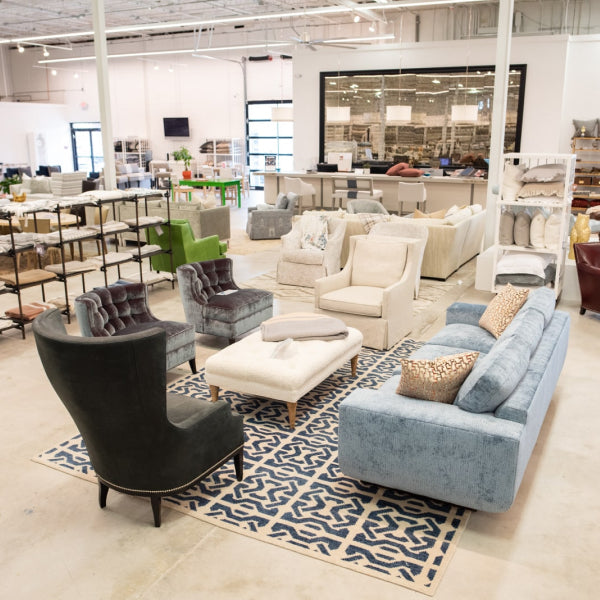
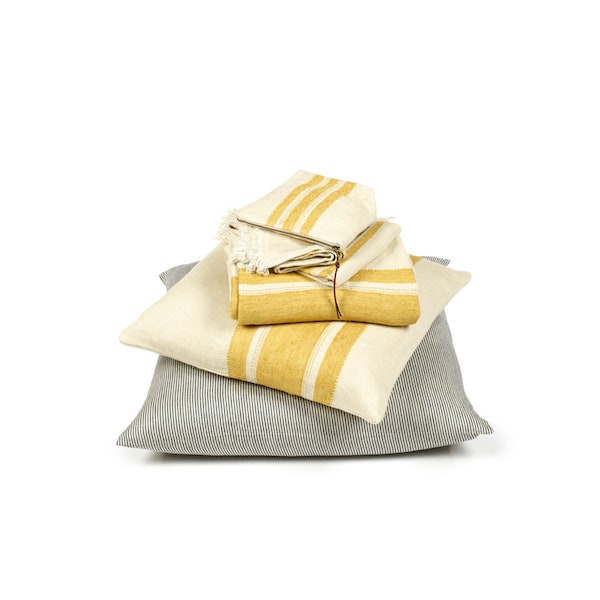
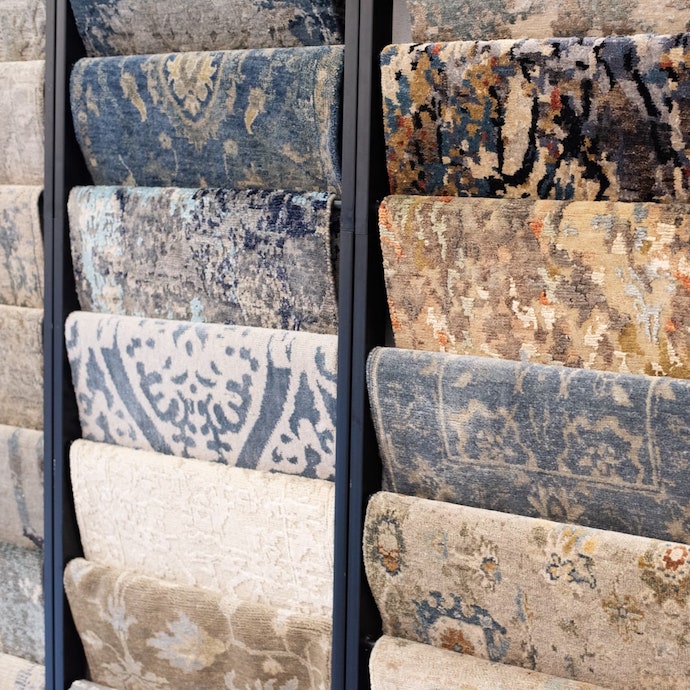
Lewis and Sheron Textiles carries over 1,000 in-stock bolts and thousands more cut-yardage options, along with American-crafted upholstery from makers such as Verellen, Wesley Hall, LEE Industries, and Ambella. That range is useful because material education only matters if clients can compare real options side by side and feel the differences in hand, weight, texture, and finish.
High-end rooms in Alpharetta hold up because the materials make sense together. The frame supports the scale. The cushion fill fits the way the piece will be used. The textile suits the light, the traffic, and the maintenance tolerance of the household. That is the level where craftsmanship stops being a sales phrase and starts becoming visible value.
The Bespoke Journey From Consultation to Installation
A client in Alpharetta falls in love with a sofa in a showroom, then gets it home and realizes the arm blocks a walkway, the seat depth overwhelms the room, and the fabric fights the light. Custom work avoids that kind of expensive correction because the process is built to answer practical questions in the right order.

The consultation sets the direction
The first meeting should do more than confirm style preferences. It should define how the room needs to work.
That means taking measurements, studying traffic paths, checking ceiling height and window placement, and discussing who uses the piece every day. A formal living room in Milton asks different things of a sofa than a family room in Alpharetta with pets, children, and regular guests. Good custom planning also includes the constraints clients often forget to mention at first, such as a favorite side table that needs to stay, a staircase that limits delivery size, or a fabric requirement tied to maintenance.
As noted earlier, a phased design process improves approvals and cuts rework because assumptions get resolved before production starts. The early conversations matter for another reason too. They establish whether the project calls for true customization or a more exact specification path, which this explanation of what is bespoke furniture lays out clearly.
Visualization protects the room from guesswork
Scale problems rarely come from bad taste. They come from missing context.
A drawing, finish sample, and cushion spec let clients judge the piece as part of the room instead of as an isolated object. That is where proportions get corrected. A long sofa may need a narrower arm to preserve seating without crowding the plan. A sectional may need less depth than expected so conversation feels natural. An accent chair may need another inch of seat height because the client will read in it for an hour, not glance at it from across the room.
The room should shape the furniture. The furniture should fit the house, the routine, and the people who live there.
Production rewards clear decisions
Once dimensions, materials, and finishes are approved, the project shifts from editing to execution. This stage takes patience because quality work depends on sequence. Frames are built first. Comfort details are refined through cushion construction and support choices. Upholstery is cut with attention to repeat, railroading, seam placement, and the way the fabric will wear over time. Finishes need curing time if they are going to age well.
Clients appreciate the timeline more when they understand what they are paying for. They are not buying speed. They are buying fewer compromises, better fit, and a piece made for a specific room instead of the average room.
That same clarity can matter with older family furnishings too. Households sorting inherited pieces alongside new commissions often benefit from understanding provenance and storage priorities before making selections. Resources on managing heirlooms for estate sales can help frame those decisions.
Installation finishes the project correctly
Delivery day is not a formality. It is the final quality check.
Placement affects how the piece reads, how it functions, and whether the room feels settled. Installers should account for rug borders, lamp reach, art sightlines, door swing, and circulation around the furniture. Sometimes a piece is built exactly right and still needs a small on-site adjustment in placement to feel right in the architecture.
That last step is one of the clearest differences between custom and off-the-floor buying. The piece arrives with a destination already considered, and the home feels more resolved because of it.
Breathing New Life into Cherished Pieces with Expert Reupholstery
A client brings in her grandmother’s bergere chair after a move to Alpharetta. The fabric is faded, the seat has lost its shape, and the trim dates the piece immediately. The frame is still strong, the proportions are excellent, and a comparable new chair with the same carved detail would be expensive to source. That is the kind of piece worth discussing.

When reupholstery makes sense
Reupholstery works best when the frame quality justifies the labor. Hardwood construction, sound joinery, spring systems worth rebuilding, and proportions that still suit the room all matter more than the current fabric.
Sentiment can matter too, but sentiment alone should not drive the decision. If a family piece has real meaning and a structure that can hold up for years, reupholstery often gives a better result than trying to replace it with something that only approximates the original.
A few factors usually point in the right direction:
- Frame integrity: Tight joints and stable construction make the project viable
- Scale and fit: A sofa or chair that fits the room correctly is often worth keeping
- Design character: Older pieces frequently have shaping, carving, or seat depth that is difficult to find in current retail lines
- Upgrade potential: New cushioning, proper support, and a well-chosen textile can change how the piece looks and feels
Cost is part of the conversation, but it should be handled transparently. Reupholstery is rarely the cheap option when premium fabric, cushion rebuilds, spring repair, and detailed labor are involved. It is the right option when the finished piece will outperform a replacement in quality, fit, or long-term value.
What reupholstery can fix, and what it cannot
Good upholstery work can correct a lot. It can rebuild seat decks, replace worn foam with better cushion construction, repair springs, refine skirt lines, and fit a textile so the pattern placement looks intentional instead of improvised.
It cannot correct bad proportions.
If the back is too low, the arms are too bulky, or the sofa has always overpowered the room, new fabric will not solve that. The same goes for weak frames that flex, bargain furniture made with poor internal components, or pieces with damage extensive enough that reconstruction starts to exceed their value.
That is why the evaluation stage matters. A workroom should inspect the frame, padding, support system, and finish condition before fabric is specified. Clients make better decisions when they know whether the estimate is mostly fabric, mostly labor, or a true rebuild.
Old furniture and worth-preserving furniture are different categories.
Reupholstery is also a way to keep a home grounded
The best rooms in the Atlanta market rarely read as if everything arrived in one delivery. They mix new custom pieces with furnishings that carry history, architectural fit, or personal meaning. Reupholstery helps keep that balance.
That becomes especially useful when families are deciding what to retain from an estate or a previous generation. This overview of managing heirlooms for estate sales gives helpful context for deciding what should be kept, passed along, or restored with intention.
For homeowners comparing a rebuild against replacement, this guide to professional reupholstery and what the process involves explains why labor quality, fit, and material choices shape the final result.
The strongest reupholstery projects do more than refresh a chair or sofa. They preserve the parts of a home that still deserve their place, while bringing the construction, comfort, and fabric up to the standard of the room around them.
Begin Your Legacy with Atlanta's Premier Custom Furnishings Partner
The strongest interiors in Alpharetta rarely come from impulse buying. They come from clear planning, disciplined material choices, and furniture that was specified for the home instead of borrowed from a trend.
That’s the value of Custom Furniture for Alpharetta Homes. You get better fit, better function, and a better chance that the piece will still deserve its place years from now. The same logic applies whether you’re furnishing a new build in North Atlanta, refining a Buckhead living room, or restoring a favorite chair that still has life left in it.
Good custom work also removes uncertainty. You know how the piece should function. You understand what the materials are doing. You can see where the money goes. And you’re less likely to end up with expensive furniture that never felt right.
For homeowners and design professionals across Atlanta, Roswell, Sandy Springs, and the surrounding market, the best outcome isn’t just a more expensive room. It’s a room with conviction. The furniture feels considered, the materials make sense, and the house begins to reflect the people living in it.
If you're ready to explore fabrics, review custom upholstery options, or talk through whether a piece should be built new or reupholstered, Lewis and Sheron Textiles is a practical place to begin. The showroom includes premium textiles, custom furnishings, and design support for homeowners and trade professionals who want a more personalized result.