



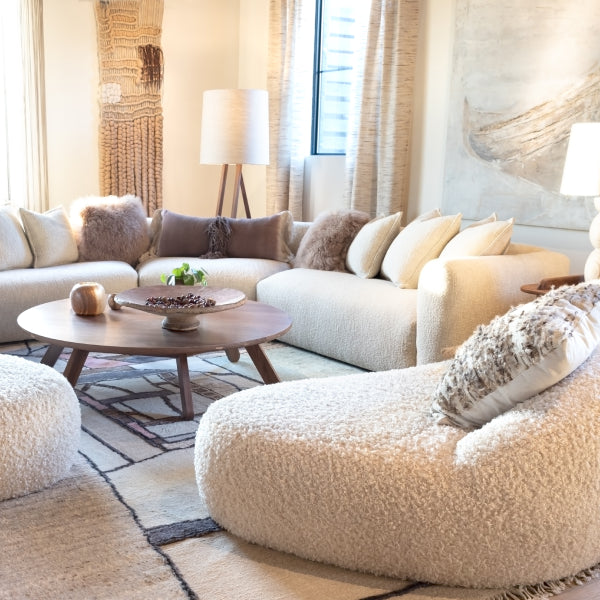
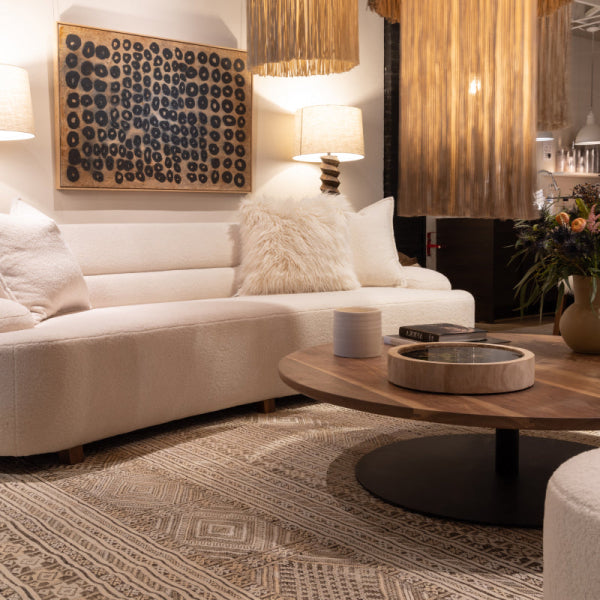
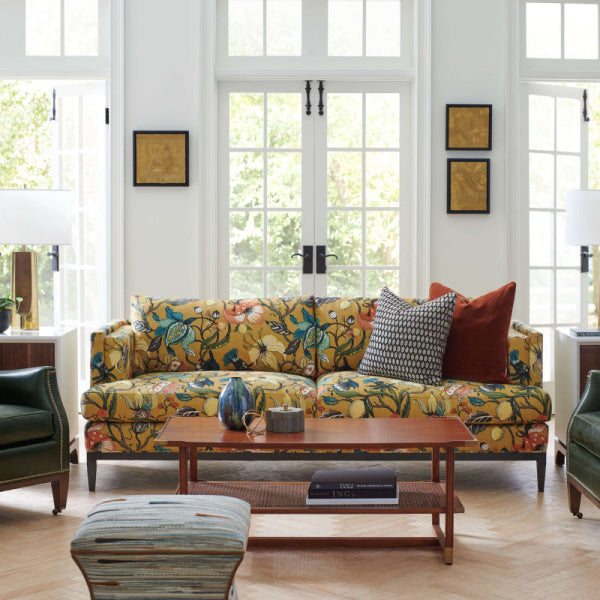
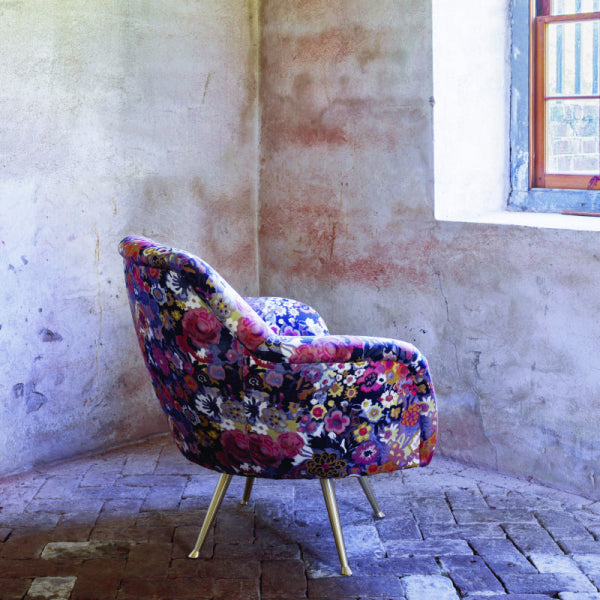
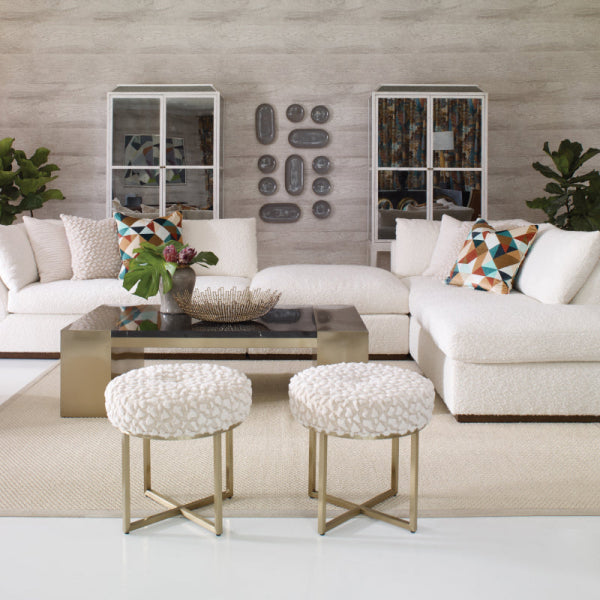
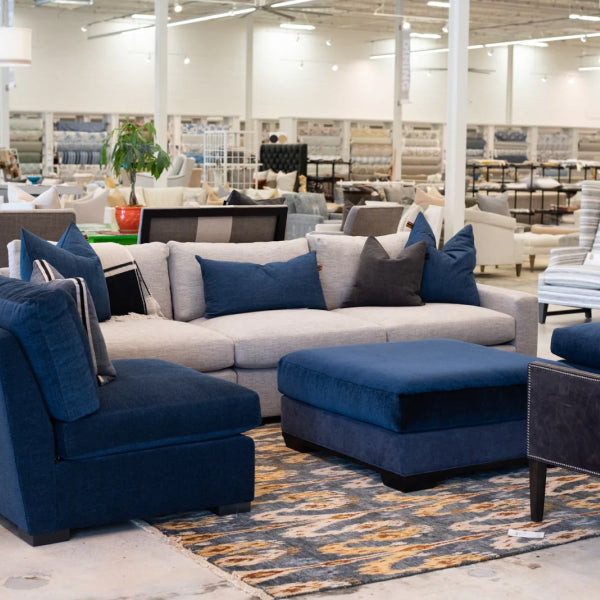









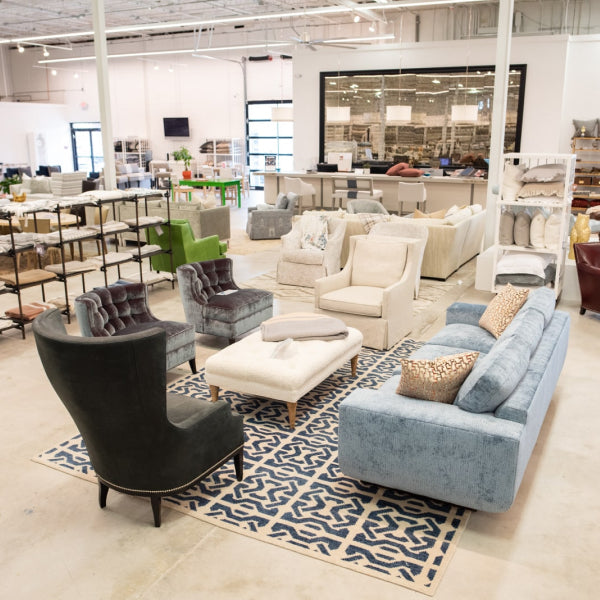


A lot of Atlanta rooms reach the same point. The architecture is strong, the paint is right, the drapery is in, and yet the space still feels unfinished. In Buckhead, Alpharetta, Roswell, and Sandy Springs, that usually means the room has good components but no piece with enough presence to organize everything around it.
That’s where Ambella Home Statement Pieces enter the conversation. Not as filler, and not as trend furniture, but as the item that gives the room its center of gravity. For buyers searching for luxury furniture Atlanta, custom furniture Atlanta, or designer furniture near me, the essential question isn’t merely which sofa looks attractive online. It’s which piece has the scale, silhouette, finish, and staying power to carry a room for years.
Choosing the Right Ambella Piece for Your Atlanta Home
You see it the moment you walk in. The room is finished on paper, but the main furniture piece is too small for the ceiling height, too bulky for the traffic pattern, or too generic for the architecture. In Atlanta homes, that mismatch shows up often, especially when the sofa was chosen from a screen before anyone considered how the room is used.
The better starting point is room behavior. Watch where people enter, where they pause, and which angle carries the first impression. In a Buckhead living room, that may be the view from the foyer across a fireplace wall. In an open Alpharetta plan, it is often the long sightline from kitchen to family room. A statement piece has to hold that view without blocking movement or overpowering the envelope of the house.

Start with proportion, not decoration
Clients often want to begin with fabric. I understand why. Textile is emotional. But scale decisions come first, because a beautiful fabric cannot correct a piece that is too deep for the room or too low for the architecture.
Use a few practical checks before you commit:
- Entry view: Stand at the main doorway. The piece should read as deliberate from that angle, not heavy, undersized, or visually confused.
- Walk path: Leave enough circulation around seating and tables for daily use. If someone has to sidestep an ottoman every evening, the room will feel awkward no matter how refined the materials are.
- Ceiling relationship: Low, horizontal upholstery can settle a tall room. A stronger arm shape or a higher back can help when the architecture needs more vertical presence.
- Window competition: Rooms with dramatic windows need furniture that supports the opening, not a silhouette that competes with it.
One rule holds up in nearly every project. If the furniture grabs all the attention and the room itself disappears, the scale is wrong.
What designer quality looks like
The difference between premium upholstery and mass-market furniture shows up in use, not just in photographs. Sit in both for a year and the distinction becomes obvious. Better frames keep their shape. Better padding holds the line of the arm. Better finishing reads cleanly from three feet away, not only in an online product shot.
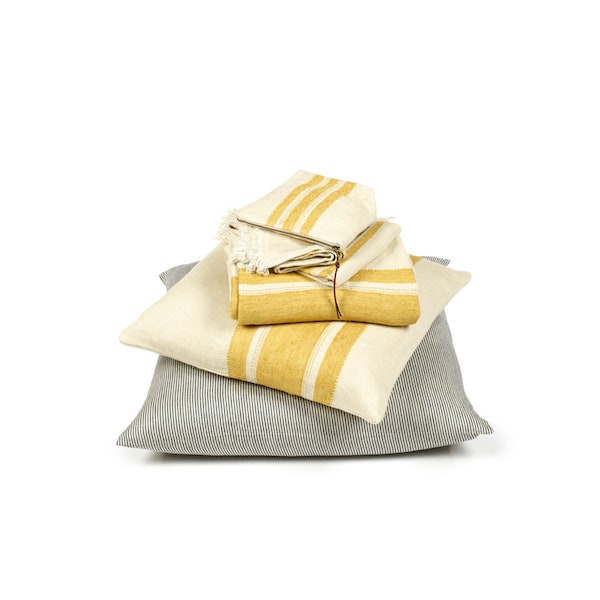
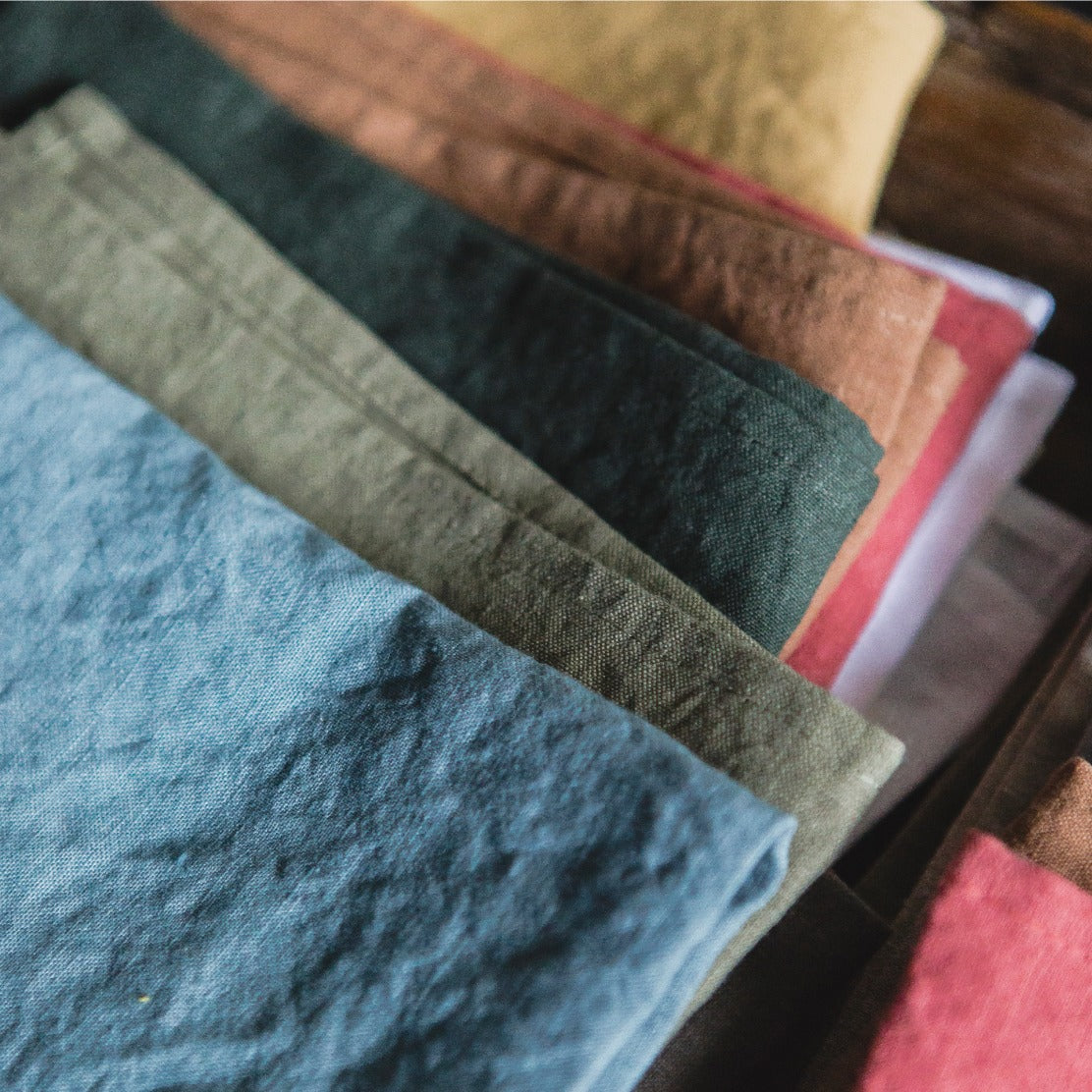
That is where Ambella earns its place in serious interiors. The construction has discipline, and the designs have enough clarity to work in traditional, transitional, and cleaner contemporary homes without feeling disposable. For Atlanta clients, the larger advantage is practical. At Lewis and Sheron, those frames can be specified with textiles that suit the way the room will live, including refined natural options such as Libeco linens and performance choices such as Crypton for high-use seating. That combination gives homeowners and designers one source for both the furniture form and the material performance.
If you want to see how those combinations translate into real rooms, our Ambella Home design inspirations for Atlanta interiors offers a useful visual starting point.
Match the piece to the house style
Different Atlanta homes ask for different kinds of presence. The right answer is rarely the most dramatic piece in the showroom. It is the one that respects the architecture and still gives the room a center.
| Home style | Piece that usually works | What to avoid |
|---|---|---|
| Traditional Buckhead home | A sofa with clean, fitted lines or a shapely chair with disciplined proportions | Overbuilt sectionals that flatten architectural detail |
| Sandy Springs family room | A sectional with crisp geometry and upholstery chosen for daily wear | Delicate fabrics in the most-used seating zone |
| Roswell transitional home | A sofa with balanced arms and a finish that bridges old and new | Highly thematic pieces that date quickly |
| Modern Alpharetta interior | A restrained silhouette with strong texture and clear scale | Ornament that competes with minimalist architecture |
There are trade-offs in every category. A deeper seat feels inviting, but it can look too casual in a formal front room. A lighter linen brings beautiful texture, but it may be the wrong choice for a family that uses the room every day. This is why frame and fabric should be chosen together, not in isolation.
A simple test helps. Mentally remove every smaller item in the room. If the Ambella piece still feels right for the house, you are close.
For clients refining the room beyond the main furniture, I sometimes point them to well-curated sources outside the standard showroom circuit. Ideas for unique home decor gifts can prompt smarter accessory choices, especially when a finished room needs personality rather than more furniture.
The Art of Customization with Ambella and Lewis and Sheron
A client in Atlanta falls in love with a sofa on the showroom floor. The shape is right, but the seat feels too casual for the room, the arm is too heavy for the architecture, and the fabric would not survive a house with children and a dog. That is the point where customization earns its keep.
With Ambella, the useful choices are the ones that change how a piece lives in the room. Start with the frame. Then resolve comfort and proportion. After that, build the textile and finish story around the way the household uses the space.

Build the silhouette first
Ambella’s Profiles Collection is useful because it lets you make the structural decisions before fabric starts driving the conversation. Depth, arm style, size, and welt all change the visual discipline of a piece.
Those are not cosmetic choices. A deeper seat reads more relaxed and often feels better for long evenings, but it can weaken the posture of a formal sitting room. A narrower arm gives you more seating inside the same footprint, though it may lose some presence in a large room. Welt can sharpen the outline or soften it, depending on the frame and fabric.
I usually guide clients with a room-based test:
- Formal living room: Keep the profile controlled. Clean arms and a measured depth usually hold the room together.
- Family or media room: Add depth where comfort matters, but watch overall scale so the piece does not become visually heavy.
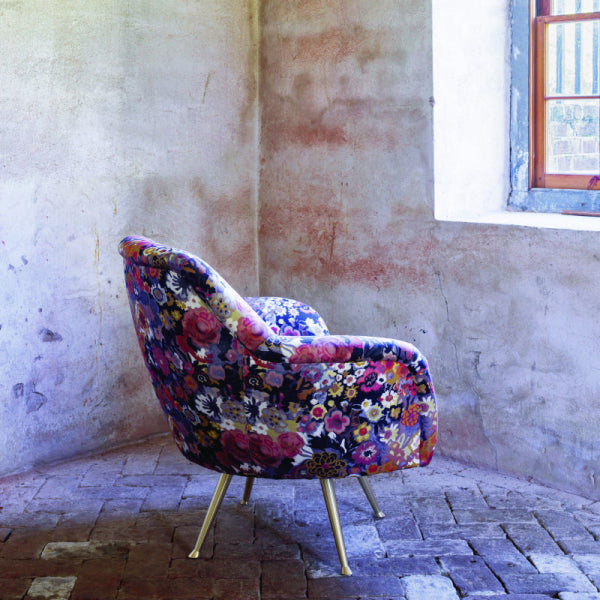
- Accent chair with open sightlines: Focus on arm, back, and base details first. Those features carry the piece from across the room.
If you’re gathering ideas before making selections, Ambella Home design inspirations gives a useful starting point for seeing how these forms read in finished interiors.
Pair the frame with a textile that matches real use
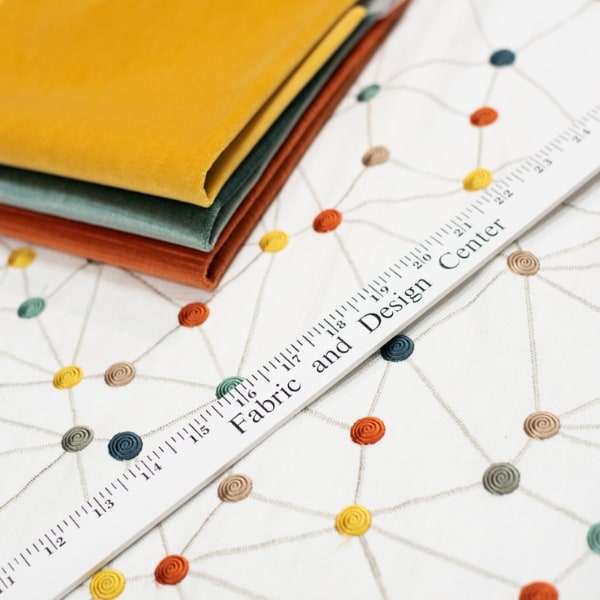
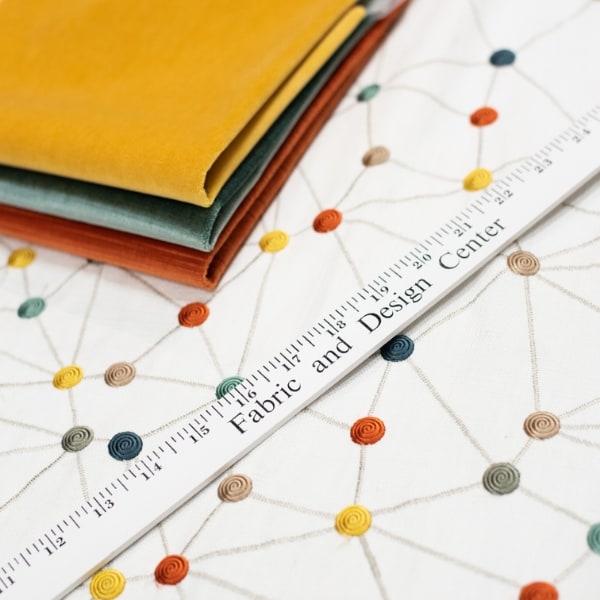
Lewis and Sheron changes the process in a meaningful way. Instead of choosing a frame in one place and hunting for the right fabric somewhere else, clients can work through both decisions together with access to Ambella upholstery options and a fabric library that includes Libeco linens, Crypton performance fabrics, Kravet, and Fabricut.
That single-source approach solves problems early.
A refined Ambella frame in Libeco Belgian linen can be beautiful in a quieter room where texture matters more than stain resistance. In a busy Sandy Springs family room, Crypton often makes better sense because the finish of the room still feels polished while the upholstery stands up to daily wear. For transitional homes, Kravet or Fabricut can bridge a classic frame with fresher color and pattern without making the piece feel temporary.
The trade-off is simple. The more relaxed and natural the textile, the more honestly it will show life. The more performance-driven the fabric, the more carefully you need to edit texture and color so the room does not feel flat.
The frame sets the architecture. The textile decides how that architecture performs day after day.
Finish selection controls warmth and contrast
Wood finish deserves the same attention as upholstery. It affects how the piece relates to flooring, millwork, and nearby case goods, especially in Atlanta homes where rooms often mix antique elements with newer construction.
Three guidelines help:
-
Match undertone before value
Warm floors and warm wood finishes usually belong together, even when one is lighter or darker than the other. -
Use contrast with restraint
A dark exposed wood finish against pale upholstery can add definition. Too much contrast can make the piece feel separate from the room. -
Let one feature lead
If the fabric has movement or pattern, keep the finish quieter. If the upholstery is plain, the finish can carry more personality.
This is also the stage where wall materials and art matter more than clients expect. If the room needs another natural element, a thoughtful look at ways to elevate your space with perfect wood wall decor can help clarify whether the furniture finish should blend in or provide contrast.
Common mistakes in custom furniture
The errors are usually predictable.
- Too much statement in one piece: A dramatic frame and a dramatic fabric rarely age well together.
- Ignoring the rest of the house: A strong piece should have presence, but it still needs to belong to the surrounding rooms.
- Approving fabric from a hand sample only: Light, scale, and seam placement change everything once the piece is upholstered.
Good customization solves a problem. It improves comfort, proportion, durability, or tone. When a choice does none of those things, it adds cost without adding value.
Styling Your Statement Piece with Rugs and Accessories
A statement piece doesn’t finish a room. It sets the standard for everything that follows.
I’ve seen this most often with a beautiful custom chair or sofa that arrives and then gets surrounded by pieces that are too small, too shiny, or too eager for attention. The result is a room where every item is trying to be the focal point. Strong styling does the opposite. It gives the statement piece support.

Let the rug do the grounding
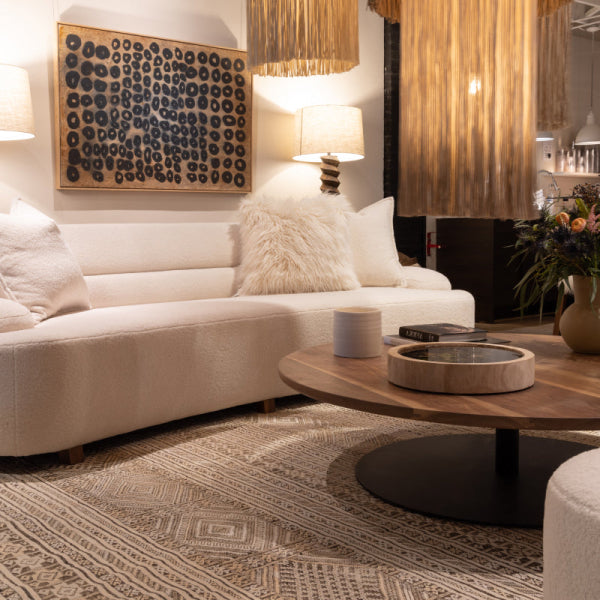
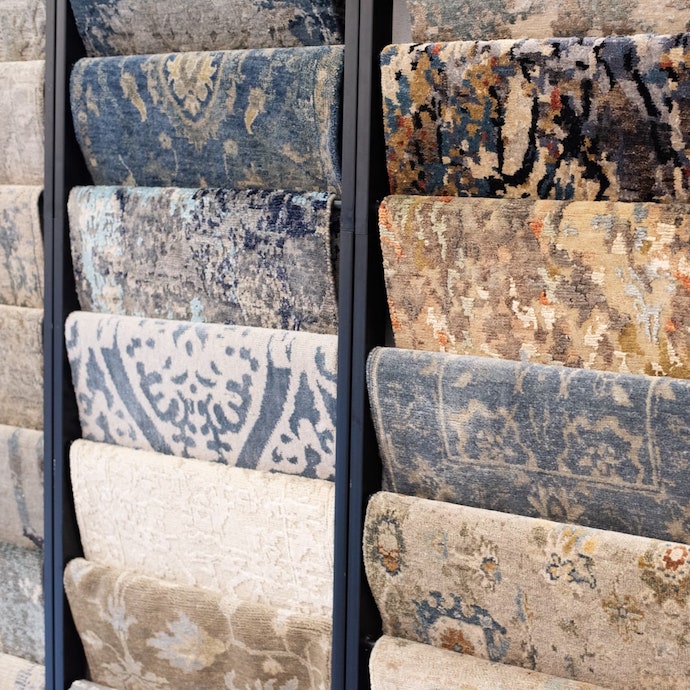
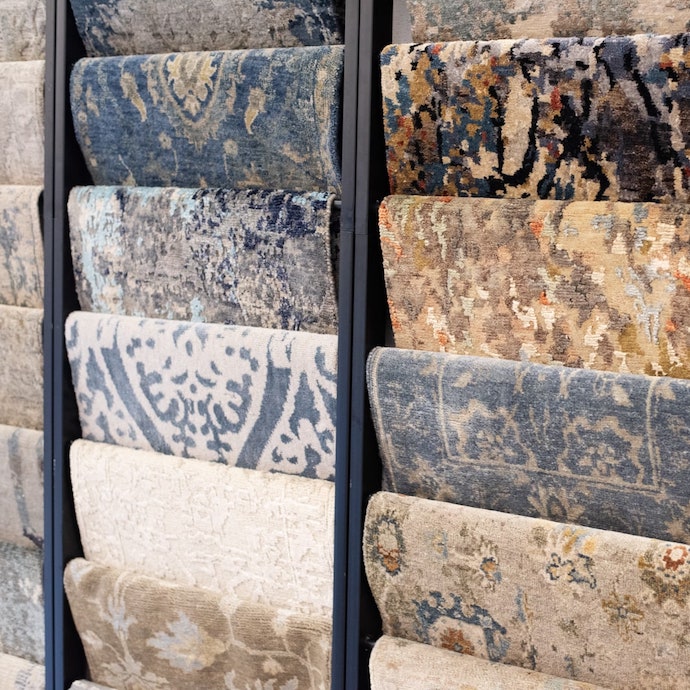
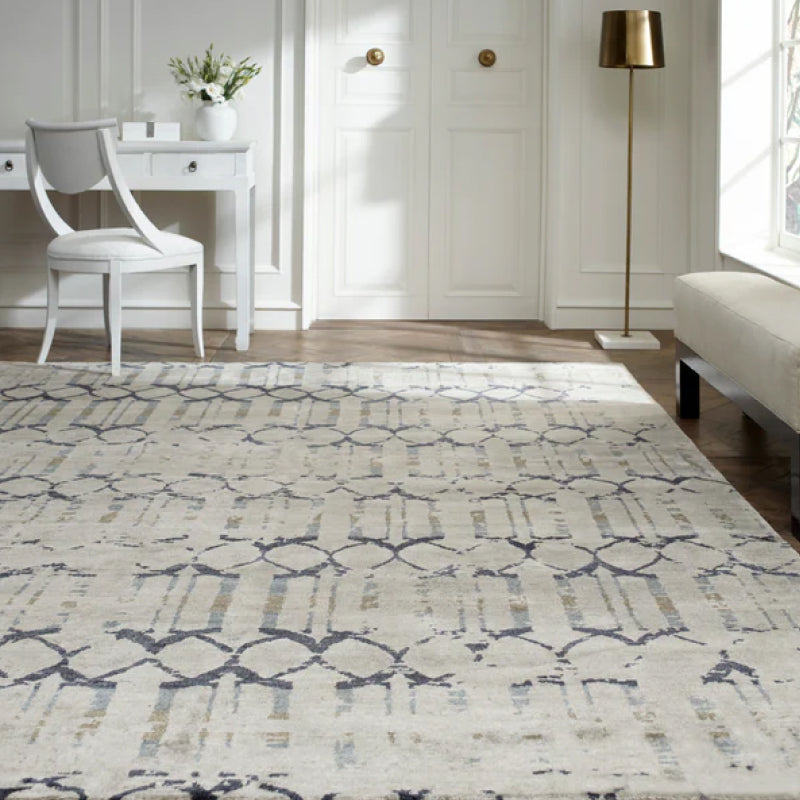
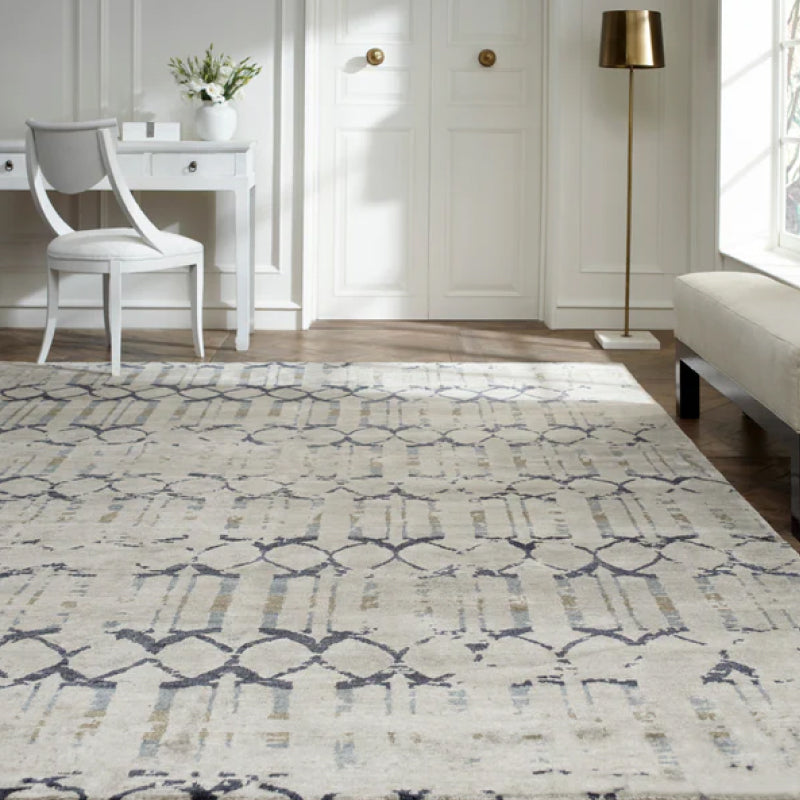
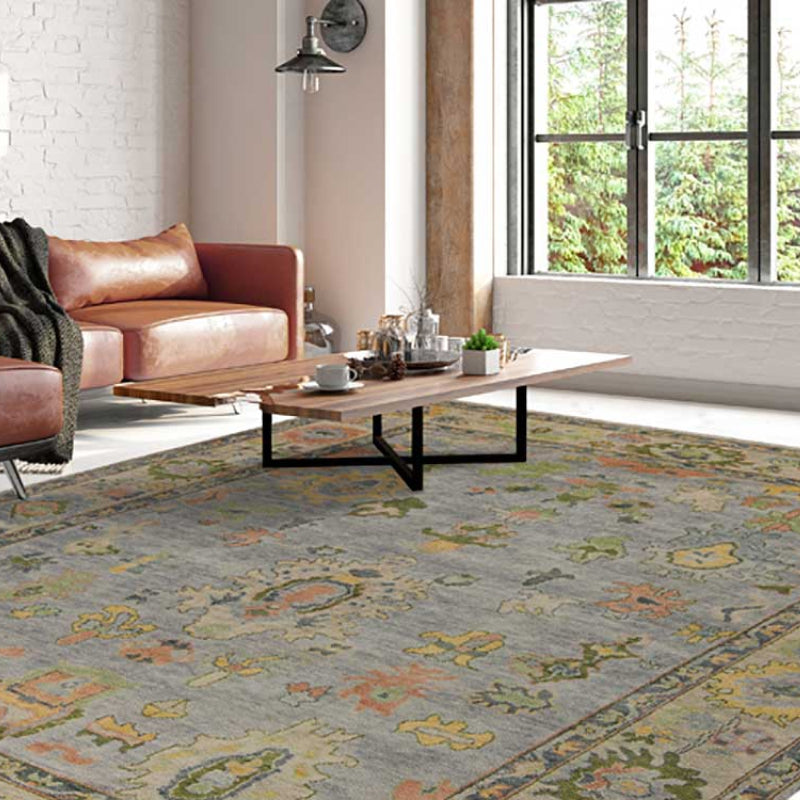
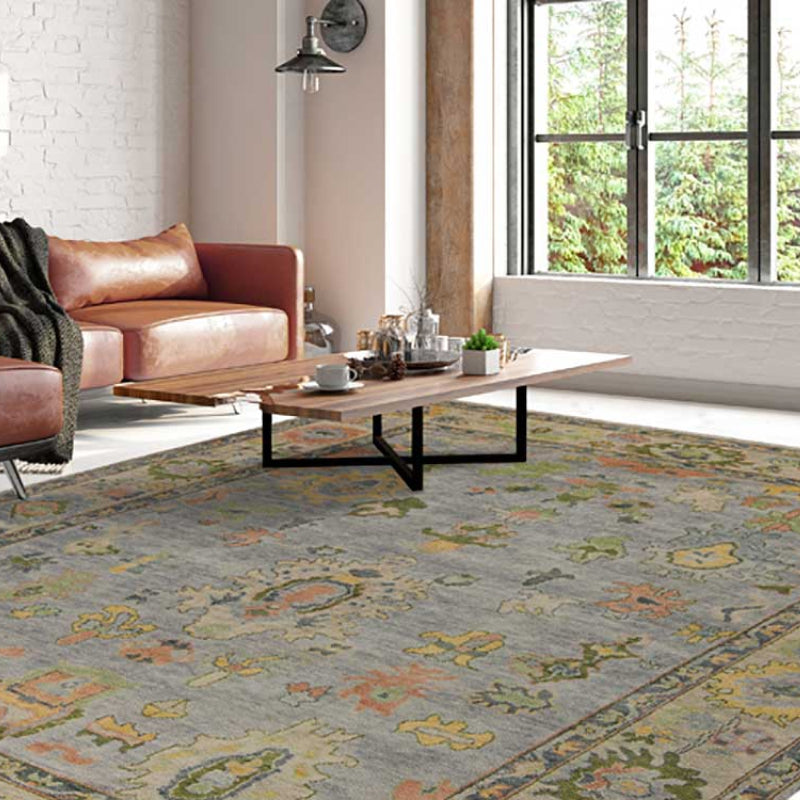
Take a well-crafted Ambella sofa in a warm neutral upholstery. In a Roswell or Sandy Springs living room, I’d usually pair that with a rug that anchors the seating group first and decorates second. A hand-knotted Kalaty or HRI rug with enough scale under the front legs of the seating does more for the room than an intricate small rug floating in the middle.
For anyone refining rug scale and placement, this guide on how to choose a living room rug is a practical reference. It’s especially helpful when the furniture arrangement is set but the room still feels visually disconnected.
Build contrast through texture
A room feels finished when surfaces speak to each other. If the Ambella piece is smooth and refined, bring in a rug with visible texture. If the upholstery has tactile depth, keep the rug more restrained. Pillows are where you can tighten the story.
A few combinations that tend to hold up well:
- Belgian linen upholstery: Pair with a rug that has subtle pattern and a more grounded hand.
- Performance sectional: Add curated pillows in quieter woven textures so the room doesn’t feel over-engineered.
- Exposed wood details: Repeat that warmth in side tables, frames, or lamp bases rather than introducing a completely different wood family.
A room looks expensive when the materials feel related, not matched.
Keep accessories in a supporting role
Art, lighting, and tables should frame the furniture’s presence, not compete with it. If the Ambella silhouette is sculptural, choose cleaner lamps and quieter side tables. If the upholstery is understated, art can carry more of the drama.
Wall decor often gets added too late, which is why rooms can feel top-heavy or disconnected. If you’re thinking through how to add dimension without clutter, this guide on elevate your space with perfect wood wall decor is a useful reminder that wall treatment can contribute warmth and structure when upholstery and rugs are already doing a lot of visual work.
One room example that works
Consider a transitional Atlanta sitting room with an Ambella wing chair as the star. The chair has a shapely frame and quiet upholstery. Underfoot, a soft-patterned rug grounds the seating area without pulling focus. A pair of custom pillows introduces one deeper accent tone. The side table has enough weight to feel intentional but not enough ornament to compete. Art repeats the chair’s color family in a looser way.
That’s usually the formula. One statement. One strong foundation. Then layers that respect the hierarchy.
Protecting Your Investment in Heirloom-Quality Furniture
Luxury furniture earns its value over time, not at delivery. A statement sofa that looks good for a year and degrades quickly was expensive, not well bought. A well-made piece that continues to hold shape, accept cleaning, and merit reupholstery years later is where the investment logic starts to make sense.
For Ambella pieces, that conversation should be direct. Buyers want beauty, but they also want confidence.

What heirloom quality means in practical terms
While brands often talk about timeless quality, buyers usually want harder proof of what supports longevity. For hand-crafted furniture like Ambella’s, durability depends on the initial build, including hardwood frames and artisan finishing, and on ongoing care. Understanding maintenance for custom wood finishes and upholstery is also important for preserving a piece over 15+ years, a priority identified for high-end buyers in Ambella’s Erinn V. materials.
That’s the right way to think about lifespan. Construction matters first. Maintenance matters next. Daily habits matter more than people think.
Care by material, not by guesswork
Different materials need different handling. Generic cleaning advice is where expensive mistakes start.
| Material | Smart practice | Common mistake |
|---|---|---|
| Hand-finished wood | Dust with a soft cloth and avoid harsh cleaners | Using aggressive sprays that flatten the finish |
| Belgian linen or similar natural upholstery | Address spills quickly and use professional cleaning when needed | Scrubbing spots, which can distort fibers |
| Performance fabrics | Follow care instructions for the specific textile | Assuming every performance fabric can take the same treatment |
| Decorative welting and tailored seams | Vacuum gently with upholstery tools | Letting grit sit in edges and seams |
A good maintenance rhythm is simple:
- Weekly: Light dusting or careful vacuuming where fabric and finish collect debris.
- As needed: Blot spills immediately instead of rubbing them in.
- Periodically: Rotate cushions if the construction allows and vary where people sit.
- When wear appears: Bring in a professional cleaner before soiling becomes embedded.
For broader care guidance on upholstered investment pieces, caring for high-end upholstery is a useful reference.
Care note: The gentlest correct method is usually better than the strongest cleaning method.
Think beyond first ownership
One advantage of better furniture is that it remains worth keeping. If the frame is sound and the proportions are right, reupholstery becomes a design decision instead of a rescue mission. That’s a very different ownership model from disposable furniture, where replacement is often the only option.
This also changes how you buy the piece initially. If you know a sofa may stay with you for many years, choose a silhouette with discipline. Trend-driven shapes and novelty fabrics tend to age faster than clean lines, balanced proportions, and materials that develop character instead of just wear.
A statement piece should be used. It should also be cared for like something meant to remain in the house.
Your Questions on Ambella Home Answered
Ambella tends to attract a specific buyer. Someone who’s done enough decorating to know that quality differences are real, but who still wants practical answers before committing. That’s especially true in Atlanta-area projects where the furniture often needs to work hard, look polished, and fit into a larger design plan.
Ambella also has a 25-year history in vanities, reflecting a long view of changing design preferences, from more traditional carved looks to cleaner forms and exotic veneers, as discussed in Designers Today’s coverage of Ambella’s vanities. Combined with its to-the-trade model, that history means buyers usually encounter the line through design resources rather than casual retail channels.
Questions clients ask before ordering
Some questions come up almost every time.
-
Is Ambella right for a family house or only for formal rooms?
It can work in both. The answer depends on the frame you choose and the fabric you pair with it. -
Can a statement piece still be comfortable enough for daily use?
Yes, if comfort is part of the specification from the beginning. Shape alone doesn’t determine comfort. Depth, cushion feel, and fabric all affect the result. -
Does custom furniture make the process more complicated?
It adds decisions, but those decisions are usually the reason the furniture fits the room better.
Frequently Asked Questions
| Question | Answer |
|---|---|
| How do I know whether I need a sofa, sectional, or chair as the statement piece? | Start with the room’s layout and sightlines. In some spaces, a single dramatic chair does more than a large sofa. In others, the room needs a sectional to establish structure. |
| Is Ambella sold directly to consumers? | Ambella follows a to-the-trade sales model, so consumers are generally directed to a designer or local reseller rather than buying directly through a broad retail format. |
| What makes Ambella different from mass-produced furniture? | The difference is usually most visible in hand craftsmanship, frame quality, finish work, and the level of customization available in the final piece. |
| Can I customize more than just the fabric? | Yes. Ambella’s customization extends to silhouette details such as profile, arm style, size options, and welt choices, depending on the collection. |
| Are statement pieces only for large homes in Buckhead or Alpharetta? | No. A statement piece is about presence, not square footage. Smaller rooms often benefit even more from one disciplined focal piece instead of several lesser ones. |
| What if I’m trying to coordinate with existing rugs, drapery, or case goods? | Bring those references into the selection process early. Finish and textile choices should respond to what’s already in the room, not get solved in isolation. |
| How should I think about durability if I have children or pets? | Focus on practical upholstery choices and realistic maintenance. A family-friendly fabric on a strong frame is usually a better decision than a delicate textile chosen only for appearance. |
| Can an Ambella piece be refreshed later? | In many cases, yes. One of the benefits of a strong frame and timeless silhouette is that the piece may remain worth reupholstering or updating over time. |
| Is it worth buying a statement piece before finishing the rest of the room? | Often, yes. Choosing the anchor piece first can clarify the scale, color direction, and material story for the rest of the room. |
| Why work through a design resource instead of buying furniture online? | Because proportion, finish, and textile decisions are easier to evaluate when they’re considered against the actual room, not just product photography. |
A few final practical answers
Lead time questions matter, but the most useful answer is this: custom furniture rewards patience when the piece is solving a long-term design problem. If you need something instantly, buy-off-the-floor may be the right route. If you want a room-defining piece suited to the house, customization usually makes more sense.
Buyers also ask whether statement furniture has to be bold. It doesn’t. Some of the strongest Ambella rooms use quiet upholstery and let the silhouette, finish, and scale do the work.
Choose the piece you’ll still respect once the excitement of “new” wears off.
The final concern is often confidence. People worry about making an expensive wrong decision. That’s reasonable. The way to reduce that risk is to evaluate furniture as part of the full room, with attention to traffic flow, adjacent finishes, rug scale, and maintenance expectations. Luxury furniture is less forgiving of impulsive choices, but it’s more rewarding when specified well.
If you’re evaluating Ambella Home Statement Pieces for a home in Atlanta, Buckhead, Alpharetta, Roswell, Sandy Springs, or the surrounding North Atlanta market, Lewis and Sheron Textiles is a practical place to begin the conversation. Bring your room photos, measurements, finish samples, and any existing rug or drapery references. That makes it easier to compare silhouettes, textiles, and finishes with the level of care custom furniture deserves.