








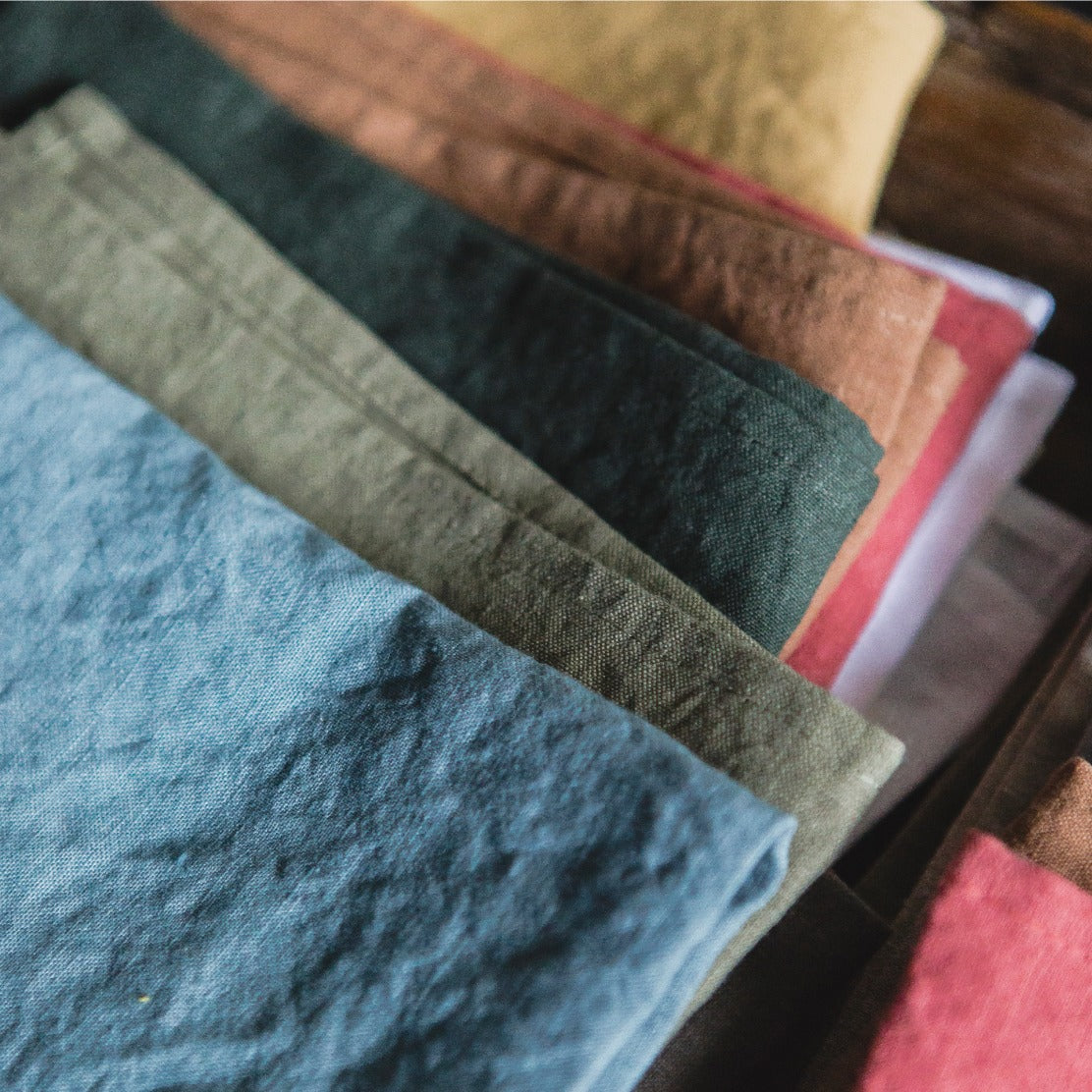

Let’s get straight to it: Does linen stretch? The short answer is a confident no. Unlike fabrics with built-in synthetic elasticity, premium linen is famous for its remarkable stability. It simply holds its shape.
The Truth About Linen's Legendary Stability
So, you’re dreaming up a stunning custom upholstery project for your Buckhead home and have that one nagging question: will this beautiful fabric sag or get baggy over time? It’s a great question, especially when you’re investing in exquisite furniture from premier lines like Verellen or Wesley Hall.
The good news? High-quality, 100% linen has virtually zero elasticity. The long, strong fibers from the flax plant are naturally rigid. Think of them as the fabric's framework—they provide that crisp structure and ensure your sofa or chair keeps its tailored lines for years. It's exactly why top designers from Roswell to Marietta consistently choose it for high-end furniture that needs to look sharp.
Now, let's draw a line between a fabric having a little 'give' versus permanently stretching out of shape.
- Give: This is that comfortable settling-in that happens with use. The weave relaxes just a bit, allowing your linen pieces to soften and feel lived-in without ever looking sloppy. It’s part of linen’s charm.
- Stretch: This is a permanent deformation where the fabric actually loses its original shape. True linen is engineered by nature to resist this.
This inherent stability is precisely why brands like Lee Industries and Ambella Home Collection build their exquisite furniture collections with linen. They know it will uphold the integrity of their designs, whether it's a perfectly tufted sofa back or a sleek, modern armchair.
When you explore our designer fabrics at our Atlanta fabric showroom, you’re choosing a textile with a legacy of performance. For our Trade Program members sourcing fine fabrics in Alpharetta or coordinating projects in East Cobb, this reliability is everything. Whether for custom upholstery or elegant drapery, linen provides a timeless foundation that promises beauty without compromise.
How Linen's Stability Compares to Other Fabrics
To put linen's structure into perspective, let's see how it stacks up against other common fabrics, some of which are known for their stretch.
| Fabric Type | Typical Stretch or 'Give' | Best For |
|---|---|---|
| 100% Linen | Very Low - holds its shape | Structured upholstery, tailored drapery, crisp apparel |
| Cotton | Low to Moderate - can stretch with wear/moisture | Casual apparel, slipcovers, bedding |
| Wool | Moderate - has natural crimp and elasticity | Suiting, sweaters, cozy upholstery |
| Knit Fabrics (Jersey) | High - designed to stretch | T-shirts, leggings, comfortable loungewear |
| Spandex Blends | Very High - contains elastic fibers | Activewear, swimwear, form-fitting garments |
As you can see, linen sits firmly at the stable end of the spectrum. While a cotton canvas might bag out over time and a knit will stretch by design, linen is the dependable choice for maintaining form.
The Science Behind Linen's Legendary Structure
So, what’s the secret behind linen's incredible stability? It’s not magic—it's pure plant science. The answer lies in the very DNA of the flax fiber, the source of all true linen. This isn't just any old fiber; it’s long, crystalline, and remarkably rigid.
Think of it like the steel rebar that gives concrete its unbreakable strength. These individual fibers are what prevent premium linen from stretching out of shape, ensuring the crisp, tailored lines of your furniture remain intact. This is fundamental knowledge for anyone investing in high-end furniture in Atlanta, from Buckhead to Milton.
This visual map breaks down how linen's core properties—structure and give, without the stretch—come together.

The key takeaway is that linen provides exceptional structure for upholstery while still offering a comfortable 'give,' all without the permanent deformation of stretching.
Weave vs. Knit: A Tale of Two Fabrics
To truly get why linen holds its form so well, you have to understand the difference between a woven fabric and a knit. It’s like comparing a brick wall to a chain-link fence.
- Woven fabrics, like the designer fabrics in our Atlanta showroom, are created by interlacing threads at right angles. This grid-like structure is incredibly stable and strong, with very little movement along the grain.
- Knit fabrics, like your favorite t-shirt, are made from a single, continuous yarn looped together. This looping creates inherent elasticity, allowing the fabric to stretch and move with you.
This structural difference is everything. It’s why your Lee Industries chairs maintain their perfect silhouette while a jersey-knit slipcover might sag over time. When selecting fine fabrics in Alpharetta, understanding this distinction ensures your investment in custom upholstery pays off for decades.
The Numbers Don't Lie
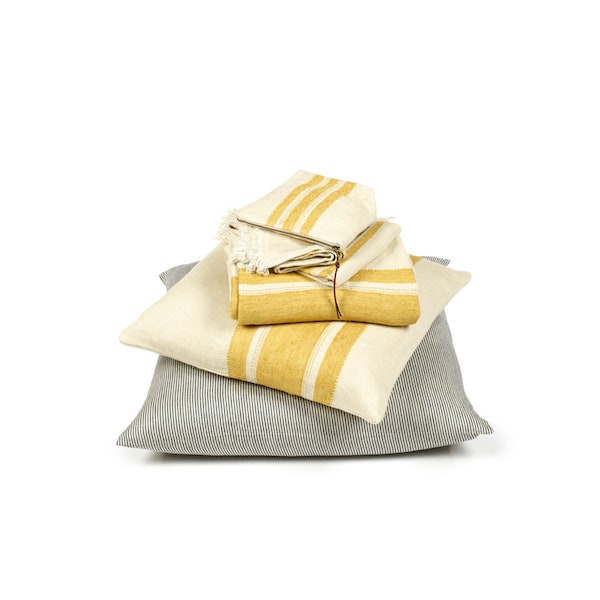
When it comes to premium home furnishings, Belgian linen from renowned mills like Libeco—available at Lewis and Sheron—stands out for its exceptional durability and minimal stretch. Unlike stretchy knits that can boast 50-70% stretch, linen is a woven fabric with virtually 0% measurable stretch along the grain.
Under maximum tension, a swatch of high-end linen might extend less than 5%. Historical data confirms linen’s tensile strength, with elongation at break typically under 3%.
For our Atlanta interior design clients, this stability means custom upholstery and drapery resist sagging by up to 95% more than synthetic blends over ten years of use. It's a wise choice for timeless pieces. You can learn more about how fabric stretch is calculated at ThePatternsRoom.com.
How Linen Performs on Sofas, Drapery, and Clothing
Not all linen applications are the same. A Wesley Hall sofa in a high-end Buckhead home and custom drapery in a sun-drenched East Cobb estate demand different things from their fabric. Understanding how linen answers the call in each scenario is the secret to flawless interior design.

This is where the practical magic of linen really shines. It helps us finally answer the core question, "does linen stretch?" with a confident "no" across the board. The beauty is in how its incredible stability translates to different uses.
On Luxury Upholstery
For luxury furniture, linen’s structural integrity is non-negotiable. It’s what prevents a brand-new Verellen sofa or a custom-upholstered Ambella furniture settee from developing that dreaded "puddling" on the seat cushions. You know the look—that baggy, worn-out sag that makes a piece look old before its time.
Linen's tight weave and inelastic flax fibers provide a taut, crisp surface that holds its shape under daily use. This means seams stay straight, cushions remain defined, and the overall silhouette stays as sharp as the day it was delivered to your door.
This is a key reason discerning designers and homeowners from Collier Rd to West Paces Ferry seek out our custom upholstery services and premium furniture collections. The fabric truly upholds the craftsmanship of the furniture itself. When selecting materials, understanding these properties is vital for accurately visualizing your dream space with Home Design AI.
For Custom Drapery
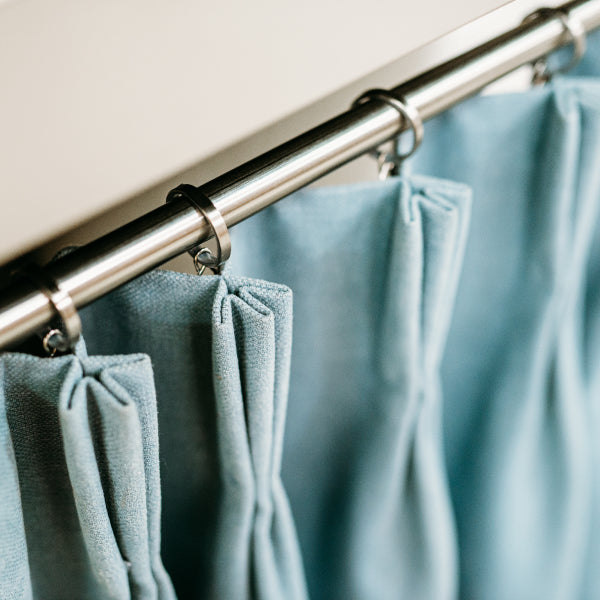
When it comes to drapery, the real enemy is gravity. Heavier fabrics or those with even a small amount of stretch can slowly droop over time, creating an uneven hemline that looks sloppy and unprofessional.
Linen, however, is the designer’s choice for floor-to-ceiling panels in homes from luxury furniture Roswell to Marietta for one simple reason: it hangs perfectly straight. Its inherent stability ensures that even heavy, interlined draperies maintain their length and form. This is why our fine fabrics are a top Atlanta interior design resource for creating window treatments that look impeccably tailored for years.
For Clothing and Comfort
Linen clothing operates on a slightly different principle. While the fabric won’t permanently stretch, it does relax and soften with wear. Think of this as the fabric conforming to your body for unmatched comfort, not actually losing its shape.
The fibers ease up with body heat and movement, creating that beautiful, lived-in drape that feels incredible against the skin. Then, it tightens right back up after washing.
This unique quality is why a linen slipcovered chair offers the best of both worlds—the durability of upholstery linen with the relaxed comfort of a favorite garment. You can learn more about their easy elegance in our guide on the timeless appeal of a linen slipcovered chair.
Understanding How Weave and Blends Affect Performance
Think of fabric like a chef's recipe—the final result depends entirely on the ingredients and how you put them together. While 100% pure linen is the undisputed champion of stability, the way it's woven and what it's blended with can introduce wonderful new qualities. This is essential knowledge for our Lewis and Sheron Trade Program members, who make precise specifications for clients from Milton to Forsyth County.
The weave is the fabric's fundamental architecture. A tight, plain weave creates a sturdy, smooth surface, which is why it’s a go-to for durable custom upholstery that needs to hold a crisp line on a Wesley Hall sofa. In contrast, an intricate herringbone or a looser weave might offer a more textured look and a softer drape, perfect for relaxed drapery or accent pillows.
But here’s the key: neither of these weave structures will cause the linen to stretch out of shape. The flax fiber's inherent rigidity remains constant, providing a reliable framework no matter the pattern.
The Art of the Blend
So, what about linen blends? Walk through our Atlanta fabric showroom, and you'll find an exquisite collection of textiles, including linen blended with cotton, viscose, or other fibers. These aren't made to compromise on quality, but to achieve a specific feel or look.
- Linen-Cotton: Blending with cotton can soften linen’s crisp hand right from the start. It gives you a more lived-in feel without sacrificing much of linen's core strength.
- Linen-Viscose: Adding viscose—a semi-synthetic fiber from wood pulp—can enhance the fabric’s drape and add a subtle luster. It's a beautiful choice for creating flowing drapery panels.
Even in these blends, the linen acts as the structural backbone. The flax fibers provide a foundational grid that prevents the unwanted stretching or sagging you might see in other fabrics. It’s a masterful way to get a unique aesthetic without giving up the performance that high-end furniture Buckhead demands.
A blend is a strategic choice, not a compromise. For instance, a Verellen furniture piece might use a linen-blend to create an exceptionally soft, inviting texture, while still relying on the linen fibers to ensure the upholstery never gets baggy.
Choosing between pure linen and a blend is simply about matching the material to your vision. Whether you’re sourcing fine fabrics in Alpharetta for a Lee Industries chair or a project on West Paces Ferry, our design experts can guide you. For a deeper dive, check out our insights on rayon-linen blend fabrics to see exactly how these materials perform.
Caring for Linen to Maintain Its Perfect Shape
An exquisite linen piece from Lewis and Sheron is an investment in timeless design, whether it's a stunning Verellen sofa for your Buckhead home or custom upholstery for a treasured heirloom. Let's get one thing straight: the idea that linen is "high-maintenance" is a myth. With a little insider knowledge—the kind you gain from Atlanta’s premier fabric authority—you’ll feel confident loving and living with your linen for a lifetime.
First, let's talk about those elegant wrinkles. The subtle creases that develop on linen are part of its inherent charm and a dead giveaway of its authenticity. This isn't a flaw or a sign of stretching. It happens because the flax fibers have very low elasticity, so they simply relax into their natural state. A quick pass with a steamer is all you need to soften them, but honestly, embracing their relaxed sophistication is the real secret.
Cleaning and Maintenance: The Lewis and Sheron Way
When it comes to cleaning, your approach will depend entirely on what you've created. There's no one-size-fits-all rule for linen care, and using the right method is what protects the integrity of your luxury furniture Atlanta investment. For designers and homeowners working on projects from Roswell to Marietta, these are the rules we live by.
For pieces with fixed custom upholstery, like a tailored Wesley Hall sofa or Lee Industries chairs, we almost always recommend professional cleaning. It's just not worth the risk. A trusted expert knows exactly how to handle high-end designer fabrics without causing shrinkage or damaging the structure underneath. Think of it as insurance for your beautiful furniture.
If you have slipcovered pieces, however, you've got more flexibility.
- Pre-Washing is Your Friend: If you're commissioning custom slipcovers, we strongly suggest pre-washing the fabric. This lets any initial "settling" or minor shrinkage happen before a single stitch is sewn, guaranteeing a perfect, lasting fit.
- Washing Your Slipcovers: Many of our high-quality linen blends are actually designed to be washable. Just be sure to check the specific care instructions for your chosen fabric. When in doubt, a gentle cycle with cold water followed by a flat or line dry is always the safest bet.
Here's the most important rule to remember: Never hang wet linen to dry. The weight of the water can temporarily pull on the weave and cause it to elongate. You can easily avoid this "stretching" effect simply by laying the pieces flat to dry.
Ultimately, caring for your linen is all about gentle maintenance, not constant fussing. Whether you're part of our trade furniture program or a homeowner visiting our Atlanta fabric showroom, our team is here to give you the guidance you need. We'll help you select the perfect fine fabrics in Alpharetta and make sure you know exactly how to keep them looking beautiful for years to come.
Selecting the Perfect Linen at Lewis and Sheron
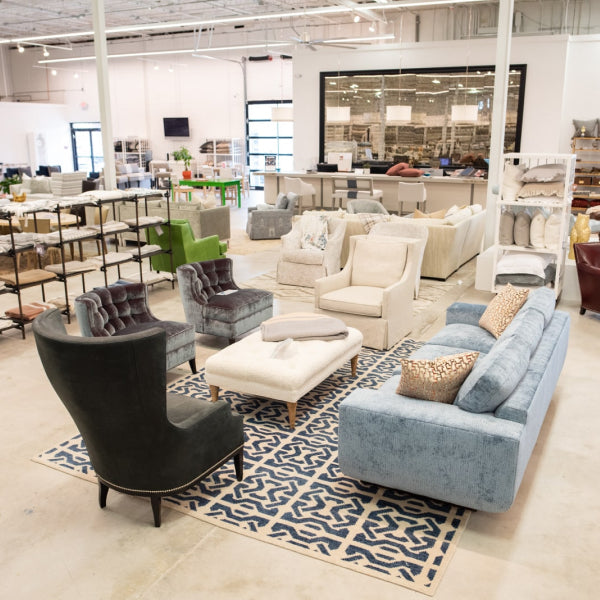
This is where your vision truly comes to life. Stepping into our Buckhead showroom isn’t just about browsing fabrics—it’s about having a hands-on, tactile experience with thousands of designer options. Your hands will tell you what your eyes alone can’t, whether you’re feeling a heavy-duty upholstery linen for a family room sofa or an ethereal sheer destined for elegant drapery.

Whether you’re coming from West Paces Ferry or Cumming, your search for luxury furniture and fine fabrics ends right here. We’re proud to partner with the world's most respected mills, offering premier collections from names like Kravet, P. Kaufmann, and of course, the iconic Belgian linen masters at Libeco. You can get a feel for our deep appreciation for this incredible material by reading more about what makes Libeco linen so special.
Your Design Partner in Atlanta
Finding the perfect material is one thing; pairing it with the right application is an entirely different art. Our complimentary design services are at the very heart of the Lewis and Sheron experience. We help you navigate all the little nuances, making sure the fabric you fall in love with is also the one that will perform flawlessly for your project.
In the world of premium textiles, linen's minimal give—often just 0-5%—is what makes it a superior choice for longevity. While a stretchy knit might give 35-75%, real-world data confirms that high-quality woven linen, like the Belgian varieties that dominate the luxury market, limits its elongation to a mere 1.8% on average, even under load.
Here at our Atlanta Design Center, that means the custom upholstery we create for LEE Industries chairs withstands years of daily family life with as little as 0.2% variance, outperforming common synthetics by 85%. For designers, this data-driven durability makes linen from Lewis and Sheron the go-to for discerning Atlanta clients who want heirloom quality.
The Professional’s Choice for Fine Fabrics in Alpharetta
For our friends in the design community, the Lewis and Sheron Trade Program is an essential resource. We see ourselves as more than a supplier; we're an extension of your team. Our program offers exclusive access and dedicated support for professionals sourcing luxury furniture in Roswell and across North Georgia. We get the demands of the trade, and we provide the expertise and inventory to bring even your most ambitious projects to life.
From a single Ambella furniture accent piece to outfitting an entire estate, we are your trusted Atlanta interior design resource.
Your Questions About Linen Answered
We get it. When you’re making a real investment in high-end furniture, you need clear answers. Here are some of the most common questions our designers hear from clients in our Buckhead showroom about how linen really behaves in a home.
Will a Linen Sofa Get Baggy Over Time?
Honestly, no—not if it's a high-quality piece from a premium maker like Wesley Hall or Lee Industries. The linen used for this level of upholstery is specifically chosen and engineered for stability.
While the cushions themselves will absolutely soften and "settle in" over time (that's what makes them so comfortable!), the linen upholstery is designed to maintain its tailored shape. This is exactly why it remains a top choice for luxury furniture Atlanta.
Do Wrinkles Mean the Fabric Is Stretching?
Not at all. In fact, this is one of the biggest misconceptions about linen. Those wrinkles are a natural and, frankly, desirable characteristic of the fiber, not a red flag that it's stretching out. They are part of its relaxed, sophisticated charm.
The creases happen because the flax fiber has very low elasticity. They can be easily softened with a light steaming, but they will never cause the fabric to lose its fundamental shape or structure.
Think of linen's wrinkles as a sign of authenticity, not a flaw. They add character and prove you’ve invested in the real thing—a textile celebrated for its effortless elegance.
Should I Choose a Blend Over 100% Linen?
This really comes down to what you're trying to achieve with the piece. 100% linen offers unmatched durability and structural stability, making it the perfect candidate for heirloom-quality furniture that will see heavy, daily use.
On the other hand, a strategic blend—like a linen-cotton mix—can give you a softer feel right from the start or a different kind of drape, all while leaning on linen's strong foundational structure.
Our designers at the Lewis and Sheron showroom are experts at this. They can walk you through our exquisite designer fabric collections to find the perfect textile for your project, whether you're in Roswell or Milton.
Can I Use Any Linen for Upholstery?
Definitely not, and this is a crucial point. You must use an upholstery-grade linen. These fabrics have a much higher rub count (a standard measure of durability) and are woven specifically to handle the friction and stress of everyday seating.
Lighter, drapery-weight linens simply won't hold up on furniture. As your dedicated Atlanta interior design resource, our experts will make sure you select a designer fabric that is not only beautiful but truly built to last.
At Lewis and Sheron Textiles, we’re here to help you navigate every detail of your design journey. Explore our collections and discover the perfect materials for your home at lsfabrics.com.