



















You’re probably here because you’ve already done the usual luxury furniture search. You’ve compared beautiful product photos, read polished descriptions, and noticed that many sofas start to sound the same after a while. Everyone claims quality. Everyone mentions comfort. Everyone uses words like custom, designer, and premium.
Then real life steps in.
A sofa that looked substantial online can feel flat in a showroom. A sectional that seemed perfect for a Buckhead family room may start to lose its shape sooner than expected. A chair that photographs well in a listing photo may not hold up to daily use in a Roswell den or an Alpharetta sitting room. For many Atlanta homeowners, that’s the point when the question changes from “What style do I like?” to “What is this piece made of?”
That’s where Wesley Hall Artisan Craftsmanship matters. Not as a marketing phrase, but as a practical standard for how luxury sofas, custom upholstered furniture, and heirloom-quality furniture are built. If you’re investing in a statement piece for a primary residence, a refined sectional for a family gathering space, or custom chairs for a formal living room, the difference between mass-market production and true bench-made construction becomes very easy to feel and very hard to ignore.
The Search for True Heirloom-Quality Furniture
A familiar Atlanta scenario starts after the room is finished, not before. The paint is right. The rug is right. The lighting is right. Then the sofa, the piece that should anchor everything, begins to tell a different story after a few years of use.
The seat softens unevenly. The arm starts to feel loose when someone leans on it. The profile still looks attractive across the room, but up close it has lost that solid, composed feel buyers expected in the first place.
For homeowners in Buckhead, Sandy Springs, Roswell, or Alpharetta, that disappointment usually changes the shopping conversation. Style still matters, of course, but the central question becomes more practical. What is this piece made of, and will it still feel right after years of daily living?
That is the dividing line between furniture that photographs well and furniture that earns its place in the home. Heirloom quality is built much like a well-made house. Beautiful trim means very little if the framing underneath is weak. In furniture, the hidden structure carries the same weight. The frame, the suspension, the tailoring, and the finish all work together to determine whether a piece keeps its shape and comfort or slowly gives way.
Wesley Hall appeals to discerning Atlanta buyers for that reason. The brand is widely known for bench-made construction in North Carolina and for a long-standing focus on domestic luxury upholstery, but its ultimate value shows up in ownership. You feel it when a sofa still sits properly after years of gatherings. You see it when the upholstery keeps a clean line instead of looking tired and stretched.
Heirloom quality is not a single luxury feature. It is the accumulated effect of many sound construction choices.
That idea often gets missed in a showroom search. Buyers compare silhouettes, fabric colors, and pricing tiers because those details are visible. Craftsmanship takes more work to evaluate. A helpful outside comparison appears in this discussion of why craftsmanship matters. The same principle applies here. Quality becomes obvious over time, especially in the parts you do not notice on day one.
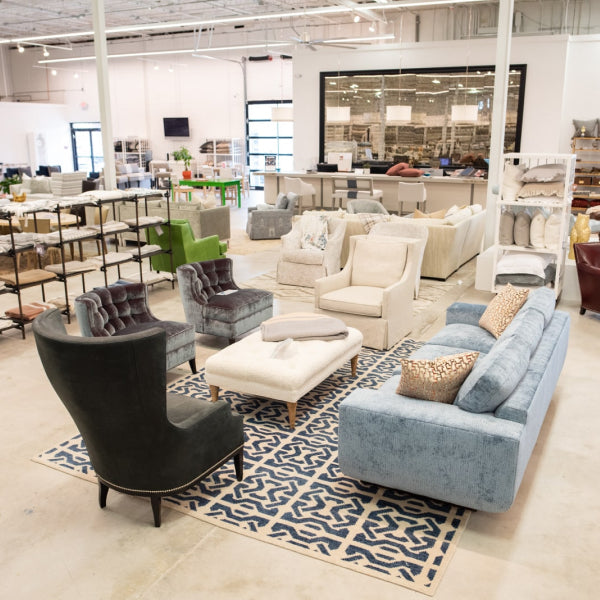
For an Atlanta client, the buying experience truly comes to life. Instead of relying on online descriptions alone, you can sit in the piece, study the tailoring, compare cushion recovery, and ask sharper questions at the Lewis and Sheron showroom. That shift, from admiring furniture to judging how it is made, is often what leads buyers to Wesley Hall in the first place.
What Defines Wesley Hall Artisan Craftsmanship
A luxury sofa can impress you in a showroom for five minutes. Artisan furniture has to keep proving itself for fifteen years.

Bench-made means the build is guided by skilled hands
The clearest way to understand Wesley Hall is to treat the piece as a sequence of decisions, not just a finished silhouette. In mass-market furniture, many of those decisions are driven by speed, shipping efficiency, and price thresholds. In bench-made upholstery, the standard is different. Skilled makers shape, inspect, fit, and refine the piece at each stage, so the final result feels resolved rather than merely assembled.
Clothing offers a useful comparison. A department-store blazer can look polished under bright lights. A well-fitted jacket sits better on the body because its structure, balance, and proportion were handled with more care. Wesley Hall works the same way. From across the room, two sofas may seem similar. Up close, one shows cleaner lines, better proportion, more consistent comfort, and details that do not feel accidental.
Wesley Hall is known for bench-made upholstery produced in Hickory, North Carolina, with traditional construction methods that support long-term use. As noted earlier, that includes the kind of suspension and frame quality buyers usually associate with heirloom furniture rather than quick-turn production.
Craftsmanship shows up in the total build, not one headline feature
Atlanta clients often ask which single detail makes a luxury piece worth the price. The honest answer is that artisan craftsmanship works like a well-designed kitchen. The cabinetry, hardware, layout, and finish all need to cooperate. One strong component cannot compensate for weak work everywhere else.
With Wesley Hall, the standard shows up across the piece:
- Build discipline: The underlying structure is made to hold its shape and support daily use without feeling loose or unstable.
- Upholstery precision: Fabric placement, seam lines, and pattern alignment are handled with intention, which gives the piece a calmer, more refined appearance.
- Finish quality: Exposed wood trim and custom finishes read as part of the design, not as generic add-ons.
- Human oversight: Skilled labor creates accountability. Someone is responsible for how the arm lines meet, how the cushion sits, and how the final piece presents.
If you have ever considered why craftsmanship matters in flooring, millwork, or cabinetry, the logic is the same here. Good materials set the stage. Craft determines whether those materials age gracefully or disappoint early.
Buyers usually recognize it before they can name it
Discerning buyers often sense the difference before they know the technical language. The seat feels more settled. The profile looks cleaner. The piece has visual weight without looking bulky.
That reaction is useful. It tells you the furniture is doing more than performing for a tag or a trend.
| What you notice | Mass-market furniture | Wesley Hall bench-made feel |
|---|---|---|
| Sit comfort | Can feel shallow, stiff, or inconsistent | Feels balanced, supportive, and more composed |
| Visual finish | Seams and pattern placement may look acceptable at first glance | Lines look intentional and tailoring feels controlled |
| Overall presence | Often reads as decorative first | Feels substantial, settled, and designed to stay |
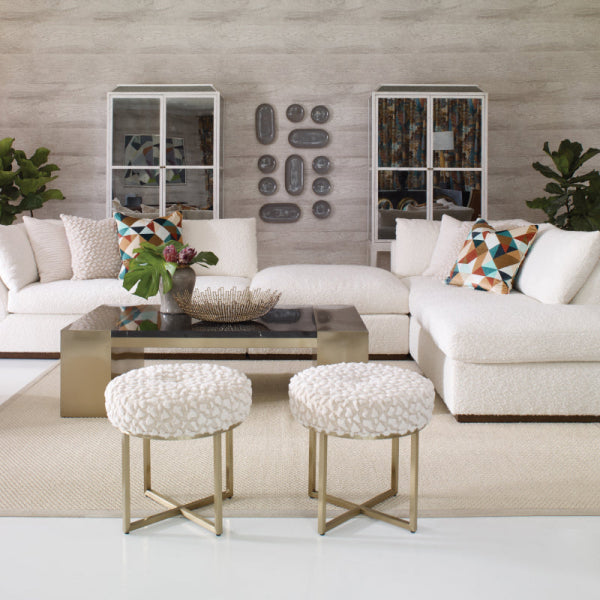
For an Atlanta luxury buyer, the abstract idea of artisan craftsmanship is made real. You are not buying a story. You are buying better comfort retention, cleaner tailoring, and construction methods such as 8-way hand-tied furniture support that affect daily use. At the Lewis and Sheron showroom, that difference is easier to judge in person. You can compare how a seat recovers, how the upholstery sits on the frame, and whether the piece feels like it belongs in your home for a season or for a generation.
Inside the Frame Kiln-Dried Hardwoods and 8-Way Hand-Tied Springs
A sofa can look polished on a showroom floor and still disappoint six months after delivery. The difference usually starts where buyers cannot see it at first glance. Inside the frame and beneath the seat.

For an Atlanta client furnishing a Buckhead living room or a refined family space in Sandy Springs, this is often the point where artisan craftsmanship stops feeling abstract. You are no longer judging furniture by silhouette alone. You are judging whether the piece will stay quiet, level, and supportive after years of real use.
Why kiln-dried hardwood changes the outcome
Freshly cut wood holds moisture. If a manufacturer builds with wood that has not been dried properly, that moisture can leave the frame after the sofa is already in your home. As the wood shifts, joints can loosen, the frame can fall out of square, and the upholstery above it can start to telegraph those problems.
Wesley Hall is known for using kiln-dried hardwood frames and traditional joinery. That combination gives the upholstery a stable base, much like a well-built house depends on a level foundation before the trim and paint ever go on.
The result is practical. Arms are less likely to develop movement. The seat deck is better able to hold its shape. The sofa feels composed instead of gradually turning soft, noisy, or uneven.
Mortise-and-tenon joinery plays a role here too. In lower-tier furniture, a handsome fabric can hide weak connection points for a while. Once those joints begin to work loose, the problem shows up in creaks, sway, and a general sense that the piece has lost its confidence.
Practical rule: If the frame lacks stability, upgraded fabric and cushions cannot correct it later.
Why 8-way hand-tied springs still stand apart
The suspension system determines how the seat carries weight day after day. Many mass-market sofas use sinuous wire or webbing because those systems are faster and cheaper to install. They can feel acceptable at first. They do not respond the same way over time.
An 8-way hand-tied system uses individual coil springs tied together by hand in multiple directions, creating a seat that works as an integrated network rather than as a few isolated support points. It functions more like a custom foundation under the cushion than a simple platform under foam.
The advantage is that the seat can respond to different sitting habits with more balance. People shift, lean, perch on an arm, sit in one corner for morning coffee, or settle into the center for a movie. A better suspension handles those changing pressure patterns with more consistency. For buyers who want a clearer explanation of the construction method, this guide to 8-way hand-tied furniture support is a useful reference.
What you feel as an owner
These details sound technical until you live with them.
A well-built frame and hand-tied spring system usually create a seat that recovers more gracefully, keeps its shape longer, and feels steady when you sit down or stand up. That is the difference between a sofa that still feels resilient after years of use and one that starts to look tired long before the fabric is worn out.
In practice, that can mean:
- A sectional that keeps a more even sit: fewer favorite-seat dips and less of the hammocked look that often appears in heavily used spots
- A formal sofa that holds its line: cleaner posture across the front rail and arms, with less visible fatigue
- A reading chair that feels settled: supportive without the bounce or tilt that can make a chair feel flimsy
How this compares to mass-market construction
Mass-market furniture is usually built for speed, cost control, and broad visual appeal. That approach can produce a sofa that photographs well and meets a price point. It often does not deliver the same long-term behavior.
Wesley Hall approaches the piece more like bench-made architecture. The visible beauty sits on top of a disciplined structure. For a luxury buyer visiting Lewis and Sheron, this is one of the easiest differences to test in person. Sit in the piece. Shift your weight. Notice whether the seat feels centered and resilient, whether the frame stays quiet, and whether the whole sofa feels settled in a way that suggests years of ownership rather than a short retail cycle.
The Art of Upholstery and Custom Furniture Finishes
A sofa can have a strong frame and still disappoint you the moment you see it in your room.
That usually happens in the last layer. Upholstery and finish work decide whether a piece reads as calm, precise, and lasting, or whether it feels slightly off every time you walk past it. For an Atlanta buyer furnishing a Buckhead living room, a Sandy Springs study, or a refined Roswell family space, those details shape daily ownership as much as comfort does.

The difference shows up in what your eye notices first
Mass-market upholstery often aims for speed and visual similarity. From across the room, many pieces can look acceptable. Up close, the shortcuts start to show. Seams drift. Patterns fail to meet cleanly. Corners look soft in the wrong way. The silhouette loses some of its discipline.
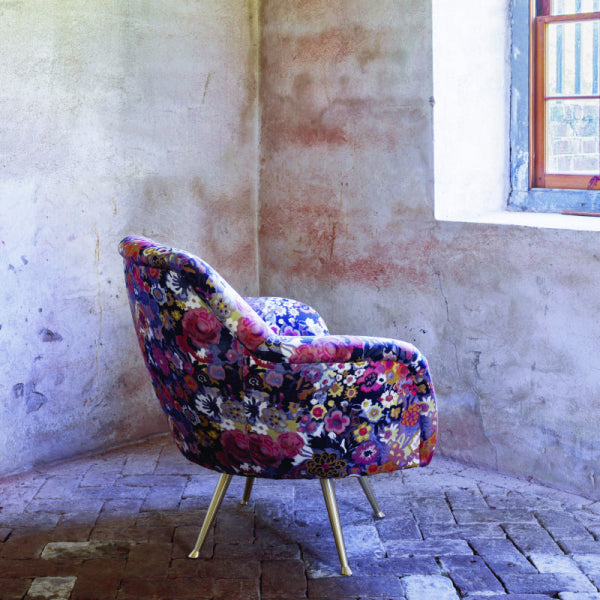
Wesley Hall approaches upholstery more like dressmaking for furniture, with fabric placement, seam location, and pattern alignment treated as part of the design rather than an afterthought. That matters most with stripes, plaids, botanicals, and large prints. When those elements line up correctly, the chair or sofa feels settled. Your eye relaxes because the piece makes visual sense.
This is one of the easiest artisan differences to understand in person at Lewis and Sheron. Stand in front of two upholstered pieces and look at the inside arms, the front rail, and the seat deck. A well-made piece looks organized, almost the way a well-hung drapery panel looks organized. Nothing pulls your attention for the wrong reason.
Finish work changes how the piece belongs in the room
Wood finish is easy to underestimate on a showroom floor. In a home, it carries real weight.
The finish on exposed legs, bases, and trim acts like the punctuation at the end of a sentence. It can connect a chair to walnut flooring, soften the transition to painted millwork, or echo older antiques without making the room feel heavy. Wesley Hall offers a wide range of hand-applied wood finishes, which gives buyers more control over how a piece relates to the architecture around it.
That matters in Atlanta homes, where rooms often mix influences. A Buckhead interior may combine traditional case goods with cleaner upholstery. An Alpharetta home may have newer trim profiles and brighter natural light. A Roswell house may need warmth without visual heaviness. In each case, the right finish helps the furniture look chosen for the house, not merely purchased for a vacancy.
Fabric selection is where beauty meets real life
This is also where many luxury buyers make expensive mistakes. They choose with their eyes only.
A beautiful textile still has to suit the room’s job. A formal living room can handle more delicacy than a den where children, guests, and pets all use the same sofa. Texture matters. Repeat size matters. Color depth matters. So does how the fabric will look at 8 p.m. under lamplight, not just at noon in a bright showroom. If you want a useful starting point, this guide on how to choose upholstery fabric explains the practical tradeoffs well.
Before ordering, measurements deserve the same discipline. Even a beautifully finished chair disappoints if it overpowers the room or blocks circulation. Reviewing how to measure furniture helps you confirm fit before you commit.
Why this level of customization matters to ownership
Customization has value because it reduces the small compromises that age poorly.
You notice those compromises over time. The fabric that looked right under retail lighting feels too busy at home. The wood tone clashes with the flooring. The scale is close, but not quite right. By contrast, a Wesley Hall piece that has been thoughtfully specified tends to feel more settled from the day it arrives. It fits the room visually, supports the mood you wanted, and keeps making sense as you live with it.
For a discerning Atlanta client, that is the essence of artisan craftsmanship. It is not an abstract label. It is the difference between owning furniture that merely fills a space and owning a piece that looks resolved every time you enter the room.
Designing Your Wesley Hall Piece for Your Atlanta Home
A custom furniture order usually feels simple at first. You choose a shape, pick a fabric, and select a finish. Then deeper questions emerge. Will the seat depth feel comfortable for long conversations? Will the scale suit a Buckhead living room with tall ceilings, or will it look undersized once it arrives? Will the fabric still feel right on a rainy Atlanta afternoon, under lamps instead of showroom lighting?
That is where design decisions start to become ownership decisions.
A Sandy Springs family may need a sectional that looks elegant on Saturday night and still welcomes daily use on Tuesday morning. A homeowner in Roswell may want to warm up an open-plan room without making it feel crowded. In a historic Atlanta neighborhood, a client may need a chair with enough character to sit comfortably beside older millwork, antiques, or fireplaces that already carry visual weight.

Start with the room's real job
The strongest Wesley Hall orders usually begin with use, not decoration.
A living room sofa works like a custom-fit jacket. The beauty matters, but the fit determines whether you truly enjoy wearing it. Furniture follows the same rule. If the room is used for reading, hosting, watching movies, or gathering with grandchildren, those habits should shape the piece before you start comparing textiles.
Three questions help clarify the direction:
- Who uses it most often? Adults, children, guests, or a combination.
- How does the room function day to day? Formal sitting room, everyday family space, or a hybrid.
- What visual role should the piece play? Quiet foundation, sculptural focal point, or supporting accent.
Those answers guide the silhouette, arm profile, cushion style, and overall posture of the piece. They also protect buyers from a common luxury-furniture mistake. A sofa can photograph beautifully and still feel wrong in daily life.
Shape the details around architecture and circulation
Once function is clear, the specification process becomes far more precise.
Start with measurements. Even experienced homeowners can underestimate how much space a sofa occupies once you account for walkways, side tables, and the path into the home. Reviewing how to measure furniture before you order helps prevent a piece from fitting the floor plan on paper but failing in practice.
Then study the room like a designer would. Crisp track arms often suit cleaner, more architectural interiors. Softer rolled forms can sit more naturally in homes with traditional trim, layered textiles, and warmer finishes. Seat height and depth deserve the same attention. A deep lounge sofa invites one kind of living. A more upright seat supports another.
For buyers comparing configurations, this guide to Wesley Hall custom seating options is useful for understanding how far the customization can go.
Finish choices should answer the room, not compete with it
This is often where a custom piece starts to feel resolved.
Fabric, trim, and wood finish should relate to the architecture already in place. In many Atlanta homes, that means balancing old and new. You may have contemporary art, wide-plank floors, inherited case goods, or limestone surrounds in the same project. A Wesley Hall piece gives you room to connect those elements instead of settling for an almost-right match.
That practical flexibility is one reason discerning buyers often visit Lewis and Sheron to review options in person. A finish card viewed beside your flooring reference, wall color, and fabric direction tells you more than an isolated sample ever can.
Design for the next ten years, not only the reveal day
Good custom furniture should still make sense after a move, a renovation, or a change in how the room is used.
That does not mean choosing the safest possible piece. It means choosing a shape with enough staying power to travel well across different homes and layouts. A well-scaled Wesley Hall chair or sofa often succeeds because it has presence without relying on a short-lived trend.
For an Atlanta buyer, that is the clearest test of artisan craftsmanship at the design stage. The piece should feel personal to your house now, yet strong enough in proportion, material, and finish to belong in your life for years.
Where to Buy Wesley Hall Furniture in Atlanta
The decision becomes much easier in person. You can study construction all day online, but upholstery is tactile. Seat comfort is tactile. Finish richness is tactile. The difference between a standard sofa and a bench-made sofa often becomes obvious the moment you sit down.
That’s why the showroom experience matters for anyone searching for Wesley Hall furniture in Atlanta, designer furniture near me, or custom furniture Atlanta. A luxury purchase at this level deserves more than a quick scroll and a swatch mailed in an envelope.
What to do in the showroom
A productive visit usually involves three kinds of comparison.
First, sit in different silhouettes and pay attention to posture, support, and seat feel. Don’t just ask whether a sofa is soft. Ask whether it feels balanced.
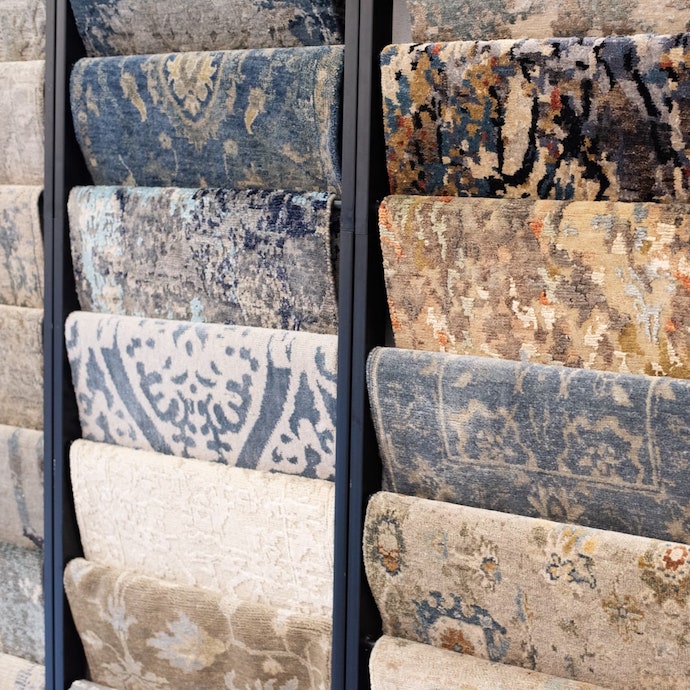
Second, handle fabrics in person. Light changes color. Texture changes mood. A woven neutral that seems flat online may look layered and elegant under actual showroom lighting.
Third, review finish options beside your fabric direction. Here, a chair or sofa starts to become a coherent design object rather than a list of selections.
Why local guidance helps
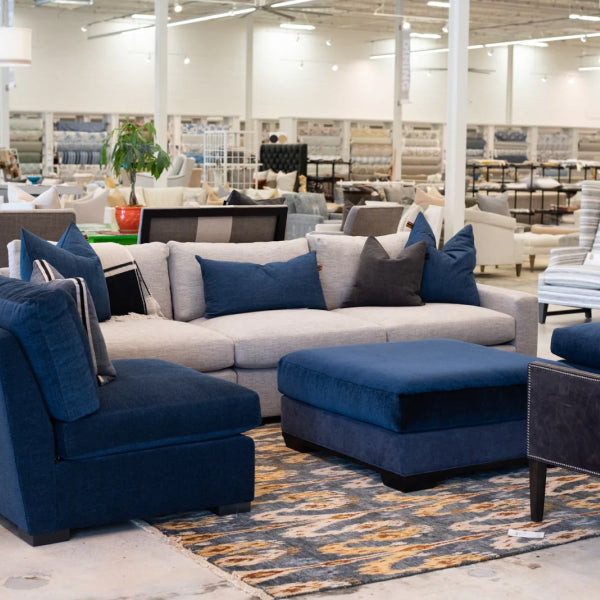
For Atlanta-area buyers, Lewis and Sheron Textiles is one place where shoppers can work through that process with access to custom furnishings, textiles, and in-house design support. That kind of environment is useful because it lets you evaluate furniture, fabric, and room context together rather than as separate decisions.
This matters in high-consideration purchases. A premium sectional for a large Alpharetta family room raises different questions than a pair of custom chairs for a Buckhead living room. A showroom conversation can catch scale issues, finish mismatches, or fabric concerns before an order is placed.
What discerning buyers should look for
When you visit any showroom for a Wesley Hall piece, focus on evidence rather than buzzwords:
- Construction clarity: Can someone explain how the piece is built?
- Customization depth: Are you seeing meaningful options or only cosmetic variations?
- Fabric confidence: Can you compare textiles in person and discuss real-life use?
- Design support: Is there guidance that connects the furniture to your room, not just the order form?
That’s how a search for luxury furniture turns into a confident purchase. Not by chasing trend language, but by handling the materials, testing the comfort, and choosing a piece that’s built to stay in your home for years.
Investing in Furniture That Lasts a Lifetime
The strongest argument for artisan furniture isn’t that it’s expensive. It’s that it helps you stop buying the same lesson twice.
When a sofa is built with care, finished with precision, and selected for the way you live, it stops being disposable. It becomes part of the home’s structure in a softer sense. It anchors gatherings, daily routines, quiet evenings, and the visual identity of the room.
That’s the value of Wesley Hall Artisan Craftsmanship. You’re not only paying for appearance. You’re paying for a construction standard, a level of upholstery skill, and a degree of customization that mass-market furniture usually doesn’t offer.
For buyers in Atlanta, Buckhead, Alpharetta, Roswell, and Sandy Springs, that often makes the decision clearer. If you want a luxury sofa, high-quality couch, or custom chair that can mature with the home instead of aging out of it, craftsmanship is the category to watch most closely.
Care still matters, of course. Use the right fabric for the room. Rotate use when possible. Clean thoughtfully and address issues early. But when the underlying piece is built well, care supports longevity instead of compensating for weakness.
A beautiful room deserves furniture with the same level of intention. That’s what makes heirloom-quality furniture feel satisfying long after the delivery team leaves.
Frequently Asked Questions About Wesley Hall Furniture
Is Wesley Hall worth considering over standard retail furniture
If you care about construction, customization, and longevity, yes. Wesley Hall’s value comes from bench-made American manufacturing, traditional spring construction, kiln-dried hardwood framing, and a more exact upholstery process. Those details matter most to buyers who want a piece to hold both comfort and style over time.
What makes Wesley Hall feel different when you sit on it
The feel starts with the structure beneath the cushions. The suspension and frame work together to create a more grounded, supportive seat. People often notice that the piece feels more stable, more balanced, and less temporary than mass-market seating.
Can I customize fabric and finish
Yes. Wesley Hall is known for custom upholstered furniture, which allows buyers and designers to tailor a piece to the room. That includes upholstery direction and wood finish decisions, which is especially helpful when you’re trying to coordinate with existing rugs, drapery, millwork, or case goods.
Is this a good fit for designers and homeowners with specific room requirements
Yes. Wesley Hall works well for design-conscious buyers because the line supports more detailed specification. That’s useful when a room needs a certain scale, a custom silhouette, or a finish that feels architecturally appropriate rather than generic.
How does Wesley Hall compare with standard furniture
| Feature | Wesley Hall Artisan Standard | Mass-Market Standard |
|---|---|---|
| Build method | Bench-made by skilled artisans in North Carolina | Typically assembly-line production |
| Frame material | Kiln-dried maple hardwood | Often lower-cost or engineered materials |
| Seat support | 8-way hand-tied spring construction | Commonly simpler suspension systems |
| Upholstery detail | Hand-cut application with close attention to fit and pattern | More standardized application |
| Finish options | Broad customization with hand-applied wood finishes | More limited preset choices |
| Buying experience | Better suited to specification and design collaboration | Better suited to quick replacement purchases |
Is Wesley Hall a smart choice for Atlanta luxury homes
For many homeowners, yes. In markets like Buckhead, Sandy Springs, Roswell, Alpharetta, and North Atlanta, buyers often want furniture that feels personal, substantial, and durable. Wesley Hall fits that goal because it combines custom design flexibility with traditional upholstery craftsmanship.
If you’re ready to compare luxury sofas, custom chairs, and premium sectionals in person, Lewis and Sheron Textiles offers a way to explore fabrics, finishes, and custom furnishings with design guidance that helps connect the piece to your room, not just the order sheet.