




















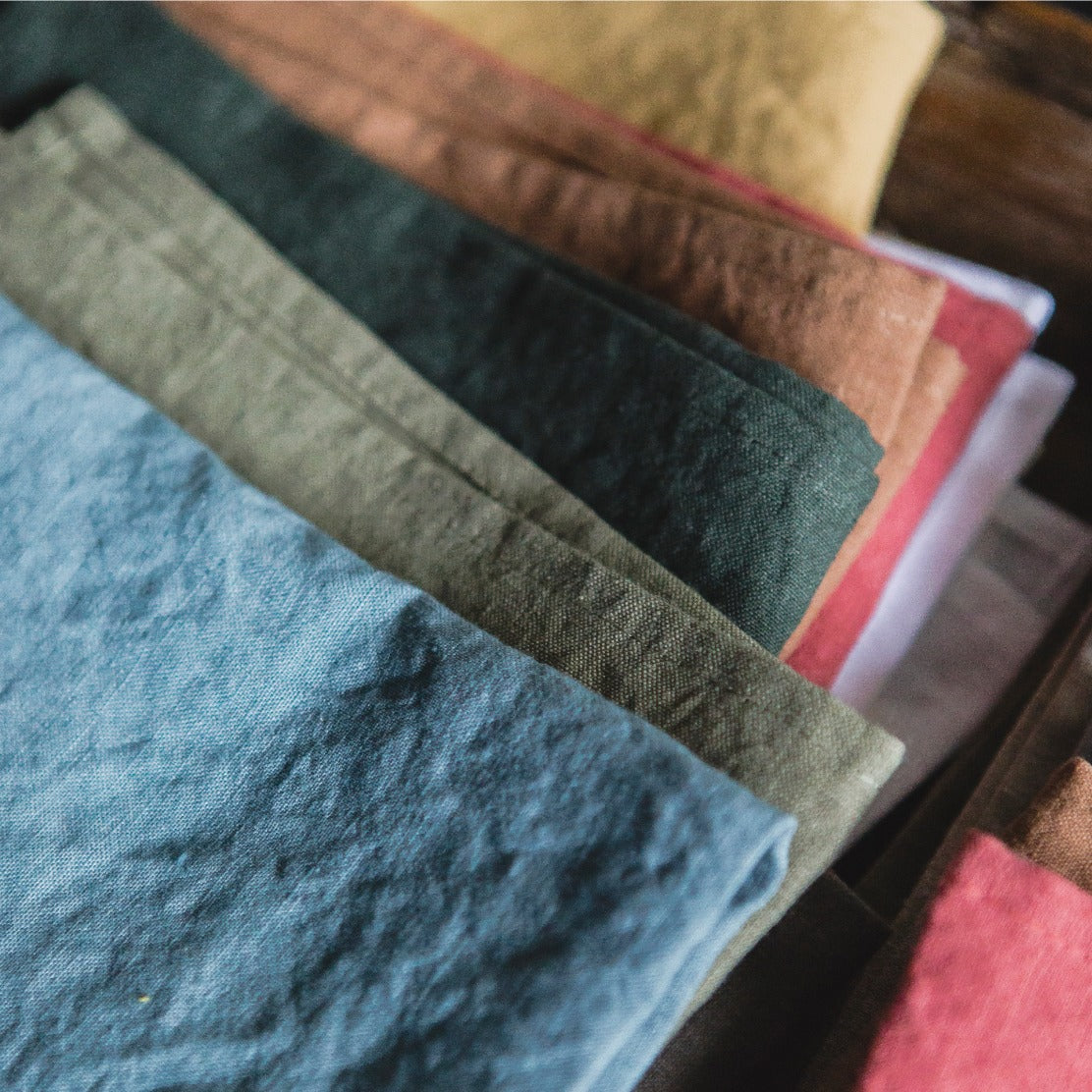

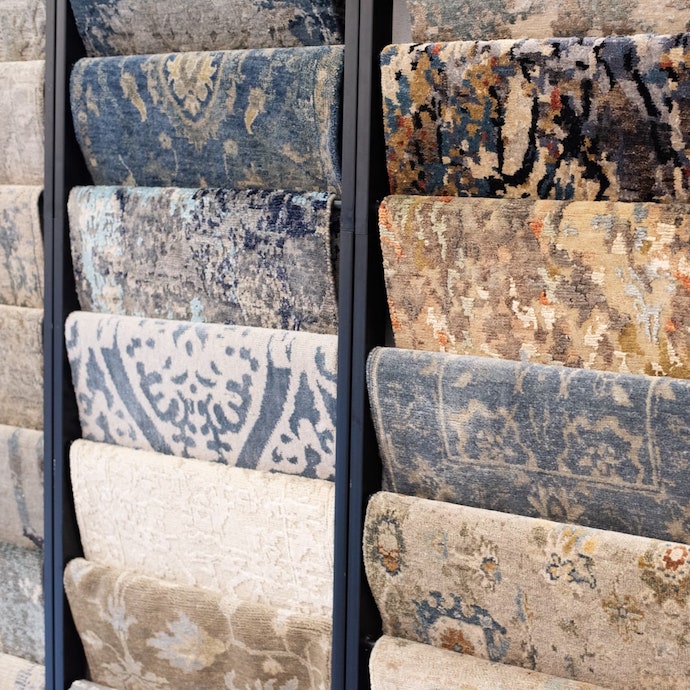
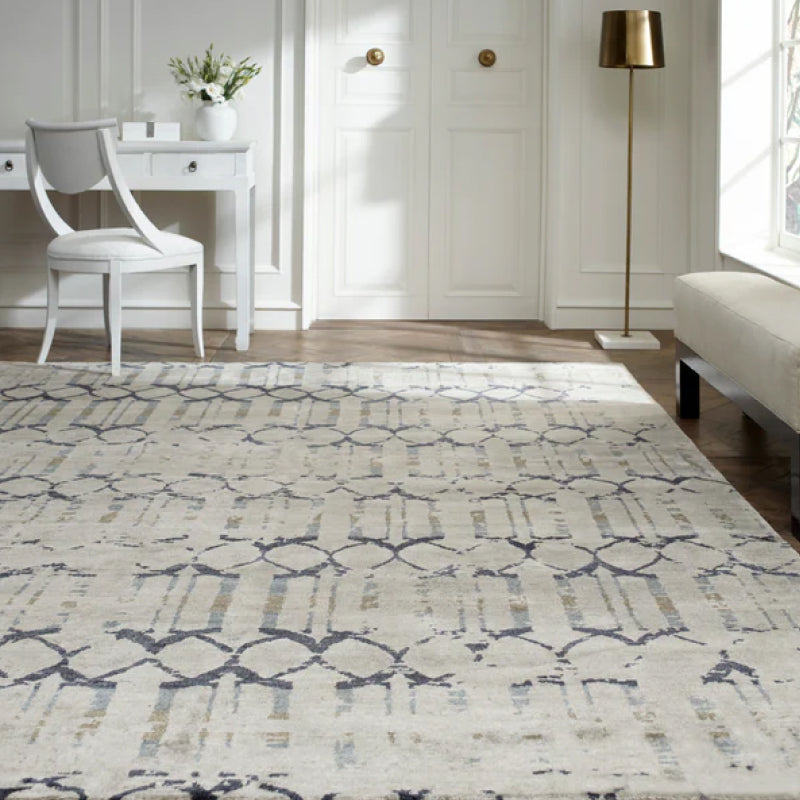
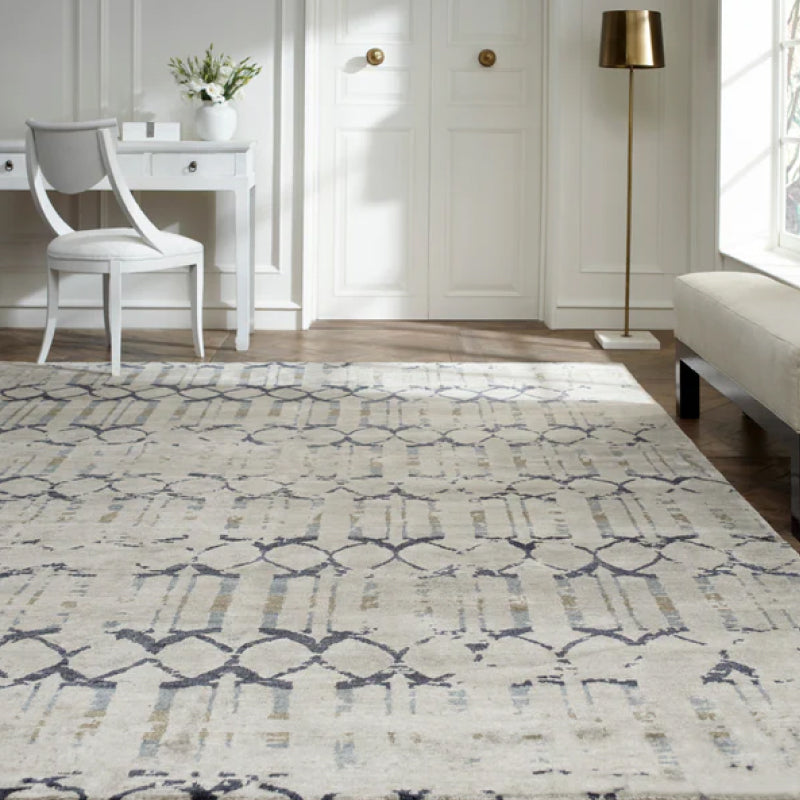
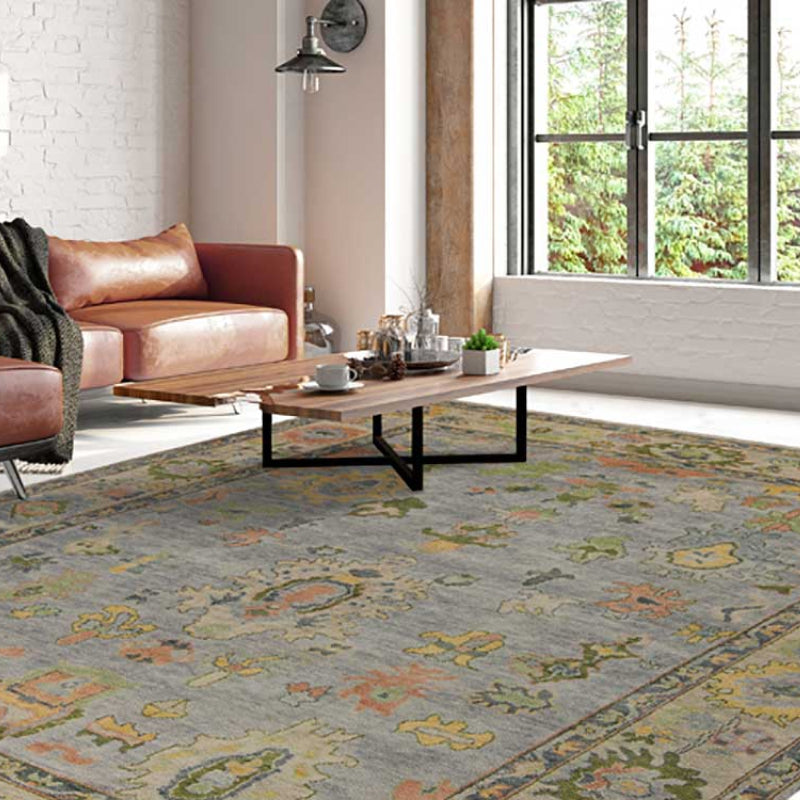
Natural fiber rugs like jute, sisal, and seagrass are cornerstones of sophisticated Atlanta design. But the secret to keeping them looking their best? It all comes down to one simple rule: you cannot treat them like any other rug. One wrong move with a generic cleaner or a bit too much water can cause permanent damage, turning a beautiful investment into a real disappointment.
A Preservation Mindset for Natural Fibers

A hand-knotted Kalaty or HRI rug is more than just a floor covering; it’s an anchor for the entire room. Whether it's grounding a collection of luxury furniture in your Buckhead home or adding organic warmth to a Roswell estate, its beauty demands a certain know-how.
This isn't just about cleaning; it's about preservation.
Proper, consistent care makes all the difference. Homeowners who properly vacuum their natural fiber rugs each week can extend their lifespan by a stunning 40-60%. This simple step is vital because natural fibers are far more porous than synthetics. Dirt doesn't just sit on top; it gets embedded deep within, wearing down the fibers from the inside out. For anyone with a premium hand-knotted rug, this weekly ritual is what preserves its beauty and structure for decades.
Why Natural Rugs Need a Special Approach
Unlike their synthetic counterparts, natural rugs are made from plant-based fibers that are highly absorbent. This means one thing above all else: water is their enemy. Too much moisture can quickly lead to some serious problems.
- Browning: That yellowish-brown discoloration that shows up after a rug gets too wet. Unfortunately, it's nearly impossible to reverse once it happens.
- Shrinkage: The fibers can literally contract and warp, completely ruining the rug’s flat, uniform shape.
- Mildew: When water gets trapped in the absorbent fibers, it’s a recipe for mold and that musty, stubborn odor that’s so difficult to get rid of.
The right technique separates a minor cleanup from a permanent stain. It's the difference between protecting the handcrafted lines of a Verellen sofa or the custom upholstery of a Lee Industries chair and having a rug that detracts from them.
Natural Fiber Rug Care At A Glance
Navigating the world of natural fibers can feel tricky, but a quick reference helps. Here’s a snapshot of the do's and don'ts for the most common natural fiber rugs we see in Atlanta homes.
| Fiber Type | Water Sensitivity | Vacuuming Technique | Recommended Pro Cleaning |
|---|---|---|---|
| Jute | High - Prone to browning and weakening. | Beater bar off. Gentle suction only. | Dry-cleaning methods only. |
| Sisal | Very High - Stains easily with water. | Beater bar off or on highest setting. | Professional dry-cleaning is essential. |
| Seagrass | Moderate - More water-resistant but still risky. | Beater bar is usually safe. | Low-moisture extraction by a pro. |
| Wool | Moderate - Can shrink/felt with hot water. | Beater bar off to prevent fuzzing. | Varies; professional advice is key. |
This table is a great starting point, but always test any cleaning solution on an inconspicuous spot first. When in doubt, calling a professional is the safest bet for your investment.
In this guide, we’re sharing the exact techniques we’ve honed over decades at Lewis and Sheron. From our Atlanta fabric showroom, we’ve advised countless designers and homeowners on protecting their most cherished pieces. This is your definitive resource for keeping your natural fiber rug looking as impeccable as the day you brought it home.
While this guide focuses on keeping your indoor natural fiber rugs pristine, you might also find our guide to outdoor rugs helpful for other areas of your home. You'll learn the right way to handle routine maintenance, spill emergencies, and deeper cleaning—ensuring your rug remains a centerpiece, not a casualty.
Building Your Essential Rug Care Routine

The secret to keeping a natural fiber rug looking great for years isn't some miracle cleaning solution. It’s a simple, consistent care routine. Think of it as smart, preventative maintenance for a piece that truly anchors your room.
Regular vacuuming is the most important part of this routine, but there's a right way and a very wrong way to do it. Using the wrong technique can slowly tear away at the delicate weave of a jute or sisal rug—a mistake designers see homeowners make all the time without realizing it.
The goal is to lift dirt out, not beat the life out of the fibers.
This is where things often go sideways. The aggressive, spinning bristles of a standard vacuum’s beater bar are your rug's worst enemy. They snag, pull, and break down the natural plant fibers, causing that dreaded fuzz and premature wear. You need a gentler approach.
The Right Way to Vacuum Natural Fibers
Your vacuum is a powerful tool, but for natural fibers, you have to switch your thinking from a "deep scrub" to a "gentle lift."
- Turn Off the Beater Bar: This is the most critical step. If your vacuum has a spinning brush, it has to be turned off. If that's not an option, use a different attachment.
- Use a Suction-Only Attachment: Your vacuum’s hard floor tool or an upholstery brush is perfect for this. These attachments use pure suction to pull up dust without grinding against the rug's surface.
- Vacuum with the Weave: Look at your rug and notice the direction the fibers are woven. Always move your vacuum along the weave, not against it. This simple change prevents unnecessary stress and fraying, keeping the pattern crisp.
This isn't just a hunch; the results are measurable. Using a vacuum without the beater bar and moving along the weave can reduce fiber breakage by a staggering 70-85% compared to aggressive vacuuming. This is absolutely vital for preserving the rug's structure and appearance over time.
The Strategic Importance of Rug Rotation
Beyond vacuuming, one other simple habit will dramatically extend your rug’s lifespan: regular rotation. It’s a powerful way to even out wear from foot traffic and sunlight, preventing the faded, worn-down patches that instantly cheapen a room's look.
Rotating your rug isn’t just a tedious task; it’s a strategy. It ensures the piece ages gracefully and uniformly, much like a fine leather chair develops a consistent patina over time. It’s the mark of a well-cared-for home.
So, how often should you do it? A simple schedule is your best friend.
For rugs in high-traffic areas—like a main hallway or under a dining table in your Milton home—plan on rotating it 180 degrees every six months. For those in quieter spots, like a bedroom or formal sitting room in East Cobb, once a year is plenty.
This small effort stops those obvious "traffic lanes" from forming and makes sure that any sun exposure is distributed evenly. It’s one of the easiest ways to protect the investment you've made. If you're dealing with a particularly busy part of your home, you might also want to read our advice on choosing the best rugs for high-traffic areas.
Your First 60 Seconds After a Spill
That heart-stopping moment when a glass of red wine tips over onto your brand-new jute rug—we’ve all been there. But a spill doesn't have to spell disaster. What you do in that first minute makes all the difference.
First, forget everything you think you know about cleaning spills. Your instinct might be to grab a cloth and scrub for dear life, but with natural fibers, that’s the worst thing you can do. Frantic rubbing only pushes the liquid deeper into the plant fibers and frays the delicate weave.
Instead, here’s your game plan.
Master the Blot
Resist the urge to start scrubbing with a wet towel. Your one and only job right now is to absorb as much of that spill as you can, as fast as you can. It’s all about the blot.
- Find a clean, white cloth. Plain paper towels or a white microfiber cloth work perfectly. Steer clear of anything with colors or patterns; the dye can easily transfer onto your rug and create a whole new stain.
- Blot, never rub. Press your cloth down firmly onto the spill. You’ll see it start to soak up the liquid. Lift the cloth, find a fresh, dry spot on it, and press down again. Repeat until you’ve pulled up as much moisture as possible.
- Work from the outside in. Always start blotting at the outer edges of the spill and move toward the center. This simple trick is crucial for containing the mess and preventing the stain from spreading.
This isn’t just a helpful hint; it's a proven method. Blotting a spill immediately can reduce the chance of permanent staining by an incredible 80-90%. It’s a technique that truly protects your investment, and you can discover more insights on rug preservation from other experts in the field.
Mixing a Safe Emergency Cleaner
Once the blotting is done, it's time to tackle what’s left. Never, ever reach for a standard commercial carpet cleaner unless it specifically says it's safe for natural fibers like jute or sisal. Most are packed with harsh chemicals that will cause discoloration and irreversible browning.
The good news is you can whip up a perfectly safe and effective cleaner using a couple of things you probably already have.
For your go-to DIY solution, just mix one teaspoon of a clear, mild dish soap (like an unscented Dawn) with one cup of lukewarm water. Then, stir in about a tablespoon of plain white vinegar—it's great for breaking down the stain and neutralizing any odors.
This simple, homemade cleaner is your secret weapon for most common household spills. It’s gentle enough for delicate fibers but tough enough to handle the initial mess, protecting those beautiful rugs that perfectly complement the Wesley Hall sofas and Lee Industries chairs in your home.
Applying the Solution Correctly
How you apply your cleaning solution is just as critical as the mixture itself. Remember: with natural fibers, less moisture is more.
- Dampen, Don’t Drench: Take a fresh, clean cloth and dip it lightly into your solution. Wring it out until it’s barely damp. You should never pour any liquid directly onto the rug.
- Dab Gently: Using your damp cloth, gently dab the stained area, again working from the outside in. You aren't trying to scrub the stain away, just lift whatever is left.
- Rinse and Repeat: Now, grab a third cloth and dampen it with a little bit of clean water. Dab the area again to "rinse" away any leftover soap, which can attract dirt over time if left behind.
To finish, press a dry towel firmly onto the spot to soak up any final moisture. If you can, point a fan at the area or open a nearby window to speed up the drying time. Getting your rug completely dry is non-negotiable if you want to prevent mildew. This careful, immediate response is what turns a potential catastrophe into a forgotten accident, ensuring the pieces from our Atlanta fabric showroom continue to look their best.
How to Spot Clean Specific Stains on Natural Fibers
Not all stains are created equal. A muddy footprint requires a completely different battle plan than a splash of coffee, especially when you’re dealing with the absorbent fibers of a jute or sisal rug. Generic advice simply won’t do here; you need a stain-specific field guide.
This is where we go beyond the basics. Think of this as the kind of detailed expertise you’d get during a private consultation at our Atlanta fabric showroom—a playbook for tackling the most common culprits without harming the beautiful rug itself.
This simple guide lays out the core process for handling any spill on a natural fiber rug.

The key takeaway is clear: immediate, correct action is everything. Quick blotting, gentle cleaning, and thorough drying are the pillars of successful stain removal, preventing long-term damage from setting in.
For Water-Based Spills like Coffee and Wine
Acidic spills from coffee, tea, and especially red wine are notorious for causing panic. The trick is to act fast, neutralizing the acid and lifting the color before it has a chance to set.
- First, blot up as much of the liquid as you possibly can with a clean, white cloth.
- Next, mix a solution of one part white vinegar to one part cool water.
- Lightly dampen another cloth with this mixture—remember, just damp, never soaking wet—and gently dab the stain. The vinegar is your secret weapon; it helps break down the tannins in the coffee or wine.
- Follow up by blotting the spot with a new cloth dampened with plain water to "rinse" away the vinegar.
- Finally, press a dry towel firmly on the area to soak up all remaining moisture. Pointing a fan at the spot will be your best friend here.
For Oily Stains from Food or Grease
An oily drop from a piece of pizza or a buttery kernel of popcorn can feel like a death sentence for a natural rug. Luckily, oily stains have a weakness: they can be absorbed right out.
Your first move is to scrape away any solid bits with a dull knife or the edge of a spoon. Then, sprinkle cornstarch or baking soda generously over the oily spot. Let this sit for at least an hour—a few hours is even better—to give it time to draw the grease out of the rug fibers.
This is a game-changer. The powder acts like a magnet for oil, pulling it up and away from the delicate weave. It’s a simple trick that has saved countless high-end furniture pieces in homes from East Cobb to Milton.
Once the powder has worked its magic, vacuum it up using a suction-only attachment (no beater bar!). You might need to repeat this for a particularly stubborn spot. If a faint mark is still there, you can then gently dab it with a cloth dampened in your mild dish soap solution.
For Muddy Footprints and Dirt
When mud gets tracked onto your beautiful rug, your first instinct might be to wipe it up immediately. Don't.
Attacking wet mud will only smear it and grind it deeper into the rug’s texture. The best approach, surprisingly, is to wait and let the mud dry completely. Once it has hardened, you can break up the larger pieces by hand and then vacuum the dry dirt away. It will lift out much more cleanly this way.
For any lingering discoloration, that's when you can bring out your trusty mild soap and water solution. Just dab gently, follow with a water "rinse" on a fresh cloth, and dry it thoroughly.
While natural fiber rugs require a gentle touch, you can tackle many common issues with the right techniques. For more general guidance on removing stubborn stains from carpets, various resources confirm that quick action and the correct solutions are universal principles.
This targeted approach ensures your rug—whether it’s paired with a Verellen furniture piece in a Buckhead loft or an Ambella furniture console in Forsyth County—remains a testament to timeless design, not a reminder of last night’s little accident.
Deep Cleaning Without Causing a Disaster

Even with the most careful upkeep, there comes a time when every natural fiber rug needs a deeper clean to feel fresh again. But let this be a warning: this is exactly where most well-meaning homeowners cause irreversible damage. The impulse to rent a steam cleaner or drench a rug with water is a fast track to shrinkage, browning, and utter disaster.
Think of it this way—a natural fiber rug is like a fine cashmere sweater, not a pair of polyester gym shorts. You wouldn’t throw cashmere in a hot-water wash and expect it to survive. The same logic applies here.
Water is the enemy. Traditional deep-cleaning methods are just far too aggressive for these delicate, absorbent fibers. This is a critical moment for protecting your investment, especially when that rug is the perfect complement to the custom upholstery on your Wesley Hall sofa or the elegant lines of your Lee Industries chairs.
The Safe Way to Deep Clean at Home
So, what’s the right way to tackle that built-up grime without turning your beautiful rug into a warped, discolored mess? The answer lies in one simple principle: low moisture. Your goal is to lift dirt out, not soak it out.
The only truly safe methods for an at-home deep clean involve dry-cleaning powders or specially formulated low-moisture foams. These products are designed to bind with dirt and oils, which lets you vacuum them away without ever saturating the rug's structure.
Using Dry-Cleaning Powders and Low-Moisture Foams
These products are a godsend for anyone with high-end natural rugs, from Roswell to Marietta. Here’s how to use them the right way:
- First, give the rug a thorough vacuuming. Before you apply anything, you need to pull up all that loose dirt and debris. Use a suction-only attachment and move with the weave.
- Next, apply the product evenly. Lightly sprinkle the dry-cleaning powder or spray the low-moisture foam across the entire rug. You’re aiming for a consistent, light layer, not a heavy pile.
- Gently work it in. With a soft-bristled brush, gently agitate the powder or foam into the rug’s fibers. This isn’t a deep scrub; it’s just a way to make sure the cleaner makes contact with the embedded dirt.
- Now, let it dwell. This step is crucial. The product needs time to do its job and absorb all that soil. Check the manufacturer's instructions, but most require a "dwell time" of at least 30 minutes to a few hours.
- Finally, vacuum it all up. Once the dwell time is over, vacuum the rug meticulously. Go over it multiple times and in different directions (always with the weave) to ensure you remove every last bit of the powder or dried foam.
Think of this process less like cleaning and more like a dry shampoo for your rug. The powder or foam latches onto the dirt and oils, and the vacuum whisks them away, leaving the fibers refreshed without the risk of water damage.
While this approach is ideal for jute and sisal, other natural fibers have their own particular needs. For those with wool rugs—a common find in many luxury homes—it’s worth diving deeper. We've put together a specialized guide where you can learn more about caring for wool rugs and their specific cleaning requirements.
Knowing Your Limits Is Half the Battle
As confident as you might feel, it’s just as important to recognize when a rug is beyond a DIY fix. An at-home deep clean is perfect for a general refresh, but it’s not a miracle cure.
Be honest with yourself. If the rug is heavily soiled from years of foot traffic, has extensive pet stains, or has suffered any kind of significant water damage, it’s time to step away. Trying to fix these major issues at home often does more harm than good. In these cases, calling a professional isn't admitting defeat—it's making a smart, strategic decision to preserve a valuable piece that defines your home's aesthetic.
When to Trust an Expert With Your Rug
There comes a point where DIY cleaning stops being a solution and starts becoming a risk. For the exquisite, hand-knotted rugs that anchor Atlanta's most beautiful interiors, knowing when to call a professional is just as important as knowing how to blot a spill.
This isn’t about admitting defeat. It's about making a smart, strategic decision to preserve a valuable asset—just as you would for the custom upholstery on a Lee Industries chair or the fine Belgian linen on a Verellen furniture piece.
Red Flags That Signal It's Time for a Pro
Recognizing the limits of at-home care is crucial. Some situations carry too much risk for DIY methods and absolutely demand the specialized equipment and knowledge only a professional can provide.
Here are the non-negotiable signs that it's time to call in an expert for your rug, whether it’s in a luxury furniture-filled home in Buckhead or a busy family’s space in Forsyth County.
- Extensive Soiling: If a general dinginess from years of foot traffic has settled deep into the rug, a simple surface clean isn't going to cut it. The dirt is woven into the very foundation of the rug.
- Set-In Pet Stains: Old accidents are a different beast. They involve bacteria and acids that have bonded with the fibers, requiring professional-grade enzymatic treatments to truly neutralize them.
- Water Damage: Any significant saturation—from a leak, flood, or even an overzealous cleaning attempt—is a professional emergency. You have to act fast to prevent mildew and that dreaded, permanent browning.
- Delicate or Antique Rugs: Older, fragile, or particularly high-value hand-knotted rugs should only ever be handled by experts who understand their delicate construction and dyes.
A shocking 70-80% of damage to natural fiber rugs happens within the first two years of ownership, and much of that comes from improper cleaning attempts. When you see that 30-35% of these attempts involve harsh, high-pH or bleach-based products, the risk to your investment becomes crystal clear. Industry specialists have written extensively about why the correct cleaning methods are so critical.
A professional cleaner isn’t just using stronger chemicals; they're employing entirely different science. Techniques like controlled-moisture extraction are impossible to replicate at home and are designed to deep clean without saturating the vulnerable core of the rug.
Vetting a Rug Cleaning Service in Atlanta
When you're ready to bring in a professional, don’t just hire the first name that pops up in a search. You need to vet them carefully, especially when it comes to natural fibers.
Be sure to ask these questions before you commit:
- Do you have specific experience with my rug's material (jute, sisal, seagrass, etc.)? Their answer should be confident and immediate.
- What is your primary cleaning method for natural fiber rugs? Listen for key phrases like "low-moisture," "dry extraction," or "controlled-immersion bathing" for hand-knotted wool pieces.
- Can you guarantee against browning or shrinkage? A confident 'yes' is a great sign. It tells you they understand the right techniques and stand behind their work.
Choosing the right expert ensures the longevity of your beautiful design pieces. It's the same level of care you'd apply when selecting fine fabrics in Alpharetta or entrusting an heirloom to our trade furniture program for reupholstery. For intricate pieces, it also helps to appreciate their construction; you can read also about what makes hand-knotted rugs unique in our detailed guide.
We get it. When it comes to natural fiber rugs, the usual cleaning rules don't always apply. The care can feel a little counterintuitive, so we’ve gathered the most common questions we hear from designers and homeowners at our Atlanta fabric showroom.
Can I Use a Steam Cleaner on My Jute or Sisal Rug?
That’s an absolute no. Steam cleaners are the mortal enemy of natural fibers because they use hot water and high moisture—a recipe for disaster.
This will almost certainly cause severe browning, shrinkage, and can even lead to mildew and fiber rot. Stick to dry cleaning powders or specialized low-moisture foams instead.
My Natural Fiber Rug Has an Odor. What Can I Do?
First, make sure the rug is completely dry. Air it out in a well-ventilated room or even outside on a dry, sunny day, but be careful to avoid harsh, direct sunlight for too long.
Once it's dry, generously sprinkle baking soda over the entire surface. Let it sit for several hours, or even overnight, to soak up those odors. Then, just vacuum it all up using a suction-only attachment.
If that musty smell hangs around after you’ve aired it out and tried baking soda, you might be dealing with a deeper issue like mildew. That’s your cue to call in a professional cleaning service with experience in luxury furniture Atlanta homes.
How Can I Flatten Corners That Keep Curling Up?
Curling corners are a common headache, but the fix is surprisingly simple. You just need a little moisture and some weight.
Lightly spritz the curled corner with clean water—just enough to make it damp, not soaking wet. Then, place a heavy, flat object like a stack of books right on top and leave it there for 24-48 hours.
This little trick helps retrain the fibers to lie flat, restoring that polished look that perfectly complements high-end pieces like Verellen furniture or Wesley Hall sofas. For a more permanent solution, you can also find rug corner grippers that hold them down.
At Lewis and Sheron Textiles, we believe that a well-cared-for rug is the foundation of a timeless interior. Explore our collection of fine fabrics and custom furnishings to complete your vision.