












A vintage side table is so much more than a spot for your cocktail or a book. It’s a story captured in wood and metal. A piece of history that breathes soul into a room.
These are the finds that elevate a space from simply decorated to thoughtfully designed. They add a layer of authenticity that brand-new, mass-produced furniture just can't fake.
Why a Vintage Side Table Is a Designer’s Secret Weapon
Let’s be real. Anyone can walk into a big-box store and fill a house.
But crafting a space that feels layered, collected, and genuinely luxurious? That requires a different eye. For Atlanta’s leading interior designers and style-conscious homeowners from Buckhead to Roswell, a vintage side table is often the secret ingredient.
It’s the one piece that instantly saves a room from feeling like a page torn from a catalog. Think of it as the perfect design counterpoint—a beautifully aged wooden table beside a crisp, modern Wesley Hall sofa from our Buckhead showroom.
That dialogue between old and new is what makes a room feel alive.
The Power of A Single, Thoughtful Piece
A carefully selected vintage side table does more than just occupy a corner. It performs several critical design roles that elevate the entire room.
- It Delivers Instant History: The gentle wear, the unique wood grain, the subtle patina—these aren't flaws. They're the evidence of a life lived. This isn't just furniture; it's a conversation starter.
- It Creates a Distinctive Focal Point: In a world of look-alike interiors, a vintage find is a breath of fresh air. It naturally draws the eye and anchors the space with character.
- It’s a Testament to Quality Craftsmanship: So many vintage tables were built to be heirlooms, using solid woods and time-honored techniques. This inherent quality doesn't just stand up next to modern luxury furniture from brands like Lee Industries and Verellen; it enhances it.
The most compelling rooms feel curated, not decorated. A vintage piece is the key to that authentic, lived-in luxury. It’s a nod to the past that makes everything in the present feel richer.
Choosing a vintage side table is a confident design statement. It shows an appreciation for enduring quality and a love for pieces with a story.
Whether you’re bringing warmth to a sleek Alpharetta condo or adding another layer to a classic Marietta home, the right vintage accent is a timeless investment. It’s your shortcut to a home that feels both impeccably stylish and deeply personal—the very essence of luxury furniture in Atlanta.
How to Identify Iconic Vintage Side Table Styles
Ever found yourself scrolling through listings, trying to decipher Art Deco from Mid-Century Modern?
The language of vintage furniture can feel like its own world. But learning to spot the signature details of each era is easier than you think.
Think of this as your visual field guide. It's about training your eye to recognize the forms, materials, and spirit that define each iconic style. Once you know what to look for, you can confidently select a piece that elevates your space with history and intention.
At its core, a well-chosen vintage side table does three things exceptionally well: it tells a story, provides a visual anchor, and adds a layer of undeniable sophistication.

As you can see, the right piece is never just furniture. It’s a narrative element that grounds your design and infuses it with character.
To help you quickly distinguish between popular styles, here’s a quick-reference guide. It’s designed to help you pinpoint the key characteristics of each look, making it easier to find the perfect table for your project.
Vintage Side Table Styles at a Glance
| Style | Era | Key Characteristics | Pairs Well With |
|---|---|---|---|
| Art Deco | 1920s–1940s | Bold geometric shapes (zig-zags, sunbursts), high-gloss lacquer, mirrored surfaces, exotic woods, chrome and brass accents. | Modern minimalism, Hollywood Regency, and monochromatic palettes where it can act as a statement piece. |
| Mid-Century Modern | 1940s–1960s | Tapered legs, organic or amoeba-like shapes, clean lines, and a focus on natural woods like teak, walnut, and rosewood. | Low-profile sofas from vendors like Lee Industries, textured fabrics, and other organic forms. It thrives in open spaces. |
| French Provincial | 18th Century & Revivals | Graceful cabriole legs, scalloped edges, and hand-carved details. Often features painted, distressed finishes on woods like oak or walnut. | Transitional decor, rustic farmhouse styles, and spaces needing a touch of soft, romantic elegance. |
Now that you have a high-level overview, let's explore the nuances of each style.
Art Deco (1920s–1940s)
When you see an Art Deco side table, think unapologetic glamour. Born in the roaring 1920s, this style is all about confidence, symmetry, and theatricality. It’s a celebration of luxury and modernity.
Telling features include:
- Key Materials: Look for mirrored surfaces, high-gloss lacquer, and rich, exotic woods like ebony or zebrawood.
- Distinctive Shapes: Strong geometric forms are the hallmark. Expect zig-zags, sunbursts, and stepped patterns.
- Finishing Touches: Hardware is never an afterthought. It’s typically sleek, stylized, and often polished chrome or brass.
An Art Deco piece makes a powerful statement. It works beautifully as a high-contrast accent in a modern room, adding a flash of old-world opulence that feels both daring and sophisticated.
Mid-Century Modern (1940s–1960s)
Where Art Deco is decorative, Mid-Century Modern (MCM) is functional and organic. Emerging from the post-war era, this style was driven by the principle that form follows function. The result is furniture that is honest, clean, and effortlessly cool.
Mid-Century Modern design is defined by its honesty. Materials are celebrated, not disguised. Construction is part of the aesthetic. It’s a style that values simplicity and a connection to nature.
You'll know you're looking at an MCM piece by these signatures:
- Tapered Legs: The quintessential MCM feature. These slender, often angled legs give tables a light, almost floating quality.
- Organic Shapes: Tabletops frequently stray from simple squares, embracing soft, kidney bean or boomerang shapes.
- Natural Woods: Warm woods are the hero material. Teak, walnut, and rosewood were favored for their beautiful grain and rich color.
A true MCM side table has timeless appeal. It's the perfect partner for a low-slung sofa and textural fabrics, creating a look that’s relaxed yet impeccably curated—a style you’ll see reflected in many fine fabrics in our Alpharetta showroom.
French Provincial (18th Century & Revivals)
Drawing inspiration from opulent French courts but simplified for country life, French Provincial style is rustic elegance defined. It’s romantic and charming, with graceful curves and fine craftsmanship that never feels overly formal.
The most recognizable feature is its cabriole legs—gently curved legs ending in a delicate foot. Tabletops often have soft, scalloped edges, and the pieces are usually crafted from fruitwood, oak, or walnut, sometimes finished with light paint and subtle distressing.
For a closer look at this particular style, our guide on antique French side tables offers more detail. A French Provincial table can beautifully soften a contemporary room, adding a touch of warmth and history that feels personal and timeless.
Evaluating Quality and Craftsmanship Like a Pro
Anyone can find an old side table. But finding a future heirloom? That’s a different story.
The true worth of a vintage piece isn't just its age; it’s its soul. The story told through its construction, the feel of its wood, and the substantial weight that signals quality meant to last.
Learning to spot that quality is a skill. It’s what separates a real treasure from just another piece of used furniture, whether you're hunting through an Atlanta market or sourcing for a client in Milton. These very principles guide our own selections from modern heirloom partners like Wesley Hall and Lee Industries.
The Feel of Quality Materials
Often, your first clue about quality comes from a simple touch.
- Solid Wood vs. Veneer: Run your hand over the top and down the side. Does the wood grain flow continuously over the edge? That's likely solid wood. See a fine line and a different grain on the edge? It’s probably a veneer. While masterful veneering is an art form, solid wood is the undisputed champion of durability.
- The Weight Test: Quality furniture has gravitas. A table from solid mahogany or walnut will feel heavy and substantial. If it’s surprisingly light, it might be made of a softer wood or a lesser composite material.
This commitment to authentic, solid materials is a hallmark of luxury. It’s why we’re drawn to the solid hardwood frames of partners like Verellen, whose furniture is designed to provide beauty and structure for decades.
Decoding the Construction
How a table is assembled is the clearest sign of its pedigree. Mass-produced items often rely on staples and glue. A true craftsman uses joinery built to last.
The most beautiful furniture isn't held together by hope and hardware; it's joined by skill. Handcrafted joints like dovetails are the signature of a furniture maker who cared about longevity.
Keep an eye out for these signatures of quality:
- Dovetail Joints: If the table has a drawer, pull it out. Check the corners. A series of interlocking, fan-shaped pins and tails is the unmistakable mark of a dovetail joint, a classic indicator of high-quality furniture.
- Mortise and Tenon Joints: This ancient technique joins two pieces of wood at a right angle. You'll often find it where the legs meet the table's apron. It creates an incredibly strong and stable connection.
- The "Wobble" Test: Place your hands on top and give the table a gentle push. A well-made piece will feel solid. Any significant swaying or creaking points to loose joints that might need a professional's touch.
Appreciating Condition and Patina
Finally, assess the table’s overall condition—with an appreciation for character. Unlike brand-new furniture, the imperfections on a vintage piece are often part of its story. The trick is to distinguish between beautiful aging and plain old damage.
Patina vs. Damage:
- Patina: The soft, warm glow that wood and metal acquire over decades. It’s a desirable history written on the surface.
- Damage: Deep scratches, prominent water rings, peeling veneer, or large chips. These issues detract from the value and will likely require restoration.
A few minor scuffs on the legs of a Mid-Century Modern table tell you it was part of a stylish home. The softened edges of a French Provincial piece contribute to its charm. This is the very character that top designers in Buckhead and East Cobb look for. It's the history you can see and feel that makes a vintage side table infinitely more interesting than something off a production line.
Bringing a Classic Find Back to Life
So, you’ve found it—a vintage side table with incredible bones. But maybe its story includes a few too many coffee rings.
Don't be discouraged. A tired surface is an invitation to create something special. This is where the fun begins.

The first decision: polish or fully refinish? A light polish is a simple refresh for a piece with good "skin." But for deep scratches or serious water damage, a complete refinish is the only way to truly revive it. It's a commitment, but it’s how you restore a piece to its former glory. For inspiration, exploring creative furniture upcycling ideas can spark incredible transformations.
But what if you want a bespoke masterpiece? This is where our family's legacy in Atlanta's design community really shines.
Upholstery: The Secret to a Truly Custom Piece
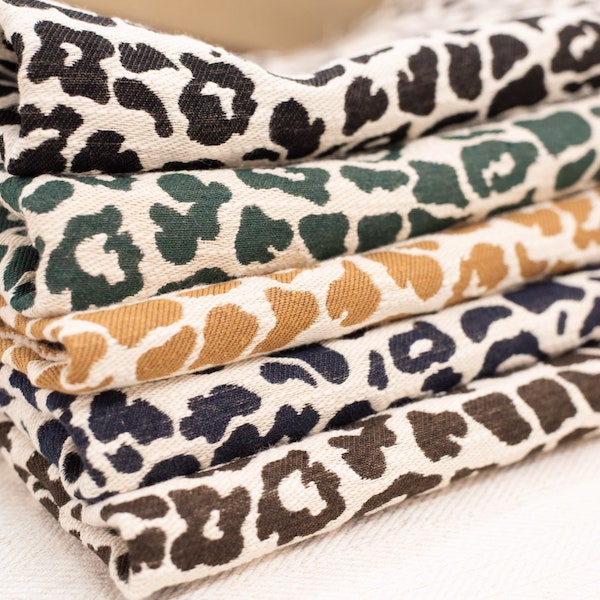
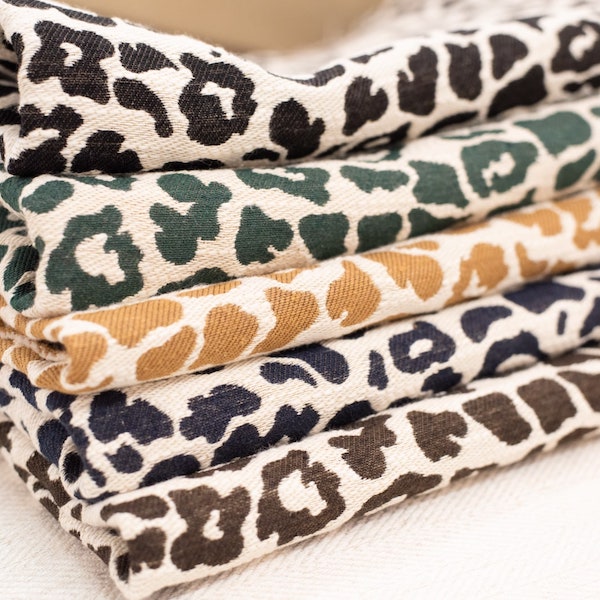
Picture that vintage drum table you found, but now imagine its top inset with a gorgeous piece of designer fabric from our Buckhead showroom.
Suddenly, it’s not just restored; it’s a one-of-a-kind statement piece. This is where furniture and fabric come together in the most spectacular way.
With four generations of experience in custom upholstery, this is our sweet spot. We have a knack for looking past worn wood and seeing the texture, color, and pattern that can turn a simple table into something extraordinary. It's a secret weapon for interior designers from Forsyth County to East Cobb.
Turning a thrifted find into a high-end custom piece isn't about hiding flaws; it's about adding a new layer of artistry. It’s the ultimate expression of personal style.
Whether it's a rich leather top for a masculine library table or a vibrant, patterned fabric to bring a pop of personality to a living room, the possibilities are endless. This elevates a functional piece into a central design element.
Choosing the Right Fabric for Your Table
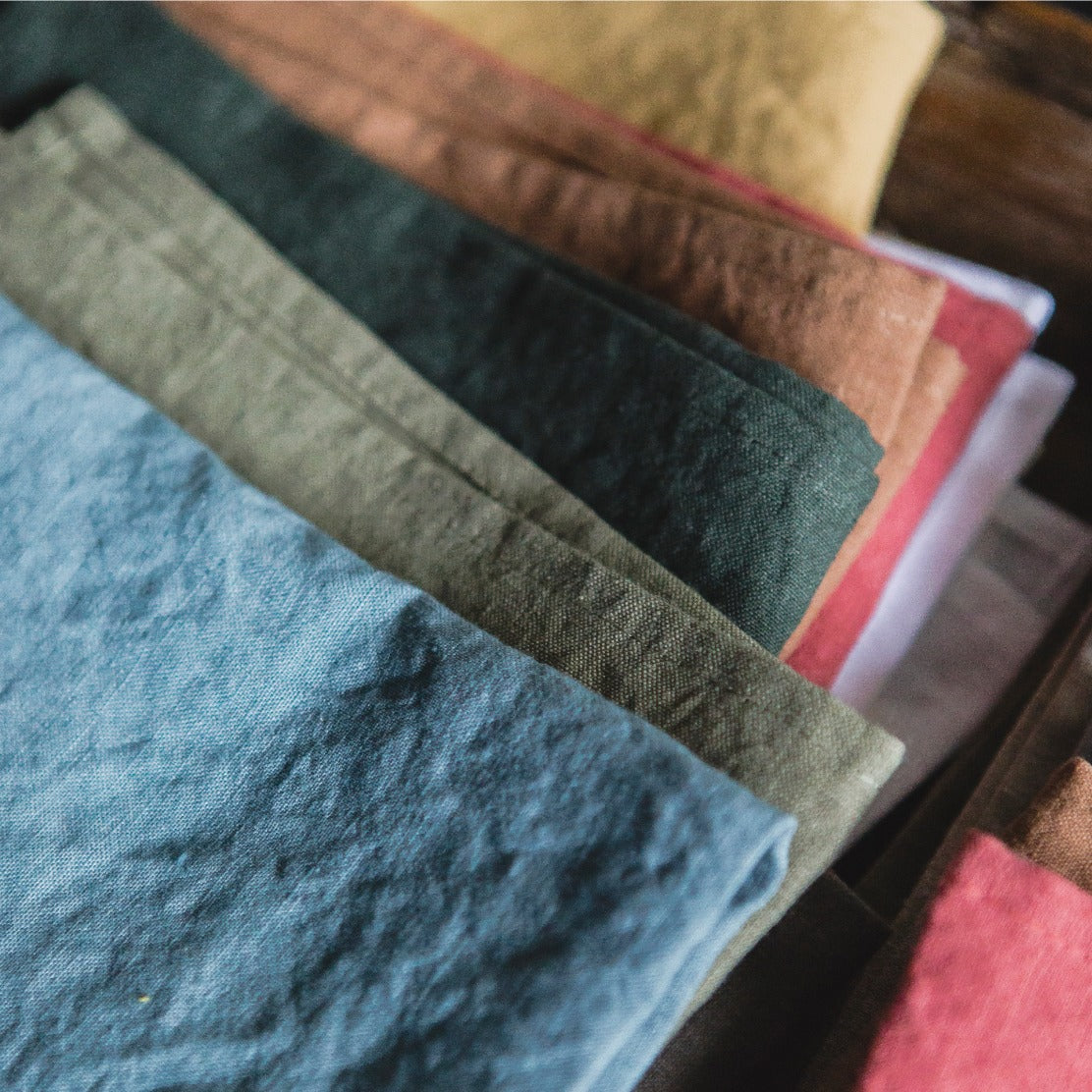
Selecting the perfect textile is like casting the star of a show. The fabric has to honor the table's history while fitting your home's look and life's demands. In our Atlanta fabric showroom, we guide designers and homeowners through this exact process every day.
Here’s what to think about:
- For High-Traffic Areas: If your side table will hold drinks, books, and maybe a stray toy, think durable. A performance fabric like Crypton gives you incredible stain resistance without sacrificing a luxurious hand. Beauty and practicality.
- For Understated Luxury: Sometimes, texture speaks louder than pattern. Imagine a classic mahogany table topped with a beautiful Belgian linen. The way deep wood grain plays against the natural texture of the linen is pure, quiet elegance.
- For a Bold Statement: Want that vintage find to be the star? This is your chance. A bold patterned fabric from one of our designer collections can introduce vibrant color and personality, creating a focal point that ties the entire space together.
This is about more than just picking a pretty fabric; it’s understanding the interplay between texture, pattern, and form. For a deeper dive, take a look at our guide on how to restore antique furniture.
In the end, whether you're sourcing for a client in Buckhead through our Trade Program or giving a family heirloom in Roswell a new lease on life, our team is here to help. We’ll connect you with the perfect textiles and the expert craftsmanship needed to give that classic find a breathtaking new chapter.
How to Style Your Vintage Side Table
You’ve done it: the perfect vintage side table is yours. It has the right bones, a great story, and that unique character you wanted.
But finding the piece is just the beginning. The magic happens when you style it to feel like an intentional part of your design.

This step separates a collection of beautiful objects from a truly cohesive space. It’s the secret that top designers from Buckhead to Milton use to make a room feel thoughtful and complete.
Finding the Perfect Placement
Before you set a single thing on your new table, get its location right. This is about creating balance and proportion with the furniture already in the room.
Take a look at its future neighbors. Is it going next to a deep, comfortable Wesley Hall sofa? As a rule of thumb, the table's height should be within one to two inches of the sofa or armchair’s armrest.
This simple guideline is about function as much as form. It creates a natural sightline and makes reaching for your drink feel effortless. A table that’s too low feels disconnected; one that’s too high makes the seating feel cramped.
Curating the Perfect Vignette
Think of your side table’s surface as a miniature stage—a small canvas for telling a story with a few curated objects. The goal isn’t clutter; it’s a balanced composition of items with different heights, shapes, and textures. This is what designers call a vignette.
Here's a tried-and-true approach Atlanta designers use:
- Start with Height: Begin with a vertical element. A slender lamp is a classic choice, both functional and elegant.
- Add a Grounding Element: Next, bring in something horizontal. A stack of two or three interesting coffee table books is perfect. They add visual weight and a splash of color.
- Bring in Something Organic: Finally, add a touch of nature. A small vase of fresh flowers, a sculptural houseplant, or a piece of driftwood introduces a "living" element that softens harder lines.
A well-styled side table isn't just a collection of things—it's a thoughtful composition. Each object should have a purpose, whether functional or purely beautiful.
The Art of Layering Textures
A vintage side table doesn't exist in a vacuum. To truly integrate it, consider the textures surrounding it. This is how you achieve that rich, layered look that feels both luxurious and lived-in.
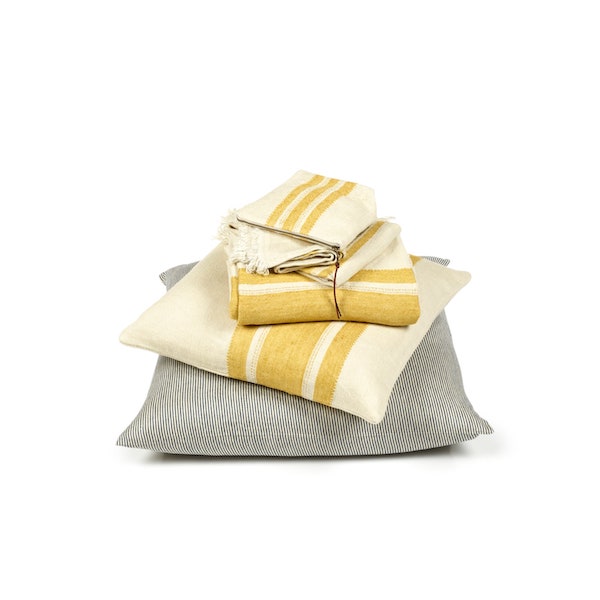
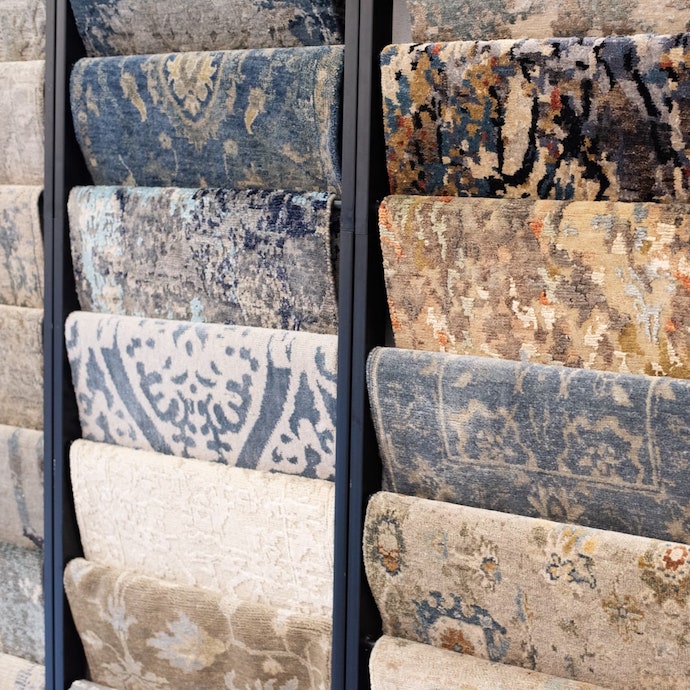
Picture the warm, aged patina of your wooden table. Now, imagine it sitting on a plush, hand-knotted rug. The soft wool pile creates a gorgeous contrast. Nearby, a custom throw crafted from our exclusive designer fabrics is draped over a Lee Industries chair. That mix of wood, wool, and linen creates a deeply inviting sensory experience.
This interplay of texture gives a room its soul. It’s a signature of the fine fabrics Alpharetta designers source from our showroom. If your table’s finish has seen better days, learning how to restore old wooden furniture is a fantastic way to bring out its natural beauty before you begin styling. Your vintage side table becomes the anchor of a sophisticated and timeless room.
Your Atlanta Hub for Timeless Design
Whether you’re hunting for a one-of-a-kind vintage piece or creating something new with a timeless soul, most design journeys in Atlanta eventually lead to Buckhead.
At Lewis and Sheron, we’ve built our reputation by understanding a simple truth: the qualities that make a vintage side table great—character, craftsmanship, and enduring style—are the same ones we look for in our own curated furniture collections.
It's this shared spirit that makes the handcrafted lines of Verellen and the classic forms of Wesley Hall feel so perfectly at home in our showroom. Just like the best vintage finds, these pieces are crafted to become the heirlooms of tomorrow. When you choose luxury furniture from Ambella or Lee Industries, you’re investing in that same unwavering commitment to quality.
The Designer’s Advantage at Lewis and Sheron
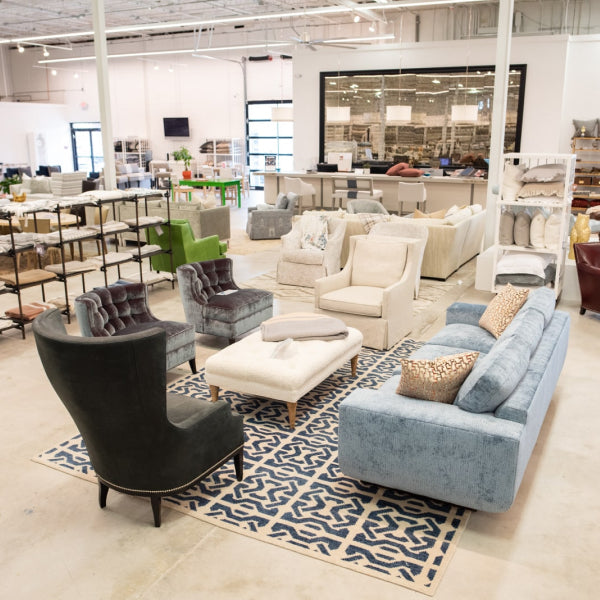
For Atlanta’s interior design professionals, our showroom on East Paces Ferry is more than a store—it’s a working partner. We designed the Lewis and Sheron Trade Program to be a genuine advantage, giving you the tools to bring ambitious client visions to life, from Milton to East Cobb.
Our trade furniture program is built to support you with:
- Unrivaled Sourcing: Gain access to our luxury furniture vendors and a vast collection of designer fabrics you won’t find elsewhere in Atlanta.
- Effortless Customization: Put our decades of custom upholstery experience to work. We help you create truly bespoke pieces that reflect your design intent.
- Dedicated Partnership: Think of our team as an extension of yours. We provide expert guidance and handle logistics, helping your projects run smoothly.
Complimentary Design Services for Every Homeowner
You don't have to be a professional designer to cultivate a beautiful, collected home.
If you’ve found a vintage side table you adore but are struggling with how to make it shine, our complimentary in-house design services are here to help. Our experts can show you how to blend your treasured find with new luxury furniture or choose the perfect fabrics to pull the entire room together.
The most beautiful spaces feel as though they’ve been collected over a lifetime. We help you create that layered, personal story—whether you’re starting from scratch or building around a beloved vintage piece.
From our expansive selection of designer fabrics to our luxury furniture showroom serving Roswell and Forsyth County, we are Atlanta’s destination for creating interiors with staying power. For more inspiration on accent tables, take a look at our guide on antique corner tables.
A Few Common Questions About Vintage Side Tables
Thinking about bringing a vintage piece into your home often comes with a few questions. In our Buckhead showroom, we talk with design professionals and discerning homeowners every day, and a few key topics always come up.
Here are the answers we share most often.
What Is the Difference Between Vintage and Antique?
The dividing line is the century mark. To be officially an "antique," a piece generally needs to be over 100 years old.
"Vintage," on the other hand, is for something not quite that old but with its own distinct history and style. Think of pieces between 20 and 99 years old. A true vintage side table isn't just an old table; it’s a beautiful example of its time, like a sleek Danish Modern table from the '60s.
Can I Mix a Vintage Side Table with Modern Furniture?
Not only can you, you absolutely should! This is a secret to sophisticated, confident interiors. When you mix a vintage piece with modern luxury furniture, you create a home that feels collected and deeply personal.
Imagine the beautiful tension of an ornate French Provincial side table next to a clean-lined, contemporary sofa from a brand like Lee Industries or Verellen. That contrast gives a room its soul.
The key to mixing styles is finding a common thread. This could be a shared color palette, a complementary material like a wood tone, or ensuring the pieces have a similar scale.
How Do I Care for My Vintage Wooden Side Table?
With just a little attention, you can keep your vintage side table beautiful for decades.
- Dust Often: A soft, dry microfiber cloth is your best friend.
- Watch the Sun: Direct sunlight is the enemy of wood finishes, causing them to fade.
- Always Use Coasters: This is the golden rule. Coasters are essential for preventing water rings and heat marks.
- Clean with Care: For anything more than dust, use a gentle, wood-safe cleaner. Every so often, nourish the wood with a high-quality furniture polish or wax to restore its luster.
Where Can I Find Quality Vintage Furniture in Atlanta?
Atlanta has a thriving scene for vintage lovers, with wonderful shops from Chamblee’s antique row to the design districts around West Paces Ferry.
For designers and homeowners who love the spirit of vintage but want the flawless condition of a new, heirloom-quality piece, our luxury furniture Atlanta showroom is the ideal destination. We carry collections from masters of timeless design like Wesley Hall and Ambella. Plus, with our complimentary design services, we can help you perfectly integrate that special vintage find into your home, making us a trusted resource for Atlanta interior design.
At Lewis and Sheron Textiles, we’re passionate about timeless design, whether it’s a cherished piece from another era or brand new from the workroom. Let us help you find the craftsmanship that will transform your space.