



















Most U.S. custom-made curtain projects fall between $600 and $5,500 per project, with a typical mid-tier build for a standard window costing $1,200 to $2,600. That total can include fabric, lining, interlining, hardware, labor, installation, and the construction details that turn a basic panel into a finished designer treatment.
The range is wide because custom curtains aren't priced like a pair of ready-made panels. A workroom is pricing a complete system. Fabric yardage, pattern repeats, fullness, lining, header style, mounting hardware, measuring, and installation all affect the final invoice. A small bedroom window may sit near the lower end, while a whole-home installation with premium textiles, motorized tracking, and complex construction can move sharply higher.
For homeowners in Atlanta, Buckhead, Alpharetta, Roswell, Sandy Springs, Fulton County, and North Atlanta, the right question isn't only “how much do custom made curtains cost?” It's what exactly is included in the quote, and which upgrades will produce a visible improvement? The breakdown below gives you the numbers to request before you approve a workroom estimate.
The Real Price Range Before You Call
Start with the project total, not the price of one curtain panel. In the U.S., custom-made curtains commonly cost $300 to $4,000 per window, including fabric, rod, mounting hardware, and professional installation, while broader luxury projects can reach $2,800 to $5,500 when premium linen, full blackout lining, and motorized tracking are included. A separate buyer guide places a mid-tier setup for a standard 8 to 12 linear-foot window at $1,200 to $2,600. HomeGuide's custom curtain cost guide and this itemized U.S. pricing breakdown show why the same room can produce very different quotes.
Per-panel pricing can mislead you. A single custom panel may cost approximately $150 to $1,800, depending on fabric, width, fullness, and construction. A narrow bedroom window with a simple polyester blend and basic lining isn't comparable to a tall living-room opening dressed in silk, velvet, or wool with a deep header and premium hardware.
Anchor your first estimate
Use the window count and scope to establish a realistic starting point:
- One bedroom window: Expect a focused project quote that reflects minimum labor, measuring, fabrication, and installation charges.
- One main living-room opening: Budget more when the treatment needs blackout lining, a traverse rod, a decorative pole, or a carefully proportioned full-length drop.
- Several windows: A whole-home installation across 8 to 14 windows will carry more fabric and hardware, but the workroom may coordinate the construction and installation more efficiently than separate one-off orders.
- Luxury treatment: Premium textiles, motorized tracking, layered linings, pattern matching, and complex headers move the project toward the upper end of the range.
Before requesting quotes, gather the window count, approximate widths and heights, room photos, preferred fullness, lining needs, and desired hardware. A quote based only on “four windows” may assume the wrong size, wrong drop, or wrong level of finish.
Practical rule: Ask for a complete project price with separate lines for fabric, lining, interlining, hardware, fabrication, measuring, delivery, and installation. A low headline number isn't useful if half the scope appears later as add-ons.
What Actually Drives the Number
A custom curtain quote is easiest to evaluate when you treat it as a cost stack. The major levers are fabric yardage, lining, interlining, header construction, hardware, and labor. HomeGuide identifies fabric, size, lining, hardware, and installation as core cost drivers, while the U.S. buyer breakdown separates fabric, lining, hardware, and labor.

Read the quote as a formula
A useful mental formula is:
Panel cost = (fabric + lining + interlining + trim) + (labor hours × rate) + hardware
Fabric often represents roughly 40% to 55% of the total, labor about 20% to 30%, lining and interlining 8% to 15%, and hardware 10% to 20%, based on the provided industry cost breakdown. These are working proportions, not fixed rules. A silk treatment on a small opening can push fabric above 60% of the bill, while a simpler polyester project across many windows distributes more cost into labor and hardware.
Fabric yardage is the first place buyers underestimate the scope. The workroom must account for finished length, usable fabric width, fullness, hems, returns, pattern repeats, and matching. A large repeat can require additional yardage even when the window itself hasn't changed.
Header construction changes labor. Pinch pleats, ripple fold, goblet pleats, banding, leading edges, and hand-finished details require different preparation and sewing processes. Hardware also has to support the finished weight. A beautiful pole that can't carry lined velvet panels is a false economy.
Ask about the hidden assumptions
Measurement fees, delivery, installation, and minimum labor charges may sit outside the first fabric-and-sewing figure. Ask whether the estimate includes:
- Pattern matching: Confirm whether matching is included or billed separately.
- Fullness: Request the fullness factor used for each panel.
- Header style: Make sure the quoted labor reflects the actual heading you selected.
- Hardware capacity: Check that the rod or track is rated for the completed treatment.
- Site work: Clarify measuring, removal, patching, delivery, and installation charges.
A quote becomes trustworthy when every assumption is visible.
Fabric Choice and Where It Pushes the Bill
Fabric is the largest variable because it controls both the visual character and the amount of material the workroom must purchase. The provided U.S. pricing guide places custom curtain fabric broadly within a project range of $600 to $1,300, while luxury builds can allocate substantially more to premium textiles. The European technical guide also shows how engineered, high-density blackout fabrics cost more than sheer or decorative panels because their performance depends on heavier substrates and layered construction.
The following comparison uses the requested working tiers for custom workroom planning:
| Fabric Tier | Yard Cost Range | Typical Fullness | Price Impact per Panel |
|---|---|---|---|
| Budget polyester | $12 to $25 | Standard fullness | Lowest material cost, simple construction |
| Mid-weight cotton and linen blends | $25 to $45 | Standard to fuller fullness | Balanced texture and price |
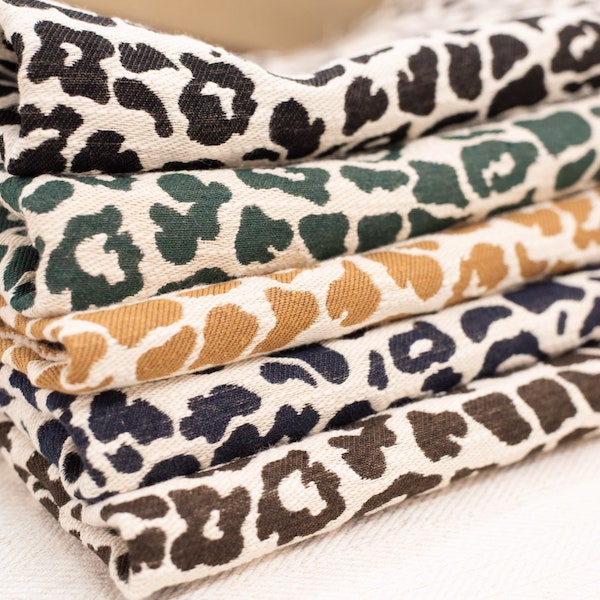
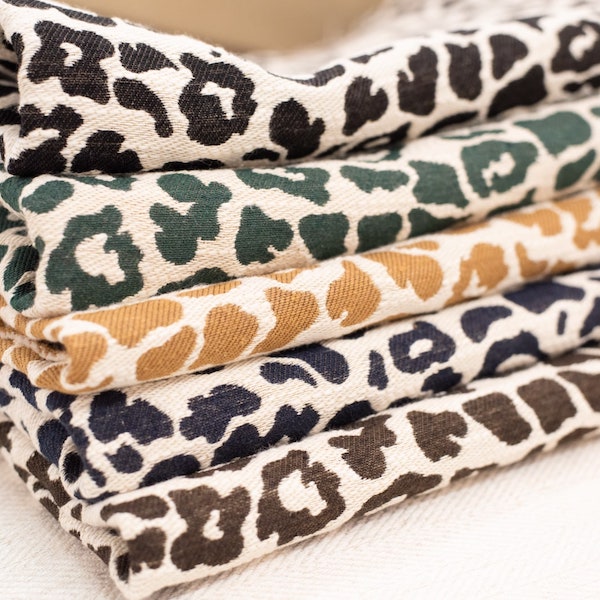
| Decorative cotton prints | $35 to $65 | Standard to fuller fullness | Pattern matching can raise yardage |
| Performance and coated fabrics | $40 to $80 | Standard to fuller fullness | Higher cost for functional finishes |
| Silks, velvets, and woolens | $60 to $150+ | Fuller fullness | Highest material and handling cost |
Heavy cloth needs more support and often looks better with fuller coverage. A wide window may require 2 times or even 2.5 times the width in fabric, so the yardage rises before the workroom adds hems, returns, or pattern matching. This drapery yardage guide helps buyers understand why finished window width isn't the same as fabric quantity.
Compare the visual payoff
A bedroom window in a mid-weight cotton or linen blend may land around $180 to $350 per panel, while the same window in pure silk may reach $600 to $1,100 per panel. Those figures reflect the fabric tier, not merely a different color. Silk also demands careful handling, while velvet and wool can require specialized cutting and finishing.
Pattern repeats can add 10% to 25% extra yardage, according to the supplied pricing assumptions. That waste is easy to miss when a buyer compares bolt prices without asking how the pattern will be matched across panels.
For rooms that need light control, compare fabric performance with other window-treatment categories before spending on decorative layers. A resource such as compare solar screen types can help clarify whether a solar screen, sheer, lined drape, or layered treatment better suits the room's glare and privacy needs.
My recommendation is direct. Use a mid-tier linen blend for most rooms, reserve silk, velvet, or wool for statement furniture pieces and high-visibility spaces, and spend first on proportion, lining, and installation quality.
Sample Quotes for Common Scenarios
The easiest way to understand custom pricing is to compare complete scenarios. These working examples show how fabric, yardage, labor, lining, and hardware interact. They aren't universal quotes, and the supplied sources don't verify every scenario-specific total, so use them as planning examples rather than guaranteed market prices.
| Scenario | Window | Fabric Tier | Lining | Hardware | Total Range |
|---|---|---|---|---|---|
| Bedroom pair | 48-inch standard window | Polyester-cotton blend | Basic lining | Pinch-pleat rod | $450 to $700 per pair |
| Living room | 72-inch window | Mid-weight linen | Blackout lining | Traverse rod | $950 to $1,400 |
| Sliding door | 80-inch opening | Interlined silk blend | Interlining and functional lining | Custom pole | $1,800 to $2,600 |
| Full-room package | Four matching windows | Performance velvet | Premium lined treatment | Motorized tracks | $6,500 to $9,500 |
| Budget bedroom | Standard bedroom pair | Cotton duck | Clip-on lining | Rings | $300 to $500 per pair |
What each quote is really buying
The 48-inch bedroom window is the simplest of the group. A polyester-cotton blend keeps material cost controlled, while the pinch-pleat header adds a finished designer appearance without the complexity of a motorized system. The quote rises if the panel needs a larger fullness ratio or pattern matching.
The 72-inch living-room window costs more because linen uses more fabric than a narrow ready-made treatment, blackout lining adds another layer, and the traverse rod requires compatible carriers and installation. This is the kind of opening where proportion matters more than decorative trim.
The 80-inch sliding-glass door is a substantial upgrade. Three-width panels, interlined silk blend fabric, and a custom pole combine material consumption with more demanding fabrication. Simplifying the header or selecting a mid-weight linen blend would reduce the stack, but replacing the custom pole with unsuitable hardware would compromise operation.
The four-window performance-velvet package is a luxury furnishing decision, not a basic window-covering purchase. Matching windows, motorized tracks, heavy fabric, and coordinated installation push the project beyond the typical mid-tier range.
What changes first: Simplify the textile or hardware before cutting finished length, fullness, or installation quality. Poor proportions remain visible every day, while a quieter fabric can still look expensive when it hangs correctly.
Hardware, Lining, and the Line Items Buyers Miss
Hardware and lining create the most common gap between an attractive preliminary quote and a final invoice. A decorative pole can cost $80 to $600, a traverse rod $120 to $280, and motorized tracks start around $650 per window before more advanced channel or smart-home requirements. The supplied hardware and installation guide also lists hardware as a separate cost bucket that can add $50 to $350, with professional installation adding $100 to $600.
Lining behaves like a multiplier because it adds both material and sewing. Standard cotton lining may add roughly 15% to 25% over fabric cost, while blackout, thermal, or interlining can push the added cost to 40% to 80%. The technical guide notes that a custom thermal and soundproof blackout curtain made from 500 to 620+ g/m² fabric can cost €80 to €350 per panel, compared with €30 to €80 for a custom sheer panel. This guide to drapery lining provides useful context for choosing lining by function rather than appearance alone.
Request these items in writing
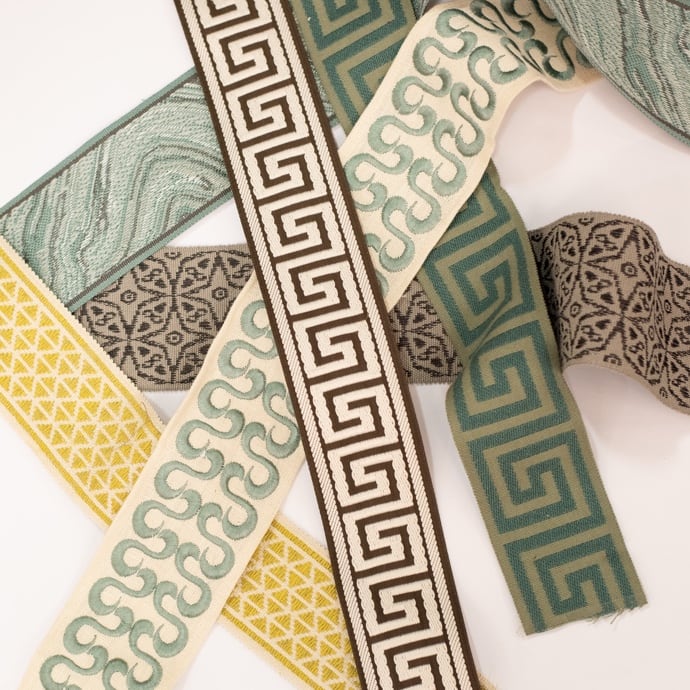
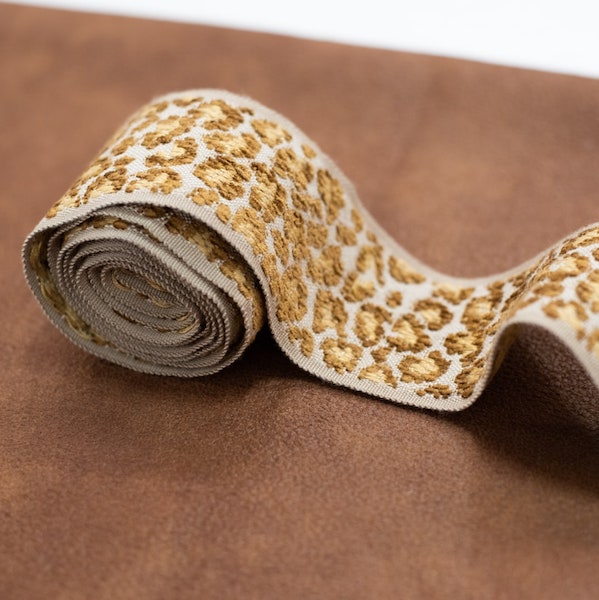
- Trim and banding: Leading edges and decorative details can add $20 to $60 per panel.
- Rings and brackets: Clips, returns, wrap-around brackets, and related parts may add $40 to $150 per window.
- Pattern matching: Matching across seams can consume an extra half-yard per seam.
- Installation access: Ceiling height, difficult mounting surfaces, and motorized wiring may change labor.
- Programming and adjustments: Smart-home setup, old-treatment removal, and wall patching may be separate.
A quote that excludes these items isn't necessarily wrong, but it isn't complete. Ask for an installed total before comparing one workroom with another. If you're also weighing hard treatments, a wood blinds buying guide can help you compare the practical tradeoffs between blinds and soft drapery.
Lead Times, Measuring, and Installation Costs
Custom curtains require a sequence of decisions that starts before sewing. In-stock fabric programs may run three to four weeks, customer-owned-material projects four to six weeks, and full-cycle workroom builds involving roman shades or complex headers eight to twelve weeks. Peak Q4 production can stretch to sixteen weeks, according to the supplied timeline guidance.
Measuring deserves professional attention, especially in older Atlanta homes, tall Buckhead residences, bay windows, and openings where the ceiling line isn't level. Professional measuring in Atlanta typically costs $75 to $150 per window, often credited back when the order proceeds. This guide to measuring windows for curtains is useful for preparing a preliminary scope, but it shouldn't replace a site visit when the treatment is expensive or technically complex.
Installation is part of the design
Installation pricing depends on the hardware and access conditions:
- Basic pole mounts: $95 to $175 per window.
- Ceiling-mounted tracks: $150 to $250 per window.
- Motorized systems with low-voltage wiring: $300 to $600 per window.
Removal of old treatments, wall repair, wiring, and smart-shade programming are usually quoted separately. These aren't cosmetic extras. Incorrect bracket placement can make a high-quality curtain operate poorly, sag, or sit at the wrong height.
Don't rush the measuring stage: A fast fabric approval can't rescue an inaccurate finished drop or a rod mounted too close to the glass.
You can shorten the schedule by two to three weeks by choosing fabrics already held in local workroom inventory or approving swatches within 48 hours of receipt, based on the supplied planning guidance. For a renovation in Atlanta or North Atlanta, order the fabric and confirm the hardware before the room is ready for installation. Waiting until the final construction stage removes the schedule flexibility that custom work requires.
Smart Ways to Control Custom Curtain Costs
The best savings come from removing complexity that doesn't improve the room. Don't sacrifice the finished length, fullness, or installation quality first. Those elements determine whether the treatment looks like designer furniture or an undersized afterthought.
Start with a consistent material strategy. Choose one mid-tier textile across several rooms instead of dividing the budget among multiple designer prints, then use color, trim, or furniture to create distinction. In a bedroom where blackout lining already handles light control and insulation, interlining may be unnecessary. In a south-facing room, that decision can preserve function while avoiding another construction layer.
Simplify the workroom process
- Standardize the header: Use one pleat style and one rod family across the project. The supplied cost guidance estimates that this can cut labor by 15% to 25%.
- Reuse suitable hardware: Keep existing brackets and rods only when they meet the finished treatment's weight requirements.
- Avoid spliced seams: Order panels at the longest practical drop to reduce fabric waste from pieced construction.
- Bundle service visits: Phase the project by floor rather than by room, so measuring and installation trips are coordinated.
- Document the windows: Use a steel tape, room photos, and notes on trim, outlets, and ceiling height before the workroom visits.
- Protect future options: Ask for the same dye lot and confirm whether leftover fabric can be returned or held for later rooms.
These changes typically save $400 to $900 on a whole-home project, according to the supplied planning data. The savings are meaningful because they come from fewer transitions, simpler fabrication, and smarter ordering rather than visibly cheaper materials.

For Atlanta homeowners comparing custom furniture Atlanta options, designer furniture near me searches, luxury sofas, premium sectionals, custom upholstered furniture, or heirloom-quality furniture, the same buying principle applies. Spend on the parts you touch and see every day, including proportion, material quality, craftsmanship, and durable operation. Save on hidden complexity that won't change the room's finished impression.
Lewis and Sheron Textiles offers custom drapery, premium fabrics, made-to-order upholstered furniture, reupholstery, rugs, trims, and in-house design support for homeowners and professionals. Visit Lewis and Sheron Textiles to review fabric options and discuss a curtain scope that separates the necessary costs from the upgrades that inflate the quote.