



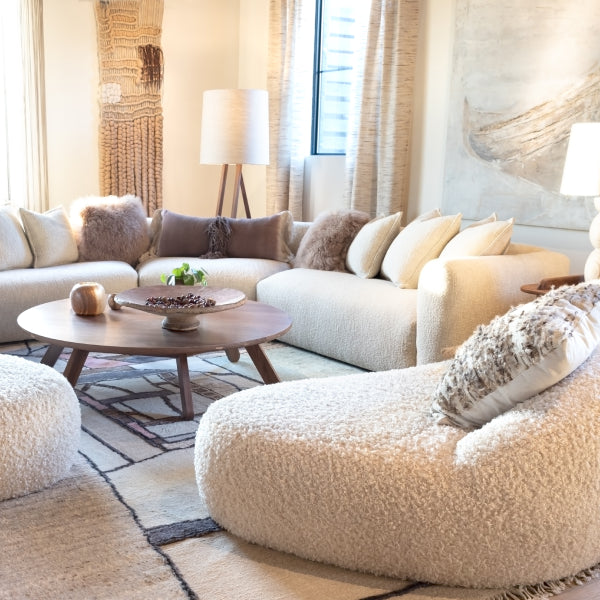
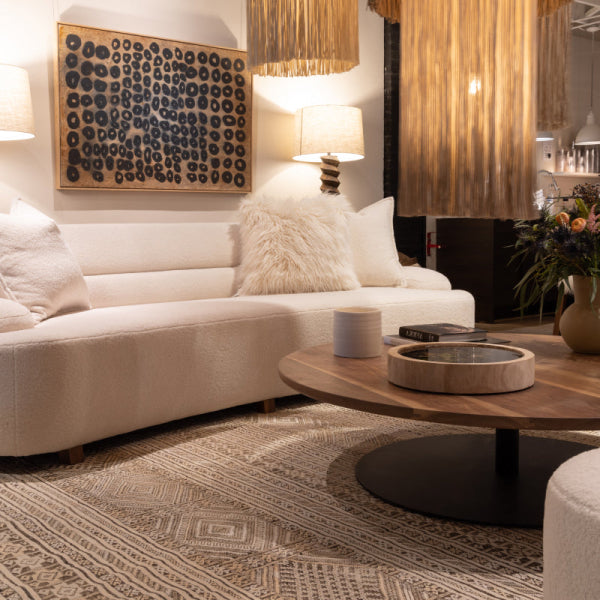









You're standing in your Atlanta living room with the sofa in place, the artwork hung, and one empty spot beside the armchair that still feels unfinished. A new table from a chain showroom would fill the space, but it wouldn't add much character. An antique shop may offer something more distinctive, yet the questions start quickly: Is it Victorian? Will the height work beside a modern sofa? Is the finish worth preserving, or should you commission a custom update?
Victorian style side tables can answer all three questions when you buy them as both historical furniture and working design elements. The right piece brings carved detail, rich timber, and heirloom character to a contemporary room without forcing the rest of the furnishings into a period setting. For homeowners in Buckhead, Alpharetta, Roswell, Sandy Springs, and across North Atlanta, the key is learning how to read the table before falling in love with its silhouette.
What Makes a Side Table Victorian
A homeowner once described the ideal table for her sitting room as “small enough to disappear until you notice it.” That's a useful way to understand Victorian furniture. The table needs to serve a practical purpose, but it also carries the visual language of an era that valued ornament, display, and cultivated taste.
The Victorian era ran from 1837 to 1901, the standard historical range used by antique references and auction catalogs when identifying Victorian furniture forms Antique Side Tables, A Guide to Types and Eras. Side tables from this period weren't designed as bare utility pieces. They supported tea service, calling-card trays, books, and parlor lamps, while helping create the richly layered interiors associated with late-19th-century homes.

The details you notice first
Look for a combination of traits rather than one decorative feature:
- Dark or figured wood: Mahogany, walnut, and rosewood were common choices, often selected for depth of color and visible grain.
- Turned or carved legs: Spool turning, cabriole curves, and carved knees add movement below an otherwise compact top.
- Decorative support: Plinths, stretchers, shelves, and brass casters can give the table a grounded, finished appearance.
- A proportioned top: The surface is usually large enough for a lamp, book, or tea tray, but compact enough to sit beside upholstered seating without crowding the sitter.
A walnut occasional table with spool-turned legs and a thumb-molded edge offers a good showroom example. The turned legs establish the period impression, while the molded rim gives the top a tactile transition instead of leaving a flat, anonymous edge.
Practical rule: Style can suggest a date, but construction, hardware, and surface evidence do the harder work of confirming it.
Victorian style now includes both period antiques and faithful reproductions. That expanded choice is useful for buyers who need a particular height, finish, or condition, but it also makes identification more important. If you're comparing solid hardwood construction with newer composite alternatives, this guide to table frame options for families offers helpful context on how construction affects everyday use.
Materials, Carving, and Finishes That Define the Style
A convincing Victorian side table usually succeeds through three connected elements: the material, the carving, and the finish. Inspect them in that order. A table can have attractive ornament but still disappoint if the timber is weak, the carving is soft, or a modern coating has obscured the surface.
Start with the wood and secondary materials
Walnut, mahogany, rosewood, and burled veneers form the primary material vocabulary. Mahogany may show flame figuring, especially in crotch-grain panels. Burl veneer creates dense, irregular movement that catches the light differently from straight-grained boards. Rosewood often reads darker and more dramatic, while walnut can bring a softer brown range that works well with contemporary upholstery.
Secondary materials add both decoration and structure. Brass mounts, ormolu, mother-of-pearl inlay, and marble tops appear on more elaborate examples. A flame-figured mahogany table with ormolu mounts at the corner brackets should feel layered, not pasted together. Run your hand near the mount and inspect how cleanly the metal meets the wood.
A drawer offers another useful inspection point. Dovetailed drawers can reveal whether the maker prioritized durable joinery. Hand-cut dovetails tend to look irregular and slightly uneven, while machine-made joints become more common in later production Victorian Furniture Identification and Value Guide. Neither detail should be treated as a solitary verdict, because late Victorian furniture could combine older-looking ornament with increasingly standardized production.
Read the carving with your fingertips
Victorian carving has a recognizable vocabulary:
- Acanthus leaves and knee carvings create leafy movement around legs and aprons.
- Rosettes provide compact floral punctuation.
- Ball-and-claw feet give a table a stronger, more sculptural base.
- Gadrooned edges form repeated rounded ridges around a top or apron.
- Incised scrollwork cuts lines into the surface rather than building them outward.
Depth and crispness matter. A sharp leaf vein or clearly separated scroll suggests controlled cutting. Soft, shallow ornament may indicate worn carving, an overcoated surface, or a reproduction made from a pattern. Look at protected areas beneath the apron and around the leg joints, where original detail may remain clearer.
Understand the finish before judging color
A hand-rubbed French polish can create a luminous surface with depth that changes as you move around it. French shellac may show a warmer, more transparent glow, while later oil varnishes can appear heavier or more uniformly sealed. Flame mahogany veneers and burl panels should remain visible rather than buried beneath an opaque stain.
You don't need to remove a finish to assess a table in a showroom. Look for uneven wear on edges, a natural transition between exposed and protected areas, and a surface that reflects light with some variation. For a broader visual reference, Tyner Furniture's complete table leg style guide is useful when comparing turned, carved, cabriole, and pedestal forms.
Forms and Proportions Across the Victorian Family
Not every Victorian side table served the same purpose. A compact occasional table beside a sofa has a different relationship to the body than a narrow hall table or a more substantial center table. Choosing the right form prevents an authentic piece from feeling awkward in a modern room.
Documented examples of Victorian side tables commonly measure about 45 to 58 centimeters wide and 45 to 73 centimeters high, with larger hall-side variants reaching roughly 76 centimeters wide and 73 centimeters high Victoria Side Table. The practical lesson is simple: height determines use more than style does.
Four useful forms
Occasional tables tend to be compact and flexible. Their rectangular or serpentine tops suit a book, drink, or small tray. Lower examples work naturally near lounge seating.
Lamp or parlor tables support a more substantial lamp and often use a central column, tripod, or quadripod base. They need enough stability that the lamp doesn't make the arrangement feel top-heavy.
Hall tables are taller and narrower. Some have raised backs or mirrored galleries that visually catch light and provide a finished backdrop against a wall. In a foyer, the narrow depth matters as much as the decorative silhouette.
Center or loo tables occupy more visual space and often carry the most ambitious carving. They may work in a larger sitting room, but they can overwhelm a compact apartment or tightly arranged family room.
| Table Form | Typical Height | Top Shape | Best Room |
|---|---|---|---|
| Occasional table | 22 to 28 inches | Rectangular or serpentine | Living room or sitting room |
| Lamp or parlor table | 24 to 26 inches | Compact round or square | Beside a reading chair |
| Hall table | 30 inches or more | Narrow rectangular | Entry or hallway |
| Center or loo table | 30 to 36 inches | Round, oval, or shaped | Larger parlor or sitting room |
The most reliable proportion check is to compare the top with the adjacent seat arm. A table surface that falls within one to three inches of the arm height usually feels comfortable beside a sofa or armchair. For more visual guidance on how supports affect scale, consult this reference on furniture leg styles.
Placing Victorian Side Tables in Modern Rooms
The easiest way to make a Victorian table feel current is to give it a clear job. Don't surround it with other ornate pieces and expect the room to look edited. Let one table supply the historical note while modern upholstery, lighting, or artwork keeps the overall composition relaxed.
Start with the living room. A burl walnut occasional table between a modern linen sofa and a contemporary lounge chair can bridge the two eras because the upholstery stays visually quiet while the wood provides pattern and depth. A sleek ceramic lamp on top creates useful contrast. The lamp shouldn't mimic the table's carving, and it doesn't need a brass base to belong there.

Match the table to the room's rhythm
Use a tiered parlor table beside a reading chair when you want a more decorative arrangement. Its carved finial base can support a simple lamp, a pair of books, or a small object without competing with the chair's upholstery. The contrast works because the table remains intricate while the objects remain restrained.
A narrow hall table suits an entry, dining room wall, or console wall where a deeper piece would interrupt circulation. It can hold keys and calling cards while introducing a Victorian outline against painted millwork. In a bedroom, choose a smaller nightstand with one drawer and turned legs. That quieter form delivers character without making the bed area feel theatrical.
Adjust scale before changing style
Many Victorian side tables sit around 24 to 30 inches tall, so compare the table with the seat before you consider color or finish. A low table near a deep lounge chair may work for books and decorative use, while a taller version may be more suitable beside an entry bench or as a bedside surface. Current dimensional references also include compact examples measuring 45 x 45 x 45 centimeters and taller examples around 40 x 58 x 70 centimeters Victoria Side Table.
You don't have to match every wood tone to mahogany. Oak, walnut, and ebonized surfaces can sit comfortably near painted cabinetry or contemporary flooring. Leave breathing room around carved legs and aprons, too. If baskets, books, and accessories bury the lower structure, you lose the very detail that makes the piece worth choosing.
Restoration and Upholstery Considerations
Before a restorer touches an antique table, decide which evidence should remain. A solid mahogany carcass, hand-cut dovetails, and original brass casters can tell the story of the piece. Refinishing those surfaces may make the table look newer, but it can also remove the wear patterns and finish history that support its identity.
A later veneer patch, modern stain, or unstable replacement component calls for a different conversation. Those changes may already have altered the original surface, making careful intervention reasonable. The decision isn't "restore or replace." It's about identifying what remains original, what is failing, and what the table needs to do in your home.

Preserve the structure first
Common restoration work may include regluing loose joints, stabilizing a wobbly leg, replacing a cracked marble top, or refreshing worn areas of French polish. The order matters. A restorer should address movement and structural weakness before applying a new surface treatment.
Ask to see the underside, drawer backs, hardware attachments, and repaired areas. These locations often reveal more than the front apron. For a methodical overview of conservation decisions, this guide on how to restore antique furniture can help you prepare questions before commissioning work.
Treat upholstered variants differently
Some Victorian side-table forms include upholstered surfaces or companion seating elements. In those cases, preserving original horsehair may protect historical character, while re-covering can make the piece usable in a family room. The right choice depends on condition, provenance, and whether the furniture will be handled daily.
Custom upholstery makes it possible to retain period cues without accepting uncomfortable interiors. A bespoke workroom can reproduce tufting, skirted hems, and trim while updating cushion interiors for daily support. Custom furniture sources also position well-made bespoke pieces as long-term investments, with one industry guide stating that custom furniture may last 30 to 50 years or longer with basic maintenance, while ready-made pieces often need replacement every 5 to 15 years Custom Furniture vs Ready-Made.
Custom finishing extends the same logic to the surrounding room. Lewis and Sheron Textiles can coordinate matched stains, hand-rubbed lacquers, and complementary textiles so an antique table works with new drapery, pillows, or a custom upholstered bench instead of appearing disconnected.
Sourcing From Atlanta Showrooms and Custom Workshops
Atlanta offers several ways to find Victorian style side tables, but each route asks you to trade convenience for inspection, curation, or price flexibility. The best choice depends on how confident you are evaluating condition and how closely the piece needs to coordinate with an existing room.
| Sourcing route | What it offers | What to watch |
|---|---|---|
| Regional auction house | Estate furniture and competitive bidding | Limited inspection time and incomplete condition information |
| Scott Antique Markets | Broad dealer variety and in-person comparison | Quality and documentation vary by seller |
| ADAC | Design-industry access and professional sourcing | Inventory may be more curated than bargain-oriented |
| Online marketplaces | Wider selection beyond Atlanta | Shipping risk and limited tactile inspection |
| Specialty showroom | Vetted inventory, condition guidance, and restoration relationships | The selection is curated rather than unlimited |
Auction houses can be rewarding when you already know what you're looking for. A 2023 sale recorded a Victorian-period walnut side table or nightstand at $159, against an estimate or starting price of $100, while a 2026 auction listing for a Victorian oak side table opened at £38 Austin Auction Past Results. These examples show why ordinary pieces can remain accessible, but they don't remove the need to inspect joints, veneer, hardware, and repairs.
Antique districts are better for comparison shopping. At Scott Antique Markets, you can compare several silhouettes in one visit and ask different dealers how they date a piece. ADAC serves a more design-oriented audience and can be useful when the table is part of a larger furnishing plan.
Ask before buying: Which components are original, what repairs have been completed, and what work would the seller recommend before the table enters daily use?
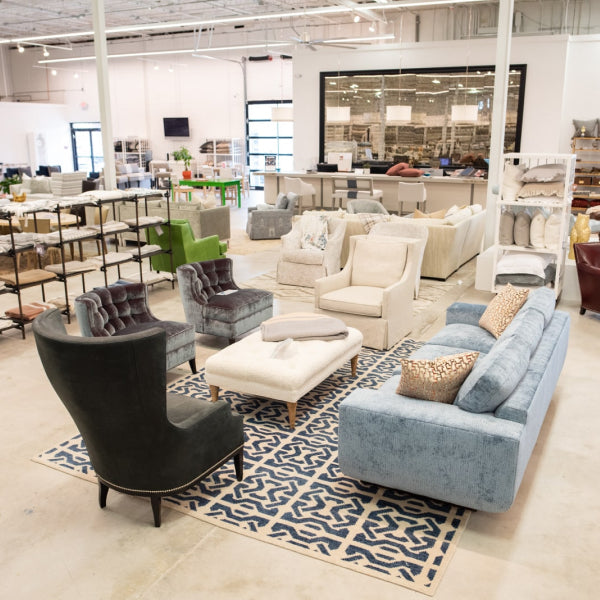
A specialty showroom offers a more guided path. A focused inventory, in-person condition discussion, and relationships with restorers can save time when you're furnishing a complete room rather than hunting for a single object. Lewis and Sheron Textiles also connects antique sourcing with custom drapery, upholstery, fabrics, and coordinating benches. Its Atlanta designer furniture showroom guide provides useful context for buyers comparing local design resources.
Choosing the Right Piece for Your Home
Use a simple decision sequence before you buy. First, measure the available width, depth, and height beside the intended seat. Then compare the table's top with the arm height, check circulation around the legs, and decide whether the surface will hold a lamp, drink, books, or only decorative objects.
Next, inspect the table in person if possible. Look at drawer backs, secondary woods, hardware, caster wear, joinery, veneer edges, and finish transitions. Handmade dovetails, peg joinery, irregular construction, and believable wear on casters can support an older date, but a single clue can't authenticate a table by itself.
Price depends on size, material, condition, craftsmanship, rarity, and original decorative features. Victorian furniture auction records show common parlor sets and marble-top dressers realizing $500 to $2,500, while exceptional carved pieces can reach $2,000 to $25,000 or more Austin Auction Past Results. Those broader furniture figures aren't a precise appraisal for every side table. They do show why a modest reproduction and a rare, well-preserved antique belong to different buying conversations.
| Indicator | Genuine Victorian | Reproduction |
|---|---|---|
| Joinery | May show irregular hand-cut dovetails or period construction | Often more standardized and uniform |
| Materials | Solid hardwood, period veneer, marble, or original brass details may be present | May use MDF, secondary woods, or mixed engineered components |
| Wear | Surface wear follows age and use, especially at edges and casters | Wear may be absent, uniform, or artificially applied |
| Documentation | Dealer history, auction record, or condition report may support the claim | Usually sold by style rather than period |
| Investment logic | Rarity, originality, and condition influence value | Scale, finish, and construction quality drive the purchase |
Questions Atlanta buyers ask
How can I verify the age?
Ask for the construction evidence, not just the stylistic description. Examine drawer backs, secondary woods, hardware, underside details, and wear patterns.
What makes designer quality?
Premium materials, refined craftsmanship, and design integrity are the practical markers. Solid hardwood frames, dovetail joinery, and mortise-and-tenon construction are among the structural details associated with high-end furniture Luxury Furniture Brands.
Should I choose custom or mass-produced furniture nearby?
Choose custom work when the table needs a specific finish, upholstery pairing, or proportion that standard inventory can't provide. A reproduction may be the right answer when you need a particular scale, but inspect its materials and joinery rather than assuming the Victorian silhouette guarantees quality.
How long will a custom-finish commission take?
A specialty showroom should confirm lead time after reviewing the table, finish, fabric, and scope of work. Timing varies with the condition assessment and the number of trades involved, so request a written schedule before approving the commission.
Lewis and Sheron Textiles offers antique-friendly fabrics, custom upholstered furniture, reupholstery, custom drapery, rugs, trims, and in-house design support for rooms built around distinctive pieces. Visit Lewis and Sheron Textiles in Atlanta to discuss how a Victorian side table, contemporary seating, and a bespoke finish can work together as one considered interior.