














What transforms a luxury sofa from a nice purchase into a piece people remember for decades, the fabric, the frame, or the leg beneath it? In practice, the leg often does more than buyers expect. It sets the visual weight, signals the era, and changes how a custom upholstered piece sits in a room, which is why discerning homeowners in Atlanta, Buckhead, Alpharetta, Roswell, Sandy Springs, and across Fulton County should pay attention to furniture leg styles before they sign off on a custom order. For clients choosing high-end furniture, designer furniture near me, or custom furniture Atlanta, the leg is not a minor detail, it's part of the architecture of the piece.
A well-chosen leg can make a luxury sofa feel light, grounded, formal, or relaxed. It can also affect how a sectional reads in an open-plan condo, how a pair of high-quality couches frames a living room, and whether a chair feels like a true statement piece or just another upholstered item. The best showrooms know this instinctively, because the leg often determines whether a design feels antique, modern, or collectible. find a Coventry leg table
1. Tapered Legs with Mid-Century Modern Influence
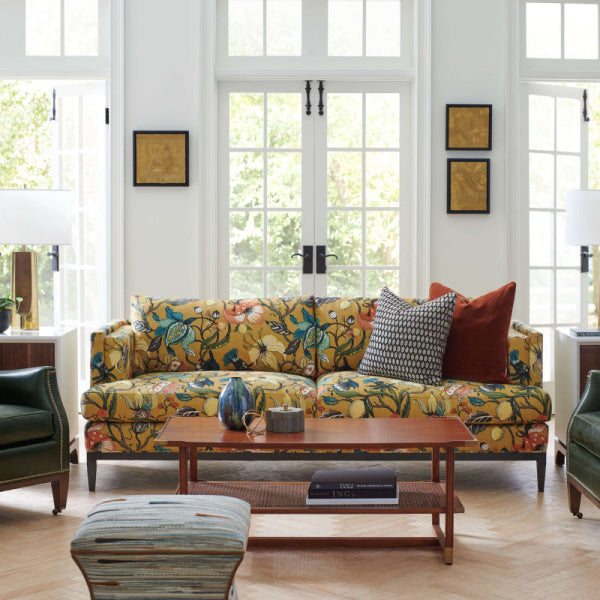
Tapered legs are the cleanest route to a refined mid-century look, and they still work because the shape does exactly what luxury buyers want, it looks light without feeling flimsy. On custom upholstered furniture, especially premium sectionals and sofas, the gradual narrowing from top to floor creates a crisp profile that doesn't fight with upholstery. That's why pieces such as the Eames lounge chair and ottoman or Florence Knoll seating remain so persuasive in well-edited interiors.
Why tapered legs hold up in luxury homes
The best tapered legs are proportioned to the body of the piece, not pasted on as an afterthought. In Atlanta homes where rooms often mix modern architecture with warmer finishes, walnut or oak tapers can bridge the gap between contemporary and classic better than a flashier base. Natural wood stains usually age more gracefully than aggressive dark finishes, especially when the goal is heirloom value rather than trend chasing.
Practical rule: On deeper sectionals, a tapered leg needs enough visual and physical substance to support the scale of the frame. A skinny-looking taper on a large sectional can make the whole piece feel underbuilt, even if the frame is strong.
For designer clients, the pairing matters. A tapered leg looks its best with neutral upholstery, tight tailoring, and a room that already has some architectural discipline. I'd use it in Buckhead or Sandy Springs when the brief is elegant, calm, and flexible enough to survive changing décor over time.
2. Turned Legs with Classic Spindle and Cabriole Variations
Turned legs show the maker's hand in a way few other bases do. A lathe-cut spindle leg brings order and tradition, while a cabriole leg adds movement through its curve, which is why both remain familiar choices in luxury home furnishings and antique-inspired seating. For clients buying in Atlanta, that distinction matters because the leg shape changes how a piece reads in the room, and it can affect whether a custom chair feels formal or intentionally collected. The cabriole leg is especially important in the history of Queen Anne and Chippendale furniture, with its strongest use roughly in the 1700s to 1780s, and that period range still helps collectors and restorers judge whether a piece is period-correct. Period style identification guide Slone Brothers Furniture dining tables
When turned legs feel expensive, and when they don't
Restraint makes the difference. A clean spindle under a chair or side table can feel rich and refined, while overworked turnings can push a room into costume territory. On custom chairs and reupholstered heirlooms, simpler turned bases often read as more polished than elaborate carving because the eye can focus on proportion, joinery, and the outline of the piece instead of getting lost in ornament.
The cabriole form is more expressive. The Boston Furniture Archive describes it as an S-shaped profile with a pronounced outward curve above a gentler inward bend, and it ties the form to Queen Anne styling and the “line of beauty” language associated with the period. Boston Furniture Archive leg guide That matters in a designer setting because cabriole legs carry visual authority, especially under a chair or petite sofa that needs a sense of heritage without becoming heavy. In Atlanta homes with layered millwork, formal dining rooms, or updated traditional interiors, that kind of leg can bridge old and new better than a more literal antique reproduction.
For restoration work, turned legs are often worth preserving. If the original wood is sound, refinishing or reupholstery can give the piece a fresh life without erasing the craftsmanship. How to restore antique furniture

3. Splayed Legs with Angled and Outsplayed Design
Splayed legs are one of the smartest options for statement furniture pieces that still need to work in real life. Instead of dropping straight down, they angle away from the frame, which gives a sofa or chair a more dynamic stance and often improves stability on larger upholstered forms. That's why this silhouette has such a strong place in mid-century and contemporary luxury interiors.
Why designers reach for splayed bases
The visual effect is immediate. A piece with outsplayed legs looks as if it's moving, even when it's perfectly still, and that movement keeps heavier upholstery from feeling blocky. In smaller Atlanta apartments and high-rise homes, that sense of openness matters because the leg line lets light pass under the furniture and keeps the room from feeling crowded.
A 10 to 15 degree angle usually reads best in a custom setting. Push the angle too far and the piece starts looking novelty-driven instead of architectural. For luxury sofas and premium sectionals, pair splayed legs with track arms or tight backs so the upholstery remains disciplined while the base adds character.
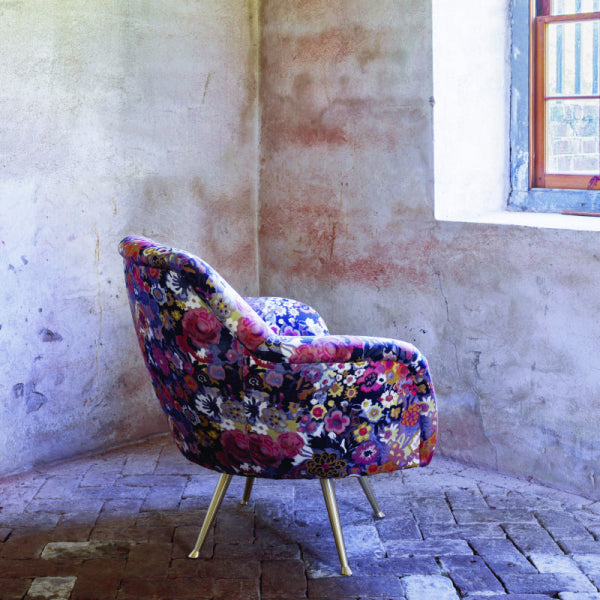
Design note: Splayed legs look best when the rest of the piece is quiet. If the upholstery is highly patterned or heavily pleated, the base and fabric compete for attention.
This is one of the better choices for clients who want modernity without coldness. Verellen-style contemporary seating, a well-made sectional in an urban Buckhead loft, or a chair in Roswell can all benefit from this geometry when the goal is controlled movement rather than decorative fuss.

4. Block Feet and Plinth Bases with Modern Architectural Style
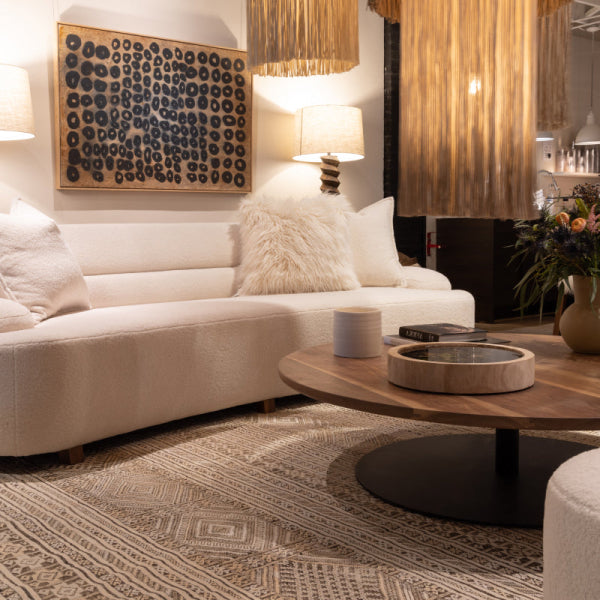
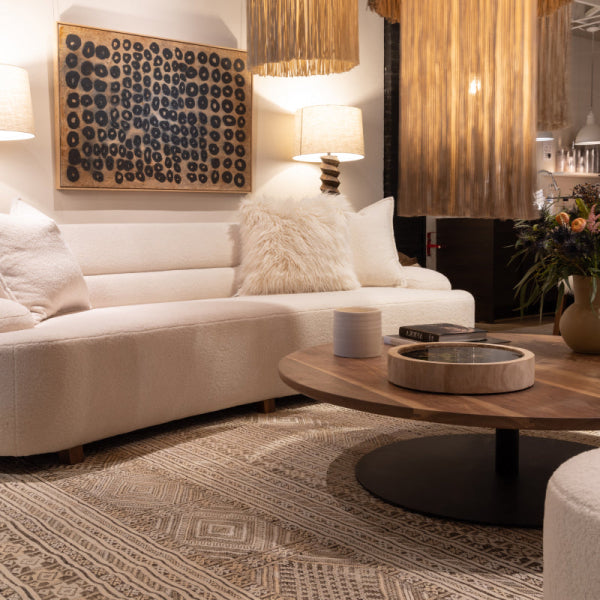
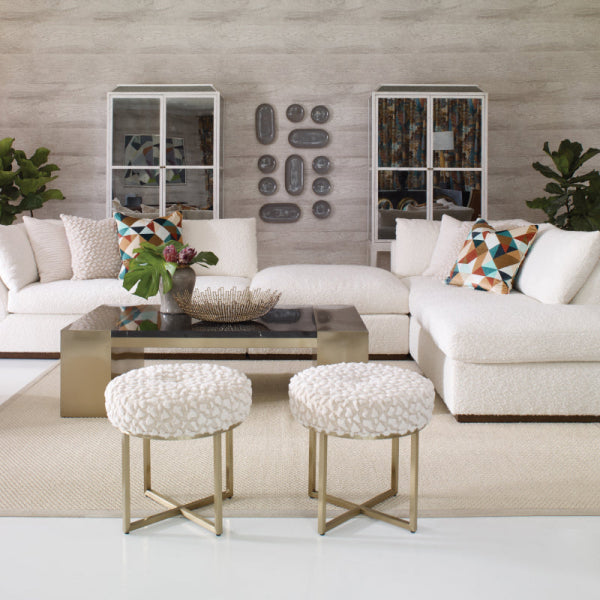
Block feet and plinth bases belong to a more architectural language, where the base feels like part of the structure rather than a separate decorative feature. The effect is grounded, modern, and precise, which is exactly why these forms work so well on designer furniture and custom upholstery with clean lines. When a sofa has a plinth base, the piece can read almost like a built-in element.
Where block bases outperform decorative legs
This style is especially effective in open-plan rooms, lofts, and luxury condos where line of sight matters. A low plinth base can make a large sofa feel intentional instead of bulky, and a rectangular block foot can keep a chair from drifting visually into the room. That's valuable in Atlanta spaces where homeowners want minimalism without sacrificing comfort.
The trade-off is simple. A block base can become visually heavy if the upholstery is already oversized or if the room itself is small and crowded. In that case, the base starts to dominate the composition instead of supporting it. Natural wood finishes usually work better than overly dark stains because they let the craftsmanship show.
For clients ordering custom upholstered furniture, I like block feet when the silhouette is restrained, the cushions are disciplined, and the room already has enough softness elsewhere. Add brass or steel accents if the home leans contemporary, but keep the rest of the profile quiet. That's how these bases stay refined instead of looking utilitarian.
5. Bracket Feet with Traditional Corner Support
Bracket feet are one of those details that tell you the maker cared about the finish of the entire piece, not just the visible surfaces. These supports sit at the corners and visually anchor the furniture to the floor, which gives traditional seating a sense of substance and permanence. In English and American traditional furniture, they carry real decorative weight without needing the flourish of carved ornament everywhere else.
Why bracket feet suit heirloom restoration
On an heirloom chair or bench, bracket feet are worth preserving if the original wood is intact. They help maintain the period language of the piece, especially when paired with upholstery, piping, or nailhead trim. A simplified bracket foot can also work in transitional homes where the goal is to keep heritage detail without making the room feel overly formal.
For Atlanta homeowners investing in custom chairs or restoring family pieces, bracket feet are a strong choice when the upholstery is refined but not fussy. They sit comfortably under English roll arms, traditional wingbacks, and certain Federal-inspired forms. The shape makes sense in rooms where wood tones are already part of the conversation.
If you're shopping for pieces that need to feel polished and enduring, bracket feet are often safer than trend-led bases. They don't shout for attention, but they hold the eye long enough to make the whole piece feel more composed. Antique corner tables and support forms
6. Metal Legs with Aluminum, Steel, and Brass Details
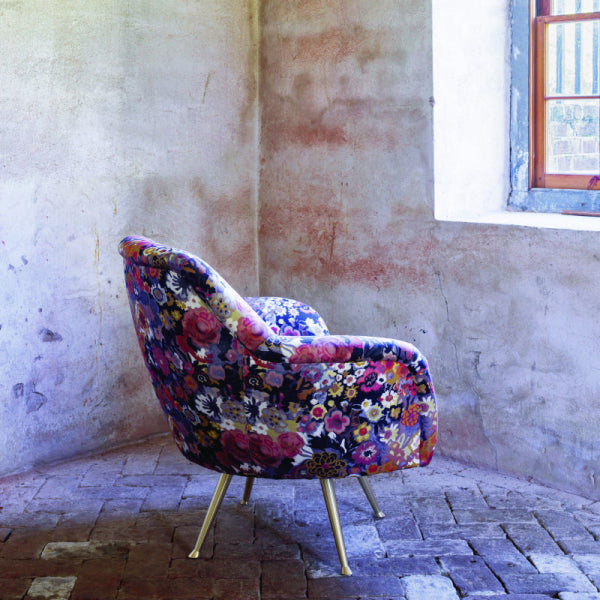
Metal legs shift a piece into a more contemporary register immediately. Whether the finish is brushed brass, steel, aluminum, or powder-coated black, the message is usually the same, the upholstery is being supported by a base that belongs to a modern room. In luxury interiors, that can be a strong advantage when the client wants contrast rather than softness.
What metal legs do well in modern interiors
Metal works best when the upholstery is clean and precise. Track arms, tight backs, and clean cushion lines let the base do its work without creating visual noise. That's one reason metal-legged sofas and chairs feel at home in contemporary Atlanta lofts, sleek Buckhead residences, and new-build spaces that need a sharper edge than wood alone can provide.
Finish choice matters more than many buyers realize. Matte and brushed surfaces usually feel more luxurious than polished ones because they're less fussy and easier to live with. Brass and bronze add warmth, while gunmetal and stainless steel lean cooler and more architectural. Match the finish to the room's hardware, or the piece can feel disconnected from the rest of the interior.
Metal legs also pair well with mixed-material furnishings, especially when the client wants a statement without heaviness. A well-judged brass foot under a custom sofa can make a room feel curated, while a black powder-coated base can keep a sectional from overpowering the space. Furniture legs trend analysis

7. Casters and Wheels with Rolling Base Functionality
Casters are for clients who move furniture around, not just admire it from one angle. On ottomans, accent chairs, and some upholstered seating, small wheels turn a fixed piece into something more responsive to entertaining, cleaning, or changing a room layout. In homes with hardwood or stone floors, the wrong caster can damage the floor, while the right one protects both the furniture and the surface.
The luxury case for mobility
Soft-tread polyurethane wheels are often the most practical choice for premium floors, especially in homes where the owner wants easy movement without scratching. Locking casters make sense for pieces that need to stay put, while swivel options work better when seating is frequently repositioned. Brass casters can feel especially elegant because they look intentional rather than purely functional.
This style works well in homes where flexibility matters. Buckhead, Sandy Springs, and North Atlanta clients often want living rooms that can transition from everyday use to entertaining without dragging furniture across the floor. Casters make that easier, but only when they're integrated cleanly into the design.
The risk is visual clutter. If the caster looks cheap or oversized, it pulls the whole piece down-market no matter how beautiful the upholstery is. That's why quality matters so much here. A custom ottoman with refined brass wheels can feel like a thoughtful design feature, while a flimsy plastic wheel makes an expensive piece look temporary.
A caster should disappear into the design until you need it.
8. Ball and Claw Feet with Ornate Traditional Carved Detail
Ball and claw feet are unapologetically traditional, and that is exactly why they still earn their place in high-end interiors. The carved claw gripping a sphere signals craftsmanship, confidence, and a direct link to period furniture. Paired with cabriole legs, they sit firmly within the Queen Anne and Chippendale vocabulary, which is why they continue to matter in heritage pieces and careful reproductions.
When ornament becomes value
On a true antique or a serious reproduction, ball and claw feet should stay visible. They are not the place to simplify the design unless the room already has so much ornament that the piece would disappear. In practice, these feet work best as a focal detail, not a background note.
For high-quality couches and chairs in traditional Atlanta homes, the upholstery should support the carving instead of competing with it. Neutral linens, rich solids, and neat piping keep the form legible. Bold pattern can still work, but only when the room has enough scale and restraint to carry the visual weight.
I would be cautious about using them in spaces that lean minimalist or strongly contemporary. The style is specific, and watered-down versions usually read as awkward rather than refined. In the right setting, though, ball and claw feet can give a seating group the kind of heritage presence that newer furniture rarely matches. For restoration projects, preserve documentation and keep the original carved elements intact whenever possible. For buyers comparing similar traditional pieces, a detailed resource like antique French side tables and carved support details can help clarify how carved support work changes the overall read of a piece.
8-Style Furniture Leg Comparison
| Style | 🔄 Implementation Complexity | Materials & Resource Requirements | ⭐ Expected Outcome / Quality | 📊 Ideal Use Cases | 💡 Key Tips |
|---|---|---|---|---|---|
| Tapered Legs (Mid‑Century Modern) | Moderate, joinery and proportioning | Hardwood (walnut, oak, maple), quality finishing; moderate cost | ⭐⭐⭐⭐, timeless, visually light | Custom sectionals, statement sofas, mid‑century inspired luxury homes | 💡 Ensure leg proportion to furniture depth; choose complementary wood species |
| Turned Legs (Spindle & Cabriole) | High, lathe work and hand finishing | Premium hardwoods (mahogany, cherry, walnut), skilled labor; higher cost | ⭐⭐⭐⭐, heritage, substantial presence | Heirloom restoration, traditional and transitional interiors | 💡 Simplify profiles for transitional spaces; invest in premium upholstery |
| Splayed Legs (Angled / Outsplayed) | High, precise angles and engineering | Hardwood or metal, accurate attachment points; moderate–high cost | ⭐⭐⭐⭐, dynamic silhouette with enhanced stability | Deep sectionals, modern statement seating, open‑plan luxury homes | 💡 Use 10–15° for refined look; ensure angled attachment supports loads |
| Block Feet & Plinth Bases (Architectural) | Low–Moderate, simple geometry, careful proportion | Chunky wood or metal plinths; finish quality is key; moderate cost | ⭐⭐⭐⭐, strong architectural presence | Minimalist, contemporary, and sculptural custom pieces | 💡 Favor natural finishes; balance plinth scale with room size |
| Bracket Feet (Traditional Corner Supports) | High, shaped/cut profiles, potential carving | Matching hardwoods, custom shaping; higher cost | ⭐⭐⭐⭐, traditional, substantial craftsmanship | Traditional, transitional, reupholstery and restoration projects | 💡 Coordinate wood species with room architecture; pair with tailored trim |
| Metal Legs (Aluminum, Steel, Brass) | Moderate, metal fabrication and finishing | Metal tubes/plates, plating or powder coat; variable cost | ⭐⭐⭐⭐, contemporary contrast, durable | Urban lofts, modern luxury, hybrid wood/metal designs | 💡 Choose brushed/matte finishes for longevity and fingerprint tolerance |
| Casters & Wheels (Rolling Bases) | Low, mechanical fittings, mounting details | Brass/steel housings, polyurethane/nylon wheels, locking mechanisms; added hardware cost | ⭐⭐⭐, high flexibility and practicality | Modular ottomans, movable sectionals, multi‑use spaces | 💡 Specify soft‑tread for hardwood; choose locks for stationary use |
| Ball & Claw Feet (Ornate Carved Detail) | Very High, expert carving and complex joinery | Top‑grade hardwoods, master woodcarving; premium to luxury cost | ⭐⭐⭐⭐⭐, museum‑quality, strong heirloom value | Antique restoration, formal traditional interiors, collector pieces | 💡 Preserve original carving during reupholstery; use neutral fabrics to highlight detail |
Find Your Footing For Custom Furniture
Choosing the right leg style is one of the most important decisions in a custom sofa, chair, or sectional, because it shapes the piece's attitude before anyone notices the fabric. Tapered legs lean clean and versatile, turned and cabriole legs bring heritage, splayed and metal legs sharpen a contemporary room, and block bases, bracket feet, casters, and ball and claw feet each solve a different design problem. The strongest interiors don't treat that choice as an afterthought, they use it to support scale, comfort, and the story the room needs to tell.
In luxury homes, the best result comes from matching the leg to the way the furniture will live. A family room sectional in Alpharetta needs different priorities than a formal chair in Buckhead, and a statement sofa in Roswell may need a base that feels lighter than one used in a more traditional Sandy Springs residence. The leg should work with the upholstery, the room's architecture, and the owner's lifestyle, not just with a trend board.
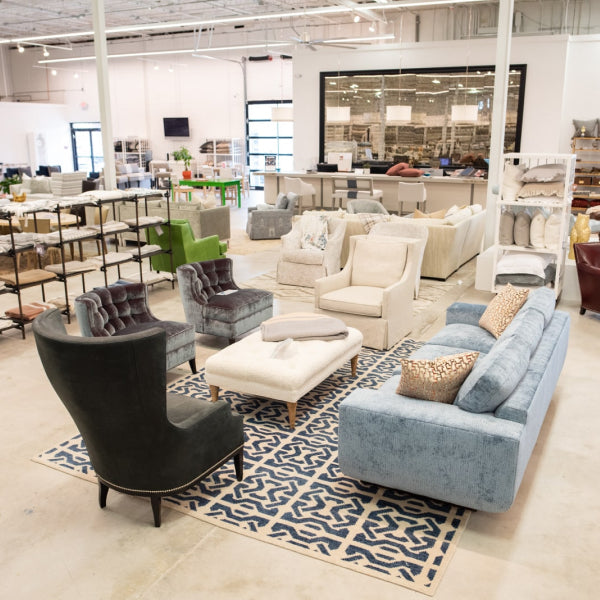
That's where expert guidance matters. At Lewis and Sheron Textiles, clients can compare leg styles alongside premium fabrics, trims, and bespoke upholstery options, then choose the combination that feels right for the home and the way it's used. If you're shopping for designer furniture near me or planning custom furniture Atlanta projects, visit our Buckhead showroom and bring your floor plan, inspiration images, or an heirloom piece that needs a fresh start. find your next office desk
Lewis and Sheron Textiles helps Atlanta homeowners and designers make smart, beautiful choices for custom sofas, chairs, sectionals, and restored heirlooms. Visit Lewis and Sheron Textiles to explore fabrics, upholstery services, and showroom guidance that make furniture leg styles feel intentional, personal, and lasting.