



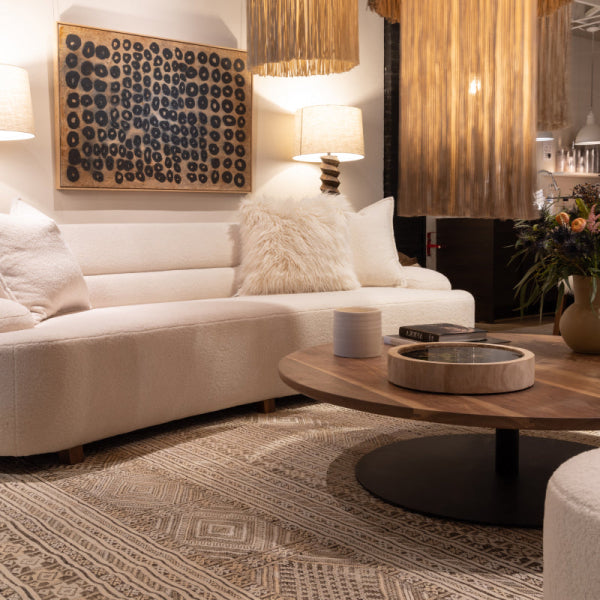
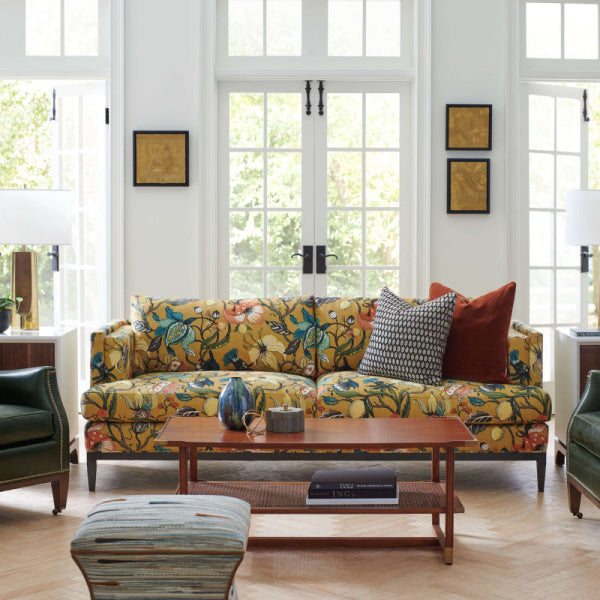
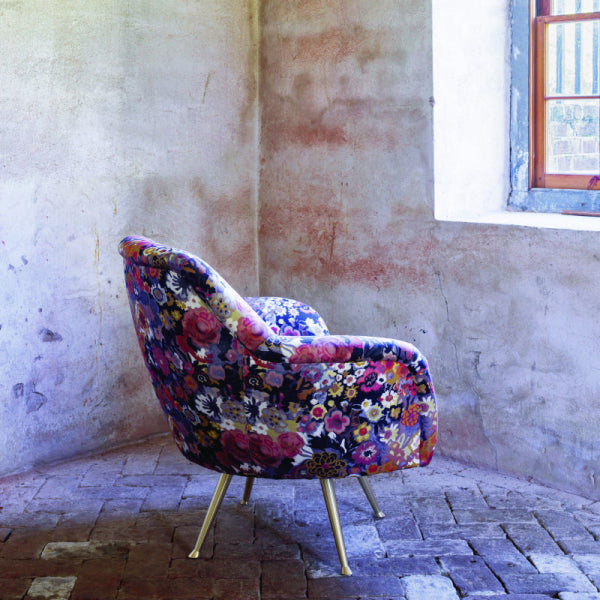
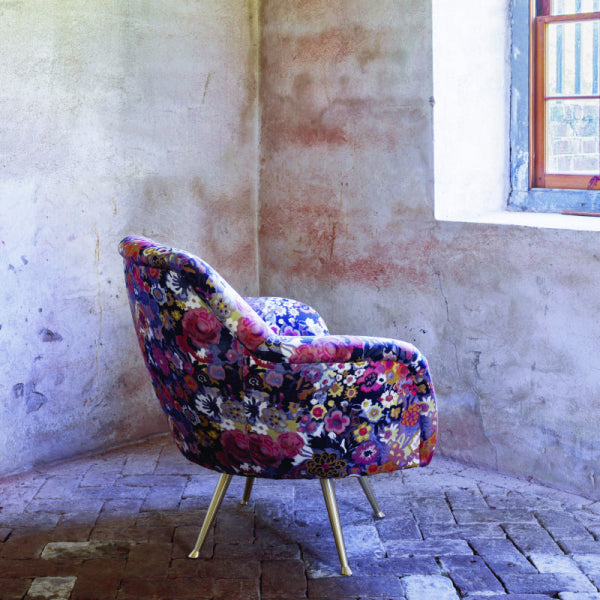
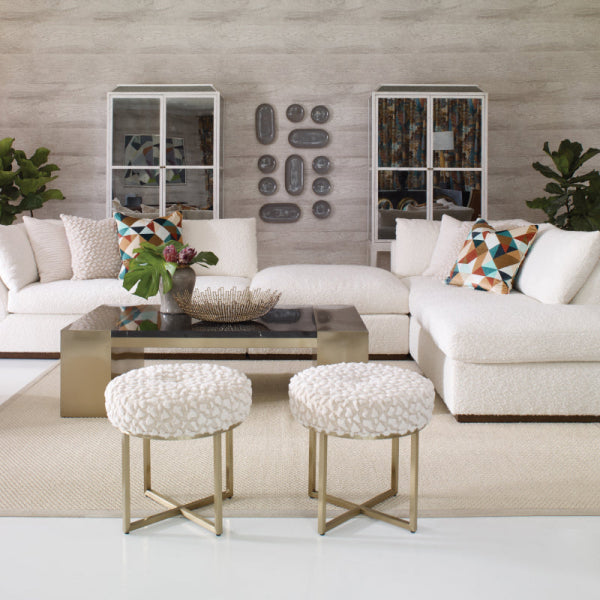
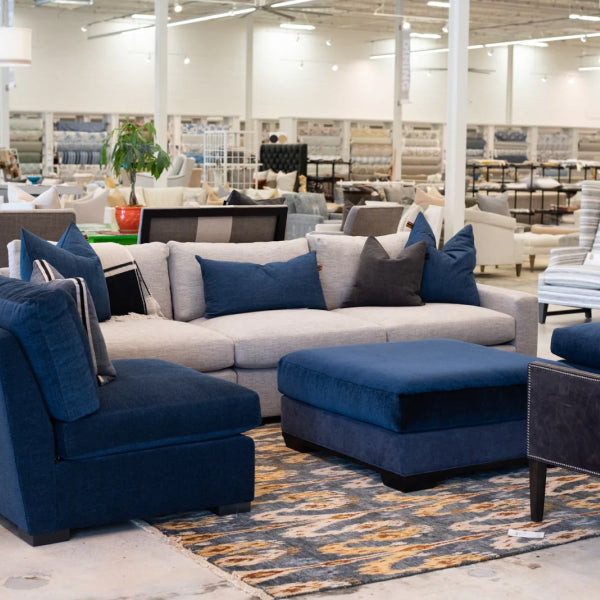






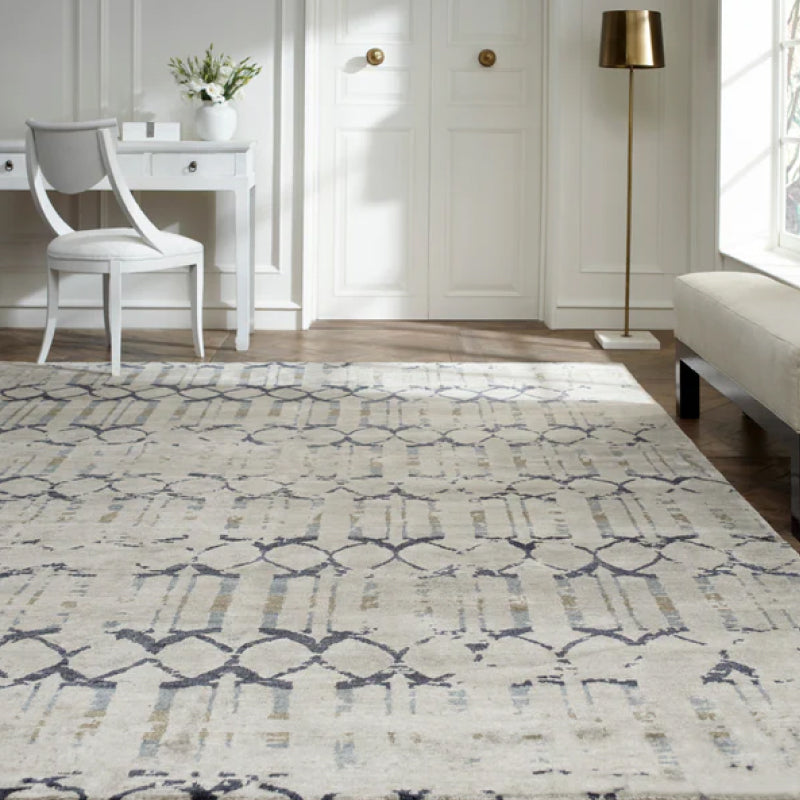
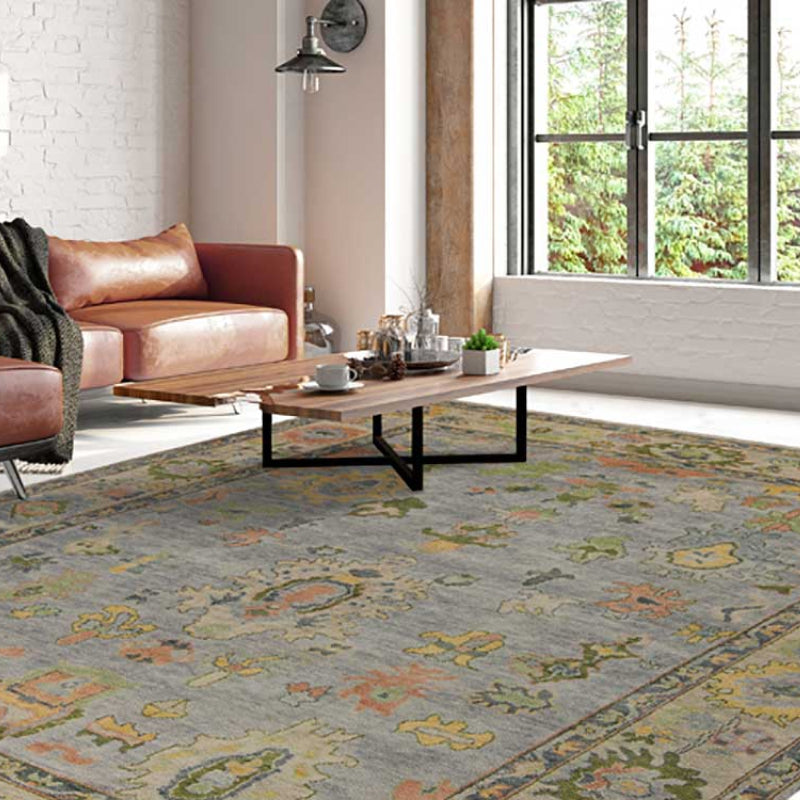
You've invested in a beautiful sofa, custom chair, or pair of designer drapery panels. Then one afternoon, you move a cushion and find a sharper, brighter rectangle beneath it. The fabric hasn't been dirty. It's been exposed.
Sun fading is especially frustrating in high-end interiors because the damage can appear long after purchase. A luxury sofa in a Buckhead sunroom, a premium sectional beside a west-facing window, or a Belgian linen curtain in an Alpharetta living room may look perfect for months before the color begins to shift. The good news is that you can slow the process considerably. The solution combines lightfast fabric selection, window-side protection, thoughtful placement, and consistent care, rather than relying on a single spray or coating.
Why Fabrics Fade in the First Place
A sofa beside a bright window can begin changing color long before the damage looks obvious. Fading is a chemical change within the dye, not surface grime. Ultraviolet radiation breaks down dye molecules over time, and UV is the primary contributor to upholstery dye breakdown, according to textile-care guidance on fabric fading. Glass may filter some UV, yet a large window, glass door, or skylight still delivers a persistent light load to nearby upholstery and drapery.
Visible light contributes as well. Controlled textile-light research found that noticeable fading in dyed materials can occur after roughly 50,000 to less than 1,000,000 foot-candle-hours of fluorescent exposure (textile-light research). The showroom lesson is straightforward: a fabric may look unchanged for a season while repeated exposure gradually shifts its color over the years.
Heat adds a separate strain. A sun-warmed pane or hot window recess can accelerate the chemical reactions that weaken color, while visible light continues supplying energy even when the room feels comfortable. Industry guidance identifies UV, visible light, and solar heat as separate contributors to fading and material damage (window-source guidance). A UV spray therefore addresses only part of the exposure. The strongest protection comes from reducing the light and heat reaching the textile in the first place.

Why color choice changes the risk
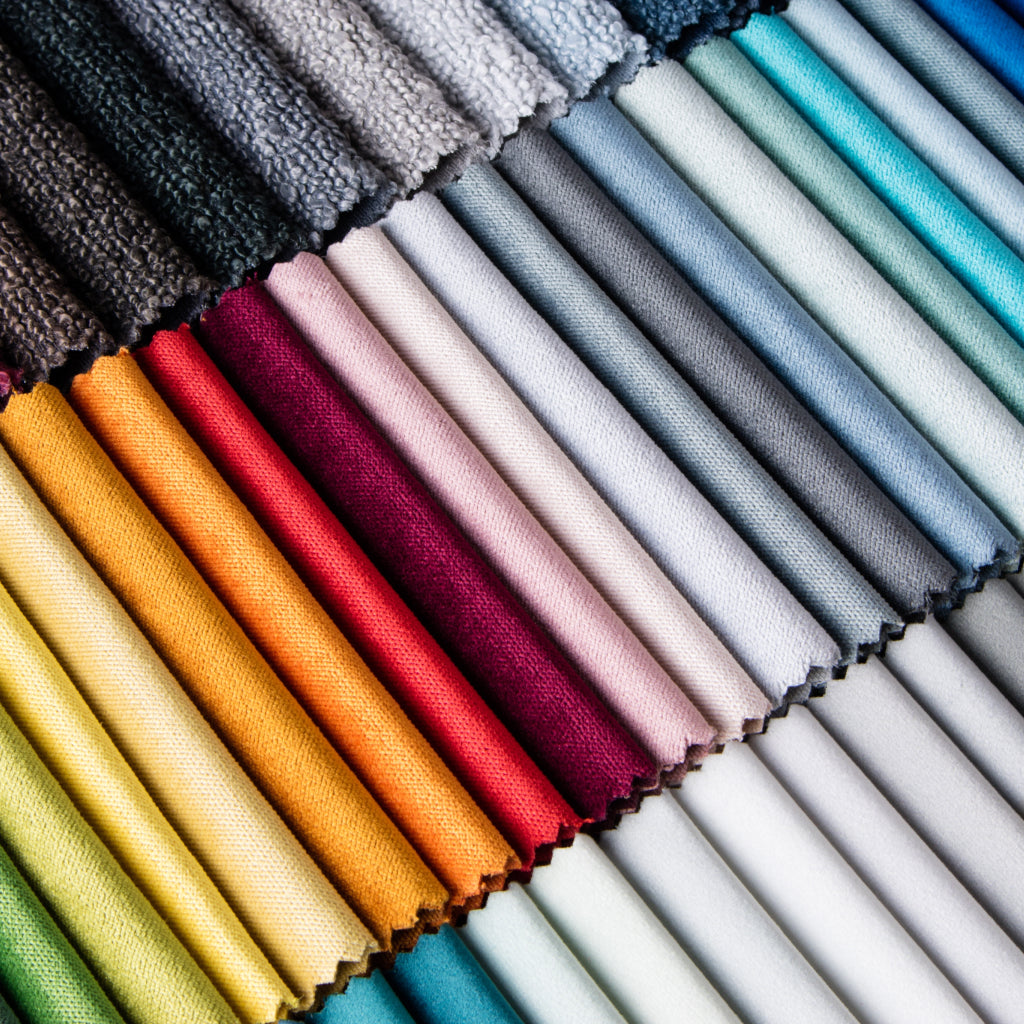
Deep blues, reds, and purples often reveal fading sooner because their dye systems can absorb substantial light energy. Saturated color does not automatically indicate poor quality, though a shift is usually easier to see. A crimson curtain may show a lighter window-side panel sooner than textured taupe upholstery.
Fading cannot be cleaned away; reduced exposure is what prevents further change.
Keep that limitation in mind when selecting a statement piece or commissioning custom upholstery. A premium fabric still needs sensible placement and a window strategy, especially in bright Atlanta interiors with broad expanses of glass. A finish may help, but daily exposure determines how much protection the textile receives.
Understanding Lightfastness Ratings
A fabric specification sheet can reveal more about expected color stability than its color name. Lightfastness measures how well a textile resists color change under controlled light exposure. One common system is the 8-point Blue Wool Scale, where 1 is very poor and 8 is excellent. Upholstery commonly falls around 4 to 5, while 5 or higher is generally preferred for drapery (lightfastness rating guidance).
Testing may also use AATCC or ISO exposure methods. One indoor upholstery benchmark uses 40 hours of direct UV exposure from an artificial lamp, followed by comparison with the original fabric and a blue-scale reference (indoor upholstery testing explanation). Those laboratory hours do not translate directly into a promised service life at home. Window orientation, glazing, curtains, installation, climate, and daily exposure all affect the result.
A useful showroom comparison
| Blue Wool Rating | AATCC 16 Hours | Real-World Expectation | Best Use |
|---|---|---|---|
| 1 to 3 | Not consistently comparable across specifications | Vulnerable in bright rooms | Low-light decorative use |
| 4 | Around the common upholstery benchmark when specified by the mill | Suitable for moderate exposure with protection | Upholstery away from direct sun |
| 5 | Often preferred for stronger indoor exposure | Better choice for bright living spaces | Upholstery and many drapery applications |
| 6 to 8 | Higher resistance under standardized testing | Appropriate for demanding light conditions, subject to installation | Direct-light drapery and heavily exposed textiles |
Use these numbers to guide a purchase conversation, not to make the decision alone. A rating may apply to one dye lot or colorway. A printed pattern may also perform differently from its ground cloth. Lightfastness measures color change, not every type of strength loss, abrasion, or general wear.
Ask the showroom: “What's the lightfastness rating on this specific colorway, not just the fiber?” For sunny upholstery, 4 or higher is a practical threshold. Direct-light drapery usually calls for stronger performance, commonly 5 or higher. Some interior textile guidance recommends 5 to 6, with 6 or higher near very intense sunlight and large south-facing windows (color-fastness guidance).
A high rating helps, but it does not cancel exposure. The rating describes the textile's tested resistance. Window coverings, placement, and controlled daily light determine how closely your room matches that test..finish sprays may support a fabric, yet the textile's construction and the amount of light reaching it remain the stronger factors.
Choosing Fabrics That Resist Sun Damage
Fiber matters, but the way a textile is made and dyed often matters just as much. Solution-dyed acrylic is a strong category for demanding sun exposure because the color is integrated into the fiber rather than applied only to the outside. Industry sources report solution-dyed acrylic with 5,000 to 10,000 hours of UV exposure life and a service life of 8 to 15 years, while average outdoor fabrics may be closer to 300 hours or within the broader range of 500 to 2,000 or more hours, depending on construction and finish (textile standards and performance guidance).
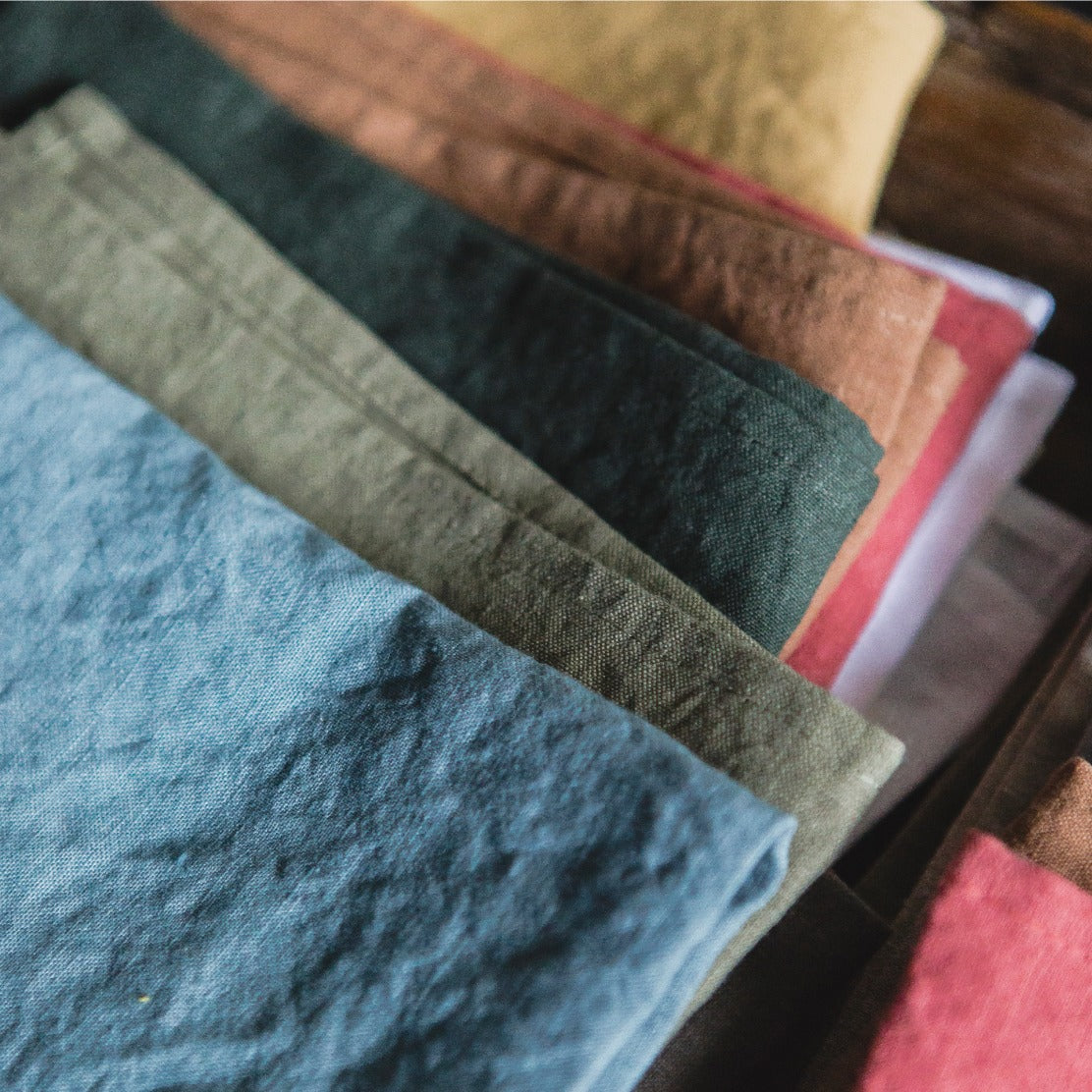
Polyester can also perform well, particularly in dense, solution-dyed, or purpose-made performance constructions. Natural fibers deserve a more nuanced reading. Linen and cotton bring texture and refinement to luxury home furnishings, but they can fade in strong light and work best in lower-light rooms, behind a lining, or with operable shades. Wool often surprises homeowners with comparatively strong lightfastness, especially in softer, muted colors.
Match the textile to the job
| Fiber or Construction | Sun Resistance | Best Application | Honest Take |
|---|---|---|---|
| Solution-dyed acrylic | Strong for sustained exposure | Sunrooms, outdoor areas, exposed upholstery | One of the safest choices when color retention is the priority |
| Dense polyester | Often dependable when purpose-made and tightly woven | Drapery, performance upholstery | Evaluate the actual construction and rating, not the fiber name alone |
| Wool | Often good, especially in muted tones | Upholstery and rugs | A refined option that still needs sensible exposure management |
| Linen or cotton | More vulnerable in direct light | Low-light upholstery and lined drapery | Beautiful, breathable, and not a substitute for window protection |
| Silk or viscose | Poor choice for direct sun | Decorative, low-light applications | Reserve for pieces treated as display textiles |
| Tight weave or patterned construction | Construction can reduce light penetration and disguise modest shifts | Upholstery, drapery, and rugs | A pattern can hide gradual change better than a solid |
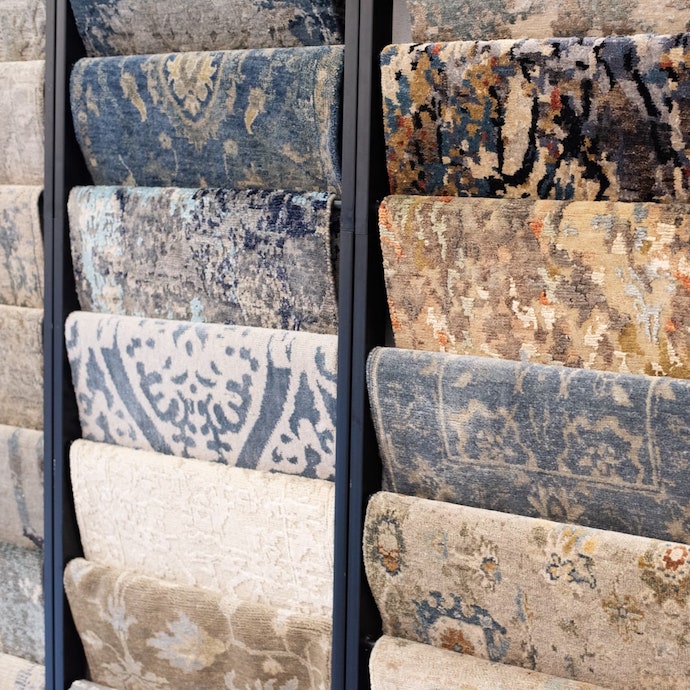
For rugs, wool and solution-dyed polypropylene are practical choices in sunny entries, while viscose and silk belong away from direct exposure. A dense weave or high thread count can provide more useful protection than fiber marketing alone. If you're comparing materials for a premium sectional or custom chair, inspect the back of the sample and hold it toward a light source. Open construction becomes obvious quickly.
For homeowners comparing fade resistant window materials, the same rule applies to furniture textiles. Start with the window, then evaluate the fabric. A high-quality couch with a carefully selected performance textile will still fade if it sits in an unprotected afternoon sun path. For additional textile-selection context, review fade-resistant fabrics alongside the mill's own specification sheet.
Window Treatments That Block the Damage
A sofa placed beside an unshaded afternoon window can change before the rest of the room does. The glass is usually the most effective place to intervene. Fading comes from ultraviolet radiation, visible light, and solar heat, so protecting the fabric alone leaves part of the exposure untreated. A practical window plan layers controls according to the room's orientation, glass, and daily sun.
Start with the glazing. A professionally selected UV-filtering film can reduce radiation entering the room without replacing the window. Film performance depends on the existing glass, exposure duration, and installation quality, so specify it for the actual window rather than choosing by label alone. Practical guidance on how to protect your home from UV rays can help homeowners compare glazing options.
Build protection in layers
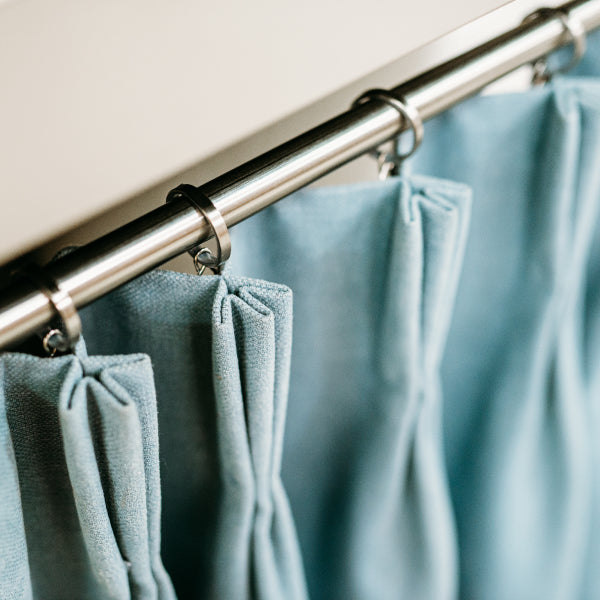
A sheer close to the glass diffuses intense light while keeping the room brighter. Tightly woven polyester works well for this role because it can soften exposure without the weight of a lined curtain. Add heavier lined drapery where a sofa, rug, or custom upholstered piece sits close to the window.
The lining changes both protection and handling:
- Blackout lining gives the strongest light control when a darker room is acceptable.
- Interlining adds body, insulation, and another barrier between the face fabric and the glass.
- Standard sateen lining provides separation and a finished appearance without the bulk of full blackout construction.
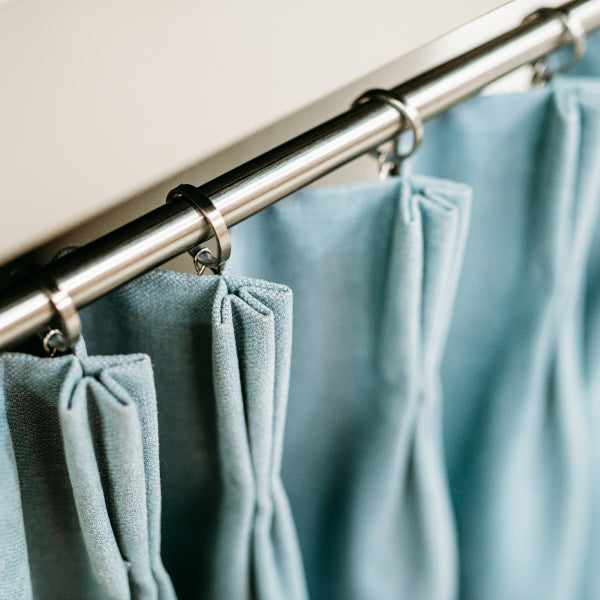
Specify the lining with the face fabric, not as an afterthought. Guidance on how drapery lining protects custom drapes is useful when ordering made-to-measure panels. Unlined drapery commonly shows change first along folds and window-side edges, where exposure is uneven.

Roman shades with lining, cellular shades, and operable woven shades can protect nearby upholstery and rugs while serving different needs. Choose based on glare, privacy, insulation, and the amount of light you need to block. For new construction or major renovation, thermal and acoustic glazing adds a permanent layer of control. Existing homes can combine film, sheers, lined drapery, and shades room by room, which is often more practical for an Atlanta, Sandy Springs, or North Atlanta residence.
The Truth About UV Sprays and Protectants
A topical spray sounds appealing because it promises an easy answer. In practice, many retail protectants focus on water and stain repellency, using silicone- or fluorocarbon-based finishes. That can be useful for soil resistance, but it doesn't make a delicate fabric safe beside a bright, unshaded window.
Independent research summarized in 2024 explains that UV absorbers can absorb short-wave light and release it as heat, but a separate review of upholstery protectors reported that fluorocarbon- and silicone-based finishes with UV absorbers didn't significantly reduce fading or substantially improve lightfastness in tested upholstery fabrics (textile finishing research). Performance can also vary with fiber, dye chemistry, cleaning, and the way the finish was applied.
A protectant may help a busy family room resist soil. It isn't a substitute for a lined window treatment.
That distinction matters when the furniture is expensive. A modest bottle of spray won't rescue a silk sofa or custom chair placed in direct afternoon sun. It may have a limited role on a rug already shielded by a low window, outdoor cushions that are stored when unused, or upholstery where soil protection is the primary goal.
Before spending on a miracle coating, put the budget toward a better lining, UV-filtering film, or sacrificial sheer. Those measures address exposure at the window and continue working without depending on a surface finish surviving repeated cleaning. For a broader explanation of practical furniture treatments, see fabric protection for furniture.
In-factory UV inhibitors are a different category. A mill can engineer a finish or dye system for a specific fiber and construction, then test it under controlled conditions. That doesn't eliminate the need for exposure management, but it is more credible than assuming an after-market spray will transform an unsuitable fabric into a sunproof one.
Placement and Daily Habits That Extend Fabric Life
A beautiful room doesn't need to become a dark room. It needs a little scheduling and a layout that respects the sun path. In an Atlanta home, south- and west-facing rooms deserve special attention because afternoon exposure can fall directly across a sofa, rug, or window seat.
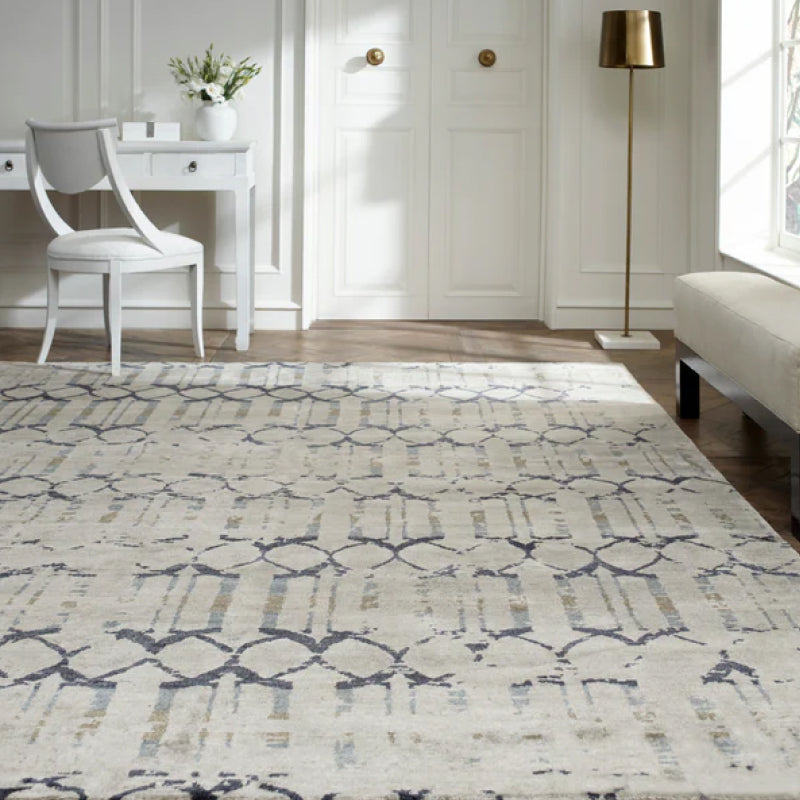
Start with the furniture arrangement. Pulling a sofa away from the brightest window path, even modestly, can reduce the intensity reaching the upholstery. Don't place a premium sectional flush against hot glass just because the wall seems to be the most obvious location. A custom chair that can move seasonally gives you more control than a fixed piece trapped in one exposure zone.
Make exposure less uneven
Rotate cushions so the same face doesn't receive every hour of light. Move loose pillows, throws, and occasional chairs through the room when the layout allows it. Rotate area rugs periodically so one section doesn't remain permanently in the brightest rectangle.
A simple routine works well:
- Watch the sun path: Check the room at different times of day and identify where direct light lands.
- Operate the treatments: Close lined drapery or adjust shades during the strongest exposure period.
- Remove abrasive dust: Vacuum upholstery and drapery with suitable brush attachments so particles don't grind into fibers.
- Address spills quickly: Prompt spot treatment reduces the chance of a visible mark becoming more pronounced against an already changing ground.
The same principle applies to curtains. A panel that stays tightly gathered beside a bright window may show uneven color before the rest of the room does. Open, close, and redistribute panels when practical, and inspect the leading edges, folds, and hem for early changes.
The best maintenance plan is the one you can repeat without thinking about it.
Atlanta's bright seasons make consistency more valuable than occasional heroic cleaning. If a fabric has already begun to fade, document the exposure pattern before changing the layout. That information helps a designer or upholsterer choose a more suitable fabric and treatment for the next iteration.
Your Long-Term Fabric Protection Plan
A beautiful sofa placed beside an unprotected window can start changing before the room looks different. Protecting it requires several modest defenses, beginning before the fabric is ordered, especially for custom furniture, designer pieces, or statement upholstery in a heavily glazed room.
Start with the textile
Request the lightfastness rating for the exact colorway, not just the fabric name. For demanding interiors, stronger performance is preferable. Blue Wool ratings of 6 or higher are often suited to intense exposure, while indoor upholstery is commonly assessed around the 40-hour direct UV benchmark, as noted earlier. Use these figures to compare options, not to predict an exact service life. Window orientation, glazing, and treatment operation still control the result in the room.
Construction and dye system matter alongside the rating. Dense cloth, stable dyes, and suitable performance fibers generally give you more margin. Linen, silk, and richly saturated red can still be appropriate, but place them where the room can support them. A less exposed wall, lined window treatment, or movable furniture plan may preserve the look without abandoning the material you want.
Layer the room-side protection
Use more than one window defense where direct light is strong. UV-filtering film, operable sheers, and lined drapery or shades can work together, with the treatment closed while sunlight reaches the upholstery. Waiting until fading is visible means the exposure has already done its work.
A quality lining also improves insulation, fullness, and the way custom drapery hangs. That makes it a functional part of the room, rather than a coating added after the fabric has been chosen.
Keep changing the exposure
Rotate loose cushions, reposition movable pieces, and turn rugs periodically. Inspect the room seasonally, especially the window-side edge of a sofa, the top fold of a curtain, and the uncovered area beneath a cushion. Early unevenness gives you time to change the exposure before the whole textile shifts.

Use this weekend checklist:
- Identify direct-light zones: Mark where sun reaches upholstery, rugs, and drapery.
- Check specifications: Ask for the exact lightfastness rating of each proposed colorway.
- Improve the window: Consider film, sheers, lining, shades, or glazing for the room.
- Reposition the furnishings: Move vulnerable pieces out of direct paths where possible.
- Create a rotation habit: Turn cushions and rugs before uneven fading becomes obvious.
- Clean without abrasion: Remove dust carefully and seek professional advice for delicate fibers.
Premium furniture is purchased for a long service life, not one decorating season. Proper lining and glazing can support that investment. Sprays and miracle coatings rarely change the underlying exposure, and they cannot compensate for a fabric that is poorly suited to the window.
Lewis and Sheron Textiles offers performance fabrics with UV resistance, outdoor fabrics treated for UV protection, custom drapery lining, made-to-order upholstered furniture, reupholstery, and design support for Atlanta-area interiors. Visit Lewis and Sheron Textiles to discuss a lightfast textile, window treatment, or custom furniture plan suited to your room's actual sun exposure.