


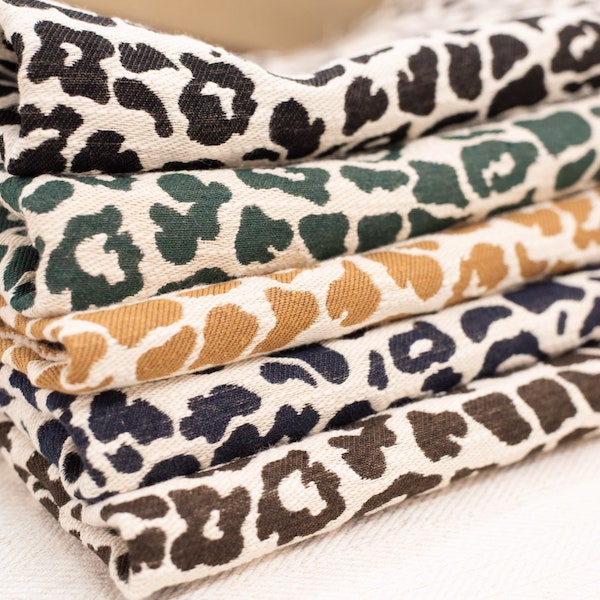
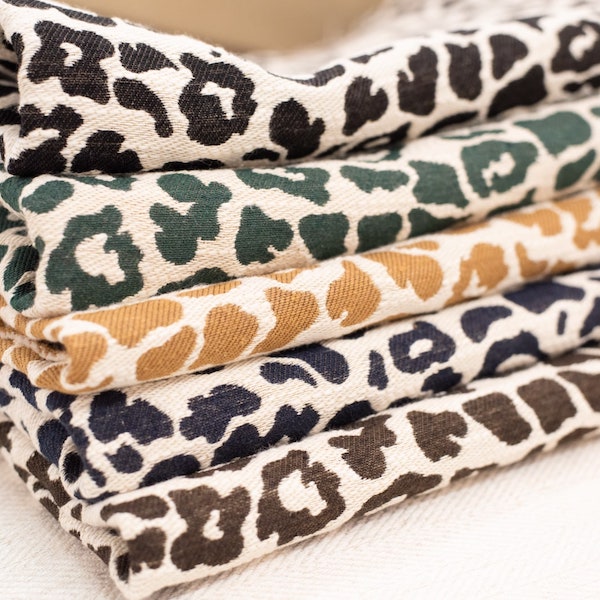
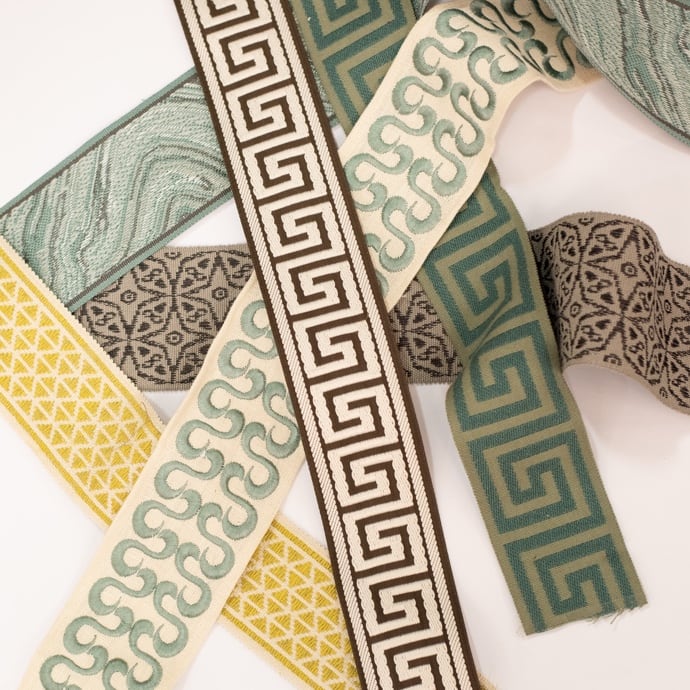

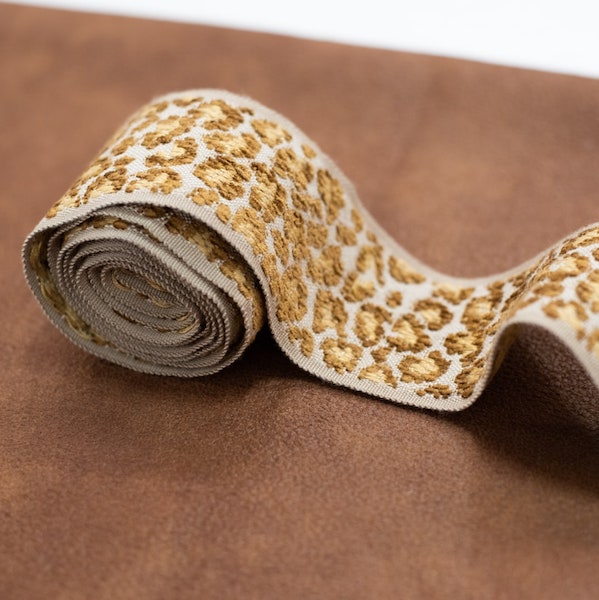

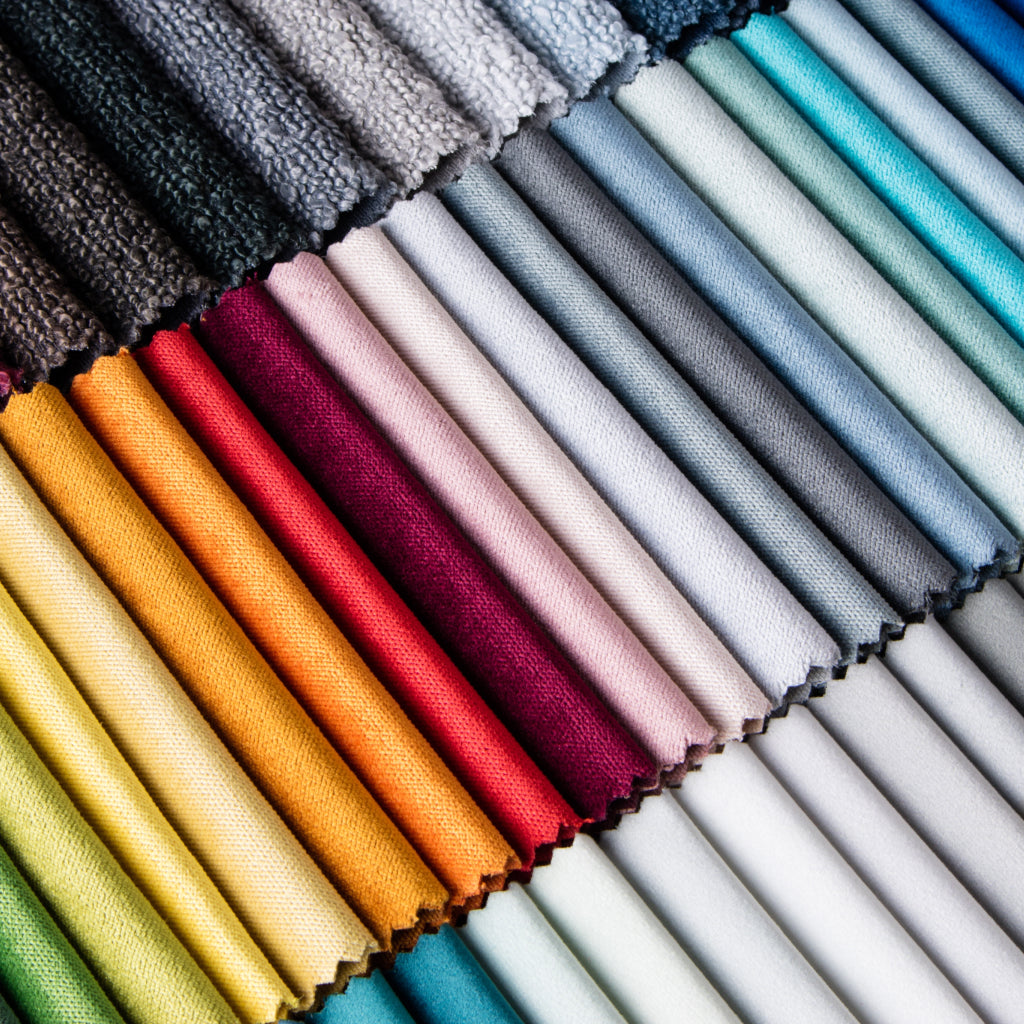







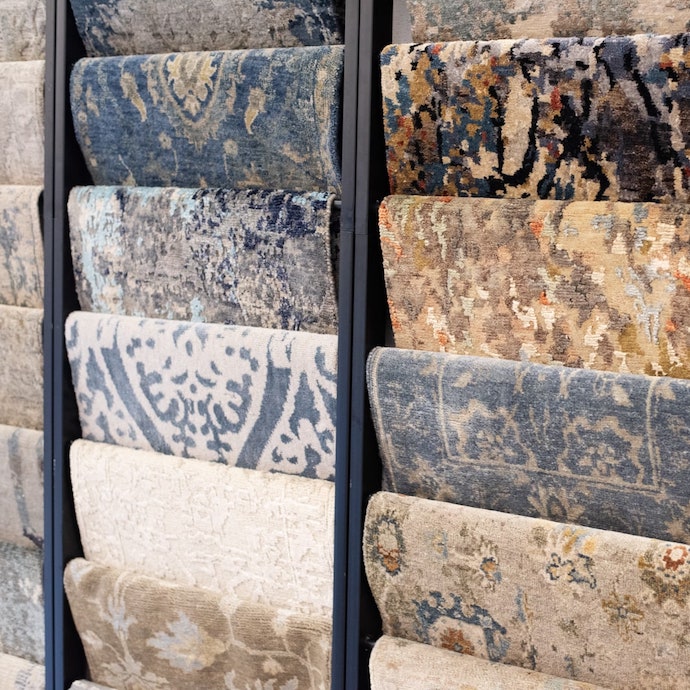
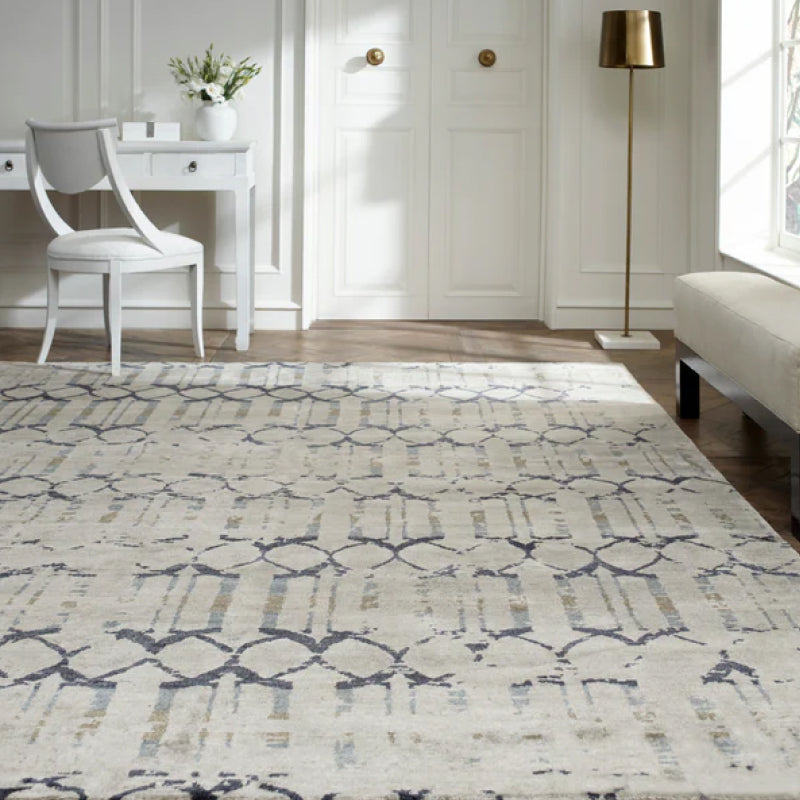
Mainstream upholstery fabric typically costs $30 to $60 per yard, while designer or performance grades can run $100 to $200 or more per yard. A typical sofa needs 10 to 20 yards, so fabric alone often lands between $300 and $4,000 or more before labor.
You're probably looking at a tired sofa, a well-built chair with dated fabric, or a custom sectional that deserves better than an off-the-floor replacement. In Atlanta, Buckhead, Alpharetta, Roswell, and Sandy Springs, that decision usually comes down to more than the price on a fabric sample. You're choosing how the piece will feel, clean, wear, and look several years from now.
The practical question isn't “What's the cost of upholstery fabric per yard?” It's what will this fabric cost per usable year of life? A less expensive textile can be a poor value if it stains, pills, fades, or needs replacement quickly. A premium fabric can make financial sense when it protects an heirloom-quality frame and keeps a luxury sofa in service for years.
What Upholstery Fabric Actually Costs Per Yard
Start with the fabric grade, not the showroom label. Basic upholstery textiles, including straightforward cotton blends, woven polyester, and residential prints, commonly sit in the $30 to $60 per yard range. Budget stock can be found around $10 to $20 per yard, while designer and classic fabrics may reach $100 to $200 per yard according to consumer pricing guidance summarized by FRED's textile-products price series and the fabric yardage cost guide.
A mid-grade designer textile often occupies the space between commodity fabric and luxury house collections. You're paying for a more distinctive weave, stronger design development, better color control, or a respected mill. Luxury performance fabrics can move above that middle tier because stain protection, abrasion resistance, fiber engineering, and limited distribution add cost.
| Fabric Grade | Price Per Yard | Typical Use |
|---|---|---|
| Budget stock | $10 to $20 | Guest rooms, low-use chairs, temporary updates |
| Mainstream residential | $30 to $60 | Sofas, lounge chairs, everyday seating |
| Mid-grade designer | $60 to $100 | Custom furniture and refined living rooms |
| Luxury or performance | $100 to $200+ | Heirloom pieces, statement furniture, demanding rooms |
A sofa's total fabric bill depends on its size, cushion configuration, skirt, arm shape, and pattern repeat. A standard sofa often takes 10 to 20 yards, which creates a fabric-only range of roughly $300 to $4,000 or more before labor, as described in the upholstery fabric pricing reference. That's why a small change in grade can produce a large change in the finished quote.
Practical rule: Never approve a fabric from the per-yard price alone. Ask for the required yardage, the expected waste, and the final fabric line item.
The United Kingdom's Office for National Statistics upholstery textile series also tracks “furnishing fabrics and curtains” as a distinct consumer-price category, with a 2015=100 base. That framework reinforces a point I make in the showroom: upholstery textiles are part of the broader household textile economy, not an isolated luxury purchase.
The usable-year test starts here. A beautiful $40 fabric that fails early may cost more over the life of the furniture than a $100 fabric that keeps a high-quality couch presentable and comfortable for much longer.
The Key Price Drivers Behind Every Fabric Line
The bolt label tells you more than the brand name. Fiber content, construction, width, repeat, finish, and distribution all influence the cost of upholstery fabric, but they don't matter equally.

Fiber and construction
Fiber content is usually the first place I look. Solution-dyed acrylics, performance polyesters, treated linens, wool blends, and tightly engineered synthetics generally cost more than commodity cotton because the yarn, finishing, and performance requirements are more demanding. Natural fibers can also command a premium for hand, origin, and design character, even when they're less practical in a busy family room.
Weave complexity adds another layer. A plain solid is efficient to manufacture. A multicolor jacquard, hand-loomed bouclé, textured chenille, or intricate damask requires more design and production work. You're not just buying thread. You're buying the construction that creates the surface, depth, and visual movement.
Repeat and usable width
Pattern repeat is the hidden multiplier. Large florals, bold geometrics, and directional motifs require the upholsterer to align seams and cushions, which creates unusable offcuts. The headline price can look reasonable until the workroom calculates how much material must be sacrificed for a clean match.
Width matters too. Standard upholstery textiles are commonly 54 to 60 inches wide, and a 54-inch width provides about 1.5 square yards of coverage per linear yard, as explained by the fabric measurement and yardage calculator. A wider bolt may improve yield on broad seats, while a narrower decorator textile can increase waste.
Performance finishes and supply position
Stain resistance, UV protection, and engineered abrasion performance add value, but they also add cost. Crypton and Sunbrella typically sit above basic polyester blends, with independent pricing references placing performance upholstery around $20 to $55 per yard wholesale, with retail prices commonly higher. The same references cite durability benchmarks of 100,000 or more double rubs for those products, compared with about 50,000 to 100,000 for mid-tier microfiber, as documented in the performance upholstery calculator.
Country of origin, limited production, minimum cut requirements, and trade distribution can move the price even when two fabrics look similar. For a deeper explanation of fiber, weave, backing, and upholstery construction, the upholstery materials guide is a useful reference.
My Atlanta showroom ranking is simple. First, choose the right performance for the room. Second, control repeat waste. Third, decide whether the weave and fiber justify the design premium. Brand prestige comes after those decisions.
Performance and Natural Fabrics Side by Side
A formal living room and a Buckhead family room should not receive the same textile because the colors match. Atlanta humidity, pollen, strong seasonal sunlight, children, pets, and frequent entertaining make cleanability part of the fabric's usable-life calculation.
| Fabric Type | Price Per Yard | Durability (Double Rubs) | Best Room |
|---|---|---|---|
| Basic cotton or cotton blend | $10 to $60 | Rating varies by construction | Formal or low-use seating |
| Mid-tier microfiber | $30 to $60 | About 50,000 to 100,000 | Everyday family seating |
| Crypton or Sunbrella performance fabric | $20 to $55 wholesale, retail commonly higher | Often 100,000+ | High-traffic rooms |
| Solution-dyed acrylic | Varies by collection | Built for demanding use and sunlight | Sunrooms and covered outdoor areas |
| Linen, wool, or premium natural blend | Varies by fiber and collection | Rating varies by construction | Formal rooms and statement pieces |
Crypton and Sunbrella make sense for premium sectionals, media rooms, and family sofas where spills are part of daily life. Their engineered finishes and abrasion performance can reduce the chance that staining or a worn seat triggers an early reupholstery project. That protection can lower cost per usable year, even when the initial yard price is higher.
The trade-off is feel and selection. Some performance fabrics feel more technical, and their color or texture ranges may be narrower than luxury natural collections. Review the cleaning requirements and hand feel before approving a large cut. The guide to choosing the best performance fabrics offers a useful comparison of performance categories.
Solution-dyed acrylic works well in bright rooms and sunrooms because the color runs through the fiber instead of sitting only on the surface. A textiles durability reference places its service life at roughly 8 to 15 years and its UV exposure resistance at 5,000 to 10,000 hours, depending on use and conditions. That longer service window can make it a better value than a cheaper fabric that fades quickly.
Natural linen, cotton, and wool remain strong choices for formal interiors. They provide texture, breathability, and an aging pattern that synthetic cloth may not match. They require more care around wine, muddy paws, and daily snacks, so I would not specify delicate linen for a main family sectional unless the owner accepts the maintenance.
For sofa-selection guidance based on lifestyle, see this upholstery fabric resource from Critelli Furniture.
Choose by room demands, cleaning tolerance, and expected service life. The right fabric is the one that delivers the lowest practical cost per usable year, not automatically the one with the lowest price per yard.
Calculating Yardage and Total Project Cost
A professional workroom doesn't multiply a random fabric price by a rough sofa estimate and call it done. It begins with the furniture dimensions, then accounts for pattern, direction, seams, cushions, and construction details.
Start with the base yardage
Use the furniture category as a starting point:
- Accent chair: 3 to 5 yards
- Standard sofa: 10 to 14 yards
- Large sectional: 18 to 25 yards
Those figures are planning ranges, not guarantees. A skirted sofa, deep frame, loose cushions, or large repeat can push the requirement higher. The fabric cost calculator also emphasizes that usable yardage, matching allowances, and performance selections can change the actual budget.
For a repeat, add material before you calculate the fabric bill. A small repeat under 8 inches may call for a 10% allowance, a standard printed repeat may require 15%, and a motif over 24 inches can require 20%, according to the project-planning assumptions supplied for this guide. If you choose not to railroad a wide stripe or pattern, allow another 10%. Separately matched cushions may require 1 to 2 additional yards.
Add the workroom components
| Line Item | Quantity | Unit Price | Subtotal |
|---|---|---|---|
| Face fabric | 12 yards | $78 per yard | $936 |
| Lining or muslin | 8 yards | $8 to $15 per yard | $64 to $120 |
| Trim and welting | 30 linear feet | $2 to $6 per foot | $60 to $180 |
| Cushion fills | 3 cushions | $90 to $200 each | $270 to $600 |
| Labor | Project dependent | $40 to $85 per hour or flat quote | Quote required |
The arithmetic is straightforward once the allowances are honest. Multiply the final approved yardage by the fabric price, add lining, trim, cushion work, and labor, then confirm whether the quote includes pickup, delivery, frame repairs, and pattern matching. Cushion fill deserves attention because down-wrapped foam can create a different comfort level and a different project total than standard foam.
Before ordering: Get the workroom's yardage confirmation in writing. A bolt that appears to cover the sofa may not cover a directional nap, a matched repeat, or a full set of cushions.
For a useful explanation of purchasing quantities and checking fabric specifications, use this guide on how to buy fabric by the yard. The usable-year calculation is then simple. Divide the full project total by the years the furniture is expected to perform well, not by the initial fabric price.
Real Project Estimates From Chair to Sectional
These three examples show why the cost of upholstery fabric can't be separated from the furniture's scale and the workroom requirements. The calculations below use the supplied project assumptions, so treat them as planning illustrations rather than universal quotes.
Project A, the accent chair
A small Parsons accent chair in a $42 solid cotton-linen blend requires 4 yards, producing $168 in fabric. Add $45 for lining and $60 for labor, creating a basic subtotal around $273 before any additional finishing or shop-specific charges.
| Project | Fabric Grade | Yardage | Fabric Cost | Total Estimate |
|---|---|---|---|---|
| Parsons accent chair | Cotton-linen blend | 4 yards | $168 | Around $315 to $375, finished price roughly $600 to $800 |
| Three-seat sofa | Performance fabric | 12 yards | $936 | Around $2,100 to $2,400 |
| Large L-sectional | Crypton pattern | 22 yards | $2,970 | Around $5,000 to $5,500 |
The finished chair range reflects the supplied planning scenario, which includes additional project considerations beyond the basic fabric, lining, and labor subtotal. For a low-use bedroom or occasional chair, this can be a sensible place to choose an expressive textile without needing the highest performance specification.
Project B, the everyday sofa
The standard three-seat sofa uses 12 yards at $78 per yard, or $936 in fabric. The rest of the scenario includes $120 for lining, $180 for trim, $480 for labor, and three cushion fills at $130 each, or $390. The total planning range is approximately $2,100 to $2,400.
That's the type of project where a mid-to-upper performance fabric earns its keep. The material bill is meaningful, but the sofa is also likely to be used constantly. A fabric that cleans well and resists abrasion can protect the frame and the rest of the reupholstery investment.
Project C, the large sectional
The large L-sectional uses 22 yards of $135 Crypton fabric, producing $2,970 in fabric. The scenario adds $180 for lining, $240 for trim, $900 for labor, and five cushion fills at $150 each, or $750, creating a total estimate around $5,000 to $5,500.
The 27-inch repeat is the important detail. A bold pattern doesn't just raise the material cost. It affects layout, matching, cutting, sewing, and installation. For premium sectionals in large North Atlanta homes, I'd rather see a buyer spend deliberately on a durable fabric than save on the face cloth and compromise the appearance of the entire room.
Durability, Double Rubs, and Cost Per Usable Year
A fabric's price per yard tells only half the story. The better question is how much usable life that yard delivers. Double rubs help measure abrasion resistance, but furniture also faces pilling, soil, sunlight, cleaning, seam stress, and repeated sitting.

A furniture materials guide identifies 25,000 or more Martindale rubs as a benchmark for everyday residential use in designer-quality upholstered furniture. It recommends foam densities of 30 to 35 kg/m³ for daily seats and 35 to 40 kg/m³ for premium use. See the designer upholstered furniture materials guide for those specifications.
Performance references commonly place Crypton and Sunbrella at 100,000 or more double rubs, while mid-tier microfiber falls around 50,000 to 100,000. As noted in the earlier performance-fabric pricing reference, use double-rub ratings as a screening tool, not a promise of comfort, appearance, or total service life. For a heavily used residential sofa, I recommend starting at 30,000 double rubs and then checking cleanability, hand, light exposure, and pattern suitability.
Cost per usable year makes the tradeoff clearer:
- A $300 mid-grade fabric lasting 8 years costs $37.50 per usable year.
- A $900 performance fabric lasting 20 years costs $45 per usable year.
- A $2,000 designer wool lasting 30 years costs about $67 per usable year.
These examples use the supplied lifecycle assumptions. The premium option costs more each year in the calculation, but it may be the sounder choice for heirloom furniture when replacement or early reupholstery would be disruptive.
A quality sofa guide places high-end sofas at 15 to 25 years, with reupholstery extending service further. It lists Crypton or Sunbrella performance fabrics at 10 to 15 years, heavy-duty upholstery fabric at 7 to 12 years, and full-grain leather at 20 to 30 or more years, as outlined by The Mod Studio's quality sofa guide.
My recommendation: Fund the frame, cushion construction, and fabric performance before a famous label. A properly specified textile protects a strong sofa, while an expensive face fabric cannot fix weak construction.
In-Stock, Special Order, and Custom Upholstery in Atlanta
Atlanta buyers generally choose among three sourcing paths. The right one depends on whether you value immediate availability, broader design selection, or a precise custom result.
| Path | Price Per Yard | Lead Time | Best For |
|---|---|---|---|
| In-stock fabric | $30 to $60 | Immediate or short availability | Fast updates and straightforward solids |
| Special order | $80 to $200 | Several weeks | Designer patterns and coordinated rooms |
| Bespoke custom upholstery | Fabric varies, labor is additional | Several weeks or more | Custom furniture, COM, matched details |
In-stock
In-stock fabric is the fastest route for a project that needs to move now. Local fabric districts, design centers, and showroom inventories can offer solids, small patterns, performance options, and remnants without waiting for a mill shipment. The limitation is selection. You're choosing from what's physically available, not specifying every detail from a full collection.
Special order
Special order opens the door to designer houses such as Kravet, Schumacher, and Robert Allen. You'll find more refined colorways, better coordination across a room, and distinctive textures, but availability, minimum cut policies, and shipping can affect the final decision. Always confirm the actual quantity available before approving a fabric for a large sofa.
Bespoke workroom service
Custom upholstery is the right path when you need COM, exact pattern placement, matched welts, a particular cushion configuration, or a made-to-measure piece. Atlanta buyers often work with experienced workrooms near ADAC or in Chamblee, where craftsmanship and communication matter as much as the textile itself.
For a practical look at the local process, this resource on an Atlanta custom upholstery workroom explains why a workroom quote should spell out fabric, labor, cushion treatment, trim, and delivery.
Lewis and Sheron Textiles offers in-stock bolts, cut-yardage options, custom upholstered furniture, and reupholstery services through its Atlanta design center. For homeowners and designers in Fulton County and surrounding markets, that combination allows a project to move from a quick fabric purchase to a coordinated designer furniture plan without changing sourcing partners.
Your best choice depends on the priority. Choose in-stock for speed, special order for selection, and custom upholstery when fit, construction, and long-term ownership matter most.
Smart Budgeting Tips and Common Questions
A lower yard price does not guarantee a lower ownership cost. Control waste, choose fabric for the furniture's workload, and compare the total project cost with usable years.
- Prevent shortages: Order 10% to 15% extra when the fabric has a repeat, directional nap, or matters for future repairs.
- Use railroaded fabric carefully: The right orientation can reduce waste on wide seats. Confirm the workroom can use it without harming the design.
- Find access without downgrading: Mill ends, remnant rolls, showroom sample sales, and decorator programs may provide better fabric at a lower price.
- Phase the room: Start with the sofa or sectional used every day, then recover occasional chairs and secondary seating.
- Price cushion construction separately: Down-wrapped foam changes comfort, maintenance, and budget. Require it as a distinct line in the quote.
Common questions
How long does upholstery fabric last? Heavy-duty upholstery fabric commonly serves for 7 to 12 years. Performance fabrics such as Crypton or Sunbrella may serve for 10 to 15 years, depending on use and care. Treat those ranges as planning guidance, then compare the fabric's price with the years you expect from the piece.
Can different fabric lines be mixed on one piece? Yes. Use one textile on the body and another on cushions or contrast welting, but expect added labor for matching, cutting, and coordination. Get a written workroom quote before approving the combination.
Where should you splurge? Spend on daily-contact areas, especially sofa decks, seat cushions, and arms. Save on low-use backs, hidden areas, or occasional furniture only when the appearance and construction still meet the room's needs.
For Atlanta projects, bring dimensions, room photos, and usage details to Lewis and Sheron Textiles. Review in-stock and special-order options, custom furniture, and reupholstery support with the design team. Ask which textile offers the strongest balance between purchase price, maintenance, and cost per usable year. That answer is more useful than comparing yard prices alone.