












You've found the perfect luxury sofa for the living room, selected a hand-knotted rug, and approved a fabric that looks exceptional in natural light. Then the pillows arrive, and the proportions feel wrong. The lumbar is too shallow for the deep seat, the pattern competes with the upholstery, and the supposedly decorative accents make the room look assembled rather than designed.
Custom pillow design solves that problem when it starts with architecture, comfort, and craftsmanship instead of color alone. In an Atlanta, Buckhead, Alpharetta, Roswell, or Sandy Springs home, a pillow should support the scale of the room and reinforce the quality of its high-end furniture. The right system can make a luxury sofa feel more intentional, give a premium sectional a finished silhouette, and add flexibility to custom upholstered furniture without replacing the underlying piece.
Defining Size and Shape for High-End Spaces
A grand room can absorb generous pillows, but a large pillow isn't automatically the right pillow. Start with the furniture, not the fabric. Measure the usable width of the sofa or sectional, the seat depth, the back height, and the distance between arms. For a custom chair or reading nook, record the interior width and the point where your back naturally rests. These measurements establish whether the pillow will support the body, fill a corner, or function purely as an accent.
Build the arrangement from the largest form
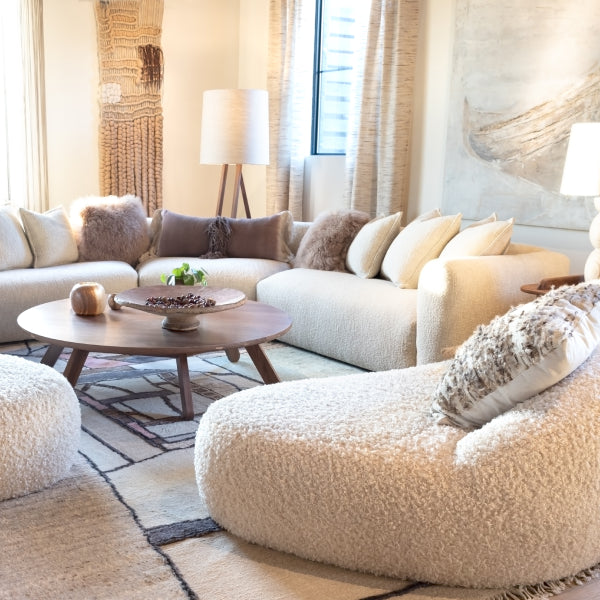
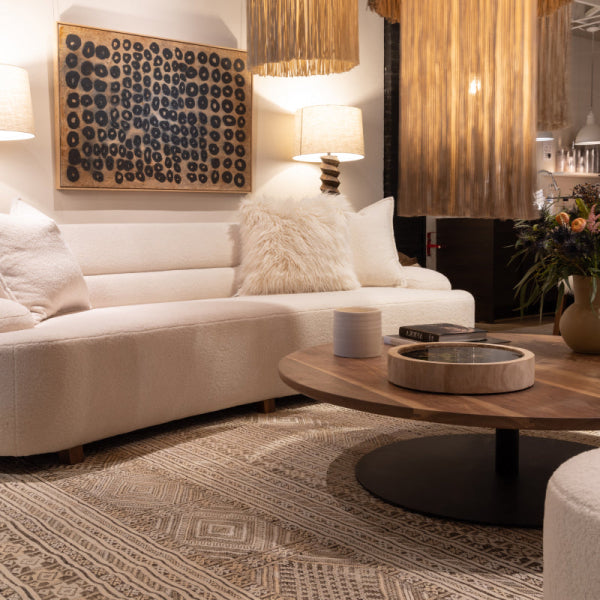
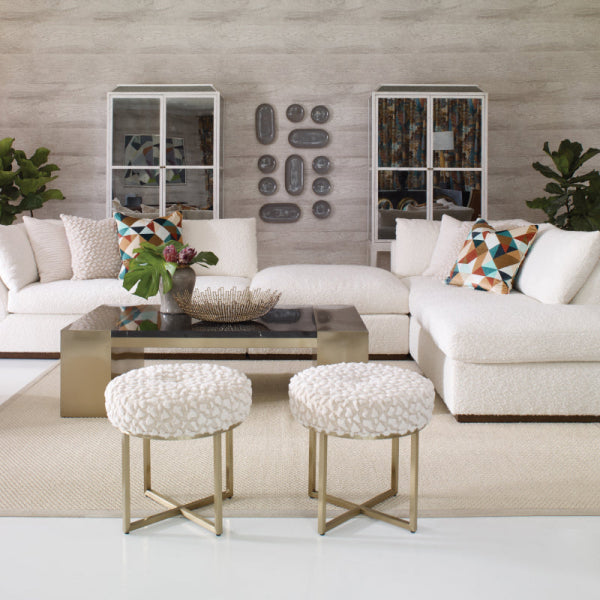
A deep premium sectional usually benefits from an oversized lumbar pillow that visually anchors the corner or chaise. Smaller square pillows can sit in front of it, creating layered depth without hiding the upholstery. On a custom designer sofa, a pair of structured squares may be more effective than a crowded arrangement because they preserve the clean line of the frame.
Allow for the insert when choosing the finished cover size. A cover may need to be cut with construction allowances, and the insert's actual dimensions can change the final loft and edge profile. A properly filled cover should look generous without forcing the seams to bow.
Use a simple sequence:
- Measure the furniture: Note the inside width, seat depth, back height, and arm position.
- Define the function: Decide whether each pillow supports the lumbar, fills a corner, or creates visual emphasis.
- Choose the finished dimensions: Account for the insert, seam allowances, and the amount of loft you want.
- Select the construction: Match the edge treatment to the furniture's character.
- Test with paper or muslin: Place temporary shapes on the sofa before approving expensive yardage.
For insert sizing and proportion, this pillow insert size guide is a useful reference before fabrication begins.
Let construction reinforce the furniture
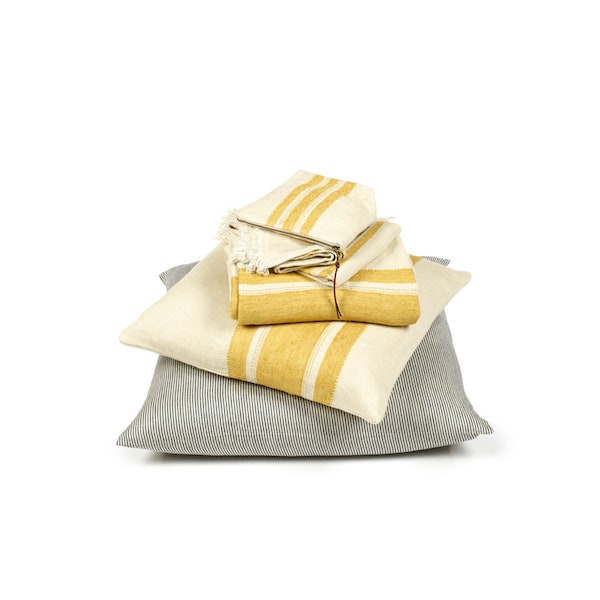
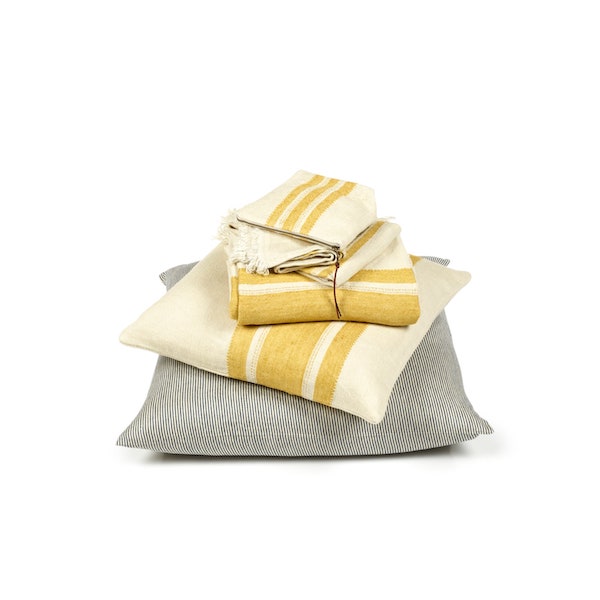
A knife-edge pillow feels crisp and contemporary, making it suitable for minimalist luxury sofas. A flange edge introduces a relaxed, hand-finished border that works well with Belgian linen or traditional interiors. A boxed pillow creates a stronger architectural profile and is often the right choice for a dense lumbar cushion, a banquette, or a custom upholstered headboard.
Practical rule: If the pillow's shape collapses when you remove the insert, the cover and fill haven't been specified as a complete design system.
Scale matters as much in an intimate room as it does in a formal living room. A compact custom chair may need one substantial statement pillow rather than several small accents. The objective is balance, with enough negative space for the furniture's frame, arms, and upholstery to remain visible.
Selecting Premium Fabrics and Artisanal Trims
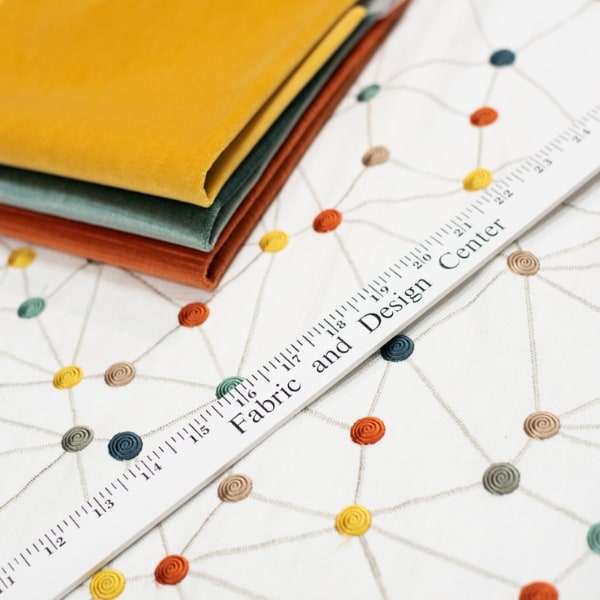
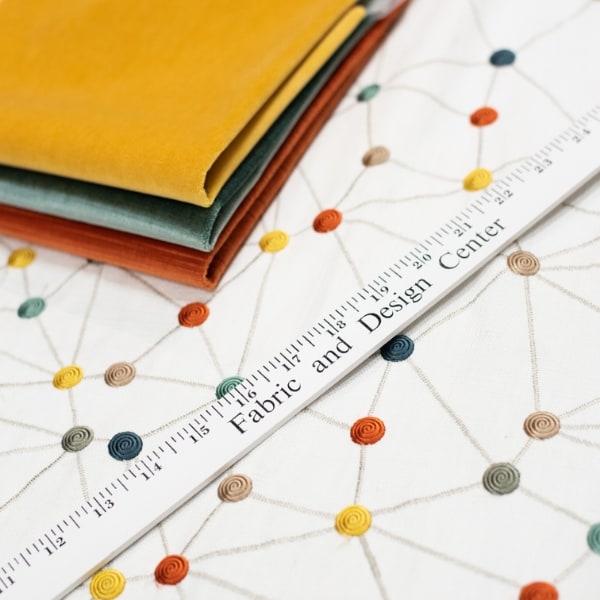
Fabric determines how a pillow looks, feels, ages, and responds to daily use. Choose it according to the room's behavior, not only the room's palette. A formal sitting room may reward a fragile, richly textured textile, while a family room needs a material that tolerates contact, movement, and cleaning.
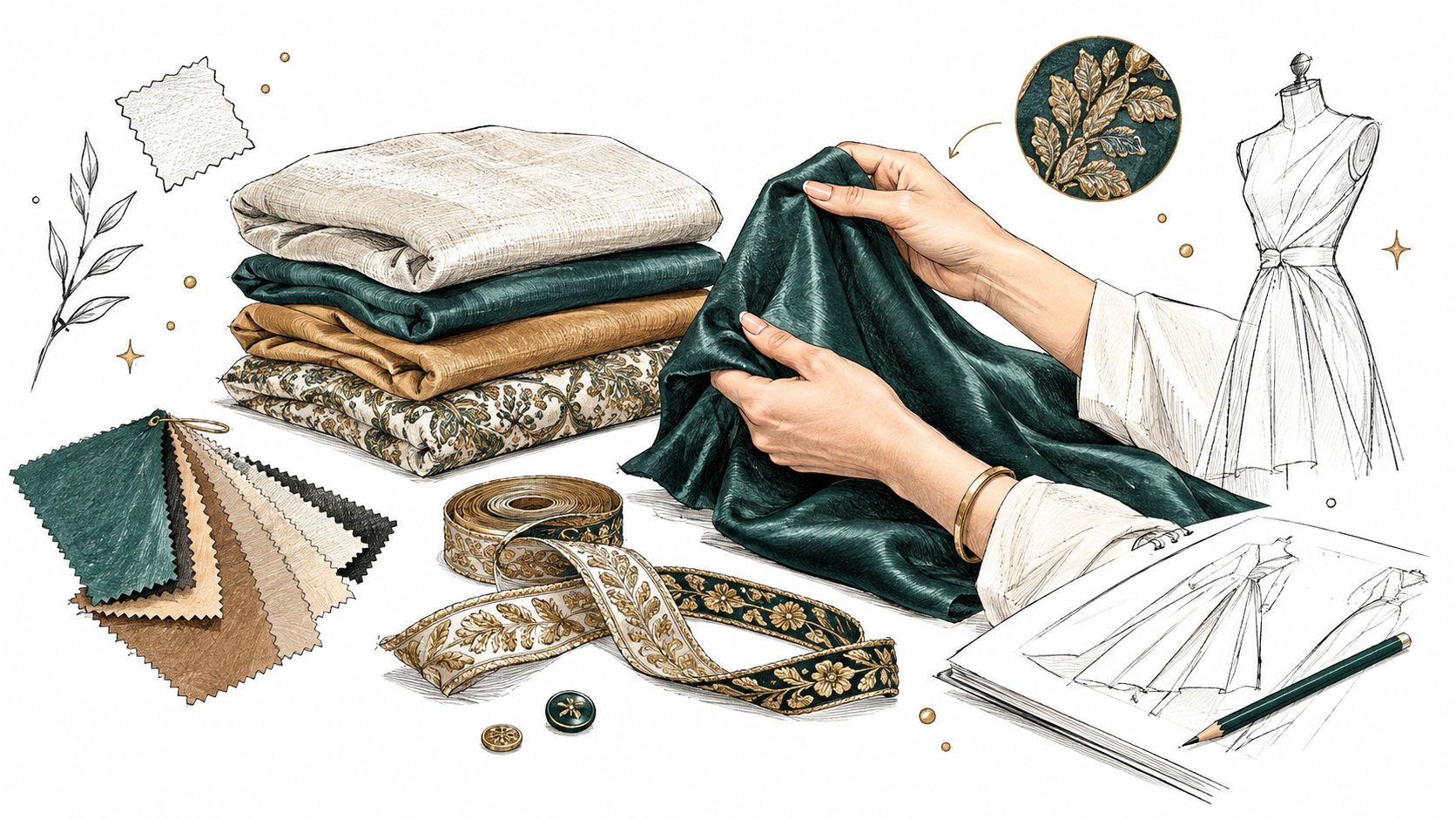
Compare the textile choices
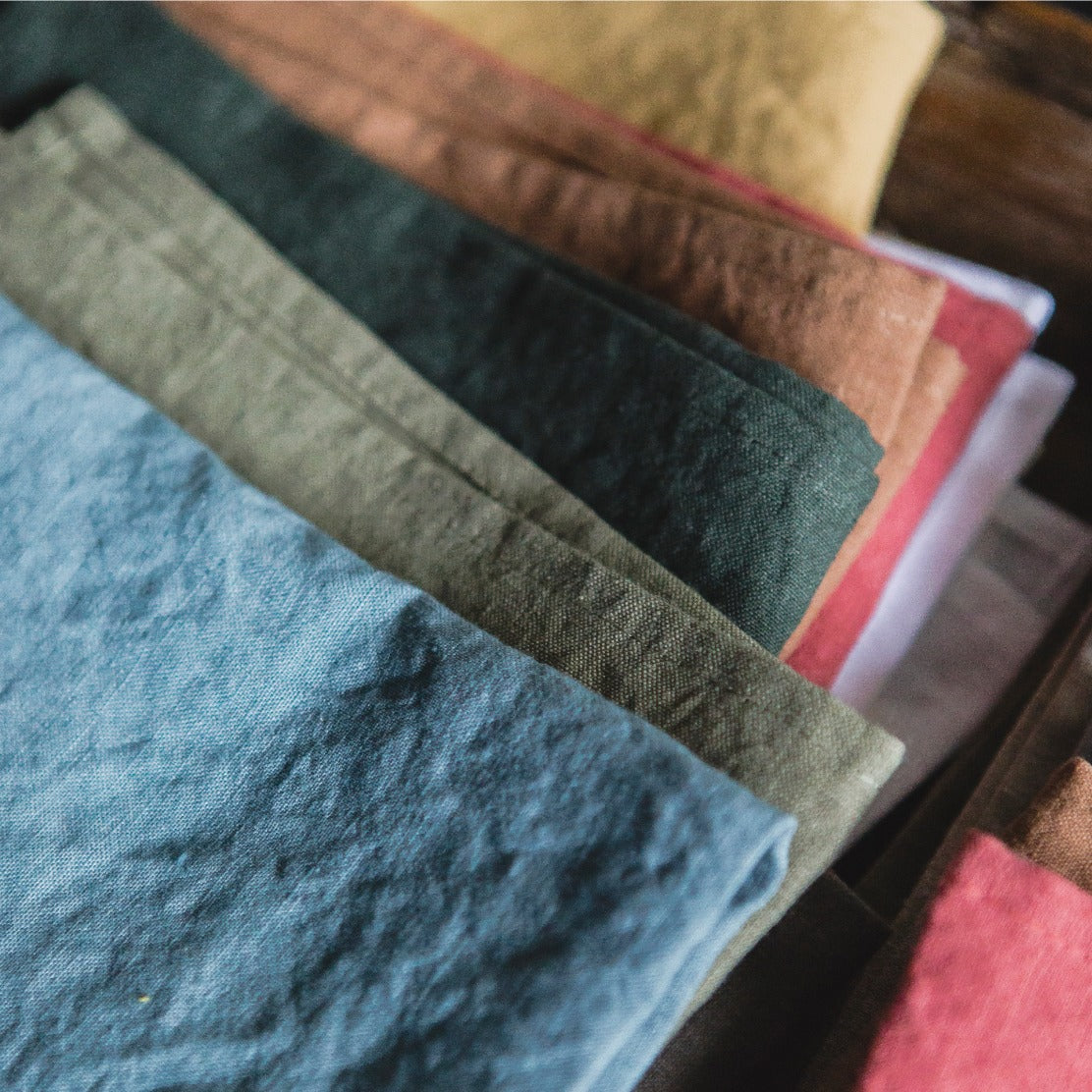
Belgian linen brings breathable texture and a relaxed European character. It pairs naturally with quiet luxury furniture, pale woods, and rooms that depend on subtle variation rather than shine. Linen can crease, which is part of its appeal, but it should be selected knowingly if the homeowner expects a perfectly formal appearance.
Velvet provides depth, saturated color, and a pronounced change in tone as the pile catches light. Use it for a statement piece on a custom chair or as the front face of a layered sofa arrangement. Velvet looks especially effective beside a matte textile, but too much of it can make a room feel visually heavy.
Crypton performance fabric suits households that want a more forgiving surface without surrendering a polished appearance. It can be a practical choice for high-use seating, although the specific care instructions still govern how stains and spills should be handled.
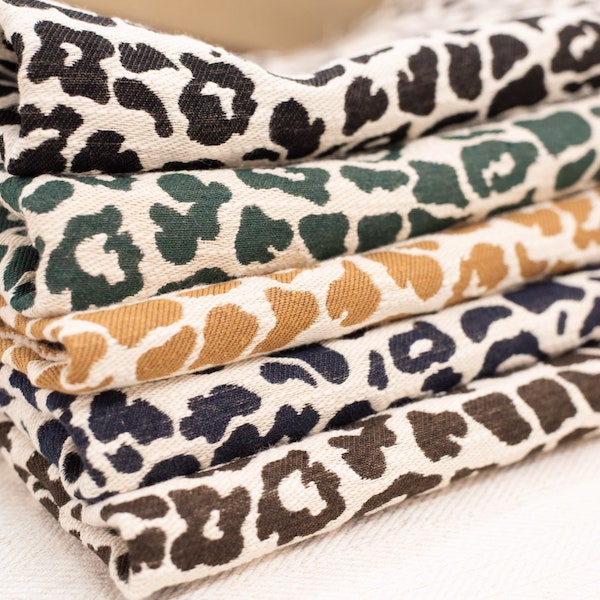
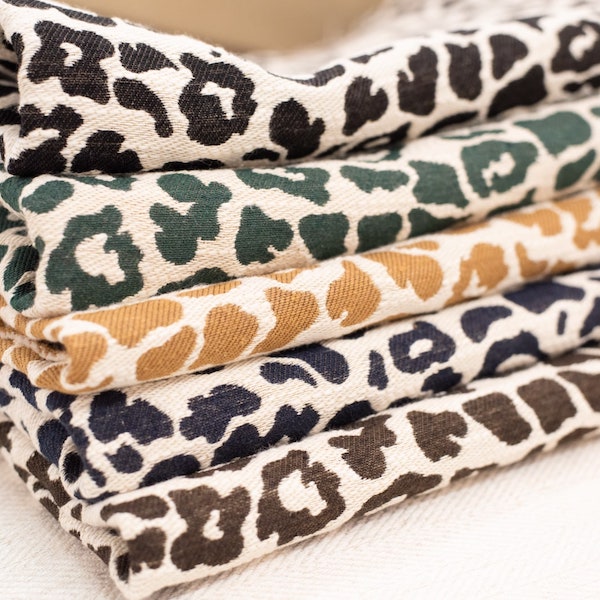
Cotton and woven blends create a crisp, versatile middle ground. They work well for patterned fronts, contrast backs, and pillows that need to coordinate with drapery or upholstery without duplicating it.
Use texture to create hierarchy. Pair a substantial velvet with a crisp cotton, or combine a nubby weave with a smoother linen. Keep one element dominant, then let the other materials support it.
Treat trims as architectural details
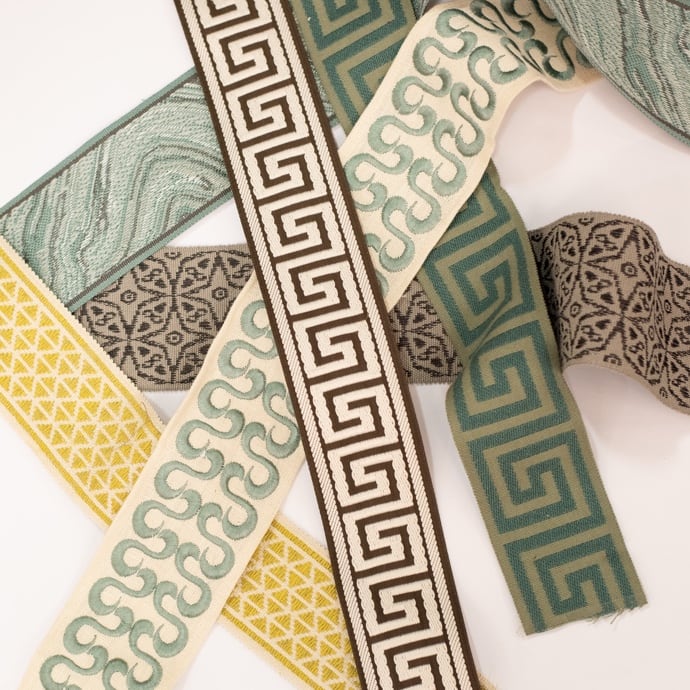
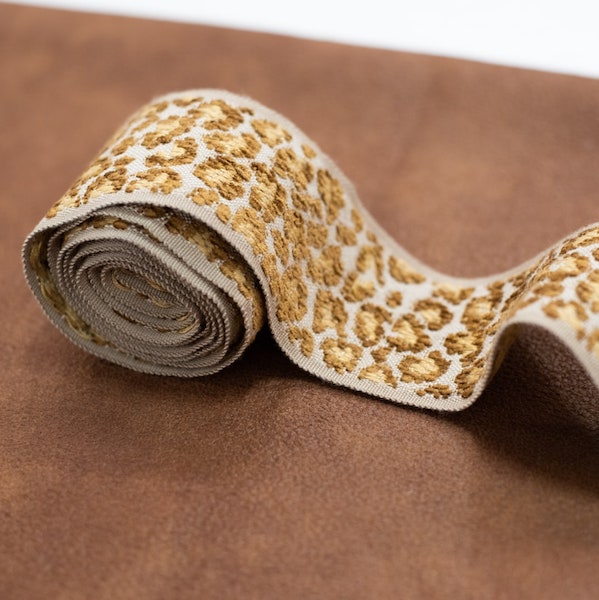
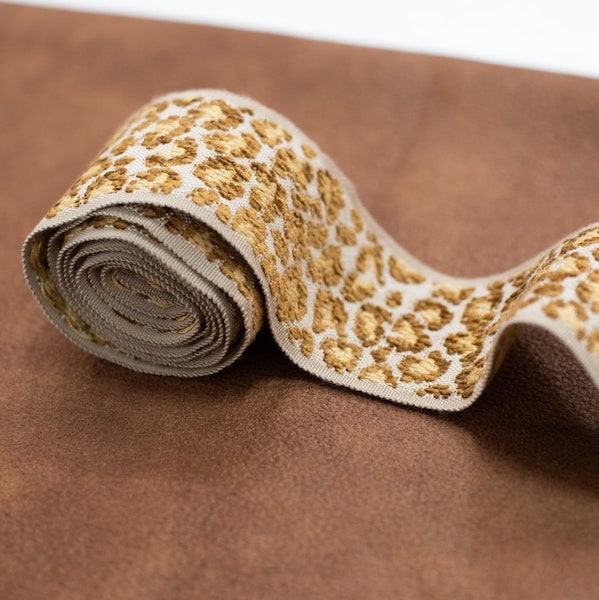
Hand-tied tassels, bullion fringe, and tape borders can change a pillow's perceived scale. A bullion edge adds formality to a traditional room, while a narrow tape border gives a contemporary pillow sharper definition. Tassels create movement and work best when the surrounding furniture has enough visual restraint to accommodate them.
Before committing to a trim, place the sample against the sofa fabric and view it from several distances. Confirm that the trim doesn't obscure a pattern repeat, interfere with an opening, or create bulk where the pillow meets an arm. This guide to decorative trim for pillows offers useful direction for coordinating edge treatments with the cover's construction.
For affluent homeowners and interior designers, the strongest result usually comes from controlled contrast. Let one pillow carry the pattern, another carry the texture, and a third repeat a restrained color from the rug, drapery, or artwork. That approach turns each pillow into part of a broader interior composition rather than an isolated accessory.
Matching Fill Types to Comfort and Longevity
An heirloom pillow system starts with the insert, not the cover. The right fill determines whether a custom pillow offers support, softens into an inviting shape, resists heat, and remains useful as covers change. Specify loft, compression, breathability, and the intended replacement cycle before approving the textile.
Natural latex is the strongest choice for stable support and minimal flattening. Its expected lifespan is 5 to 7 years, while shredded latex commonly lasts 3 to 5 years. Shredded memory foam generally lasts 2 to 4 years, though it retains heat. Down and down-alternative fills commonly last 2 to 5 years, while microfibre clusters generally last 1 to 3 years, according to this custom pillow fill guidance.
Fill Material Lifespan and Performance
| Fill Type | Expected Lifespan | Best Use Case |
|---|---|---|
| Natural latex | 5 to 7 years | Stable lumbar or supportive accent |
| Shredded latex | 3 to 5 years | Adjustable support with a softer response |
| Shredded memory foam | 2 to 4 years | Molded support where heat retention is acceptable |
| Down and down-alternative | 2 to 5 years | Plush decorative pillows and traditional softness |
| Microfibre clusters | 1 to 3 years | Light decorative use and lower-density accents |
| Buckwheat hulls | 5 to 10 years | Breathable, structured support |
Buckwheat hulls offer notable breathability and can last 5 to 10 years. Many adults prefer approximately 12 to 15 cm of loft for sleep or lumbar support, based on the same fill-selection guidance. For a decorative pillow, choose a softer, more malleable insert that can be shaped by hand. For a lumbar pillow against an upholstered headboard or deep sofa back, choose denser support that holds its profile. For a deeper comparison of down, down-alternative, and other options, see this guide to decorative pillow inserts.
For comfort, specify the thermal profile and compression behavior, not just the hand feel.
Spring-based systems require the same scrutiny when a pillow or cushion will face repeated compression. The overview of common spring cushion failures shows why an attractive exterior cannot compensate for weak internal support. In a modular system, the insert should remain dependable while interchangeable covers adapt to new rooms, seasons, or upholstery changes.
Quality control should focus on benchmarks a homeowner can verify. Ask about fill-weight consistency, loft retention after washing, and shell shrinkage. Commercial specifications may call for fill weight within ±5%, shell shrinkage of ≤3% after 3 wash cycles at 60°C, and retention of at least 80% of initial loft after 10 machine-wash and tumble-dry cycles. These manufacturing benchmarks are detailed in this pillow construction and manufacturing guide.
Request these criteria before sampling. Hand feel establishes the first impression, while measurable recovery and construction quality determine whether the insert deserves a place in a long-term luxury furnishing plan.
Styling Strategies for Luxury Furniture
The best pillow arrangement makes expensive furniture look more deliberate, not more decorated. Start by identifying the visual role of the sofa, sectional, or chair. If the upholstery is a statement piece, use pillows to frame it. If the furniture is quiet and understated, allow one custom pillow to introduce pattern, trim, or a more expressive textile.
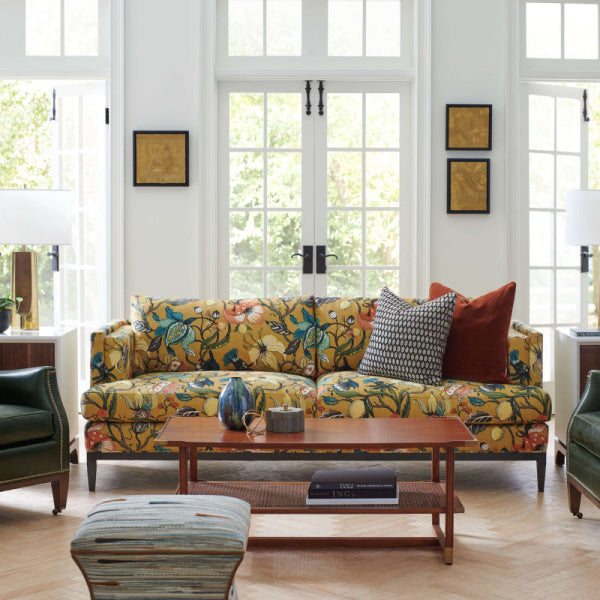
On a premium sectional, place the largest lumbar or square pillow at the corner, then build toward the seat with smaller forms. Keep the center open if the sectional has a strong silhouette or a compelling fabric. On a luxury sofa, pair one patterned pillow with a textured solid and repeat a color from the artwork or rug. A custom chair often needs only one heavily trimmed statement pillow, especially if the chair already has sculptural arms or a distinctive frame.
Use modular covers as part of the design
Interchangeable covers change the economics and the environmental logic of custom pillow design. The insert remains useful while the exterior adapts to a new season, event, room arrangement, or upholstery update. The decorative pillow market is increasingly shaped by interchangeable cover systems and modular designs that support seasonal styling and lower waste, shifting attention from one-off purchases to adaptable interior systems, as described in decorative pillow trend coverage.
Specify the system early. A well-designed cover should have a dependable closure, a repeatable finished size, and enough structural integrity to move between inserts without losing its shape. Store seasonal covers flat or loosely folded, away from direct sunlight and moisture.
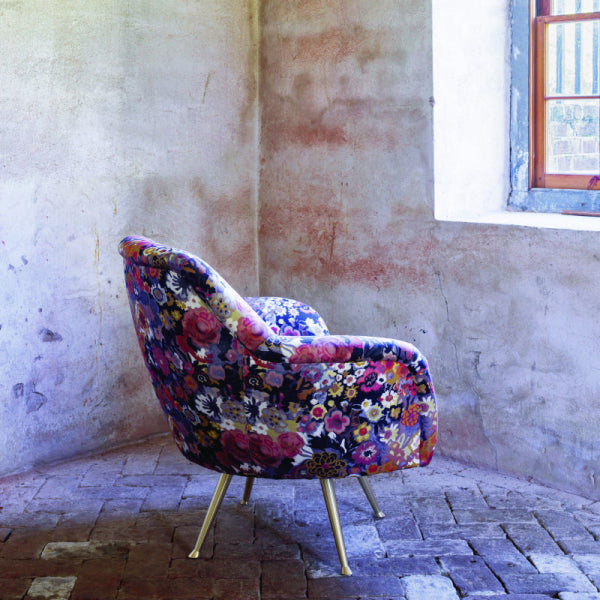
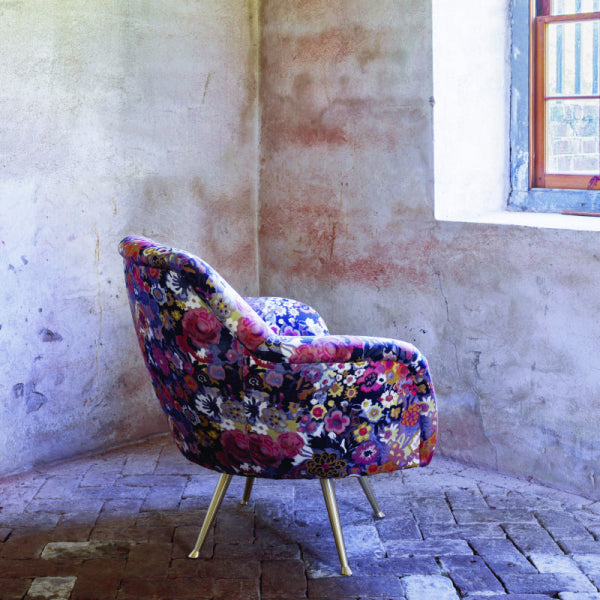
Floral motifs can be especially effective when you need to soften the geometry of a sectional or connect upholstery to garden-facing architecture. For a considered approach to luxury home decor ideas with florals, look for restrained scale, painterly color, and a relationship to the room's existing botanical elements rather than a literal match.
Design the pillow wardrobe, not just the first arrangement.
That mindset supports heirloom-quality furniture. You can refresh the room while protecting the investment in the sofa, custom chairs, and other statement furniture pieces.
Care Instructions and Investment Expectations
Bespoke textiles need a care plan before they enter the room. Ask for the fabric's cleaning code, fiber content, trim limitations, and insert-care instructions at the time of ordering. Keep that information with your household records, because a cleaner needs more than a color name to treat a premium textile safely.
Establish a maintenance routine
For routine care, remove loose dust with a low-suction upholstery attachment and avoid dragging the nozzle across bullion fringe, tassels, or raised embroidery. Rotate and fluff inserts according to how quickly they compress. Keep pillows away from prolonged direct sunlight when the fabric is sensitive to fading, and never leave a spill untreated while deciding what to do.
A sensible response sequence is straightforward:
- Blot immediately: Lift liquid with a clean, absorbent cloth instead of rubbing it into the fibers.
- Check the care code: Use only the cleaning method approved for that textile.
- Spot-test first: Test an unseen area before applying any solution to the visible face.
- Call a professional: Use an experienced upholstery or textile cleaner for delicate linen, velvet, complex trims, and substantial staining.
- Protect the insert: Follow the insert maker's instructions and replace a distorted form rather than forcing it into a perfectly fitted cover.
Performance fabrics may tolerate gentle spot treatment, but “performance” doesn't mean indestructible. Heat, aggressive brushes, unsuitable solvents, and repeated saturation can damage both the surface and the backing.

Plan for made-to-order work
Custom pillows cost more than mass-market accents because the process includes fabric sourcing, pattern placement, cutting, trim application, insert specification, and inspection. Handcrafted construction and specialized mill sourcing also make the schedule less predictable than an off-the-shelf purchase. Confirm the approval process, material availability, production sequence, shipping method, and alteration policy before placing the order.
Treat the purchase as part of the room's long-term furnishing plan. A carefully made cover can coordinate with a luxury sofa now and remain useful after a reupholstery project later. That flexibility is the core value of custom work, especially when the goal is a refined interior rather than a temporary seasonal look.
Collaborating with Lewis and Sheron Textiles
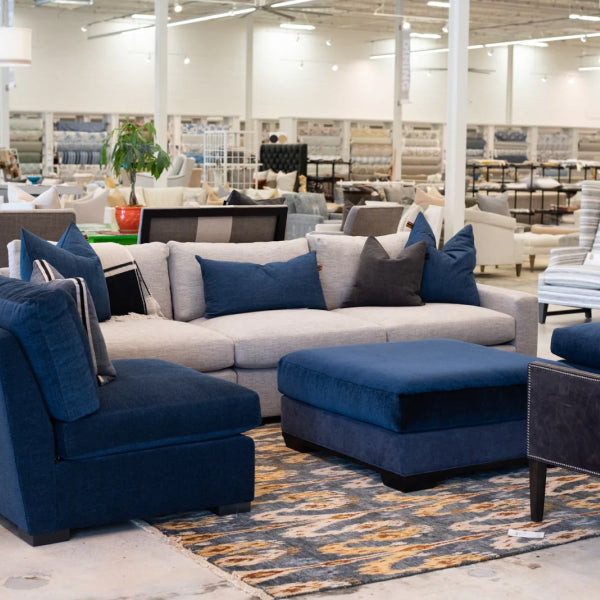
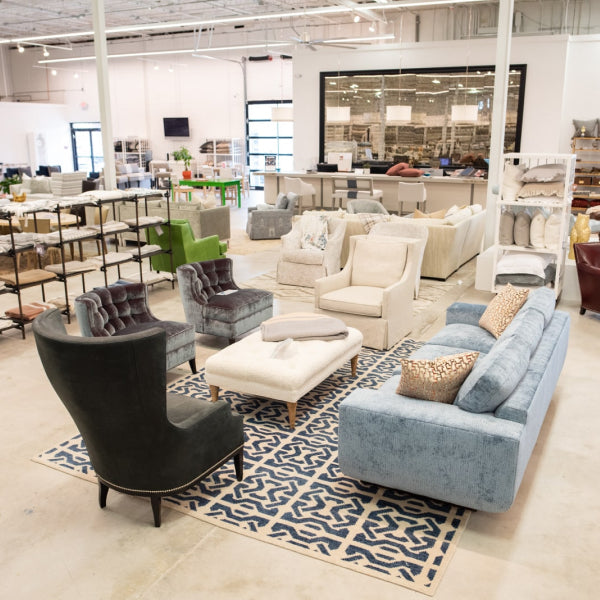
A successful showroom appointment begins with photographs, furniture measurements, paint or rug samples, and a clear description of how the room is used. At the Lewis and Sheron Textiles Design Center in Atlanta, a homeowner or designer can compare fabrics in person rather than judging color from a screen. The selection includes over a thousand in-stock bolts and additional cut-yardage options from mills such as Kravet, Fabricut, P. Kaufmann, Libeco Home, and Crypton.
The conversation should move from the room's existing architecture to the pillow system. For example, a Buckhead estate with a deep sectional might need a dense lumbar insert, a restrained linen back, and a velvet front with a narrow tape border. A Roswell reading nook may call for one supportive custom chair pillow and a softer accent for visual warmth. In both cases, the fabric, trim, dimensions, and fill should be approved together.
Complimentary in-house design support can help refine those pairings and coordinate pillows with custom upholstered furniture, drapery, rugs, and reupholstery projects. Lewis and Sheron Textiles also offers pillow forms in multiple sizes, including feather and down-filled forms, which gives designers a practical starting point for bespoke covers.
For clients searching for designer furniture near me, custom furniture Atlanta, or luxury home furnishings across Fulton County and North Atlanta, the most efficient approach is to bring the project into one coordinated textile appointment. You'll leave with decisions grounded in proportion, touch, durability, and the visual language of the room.
Lewis and Sheron Textiles offers premium home fabrics, pillow forms, trims, custom furnishings, and complimentary in-house design support for homeowners and designers developing a complete custom pillow design. Visit Lewis and Sheron Textiles in Atlanta to compare materials in person and create pillow systems that complement your luxury sofas, premium sectionals, and heirloom-quality furniture.