


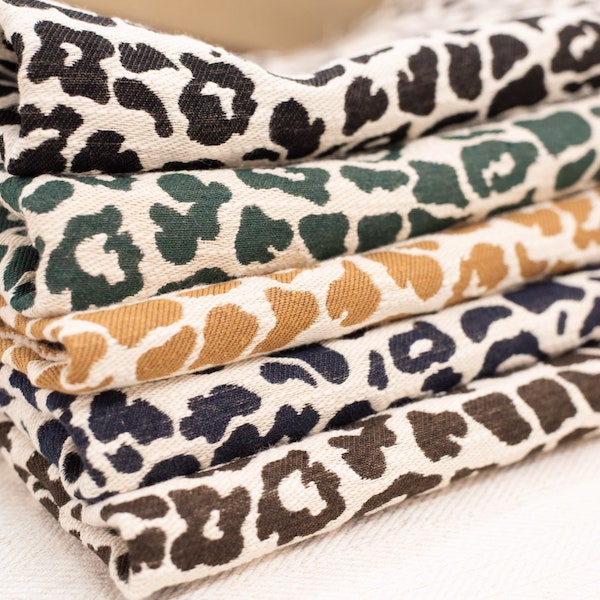
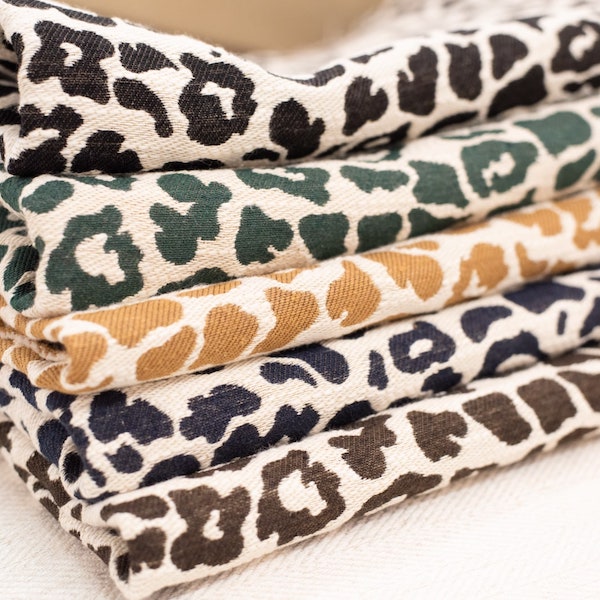



















The most popular advice about decorative pillow inserts is also the most incomplete: buy an insert two inches larger than the cover and move on. That rule works beautifully for many square pillows, but it fails on lumbars, bolsters, lightweight silk covers, oversized floor pillows, and sofas that see daily use.
The insert is the performance component of the pillow. It controls loft, support, corner definition, silhouette, and recovery after someone leans against it. A beautiful cover on the wrong insert still looks unfinished, whether it sits on a luxury sofa in Buckhead, a premium sectional in Alpharetta, or a custom upholstered chair in Roswell.
For homeowners and designers investing in high-end furniture, custom upholstered furniture, and luxury home furnishings, the right insert is a small specification with a visible effect. It determines whether a designer pillow looks crisp, relaxed, sculptural, or tired.
Why the Insert Matters More Than the Cover
A pillow cover gets the attention because it carries the fabric, trim, color, and pattern. The insert does the work. It pushes the fabric into the corners, determines how the face sits, and decides whether the pillow keeps its shape after repeated use.
The same 22-inch cover can look flat with a weak 22-inch insert, aggressively stuffed with the wrong oversized form, or full and polished with the right combination of size and fill. Many disappointing pillows aren't cover failures. They're insert mismatches.
The most common mistake I see on deep sofas is a limp insert placed inside a cover of the exact same dimensions. A 22-by-22 cover with a 22-by-22 insert often leaves the corners soft and the center slouched. On a deep luxury sectional, that underfilled pillow looks especially small because the seat depth and surrounding upholstery overpower it.
Practical rule: Choose the insert before you finalize expensive trim, welt, or embroidery. The insert determines how those details will actually present.
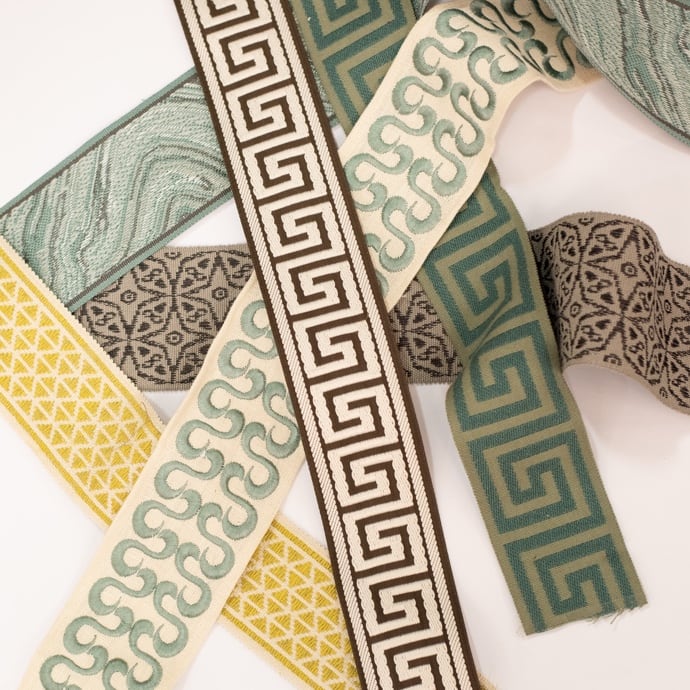
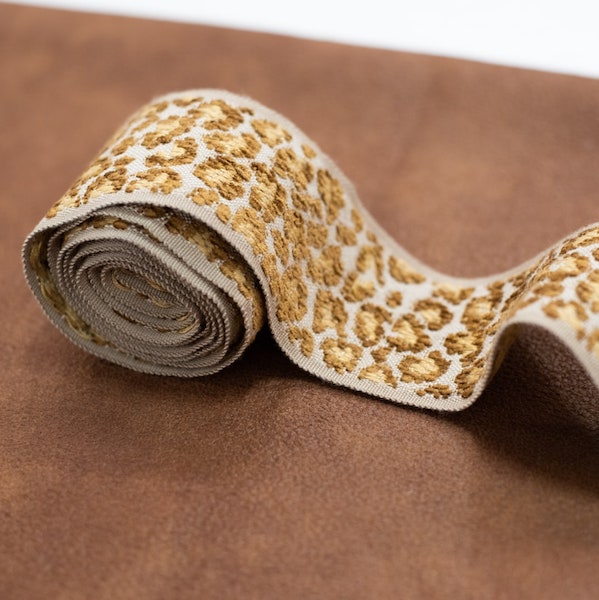
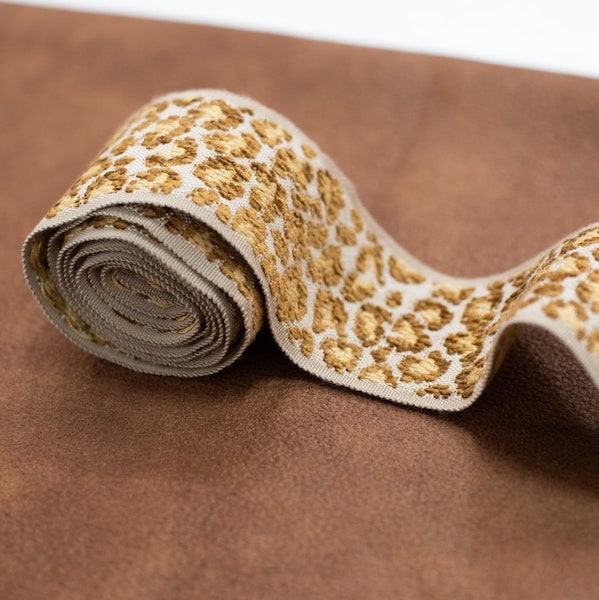
A fuller insert also protects the visual investment in custom fabric. A crisp linen, Belgian weave, or velvet needs enough internal pressure to show its texture without collapsing into a shapeless square. You can review how trim changes the finished profile in this guide to decorative trim for pillows, but trim can't rescue a poorly fitted form.
Think of the insert as the architecture and the cover as the finish. That distinction matters when you're specifying pillows for a formal living room, a family room with pets, or a statement chair that needs a strong silhouette. Fill, size, and density should be settled before fabric details.
The broader pillow category also confirms that inserts aren't a minor craft accessory. Independent market research estimates the global pillows market at about USD 20.0 billion in 2025, with a projection of USD 33.43 billion by 2033 at a 6.6% CAGR (Grand View Research pillow market report). Decorative pillow inserts sit inside a substantial home-textiles market, and they support the repeated cover changes, seasonal refreshes, and varied room applications that make designer interiors feel finished.
What a Decorative Pillow Insert Actually Is
A decorative pillow insert is the inner cushion that gives a pillow its body, shape, and support. Unlike a bed pillow, it isn't designed primarily for sleeping. Its job is visual and structural, so the insert must support the cover's intended silhouette while remaining comfortable when someone leans against it.
Start with the three components that determine quality.
Core fill
The fill may be down, feathers, a down and feather blend, polyester fiberfill, down-alternative microfiber, foam, or another specialty material. Fill affects softness, loft, weight, resilience, and how easily the pillow can be shaped by hand.
Down performance is commonly described through fill power, which measures how many cubic inches one ounce of down occupies. Higher fill power generally indicates greater loft, resilience, and retention of firmness, as explained in this fill power guide for down products.
Fabric casing
The casing, sometimes called ticking, contains the fill. A tightly woven, down-proof cotton shell helps keep fine down and feathers inside the insert instead of allowing them to migrate through the cover. The shell's weave, weight, and seams also affect durability, particularly when the pillow is handled, fluffed, or compressed frequently.
A weak casing can make a premium fill feel less premium. It may allow feather shafts to poke through, lose shape at the corners, or develop uneven distribution.
Construction method
Sewn-through construction joins the top and bottom shell directly, creating contained compartments. Baffled construction uses internal fabric walls to separate fill while allowing it to expand, which helps down remain distributed rather than collecting in one area. Channeled construction controls the fill in longer sections and can suit specific rectangular or bolster forms.

Ask a supplier about fill type, shell fabric, seam construction, and finished dimensions, not just the brand or price. Those details tell you why one pillow holds a sharp corner while another develops a hollow center.
Comparing Fill Materials Side by Side
Fill choice should follow the room, the cover, and the way people use the pillow. Down gives a relaxed, moldable luxury and responds well to hand shaping. Feather provides more resistance and a sculptural feel, although it can feel firmer and may have more potential for quill migration. Down-alternative offers a practical profile for homes where washability, allergies, children, or pets matter.
Polyester fiberfill is the accessible workhorse. It's commonly machine washable and can often be tumble-dried on low or medium heat, but consumer-care guidance notes that it tends to flatten or clump faster than premium down products (down and feather care guidance). Foam is a specialized choice. It holds a firm shape for bolsters, floor cushions, and structured applications, but it doesn't provide the relaxed hand designers usually want from a traditional sofa accent pillow.
| Fill Type | Feel & Loft | Care | Longevity | Best For |
|---|---|---|---|---|
| Down | Soft, lofty, moldable | More demanding care, follow the maker's instructions | Strong resilience when properly maintained | Formal living rooms and luxury bedrooms |
| Feather or down blend | Fuller resistance, sculptural and flexible | Requires regular reshaping | Good performance with proper casing and care | Traditional rooms and relaxed luxury sofas |
| Down-alternative | Plump, consistent, usually more structured | Often practical for routine washing | Holds a usable profile with regular rotation | Family rooms, allergy-conscious homes, and accent chairs |
| Polyester fiberfill | Lightweight to medium, initially full | Typically machine washable and low or medium tumble dry | Flattens or clumps sooner than premium fills | Budget-conscious refreshes and low-demand décor |
| Foam | Firm, stable, structured | Spot care often suits the application | Retains shape well in rigid forms | Bolsters, floor pillows, and firm modern interiors |
For a family room in Sandy Springs with kids and a dog, I prefer a durable down-alternative or quality feather blend over delicate down. In a formal living room that receives lighter traffic, down or a down and feather blend earns its place because the pillow can be shaped and displayed with more attention.
Cover fabric changes the decision, too. A heavy velvet can support a generous insert, while a fragile silk may need less internal pressure. If you're also evaluating fabric layers, this explanation of what batting fabric does provides useful vocabulary for discussing padding and surface structure with an upholsterer.
The broader decorative pillow category is forecast at USD 4.31 billion in 2026, with a projection of USD 7.28 billion by 2035 at a 6% CAGR (decorative pillow market overview). That growth reflects a category where consumers buy for changing rooms and changing needs. The right fill isn't a universal winner. It's a performance specification.
Sizing Inserts for Every Pillow Shape
The two-inch rule is a starting point, not a universal law. For a standard square cover, choose an insert 1 to 2 inches larger than the cover. A 20-by-20 cover typically takes a 22-by-22 insert, creating compression that pushes fill into the corners and produces a fuller profile (decorative pillow insert sizing guidance).
Shape changes the calculation.
Squares need controlled oversizing
Square pillows benefit most from the classic oversize approach. A 22-by-22 cover with a 24-by-24 insert usually looks more substantial on a deep sofa than the same cover with an equal-size insert. Heavy linen and velvet can tolerate that pressure well, while lightweight silk may show seam strain or distort the pattern if the insert is too large.
Lumbars need silhouette, not bulk
Lumbars are more nuanced. Some lumbars use an insert the same size as the cover to avoid excessive bulging, while others benefit from a longer form that prevents slumping. A narrow 14-by-20 cover may take a 14-by-22 insert for a fuller rectangular profile. A slim 12-by-24 lumbar may work with a snug 12-by-24 insert when the goal is a clean finishing layer.
Bolsters require a dedicated form
A bolster isn't a rectangular pillow stuffed into a tube. It needs a cylindrical insert sized to the exact tube length and diameter. Too little fill creates a collapsing center. Too much creates stressed seams and an uncomfortable, rigid roll.
Oversized formats need support
For 24-inch and 26-inch floor pillows, a larger insert can preserve loft and support occasional seating. The cover's seam-to-seam interior measurement matters more than its visible face, especially when piping, flange, or thick seams reduce the usable space.
| Cover Size | Pillow Shape | Recommended Insert Size | Oversize Amount |
|---|---|---|---|
| 18 by 18 | Square | 20 by 20 | 2 inches |
| 20 by 20 | Square | 22 by 22 | 2 inches |
| 22 by 22 | Square | 24 by 24 | 2 inches |
| 24 by 24 | Oversized square | 26 by 26 | 2 inches |
| 14 by 20 | Lumbar | 14 by 22 | Longer insert |
| 12 by 24 | Lumbar | 12 by 24 for a snug fit, or a fuller longer form where appropriate | Same size or tailored increase |
| Custom tube length | Bolster | Exact length and diameter cylinder | Shape-specific |
Measure seam to seam inside the cover, not the front face from edge to edge. Measure before ordering, particularly for custom covers with thick upholstery fabric.
For cushions used in quiet spaces, a well-shaped meditation cushion set guide offers a useful reminder that support and shape depend on the form inside, not only the outer textile. For broader decorative pillow applications, compare your measurements against this pillow insert size guide.
The best sizing decision balances shape, fabric weight, desired firmness, and room use. Don't force a square-pillow rule onto a lumbar or bolster.
Matching Fill to Style and Room Use
A formal living room in Buckhead calls for a different insert than a screened porch in North Atlanta. The first may reward a moldable down and feather blend that creates relaxed luxury. The second needs a weather-resistant synthetic construction that dries quickly and resists mildew.
Choose the visual outcome first
Down and feather blends create the soft, sink-in effect associated with traditional luxury sofas and master suites. They suit rooms where pillows are arranged carefully and handled less aggressively. A designer can shape the corners, create a controlled center crease, and soften the overall geometry of a well-defined sofa.
Down-alternative and polyester create a crisper, more upright silhouette. They work well on custom chairs, modern sectionals, and transitional rooms where the pillow must stand against a back cushion instead of collapsing into it. Foam belongs in a narrower category, including bolsters and floor pillows where shape retention matters more than a soft, moldable hand.

Let climate and traffic influence the specification
Atlanta-area humidity matters in rooms that open to the outdoors. On a poolside terrace, screened porch, or sunroom, choose a weather-resistant polyester or specialty outdoor fill rather than a delicate natural fill that may hold moisture. In humid summers, synthetic materials can be the more practical choice for pillows exposed to fluctuating air and frequent handling.
Daily traffic also changes the recommendation. A family room with pets and children needs a resilient insert that recovers after leaning, tossing, and rearranging. A formal room can justify a more delicate fill because the pillow's use is primarily decorative.
The cover must participate in the decision. Velvet and heavy linen can handle a fuller insert and benefit from the internal pressure. Lightweight silk or fine cotton needs a closer fit to protect seams and preserve drape.
A pillow should support the room's behavior, not just its color palette.
If the room has a difficult mix of scale, texture, and traffic, a professional interior design for your home consultation can help coordinate insert density with the sofa, chair, rug, and surrounding furnishings. That level of planning matters in designer interiors because a pillow's profile can either reinforce or undermine the proportions of a statement furniture piece.
Care, Fluffing, and How Long Inserts Last
Good inserts don't stay good by accident. Down and feather forms need hands-on reshaping, while synthetic fills need rotation and protection from one-sided compression.
During the first week after unboxing a down or feather insert, fluff it daily to redistribute the fill and help it settle into the cover. After that, a quick nightly fluff restores loft. Hold opposite corners, push the fill inward, then release the pillow so air can move through the casing.
Use a simple maintenance routine
- Rotate regularly: Turn the insert so the same edge doesn't absorb every lean.
- Air instead of vacuuming: Fresh outdoor air can help remove stale odors, but don't vacuum the insert directly because suction may pull fill toward or through the ticking.
- Follow the cleaning code: Check the cover's care label before laundering. Many decorative covers are dry-clean only, while the insert may be aired or spot-cleaned according to its construction.
- Use a protector: A washable inner protector reduces contact with body oils, dust, and spills.
- Store correctly: Keep off-season inserts in breathable cotton bags, never sealed plastic, to reduce moisture buildup and mildew risk.

Replacement timing depends on fill, traffic, and maintenance. One care guide notes that synthetic inserts may need replacement every 1 to 2 years, while down and down-alternative fills may last 3 to 5 years (pillow insert choices and longevity guidance). Those are useful planning ranges, not a substitute for inspecting the actual pillow.
Replace an insert when it remains flat or lumpy after fluffing, develops a persistent odor, loses corner support, or no longer complements the cover. A fresh form can restore a room without replacing a perfectly good textile.
When American-Made Custom Inserts Are Worth It
Stock inserts work for ordinary covers. They become less persuasive when a project includes unusual dimensions, expensive textiles, oversized pillows, or a client who expects every detail to look intentional.
Designers specifying for Atlanta installations often encounter three practical problems with imported stock forms. Dimensions can drift enough to affect oversized covers. Down fills may use weak internal construction that allows uneven distribution. Compressed polyester cores can arrive underfilled and lose their useful profile quickly in high-use rooms.
Custom American production addresses those problems at the specification level. The shop cuts and fills the form to the required dimensions, selects a casing appropriate to the fill, and can build the insert around the cover rather than forcing the cover to accommodate a generic size. For down, a properly made down-proof cotton shell helps keep feathers contained and protects the finished cover.
Where custom sizing earns its keep
- Trade installations: A designer can specify consistent dimensions across a full room instead of adapting every cover to stock availability.
- Oversized seating: Large sectionals and deep sofas often need forms that retail shelves don't carry.
- Reorders: A documented custom specification makes the second pillow match the first.
- Luxury textiles: Handwoven linen, velvet, and embroidered fabrics deserve an insert that won't distort their seams or pattern.
The initial cost is higher, but the practical return comes through fewer fit corrections, fewer client complaints, and less replacement of covers that were never the problem. For a design studio, that can protect showroom confidence and repeat business. For a homeowner, it avoids buying a beautiful cover twice because the first insert made it look wrong.
Lewis and Sheron Textiles offers pillow forms in feather and down fills and multiple sizes, alongside custom fabrics, upholstery, and design support. For an Atlanta showroom appointment, bring the cover or its exact interior measurements and discuss the desired loft, firmness, and room use before approving the order.

Custom inserts make the most sense when the pillow is part of a larger investment in custom upholstered furniture, premium sectionals, designer furniture, or heirloom-quality interiors. They aren't necessary for every accent. They are valuable when a mismatch would compromise the entire room.
Your Quick Insert Selection Checklist
Use this checklist at the showroom, at your worktable, or before placing an online order.
-
Measure the interior. Measure the cover seam to seam, inside the finished seams. Record width, height, shape, zipper placement, trim, and fabric weight.
-
Apply the shape-specific increase. For standard squares, add 2 inches to the cover dimensions. For lumbars, choose the length and fullness that preserve the rectangle. The common showroom rule of adding 4 inches for lumbars can create a fuller look, but it isn't appropriate for every narrow cover. Bolsters need an exact cylindrical form. Oversized pillows may need a larger insert to support their use.
-
Match fill to the room. Choose down or a feather blend for moldable formal luxury. Choose down-alternative for washable, resilient family-room performance. Choose synthetic outdoor fill for humid porch or sunroom applications. Choose foam when firm shape matters more than softness.
-
Check the cover-to-fill relationship visually. Put the insert inside the cover before approving the finished order when possible. The corners should look filled, the center shouldn't balloon, and the seams shouldn't pull.
-
Document the specification. Record finished insert dimensions, fill type, casing, firmness, cover fabric, and room location. The second pillow is always easier when the first one has a clear record.
Bring the cover, a tape measure, and a photo of the room to an Atlanta-area showroom appointment. A design advisor can compare the insert's loft and firmness with the existing sofa, rug, drapery, and upholstery instead of judging the pillow in isolation.
That process applies whether you're searching for designer furniture near me, comparing luxury furniture in Atlanta and Buckhead, or specifying custom furniture in Atlanta for a client in Fulton County, Alpharetta, Roswell, or Sandy Springs. The insert should support the proportion and use of the furniture, not merely fill a product listing.
Lewis and Sheron Textiles offers pillow forms, designer fabrics, trims, custom upholstered furniture, reupholstery, and in-house design assistance for Atlanta-area projects. Bring your cover or measurements to the Design Center, then visit Lewis and Sheron Textiles to explore insert options that suit your sofa, room use, and long-term design plan.