









The global upholstery fabric market is estimated at USD 32.5 billion in 2025 and projected to reach USD 45.8 billion by 2033, with natural fabrics holding 52.3% of the market and Asia Pacific accounting for 38.5% of revenue. Modern upholstery textiles sit at the center of that demand because they're engineered materials that prioritize durability, stain resistance, and safety compliance without giving up the refined look expected in luxury interiors.
If you're shopping for a luxury sofa in Atlanta, comparing premium sectionals in Buckhead, or specifying custom upholstered furniture for a project in Alpharetta or Sandy Springs, you're probably facing the same problem I see all the time. A fabric can look flawless on a hanger, in a memo sample, or under showroom lighting, then perform poorly once real life starts. Kids lean on the arms, guests sit in the same corner seat, sunlight hits the same cushion every afternoon, and a trend-driven texture starts to look tired long before the frame does.
That gap between appearance and lived performance is where most expensive mistakes happen.
For affluent homeowners and interior designers across Roswell, Fulton County, and North Atlanta, upholstery isn't a throwaway decision. It's part of a larger investment in high-end furniture, designer furniture, luxury home furnishings, and heirloom-quality furniture that should still feel right years after installation. The question isn't only what looks current. The question is what will still look composed, and intentional after daily use.
Modern upholstery textiles answer that question better than old buying habits do. Instead of choosing fabric by color and softness alone, smart buyers evaluate three things together: construction, finish, and performance profile. That's the difference between a swatch that photographs well and a textile that belongs on high-quality couches, custom chairs, and statement furniture pieces meant to last.
The Modern Definition of Luxury Upholstery
A homeowner walks into a showroom wanting a sculptural cream sofa for a formal living room that also ends up hosting family gatherings. An interior designer needs a chair for a Buckhead library that reads quiet and expensive, not overbuilt. In both cases, the brief sounds aesthetic. The challenge is technical.
Luxury upholstery today isn't just fabric that feels beautiful under the hand. It's fabric that can support the long life expected from luxury sofas, premium sectionals, and custom furniture in Atlanta where buyers care about both visual restraint and practical longevity.
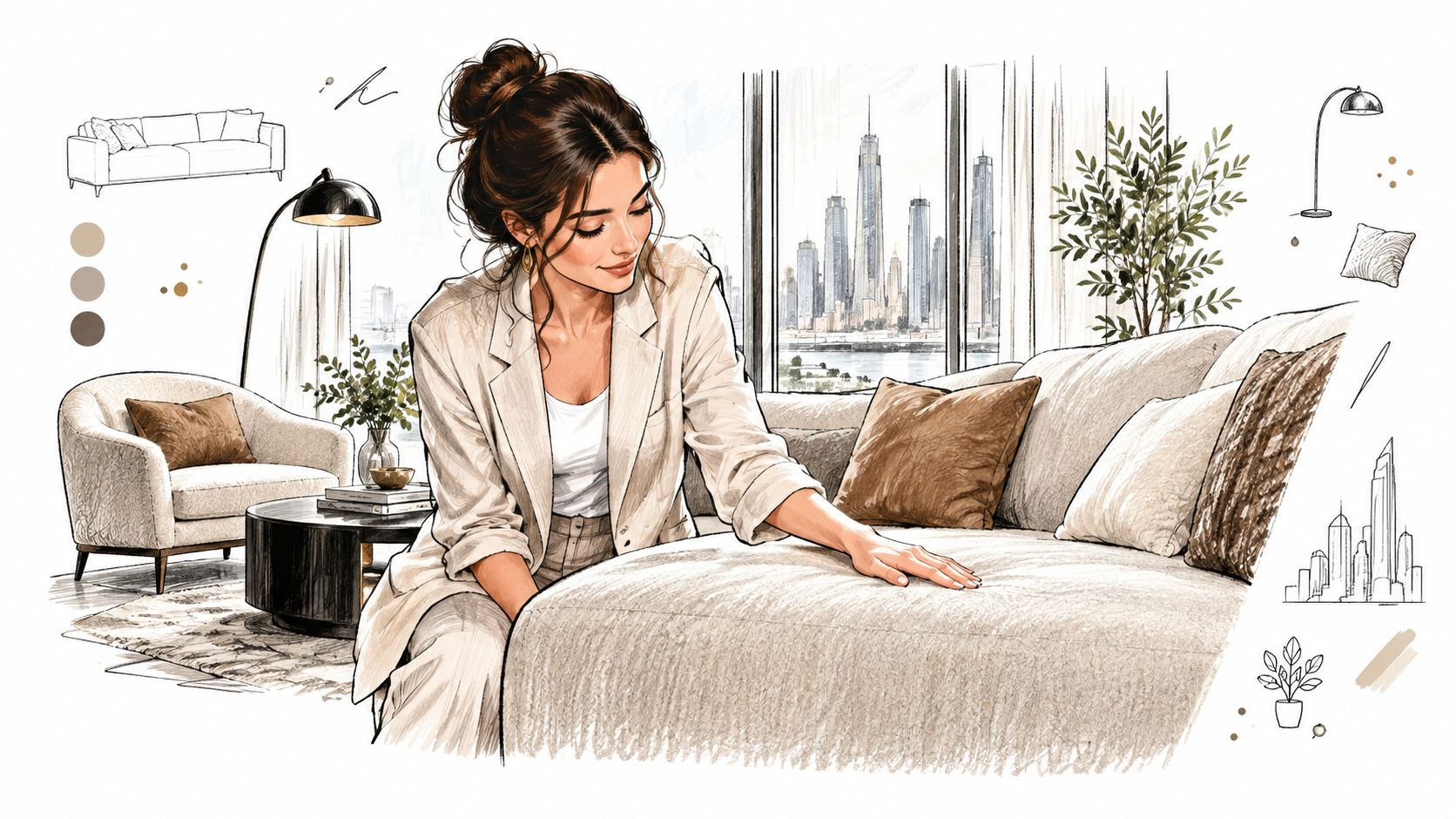
What makes upholstery modern
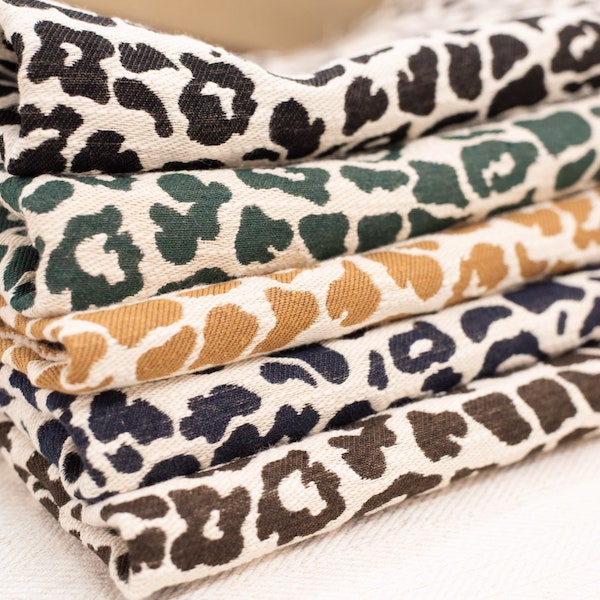
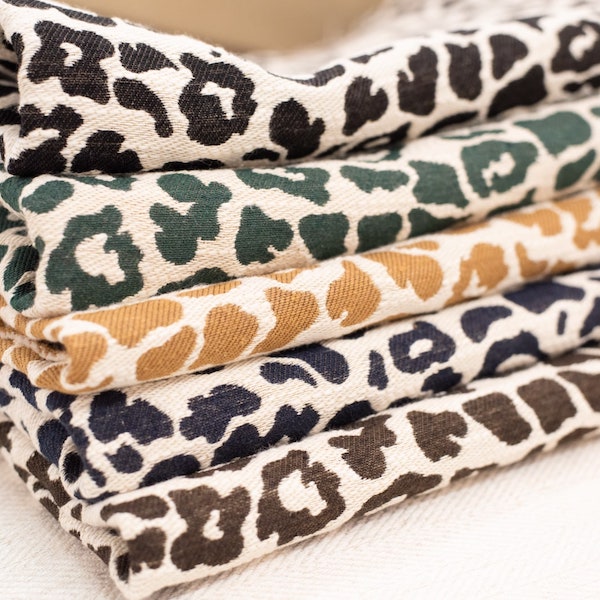
The phrase modern upholstery textiles doesn't mean only contemporary style. It means the material itself has been developed with more intention than a simple decorative cloth. That often includes stronger yarn systems, denser constructions, blended fiber content, and finishes chosen for cleanability or code compliance.
Historically, upholstery moved in this direction over decades. One industry history notes that cotton still represented 75% of the U.S. fiber market by the late 1940s, then synthetic adoption accelerated as rayon entered production in 1910, acetate in 1924, nylon was invented in 1931, and acrylic and polyester began production in the early 1950s. By 1965, manufactured fiber had risen to 40% of the U.S. fiber market, and by the early 1970s, flammability concerns had become important while 99% of U.S. carpets were made of synthetic fibers (textile market history overview).
That timeline matters because it explains why the conversation changed. Upholstery stopped being only about decoration and became a performance category.
Practical rule: If a fabric is being considered for seating, judge it like a working surface, not like drapery.
Why affluent buyers think differently
In Sandy Springs, Buckhead, and Alpharetta, most clients shopping for designer furniture near me or comparing best luxury sofa brands aren't looking for disposable seating. They're deciding where to put serious money. They want craftsmanship, scale, and finish quality that make sense in a well-designed home.
Luxury furniture is usually judged by a few concrete standards: exemplary material quality, handcraft under tight quality controls, and design that remains functional and visually appealing. Construction details such as dovetail joints, mortise-and-tenon joinery, corner blocks, and eight-way hand-tied springs are also classic markers of high-end upholstered pieces (luxury furniture construction guide)
That's why upholstery should never be evaluated in isolation. A fabric can't turn a weak sofa into an heirloom. But the wrong fabric can absolutely undermine a strong frame.
The real definition of value
For clients asking whether custom beats mass-produced furniture, my answer is usually straightforward. Custom wins when the textile is selected for the room's actual use, not for a mood board alone.
That's especially relevant in Atlanta's luxury market, where affluent ZIP codes such as Buckhead 30324, Sandy Springs 30342, and Alpharetta 30339 are associated with median home values above $750,000, with some areas exceeding $1.2 million (Atlanta wealth profile). Buyers in those markets usually aren't asking the cheapest question. They're asking the lasting one.
Material Science and Construction of Premium Fabrics
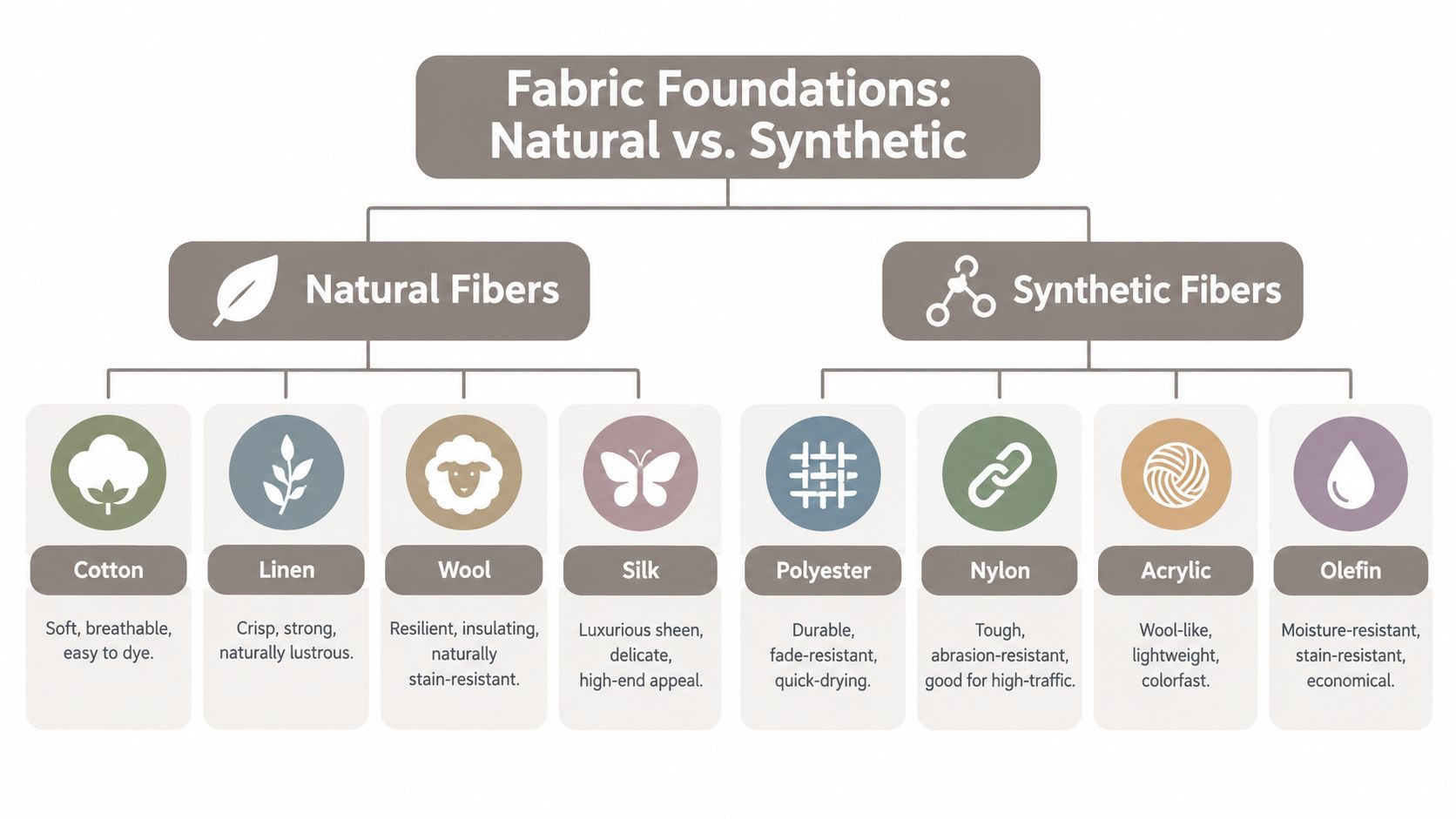
The fastest way to misunderstand upholstery is to reduce it to fiber labels. Cotton, linen, wool, silk, polyester, nylon, acrylic, and olefin all tell part of the story. None tells the whole story by itself.
Construction is what turns raw material into usable upholstery.
Natural fibers still matter
Natural fabrics remain central to luxury interiors, and one market estimate says they held the largest share at 52.3% in 2025 within the global upholstery fabric market (global upholstery fabric market estimate). That tracks with what designers and homeowners still want from high-end furniture: warmth, depth, irregularity, and a hand-feel that doesn't feel overly technical.
Natural fibers usually appeal for different reasons:
- Cotton brings softness and takes color well.
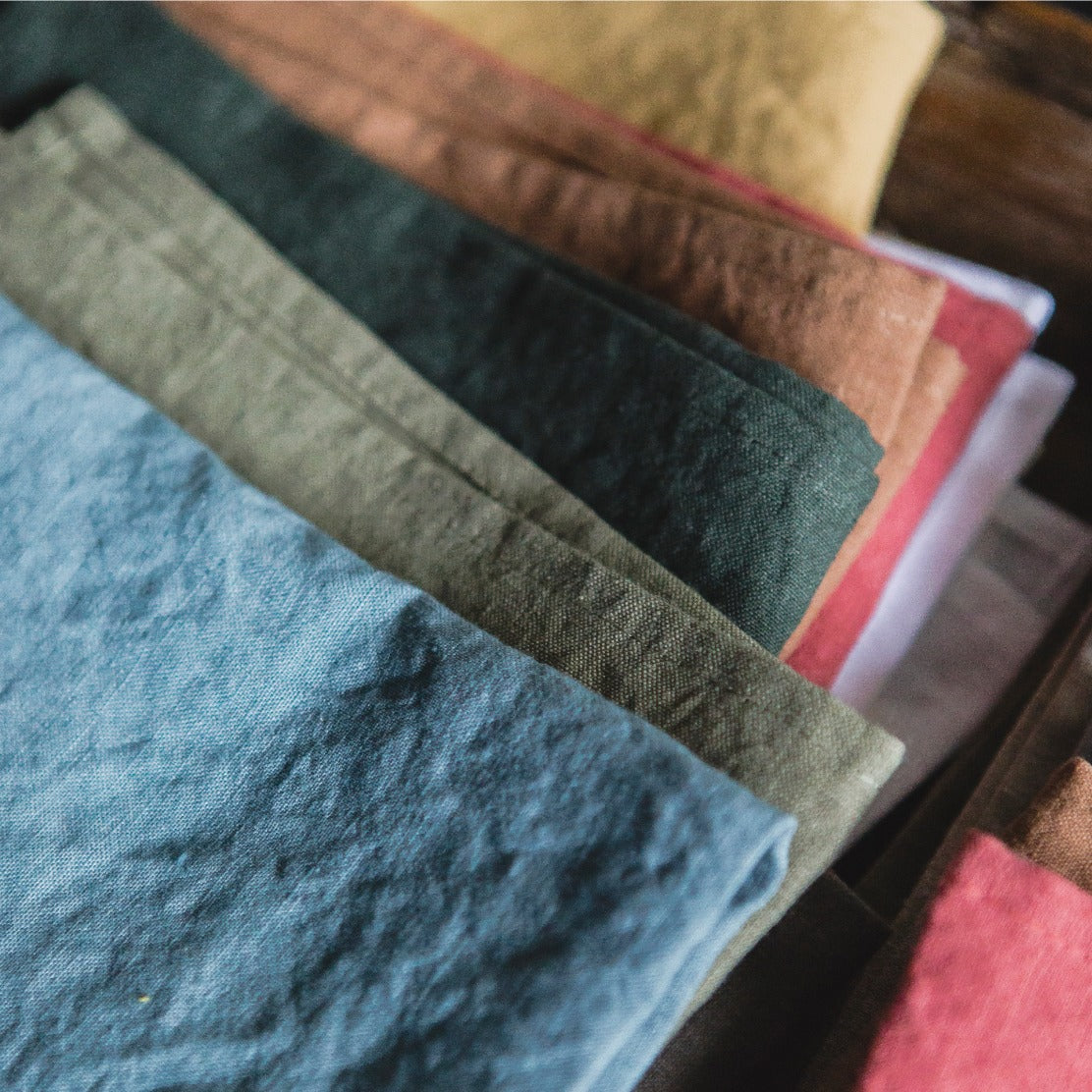
- Linen offers a dry hand and textured finish that works beautifully on refined seating.
- Wool has resilience and visual body.
- Silk delivers sheen and drama, though it belongs in controlled settings.
Still, none of those benefits automatically makes a fabric suitable for every sofa, banquette, or swivel chair.
Why blends and synthetics changed the category
Synthetics took hold because they solved recurring problems. Nylon improved abrasion resistance. Polyester helped with resilience and color retention. Acrylic delivered a wool-like look with different maintenance behavior. Olefin found its place where moisture resistance mattered more than tactile richness.
In practice, many of the strongest upholstery options aren't purely natural or purely synthetic. They're blends engineered to borrow the best qualities from each side. A linen-blend can keep the relaxed texture people want while gaining more structure. A performance velvet can deliver glamour without acting fragile in daily use.
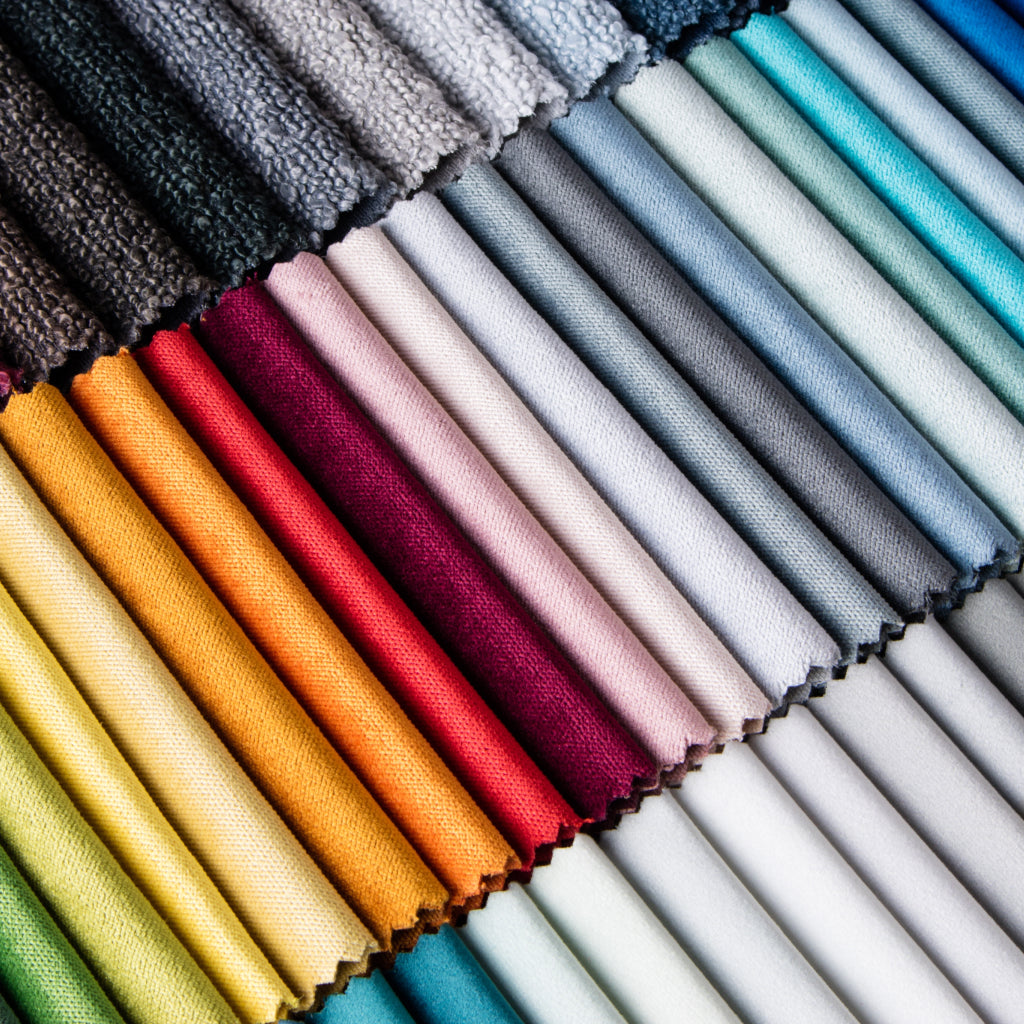
For buyers trying to learn the language, this is a helpful companion resource on examples of woven fabrics. Understanding woven construction makes swatches much easier to read.
Dense construction usually outperforms a loose, romantic weave in the exact places where sofas wear first, which means front rails, arms, seat crowns, and the edge of the main cushion.
Construction often matters more than fiber romance
A premium fabric earns its place through build quality. The questions I pay attention to are often these:
-
Yarn character
Filament, spun, boucle, chenille, and novelty yarns don't age the same way. Texture can be beautiful, but surface character often predicts snagging, crushing, or pilling behavior. -
Weave density
Tight weaves generally hold shape and resist distortion better than open ones. They also tend to look cleaner longer in high-contact settings. -
Surface finish
Some fabrics are brushed for softness. Others are coated or treated for repellency. Both choices affect touch, maintenance, and sometimes breathability. -
Pattern of wear
Flat woven fabrics usually age differently than plush pile constructions such as velvet. Neither is better. The right choice depends on where the furniture lives.
What this means for custom upholstered furniture
If you're commissioning custom chairs, a bespoke bench, or custom upholstered furniture for a North Atlanta home, ask for more than color options. Ask what the fabric is made of, how it's woven, how it's finished, and how it tends to age.
That's how you separate a fabric that sells off aspiration from one that earns its place on designer furniture.
Performance Metrics and Protective Finishes Explained
A fabric can look impeccable on the hanger, pass a trend-driven presentation, and still disappoint within a year on the furniture that gets used every day. That gap usually shows up after install, when a client notices flattening on seat decks, abrasion on the front rail, or a finish that changed the hand more than expected.
Performance data helps close that gap, but only if it is read in context.
Abrasion resistance is the metric clients ask about most often, and for good reason. In upholstery, the Martindale method under EN ISO 12947 / ISO 12947-2 is one of the standard ways mills assess surface wear. The fabric is rubbed against a standard wool abradant under controlled pressure, with evaluation typically recorded in 5,000-rub increments until the surface shows yarn breakdown or an appearance change considered unacceptable (Martindale upholstery guidance).
How to read rub counts without treating them as a promise
Rub count works as a screening tool. It does not predict how every fabric will live on every frame.
For many residential applications, specifiers often treat 15,000 to 25,000 rubs as a reasonable range for domestic upholstery, while 25,000 to 45,000 rubs is more common for heavier-duty public settings, as outlined in the same Martindale guidance. Higher numbers can be useful, especially on family-room seating or heavily used banquettes. They still do not answer other failure points such as seam slippage, pilling, soil retention, or how the color and texture change under repeated contact.
| Use Case | Recommended Rub Count | Typical Applications |
|---|---|---|
| General domestic | 15,000 to 25,000 | Formal living room sofas, guest seating, accent chairs |
| High-traffic private | 15,000 to 25,000 | Family room seating, everyday sectionals, home office chairs |
| Public use | 25,000 to 45,000 | Lobbies, hospitality seating, waiting areas |
I often caution clients against chasing the highest number on the card without asking what they are giving up to get it. Some fabrics engineered to clear demanding abrasion targets feel dry, coated, or visually flat, which can work in a contract setting and still feel wrong in a luxury residence.
Protective finishes help, but they also change the equation
Protective finishes earn their keep on dining chairs, kitchen banquettes, bar stools, and pale upholstery in homes where entertaining is frequent. They can repel liquid long enough for cleanup and reduce the chance that a small spill becomes a permanent stain. For households comparing untreated natural fibers with performance-treated options, the finish often makes the difference between a fabric that is usable and one that causes anxiety.
A practical overview of fabric protection for furniture helps explain what these treatments are designed to do.
The trade-off is straightforward. Some finishes alter softness. Some affect breathability. Some clients want that extra barrier on every seat in the house. Others prefer the more natural hand of an untreated textile in a formal room that sees occasional use and careful maintenance.
A breakfast-room banquette and a formal sitting-room sofa can justify two very different finish decisions, even when the color palette is nearly identical.
Abrasion, stain resistance, and fire performance are separate categories
These metrics are often grouped together in showroom conversations, but they answer different questions. Abrasion addresses surface wear. Protective chemistry addresses spill resistance and cleanup. Flammability testing addresses ignition behavior under specific standards.
Comparative upholstery research published by the National Library of Medicine found that several woven and knitted upholstery structures withstood 45,000 to 50,000 abrasion cycles, while flame-retardant performance depended on different material and specification factors entirely (upholstery abrasion and flammability study). The same study notes that upholstery specifications may also reference standards such as EN ISO 1021 parts 1–2, BS 5852 Crib 5, TB 117, NFPA 260, and IMO FTP Code Part 8 for projects that cross residential, hospitality, and marine requirements.
That distinction matters in practice. Atlanta homeowners may never need contract-grade fire documentation for a primary residence, but designers working on mixed-use properties, second homes, or amenity spaces often do.
Questions worth asking before approval
Before I approve an upholstery textile, I want answers to these points:
- What is the abrasion rating? Enough for the room and the furniture type.
- What finish is applied? Repellent, stain-resistant treatment, or no finish at all.
- Which standards apply? Residential use only, or broader code requirements.
- How does the fabric age visually? Pilling, crushing, glazing, flattening, or fuzzing.
- What cleaning method does it require? Water-based care, solvent care, professional cleaning, or removable covers.
That framework keeps the decision grounded in actual use. Appearance still matters, but appearance alone is how expensive mistakes get specified.
Aligning Textile Choices with Modern Design Aesthetics
Most trend coverage gets the room half right. It talks about what looks current, but not what survives use with dignity.
That matters because upholstery isn't wall paint. You touch it, lean on it, sit in it, spill on it, and see it in changing light every day. If you're investing in designer furniture, statement furniture pieces, or a custom sofa for a Roswell or Sandy Springs home, your textile choice shapes both the style and the staying power of the room.
Trend textures need context
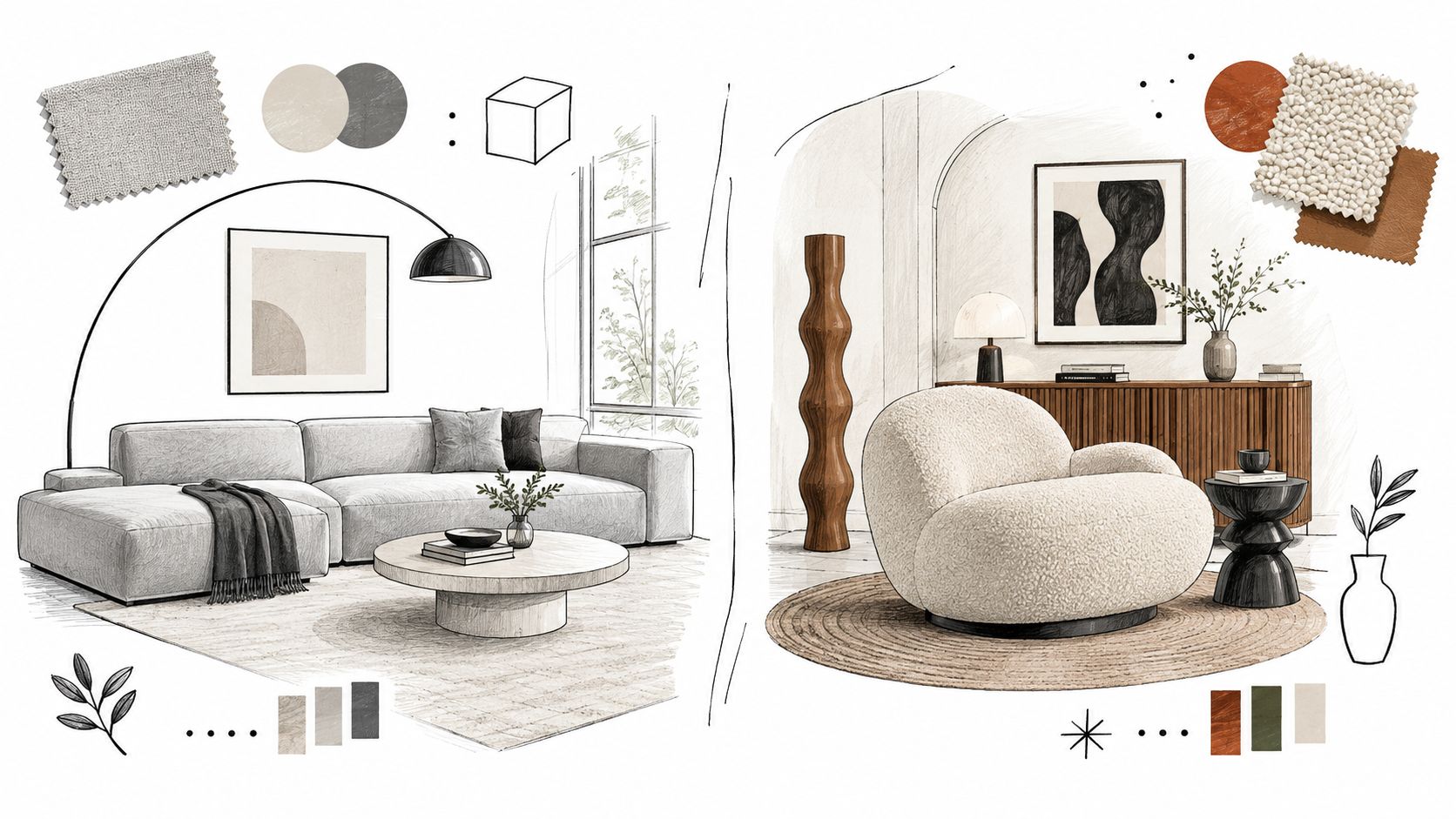
Recent trend coverage shows strong momentum for bouclé, chenille, velvet, and linen-like textures, along with a broader move toward cocooning, earthy palettes, and tactile upholstery. It also highlights a growing split between plush textures and more practical high-performance or replaceable-cover systems for everyday living (2025 upholstery trend review).
That split is real.
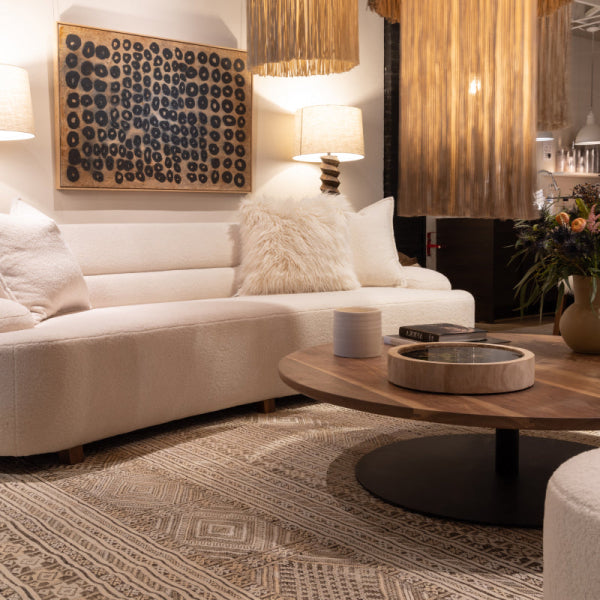
Bouclé can look sculptural and soft, but looped surfaces aren't always ideal around claws, jewelry, or constant friction. Chenille adds warmth and richness, yet some versions show wear paths quickly. Velvet can be excellent if the quality is right, especially where a room needs depth rather than visual busyness. Linen-look weaves often give a relaxed feel, but the wrong construction can wrinkle, pull, or abrade unevenly.
Matching fabric to design language
A modern interior doesn't demand one specific textile family. It demands a textile that supports the room's architecture and use.
- Contemporary luxury rooms often benefit from crisp velvets, refined plains, and quiet textured weaves that hold line and silhouette.
- Transitional interiors usually take well to linen blends, subtle chenilles, and fabrics with enough movement to soften cleaner furniture profiles.
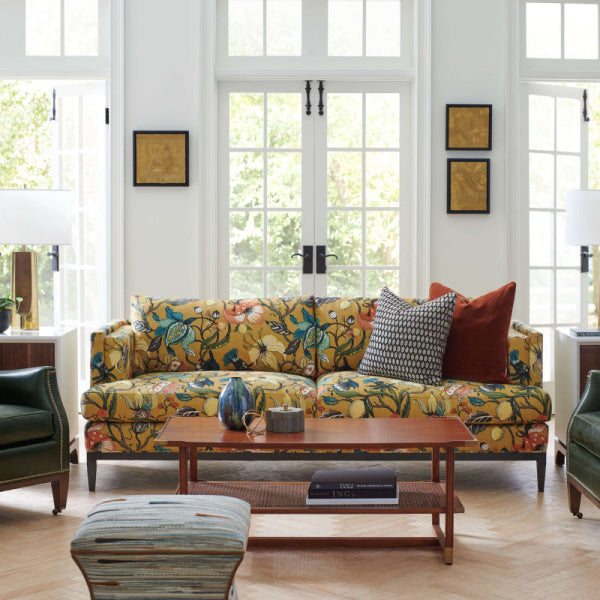
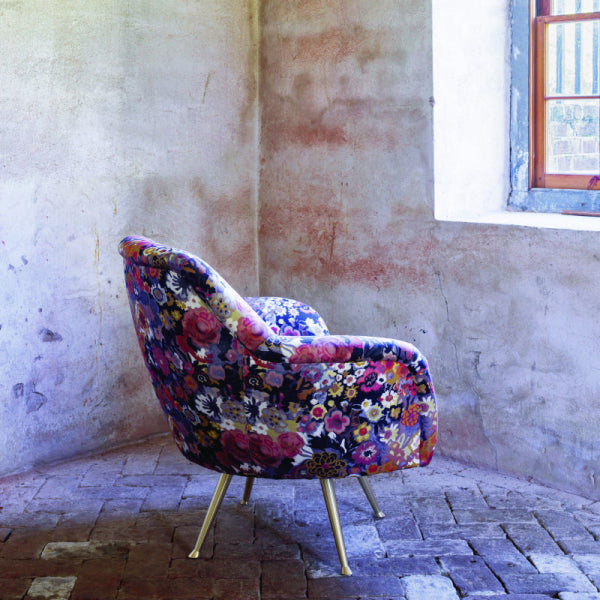
- Collected, art-forward spaces can handle more expressive surfaces if the frame shape stays disciplined.
When clients are styling around artwork, I often suggest building the upholstery palette first, then layering supporting accent pieces such as modern canvas prints where color and composition can echo the textile without overcomplicating the room.
Fashionable isn't the same as livable. The most photographed fabric in a showroom often isn't the one I'd put on the main family-room sectional.
Timeless almost always wins the long game
The better question isn't “What's the most modern fabric right now?” It's “What fabric still feels refined after trend momentum fades?”
That often leads buyers toward quieter choices with stronger staying power. A performance velvet in a mineral tone can feel current without being tied to a single season. A tightly woven linen blend can read relaxed, expensive, and architectural at once. A textured neutral can support changing pillows, rugs, and art over time without forcing a redesign.
For people searching where to buy premium furniture in Atlanta or deciding between custom vs mass-produced furniture, custom earns its value. You can tune the textile to the room's visual intent instead of settling for whatever the floor model happens to wear.
Practical Framework for Selecting and Maintaining Fabrics
A good upholstery decision starts with honesty. Not aspirational honesty. Daily-life honesty.
If the sofa is for a formal living room used a few times a month, you can make one kind of choice. If it's the sectional where everyone lands every evening, you need a different answer. Buyers often regret upholstery when they choose for the version of life they want photographed, not the version they live.
A five-part selection framework
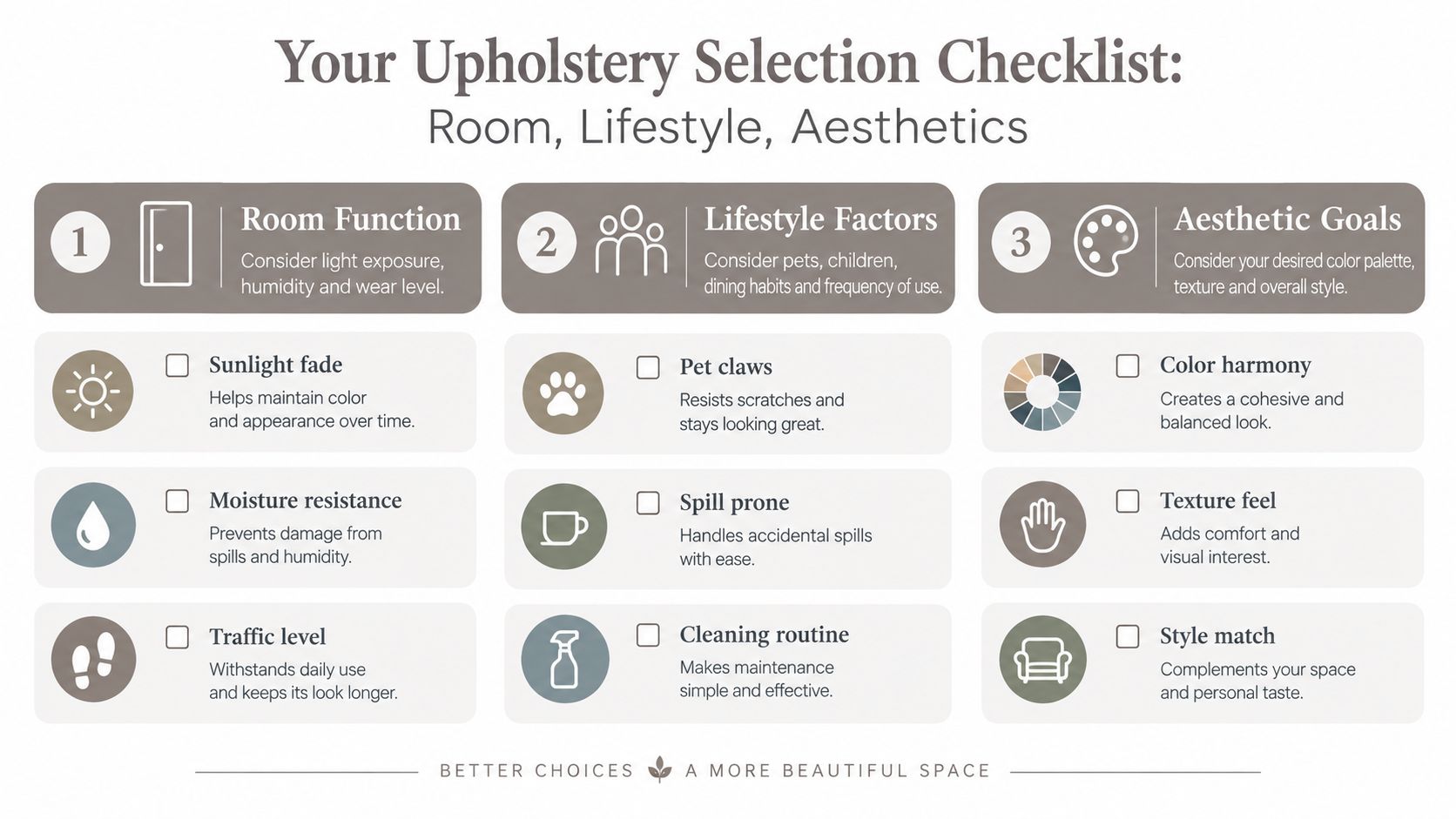
Use this framework when evaluating luxury home furnishings, custom chairs, or reupholstery candidates.
-
Start with room function
Sun exposure, humidity, and seat frequency matter more than people think. A bright sitting room with afternoon light creates a different wear pattern than a den or media room. -
Map the contact points
The front edge of a cushion, the outside arm, and the seat people claim first usually show wear earliest. Choose for those pressure zones, not just for the center of the sofa. -
Define your tolerance for maintenance
Some owners are fine with regular professional care and a more delicate textile. Others want to blot, vacuum, and move on. -
Ask what performance includes
“Performance” can mean stain repellency, easier cleaning, abrasion strength, or something else entirely. Don't assume the label tells you enough. -
Check chemistry and compliance
If a fabric has a finish or flame-retardant treatment, ask what was added and whether you need it for the room.
What to maintain and what to avoid
Different fabrics age well under different care habits.
-
For performance synthetics and blends
Vacuum regularly, address spills quickly, and follow cleaning-code guidance before using household products. These fabrics often forgive daily use well, but neglect still shows. -
For linen, wool, and other tactile naturals
Rotate cushions if possible, avoid harsh rubbing on spills, and expect some character development over time. Natural fabrics often wear gracefully when they aren't forced into heavy-duty roles. -
For boucle and novelty textures
Keep sharp objects away, manage pet contact carefully, and don't assume visual softness means structural toughness.
If pets are part of the decision, practical guidance like these tips from J.G. Carpet Cleaning can help frame realistic questions about claw resistance, cleanability, and texture choice.
The health side isn't optional
A detail many buyers miss is that some stain-resistant or flame-retardant systems come with chemical trade-offs. Independent materials coverage notes that fire-retardant chemistry can be a PFAS vector, and not all upholstery is treated the same way (materials note on upholstery treatments).
That doesn't mean all treated upholstery is wrong. It means you should ask whether the treatment is necessary for your use case.
A formal chair in a low-use bedroom may not need the same specification as a pale sectional in a family room. Better upholstery isn't always the most technical upholstery. Sometimes it's the fabric with the least unnecessary intervention.
Sourcing Premium Textiles in Atlanta with Lewis and Sheron
Once you know how to evaluate construction, finish, and performance, sourcing gets easier. You stop shopping by swatch emotion alone and start comparing textiles the way professionals do.
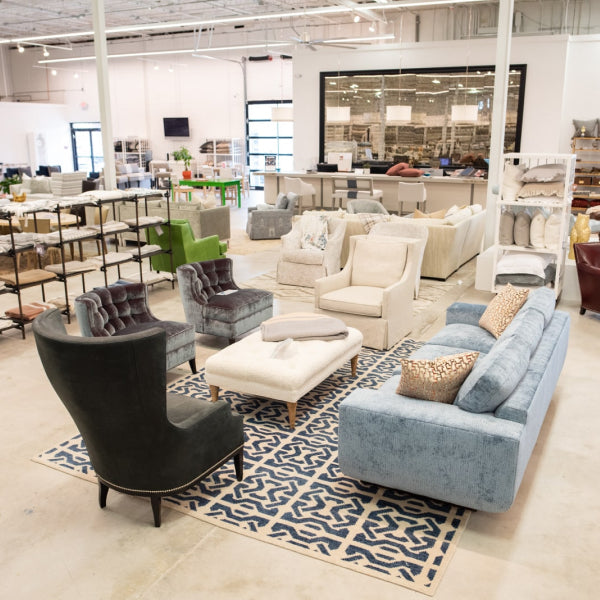
For homeowners and designers looking for luxury furniture in Atlanta, custom furniture Atlanta, or designer furniture near me, local access matters. You need to see scale, texture, color variation, and construction in person. You also need a source that can support both quick selections and longer custom processes.
Custom upholstery often works through COM/COL, which means clients can provide their own material or leather for fabrication. One custom furniture maker also notes that every upholstered piece is made to order and can be built with options such as foam densities, pocket springs, and hand-tied construction for durability (custom upholstery and COM/COL overview). That level of control is a major advantage when you want a sofa or chair to meet a specific visual and functional brief.
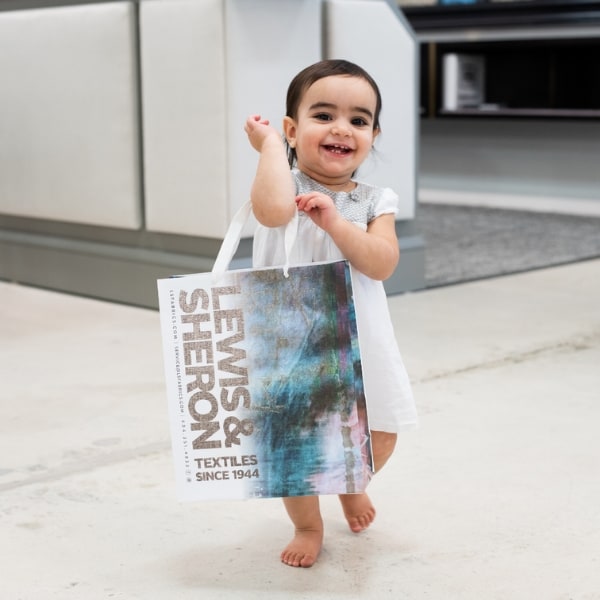
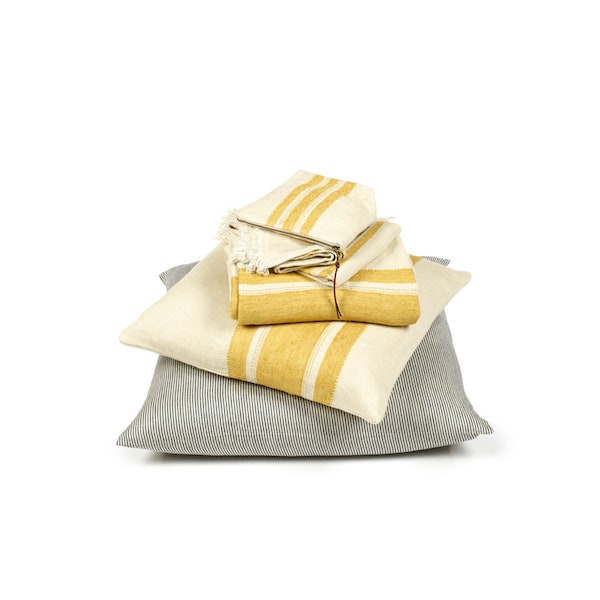
In Atlanta, one practical sourcing route is Lewis and Sheron Textiles, where shoppers can review home fabrics, custom furnishings, and reupholstery options in one place. The company has served the community since 1944 and offers over a thousand in-stock bolts, thousands more cut-yardage options, and lines that include Kravet, Fabricut, P. Kaufmann, Libeco Home, and Crypton, along with made-to-order American-crafted upholstery, reupholstery, and complimentary design support when shopping.
For buyers narrowing sources, this guide to the best places to buy upholstery fabric is useful because it frames what to look for beyond surface style. The strongest sourcing partners don't just hand over swatches. They help you translate your room, your frame, and your lifestyle into a textile choice that won't feel like a compromise six months later.
That's what separates a stylish purchase from a sound one. In the luxury category, durability isn't a secondary concern. It's part of the design.
If you're selecting fabric for a luxury sofa, custom chair, sectional, or heirloom reupholstery project, Lewis and Sheron Textiles offers the kind of in-person textile range and design support that makes better decisions possible. Explore upholstery fabrics, custom furnishings, and sourcing help at Lewis and Sheron Textiles to find materials that fit both the room you want and the life your furniture will live.