
















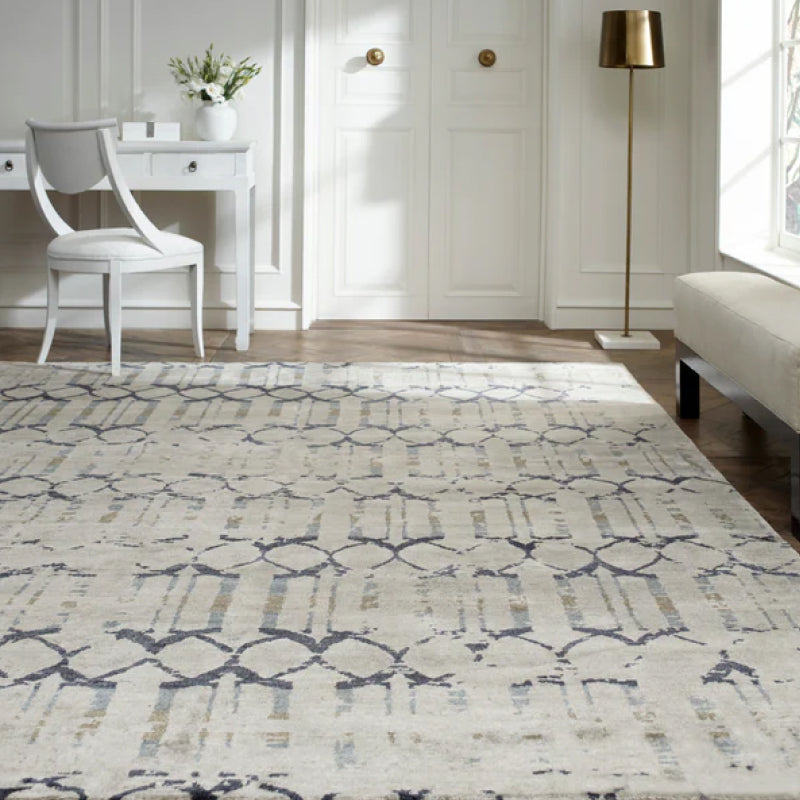
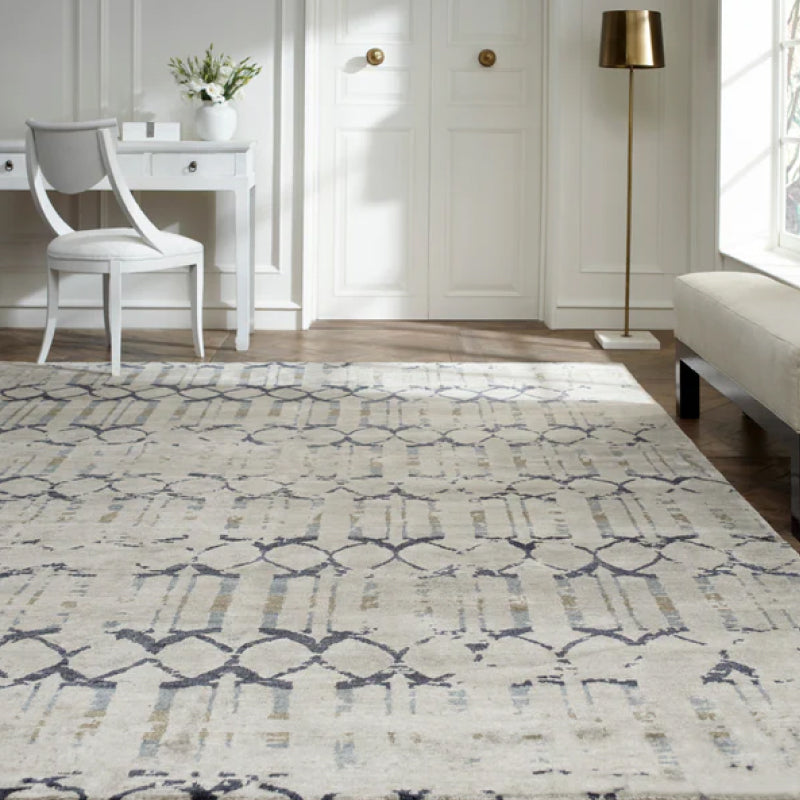
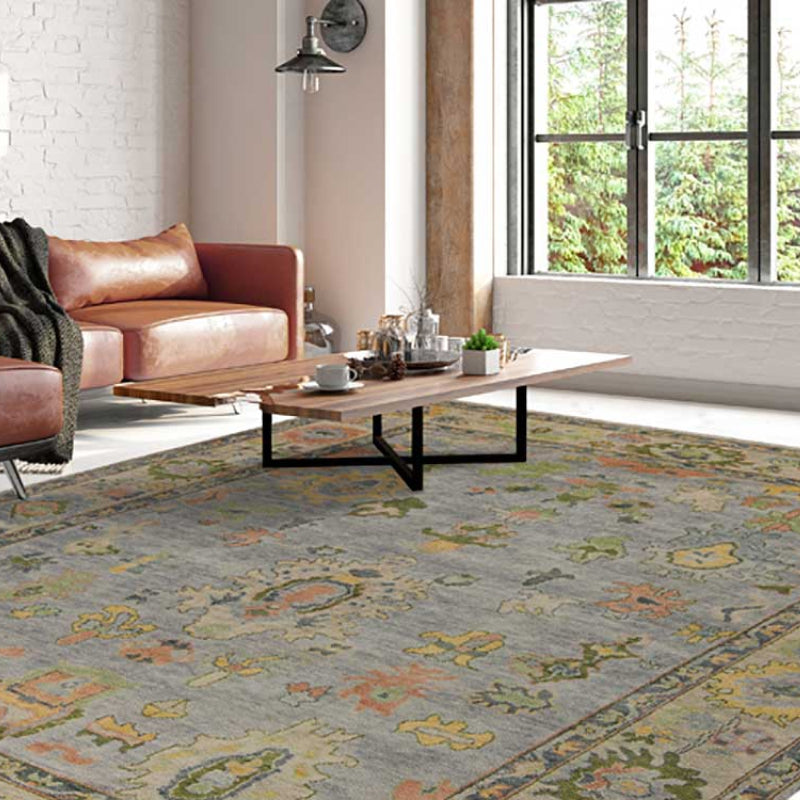
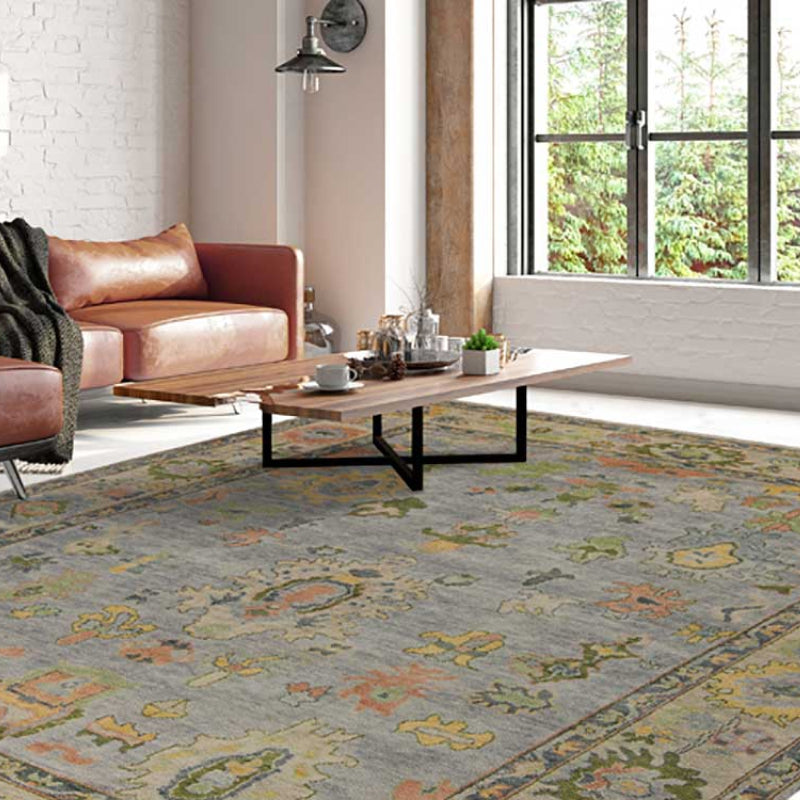
What should a custom drapery treatment accomplish beyond covering a window? It might control glare in a Buckhead living room, protect a premium sectional from harsh sun, create privacy in a Sandy Springs bedroom, soften acoustics in an Alpharetta media room, or establish the visual identity of an entire North Atlanta home. The strongest luxury interiors treat drapery as part of the furnishing plan, not as an afterthought added after the sofa and rug.
That distinction matters when you're investing in high-end furniture, custom upholstered furniture, and heirloom-quality pieces. Fabric, lining, fullness, hardware, installation, and maintenance all affect how the treatment performs beside a luxury sofa, designer chair, hand-knotted rug, or statement furniture piece. A well-planned window treatment can make those furnishings feel connected. A poorly proportioned panel can make even expensive furniture look disconnected.
These custom drapery ideas focus on practical decisions for homeowners, interior designers, and design-conscious buyers in Atlanta, Buckhead, Alpharetta, Roswell, Sandy Springs, Fulton County, and surrounding affluent markets. For made-to-order guidance, explore Tip Top Furniture custom designs alongside the options below.
1. Motorized Custom Drapery with Smart Home Integration
Motorized drapery makes sense when windows are tall, numerous, difficult to reach, or exposed to intense afternoon light. In a Buckhead estate with floor-to-ceiling glass, automated floor-length panels can open gradually in the morning, close for privacy, and respond to a homeowner's preferred lighting routine without hand-adjusting every panel.
The luxury comes from quiet, precise movement rather than technology for its own sake. Remote controls, smartphone apps, and voice commands can make a large treatment easier to manage, while careful fabric selection preserves the polished appearance expected beside designer furniture.
Match automation to the room
A Sandy Springs sunroom may benefit from scheduled panels that moderate glare and solar exposure. In an Alpharetta designer home, motorized sheers and blackout layers can serve different purposes throughout the day. A bedroom may need privacy first, while a media room needs controlled light without sacrificing a polished residential feel.
Dual-layer systems offer the broadest range. Motorized sheers provide daytime softness, while opaque or blackout panels create stronger privacy and light control when needed.
Practical rule: Plan motorization before walls, ceilings, and millwork are finalized whenever possible. New construction and major renovation projects provide the cleanest opportunity to conceal wiring and support.
Lewis and Sheron's complimentary design services can help coordinate motor systems with premium fabrics from Kravet, Fabricut, or Libeco Home. Crypton performance textiles may be appropriate where panels will move frequently, but the fabric still needs the correct lining, header construction, and installation. Motorization won't correct an under-specified drapery panel. It should support a well-designed one.

2. Floor-to-Ceiling Statement Drapery in Luxury Textiles
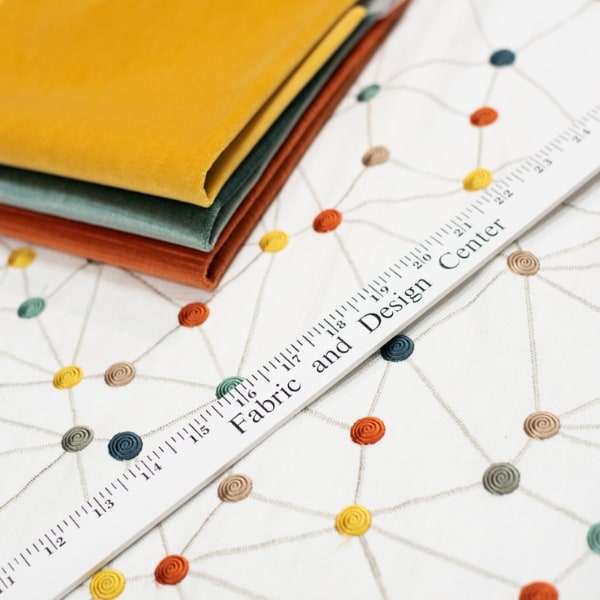
Floor-to-ceiling drapery can give a room architectural presence, especially when the panels begin close to the ceiling and finish with a controlled relationship to the floor. The effect works beautifully in Roswell dining rooms with neutral Kravet linen, Buckhead bedrooms layered in Libeco Home sheers and panels, and North Atlanta living rooms using geometric patterns from Fabricut's designer collections.
The fabric is only part of the result. Proper fullness, a weighted hem, quality lining, optional interlining, and professional tailoring determine whether the panels look fluid and substantial or flat and temporary. A silk velvet treatment in a Sandy Springs formal room needs a different handling approach from relaxed linen in a casual family space.
Measure for the finished composition
Window width, stack-back, ceiling height, furniture placement, and access to doors all affect the specification. Before ordering, review this guide on how to measure windows for curtains, but treat measurement as part of a broader design process rather than a do-it-yourself shortcut.
A high-end treatment should sit comfortably beside a statement sofa or premium sectional without blocking circulation. Layering sheer and opaque panels can add flexibility, while lining and interlining protect the face fabric and improve the fall of the material.
Annual professional maintenance helps preserve quality textiles, particularly in rooms with frequent sunlight, cooking exposure, or heavy household use. Lewis and Sheron's in-house designers can help coordinate the drapery with existing upholstery, rugs, wall color, and architectural details before the fabric is committed.

3. Layered Sheer and Blackout Custom Drapery Systems
A single curtain rarely performs every job well. Sheers can diffuse daylight and provide daytime privacy, but they won't deliver the darkness or evening privacy that a bedroom, media room, or home office may require. Pairing a sheer layer with blackout or opaque panels creates a more adaptable system without making the room feel utilitarian.
In an Alpharetta home office, sheer panels can soften the background during video conferences while blackout layers reduce glare when the room changes function. A Buckhead master bedroom might pair delicate Libeco linen sheers with luxurious blackout panels. In a Roswell children's room, coordinated patterns and textures can make the system feel intentional rather than purely practical.
Specify the layers as one design
Dual tracks need enough depth for both fabrics to move freely. Colors should relate closely, but they don't need to match exactly. A warm neutral sheer with a deeper taupe blackout panel often feels more layered than two identical fabrics, while a patterned outer panel can become the room's accent beside a restrained premium sectional.
Both layers deserve appropriate lining and custom construction. If the room is humid or heavily used, ask about performance fabrics from Crypton. Motorization is also worth considering for windows that are opened and closed often, particularly when cords would interfere with children, pets, or furniture placement.
Sheers are for light and daytime privacy. They aren't a complete nighttime privacy or blackout solution.
Coordinate the window treatment with rugs, wall treatments, upholstered beds, custom chairs, or a media console before selecting final colors. Lewis and Sheron designers can compare the layers against actual furniture and textile samples, which is more reliable than judging isolated swatches.

4. Custom Drapery with Architectural Trim Details
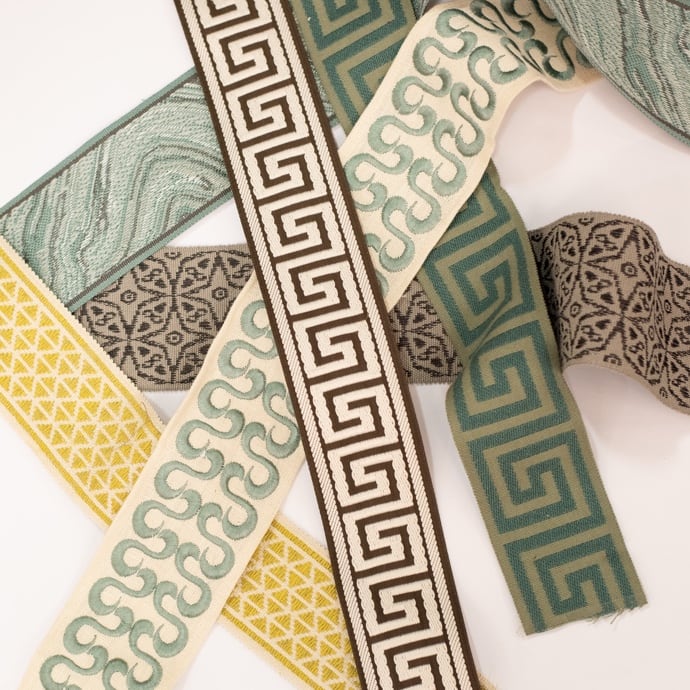
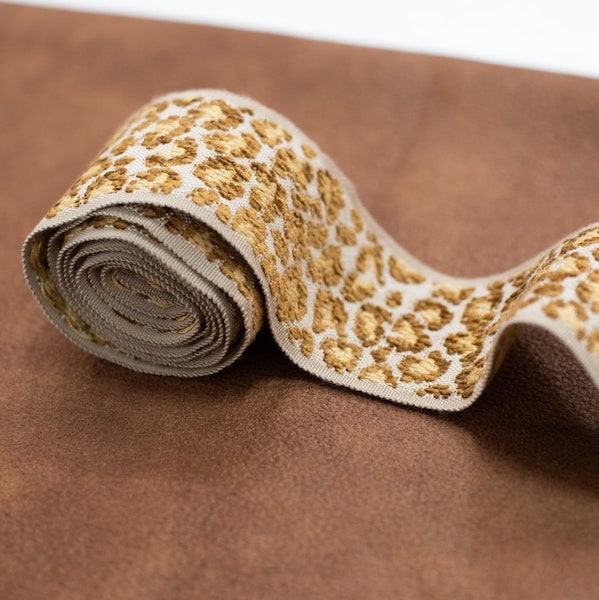
Trim gives a custom panel a deliberate edge. Silk fringe on linen, bullion on a bedroom treatment, tassels on a formal panel, or leather banding over wood paneling can connect the window to nearby custom chairs, pillows, rugs, and upholstered furniture. The strongest applications repeat a material or color already present in the room instead of introducing decoration without a relationship.
A Buckhead formal living room may support silk fringe-trimmed linen drapery, while a Sandy Springs bedroom could take bullion or tassel detailing in a quieter scale. Alpharetta dining rooms can coordinate drapery with custom-trimmed Roman shade valances, and a North Atlanta library may suit leather-banded panels against dark wood.
Use scale as the control
Heavy trims need architectural room around them. Delicate trims work better in intimate spaces or on lighter fabrics. A wide contrast band can become the main design event, while narrow piping may sharpen the panel's outline.
Visit the Lewis and Sheron Design Center to compare trim colors, textures, and sheen in natural light. A trim that appears understated under showroom lighting may look prominent beside a sunlit window. The team can also help determine whether the detail belongs on the leading edge, bottom hem, inner band, or a separate valance.
Budget for specialized cleaning. Fringe, tassels, and bullion can require more careful maintenance than a plain hem, and an aggressive cleaning method may distort their shape. Trim should complement the treatment without making operation, cleaning, or coordination with the rest of the room unnecessarily difficult.
5. Custom Drapery with Integrated Valances and Cornices
Valances and cornices create a structured frame around a window and can conceal rods, tracks, brackets, or motorized equipment. Traditional swags and tails bring softness to a formal Buckhead dining room, while a clean-lined cornice can suit a contemporary Alpharetta living room with layered sheers and restrained furniture.
The decision depends on proportion. A deep, upholstered cornice can overwhelm a modest window or compete with a low ceiling. A narrow linear valance may be better for a Sandy Springs home office where the goal is to hide hardware without adding visual weight.
Let architecture determine the profile
Roswell bedrooms can use upholstered cornices in coordinating Libeco linen, especially when the headboard and drapery share a quiet material story. In a formal room, a patterned valance can introduce the accent color while the panels remain neutral. That approach keeps the treatment expressive without forcing every textile in the room to compete.
Construction must be planned early. Heavy cornices may need structural support, and their depth must account for window operation, shade clearance, and nearby furniture. A designer should review the relationship between the treatment and a tall bookcase, console, custom chair, or premium sectional before fabrication begins.
Traditional forms aren't automatically more luxurious, and contemporary forms aren't automatically simpler. The right profile follows the home's architecture, ceiling height, window scale, and furnishing language. Professional installation matters because a slight misalignment can make a structured treatment look careless.
6. Performance Fabric Custom Drapery for High-Traffic and Humid Environments
Atlanta homes often need window treatments that can tolerate active family life, pets, cooking, sunlight, and humid conditions without looking like commercial products. Performance fabrics such as Crypton can make sense in family rooms, sunrooms, kitchens, children's spaces, and home offices where maintenance is a practical concern.
This is a quality-over-price decision, not a bargain shortcut. Natural linen, silk, cotton, and wool each offer distinctive hand and visual character, while performance textiles may provide easier care and greater resistance to everyday mishaps. The trade-off is that a performance fabric can feel less irregular or tactile than a natural fiber, depending on the specific construction.
Preserve the designer appearance
A custom heading, generous fullness, weighted hem, and quality lining keep performance drapery from looking flat or casual. In a Sandy Springs sunroom, the fabric should also be evaluated alongside temperature variation, furniture exposure, and the amount of direct light. In an Alpharetta kitchen, stain resistance may matter more than a delicate slub or highly reflective finish.
Crypton performance fabrics don't require Scotchgard or additional stain treatments because protection is built in. That doesn't eliminate maintenance. Regular professional cleaning remains useful for preserving appearance, especially in rooms that receive constant household traffic.
For a broader fabric comparison, review choosing the best performance fabrics. Lewis and Sheron designers can show how Crypton options work with transitional, contemporary, and casual schemes, including luxury sofas, high-quality couches, and premium sectionals.
7. Custom Drapery Featuring Custom-Printed and Hand-Painted Fabrics
Custom-printed and hand-painted fabrics suit buyers who want the window treatment to function as an original design element. A Buckhead residence might commission a botanical print that reflects an estate garden. An Atlanta designer project could use hand-painted watercolor fabric in a master bedroom, while an Alpharetta family home might feature a digitally printed family-tree design in a child's room.
This approach also works in an art collector's Sandy Springs home, where commissioned artwork can become part of the drapery rather than remaining confined to the wall. The result can echo architecture, artwork, upholstery, or a statement furniture piece with a level of exclusivity that stock fabric can't provide.
Review the image as a finished panel
Start with a strong, high-resolution concept. Then request a print sample on the actual drapery-weight fabric, not a promotional paper sample or unrelated textile. Scale, color, texture, and panel placement can change substantially when the design moves from a small image to a full-length treatment.
Proofing deserves patience. The designer and fabricator need to determine how the motif will align across panels, where the focal image will sit, and whether the pattern should appear on accent panels rather than every width. Design approval, production, and construction require an extended timeline, with a minimum of 8 to 12 weeks specified in the project plan.
Use a custom print where it can carry the room. If the fabric is highly expressive, keep the surrounding luxury furnishings more edited. Lewis and Sheron designers can help balance the artwork with rugs, custom upholstered furniture, and wall color so the result feels collected rather than crowded.
8. Custom Sheer Drapery for Sophisticated Light Filtering and Daytime Privacy
Premium sheer drapery creates a bright, softened interior while maintaining a sense of privacy during the day. Linen, cotton, silk, and blended sheers differ in hand, movement, transparency, and durability, so the choice should follow the room's exposure and furnishing plan rather than a generic preference for white curtains.
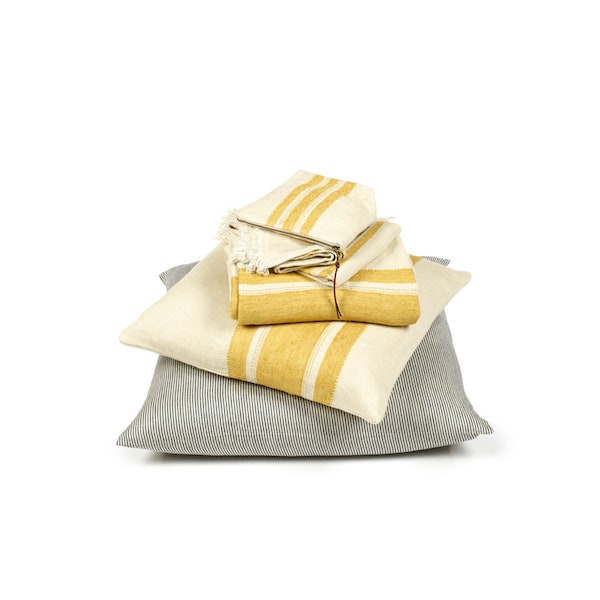
Libeco linen sheers can bring relaxed texture to a Buckhead formal living room. In a Sandy Springs bedroom, sheer panels can sit in front of blackout layers for daytime softness and nighttime control. Roswell dining rooms may benefit from subtle patterned sheers that relate to table linens and upholstery, while an Alpharetta home office can stay bright and private without feeling closed in.
Favor fullness and nuanced color
Pure white can look harsh in some rooms and may show yellowing more noticeably over time. Slightly off-white, ivory, or cream often integrates more naturally with a luxury sofa, custom chair, rug, or painted wall.
Sheers need generous width to create sculptural folds. Too little fullness makes them look sparse, particularly when they remain closed. They also benefit from careful installation, proper heading construction, and professional cleaning.
A sheer panel isn't a substitute for nighttime privacy or blackout control. Layer it with an opaque panel when the room faces neighbors, streets, or nearby homes. For guidance on transparency and hand, compare sheer fabric types, and review the Belle Isle project by Jimmy Clemmons for a refined example of how textiles can participate in a broader interior composition.
9. Custom Drapery with Specialty Hardware and Architectural Accents
Hardware can disappear into the design, or it can act as a deliberate architectural accent. Decorative rods, finials, brackets, rings, and specialty mounting solutions give a treatment a finished identity, particularly when the hardware relates to lighting, cabinet pulls, plumbing fixtures, or upholstery details.
An Alpharetta contemporary home might use matte black rods with geometric finials. A Buckhead transitional residence may suit brass rods with urn finials, while a Sandy Springs modern home could use stainless steel rods and sculptural metal accents. Mixed-metal hardware can work in an Atlanta designer project when the finishes are repeated thoughtfully instead of scattered randomly.
Balance visibility with structural support
Decorative hardware still needs to carry the drapery without sagging. Fabric weight, span, corner conditions, return depth, and the location of studs or blocking all affect the installation. A heavy velvet treatment may need a more substantial system than a linen sheer, even if both occupy the same window.
Proportion matters as well. Generous windows can handle heavier rods and larger finials. Narrow openings generally look better with quieter hardware that doesn't overpower the glass or nearby custom chair.
Select specialty hardware early, before fabric, wall color, lighting, and furniture decisions are final. Professional installation protects alignment and ensures that the visual statement also works mechanically. A beautiful rod mounted too low, too shallow, or without enough support can undermine the entire treatment.
10. Whole-Home Integration and Heritage-Quality Construction
The most successful custom drapery plan doesn't treat each room as an isolated project. It establishes a material and color story that can move from a Buckhead master suite to an Alpharetta living room, a Sandy Springs dining room, or a Roswell home office while allowing each space to retain its own character.
A coordinated master suite might pair Libeco linen drapery with an upholstered headboard and throw pillows. An Alpharetta living room could bring together Kravet drapery, a custom Lee Industries sectional, and a Kalaty hand-knotted rug. In Sandy Springs, Fabricut drapery might relate to upholstered dining chairs and a custom Roman shade valance, while a Roswell office connects drapery with an upholstered desk chair, area rug, and accent pillows.
Build around lasting furnishings
Drapery often works best when selected alongside foundational pieces rather than after every major purchase is complete. Bring inspiration images, upholstery samples, rug colors, and room photographs to the design consultation. The aim isn't to make every item match. It's to make the materials feel deliberate together.
Lewis and Sheron offers complimentary design services, American-made upholstery options, reupholstery expertise, custom drapery, rugs, trims, and accessories. Its four generations of heritage provide a practical setting for clients who want to phase a room over time instead of replacing disconnected pieces.
Custom furniture's value often includes repairability and joinery. Mortise-and-tenon joints, dovetails, and dado cuts mechanically lock components and distribute stress more effectively than simple fasteners, according to this guide to commissioning bespoke furniture that lasts. Solid-hardwood bespoke furniture can realistically become an heirloom over 30 to 50 years, as that same source explains.
Choose the treatment and furniture as parts of one interior, not as separate purchases competing for attention.
Keep records of fabric names, colors, trims, and purchases for future additions. Favor timeless patterns over short-lived trends, specify quality lining and interlining, schedule professional cleaning, and choose motorization systems that operate smoothly. Those decisions help a luxury interior age with intention.
10 Custom Drapery Ideas Compared
| Title | Implementation Complexity 🔄 | Resource Requirements ⚡ | Expected Outcomes ⭐📊 | Ideal Use Cases 📊 | Key Advantages & Tips 💡 |
|---|---|---|---|---|---|
| Motorized Custom Drapery with Smart Home Integration | 🔄 High, motor systems, programming, pro install | ⚡ Medium–High, motors, controls, power/batteries, premium fabrics | ⭐⭐⭐ High convenience, automated light/privacy, energy savings | 📊 Luxury homes, tall windows, smart-home ecosystems (Buckhead, Sandy Springs) | 💡 Automates routine tasks; consult designers; consider dual-layer and battery backup |
| Floor-to-Ceiling Statement Drapery in Luxury Textiles | 🔄 Medium, custom measuring, tailoring, pro hanging | ⚡ High, large yardage, premium linen/velvet, lining/interlining | ⭐⭐⭐ Dramatic architectural impact; improved acoustics & thermal performance | 📊 Formal rooms, high ceilings, statement spaces | 💡 Use quality lining/weights; professional installation essential |
| Layered Sheer and Blackout Custom Drapery Systems | 🔄 Medium–High, dual tracks, coordinated operation, possible motorization | ⚡ High, multiple fabrics, tracks, additional wall/ceiling space | ⭐⭐⭐ Maximum day/night control; strong energy & UV protection | 📊 Bedrooms, media rooms, home offices needing versatile light control | 💡 Pair sheers with blackout; specify linings; consider motorization for convenience |
| Custom Drapery with Architectural Trim Details | 🔄 High, hand-applied trims, artisan work, precise placement | ⚡ High, specialty trims, skilled labor, higher cost | ⭐⭐⭐ Bespoke visual richness; elevated perceived luxury | 📊 Formal living rooms, libraries, bespoke interiors | 💡 View trims in natural light; scale trims to room; budget professional cleaning |
| Custom Drapery with Integrated Valances and Cornices | 🔄 High, carpentry/upholstery, structural mounting, custom construction | ⚡ High, cornices/valances, installation time, potential supports | ⭐⭐⭐ Polished, hardware-concealing finish; adds architectural interest | 📊 Traditional or refined contemporary rooms needing finished look | 💡 Plan proportions early; integrate with room architecture; pro installation required |
| Performance Fabric Custom Drapery for High-Traffic and Humid Environments | 🔄 Low–Medium, standard construction with specialized textiles | ⚡ Medium, Crypton/performance fabrics, quality linings | ⭐⭐⭐ Durable, stain/mildew resistant; extended lifespan in humid climates | 📊 Family rooms, sunrooms, kitchens, children's spaces | 💡 Choose Crypton for moisture/stain resistance; maintain annual professional cleaning |
| Custom Drapery Featuring Custom-Printed and Hand-Painted Fabrics | 🔄 High, design proofs, scale placement, bespoke production | ⚡ Very High, custom printing/painting, minimum yardage, longer lead times | ⭐⭐⭐ Unique, highly personalized artistic statement | 📊 Bespoke commissions, art-focused interiors, high-net-worth projects | 💡 Request samples on drapery-weight fabric; allow 8–12 week timeline; expect higher cost |
| Custom Sheer Drapery for Sophisticated Light Filtering and Daytime Privacy | 🔄 Low–Medium, careful fullness and seam work, professional hemming | ⚡ Medium, premium sheers (linen/cotton/silk), proper finishing | ⭐⭐ Elegant light diffusion and daytime privacy; not blackout | 📊 Bright living spaces, layered systems, offices desiring soft daylight | 💡 Use off-white/cream tones; pair with opaque layers for night; clean professionally |
| Custom Drapery with Specialty Hardware and Architectural Accents | 🔄 Medium–High, custom mounting, alignment, weight support considerations | ⚡ High, custom metal/wood hardware, bespoke finials, precise installation | ⭐⭐⭐ Hardware becomes a design focal point; coordinated finishes | 📊 Contemporary/transitional interiors where hardware is visible | 💡 Coordinate metal finishes with fixtures; ensure hardware supports fabric weight; install early |
| Whole-Home Integration and Heritage-Quality Construction | 🔄 Very High, multi-room coordination, phased planning, specification | ⚡ Very High, extensive fabrics, artisan construction, long timeline | ⭐⭐⭐⭐ Cohesive, long-term value; durable, heirloom-quality interiors | 📊 Whole-home renovations, estate properties, clients seeking legacy craftsmanship | 💡 Start with anchors (drapery/rugs); work with designers; plan phases and document selections |
Choose Drapery That Earns Its Place
The right custom drapery begins with the room's actual demands. Define whether the priority is glare reduction, daytime privacy, nighttime darkness, insulation, furniture protection, acoustic softness, or a more commanding architectural presence. A bright Buckhead living room may need sheer diffusion and solar control, while an Alpharetta bedroom may need layered blackout panels, motorization, and a fabric that works beside an upholstered bed.
Next, compare natural and performance fabrics. Linen, silk, cotton, velvet, and blends bring different levels of texture, movement, formality, and care. Performance textiles such as Crypton can make more sense in family rooms, kitchens, sunrooms, and children's spaces, but they still need thoughtful tailoring and lining to look appropriate in a luxury setting. Easy maintenance doesn't replace good construction.
Decide what should lead the design. In one room, the fabric may be the statement, supported by quiet rods and restrained furniture. In another, specialty hardware, trim, a cornice, or a bold custom print may establish the focal point. Scale should respond to the window, ceiling height, architecture, circulation, and nearby furnishings. A dramatic treatment can be elegant in a generous formal room and visually heavy in a smaller office.
Confirm the construction details before approving the order. Review fullness, header style, lining, interlining, weighted hems, stack-back, mounting height, corner conditions, motorization, and professional installation. These details determine whether the treatment will operate well and maintain its shape. They also determine whether it will sit comfortably beside a high-end sofa, designer furniture, custom chairs, premium sectionals, and heirloom-quality rugs.
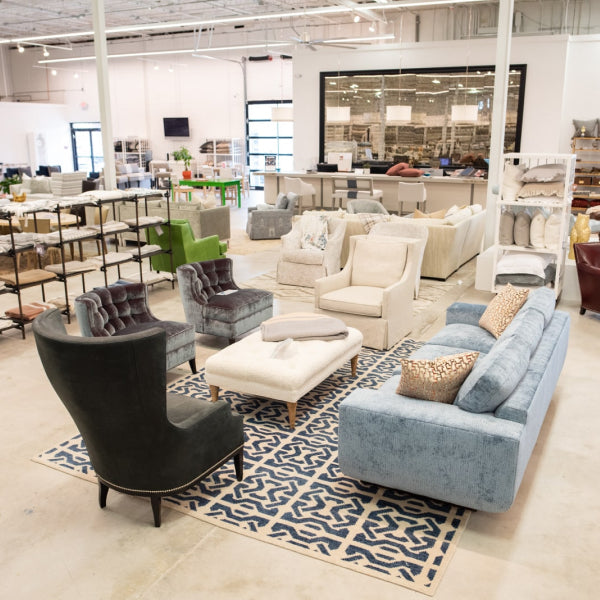
Atlanta buyers can bring measurements, room images, paint references, and upholstery samples to Lewis and Sheron Textiles' Design Center. The showroom offers fabrics from Kravet, Fabricut, P. Kaufmann, Libeco Home, and Crypton, along with custom furnishings, reupholstery, trims, Belgian linens, Kalaty and HRI rugs, pillow forms, and accessories. Clients can buy off the floor for a quicker update or work with in-house designers on a cohesive plan.
The broader market supports treating custom drapery as a considered furnishing investment. The global custom drapery market was valued at approximately USD 3.27 billion in 2024 and is projected to reach USD 5.0 billion by 2035, representing a projected 3.9% CAGR, according to Wise Guy Reports' custom drapery market estimate. That outlook reinforces the importance of personalization, fit, performance, and long-term appeal rather than commodity pricing alone.
Lewis and Sheron Textiles offers made-to-order custom drapery, fabric sourcing, design consultation, measurement support, delivery, and professional installation for Atlanta-area projects. Visit Lewis and Sheron Textiles to explore premium textiles, custom furnishings, reupholstery, rugs, trims, and complimentary design guidance for a window treatment that belongs in the room.