


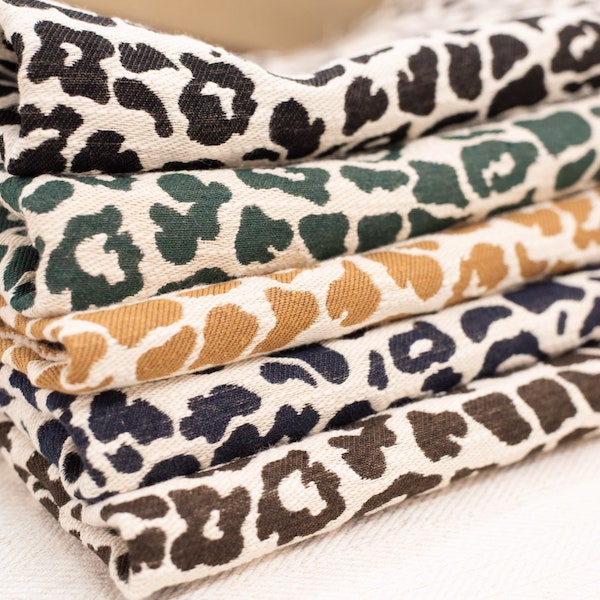
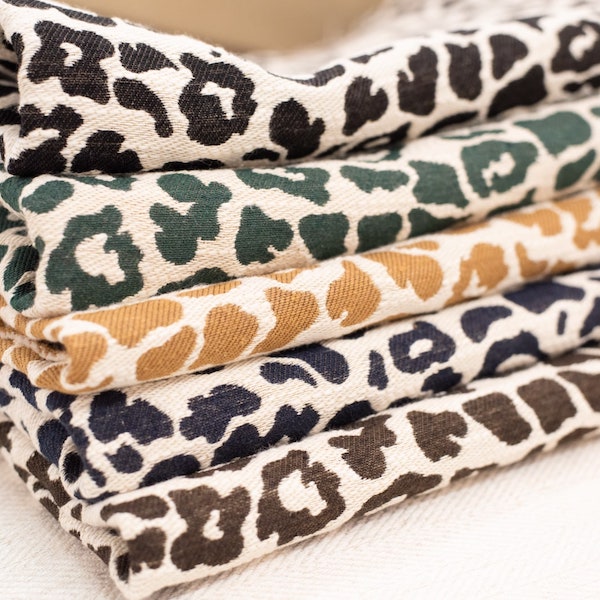
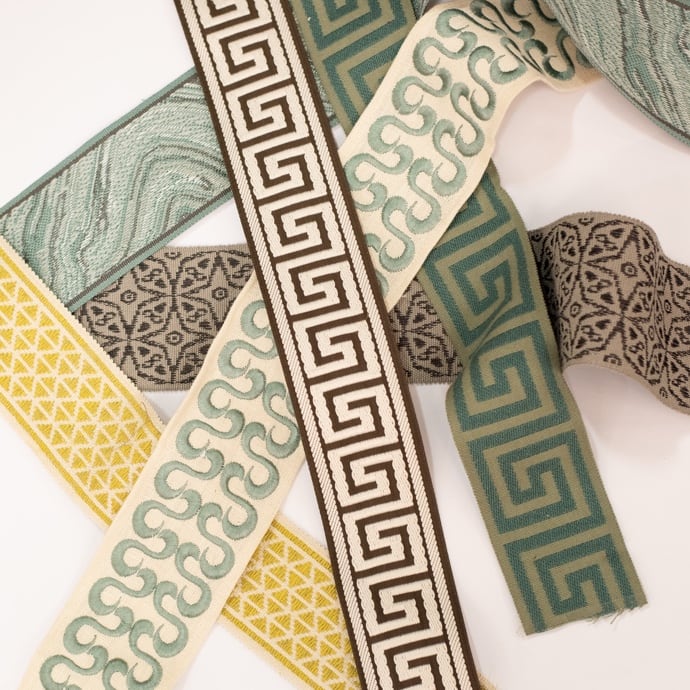

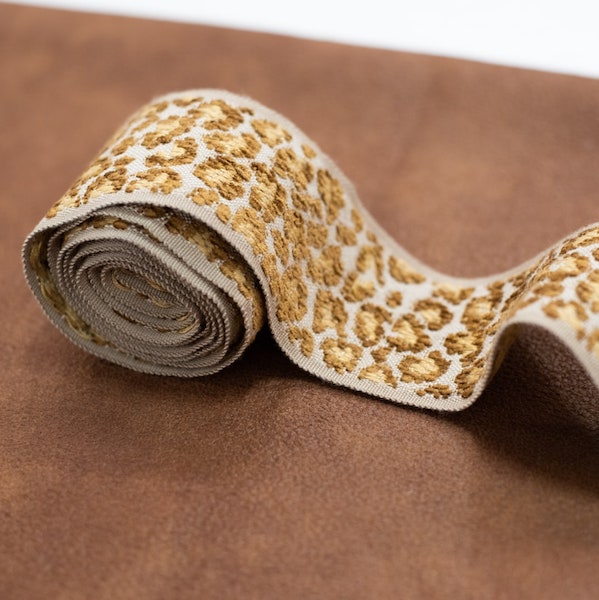
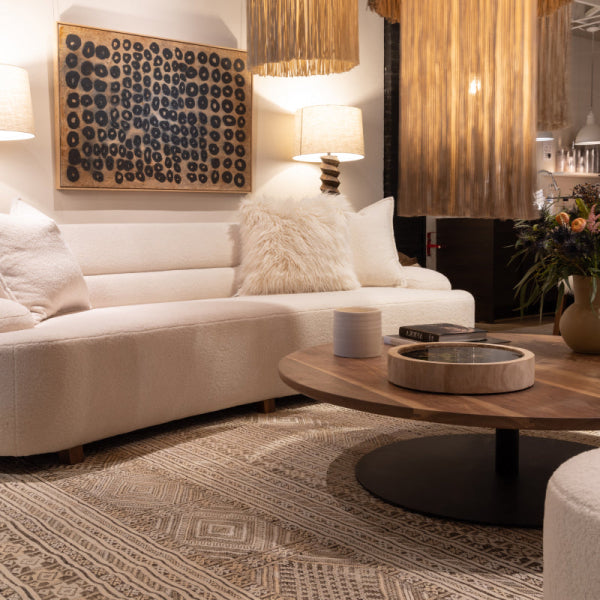
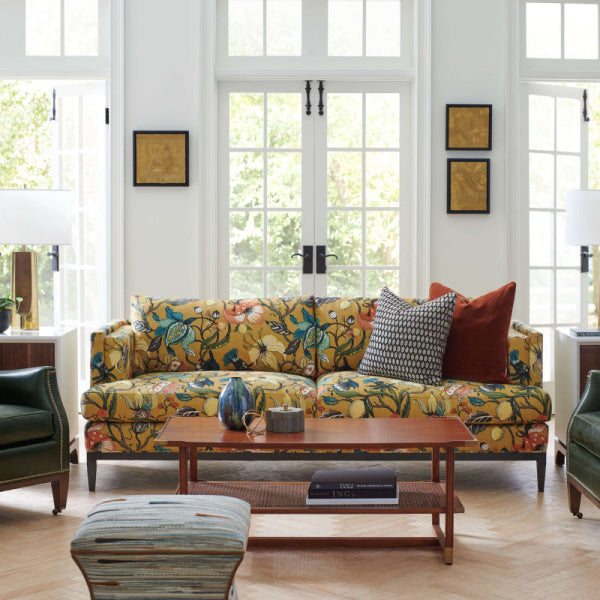
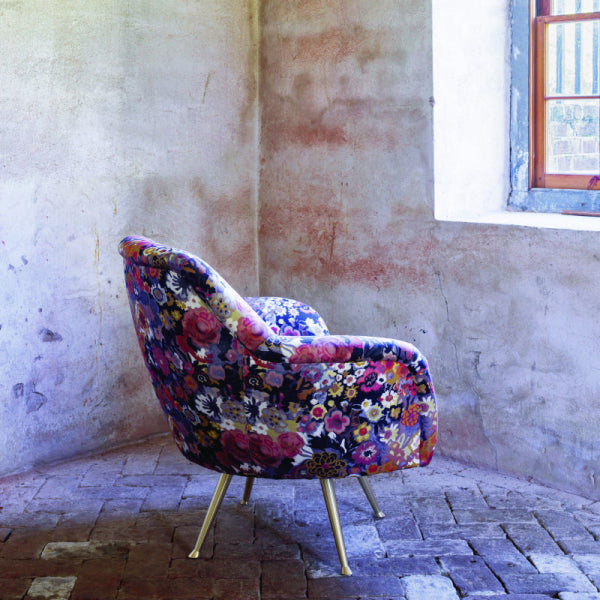
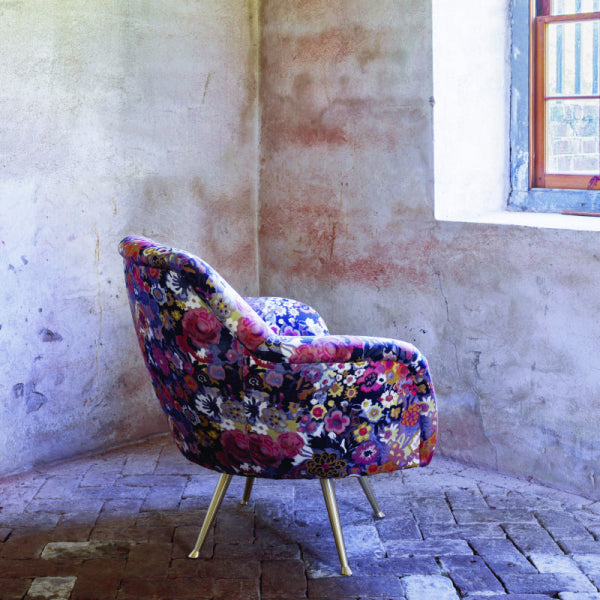
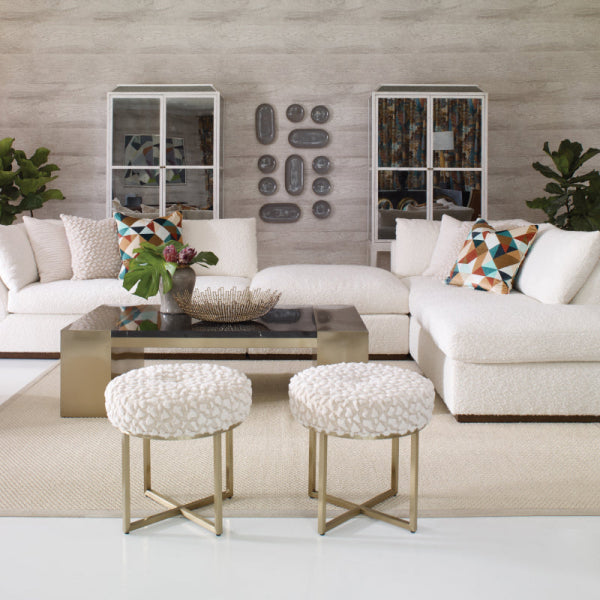
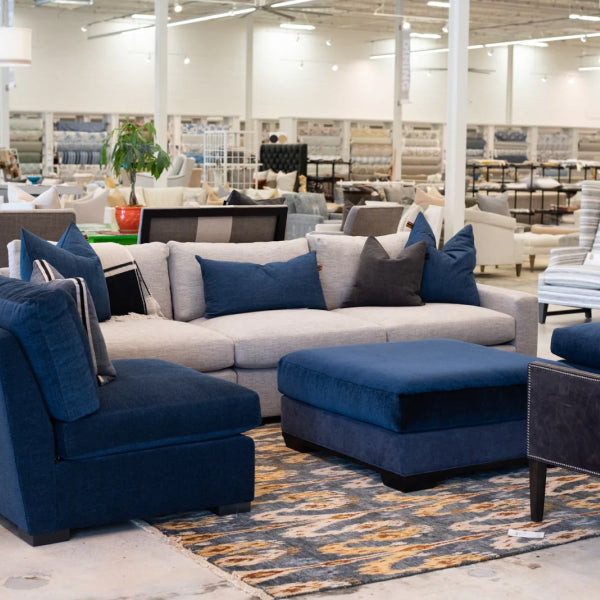






A glass of red wine tips during a dinner gathering in Buckhead. Before anyone can reach for a napkin, the spill has spread across the light upholstery of a luxury sectional. The sofa may be beautifully constructed, but the immediate question is practical: can the fabric be cleaned without compromising its color, texture, or construction?

That question matters in Atlanta homes, where high-end furniture often has to serve both as a design statement and as the setting for everyday life. A premium sectional in Alpharetta, a custom chair in Roswell, or a pair of designer sofas in Sandy Springs still needs to accommodate guests, pets, family meals, and the occasional accident.
Washable upholstery fabric can make those moments easier, but the word “washable” doesn't tell the whole story. It may describe a fiber, a finish, a removable cover, or a complete upholstery system. Those are different things, and confusing them can lead to expensive mistakes.
Lewis and Sheron Textiles has served the design community since 1944, helping homeowners and professionals evaluate textiles for beauty, performance, and longevity. The right fabric can protect the appearance of an investment piece, but only when its cleaning method matches the way the furniture was built.
This guide takes a practical look at fiber types, surface finishes, abrasion resistance, care codes, and finished construction. You'll learn how to compare options for luxury sofas, premium sectionals, custom chairs, and heirloom-quality furniture, then turn technical specifications into a confident purchasing decision.
Introduction to Washable Upholstery Fabric for Beautiful Living
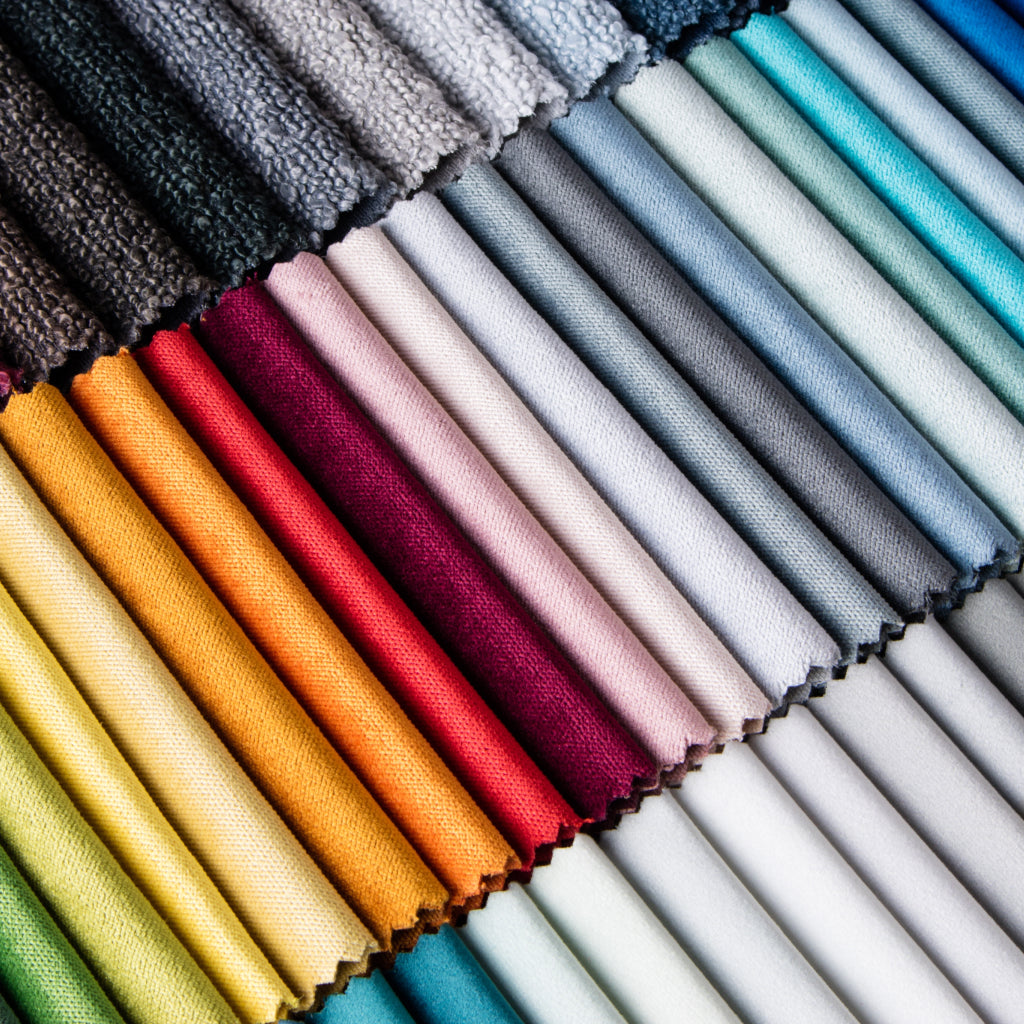
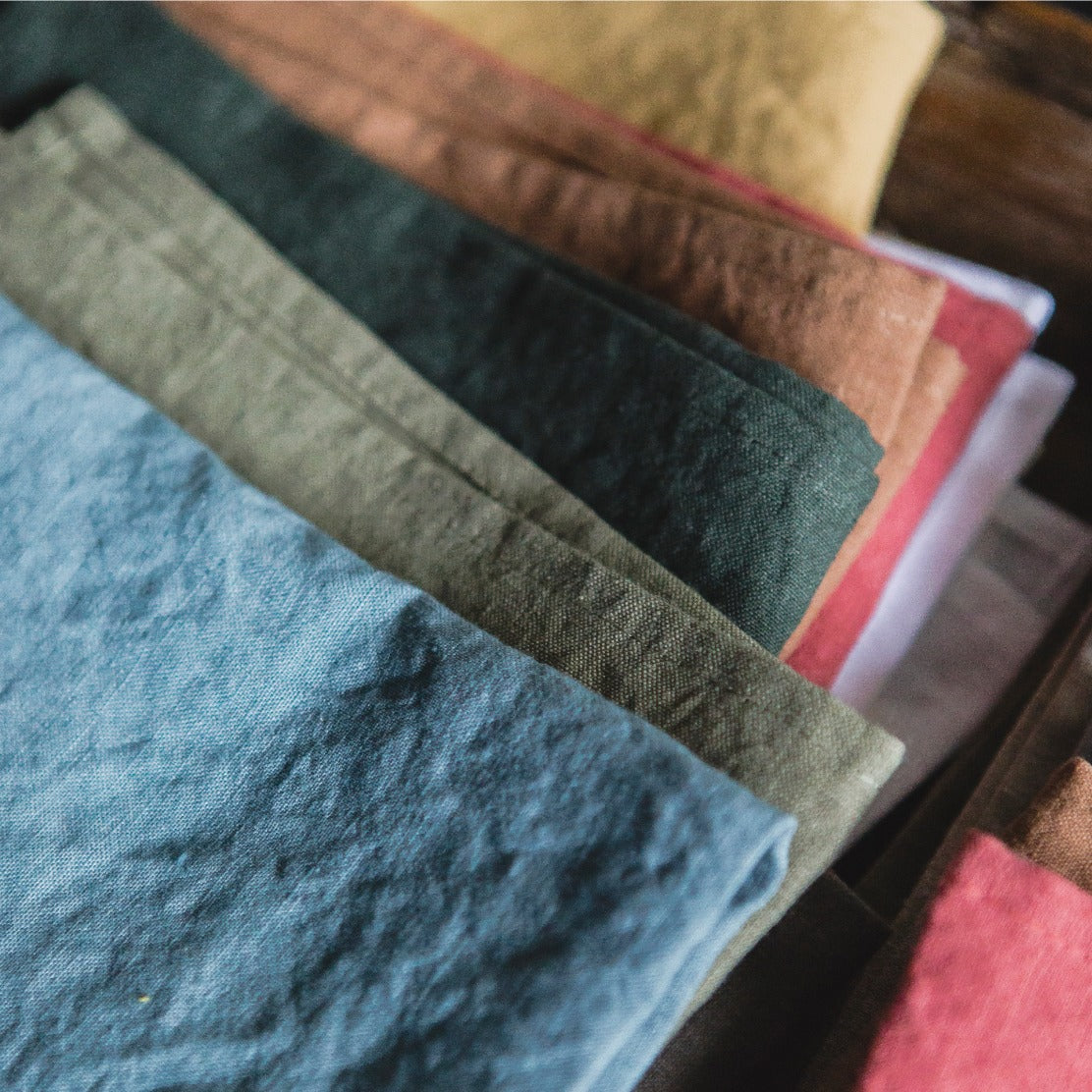
A washable textile should support beautiful living, not make a room feel commercial or overprotected. Today's performance fabrics can imitate linen, chenille, velvet, and other refined textures while giving homeowners more control when spills occur. That balance is especially valuable for statement furniture pieces in light neutrals, pale blues, soft greens, and other colors that create an refined interior.
The most useful distinction is between cleanable fabric and washable finished upholstery. A fabric may release everyday soil with mild soap and water while remaining unsuitable for a washing machine once it has been cut, lined, and attached to a frame. A removable cushion cover may be designed for laundering, while the body of the sofa may require careful spot cleaning.
Why the label needs context
Luxury furniture buyers often concentrate on the face fabric because that's what they see and touch. Designers, upholsterers, and experienced furniture makers also consider the backing, seams, welting, interlining, closures, cushion inserts, and frame. Each component can respond differently to water, agitation, heat, and drying.
That whole-construction perspective protects more than the textile. It protects the fit of a custom sofa cover, the shape of an arm, and the crisp alignment of a pattern. A careless wash can create shrinkage, rippling, color variation, or distortion even when the fabric itself is technically washable.
Practical rule: Treat “washable” as the beginning of the conversation. Ask how the completed piece should be cleaned.
The investment perspective
For affluent homeowners in Atlanta, Buckhead, North Atlanta, Fulton County, and surrounding markets, upholstery is part of a larger design investment. A durable textile is valuable because it helps a well-built piece remain useful and attractive, not because it eliminates maintenance.
The best choice depends on the room, the household, and the furniture's intended life. A formal living room with occasional entertaining has different needs from a family room with pets and daily lounging. A custom dining chair may need excellent cleanability but less softness than a deep lounge sofa.
The sections ahead translate those differences into clear buying criteria. You'll see why fiber science matters, how to read abrasion information, when removable covers make sense, and why a solid frame and quality suspension remain essential to designer quality.
What Washable Really Means for Upholstery
At its simplest, washable upholstery is designed to let soil and spills leave the textile more easily than they would leave an untreated, absorbent surface. Performance-oriented constructions may use a protective polymer finish, solution-dyed synthetic fibers, or both. These approaches help keep everyday stains at or near the fiber surface, where water and mild soap can often remove them.
A useful analogy is a raincoat and a sponge. A raincoat gives liquid time to bead or run across the surface, while a sponge draws liquid inward. Washable upholstery doesn't make every spill harmless, but a surface-engineered textile can give you a better opportunity to blot before the stain penetrates.

Three claims that buyers often confuse
Stain blocking generally refers to a barrier that limits penetration. It can help protect the substrate, but it doesn't necessarily mean a finished cushion cover belongs in a washing machine.
Stain repellency encourages liquid to bead or resist initial wetting. That delay is useful, especially when someone responds quickly, but repellency and complete stain removal aren't the same performance.
Stain release helps a mark detach from the fiber during cleaning. A textile can have good release without being machine washable, particularly when the fabric has been incorporated into a complex upholstered form.
Some washable upholstery fabrics use solution-dyed synthetics, where color is integrated through the fiber rather than resting only near the surface. That construction can support repeated cleaning and strong color retention, but the finished furniture still determines the appropriate care method.
The whole piece changes the answer
Independent care guidance warns that finished upholstery may contain linings, welting, crinoline, trims, and interlinings that react differently to washing. A fabric label can't account for every component added during construction. Certain indoor/outdoor acrylics and spun polyester fabrics may suit soap-and-water cleaning, but that doesn't automatically authorize machine laundering of a sofa cover.
Look for the care code supplied for the exact fabric and furniture model. Then ask a more complete question: Is the entire cover, including its backing, piping, closures, and attached components, designed for machine washing?
If you're also evaluating household textiles, SouthShore Fine Linens laundry guide offers useful background on how laundering can affect textile dimensions and behavior. The same principle applies to upholstery. Water and heat can change fit, even when cleaning seems gentle.
A washable face fabric isn't the same thing as a washable sofa.
That distinction is central to custom upholstered furniture. A removable, specifically tested cover can let a homeowner reset a high-use piece after a spill. A fixed cover may still be highly cleanable, but it usually calls for controlled spot treatment or professional upholstery care rather than a household laundry cycle.
Types of Washable Upholstery Fabric and How They Compare
A washable upholstery decision begins with the room, not the fabric label. A family-room sectional, a sunlit reading chair, and a formal dining seat face different spills, friction, and cleaning demands. Natural fibers may provide greater hand and visual depth, while synthetics often release soil more readily and deliver steadier day-to-day performance. For a luxury piece, the face fabric is only one part of the answer. The removable cover, backing, seams, closures, and other components must support the same care plan.
The history of performance textiles helps explain today's choices. Nylon, polyester, and acrylic became widely used in the mid-1900s because of their strength, moisture resistance, and UV stability. In 1955, 3M introduced Scotchgard stain repeller, and by 1960 the product had been developed for broader textile use. Stain release followed in 1967, while carpet protector did not turn a profit until 1976. This progression helped move upholstery away from relying only on dry-cleaning or replacement and toward treated, performance-oriented surfaces. (Scotchgard history)
By 1993, Crypton had launched as a purpose-built performance fabric company, with an approach described as a new category of uncoated upholstery fabrics. For luxury interiors, that shift matters because performance can now coexist with a softer hand and a more decorative appearance.
Comparison at a glance
| Fabric Type | Wash Method | Hand and Look | Best For |
|---|---|---|---|
| Natural fibers with finishes | Usually spot clean according to the care code | Soft, nuanced, and richly textured | Formal rooms and design-led pieces where touch and appearance lead |
| Polyester and nylon synthetics | Often suited to water-based cleaning; some specific covers may be washable | Stable, versatile, and available in linen-like, chenille, and velvet looks | Family rooms, premium sectionals, and active households |
| Solution-dyed acrylic | Soap-and-water cleaning is common for suitable constructions | Refined performance with strong color options | Sunlit rooms, indoor-outdoor settings, and demanding use |
| Crypton and comparable performance lines | Follow the exact collection instructions | Broad design range, including structured and luxury textures | Custom sofas and chairs needing balanced stain release and visual polish |
| Treated linen blends | Usually careful spot cleaning, with laundering dependent on construction | Relaxed, natural, and textural | Refined interiors where a lived-in appearance is intentional |
Natural linen and cotton offer a breathable, appealing hand, but a finish does not remove the need to verify care instructions. Polyester and nylon often provide more predictable maintenance, especially when tightly woven and paired with a suitable finish. Performance polyester velvet and treated chenille blends can also provide a softer, more luxurious look than buyers once expected.
Match the textile to the room
For pets, inspect weave structure and snag resistance instead of relying on the word “performance.” In a formal living room, richly textured fabric may suit the design if the household accepts careful maintenance and professional cleaning. Dining chairs need a different priority. Stain release and pattern scale may matter as much as softness because food and beverages are more likely to reach the upholstery.
Branded performance lines vary in backing, finish, and care instructions. Before choosing a named collection, review this guide to Crypton fabric, then request the current specification for the color and weave under consideration.
For modular sofas, washable sofa cover brands compared can help distinguish a washable cover system from fabric that merely resists spots. Custom furniture requires one more check: confirm that the cover's construction and attached components can tolerate the proposed cleaning method. A machine-washable textile can still fail as a finished luxury cover if its backing, piping, closures, or fit are not designed for laundering. Washability and durability work best when specified together, particularly for heirloom pieces expected to serve for years.
Durability Metrics That Matter Beyond Washability
A fabric can clean beautifully and still wear prematurely. Luxury upholstery needs a broader performance profile, including abrasion resistance, pilling behavior, colorfastness, and compatibility with the furniture's construction.
The Martindale test measures how a fabric sample responds to repeated rubbing under standardized pressure. Visible wear, pilling, yarn breaks, or holes indicate failure during testing. Trade guidance identifies 15,000 to 20,000 rubs as adequate for most home use and around 30,000 rubs for high-traffic residential settings. Some performance upholstery families exceed 50,000 double-rubs. (ACT abrasion guidance)

Read the rating in context
A higher rub count generally indicates better resistance to repeated friction, but it isn't a complete prediction of service life. Cushion edges, arms, seams, and favorite seats experience different stresses. Repeated laundering or spot cleaning can expose weak construction even when the face fabric initially appears impressive.
Pair the wear rating with pilling resistance. A smooth fabric can look tired when loose fibers form fuzzy pills, especially on a frequently used sofa. Ask for the pilling grade and colorfastness information, then consider the room's exposure to daylight.
Solution-dyed acrylic gives buyers a concrete premium benchmark. Suitable materials are identified with 5,000 to 10,000 hours of UV exposure life and an 8 to 15 year service life, along with strong bleach and sanitizer cleanability. (Furniture textile standards)
The frame still carries the piece
Washable upholstery doesn't transform a weak sofa into heirloom-quality furniture. A solid, well-joined hardwood frame, dependable springs or webbing, high-density foam, and repairable upholstery all contribute to lasting value. One furniture maker specifies 5/4-inch hardwood lumber with double-dowelled and glued construction for upholstery frames, a useful indicator of carefully built custom furniture. (Moyes Furniture frame construction)
For a premium sectional or custom chair, ask for:
- Abrasion rating: Confirm the test method and whether the rating fits the intended room.
- Pilling resistance: Request the grade rather than accepting “durable” as a description.
- Colorfastness: Review light exposure guidance, especially near Atlanta windows.
- Cover construction: Verify whether the complete cover, not only the fabric, is washable.
- Frame and suspension: Look for solid materials and repairable systems beneath the textile.
A high wear rating protects the fabric. Craftsmanship protects the furniture.
How to Clean and Maintain Washable Upholstery Correctly
Cleaning begins with restraint. Performance upholstery often releases ordinary soil with water and mild soap, but aggressive products, excess moisture, vigorous rubbing, and incomplete drying can damage the hand or leave visible rings.
Independent performance-fabric care guidance recommends using the least aggressive cleaner available, blotting instead of rubbing, rinsing residue fully, and air-drying completely. Those details matter because leftover detergent can attract more soil, while trapped moisture can create rings or distort a finish. (Crevin performance care guidance)

A gentle response to a fresh spill
-
Blot immediately. Use a clean, absorbent cloth and press gently from the outside of the spill toward the center. Rubbing can spread the mark and work it deeper into the weave.
-
Start with mild soap and water. Test the solution in an inconspicuous area first. Apply modestly to the cloth rather than saturating the upholstery, unless the exact care instructions authorize a more thorough wash.
-
Rinse away residue. A second cloth dampened with clean water can lift soap from the treated area. Residue left behind may create a darker ring or attract soil.
-
Air-dry completely. Give the fabric time to dry naturally, then restore the nap or texture according to the manufacturer's instructions. Don't cover the area while it remains damp.
For a deeper technical walkthrough, use this guide on how to clean upholstery fabric alongside the care code for your specific textile.
Spot cleaning versus machine washing
A removable cover may be machine washable, but only if the manufacturer specifies the cycle, water temperature, detergent, drying method, and reinstallation process. Remove the cover carefully, preserve its orientation, and avoid assuming that a household dryer is safe. Heat and agitation can change dimensions or affect trims.
Fixed upholstery, welting, linings, crinoline, and interlinings need a different approach. In Atlanta's humid climate, complete drying deserves particular attention. Living room sofas may benefit from prompt spot treatment, dining chairs need quick response to food and beverage marks, and primary sofas should be cleaned according to the fabric's documented care code rather than an improvised routine.
Homes with children or pets should keep clean white cloths, mild soap, and the manufacturer's approved care products available. Frequent gentle maintenance is safer than waiting until soil has accumulated and then using a harsh treatment.
Smart Buying Checklist for Luxury and Custom Pieces
A purchase-ready fabric decision starts with the furniture, not the color card. A pale performance chenille may suit a family sectional, while a softly finished linen blend may be the better choice for a low-use statement chair. Both can be beautiful, but they serve different daily realities.
Use this checklist before approving fabric for a custom sofa, high-quality couch, or designer chair:
- Define the room: Note pets, children, entertaining, direct sun, food exposure, and expected frequency of use.
- Confirm the fiber: Ask whether the textile uses polyester, nylon, acrylic, a natural fiber, or a blend, and whether the color is solution-dyed.
- Inspect the backing: A face fabric's performance doesn't automatically describe the backing or lining.
- Verify the care code: Ask whether the finished cover is spot cleanable, professionally cleanable, or machine washable.
- Review durability: Request abrasion, pilling, and colorfastness information for the exact color and construction.
- Evaluate the look: Check pattern scale, texture, light reflection, and how the fabric complements rugs, drapery, and wood tones.
- Assess the build: Look for a solid hardwood frame, dependable suspension, quality foam, and upholstery that can be repaired.
- Compare value: Consider maintenance, reupholstery potential, customization, and expected longevity instead of price alone.
Custom versus mass-produced
Mass-produced furniture can offer convenience, but custom upholstered furniture gives designers more control over dimensions, cushion profiles, welt details, arm shapes, and fabric placement. That control matters when the goal is a statement furniture piece rather than a generic silhouette.
A designer-quality sofa should feel coherent from the frame outward. Materials, joinery, suspension, tailoring, and textile performance should support the same use case. A beautiful fabric on an unsuitable frame is not a luxury solution.
For a deeper fabric selection framework, review how to choose the best performance fabrics. In Atlanta, Lewis and Sheron Textiles offers in-stock bolts, cut-yardage options, and complimentary design support for shoppers working through furniture, textile, and room-coordination decisions. That kind of hands-on review is valuable when you're choosing premium sectionals or heirloom-quality furniture for a specific space.
Common Myths and When to Choose Reupholstery or Replacement
Myth one: washable means machine washable. A fabric may release stains with water while the finished cushion remains unsuitable for laundering because of trims, linings, welting, or interlinings. Confirm the complete construction before putting any upholstered component into a washing machine.
Myth two: stain resistance solves every spill. Laboratory research on PFAS finishes found that water-based stains were minimal and easily removed on both finished and unfinished upholstery fabrics. Oil-based stains benefited from the finish only when it remained intact, the mark was treated quickly, and the surface hadn't been abraded. Under less favorable conditions, performance could be similar to or worse than untreated fabric. (Laboratory research on upholstery stain performance)
Myth three: washability guarantees lasting beauty. Repeated friction, pilling, fading, and weak seams can still shorten a textile's useful life. Washability should be paired with verified durability and a frame that merits preservation.
Reupholstery makes sense when a well-built piece has a sound hardwood frame, quality proportions, and meaningful design value, but its textile has become dated or worn. Replacement may be more practical when the frame, suspension, or basic construction can't justify the labor and material involved.
A professional can inspect the furniture, identify construction risks, and recommend whether a performance textile will work with the existing form. That assessment helps protect both the aesthetics and the long-term value of luxury home furnishings.
Lewis and Sheron Textiles offers premium fabrics, custom upholstered furniture, reupholstery, rugs, trims, and design support for homeowners and professionals selecting durable, refined pieces. Visit Lewis and Sheron Textiles to review washable upholstery fabric options and receive practical guidance for a luxury sofa, custom sectional, statement chair, or heirloom restoration.