



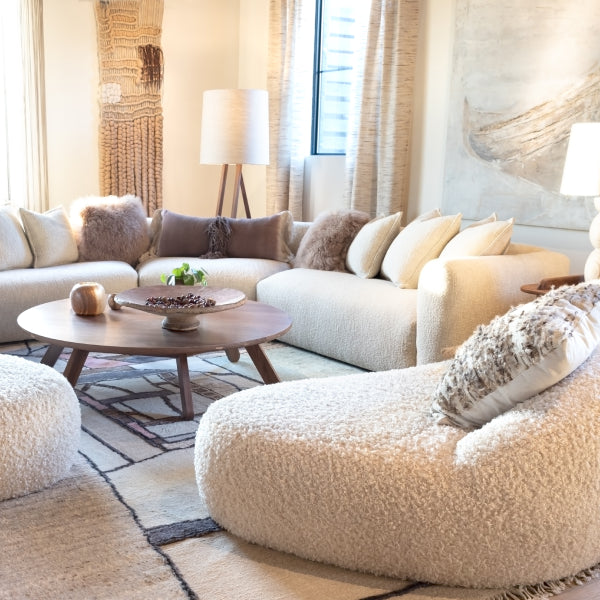
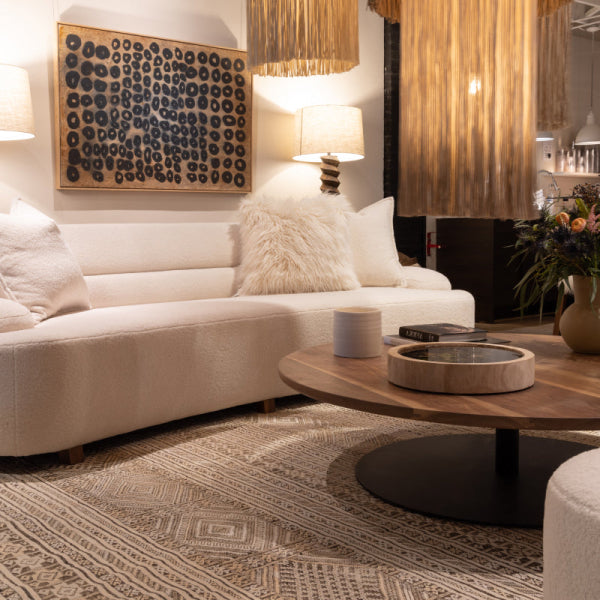
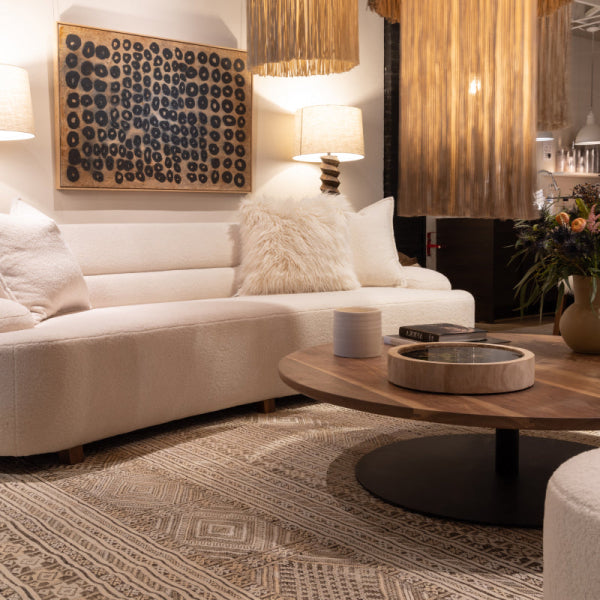
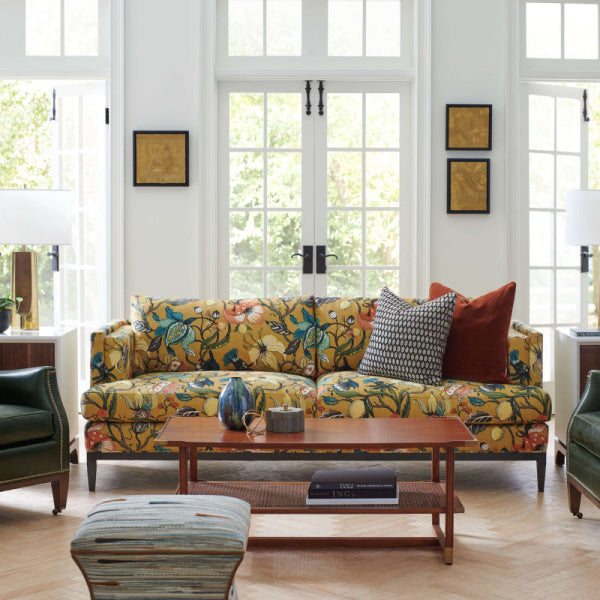
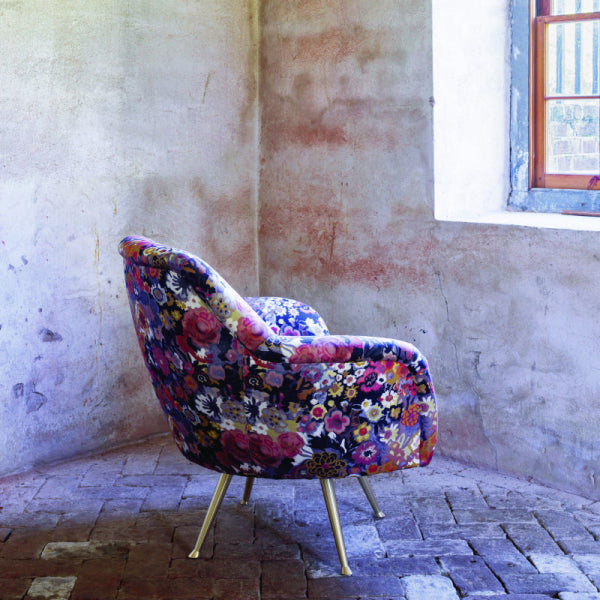
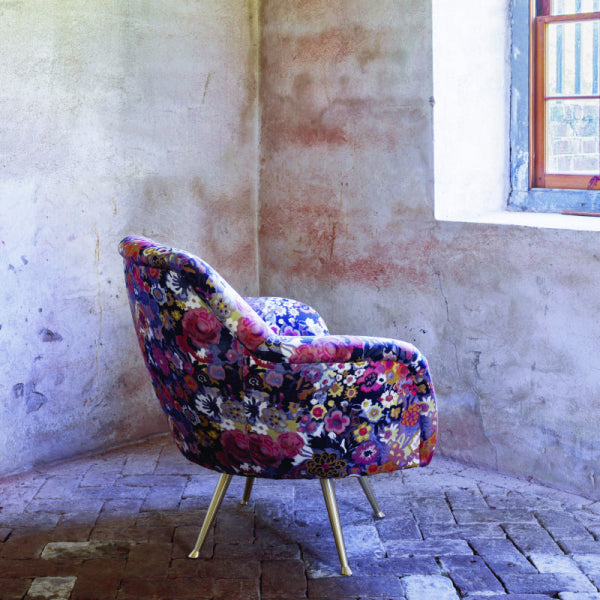
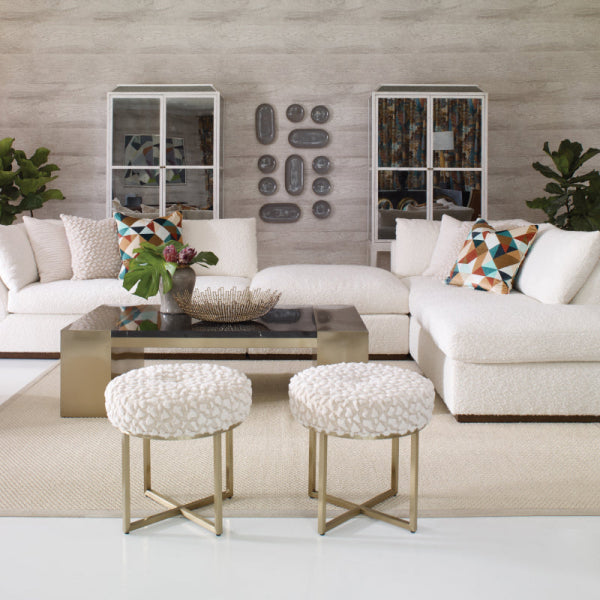





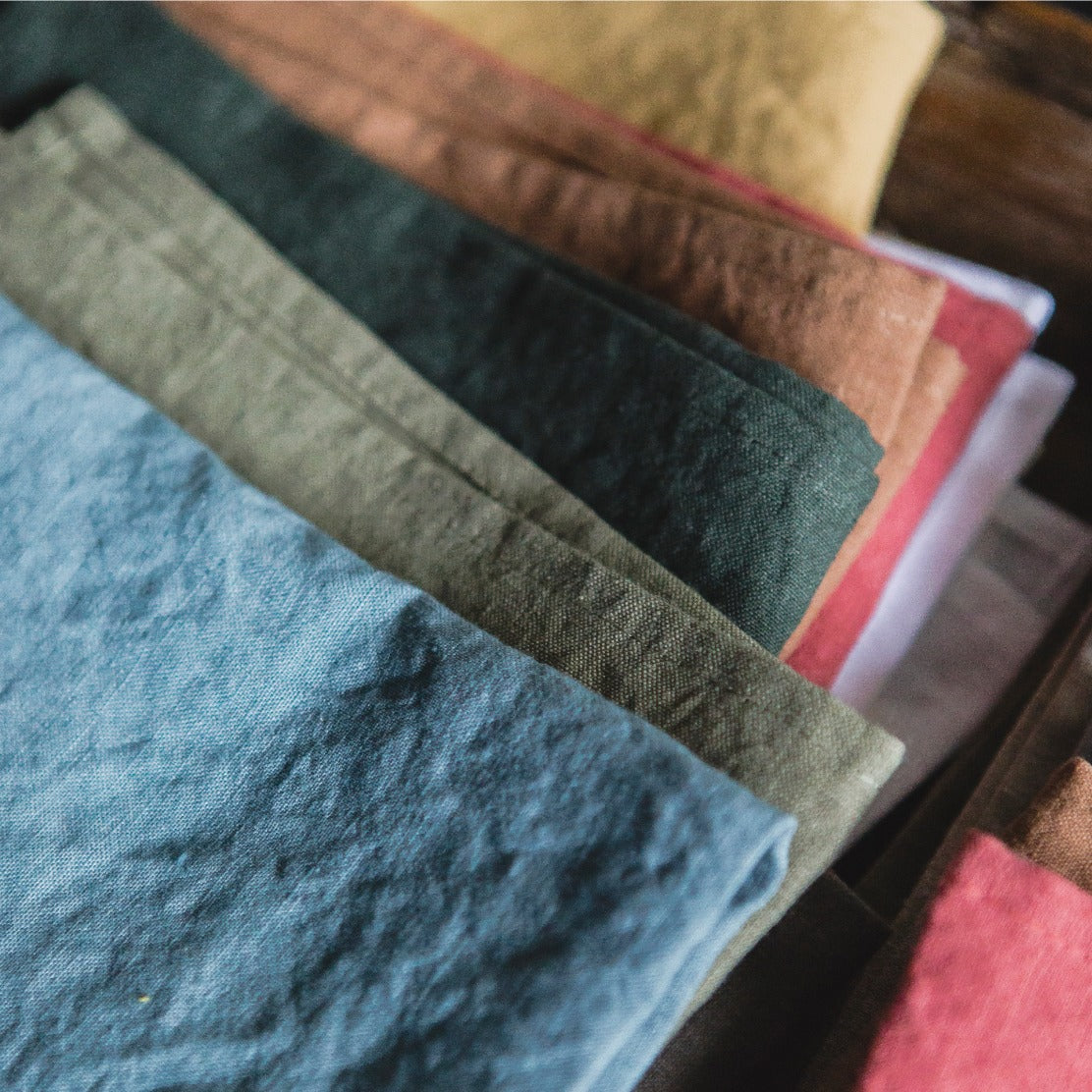

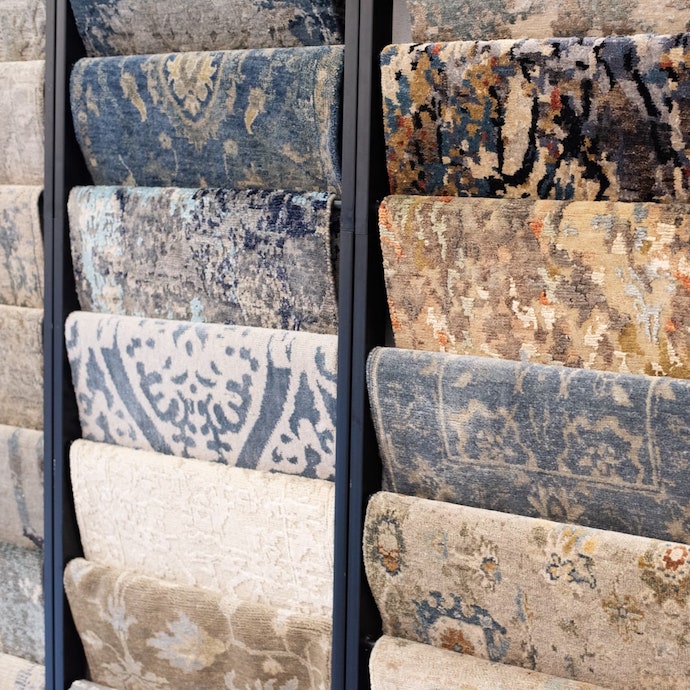
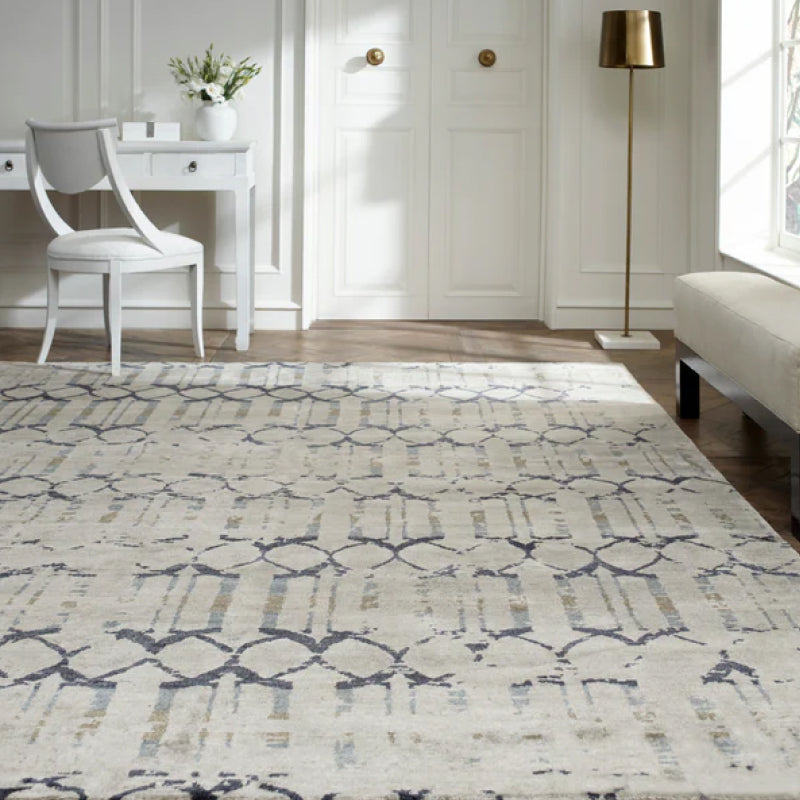
A champagne toast in a Buckhead living room can turn into a furniture emergency in seconds. One tipped glass reaches the arm of an heirloom-quality sofa, and suddenly the fabric's color, backing, cushion filling, and cleaning instructions matter as much as its pattern. For luxury homeowners, the right upholstery fabric waterproof solution must protect against real-life spills without making a custom sofa feel stiff, plastic-like, or disconnected from the room's design.
Introduction to Waterproof Performance Upholstery Fabrics
A family room sofa may face coffee, damp clothing, or a pet-related spill before anyone notices. For a luxury piece, the question is not whether upholstery is labeled waterproof. It is whether the fabric keeps liquid away from the cushion, remains comfortable to touch, and continues performing after cleaning and daily use.
Waterproof upholstery covers several constructions. A surface treatment can make droplets bead and roll away. A tighter textile can slow absorption. A coated backing or membrane can form a barrier between the face fabric and the cushion. These options work like different levels of protection, so a label alone cannot reveal how long the barrier will last or how the material will feel.
The market's growth reflects stronger expectations for high-end furniture. Families in Alpharetta and Roswell want manageable upkeep, designers in North Atlanta want refined texture, and hospitality-inspired Buckhead interiors need fabrics suited to frequent use. Market reporting also places durable water repellent fabrics among established performance-textile categories (market reporting on durable water repellent fabrics).
The practical choice balances barrier performance, hand feel, breathability, cleaning, seam construction, and visual character. A fabric can resist a quick spill yet allow moisture through seams, abrasion, or a weakened finish. Conversely, a stronger barrier may change the drape or softness that makes a custom design feel luxurious.
This guide examines those trade-offs from fiber and finish through testing, care, and specification. The aim is to help you select a performance textile that suits a designer-quality piece, rather than relying on the word “waterproof” alone.
Understanding How Waterproof Fabrics Work
A fabric can resist water in two different ways. A hydrophobic surface finish encourages droplets to bead and roll away, while a membrane or coated backing creates a more substantial barrier behind the face fabric. The first behaves like a rain jacket's outer surface. The second behaves more like a protective lining between the upholstery and its filling.

The development of performance textiles
A defining milestone arrived in 1993, when Craig and Randy Rubin developed Crypton, an engineered textile designed to resist moisture, stains, bacteria, and odors while remaining soft, comfortable, and breathable. Industry coverage describes the product as a new category of uncoated stain-, water-, and odor-resistant fabric, created to avoid the vinyl or laminated appearance common in commercial interiors at the time. By the mid-2000s, Crypton reported more than 60 million yards installed worldwide, helping move performance upholstery from a niche commercial solution toward a mainstream global category (Crypton case history).
The important lesson isn't only the date or the installation volume. It's the design problem the textile addressed. Buyers wanted durability without sacrificing softness, and they wanted protection integrated into the textile rather than added as an obvious plastic layer. For a deeper explanation of the material itself, the guide to what Crypton fabric is offers useful background.
Why hydrostatic pressure matters
Surface beading can look impressive during a showroom demonstration, but it doesn't prove that liquid will stay away from the cushion under pressure. ISO 811 evaluates the pressure a fabric withstands before water penetrates through three points. Industry teaching materials commonly identify a minimum of 100 cm hydrostatic pressure, approximately 10 kPa, as a practical waterproof threshold for upholstery (hydrostatic pressure guidance for waterproof fabrics).
Practical distinction: Repellency describes what happens at the surface. Waterproofing describes whether liquid can cross the construction.
A luxury furniture buyer should therefore ask whether the test applies to the face fabric alone, the complete fabric construction, or the finished upholstered panel. Seams, stitching holes, zippers, and junctions can become weak points even when the textile itself performs well.
Materials and Finishes of Waterproof Upholstery Fabrics
A fabric may look like linen, acrylic, or coated cloth from across a room, yet its liquid protection can come from very different constructions. The visible surface is only one part of the specification. For a designer, the more useful question is where the barrier sits and how that barrier may change as the furniture is sewn, flexed, cleaned, and used.
The base textile controls much of the color, texture, drape, and hand. Fibers may form a dense weave, receive a manufacturing treatment, or sit over a backing that performs most of the waterproofing. Assess the face fabric and the hidden layers together, much as you would judge both the finish and the frame of a piece of furniture.

Membrane-backed construction
A bonded membrane is fused directly to the reverse of the upholstery fabric during manufacturing. A laminated membrane uses a separate film attached through an adhesive process. Either construction can block liquid more consistently than a simple topical treatment, though the added layer may affect flexibility, sewing behavior, and how a cushion edge bends.
An upholstery specification for a membrane-backed construction describes a membrane bonded to the fabric back to protect fillings from liquids and contaminants. It also states that sealed seams are required to maintain the barrier (membrane-backed upholstery specification).
That requirement exposes the gap between a waterproof claim and lasting protection. The fabric field may resist liquid while needle holes, zippers, welt joins, boxing, or attachment points remain vulnerable. Before approving a custom application, ask the upholsterer how each junction will be sealed and whether the barrier can remain intact through repeated movement. A membrane is a little like a roof under shingles. It works across the broad surface, but openings and joints determine whether water eventually reaches what lies beneath.
Surface coatings and integral protection
A surface coating forms a film on the exterior. Impregnation works by saturating the fibers instead of covering the face. Both methods can improve repellency, but they may change the hand and may require more upkeep than protection incorporated into the textile.
Crypton states that its residential performance fabric is PFAS-free, stain-resistant, odor-resistant, easy to clean, and intended for indoor upholstery. The company describes protection integrated through an immersion bath and a 300-degree oven process, rather than a topical treatment, and says the resistance will not wash away (Crypton residential performance fabric).
Fiber content still shapes the result. Crypton describes its performance cotton line as containing 50% to 70% recycled cotton, with spill, stain, and odor resistance. The company also states that the line is GREENGUARD Gold certified and suited to residential interiors and some luxury hospitality applications (performance cotton information).
Convertible furniture adds another test: the textile must tolerate movement as well as spills. Comparing materials for your sofa bed can clarify how the face fabric and backing should work together before ordering yardage. For practical guidance on preserving protective finishes, see this discussion of fabric protection for furniture.
Advantages and Tradeoffs of Waterproof Upholstery
Waterproof upholstery can be a wise investment, but it shouldn't be specified automatically. The strongest construction may protect a premium sectional from a serious spill, yet a softer performance textile may create a more inviting seat in a formal living room. The right answer depends on how the furniture will be used and what the room is meant to feel like.

Where waterproofing earns its place
A barrier-backed fabric can keep spilled liquid away from cushion fillings, simplify cleanup, and reduce the chance that moisture carries odors into the furniture core. It's especially useful for family rooms, dining seating, pet-friendly interiors, hospitality spaces, and rooms that connect directly to pools or outdoor entertaining areas.
Advantages include:
- Stain resistance: Surface droplets may bead instead of spreading into the textile.
- Odor control: Preventing liquid absorption can help reduce the conditions that create lingering smells.
- Simpler maintenance: Many spills can be addressed promptly with an appropriate cloth and cleaning method.
- Protection for the filling: A backing can shield foam, batting, and inner upholstery components from liquid contamination.
- Design flexibility: Performance textiles now include soft, decorative options rather than only obvious outdoor-looking materials.
The construction matters more than the marketing adjective. A true barrier can offer more consistent protection than a finish that gradually wears away, but the finished piece still depends on correct sewing and care.
Where the tradeoff appears
A membrane or coating can make a fabric feel less supple. It may reduce breathability, alter drape, or create a firmer hand that feels less like natural linen, brushed cotton, or a finely woven decorative textile. Fully waterproof constructions can also cost more because manufacturers use specialized layers and processes.
Environmental considerations deserve a direct conversation with the supplier. Ask whether the treatment is PFAS-free, whether the protection is integral or topical, and what cleaning products the manufacturer permits. The comparison of performance fabrics can help frame that discussion around actual use rather than a simple waterproof-versus-not-waterproof label.
The distinction is especially important with spray-on protectors. Independent and industry guidance notes that these treatments may lose effectiveness after 2–3 cleanings or approximately 6–12 months of regular use, while integral membrane barriers are designed to provide more consistent performance over time (waterproof versus water-resistant upholstery).
A luxury interior shouldn't sacrifice comfort for protection it doesn't need. Specify the strongest barrier where exposure demands it, and choose softer performance fabric where daily use calls for a warmer hand.
Real-World Use Cases and Design Applications
A fabric specification should begin with the room and its exposure pattern, not the sample book. A family room in Alpharetta faces different moisture, soil, and abrasion risks than a formal salon in Buckhead. A Roswell sunroom also needs a different performance profile from a shaded library in Sandy Springs.
Family rooms and pet-friendly spaces
A premium sectional used every day needs evaluation beyond color and texture. Dogs bring moisture and dirt indoors, children carry drinks across cushions, and repeated sitting concentrates pressure on the arms, front rails, and seat edges. Integrated moisture protection can suit these conditions while preserving the refined appearance expected of high-end furniture.
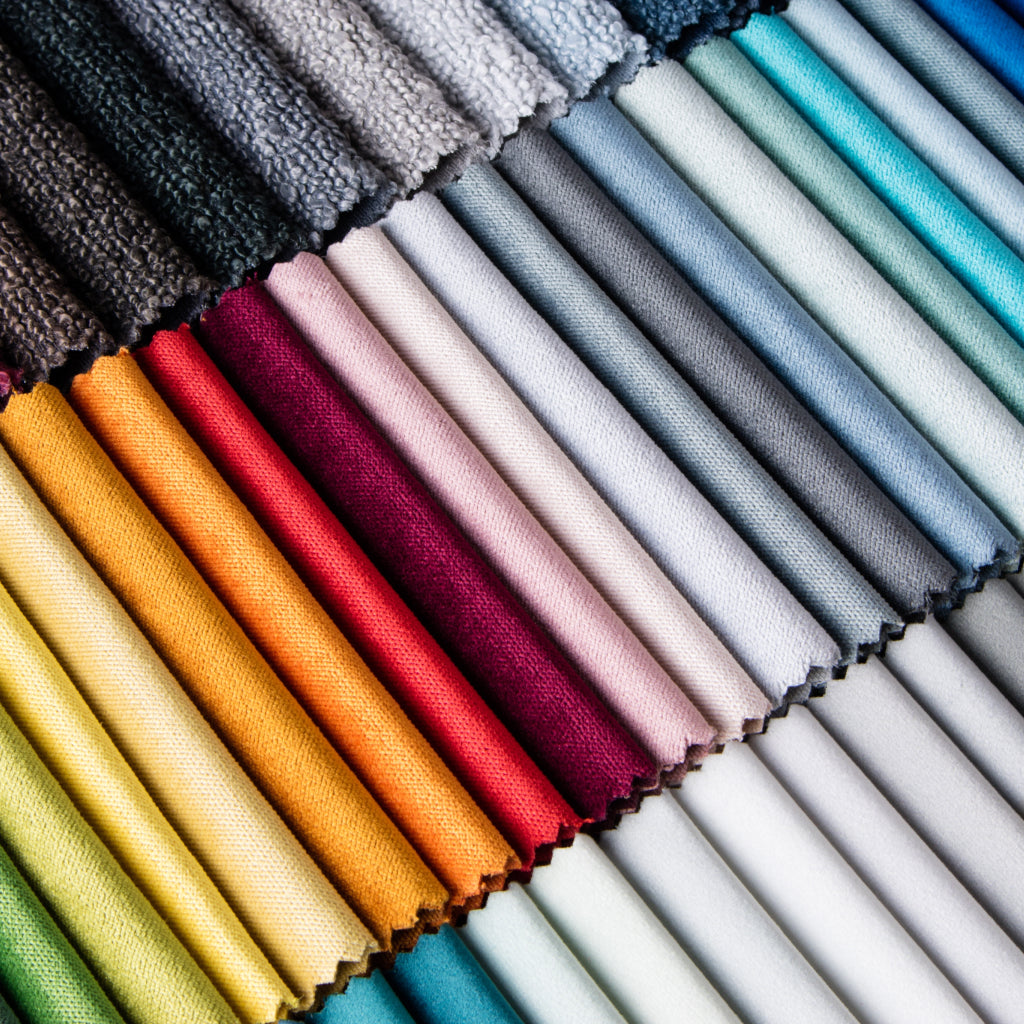
Match the textile to the room's visual language. A tightly woven neutral can support a transitional interior, while textured performance chenille or a cotton blend can provide softness in a more relaxed North Atlanta setting. Request a large physical sample. View it in daylight, under the room's lighting, and beside the selected wood or metal finishes.
The sample should also be handled. Flex it, examine the reverse side, and ask how the barrier is built. A fabric may resist a fresh spill at first while its protection weakens through cleaning and use. That gap between a waterproof claim and lasting barrier performance matters more than the label alone.
Children's rooms and play areas
Sandy Springs playrooms often need resilience without an institutional appearance. Waterproof upholstery can suit reading chairs, window seats, ottomans, and smaller custom chairs exposed to juice, craft materials, or wet clothing.
Specify protection according to the actual exposure. A complete barrier may be unnecessary if the piece has removable covers, a washable component, or limited contact with liquids. Performance fabric on the most exposed surfaces, paired with a complementary decorative textile on low-contact accents, can maintain a refined palette without coating every element.
Indoor-outdoor transitions
Roswell sunrooms, pool-adjacent lounges, and covered terraces combine humidity, splashes, and sunlight. Waterproof performance may need to work alongside UV resistance and quick-dry behavior, especially on cushions exposed to damp swimwear or repeated outdoor use.
Marine upholstery shows why moisture protection is considered alongside sunlight, drying, and construction details. Market reporting projects growth in the adjacent marine upholstery market, reflecting continued demand for fabrics that address several outdoor stresses together (marine and durable water repellent market reporting). Residential patios do not automatically require marine-grade construction. They do require designers to assess exposure, seams, drying conditions, and the expected life of the barrier as one specification.
Testing Durability and Performance Metrics
A fabric can pass a waterproof test and still lose practical protection at the seams or after repeated cleaning. For a custom sofa or heirloom-quality chair, read the specification as a system. Ask which test was performed, on which construction, and whether the result describes the face fabric, its backing, or the completed upholstery assembly.
Hydrostatic head
ISO 811 measures resistance to water pressure. The test records how much pressure a fabric withstands before water penetrates through three points. Industry guidance commonly uses 100 cm, approximately 10 kPa, as a practical threshold for distinguishing waterproof performance from lighter water resistance (ISO 811 hydrostatic pressure guidance).
Some waterproof upholstery specifications report resistance above 1 meter of hydrostatic head and even above 2000 mm, suggesting a stronger barrier than basic stain-resistant or water-repellent textiles (waterproof upholstery construction specifications). Treat that number like the height of a wall. It describes pressure on the tested fabric, not whether liquid can travel through an unsealed seam, needle hole, zipper, or cushion junction.
The assigned performance graphic shows higher benchmark values for certain upholstery uses, including 8,000 mm. Confirm that an advertised figure belongs to the exact fabric and construction under consideration. Test methods, backing materials, and product versions can differ.

Abrasion, light, and water colorfastness
Hydrostatic pressure answers one question: how well does the textile resist liquid pressure? It does not predict how the surface will look after years of sitting, sunlight, or cleaning.
Check the specification sheet for:
- Martindale abrasion: The supplied benchmark graphic identifies 40,000+ cycles as a reference for resistance to rubbing and wear.
- Colorfastness to light: The graphic identifies Grade 5+ under ISO 105-B02 as a reference for resistance to fading from light exposure.
- Colorfastness to water: The graphic identifies Grade 4-5 under ISO 105-E01 as a reference for resistance to bleeding, staining, or running when exposed to water.
Use these values as project criteria, not universal guarantees. A formal living room may give greater weight to light stability and hand feel, while a family sectional may require stronger abrasion performance and easier cleaning.
The hidden test is construction
Ask about seam sealing, backing compatibility, needle-hole exposure, cushion design, and the mill-approved cleaning system. Crypton's commercial performance fabric page describes a patented moisture-barrier, stain- and odor-resistant fabric, along with evaluation for disinfectability and high-traffic durability under ACT Voluntary Performance Guidelines (Crypton commercial performance fabric).
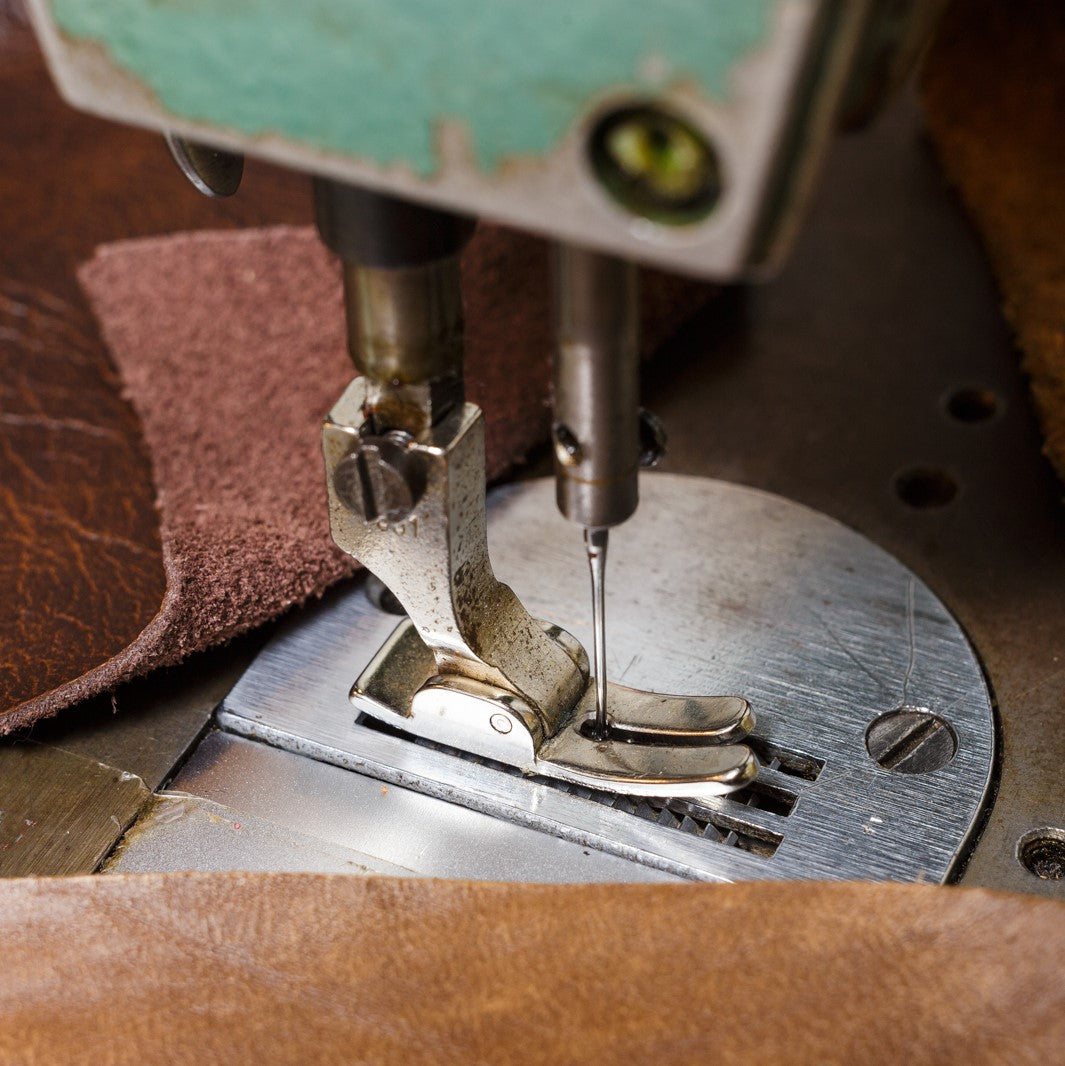
Those details determine barrier longevity. A strong face fabric can still fail aesthetically or functionally if the workroom stretches it incorrectly, places seams where liquid collects, or uses a cleaning process that weakens the finish. Performance belongs to the finished upholstery, not the fabric label alone.
Cleaning Care and Buying Tips for Designers and Homeowners
Good care starts before the first spill. The fabric, cushion construction, cleaning code, seam design, and household routine should all fit together. Luxury furniture lasts better when owners treat maintenance as part of specification rather than an emergency response.
A practical care routine
-
Blot promptly. Lift liquid with a clean, absorbent cloth instead of rubbing it deeper into the weave. Work from the outside of the spill toward the center.
-
Use the manufacturer's approved cleaner. A mild detergent solution may suit some performance fabrics, but the exact instructions vary. Test an inconspicuous area first, and avoid harsh solvents unless the mill specifically permits them.
-
Remove residue. Cleaning product left in the textile can attract soil and change the surface appearance. Use only the amount recommended for the fabric and rinse according to the care instructions.
-
Dry completely. Good airflow helps prevent residual moisture from remaining near the cushion filling or backing. Don't place covers back on damp inserts.
-
Inspect the construction. Look at seams, zipper areas, welts, cushion corners, and backing after cleaning. These areas reveal whether the upholstery is retaining its shape and barrier integrity.
For broader context on choosing performance fabric furniture, compare the care requirements alongside the room's traffic, pets, children, sunlight, and entertaining habits.
A buying checklist for luxury upholstery
Before approving fabric for a sofa, sectional, or custom chair, ask for:
- The exact construction: Is the protection a bonded membrane, laminated backing, coating, impregnation, or topical treatment?
- The test information: Does the sheet provide hydrostatic pressure, abrasion, lightfastness, and water colorfastness results?
- Seam guidance: Does the workroom need sealed seams, special thread, or particular construction details?
- The physical sample: Can you examine hand feel, drape, texture, color, and reverse-side backing in your own lighting?
- The treatment disclosure: Is the finish PFAS-free, and is the protection integral to the fiber or added to the surface?
- The cleaning instructions: What products, tools, and drying methods are approved?
- The use environment: Will the piece remain indoors, sit near a pool, face strong sunlight, or move between indoor and outdoor zones?
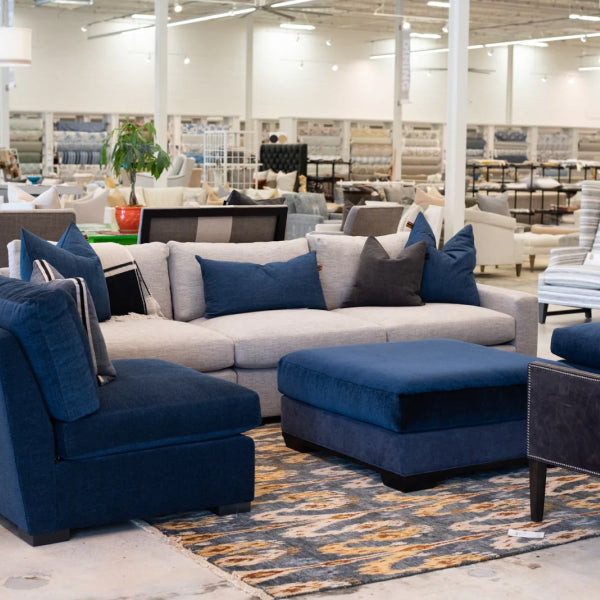
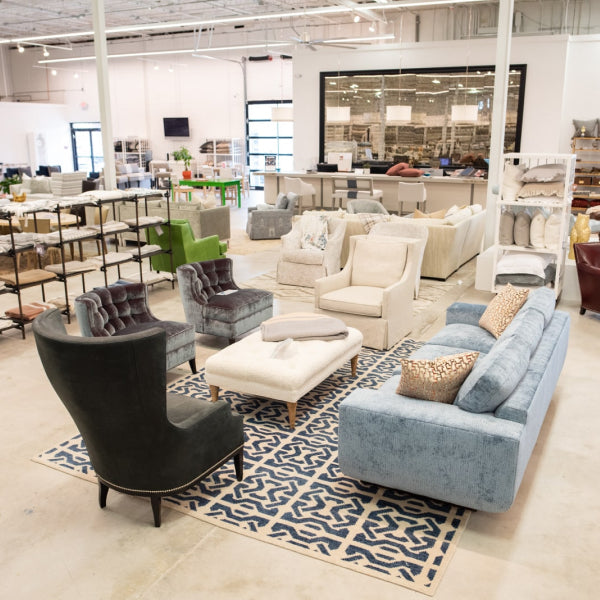
Lewis and Sheron Textiles can provide in-stock bolts and cut-yardage options, including performance textiles, while its design services can support material selection for custom upholstery and reupholstery. The critical step is to compare the textile's behavior with the furniture's intended use, not to choose a label in isolation.
Conclusion with Long-Term Value Emphasis
Waterproof upholstery earns its place in luxury interiors when it solves a specific problem without undermining the qualities that make the furniture desirable. A family sectional may benefit from an integrated moisture barrier, while a formal designer sofa may be better served by a softer performance textile that resists stains and preserves a natural hand. Neither choice is automatically superior.
The most dependable decisions connect four elements: the room's exposure, the fabric's construction, the finished piece's seam design, and the care routine the owner can realistically maintain. Hydrostatic pressure clarifies barrier performance. Abrasion and colorfastness address daily wear and light. Physical samples reveal what numbers cannot, including softness, drape, surface depth, and whether the textile feels appropriate for an heirloom-quality interior.
For homeowners in Atlanta, Buckhead, Alpharetta, Roswell, Sandy Springs, Fulton County, and surrounding affluent markets, the buying process should feel more like material specification than online shopping. Visit a design center, compare performance fabrics beside decorative textiles, and involve the upholsterer before committing to a construction. That approach supports high-end furniture, custom upholstered furniture, statement pieces, and premium sectionals that look considered now and remain useful over time.
Visit the Atlanta Design Center to review in-stock and custom upholstery options, bring your room's palette and intended use, and ask for samples that show both face fabric and backing. A thoughtful consultation with Lewis and Sheron Textiles can help you select a premium textile that protects your investment while preserving the comfort and character expected from designer furniture.
Visit Lewis and Sheron Textiles to explore performance fabrics, custom upholstered furniture, reupholstery, and design support for luxury sofas, custom chairs, and statement pieces. Bring your project details to the Atlanta Design Center and work with the team to compare waterproof barriers, softer performance textiles, and finishes suited to your home.