



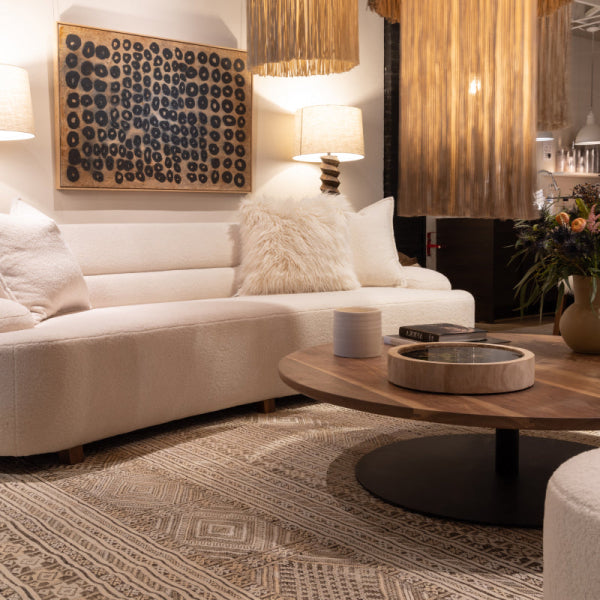
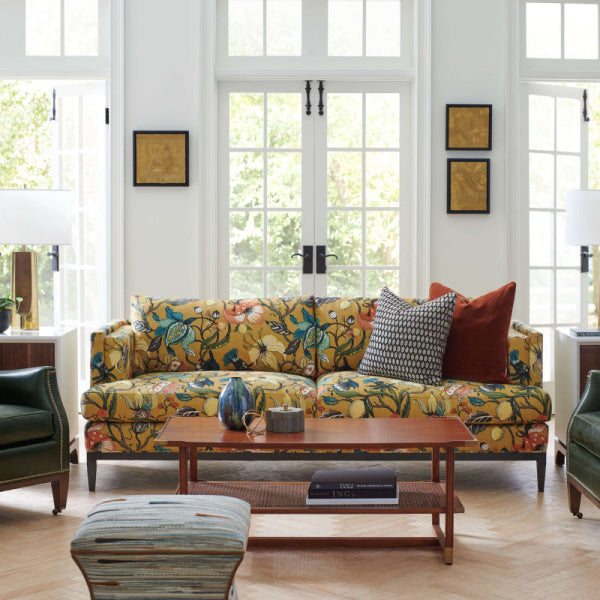
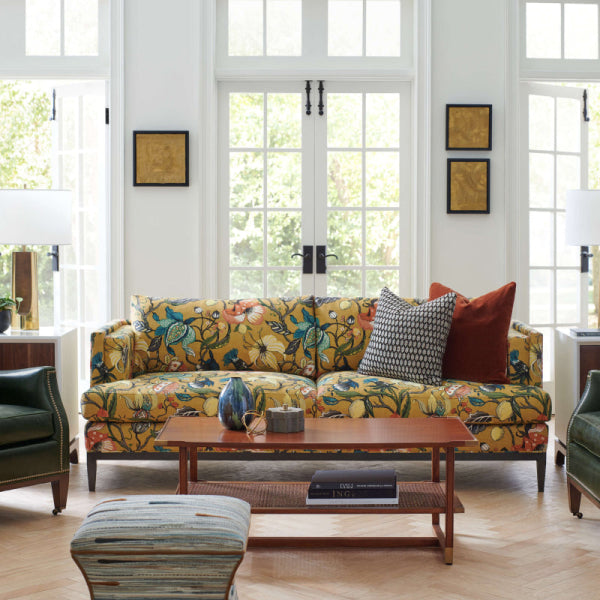
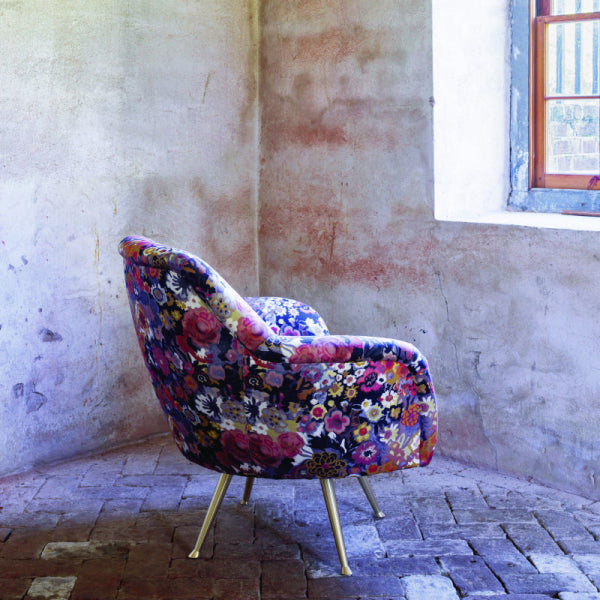








You're standing in a showroom or scrolling through fabric options for a new sofa, sectional, or set of custom chairs, and every tag seems to promise some version of protection. Water-repellent. Performance fabric. Stain-resistant. Waterproof. Breathable. For a buyer investing in high-end furniture in Atlanta, Buckhead, Alpharetta, Roswell, or Sandy Springs, those words shouldn't be treated as interchangeable.
That confusion matters most when the piece isn't temporary. A luxury sofa, a premium sectional, or heirloom-quality custom upholstered furniture has to look right, feel right, and keep performing after years of use. In North Atlanta homes, moisture isn't only about the obvious spill. It's also about daily humidity, vapor, damp air from open doors, kitchens, baths, and the slow wear that shows up in fabric hand, seam stability, and cushion comfort over time.
Why Moisture Resistance Matters for Luxury Atlanta Furniture
A common Atlanta scenario goes like this. A designer selects a beautiful fabric for a living room sofa in Buckhead. The room gets strong light, regular entertaining, and long humid summers. Nothing dramatic happens. No flooded cushion, no major accident. But after years of seasonal moisture cycling, the upholstery starts to feel less crisp, the seat doesn't recover the same way, and the fabric no longer looks as composed as it did on delivery day.
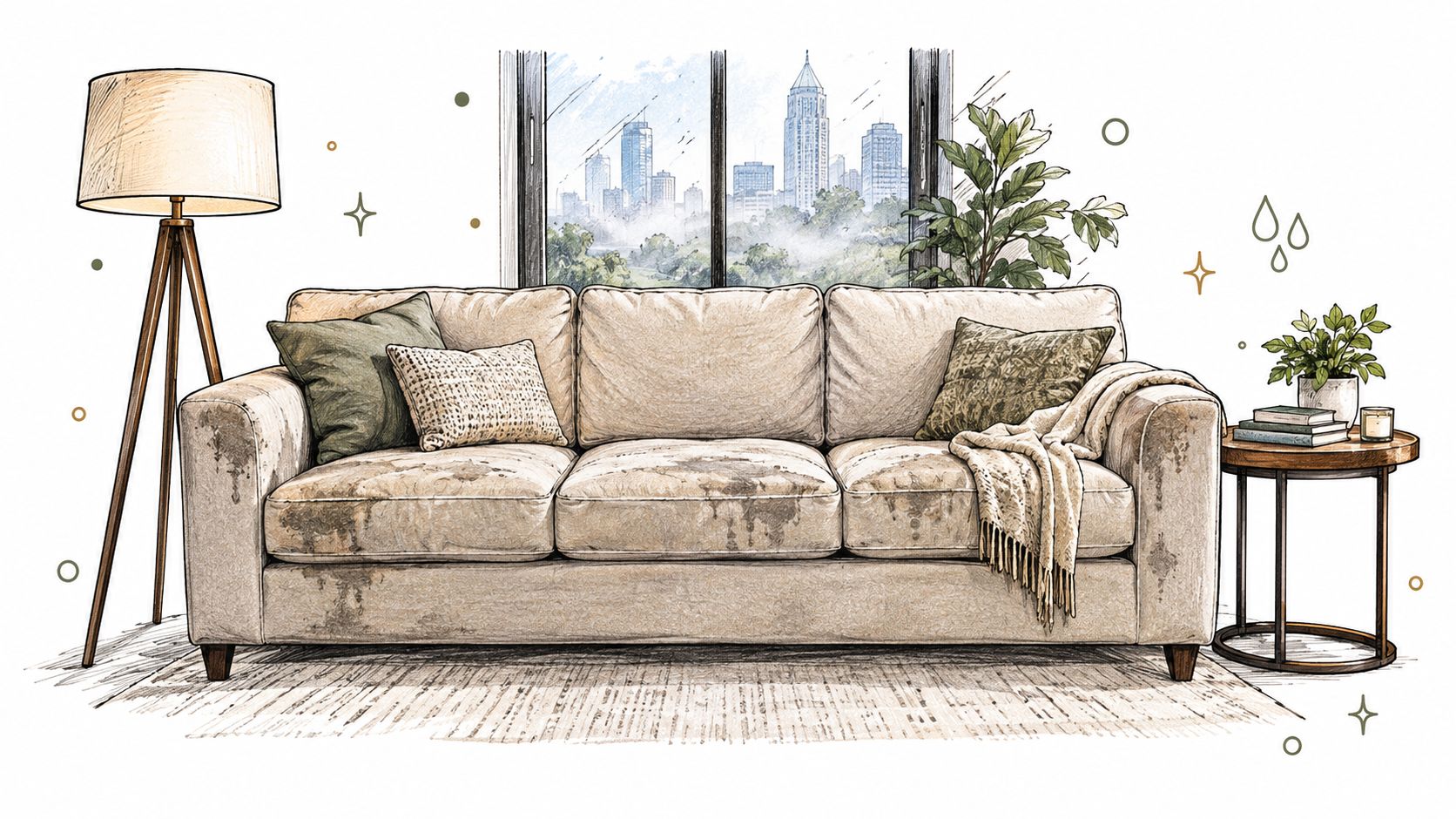
That's why moisture resistant fabric deserves its own conversation in luxury home furnishings. It isn't the same as waterproofing. Waterproof performance focuses on blocking water penetration. Moisture resistance is broader. It includes how a textile handles humidity, how quickly it dries, whether it traps vapor, and how well it keeps its shape and comfort through repeated exposure to damp conditions.
What buyers get wrong
Many shoppers looking for designer furniture near me or custom furniture Atlanta make one of two mistakes:
- They overbuy barrier protection. A fully coated fabric may resist liquid aggressively, but it can also feel less breathable and less refined for an indoor luxury sofa.
- They underbuy performance. A beautiful natural-look upholstery can work well, but only if the room, furniture type, and use pattern match the fabric's actual behavior.
Practical rule: For indoor upholstery, comfort and moisture management often matter as much as spill resistance.
Why this matters for investment pieces
If you're buying statement furniture pieces, high-quality couches, or custom upholstered furniture, fabric choice affects more than cleanup. It affects appearance retention, tactile comfort, and whether the piece still feels worthy of its frame years later.
That's one reason demand has shifted toward stronger textile performance. A 2026 market estimate projects the waterproof textiles market to rise from USD 2.65 billion in 2025 to USD 6.68 billion by 2035, a projection that points to growing interest in better-performing fabrics rather than simple coatings, according to performance textile market data.
For affluent homeowners in Fulton County and interior designers sourcing luxury furniture Atlanta, the right question isn't “Is this fabric waterproof?” It's “What kind of moisture exposure will this piece face, and how should the upholstery respond?”
The History and Science Behind Moisture Resistance
Moisture resistance didn't begin with modern performance branding. It came out of practical attempts to keep cloth usable in wet conditions, then evolved into a more refined balance of protection, flexibility, and comfort.
The major turning points
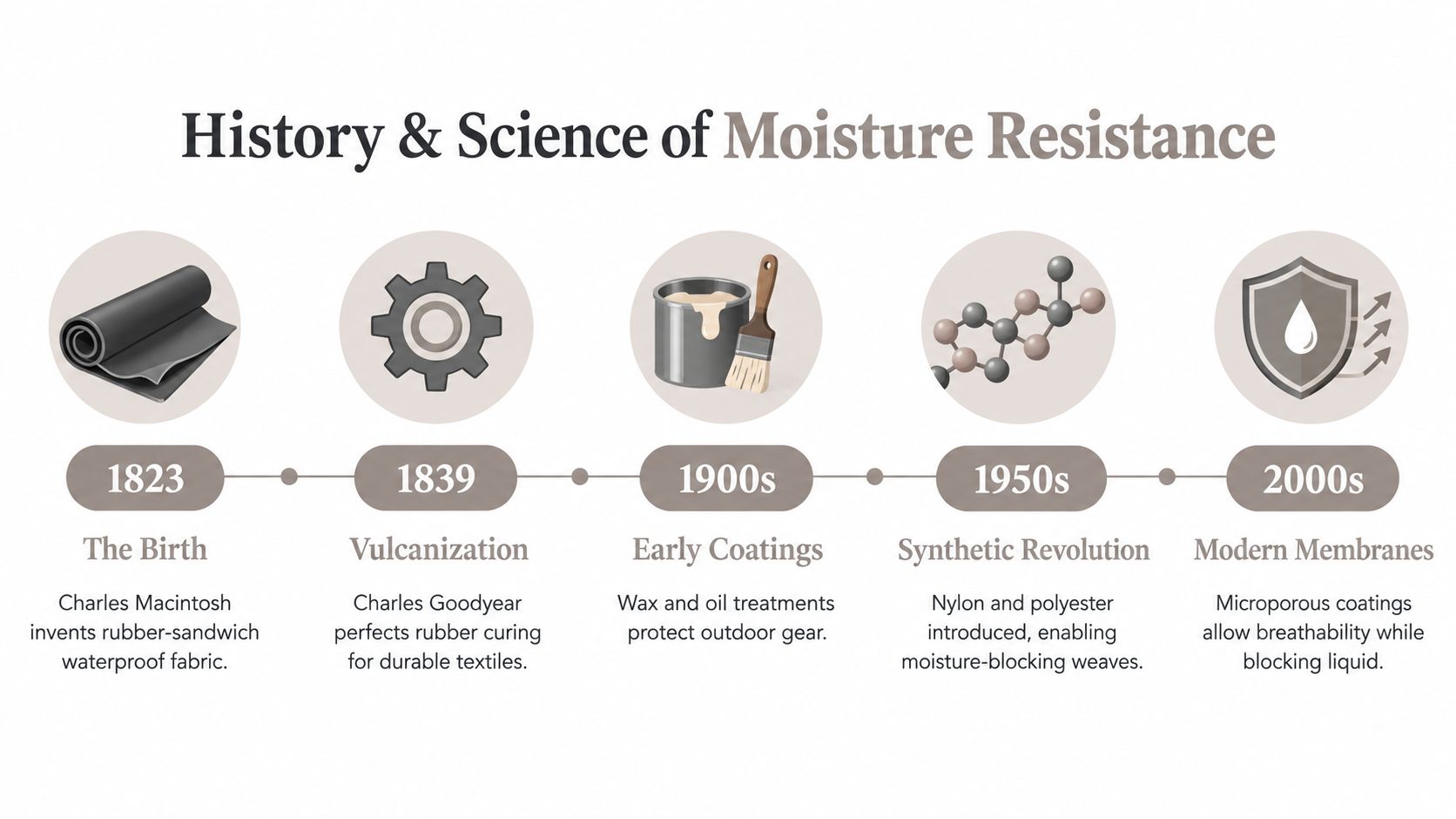
The first major commercial milestone came in 1823, when Charles Macintosh patented a process that sandwiched rubber between two layers of cloth to create the Mackintosh coat. That material was notably flexible and lightweight for its era. In 1839, Charles Goodyear introduced vulcanization, which stabilized rubber against temperature changes and made coated fabrics more practical in everyday use. Then in 1879, Thomas Burberry's gabardine showed that a tightly woven fabric could resist moisture without relying only on heavy coatings, as outlined in this history of waterproof materials.
Those developments still matter to upholstery buyers because they created the two core paths used today:
- Barrier systems such as coatings and membranes
- Inherent resistance created by fiber choice and fabric construction
What the fiber itself changes
A fabric can resist moisture because of what's on it, or because of what it's made from.
Fiber chemistry plays a major role. Low moisture regain fibers absorb less ambient water, dry faster, and stay more dimensionally stable in humid conditions. Polyester's moisture regain is typically 0.2 to 0.4 percent at standard textile conditions. UHMWPE absorbs less than 1 percent, and Vectran absorbs under 0.1 percent moisture in normal air, according to fiber moisture regain data.
That helps explain why many custom chairs, premium sectionals, and performance-upholstery programs rely heavily on synthetics or synthetic blends. These fibers take on less water from the air.
A fabric can shed a spill well and still feel clammy in daily use. It can also breathe nicely and still fail when exposed to repeated wet contact.
Four terms that should never be collapsed into one
For interior designers and homeowners shopping designer furniture Atlanta or luxury sofas for humid interiors, these distinctions matter:
- Water-repellent means the surface resists wetting.
- Waterproof means the material is built to block water penetration.
- Breathable means internal vapor can escape.
- Stain-resistant means soils are less likely to set into the textile.
A strong moisture resistant fabric may score well in one or two of those areas, but rarely in all of them equally. That's why the right upholstery for a Roswell family room may be the wrong choice for a formal Alpharetta dining chair or a kitchen banquette in Sandy Springs. The best specification always starts with use, not marketing language.
Performance Standards and Testing You Should Know
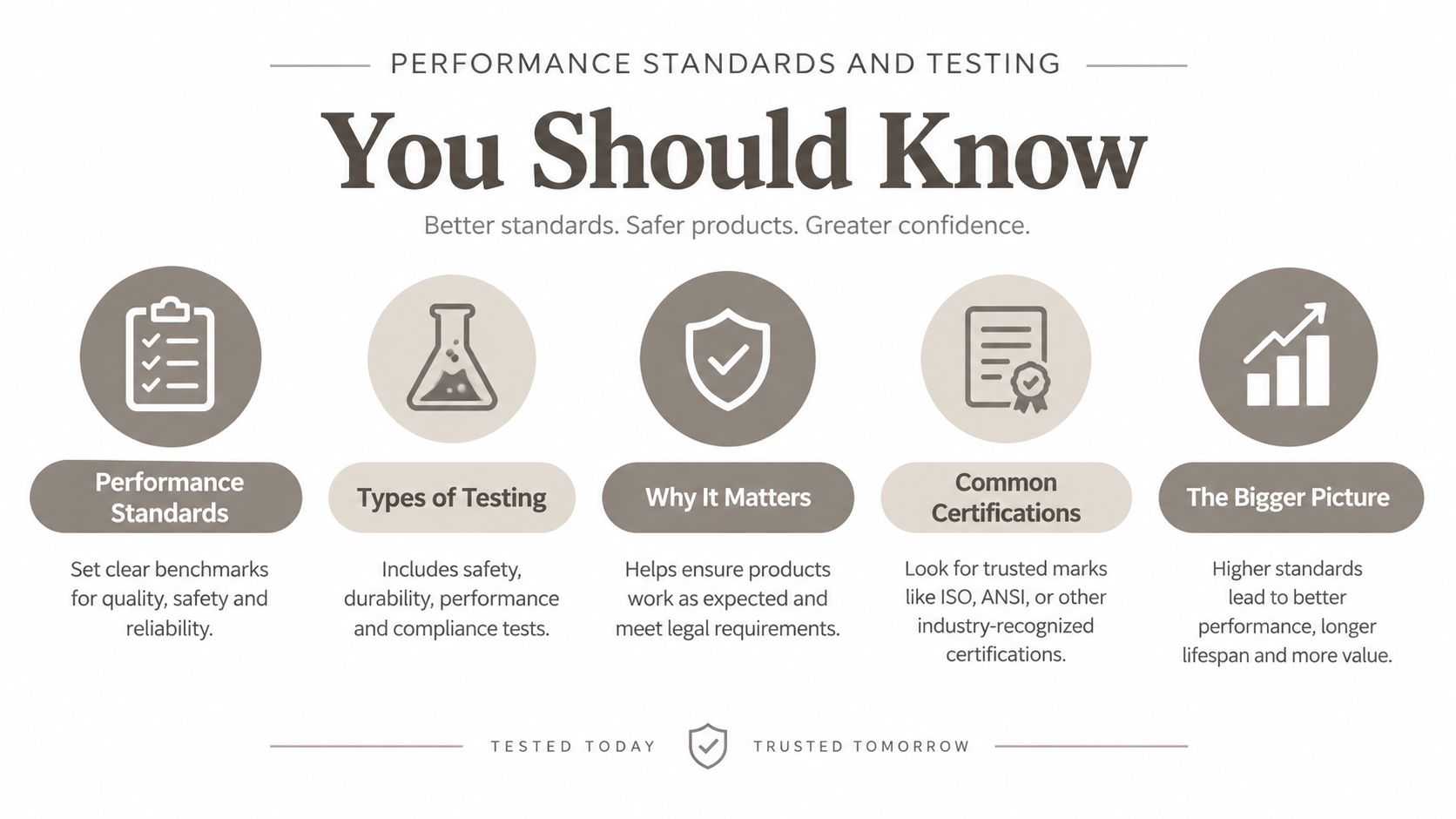
Luxury upholstery buyers don't need expedition gear. They do need a way to sort real performance from soft wording on a tag. That's where test standards help.
The two tests worth recognizing
ASTM E96 measures moisture vapor transmission rate, often shortened to MVTR. It tells you how well water vapor passes through a material. In plain terms, it helps answer whether a fabric lets internal moisture escape.
AATCC 195 looks at wetting, spreading, and transport behavior. It helps show whether moisture sits on the face, moves through the structure, or disperses in a way that changes comfort and drying behavior.
Together, those tests tell a more useful story than a simple “waterproof” label. One fabric may block liquid effectively but hold onto interior humidity. Another may move moisture well yet offer only moderate spill protection.
The benchmark numbers in context
A 2026 review summarized typical fabric benchmarks by use case. Urban and everyday wear commonly ranges from 3,000 to 10,000 mm hydrostatic head, 5,000 to 12,000 g/m2/day MVTR, and 20 to 30 washes of durability. Military and tactical fabrics often reach 15,000 to 25,000 mm hydrostatic head and 50 to 100 washes. Expedition gear can exceed 20,000 to 30,000+ mm hydrostatic head with MVTR of 8,000 to 15,000 g/m2/day. The same source notes that Robert W. Gore developed expanded PTFE in 1969, enabling the first widely recognized breathable, waterproof fabric, as discussed in this performance textile review summary.
For upholstery, those ranges are useful as reference points, not targets to blindly chase.
| Measure | What it tells you | Why it matters indoors |
|---|---|---|
| Hydrostatic head | Resistance to water penetration under pressure | Helps distinguish splash resistance from true barrier performance |
| MVTR | How much vapor can pass through | Affects whether seating feels comfortable over long sitting periods |
| Wash durability | How well treatment holds through care cycles | Indicates whether protection is likely to remain useful over time |
How to think like a specifier
If you're choosing high-end furniture for a living room, den, or library, a moderate performance balance often makes more sense than maximum barrier protection. Indoor seating usually needs:
- Comfort first, especially on large sofas and sectionals
- Surface protection second, for occasional spills or damp contact
- Durability over time, so the finish doesn't disappear after routine cleaning
The wrong fabric often passes the splash test and fails the comfort test.
That distinction is especially useful when comparing best luxury sofa brands, evaluating custom vs mass-produced furniture, or reviewing fabric memos with an interior designer in Buckhead or North Atlanta. Marketing language may sound premium. Test language tells you what the textile is built to do.
Comparing Common Moisture-Resistant Fabric Types
No single upholstery textile wins every category. The right choice depends on whether you prioritize spill control, breathability, hand feel, or long-term maintenance.
Side-by-side comparison
| Fabric Type | Moisture Resistance | Breathability | Wash Durability | Best For |
|---|---|---|---|---|
| Crypton | Strong surface and embedded protection | Usually better balanced than heavily coated textiles | Often chosen when long-term household performance matters | Family sofas, dining chairs, custom upholstered furniture |
| Solution-dyed acrylic | Strong resistance for indoor-outdoor crossover use | Good airflow compared with dense coated options | Commonly selected where sun and moisture both matter | Sunrooms, covered patios, casual seating |
| Olefin | Naturally resistant to moisture and many household exposures | Usually comfortable in active-use settings | Good practical durability in high-use environments | Breakfast banquettes, media rooms, everyday sectionals |
| Treated cotton or linen | Improved resistance, but still more use-sensitive than synthetics | Often excellent hand and visual softness | Depends heavily on finish and care habits | Formal rooms, statement chairs, lower-risk settings |
| Coated textiles | Highest liquid barrier approach in this group | Often the least breathable | Can perform well if the coating remains intact | Kitchens, playrooms, specialty applications |
What works, and what doesn't
Crypton has become a reference point because it aims for a usable middle ground. It's often considered when buyers want a luxury look without giving up practical household performance. If you want a closer look at how that category is positioned, this overview of what Crypton fabric is is a useful starting point.
Solution-dyed acrylic works well when the room behaves more like a semi-outdoor space. In Atlanta homes with large sliders, screened porches, or bright sunrooms, that added resilience can matter more than a softer indoor-only hand.
Olefin is often underrated. It tends to make sense for high-use pieces where clients want less fuss and good everyday wear.
Where natural fibers still belong
Treated cotton and linen still have a place in designer furniture and statement furniture pieces. They need better placement. I'd use them more readily on a formal custom chair than on a heavily used sectional near a kitchen.
Aesthetic preference also matters. Many interior designers still want the texture and character that natural fibers bring, even when a synthetic would be easier. The key is matching the room to the risk.
For clients who want upkeep guidance after installation, these Eco Clean Solutions fabric care tips offer a practical overview of how cleaning methods should vary by upholstery type.
The chemistry behind the comparison
As noted earlier, low-absorption fibers have a structural advantage in humid environments. Polyester's 0.2 to 0.4 percent moisture regain, along with the very low absorption profile of technical fibers, helps explain why synthetics often outperform natural fibers when moisture exposure is part of the brief. That doesn't make them universally better. It makes them easier to specify when humidity, drying speed, and dimensional stability matter.
Choosing the Right Fabric by Room and Furniture Type
Room use should drive the specification. That's especially true for custom furniture Atlanta projects, where the wrong upholstery choice can undercut an otherwise excellent frame.
Living rooms and family seating
For luxury sofas, premium sectionals, and other large seating pieces, breathable moisture resistance usually matters more than aggressive waterproofing. These pieces carry the most body heat and the longest sit times. A fabric that feels sealed off can become tiresome fast.
Look for performance upholstery that balances comfort with practical spill resistance. For a deeper look at categories that fit that need, this guide to choosing the best performance fabrics is worth reviewing when comparing options.
Dining chairs, benches, and kitchen seating
Dining upholstery deals with repeated spot exposure. Here, stronger surface resistance makes more sense. A kitchen banquette in Sandy Springs needs a different spec than a formal sofa in Roswell.
Use these priorities:
- Frequent wipe-downs favor fabrics with stronger liquid resistance.
- Tighter seats and backs benefit from textiles that won't swell or distort easily in humid air.
- Pattern and texture can help disguise minor day-to-day use between cleanings.
If the chair sits near food, drinks, or a sink, choose for cleanup first and romance second.
Sunrooms, covered porches, and transitional spaces
These spaces often blur indoor and outdoor conditions. Moisture, light, and temperature swings all matter. In those rooms, solution-dyed acrylic and olefin often make more sense than fabrics selected only for softness.
Why the frame still matters
Fabric choice doesn't rescue weak construction. One published comparison states that hardwood-framed upholstered furniture built to quality standards is expected to last 15 to 25 years under normal residential use, versus about 5 to 8 years for particleboard alternatives, according to this luxury sofa buying guide.
That's a major distinction for buyers comparing high-quality couches, custom chairs, and heirloom-quality furniture. In practice, a strong upholstery fabric belongs on a strong frame. Otherwise, you're preserving the wrong part of the piece.
Maintenance and Reupholstery for Long-Lasting Performance
Even a well-specified moisture resistant fabric won't perform indefinitely if it's cleaned harshly, baked in direct sun, or abraded for years without care. Performance is never just about the original textile. It's also about maintenance habits and whether the furniture underneath is worth preserving.
Protect the fabric without stripping the finish
The biggest maintenance mistake I see is overcleaning with aggressive products. Homeowners panic after a spill, scrub too hard, and end up damaging the treatment or distorting the face of the cloth.
Better practice usually looks like this:
- Blot first. Don't grind liquid deeper into the cushion.
- Use the mildest suitable cleaner. Strong chemistry can shorten the useful life of surface treatments.
- Test before full cleaning. Even performance fabrics can react differently across weaves and finishes.
- Rotate cushions and seating positions. Uneven wear changes how moisture and body oils accumulate.
For buyers who want a useful outside perspective on why preventive textile treatment can pay off over time, this piece on stain protection ROI for facilities is helpful because it frames protection as a lifecycle issue rather than a one-time add-on.
Reupholstery is often the smarter luxury move
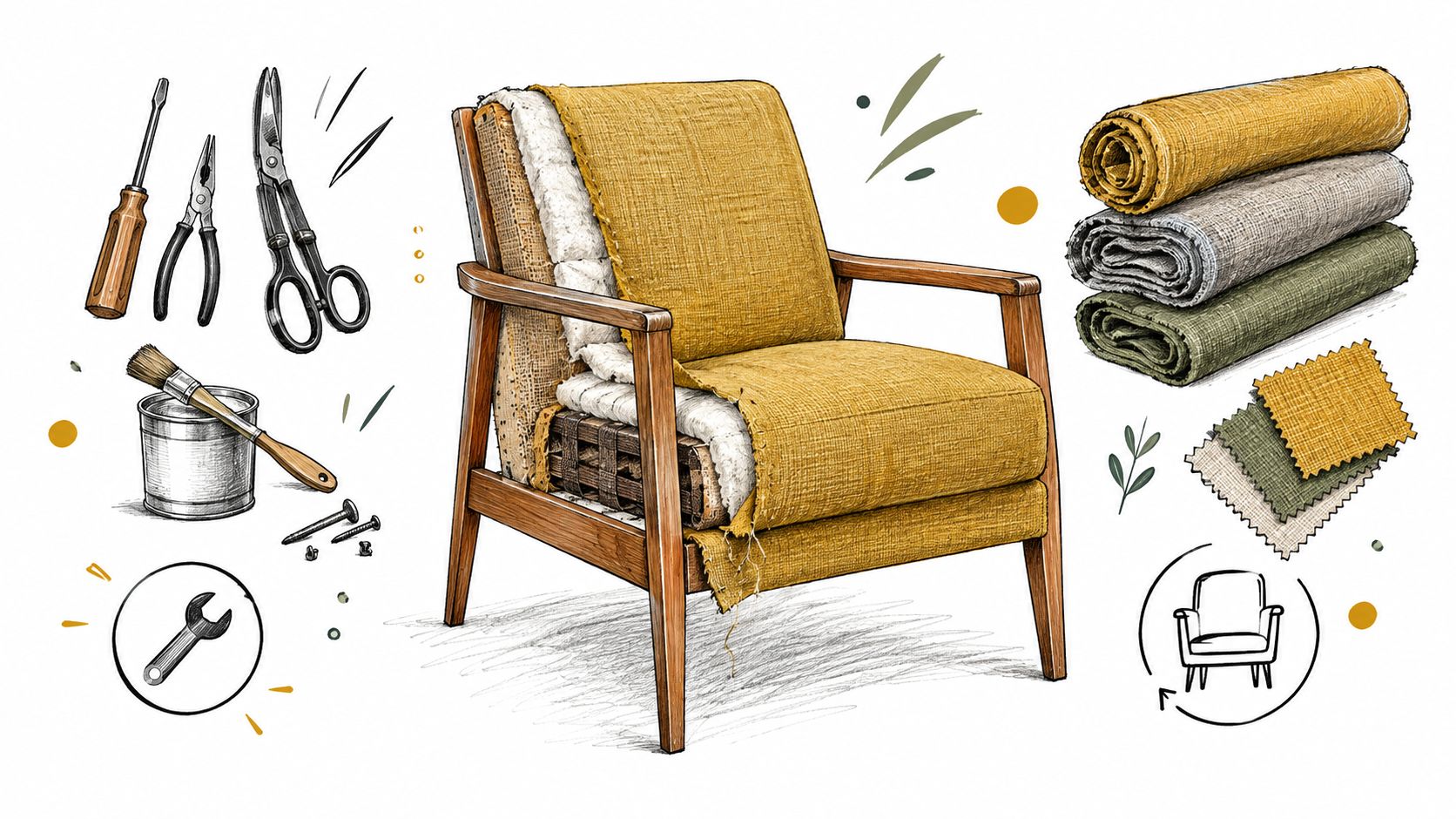
Many high-end pieces deserve restoration rather than replacement. If the frame is sound, new upholstery can give the furniture an entirely different service life and a more current performance profile.
Construction clues matter here. High-quality upholstered furniture is commonly distinguished by solid hardwood frames, mortise-and-tenon or dowel joinery, and eight-way hand-tied coil suspension, which are recognized as markers of investment-grade construction in this guide to identifying high-quality furniture.
A good fabric protection plan should also account for future care. This overview of fabric protection for furniture is a useful reference when deciding whether a piece needs a new treatment, professional cleaning, or complete reupholstery.
Restore the piece if the bones are excellent. Replace it if the upholstery is the least of its problems.
What long-term owners should watch
For luxury home furnishings, I'd pay close attention to three signals:
- Loss of hand feel, where the fabric starts feeling stiff, tacky, or tired
- Uneven darkening or moisture marking, especially on arms and seat fronts
- Reduced cleanup response, where spills no longer bead or release the way they once did
Those signs don't always mean failure. They often mean the piece needs professional assessment before wear spreads further.
Where to Source Premium Moisture-Resistant Fabrics in Atlanta
If you're shopping for luxury furniture Atlanta, designer furniture near me, or custom furniture Atlanta, fabric sourcing should happen alongside construction review. The textile can only perform as well as the furniture it's paired with.
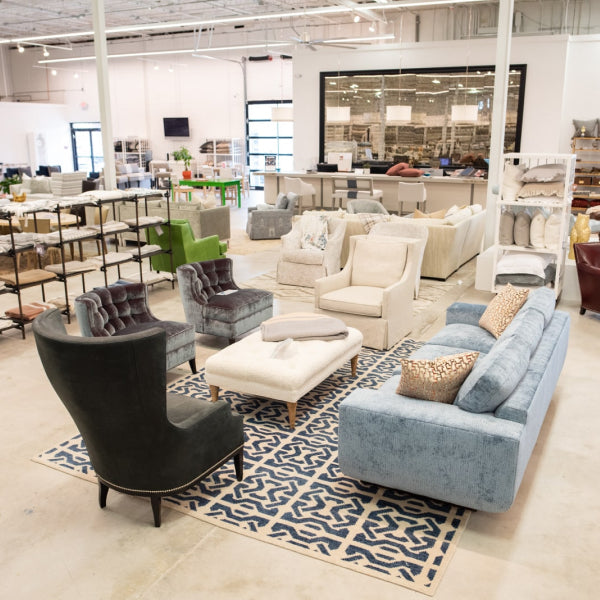
For Atlanta-area homeowners and designers, one practical option is Lewis and Sheron Textiles, which offers over a thousand in-stock bolts and thousands more cut-yardage options from mills including Crypton, Kravet, Fabricut, P. Kaufmann, and Libeco Home, along with made-to-order upholstery from Verellen, Wesley Hall, LEE Industries, and Ambella. That kind of selection matters because comparing moisture-resistant fabrics in person is often the fastest way to spot the trade-offs between hand, finish, pattern, and practical use.
What to evaluate before you place the order
A serious upholstery sourcing conversation should include:
- The room conditions. Formal living room, kitchen seating, sunroom, or covered outdoor transition area.
- The furniture type. Luxury sofa, sectional, custom chair, bench, or statement accent piece.
- The construction underneath. Better textiles belong on better frames and suspension systems.
- The maintenance plan. Not just stain response, but also long-term cleaning and possible reupholstery.
A documented custom-upholstery method uses a basket weave of natural jute webbing plus tempered steel coil springs as the structural foundation of the piece, a specific construction approach that supports long-term shape retention and comfort, as shown in this custom upholstery framing reference. For buyers investing in high-end furniture, that level of structure is the right companion to carefully chosen upholstery.
Protection can also extend beyond the fabric itself. For covered patios, recreational rooms, or seasonal setups, properly fitted covers for mancave and patio gear can help reduce unnecessary exposure when a piece isn't in use.
If you're buying for Buckhead, Alpharetta, Roswell, Sandy Springs, or the broader North Atlanta market, the smartest path is usually a coordinated one. Pick the right fabric, pair it with real construction quality, and plan for care before the piece ever enters the room.
Lewis and Sheron Textiles offers premium home fabrics, custom furnishings, reupholstery, and design support that can help you match moisture-resistant performance to the way a room is used. If you're comparing luxury sofas, custom upholstered furniture, or designer-grade fabric options in Atlanta, visit Lewis and Sheron Textiles to review materials, construction, and care choices in one place.