









Most buyers still define modern upholstery fabric by appearance: a pale neutral, a low profile, and a clean-lined sofa. That advice is incomplete. For a luxury home in Buckhead, Alpharetta, Roswell, Sandy Springs, or North Atlanta, modern upholstery should mean more than minimal styling. It should combine performance fibers, tested durability, intelligent tailoring, and a structural foundation built to last.
The market's scale supports that shift. One recent estimate values the global upholstery fabric category at USD 45.2146 billion in 2024, with a projection of USD 72.60477 billion by 2031 at a 7.00% CAGR (Cognitive Market Research). This is no longer a small decorative niche. Upholstery now serves residential interiors, hospitality, custom seating, furniture replacement, and premium design projects across major markets.
For affluent homeowners, the practical question isn't, “Does this fabric look current?” Ask instead: Will this textile maintain its surface, support the room's use, and complement a frame and cushion system worthy of a luxury sofa?
Redefining Modern Upholstery Beyond Visual Trends
Modern design is often reduced to clean geometry and restrained color. That approach can produce a handsome room, but it doesn't tell you whether the sofa will pill, the weave will snag, or the cushions will lose their shape. A modern aesthetic without technical discipline is a fashionable cover on ordinary furniture.
The stronger definition treats modern upholstery as a performance-led design category. A recent market model found that synthetic fibers represented 48.5% of global upholstery fabric revenue, reflecting the rise of engineered textiles, durable blends, and easy-care surfaces (GIIR Research). Synthetic construction isn't automatically superior, but it often gives mills greater control over abrasion resistance, cleanability, color stability, and surface consistency.
Contemporary style needs stronger standards
That matters in Atlanta homes. A premium sectional in a family room faces repeated sitting, shifting, pets, entertaining, sunlight, and the occasional spill. A formal sitting room has different demands, but even there, a luxury fabric should age with intention rather than show premature thinning or distortion.
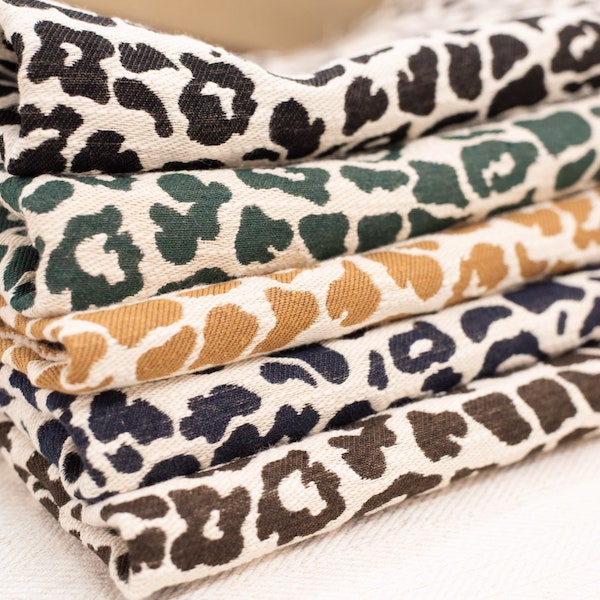
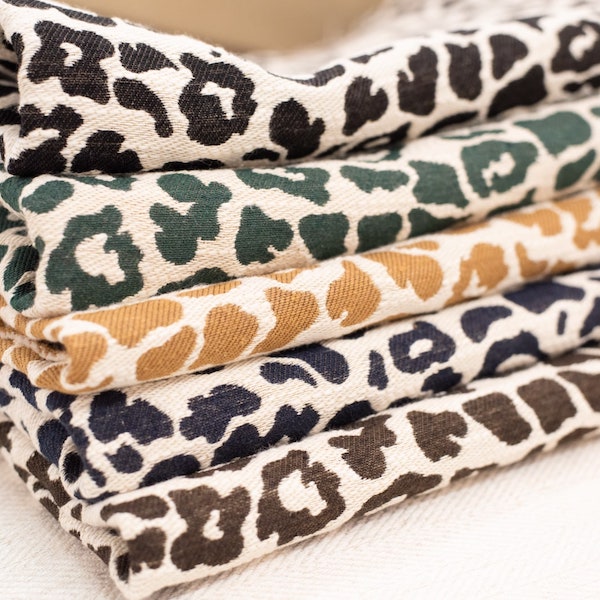
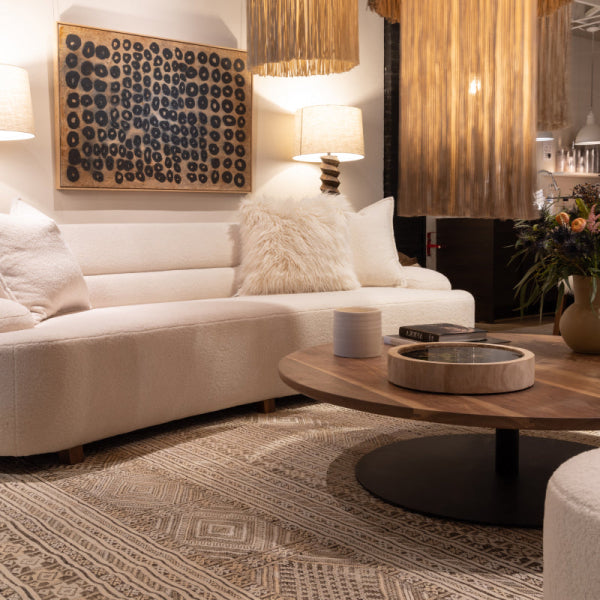
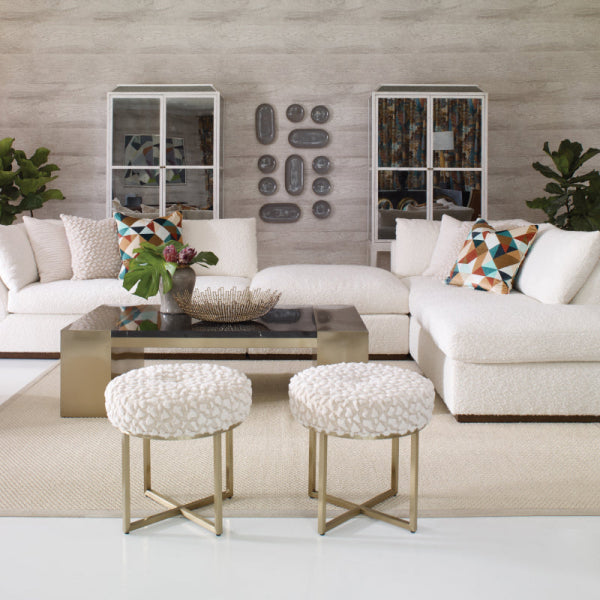
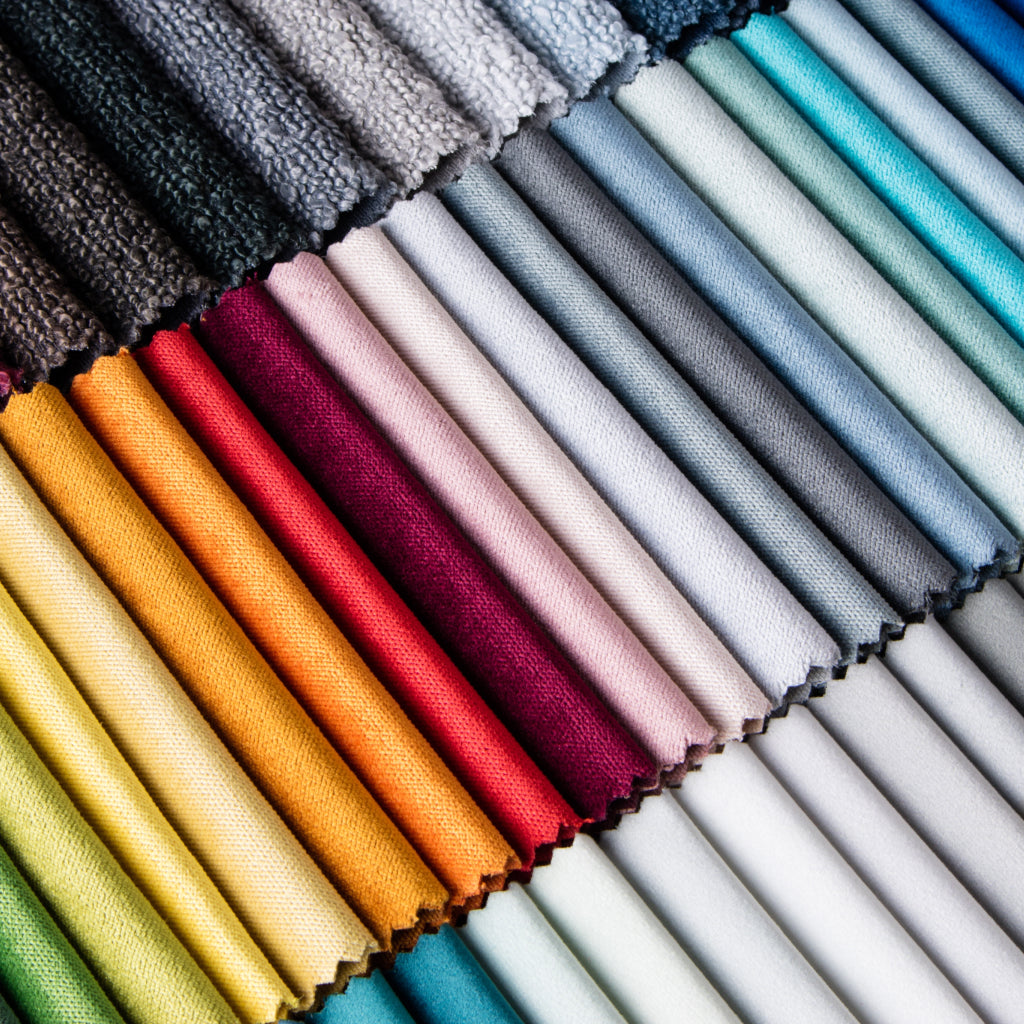
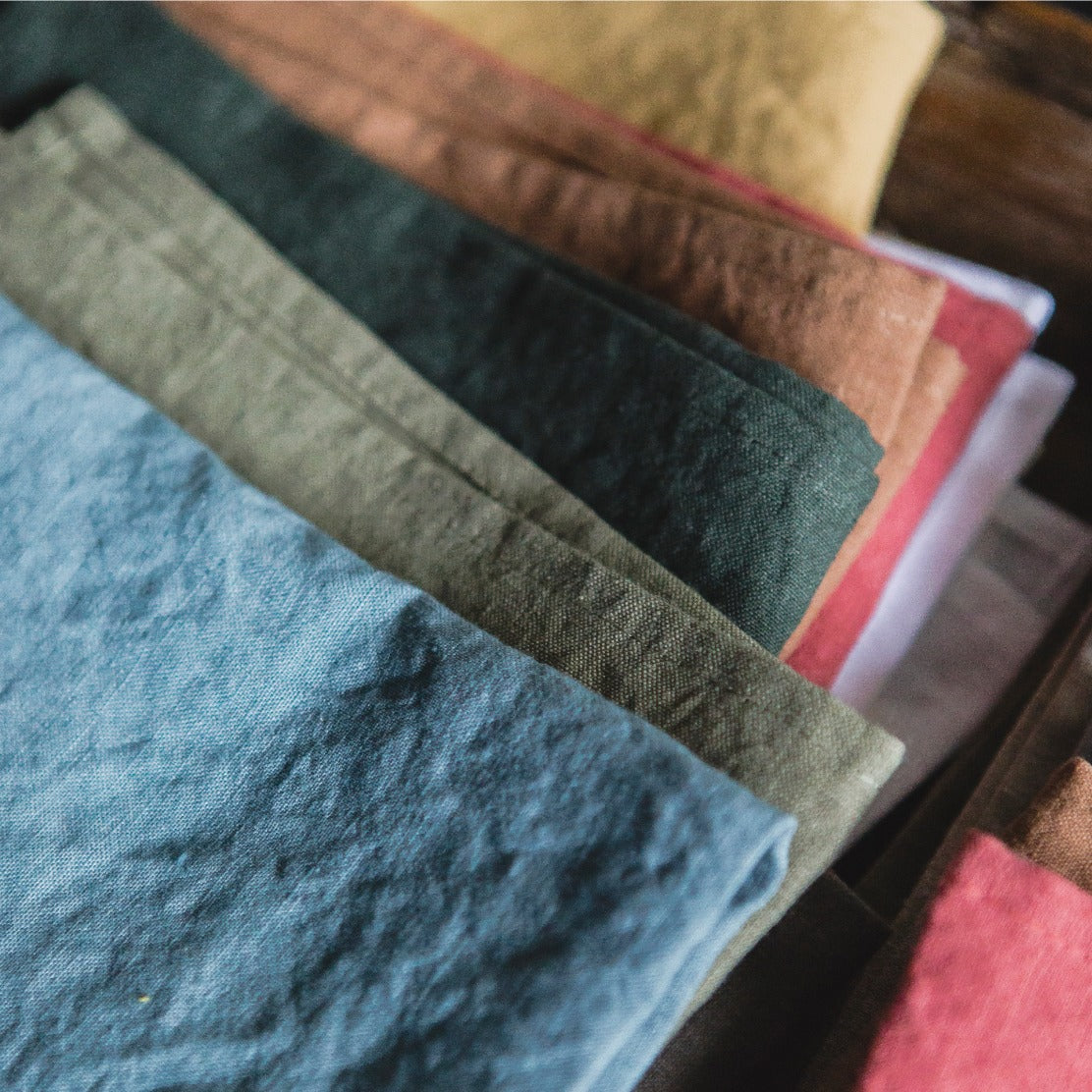
Texture has also changed the visual language of modern interiors. Bouclé, velvet, mohair, chenille, and linen blends bring depth to simple silhouettes, while performance finishes and recycled or regenerated fibers give designers more options than traditional decorative textiles alone. Trade coverage identifies texture, performance, and sustainability as central forces shaping upholstery choices (Furniture Today; GC Overseas).
The modern standard: Choose the fabric for the room's behavior, then choose the color, pattern, and hand feel.
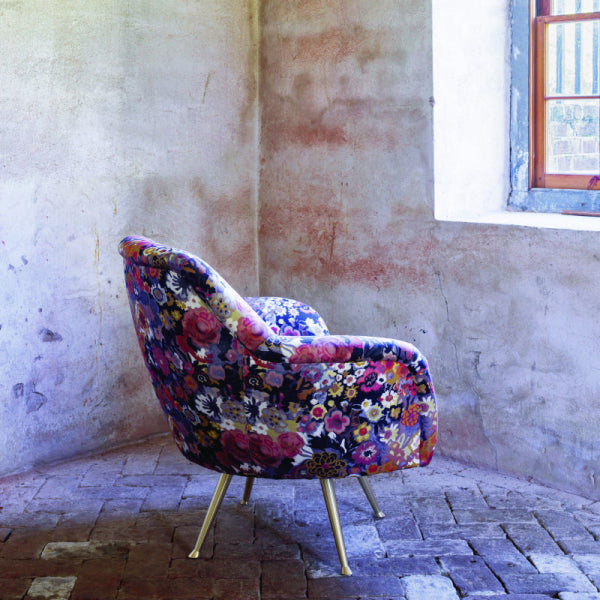
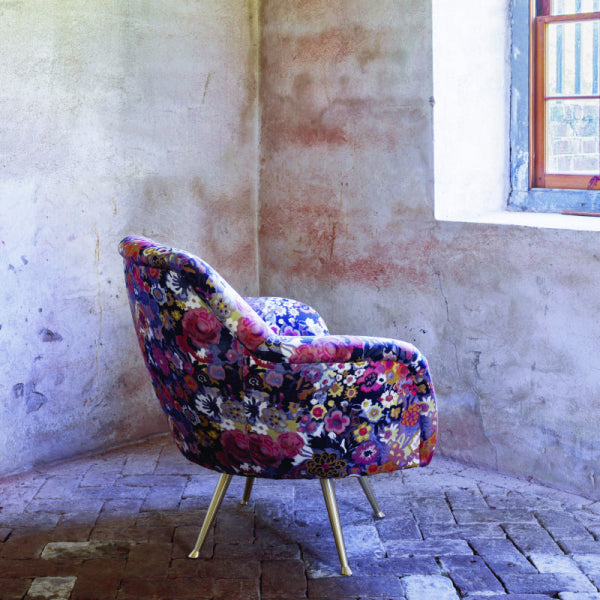
For a custom chair, statement furniture piece, or premium sectional, the textile should work with the furniture's construction. A tightly woven performance fabric can support an active household while still looking refined. A delicate boucle may be perfect on a sculptural accent chair that receives little contact. The best designer furniture doesn't force every room to use the same material. It assigns each material an appropriate role.
This is why mass-produced furniture often disappoints discerning buyers. It sells a finished appearance, while custom upholstered furniture allows you to evaluate the complete system, including cover, cushioning, support, frame, tailoring, and future serviceability. True luxury home furnishings should feel current without depending on a temporary trend.
Decoding Performance Specs and Durability Standards
A specification sheet tells you more than a showroom photograph. For luxury sofas and high-quality couches, the first technical figure to examine is the abrasion rating, which indicates how well the textile resists repeated surface wear.
North American suppliers commonly use the Wyzenbeek test, ASTM D4157, reported in double rubs. European and many international suppliers use the Martindale test, ISO 12947, reported in cycles. These systems shouldn't be treated as interchangeable one-for-one measurements. Ask the showroom or manufacturer which test was used and whether the rating suits your intended application.
Match the rating to the furniture's job
Residential upholstery commonly targets roughly 15,000 to 25,000 Wyzenbeek double rubs, while heavy-duty or contract furniture may call for 40,000 Martindale cycles or about 30,000 or more Wyzenbeek double rubs. Very high-traffic seating may specify 100,000 or more cycles or rubs (FBM Sourcing).
| Application | Wyzenbeek Rating | Ideal Furniture Type |
|---|---|---|
| Formal or moderate residential use | 15,000–25,000 double rubs | Formal sofa, occasional chair, low-use lounge |
| Active residential use | 30,000+ double rubs | Family-room sofa, premium sectional, frequently used custom chair |
| Heavy-duty or contract use | Comparable specification required | Hospitality seating, busy entertaining spaces, commercial-grade furniture |
| Very high traffic | 100,000+ cycles or rubs | Seating exposed to exceptionally frequent use |
Use the table as a starting point, not a substitute for judgment. A high abrasion rating doesn't guarantee that a fabric won't pill, snag, crush, or attract marks. Fiber type, weave density, yarn construction, finish, color, and furniture design all affect the way the textile ages.
For a clearer explanation of how to evaluate performance textiles before ordering, consult this practical guide to choosing the best performance fabrics.
Don't stop at abrasion
Modern upholstery must also meet the safety and maintenance requirements of its destination. Common flammability benchmarks include EN 1021-1 and EN 1021-2 in Europe, BS 7176 in the United Kingdom, and CAL TB 117-2013 in the United States (Ergo Product). These standards address ignition resistance, not overall quality, so they should sit alongside abrasion and cleanability information.
Ask for the fabric's cleaning code, recommended products, and care limitations. A textile marketed as “performance” still needs a documented maintenance method. Confirm whether the finish is integrated into the fiber or applied as a surface treatment, and ask how cleaning may affect the hand feel.
For an Atlanta family room, I recommend starting with an active residential fabric that carries a substantial abrasion rating, documented cleanability, and the appropriate U.S. flammability information. For a formal accent piece, prioritize hand feel and visual refinement, but don't accept vague claims in place of a real specification sheet.
Navigating Modern Textures and Material Tradeoffs
Texture is the fastest way to make a clean-lined room feel collected rather than sterile. It also creates the most confusion. A nubby surface may look luxurious under showroom lighting, while daily contact reveals crushing, snagging, or maintenance demands that weren't obvious at purchase.

Performance velvet
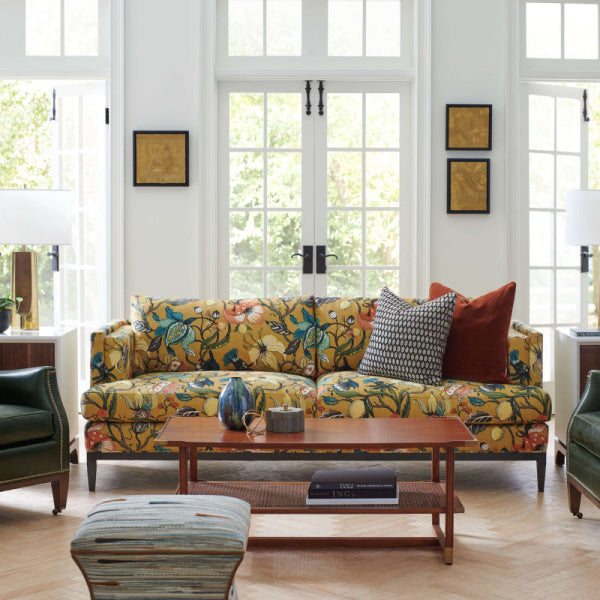
Performance velvet is my preferred choice for a frequently used family sofa when the homeowner wants saturated color and a polished surface. Its dense pile can feel exceptionally soft, and modern performance constructions may offer easier maintenance than traditional velvets. Still, velvet can show directional shading, pressure marks, and crushing, especially on seat cushions and arms.
Choose a resilient construction, inspect it under changing light, and understand that regular vacuuming with the correct upholstery attachment matters. Olive, tobacco, rust, camel, and deep blue can bring warmth to Atlanta interiors without relying on flat gray.
Bouclé and mohair
Bouclé offers sculptural texture and works beautifully on a low-touch statement chair, curved sofa, or conversation piece. Its loops can catch on jewelry, claws, belt hardware, and rough clothing, so I wouldn't make an especially open bouclé the default for a heavily used sectional.
Mohair delivers luster and a distinctive hand, but it deserves disciplined placement and care. Both materials can be magnificent in a formal living room, library, or bedroom seating area where tactile impact matters more than carefree maintenance.
Chenille and linen blends
Chenille gives modern silhouettes softness and visual movement, but buyers should ask about pilling, seam wear, and the specific yarn construction. Linen blends create the relaxed look many homeowners want, though they can wrinkle, absorb marks, and require more attentive maintenance than a performance synthetic.
The right choice depends on the household, not the trend photograph. For pet owners comparing surfaces, this resource on best upholstery fabrics for pets provides useful material considerations. For broader education on construction, review these examples of woven fabrics.
My placement rule: Put the most tactile fabric where you want visual emphasis, not automatically where your household applies the most friction.
Before approving a swatch, rub it between your fingers, bend it, inspect the back, and ask how the pile or weave responds to pressure. Then test the actual furniture form. A tight back behaves differently from a loose cushion, and a waterfall skirt or welted seam may place different demands on the textile.
The Hidden Architecture of Designer Quality Furniture
A luxury sofa isn't luxurious because its fabric has a prestigious name. The cover is the visible layer of a much larger system. If the frame flexes, the springs fatigue, or the cushion core collapses, an expensive textile cannot rescue the furniture.

Start with the frame
Kiln-dried hardwood is a meaningful quality signal because drying wood to about 6–8% moisture content helps reduce warping, twisting, and cracking. One luxury furniture guide describes solid hardwood frames as lasting 15–25 years or more, compared with 5–10 years for pieces made with particleboard or softwood (DreamSofa).
Ask what the frame is made from, how the joints are constructed, and whether the manufacturer provides service support. A strong frame should feel stable when you sit, rise, and shift your weight. It shouldn't rack, creak excessively, or feel hollow at the corners.
Examine the support and cushion system
Eight-way hand-tied springs remain a benchmark in high-end upholstery. Craftspeople tie each coil in eight directions, distributing weight and creating a resilient, even sit. The construction is widely identified as a hallmark of premium seating foundations (Whittemore-Sherrill).
Cushions deserve equal attention. High-density foam cores, feather or down wraps, and carefully selected blends influence both comfort and shape retention. A down-wrapped cushion may feel inviting and relaxed, while a firmer foam core may suit homeowners who prefer a more structured appearance.
Look at the tailoring
Designer-quality workmanship appears in the details:
- Pattern matching: Motifs continue cleanly across cushions, arms, and adjacent panels.
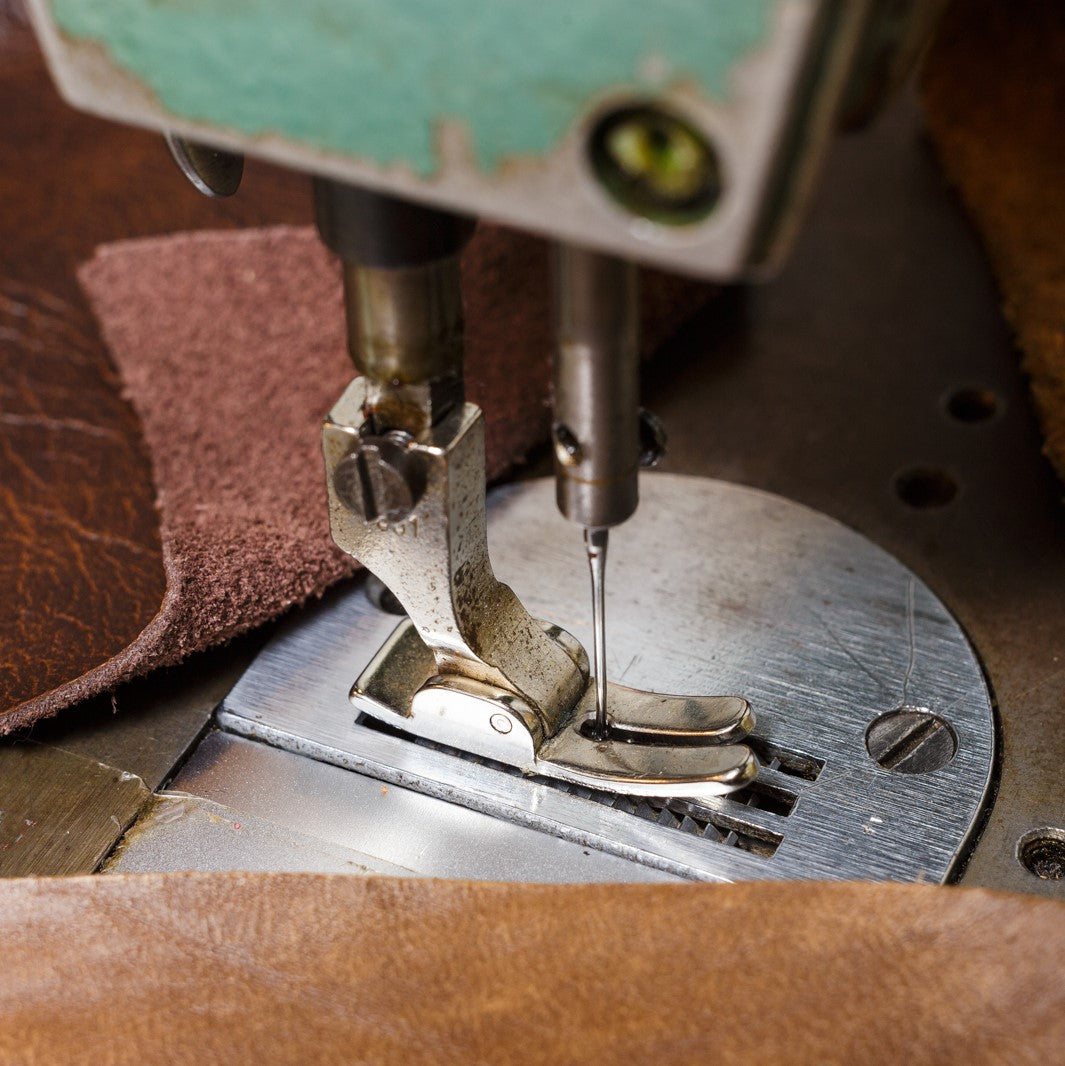
- Hand-finished stitching: Seams remain even, controlled, and appropriate to the silhouette.
- Precise joinery: Corners, legs, and frame connections feel deliberate rather than rushed.
- Balanced proportions: The furniture's depth, height, and cushion scale suit the room and the user.
A useful guide to premium furniture materials also recommends full-grain or top-grain leather, tight-weave fabrics with strong abrasion resistance, and repairable finishes when long-term value matters (Gharpedia).
If you're using digital tools to test proportions or visualize a custom concept before production, this guide to AI furniture rendering can help organize early design decisions. It doesn't replace a physical sample or construction review.
Sourcing Premium Fabrics and Custom Furnishings
The best custom furniture decisions happen before the order is placed. Start with the room, the furniture form, and the household's use. Only then should you choose the fabric.
A disciplined sourcing process
-
Define the furniture role. Decide whether you're commissioning a luxury sofa for daily family use, a premium sectional for entertaining, custom chairs for a dining room, or a statement piece for visual impact.
-
Set the performance brief. Identify the required abrasion system, cleanability, fire standard, and tolerance for texture-related issues such as crushing or snagging.
-
Review physical samples. Compare fabrics in the room's natural and artificial light. Hold them against flooring, wall color, rugs, wood, and stone. A swatch that looks sophisticated online may read too cool, too shiny, or too busy in context.
-
Select the maker and construction. Discuss frame materials, spring systems, cushion cores, seam placement, welt, skirt, leg finish, and dimensions. The textile should be chosen with the silhouette, not after it.
-
Confirm the order in writing. Document the fabric name, colorway, pattern direction, repeat, cleaning instructions, cushion preference, and delivery expectations before approving production.
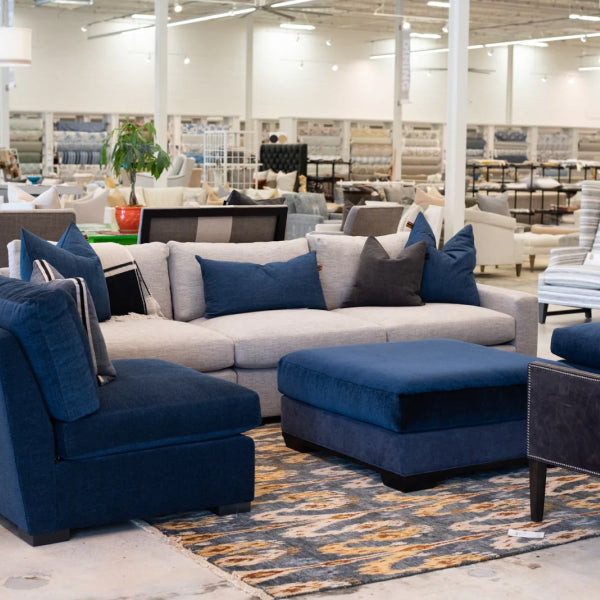
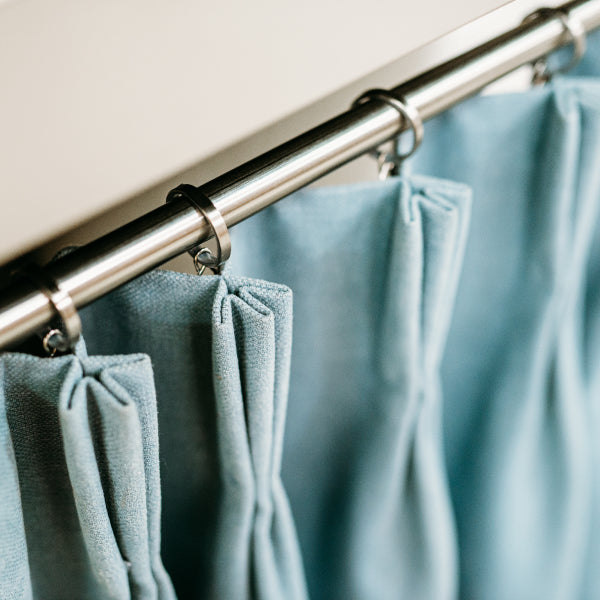
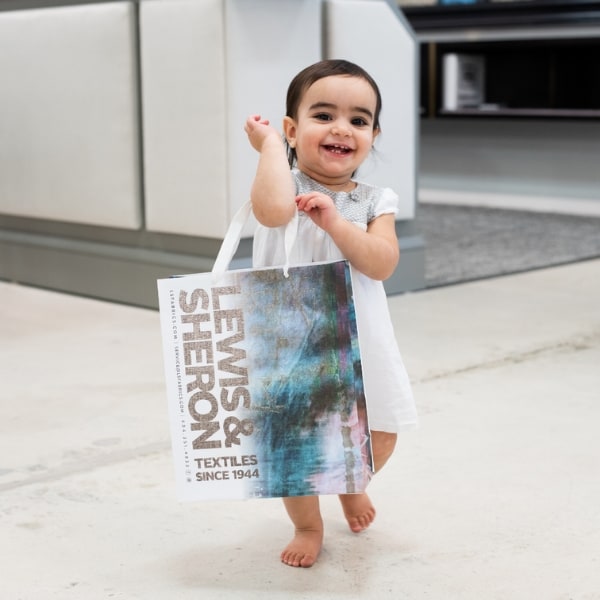
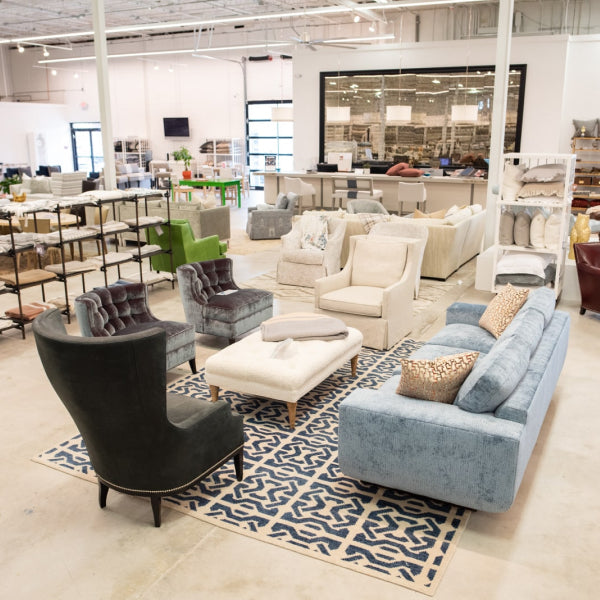
Trade-oriented showrooms provide a better environment for this process because they connect fabric sourcing with furniture construction and design support. In Atlanta, Lewis and Sheron Textiles offers more than a thousand in-stock bolts and thousands of additional cut-yardage options from mills including Kravet, Fabricut, P. Kaufmann, Libeco Home, and Crypton. Its Design Center also supports made-to-order upholstery from makers such as Verellen, Wesley Hall, LEE Industries, and Ambella, along with reupholstery and custom drapery.
For a second perspective on evaluating fabric before ordering, this explanation of Suburban Furniture on fabric is a useful reference. You can also review this guide to the best places to buy upholstery fabric.
Don't shop only by the phrase “designer furniture near me.” Ask whether the source can provide technical documents, physical samples, skilled upholsterers, and a clear path for future repair or reupholstery. Those services matter more than a broad showroom floor when you're commissioning custom furniture in Atlanta.
Styling Modern Interiors Across Atlanta Homes
A fabric can be technically excellent and still be wrong for the room. Scale, architecture, daylight, and furniture placement determine whether a modern textile feels composed or excessive.

Buckhead estates
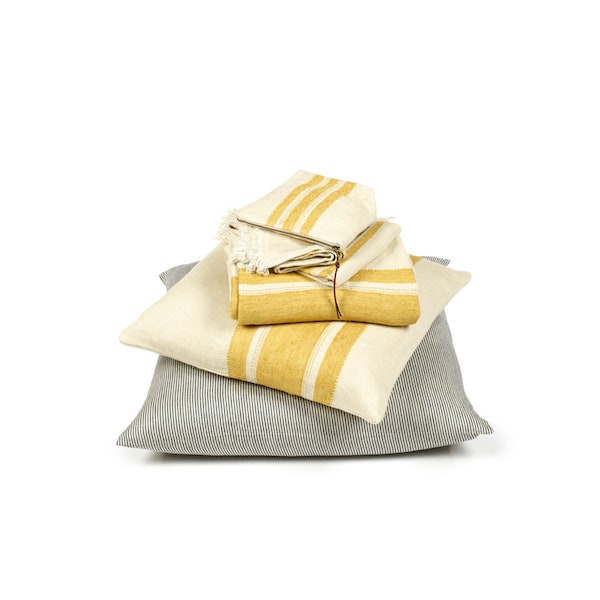
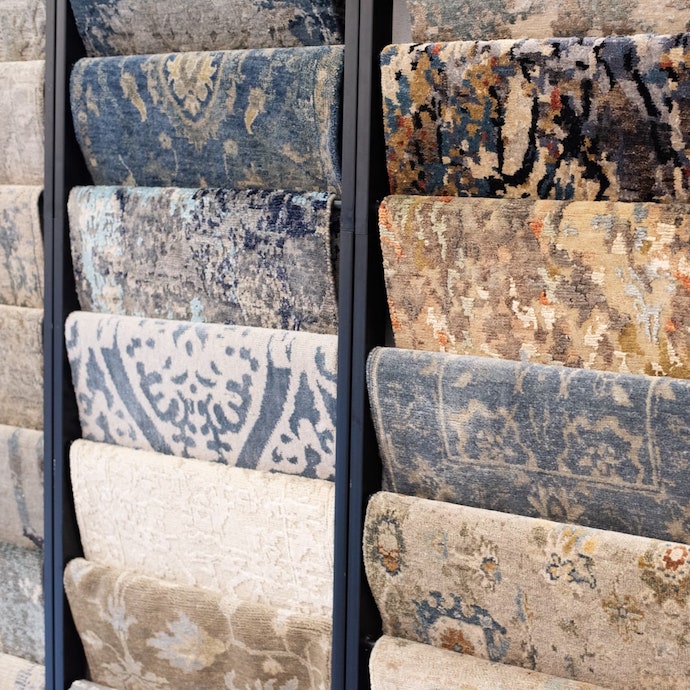
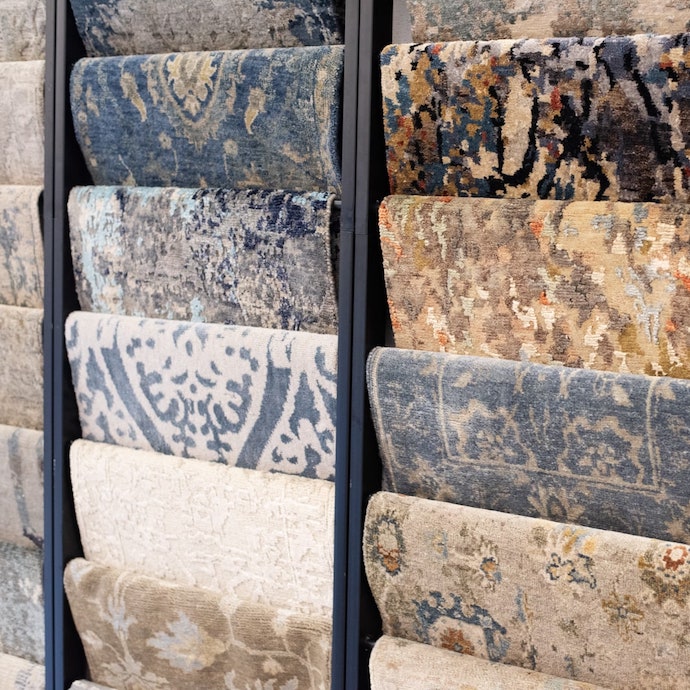
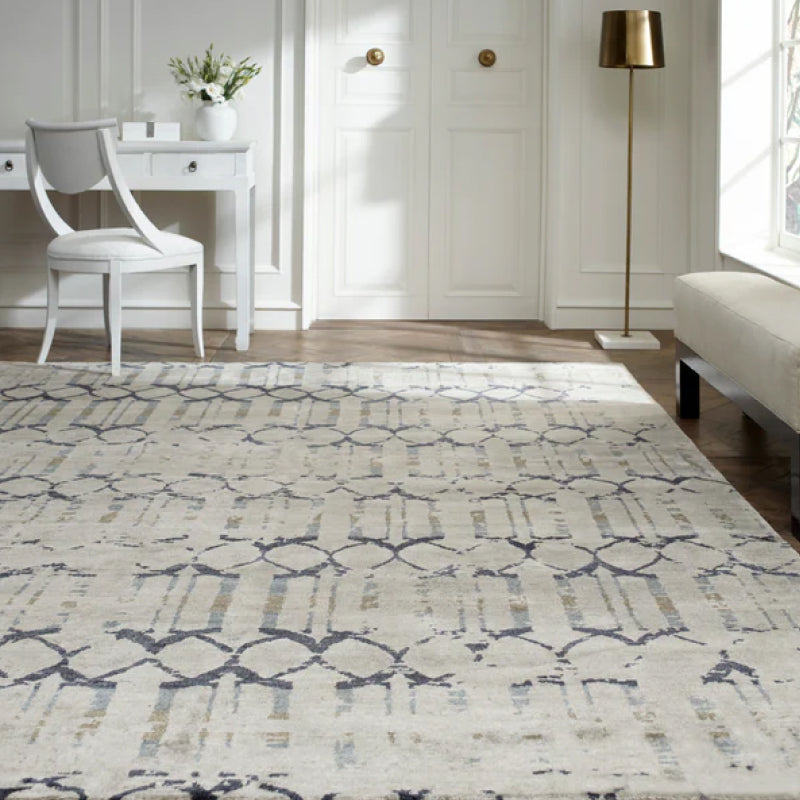
In a Buckhead home with traditional millwork, I'd use a modern fabric to sharpen, not erase, the architecture. A sofa in warm ivory performance velvet can sit comfortably against paneled walls, while a geometric custom chair introduces a stronger contemporary note. Add Belgian linen pillows, a hand-knotted rug, and restrained trim so the room feels layered rather than themed.
Keep the major silhouette quiet if the architecture already carries visual weight. Let the fabric's hand and the furniture's proportions communicate quality.
Alpharetta and North Atlanta builds
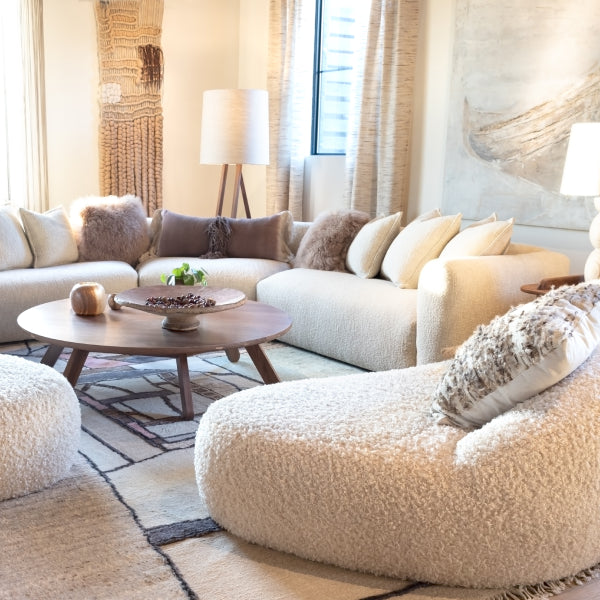
Contemporary homes often offer larger open rooms and stronger sightlines between kitchen, dining, and living areas. A premium sectional in a tightly woven taupe, mushroom, or warm stone textile can anchor the seating zone without competing with the architecture.
Use contrast through shape. Pair a broad, low sectional with sculptural chairs, a marble coffee table, and a rug whose pattern has enough definition to hold its own at a distance. If the sectional is neutral, bring modern energy through a mohair accent chair or a patterned ottoman rather than adding multiple competing upholstery prints.
Roswell and Sandy Springs interiors
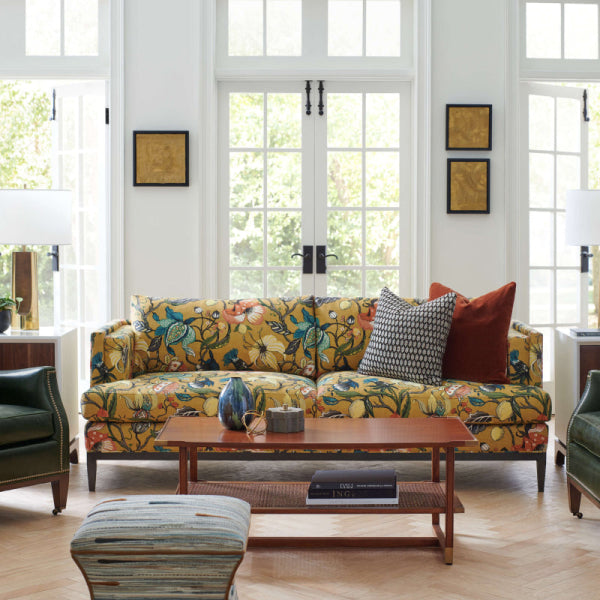
For a relaxed but refined room, linen blends work well on a sofa with disciplined tailoring. Choose a fabric with enough body to support the silhouette, then introduce softness through loose pillows and a textured throw. Dining chairs can carry a more expressive pattern because their smaller surfaces allow personality without overwhelming the room.
Design rule: Use one dominant upholstery texture, one supporting weave, and one accent material. More than that often weakens the composition.
Across Fulton County, buyers should consider sunlight and traffic before committing to color. Warm earth tones, olive, clay, camel, and cream can make a room feel current while remaining adaptable. Deep color can be striking on a custom chair or statement sofa, but it deserves physical sampling because sheen and pile direction change the way color reads.
The furniture should also leave room for movement. A premium sectional must support conversation and circulation, not fill the largest possible footprint. Measure doorways, stair turns, elevator access, and final placement before ordering. A beautiful piece that cannot enter the house is an expensive design error.
Investing in Heirloom Quality Over Mass Production
Mass-produced furniture wins the first comparison because it offers immediate availability and a familiar price point. Luxury furniture wins the longer evaluation when the buyer considers construction, comfort, customization, service, and the cost of replacing an underbuilt piece.
The distinction isn't natural materials versus synthetic materials. A well-engineered performance textile can be the smarter choice for a family room than a delicate natural fabric. Likewise, a beautiful leather cover won't make a weak frame durable. Heirloom quality comes from the relationship between the cover and everything beneath it.
Judge the whole investment
A high-end sofa earns its place through several decisions made together:
- Material suitability: The fabric matches the household's traffic, care habits, and aesthetic goals.
- Structural integrity: The frame and joints support repeated use without losing stability.
- Comfort engineering: Springs, foam, feather, and down are selected for the desired sit.
- Execution: Pattern placement, stitching, seams, and proportions look intentional.
- Future flexibility: The furniture can be maintained, repaired, or reupholstered rather than discarded.
That last point separates custom upholstered furniture from disposable design. A cherished chair can receive a new textile. A sectional can be specified with a different cushion feel. A designer piece can evolve with the home instead of becoming obsolete when a trend changes.
For homeowners searching for the best luxury sofa brands, custom furniture Atlanta options, or premium sectionals in North Atlanta, the right question is not “What costs less today?” Ask, “Which piece will continue to look and feel appropriate after years of real use?”
Modern luxury is not a gray sofa, a sharp arm, or a temporary texture. It's the confidence that the piece has been specified intelligently, built carefully, and chosen for the life of the home.
Lewis and Sheron Textiles offers extensive upholstery fabrics, custom furnishings, reupholstery, Belgian linens, rugs, trims, and complimentary in-house design support for homeowners and professionals. Visit Lewis and Sheron Textiles in Atlanta to compare modern performance textiles and begin planning a custom sofa, sectional, chair, or heirloom-quality furnishing with expert guidance.