


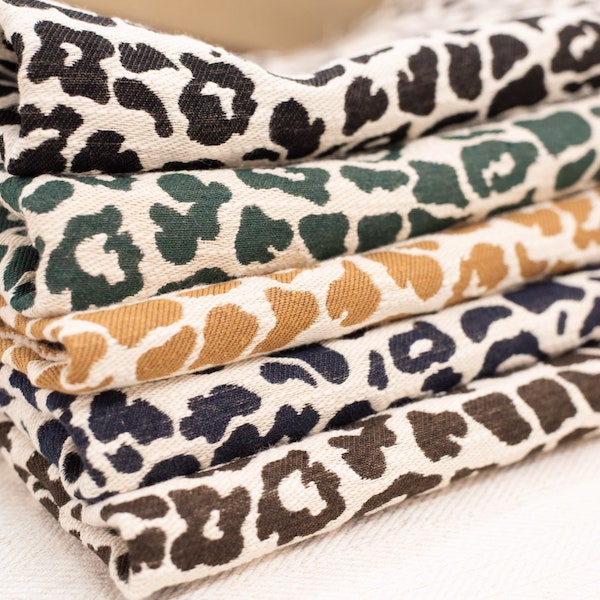
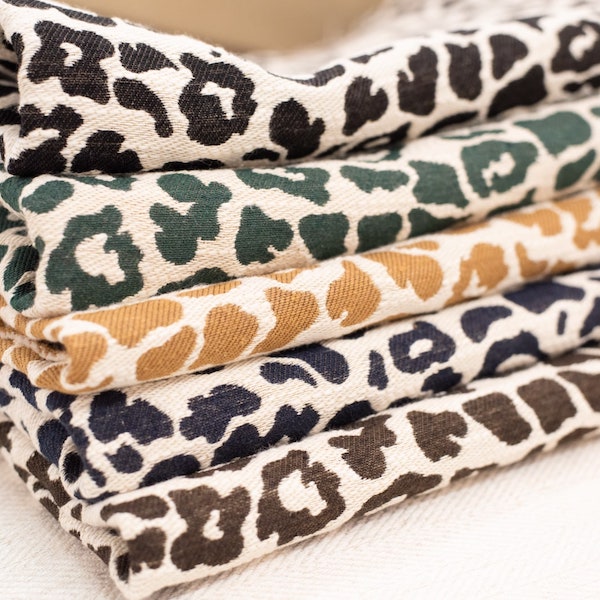
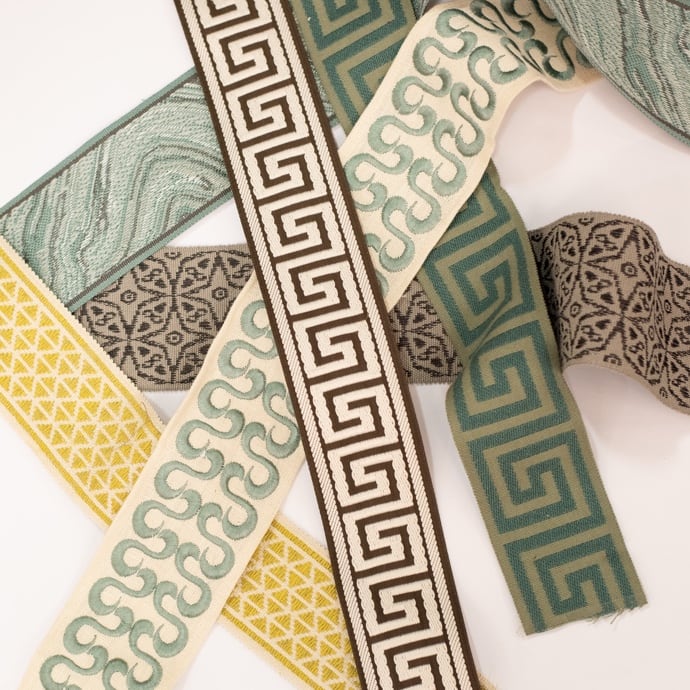

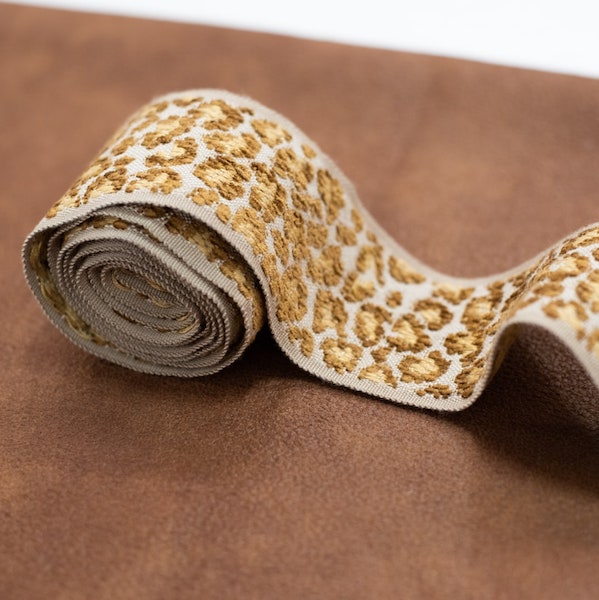
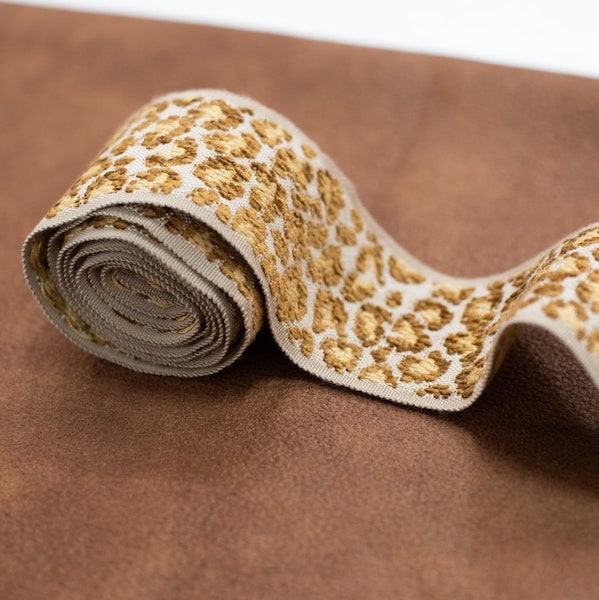
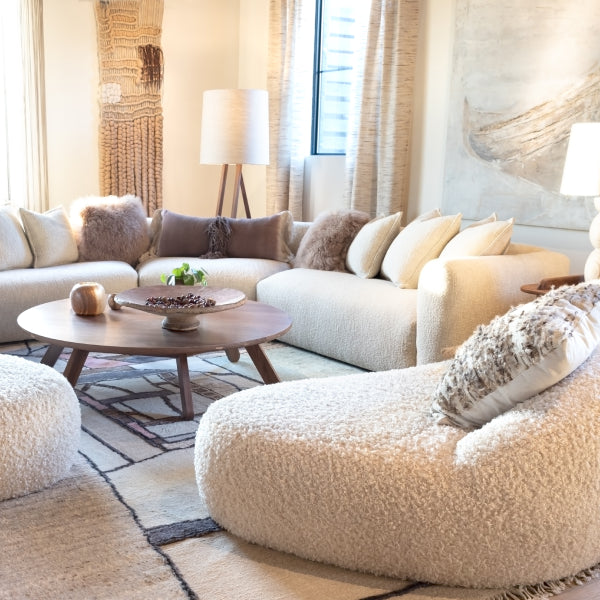
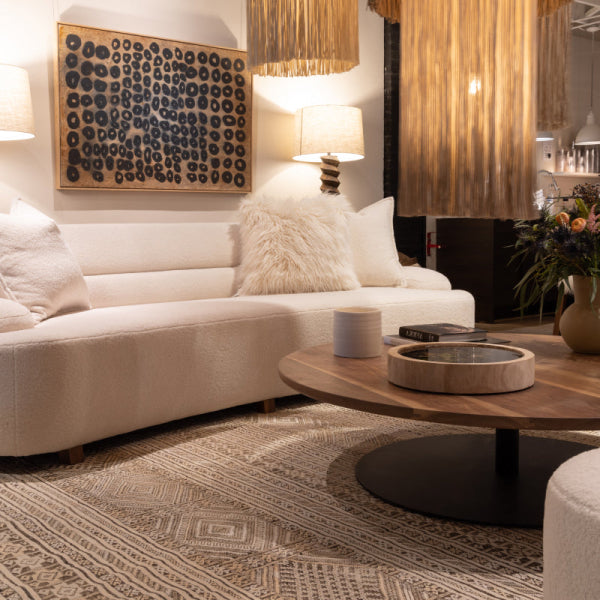








You've chosen the sofa, approved the upholstery, and invested in a custom finish. Then the trim sample arrives, and the decision suddenly feels less decorative than structural. The wrong border can make a beautifully made piece look ordinary. The right jacquard trim ribbon gives a luxury sofa, custom chair, or drapery panel the visual authority of a finished design rather than an afterthought.
For homeowners in Atlanta, Buckhead, Alpharetta, Roswell, and Sandy Springs, that distinction matters. Premium furniture deserves details that support its construction, withstand real use, and remain attractive after trends move on. Jacquard trim is one of the few decorative options that can contribute texture, pattern, and practical resilience at the same time.
Why Jacquard Trim Ribbon Matters for Luxury Interiors
A Buckhead homeowner commissioning a substantial sectional might compare a printed border, an embroidered tape, and a woven jacquard trim ribbon. On a sample board, all three can look polished. Once the sectional is used daily, the differences become clearer. A leading edge catches hands, a cushion flexes against the frame, and a drapery border moves every time the panels open. Trim in those locations needs to function as part of the furnishing, not merely sit on top of it.
Jacquard construction makes the motif part of the textile itself. That gives the ribbon a more considered surface and often allows both sides to remain visually useful. For designer furniture, that reversibility can simplify placement around corners, seams, and exposed edges. You're not relying on a printed face to conceal a plain reverse or trying to protect raised embroidery from constant contact.

The finishing detail that changes the whole piece
Consider a linen chair in a quiet room. A narrow geometric jacquard at the inside arm can sharpen the silhouette without competing with the fabric. On a larger sofa, a wider border can emphasize the base, frame a cushion, or define a statement shape. The same trim would be inappropriate on both pieces because scale determines whether the detail feels bespoke or excessive.
Before choosing a pattern, study how the ribbon will meet upholstery seams and curves. The ribbons and trim guide offers useful background for thinking through those applications, while browse ribbon art prints can help you develop a color or motif direction before committing to a textile.
Designer's rule: If a trim looks attractive only in a small sample and loses its rhythm across the furniture, it isn't the right trim.
Jacquard is especially persuasive for heirloom-quality furniture, custom upholstered furniture, and premium sectionals because it balances ornament with structure. It won't rescue a weak frame or poor upholstery work, but it can complete a well-built piece with a detail that feels intentional from every angle.
Understanding Jacquard Construction and Heritage
The simplest way to understand jacquard is to compare it with a surface treatment. A printed motif is applied to an existing textile. Embroidery adds stitches after the base fabric has been formed. Jacquard weaving creates the pattern through the arrangement of yarns during production, so the design belongs to the textile's structure.
That method traces back to Joseph Marie Jacquard's loom revolution in France. Jacquard developed the system in 1804–1805, following earlier demonstrations in 1801, and used interchangeable punched cards to automate pattern control. The mechanism is widely treated as a major advance in textile manufacturing and a precursor to modern computing, because pattern instructions could be encoded and repeated with remarkable consistency. Renaissance Ribbons' history of jacquard records the scale of that change, including about 18,000 Jacquard looms operating in France by 1812.

Why the pattern structure matters
Think of jacquard as a small architectural system. Warp and weft yarns intersect in planned sequences, creating color changes, relief, and pattern definition. The design may appear more dimensional because the yarn arrangement changes the surface itself rather than coloring it.
That construction often gives jacquard trim a textured hand and a useful degree of reversibility. The reverse may not look identical to the face, but it can retain a coherent motif or color relationship. This helps when a ribbon turns around a corner, finishes an exposed edge, or appears on both sides of a design element.
The heritage also explains why jacquard remains associated with premium textiles. The loom made intricate pattern control scalable, but it didn't eliminate the importance of yarn selection, tension, density, and finishing. Modern production may use advanced machinery, yet the quality of the finished trim still depends on how those decisions work together.
For luxury home furnishings, that matters more than the historical label alone. A jacquard ribbon should feel integrated with the upholstery, drapery, or pillow it finishes. If the pattern is too loose, the edges too unstable, or the surface too delicate for the location, the heritage won't compensate for poor specification.
Fiber Options and Performance Characteristics
Fiber choice determines much of a jacquard trim ribbon's personality. It affects sheen, softness, dimensional stability, color retention, and how the edge behaves when it's flexed or rubbed. Suppliers offer jacquard trims in polyester, cotton, rayon or viscose, nylon, polypropylene, acrylic, and blends, so the right selection begins with the use case rather than the color card.
Polyester-based ribbon is the practical choice for high-contact upholstery borders, active family rooms, and drapery leading edges. It's commonly offered for dimensional stability and color retention. Cotton and rayon or viscose are more compelling when you want a softer hand or a natural, refined appearance on pillows, occasional chairs, and decorative accents.
Match the fiber to the room
| Fiber Type | Best Applications | Durability | Hand Feel | Color Retention |
|---|---|---|---|---|
| Polyester | Upholstery borders, active drapery edges, frequent-use furniture | Strong practical choice | Smooth to structured | Commonly strong |
| Cotton | Pillows, relaxed upholstery, natural interiors | Moderate, depending on construction | Soft and natural | Moderate |
| Rayon or viscose | Decorative pillows, elegant accents, low-contact applications | Best where rubbing is limited | Soft with a subtle sheen | Variable |
| Nylon | High-use details requiring resilience | Strong | Smooth and firm | Generally good |
| Polypropylene | Utility-minded applications and selected upholstery details | Resilient in appropriate constructions | Firm to practical | Good in suitable blends |
| Acrylic | Decorative applications needing color versatility | Application dependent | Dry to soft | Useful for selected designs |
| Blends | Projects requiring balanced hand and performance | Depends on the blend | Tunable | Depends on fiber mix |
Yarn structure matters as much as fiber identity. Research on jacquard-woven fabric patterns found that yarn properties and yarn crimp materially affect abrasion resistance. Tighter pattern floats and higher-crimp yarn paths can wear differently under rubbing and edge stress than flatter constructions. That's directly relevant to cushions, drapery leading edges, and upholstered borders, where repeated flexing is unavoidable. Experimental research on jacquard fabric abrasion supports choosing lower-crimp, abrasion-resistant yarns for demanding placements.
Ask for the specification, not just the color
A showroom sample can tell you whether the trim complements your upholstery. It can't tell you how the weave will behave on a sofa arm after years of contact. Ask the workroom or supplier about yarn composition, float length, edge finish, cleaning instructions, and intended application.
For upholstery planning, a detailed custom fabric upholstery guide can help you evaluate the relationship between fabric selection and furniture use. You can also review a specific woven option such as MM-210 jacquard tape when comparing scale and construction.
Jacquard Versus Embroidered and Printed Trim
For a luxury interior, jacquard is usually the better choice when the trim will experience contact, movement, or repeated handling. That doesn't make embroidered or printed trim obsolete. It means each construction has a proper role, and high-end buyers should stop treating them as interchangeable.
Printed trim offers visual freedom and can be economical for a short-term decorative update. Its design sits on the surface, so rubbing, cleaning, folding, or exposure to handling can gradually affect how crisp the motif appears. It can be appropriate on a low-contact valance or a temporary styling layer, but I wouldn't specify it as the primary border on an heirloom sofa.
Embroidered trim creates genuine relief and can look wonderfully artisanal. Its weakness is the relationship between surface stitches and the base ribbon. Raised threads may catch, loosen, or fray, especially where hands, cushions, or moving drapery repeatedly touch the edge.

Evaluate the construction against the placement
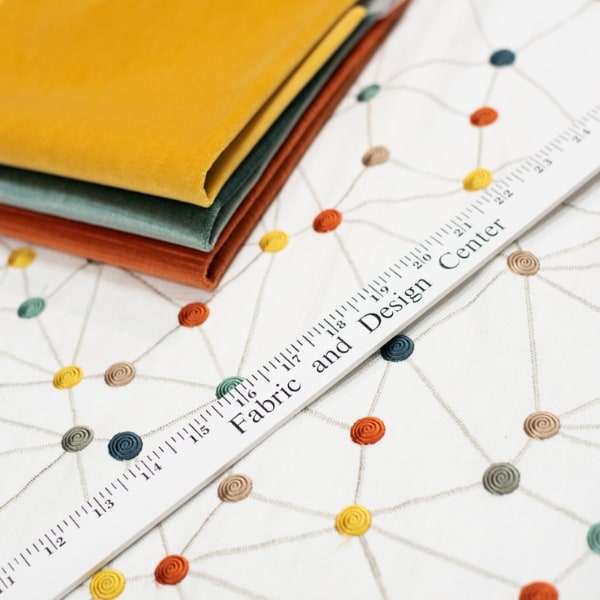
Neutral craft guidance notes that jacquard patterns are woven into the fabric rather than printed or stitched on afterward, which makes the trim textured and often reversible. Mood Fabrics' jacquard ribbon collection illustrates the range of woven motifs available for design work, but the purchasing decision still depends on placement.
Use this practical comparison:
- For a sofa front or chair arm: Choose a tightly woven jacquard with a clean edge.
- For a drapery leading edge: Favor stable fibers and a pattern that remains legible along a long vertical run.
- For a pillow: Cotton, rayon, or a blend can work when softness matters more than abrasion resistance.
- For heirloom reupholstery: Prioritize woven construction, compatible fiber content, and repairable attachment over a fragile surface effect.
Jacquard's reversibility also gives designers more control. You can turn a ribbon, fold it around a corner, or use a subtler side when the full contrast feels too assertive. Printed trim rarely offers that flexibility, and embroidered trim generally has a clearly designated face.
Performance comes first: A beautiful trim that sheds, frays, or loses its visual definition at the point of contact is an expensive mistake, not a luxury detail.
Selecting Scale, Repeat, and Color for Luxury Applications
A trim's width should relate to the furniture's mass. Delicate custom chairs usually need a restrained border. A deep premium sectional or substantial upholstered bed can carry a broader architectural band without looking overwhelmed. Suppliers report jacquard trim widths ranging from about 3 mm to 20 cm, with common decorative widths from 5 mm to 150 mm and standard ribbon widths often spanning 6 mm to 60 mm. Jacquard ribbon specifications provide a useful reference for that range.
Start with proportion
Use a narrow ribbon inside an arm or along a pillow flange when the upholstery already has strong texture. Reserve a wider band for a skirt, base, headboard border, or the outer frame of a large sofa. A 150 mm decorative trim may give a substantial sectional presence, but it can dominate a petite chair.
The repeat matters on long surfaces. A compact repeat creates a steady rhythm along drapery or a sofa border. A larger repeat reads as a statement and needs enough uninterrupted length to show the motif properly. If the workroom must cut around several cushions or seams, an elaborate repeat may look broken.

Choose color with restraint
Current design direction favors lower-contrast prints, soft geometrics, muted botanicals, and seasonless texture-led materials. Treat those ideas as selection prompts, not rules. A quiet tonal Greek key can look timeless on Belgian linen drapery, while a high-contrast novelty motif may date a statement chair quickly.
For Atlanta interiors, I'd make the trim relate to one existing element rather than match every surface. Pull a warm taupe from the rug, a charcoal note from the case goods, or a softened green from the garden view. The ribbon should create a deliberate connection, not announce that every finish was purchased together.
Scale test: Tape a full-length paper strip in the proposed width along the furniture. A small sample hides proportion problems that become obvious across the finished piece.
Match weave to use. Tight construction belongs on high-wear upholstery. Softer fibers and more delicate surfaces can serve pillows or low-contact accents. Order enough trim to align repeats, accommodate corners, and retain a consistent dye lot or production run. That preparation is part of luxury execution.
Attachment Techniques and Long-Term Care
Professional installation starts with placement, not adhesive. Mark the trim path on the furniture, confirm the pattern direction, and dry-fit the ribbon around corners before cutting. On upholstery, keep the line even and avoid stretching the trim, because tension can distort the motif and create ripples after the piece settles.
For curves, ease the ribbon gradually rather than forcing sharp turns. At seams, plan the repeat so the pattern doesn't stop awkwardly at the most visible point. A workroom should secure the trim with stitching, appropriate upholstery techniques, or a compatible adhesive system selected for the substrate. The trim installation guide offers practical context for handling these details.
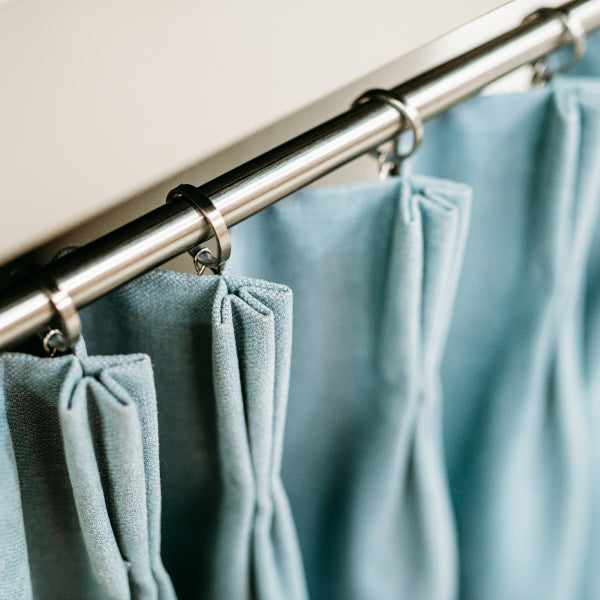
Drapery leading edges need particular care. The ribbon should remain flat as the panel opens and closes, and the attachment must accommodate repeated movement without allowing the edge to curl. On pillows and cushions, place trim where it reinforces the seam rather than where it will be crushed under constant pressure.
Protect the investment
- Follow the fiber instructions: Don't assume a jacquard ribbon can tolerate the same cleaning process as the upholstery fabric.
- Test discreetly: Check color transfer, moisture response, and adhesive compatibility on an unseen section.
- Vacuum carefully: Use a low-suction upholstery attachment and avoid dragging across raised texture.
- Store unused trim correctly: Keep it rolled or loosely coiled in a clean, dry place, away from direct light and crushing weight.
- Repair early: Re-secure a lifting edge before handling pulls more of the ribbon away from the furniture.
Routine care should be gentle. Avoid aggressive brushing and unapproved washing, especially with rayon, viscose, or mixed fibers. The best trim lasts because the installer specifies it correctly and the owner treats it as part of the furnishing's construction.
Integrating Trim into Heirloom-Quality Furniture Investments
Jacquard trim ribbon belongs in a larger quality conversation. A luxury sofa or custom sectional should have more than an attractive surface. High-end furniture is commonly associated with solid hardwood frames, kiln-dried wood, reinforced or precision joinery, and refined finishing. Kiln-dried hardwood is often targeted at about 8–12% moisture content to reduce warping and cracking, according to guidance on high-end furniture construction.
Look for reinforced joints, flush seams, even weight distribution, and upholstery that can be repaired rather than discarded. Trim should support those standards. Choose a woven ribbon with a fiber and edge finish suited to the furniture's use, then have it installed by a workroom that understands pattern alignment and stress points.
For homeowners searching for custom furniture Atlanta, designer furniture near me, or luxury furniture in North Atlanta, the right question isn't whether jacquard is fashionable. Ask whether the trim improves the piece's proportion, serviceability, and visual coherence. That's how a decorative decision contributes to heirloom-quality furniture rather than becoming a costly seasonal flourish.
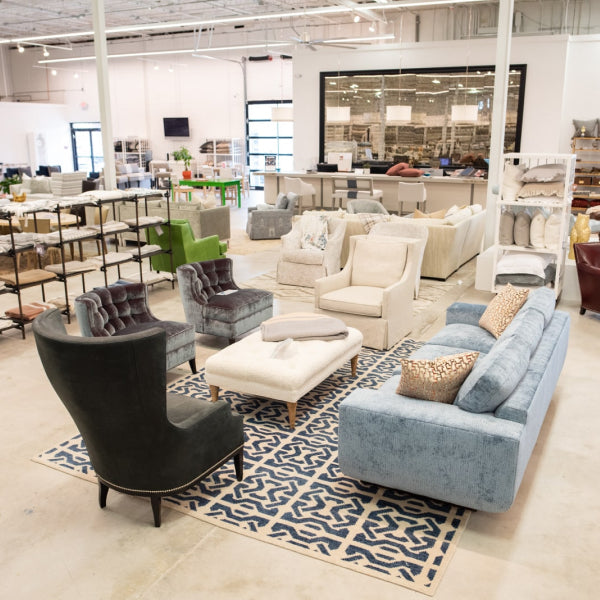
Lewis and Sheron Textiles offers an extensive trim collection, custom drapery, reupholstery, and made-to-order upholstered furniture for Atlanta-area interiors. Visit Lewis and Sheron Textiles to compare jacquard trim ribbon with premium fabrics and develop a durable finish for your next luxury sofa, custom chair, sectional, or statement furniture piece.