


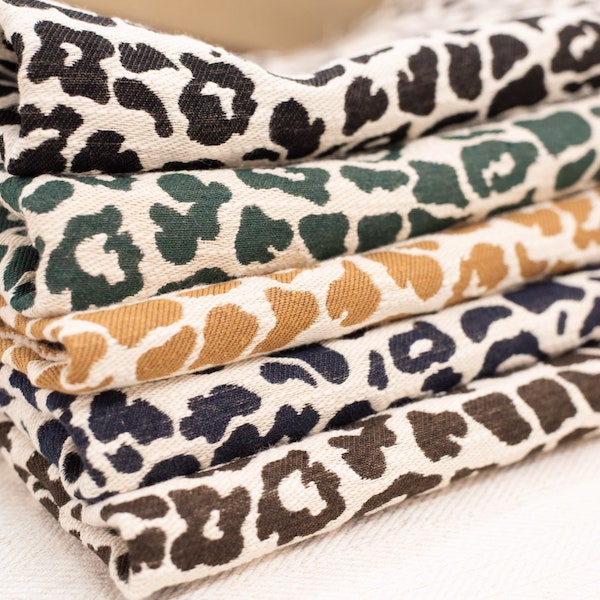
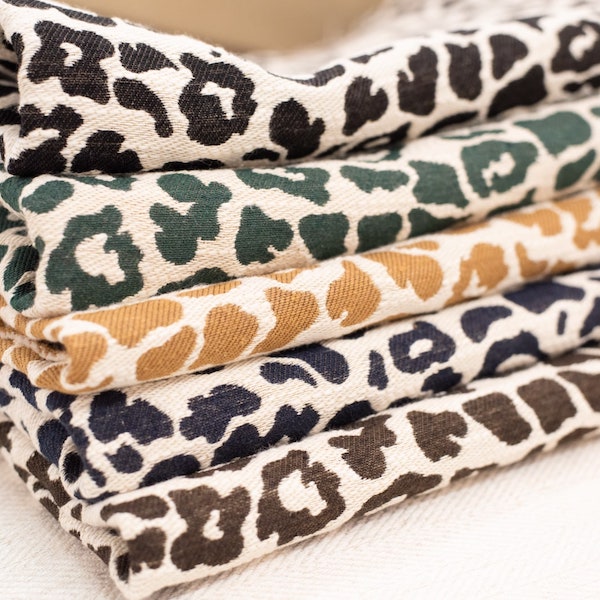
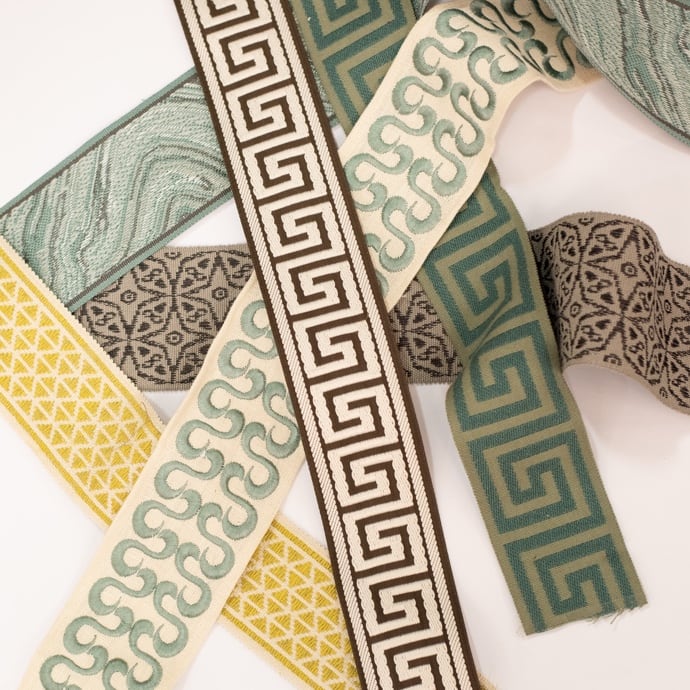

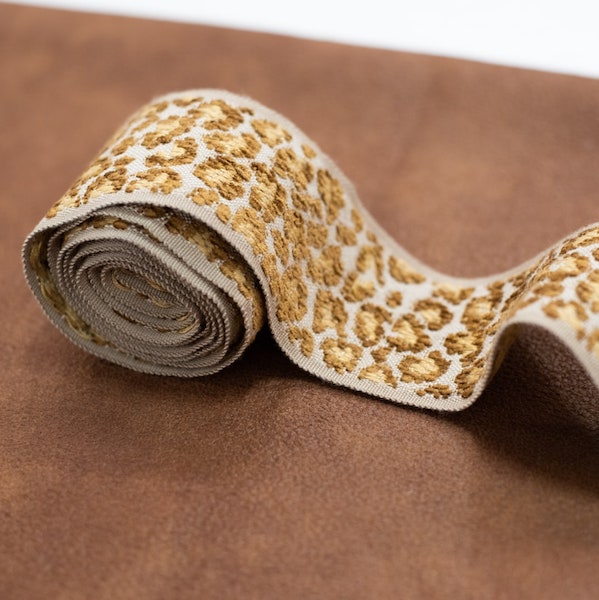
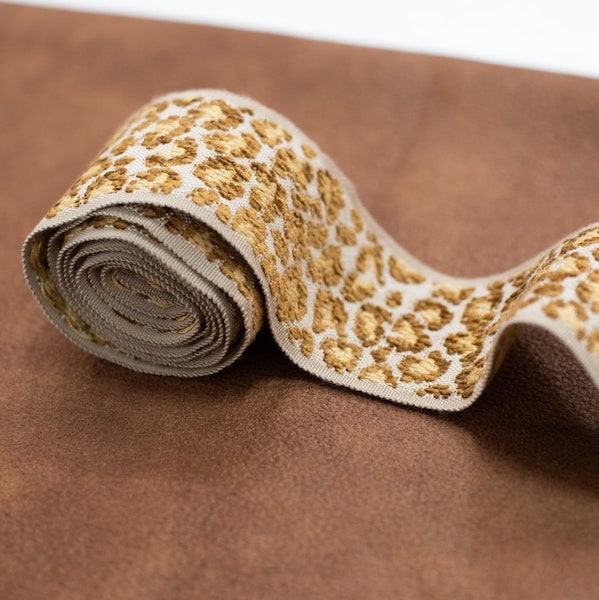
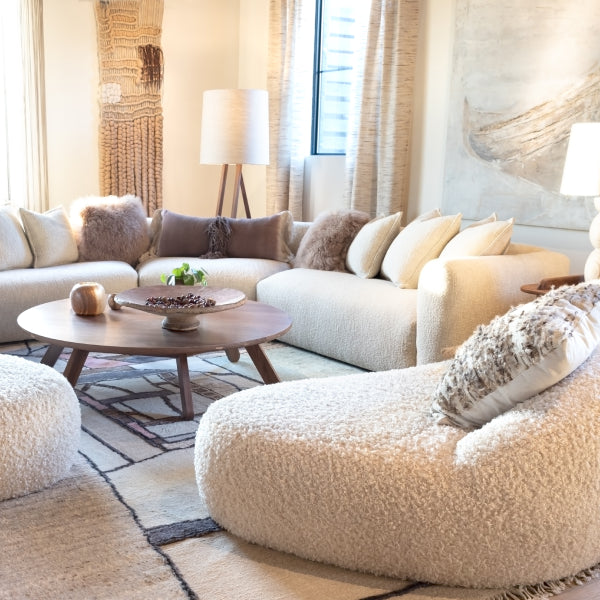
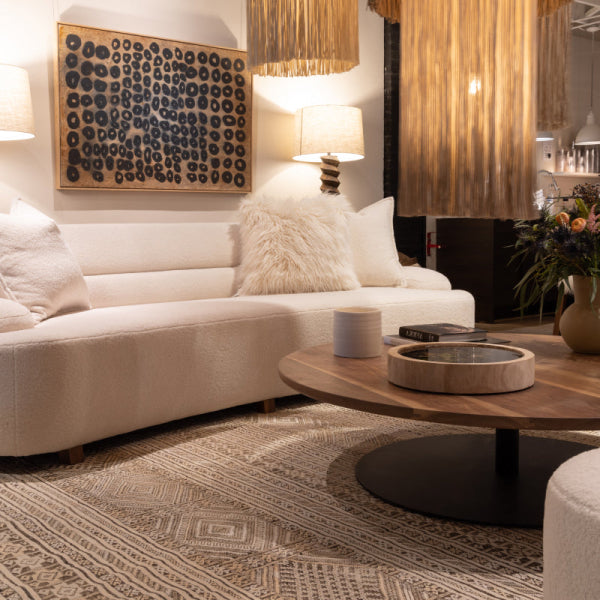
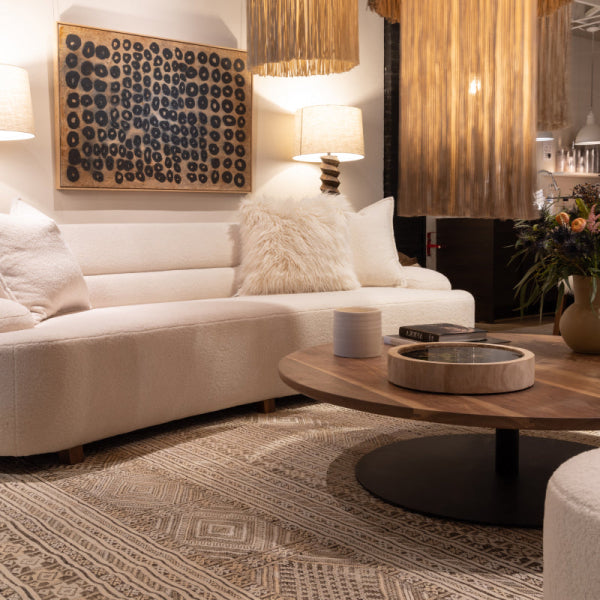
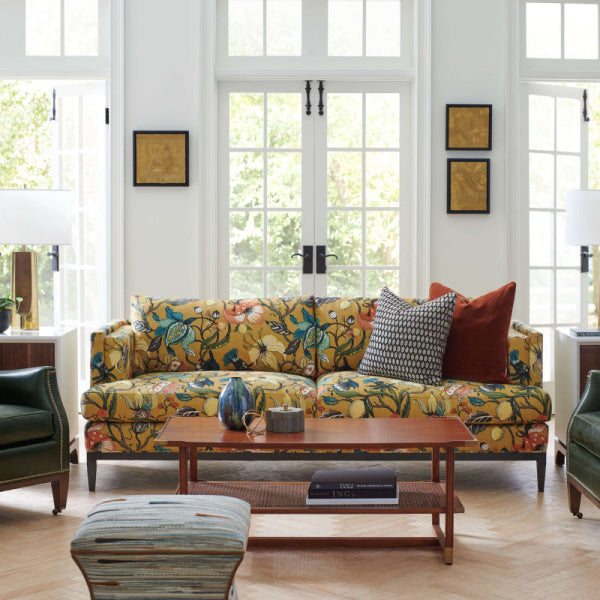
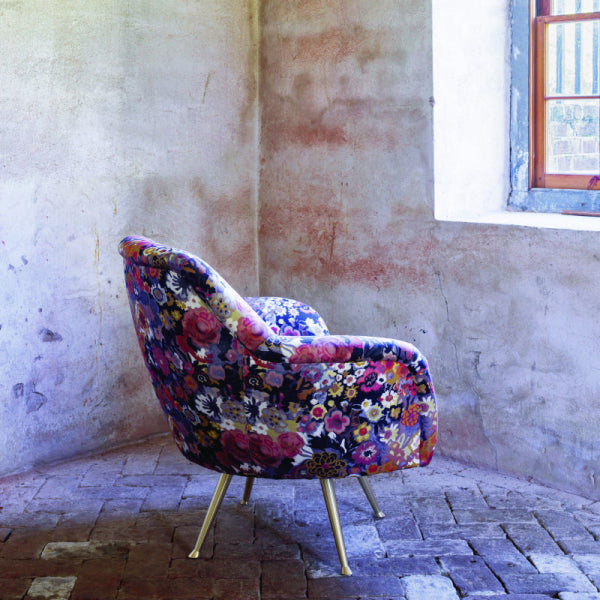
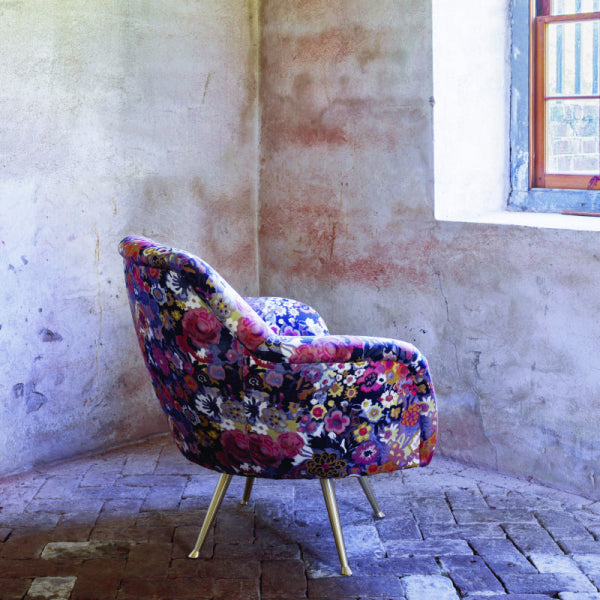
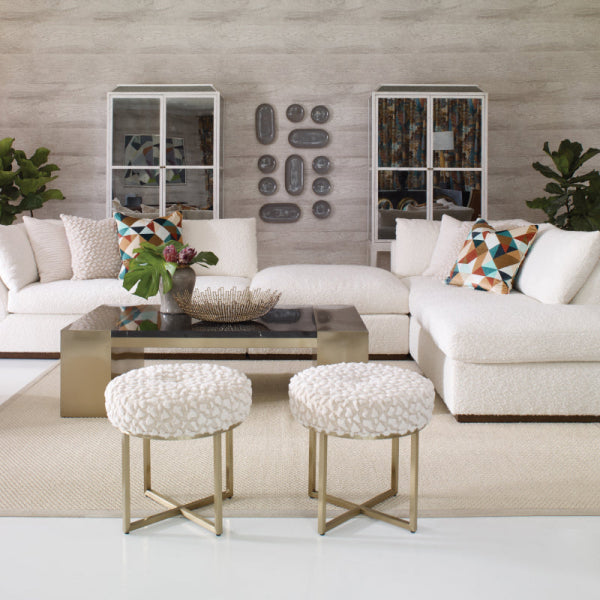
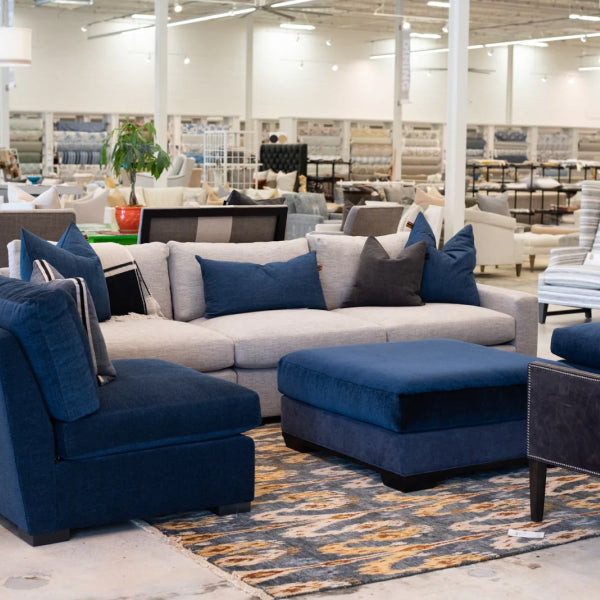

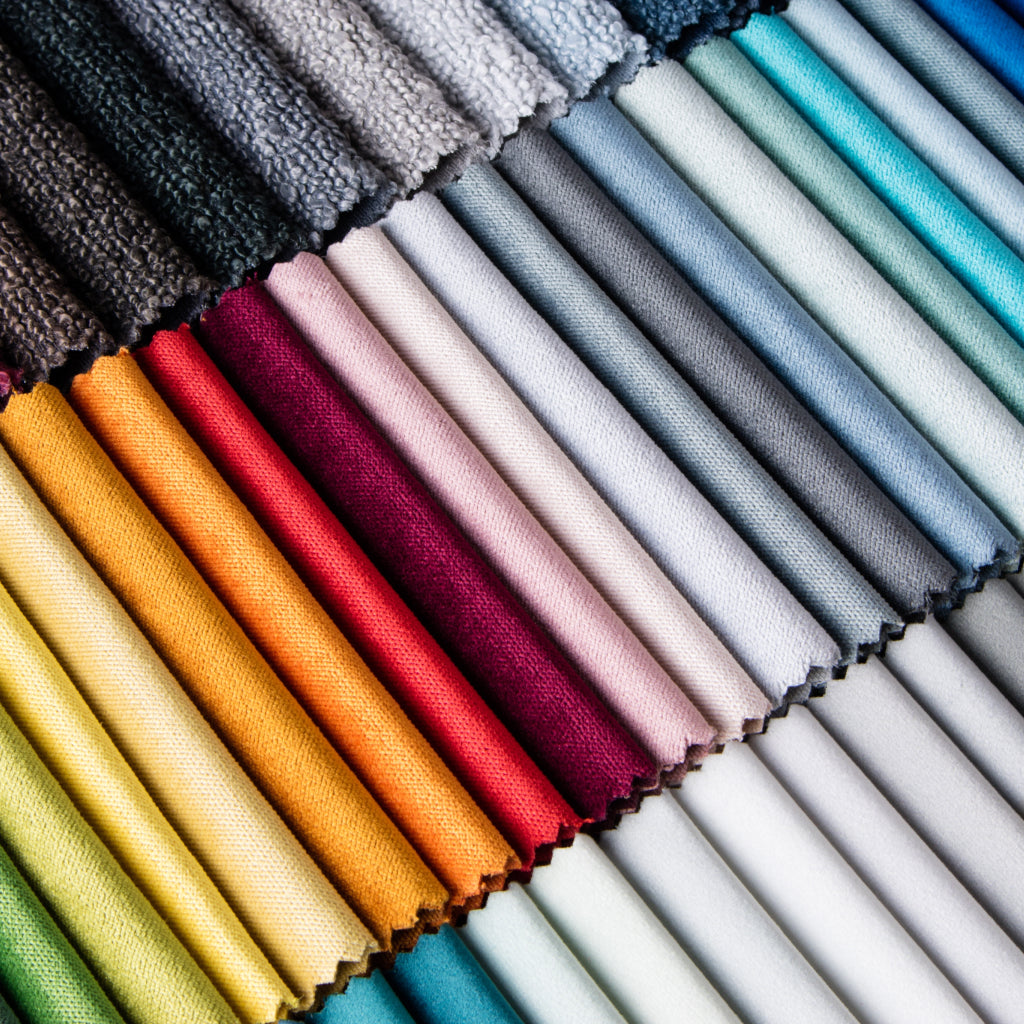

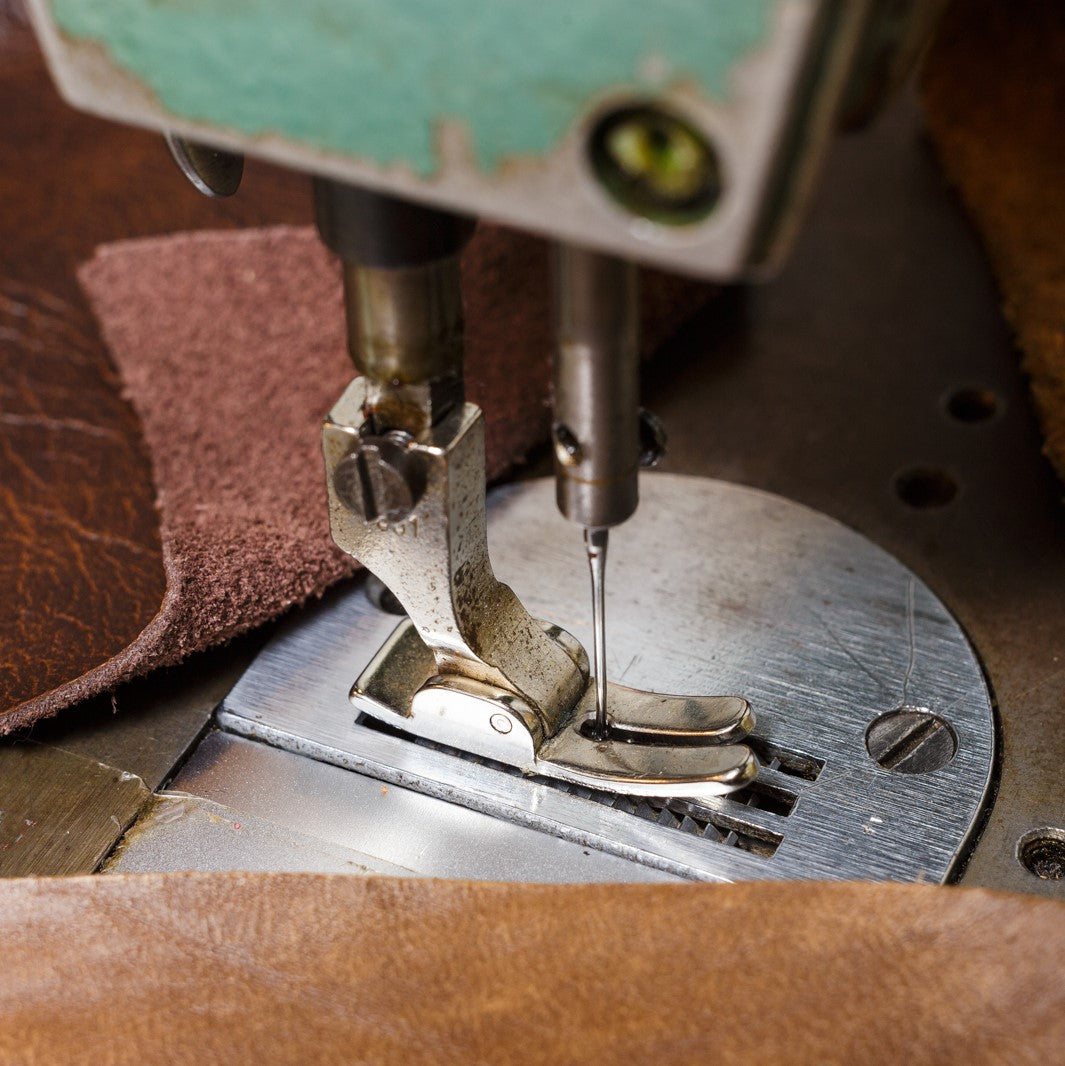
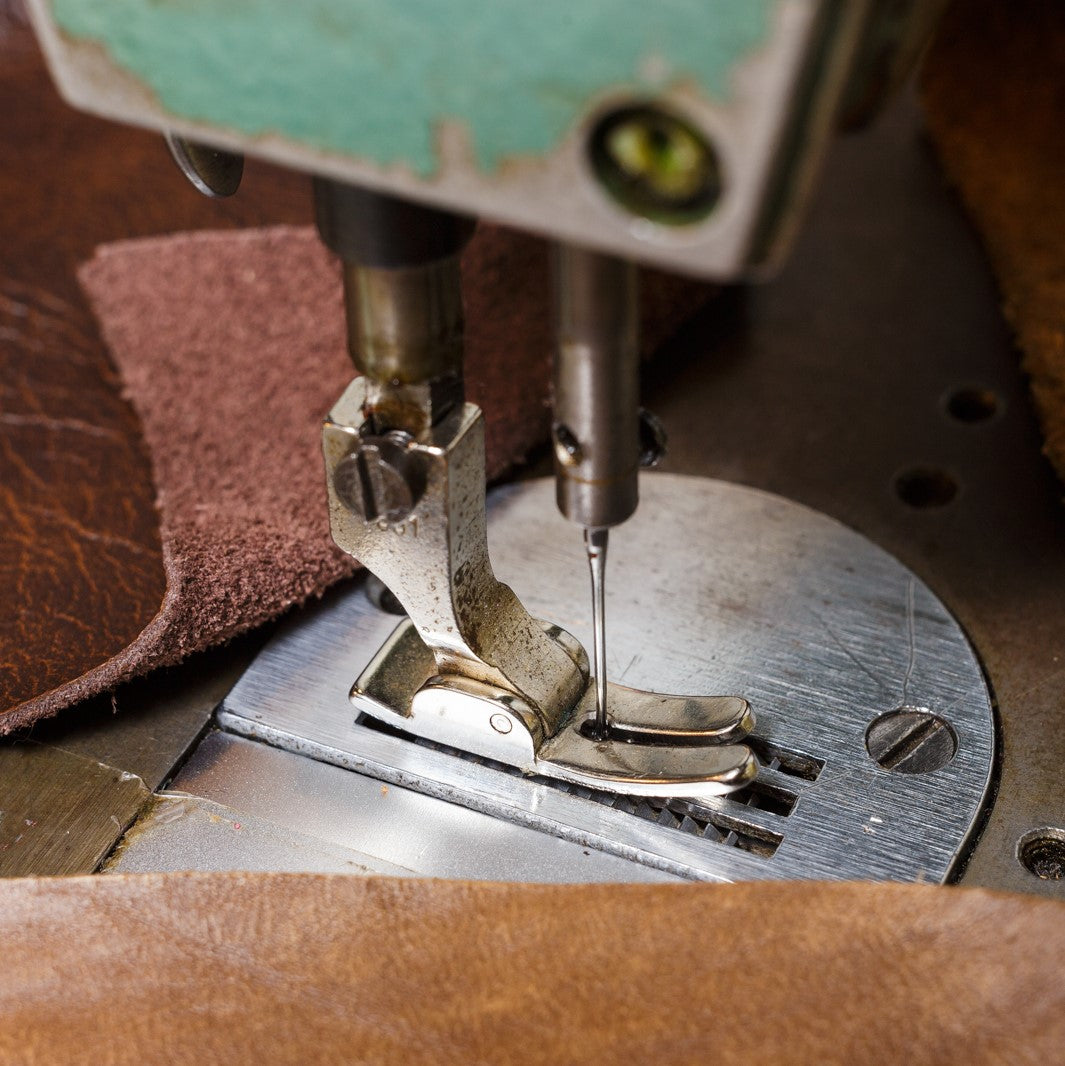
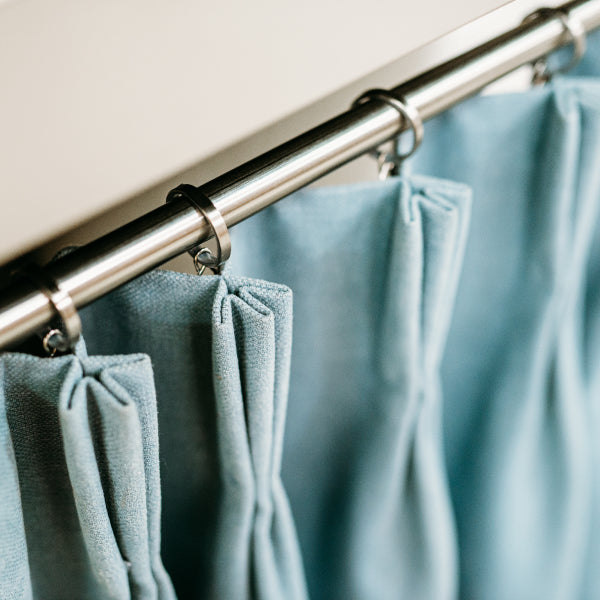





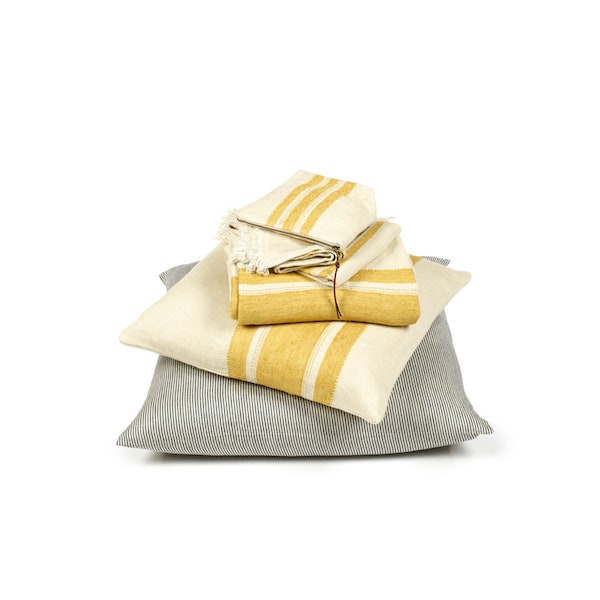
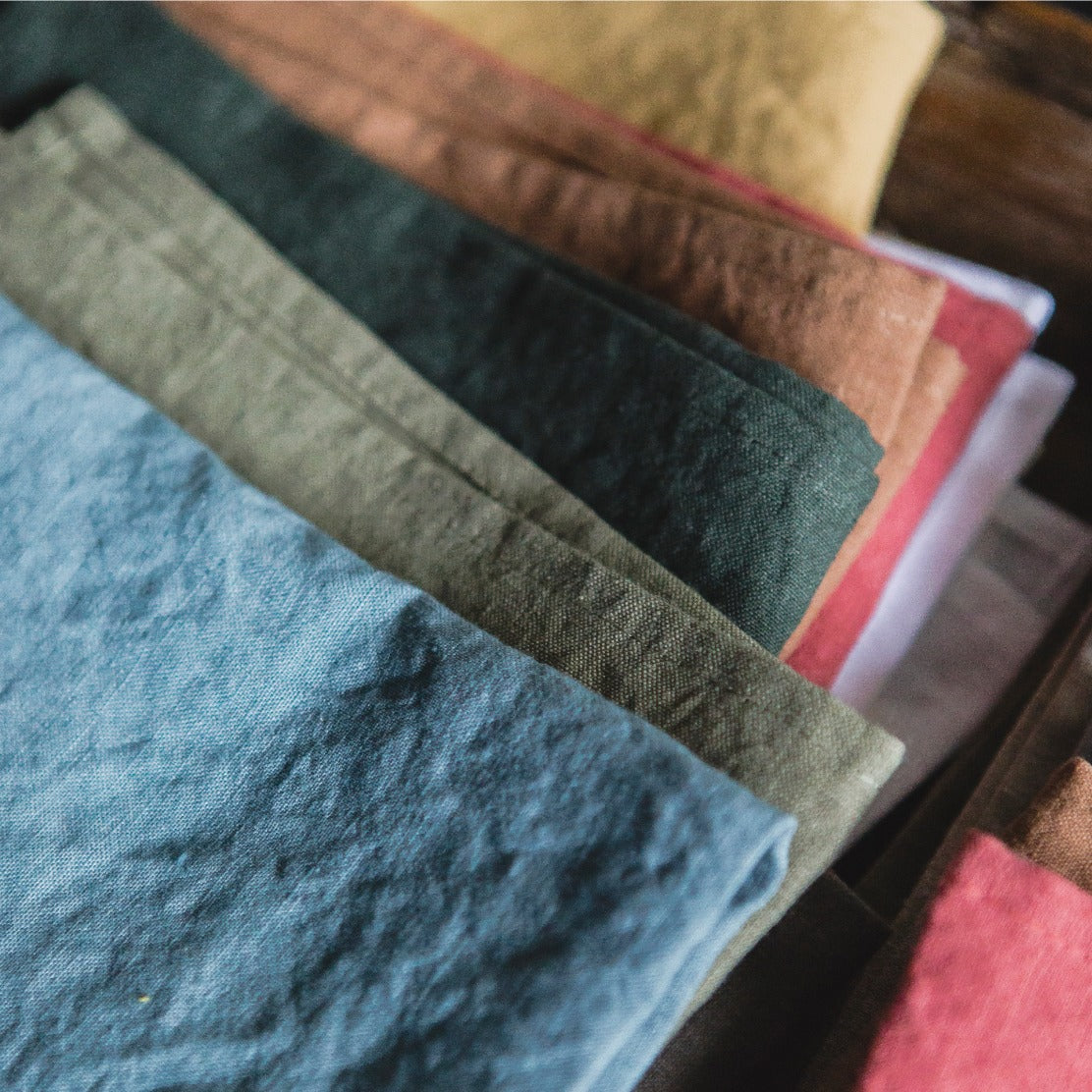

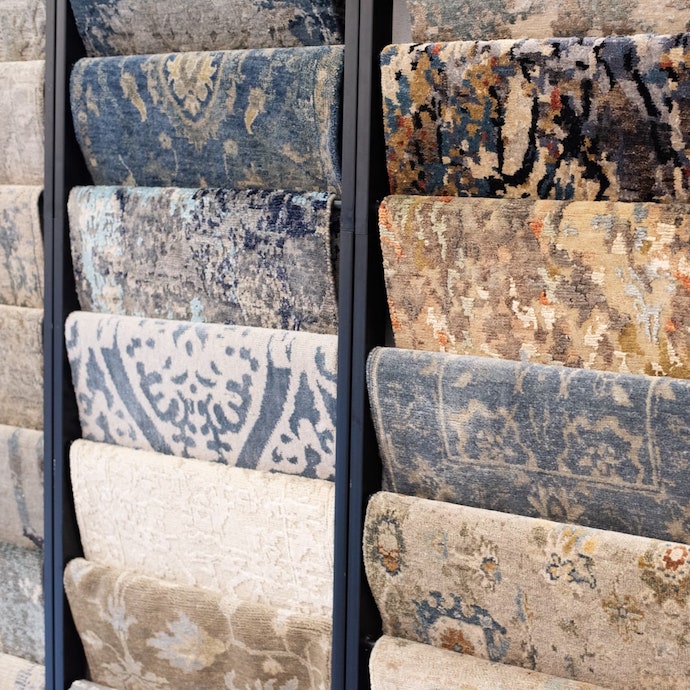
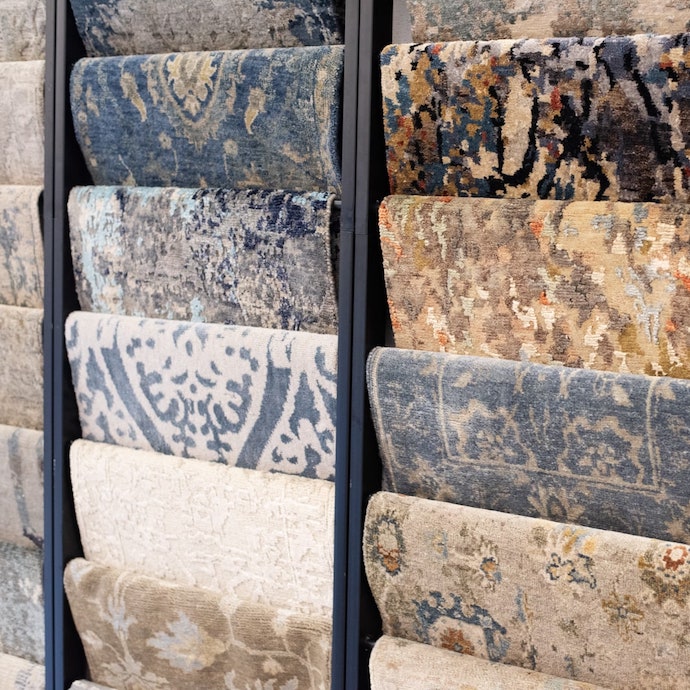
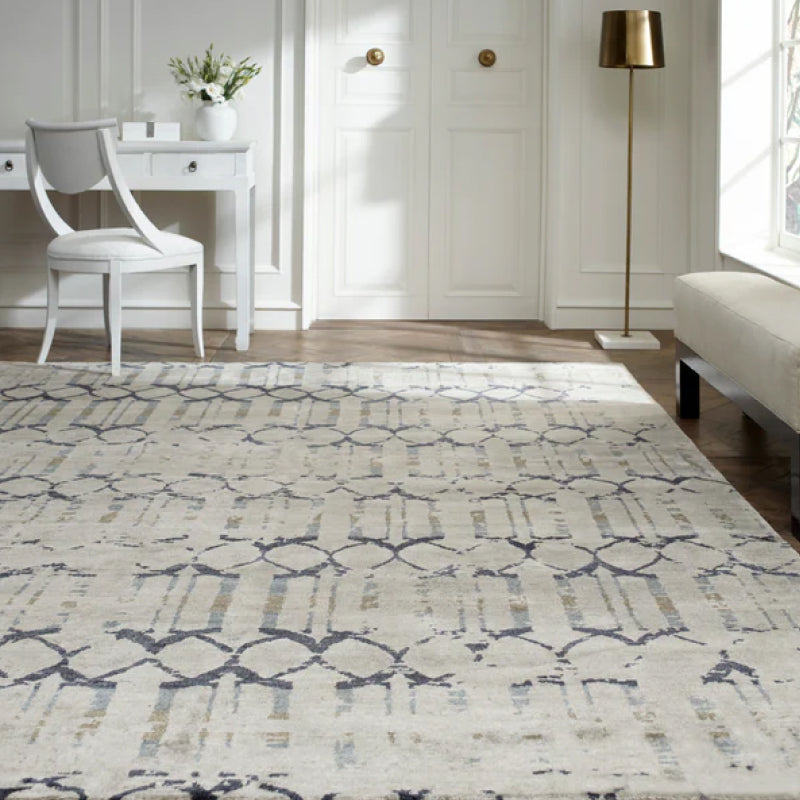
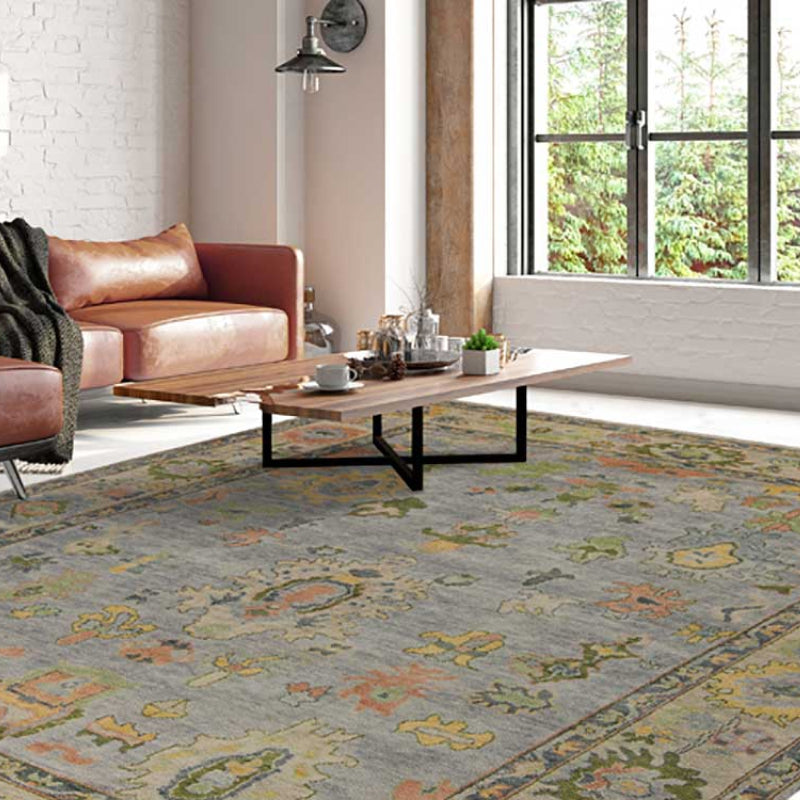
You've found the sofa you want, chosen a beautiful room palette, and narrowed the upholstery to what appears to be a confident ivory, warm taupe, or deep blue online. Then the sample arrives. The color is different in daylight, the texture feels rougher than expected, and the pattern that looked subtle on a screen suddenly dominates the chair. That small square of fabric has just prevented a costly mistake.
For luxury sofas, premium sectionals, custom chairs, and statement furniture pieces, upholstery fabric samples are more than color references. They're compact performance-testing kits that reveal how a textile responds to light, friction, spills, handling, and the specific demands of your home. This matters whether you're furnishing a Buckhead townhouse, updating a family room in Alpharetta, or sourcing custom furniture in Atlanta for an heirloom-quality interior.
Why Upholstery Fabric Samples Matter
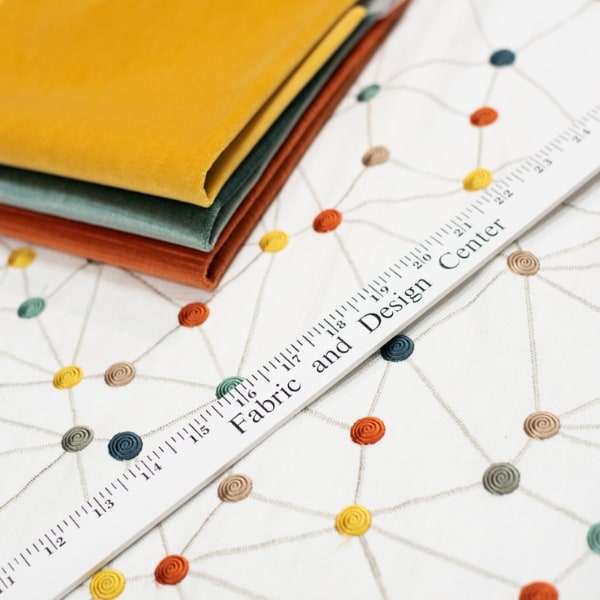
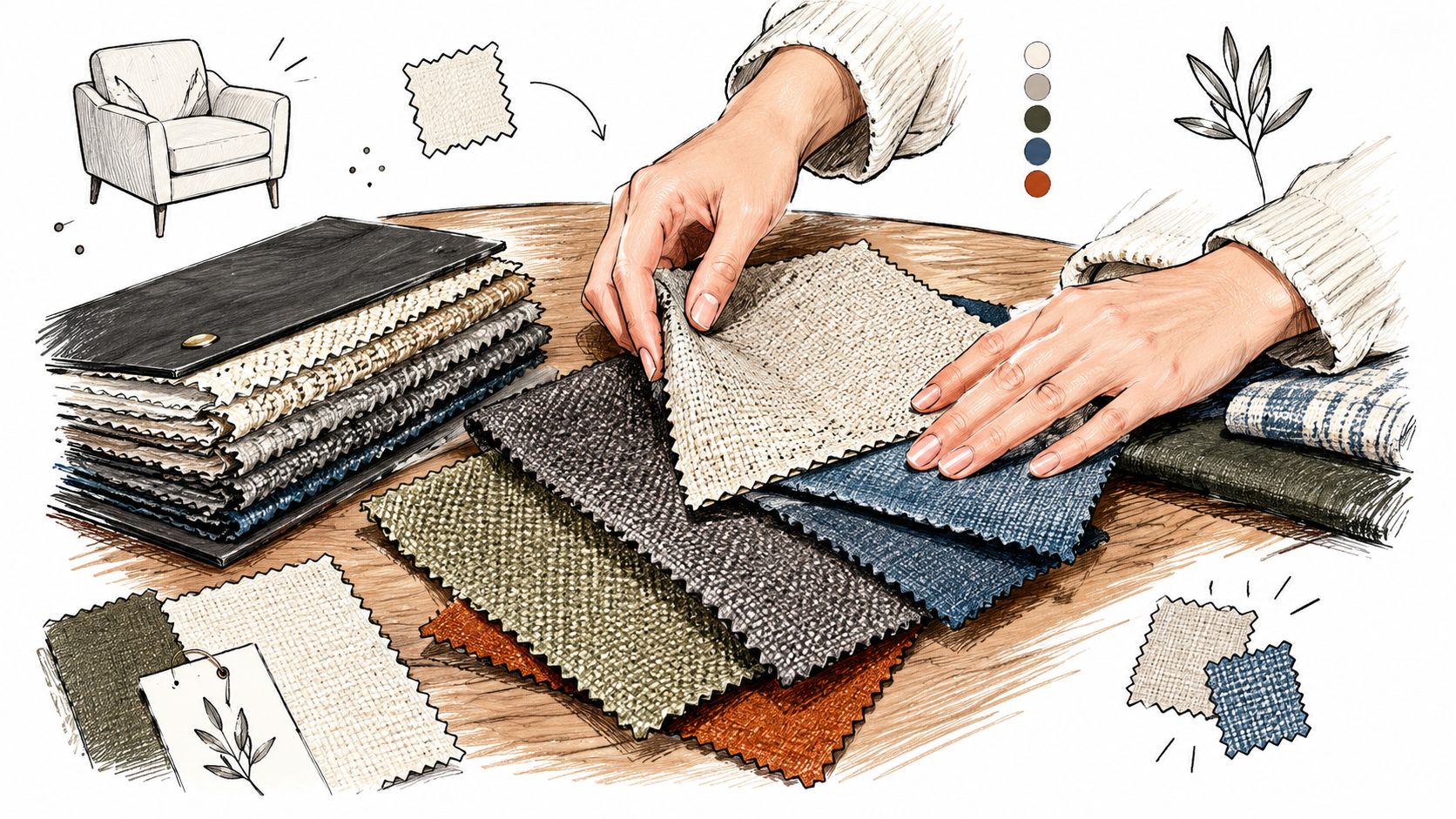
A physical textile can tell you things a product photograph can't. You can see whether a linen reads cool or golden beside your paint, feel whether a chenille has a relaxed hand or a stiff surface, and judge whether a damask's repeat suits the scale of your luxury sofa. Screen images flatten texture and depend on device settings, photography, and lighting. A sample puts the decision in your actual home.
A designer selecting fabric for a custom chair might begin with a refined pattern from Kravet, P. Kaufmann, Fabricut, or another established mill. Online, several options may appear interchangeable. In person, one may have a pronounced slub that catches on clothing, another may show a directional nap, and a third may have a repeat that requires careful placement across the chair back. The most expensive-looking option on screen isn't automatically the best choice for the finished furniture.
See the textile in its intended room
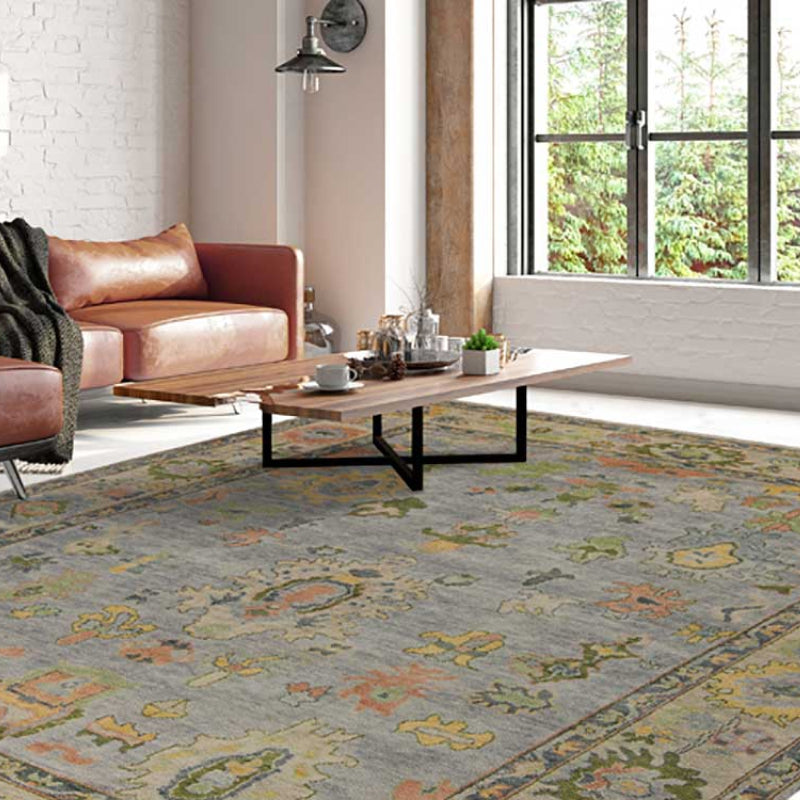
Leave each sample beside the furniture, rug, wall color, flooring, and wood finish it must live with. Check it in morning light, afternoon sun, and evening illumination. Atlanta-area homes can expose textiles to strong sunlight, humidity, pets, and frequent entertaining, so a formal showroom impression may not represent daily performance.
Use the sample to assess:
- Color relationships: Compare the textile directly with paint, rugs, trim, and existing upholstery rather than relying on a digital palette.
- Pattern scale: Confirm whether a stripe, floral, or geometric design feels restrained or overwhelming on the intended piece.
- Texture and hand: Bend and touch the fabric. Two textiles with similar colors may create entirely different comfort and visual effects.
- Construction details: Look for nap direction, backing, slubs, and a repeat that could complicate cutting or matching.
Practical rule: Approve the fabric in the room where the furniture will be used, not only under showroom lighting.
Sampling also protects the value of custom work. A well-built frame, carefully shaped cushion, or hand-finished chair deserves a textile that supports its intended use. Historical upholstery evidence makes this point clear. A University of Rhode Island study of historic furnishing fabrics examined 161 samples from museum collections in England, France, and New England, then selected 43 New England examples for detailed analysis. The research identified 13 fabric categories used on New England Empire-period furniture between 1812 and 1840, showing that upholstery choices balanced durability, cost, availability, and social style rather than following one universal material standard.
That lesson still applies to designer furniture near you today. Premium selection isn't about choosing the most delicate or costly textile. It's about matching fiber, weave, appearance, and performance to the piece, the room, and the way your household lives.
Evaluating Fiber Content and Weave Structures
The fiber label is the starting point, not the verdict. A fabric's behavior comes from the relationship between its fiber content, yarn construction, weave, backing, finish, and intended use. Two textiles can both contain linen yet differ substantially in resilience, surface character, and suitability for a frequently used sectional.
Read the fiber content as a trade-off
Natural fibers offer distinctive comfort and visual depth. Linen can bring a relaxed, refined character that develops a pleasing softness, while wool often provides warmth, resilience, and a more structured surface. Cotton can feel familiar and versatile, but its suitability depends on the construction and finish rather than the fiber name alone. Silk may be appropriate for a formal decorative chair, yet it demands more careful placement and maintenance than a heavily used family-room sofa.
Performance synthetics can solve practical problems that delicate natural fibers cannot. A treated or engineered textile may resist spills, support easier maintenance, or tolerate more demanding use. That convenience can come with a different hand, sheen, or aging pattern, so touch the sample instead of assuming that “performance” means it will feel ordinary.
Ask for the complete specification:
- Fiber composition: Identify the percentage and type of each fiber, not just the collection name.
- Backing and finish: Find out whether the fabric has a coated, laminated, or otherwise treated reverse.
- Cleaning code: Confirm the approved cleaning method before the fabric reaches the workroom.
- Performance testing: Request the test method and result, rather than accepting a broad phrase such as “high performance.”
- Usable width and repeat: These affect both appearance and yardage planning.
Let the weave guide the application
Plain weaves can create a restrained, architectural surface. Twills often introduce direction and durability through their diagonal structure. Jacquards and damasks create pattern within the weave, giving luxury home furnishings depth that printed surfaces may not provide. Bouclé, chenille, velvet, and other textured constructions can add tactile richness, but pronounced loops, pile, or nap may catch, shade, or show pressure marks.
A useful primer on examples of woven fabrics can help you recognize how construction affects appearance. Then inspect the physical sample under tension and at rest. Does the design remain balanced when the cloth bends? Does the surface flatten after compression? Does the backing resist distortion?
For custom upholstered furniture, the right choice often involves compromise. A loosely woven linen may deliver the most natural aesthetic but require a more forgiving room and careful installation. A tightly woven performance textile may handle a busy North Atlanta household better, even if it has a less visibly artisanal surface. “Designer quality” means the construction serves the design, not that the label sounds luxurious.
Performing Hands-On Sample Tests
Treat every sample as a small test panel. The aim isn't to reproduce a laboratory evaluation at home. It's to expose obvious mismatches before you approve yardage, commission reupholstery, or place a substantial order for a luxury sofa.
Start by recording the intended conditions. Note whether the piece will face direct sun, daily lounging, children, pets, frequent entertaining, food, drinks, or occasional decorative use. A textile can be excellent for a formal custom chair and completely wrong for the seat cushions of a premium sectional.
Use a controlled physical check
Begin with the face and reverse. Look for loose yarns, brittle coatings, unstable backing, snags, slubs likely to catch, and directional nap. Bend, compress, and lightly stretch the sample. Watch for distortion, seam-slippage risk, and poor recovery. If you're considering a patterned textile, fold it as it might sit around a cushion or arm so you can see whether the design remains intentional.
Then perform practical exposure checks:
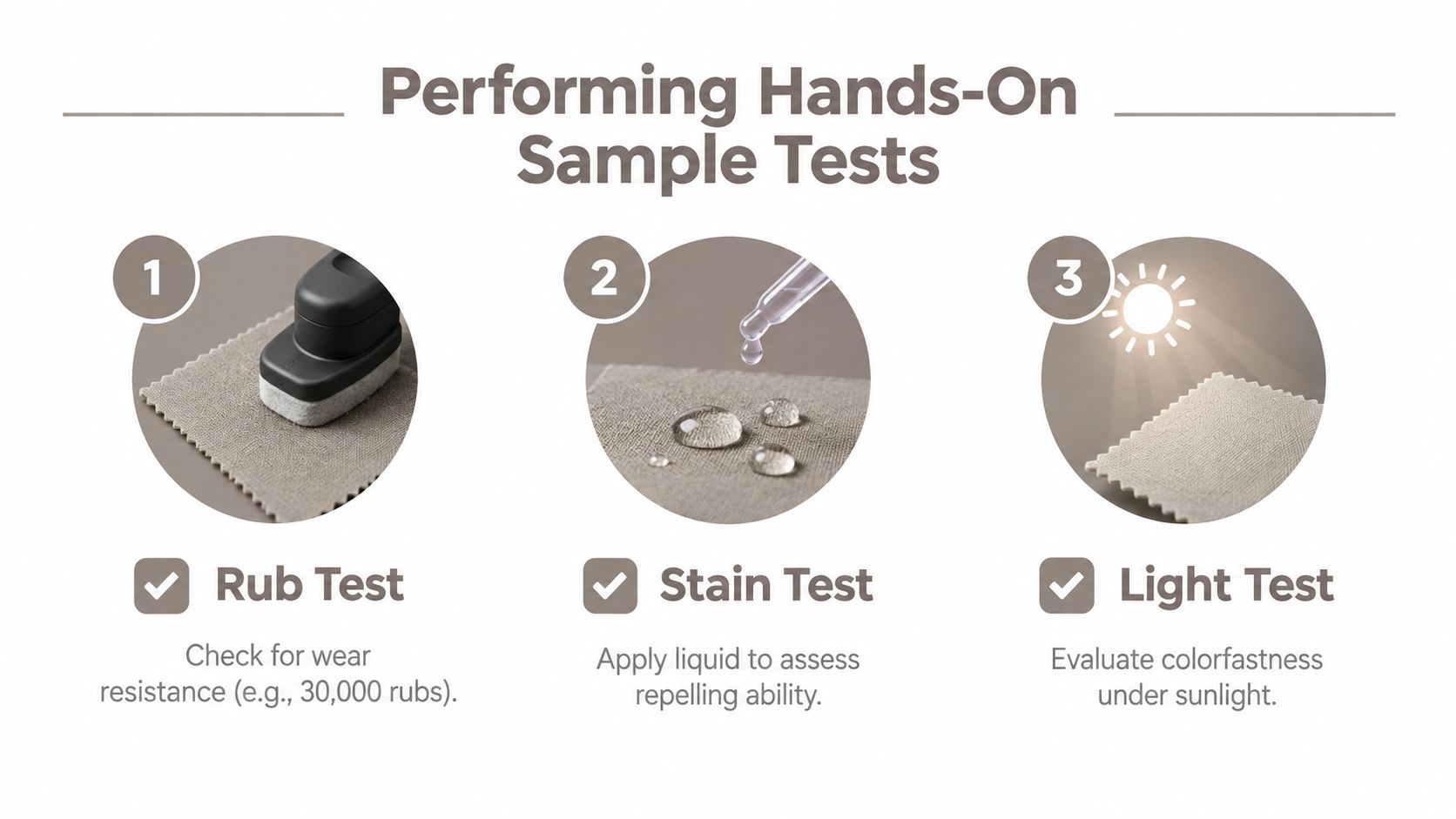
- Light test: View the fabric in morning, afternoon, and artificial light. Place it near the room's windows and compare it with the surrounding furnishings. A sample can reveal whether a neutral becomes too yellow, gray, or flat in your space.
- Rub test: Rub an inconspicuous area with denim or another everyday clothing material. Check for surface change, fuzzing, color transfer, or early wear. For a technical explanation of fabric abrasion resistance, review the test method rather than treating one rating as a universal promise.
- Spill test: Ask the mill or showroom whether testing is permitted, then place a small amount of the manufacturer-approved liquid on the textile. Observe absorption, spreading, beading, and cleanup. Don't use an unapproved cleaner merely to see what happens.
- Cleaner test: Apply the specified cleaner to a hidden part of the sample or a larger cutting. Check for ring marks, color change, stiffness, or a disturbed finish after drying.
- Seam and stretch check: Pinch or fold the fabric as a seam would be formed. Look for yarn separation, puckering, and recovery problems.
Interpret abrasion figures correctly
Abrasion testing gives useful context, but it isn't a complete durability guarantee. ASTM D3597 identifies minimum levels of 3,000 cycles for light-duty use, 9,000 cycles for medium-duty use, and 15,000 cycles for heavy-duty use in woven upholstery fabrics for new indoor furniture, as described in this ASTM D3597 performance specification.
The Wyzenbeek test records double-rub cycles before visible wear or yarn failure under a defined rubbing protocol. A textile-quality reference lists 15,000 double rubs as a general-contract benchmark and 30,000 as a heavy-duty benchmark in its textile quality standards. Another practical benchmark uses at least 30,000 Wyzenbeek double rubs or 40,000 Martindale cycles for contract or heavily used seating, with general contract benchmarks of approximately 15,000 double rubs or 20,000 Martindale cycles, according to Haworth's textile resource guidance.
Wyzenbeek and Martindale results aren't directly interchangeable. Neither test independently predicts pilling, pet-claw damage, fading, seam failure, frame geometry problems, or cleaning degradation. Ask for the method, keep the exact sample or lot reference, and obtain a larger cutting before ordering. Small swatches can hide pattern scale, shading, nap direction, and repeat-matching constraints.
Considering Sustainability and Longevity
A sustainable upholstery decision begins with service life. Historic upholstery samples show that furniture makers and owners have always balanced material beauty with practical use. The New England examples studied by the University of Rhode Island included horsehair, cotton, linen, corduroy, wool, tapestry, needlepoint, moreen, plush, leather, and patterned French and Italian silks. That variety reflects a useful principle for contemporary buyers: responsible selection depends on the job the textile must perform.
Document what can support future care
A sample should carry information forward with the furniture. Record the collection name, fiber composition, backing, finish, cleaning code, performance test method and result, country of manufacture, recycled-content claim, and whether replacement yardage remains available. That record can help an upholsterer match a repair, guide a future cleaning appointment, or support a later reupholstery decision.
The CBI guidance on buyer requirements for home-decoration textiles discusses sustainability expectations such as durability, repairability, and material information. The EU's Ecodesign for Sustainable Products Regulation entered into force in July 2024, with textile measures scheduled for 2027 and furniture measures projected for 2028, according to the same market guidance. These dates are projections for the scheduled measures, not a reason to treat every current label as proof of compliance.
Be skeptical of loose language. “Natural,” “recycled,” and “low-impact” describe different attributes, and none alone proves that a fabric will last, remain repairable, or be straightforward to recycle. A sturdy textile with a clear care path may preserve a sofa's useful life better than a less durable fabric with a more appealing sustainability claim.
Connect material choice with waste reduction
The New South Wales Environment Protection Authority reported that furnishing manufacturers and workrooms typically generated pre-consumer textile waste equal to 3% to 5% of fabric used, regardless of order size, furnishing type, or product shape, in its furnishing-textile waste report. In the report's retail upholstery example, approximately 178,200 sofas consumed 1,818,000 metres of fabric annually, and a 5% average waste rate represented about 90,900 metres of discarded textile. A broader modeled sale volume of 4.5 million metres would produce 225,000 metres of potential landfill waste at a 5% waste rate.
A sample won't eliminate every offcut. It can, however, help confirm color, repeat, texture, and suitability before full yardage is cut. For maintenance planning, homeowners may also benefit from practical guidance such as hire Top Cleaners for upholstery, particularly when establishing a care routine for premium furniture. The most sustainable upholstery fabric may be the one that remains attractive, cleanable, repairable, and useful for years, not necessarily the one with the highest recycled percentage. For a closer look at performance-oriented selection, consult choosing the best performance fabrics.
Selecting Samples for Different Furniture Types
The same sample can be sensible for one piece and unsuitable for another. A fabric that brings quiet elegance to a rarely used custom chair may show premature wear on the leading edge of a sofa seat. A richly textured textile may create a compelling statement piece, yet its nap and direction could make a large sectional appear uneven.
Luxury sofas and premium sectionals
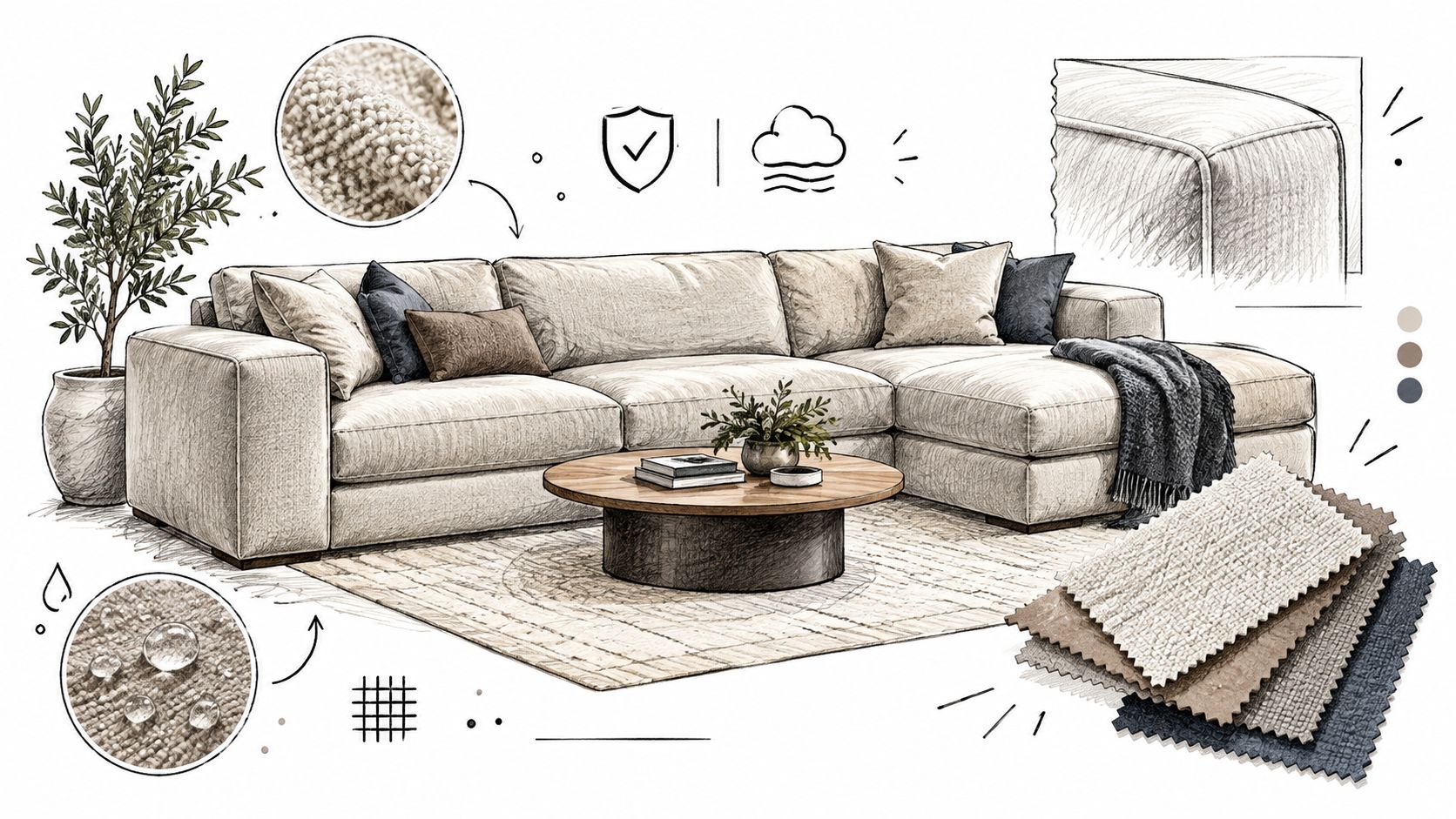
Start with use, not color. Seat cushions, arms, outside backs, and corners experience different forms of friction, pressure, and handling. For a family room in Sandy Springs or Roswell, favor a textile whose construction, cleaning instructions, and tested performance suit daily contact.
A sectional also magnifies pattern and shade differences. Request enough material to review the repeat and nap direction across multiple cushions. Confirm whether the pattern can be centered, matched, or oriented consistently without creating excessive waste. A high-quality couch should look deliberate from every angle, not merely attractive in a small swatch.
Comfort matters alongside abrasion. Sit with the sample against clothing and skin, compress it, and consider whether the surface feels inviting for long use. Velvet, chenille, linen, and performance weaves create different experiences, even when they share a similar color.
Custom chairs and statement furniture pieces
Decorative chairs give you more freedom, particularly in a formal living room, bedroom, dining area, or entry. A silk, needlepoint-inspired textile, or intricate jacquard can create the focal point that a plain sofa cannot. The trade-off is that delicate materials need a placement and care plan that respects their limitations.
Check the chair's geometry before approving the sample. Tight curves, welting, tufting, and exposed seams can alter how a pattern reads. Ask the upholsterer how the fabric will be oriented and whether the repeat allows the desired motif to land on the back, seat, or arms.
A statement textile earns its place when the furniture's construction gives the pattern somewhere intentional to go.
Drapery and coordinated furnishings
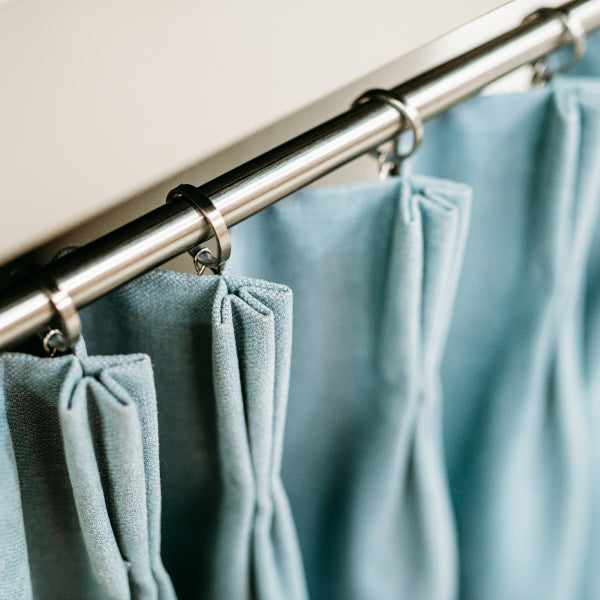
Drapery samples require a different assessment from upholstery. Check weight, drape, opacity, fullness, and the way the fabric folds. A textile can coordinate beautifully with a sofa yet hang too rigidly for the window treatment. Light exposure also matters because window coverings remain close to direct sunlight for extended periods.
For a cohesive luxury home, coordinate undertones and texture rather than forcing an identical fabric across every surface. A Belgian linen drapery can complement a more durable woven sofa without matching it exactly. The result feels collected, while each material performs according to its role.
Finalizing Orders and Preparing for Delivery
Once a sample survives visual review and physical testing, preserve the decision carefully. Keep the approved cutting with its collection name, color, lot information, orientation, and notes about the intended furniture. Don't rely on memory or a phone photograph when the order may be filled later.
Use this final workflow:
- Confirm the specification: Verify fiber content, usable width, pattern repeat, nap, cleaning code, and test method.
- Request a larger cutting: Review scale, shading, and pattern placement before approving full yardage.
- Coordinate with the workroom: Share the furniture dimensions, cushion arrangement, seam plan, and any matching requirements.
- Check batch consistency: Ask how color is controlled across available material and whether the fabric comes from the same lot.
- Plan the installation: Confirm delivery access, room preparation, furniture protection, and whether reupholstery requires temporary removal.
- Retain the documentation: Store the cutting and specifications for future repairs, cleaning, or replacement yardage.
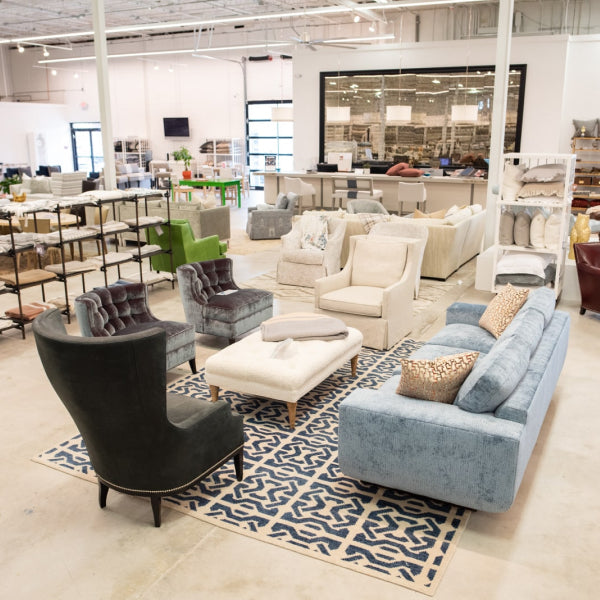
For Atlanta buyers comparing designer furniture near me options, Lewis and Sheron Textiles can provide access to in-stock and cut-yardage textiles, custom furnishings, reupholstery, drapery, trims, and design support through its Design Center. A structured sample process remains valuable whether you're buying off the floor, commissioning a custom sofa, or refreshing an heirloom chair.
Nationwide shipping can support projects outside the Atlanta area, while in-house designers can help coordinate fabric, furniture, rugs, and accessories. The objective isn't only to select a beautiful textile. It's to approve a material that arrives with the right specifications, works with the furniture's construction, and remains appropriate for the room's real conditions.
Lewis and Sheron Textiles offers upholstery fabric samples, custom upholstered furniture, reupholstery, custom drapery, and design support for homeowners and professionals building distinctive interiors. Visit Lewis and Sheron Textiles to review premium textiles and plan a fabric selection that suits your furniture, lifestyle, and long-term design goals.