





















You're not dealing with a throwaway cover when you're trying to clean a custom Belgian linen sofa, a Crypton sectional, or a hand-built statement chair in Buckhead. You're protecting fibers, finishes, seams, and cushion structure that were chosen for how they look and how they age, which is exactly why generic advice can do real harm to high-end furniture. The wrong cleaner, too much water, or a hard scrub can leave a premium piece looking tired long before its time.
The safest approach to how to clean upholstery fabric starts with one simple assumption, the fabric in your room is not the same as the fabric in the next home. A mass-produced polyester couch can forgive mistakes that a custom upholstered sofa in Belgian linen will not. That difference matters in Atlanta, Buckhead, Alpharetta, Roswell, Sandy Springs, and across Fulton County, where buyers invest in designer furniture, luxury sofas, and heirloom-quality furniture because they want pieces that last.
Why Your Cleaning Method Must Match Your Fabric
A homeowner in Buckhead spots a red wine splash on a cream sofa and reaches for a bottle of all-purpose cleaner. That reflex makes sense in the moment, but it can be the wrong move for a piece built with a natural weave, specialty finish, or layered cushion construction. The stain might disappear fast, then reappear later as a ring, faded patch, or roughened area that never really feels the same again.
The issue is simple, different upholstery fabrics respond differently to moisture and agitation. NMSU's upholstery guidance notes that the right method depends on whether the material is water-safe, solvent-only, or a blend, and it warns that some cleaners can change color or fibers, which is why spot-testing matters before full cleaning (NMSU upholstery fabric guidance). That caution is especially important on luxury home furnishings where premium textiles, trims, and padding are part of the value, not just the visible surface.
Match the method to the construction
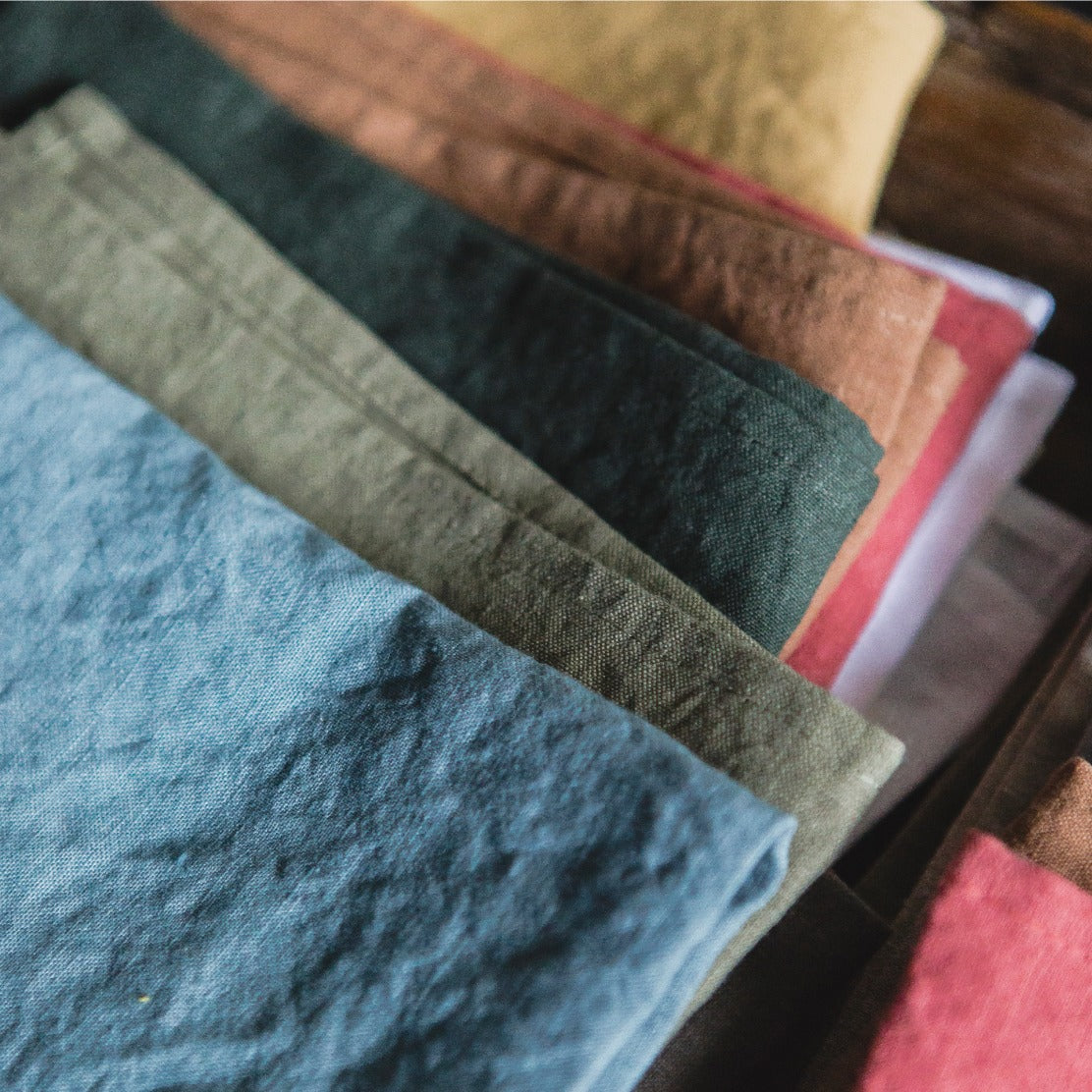
Belgian linen, specialty weaves, velvet, and performance fabrics do not fail in the same way. Linen can show water marks if it's over-wet, while performance fabrics can lose their advantage if harsh chemicals strip the surface treatment. On custom-upholstered pieces, the frame, seams, and cushion fill also matter because too much moisture can migrate below the fabric line and compromise the piece from the inside out.

Practical rule: if you don't know the fiber, finish, or cleaning code, stop before you spray anything. Unknown upholstery deserves identification first, cleaning second.
That's the difference between caring for a designer furniture investment and treating it like a rental sofa. The piece in your living room may look sturdy, but premium fabrics often have less tolerance for error than cheaper upholstery that's built to be replaced.
Identifying Your Fabric Type and Running a Pre-Test
The care tag tells you more than the stain itself does. If it says W, water-based cleaners are allowed. S means solvent-only. S/W means either option may be acceptable. X means vacuum only, so liquids stay off the fabric entirely. Those codes matter on custom furniture Atlanta buyers commission for long-term use, because the wrong cleaner can do more damage than the spill.
On custom pieces, the tag is often tucked under cushions, inside a zipper opening, or along a seam line. On heirloom or reupholstered furniture, the label may be missing altogether, which is when caution has to replace guesswork. A missing tag doesn't mean the piece is impossible to clean, it means you need a safer test-first approach.
Find the tag, then test in a hidden spot
Start with a dry vacuum using an upholstery attachment, then choose an inconspicuous area, usually a back edge or underside. Apply a tiny amount of the cleaner you plan to use, wait, and check for color transfer, texture change, or a ring when it dries. That pre-test is especially important on linen and wool, which can react unpredictably to moisture.
For linen care specifically, it helps to use a guide built for the fiber rather than a general sofa rulebook, and linen care instructions for premium fabric are worth reviewing before you treat a visible area. If you're comparing indoor air quality concerns during a bigger renovation, the topic of what causes carpet off gassing is a useful reminder that new finishes, adhesives, and materials can all affect how a room behaves after installation.
Hidden detail that matters: if a cleaner changes the nap, dulls the sheen, or leaves a shadow after drying, that's a warning sign, not a minor cosmetic issue.
The right pre-test can save a statement sofa, a pair of luxury chairs, or a premium sectional from a mistake that would be hard to reverse. For people shopping designer furniture near me in North Atlanta, that caution is part of buying well, not just cleaning well.
The Core Cleaning Workflow for Upholstery Fabric
A custom sofa can look perfect and still be one wrong cleaning pass away from trouble. The safest routine starts dry, uses the least moisture that will do the job, and ends only after the fabric is fully dry. That order protects a high-quality couch from looking fresh for a day and then collecting soil again a week later.

Vacuum first, then use a light cleaning pass
Start with an upholstery attachment before any liquid touches the surface. Dust, grit, and dried debris act like an abradant on woven fabric, so clearing them first helps protect the fibers while you clean, especially on natural textiles and designer upholstery. Camira's fabric care guide warns against over-wetting, especially on wool, because too much moisture can damage the material (Camira fabric care guide).
For a general wash step, Southern Living recommends about 1 teaspoon of dishwashing liquid per 1 gallon of warm water (Southern Living upholstery cleaning guide). On performance fabrics, some care instructions call for a milder 1 part soap to 4 parts water mix, but the practical rule does not change. The cloth should be only lightly damp, never wet enough to soak the weave. Too much liquid is what leads to padding damage, mildew, and residue that pulls dirt back into the fabric.
Blot the stain, don't spread it
Work from the outside of the stain inward. That keeps the mark from bleeding into clean fibers, which matters on sectionals and custom chairs where the weave shows every mistake. The American Cleaning Institute advises blotting spills with a clean cloth and avoiding rubbing, since rubbing can drive the soil deeper and damage the fabric surface (American Cleaning Institute stain removal tips).
Use a slow wet pass, then follow with dry towel passes or suction so the textile does not stay damp.
The last step is the one many homeowners skip. Rinse the area with plain water, blot again, and let it air-dry completely. Any cleaner left behind can act like a magnet for new soil, which is why a sofa may look clean at first and then start showing wear faster than it should. On luxury sofas, the goal is not only stain removal, it is preserving the fabric's original hand, finish, and texture.
Treating Specific Stains on Premium Upholstery
A wine spill, a grease mark, and a pet accident need different responses. Treating them the same way is how people set a stain permanently into a beautiful piece. On premium upholstery, the stain type matters as much as the fabric code.
Use the stain source to choose the method
Food and beverage spills usually respond to a mild water-based solution on W or S/W fabrics, applied with a lightly damp cloth and blotted outward from the center. Oil and grease often need a solvent approach on S-coded materials, because water can push the residue deeper instead of lifting it. Mystery stains should be treated as unknown contamination until you identify what they are, because guessing can lock the mark in place.
Sailrite advises blotting spills right away with a clean, dry cloth, testing any mixture on a small hidden area, and avoiding excessive moisture because saturating upholstery can cause water stains and mildew (Sailrite upholstery cleaning guide). Folio Fabrics also recommends prompt, gentle stain treatment with a clean damp cloth, not rubbing, because rubbing spreads the mark and makes it worse (Folio Fabrics stain care guide).
| Stain Type | Recommended Approach | Cleaning Agent | Key Precaution |
|---|---|---|---|
| Food or beverage | Blot immediately, then clean lightly | Mild soap and water on W or S/W fabric | Don't scrub, and don't soak the cushion |
| Oil or grease | Use a solvent-safe method on S fabric | Dry-cleaning solvent or fabric-approved cleaner | Test first, because the wrong product can spread the mark |
| Ink | Treat cautiously and only after spot-testing | Fabric-safe solvent method if the code allows it | Work slowly, since ink can travel fast |
| Pet accidents | Blot first, then clean and rinse fully | Gentle soap solution on water-safe fabric | Remove residue completely so odor doesn't linger |
| Mystery mark | Identify before heavy treatment | Small spot test with the mildest safe option | Avoid combining products |
The advantage of a calm process is that it protects the fabric and the cushion beneath it. On premium sectionals and statement furniture pieces, once a stain migrates into the foam, surface cleaning isn't enough anymore. That's where the risk goes from cosmetic to structural.
Special Care for Belgian Linen Crypton and Designer Weaves
A one-size-fits-all cleaner is usually written for convenience, not for a custom Belgian linen sofa in a carefully designed Atlanta home. That's where the damage starts. Belgian linen, Crypton, velvet, and specialty weaves all reward gentleness, but each one fails differently if you push too hard.

Belgian linen needs minimal moisture and a soft touch
Linen has a natural texture that people pay for because it feels refined, relaxed, and lived-in without looking sloppy. That character disappears fast if you scrub aggressively or flood the fabric. Linen care calls for blotting, small-area treatment, and controlled drying, not heavy saturation or repeated passes with a stiff brush.
Crypton and other performance textiles are different. They're designed to handle spills more easily, but harsh cleaners can undermine what makes them special in the first place. If you want a deeper explanation of that fabric category, what is Crypton fabric is a useful reference before you reach for a bottle.
Specialty fabrics need a case-by-case decision
Velvet needs pile protection, so rubbing can flatten its surface. Silk blends and delicate designer weaves often belong in the “don't improvise” category, because a DIY mistake can change sheen, tension, or drape. That's especially true on upholstery from makers such as Verellen, Wesley Hall, or LEE Industries, where the fabric choice is part of the design statement, not a replaceable cover.
Homeowners with children or pets often assume performance fabric means indestructible fabric. It doesn't. It means more forgiving, not immune. A light-colored luxury sofa can still show residue, uneven drying, or cleaner marks if the wrong product is used or if it's left too wet.
Best practice: if the piece is expensive enough that you'd be upset to see a faint ring, treat it like a specialty textile, not a generic couch.
That mindset protects designer furniture in a way bargain-store cleaning advice never will. Premium furniture in Atlanta, Roswell, or Sandy Springs deserves a method matched to the actual textile, not a shortcut built for mass-market upholstery.
Drying Techniques and Preventing Residue Buildup
A sofa is not clean when the stain disappears. It is clean when the fibers are dry, the cleaner is gone, and the cushion has not been left holding moisture. That last part is where careful upholstery work often fails, especially on expensive fabric that can keep a hidden ring long after the surface looks fine.
Remove soap completely, then move air across the fabric
After any soap-based cleaning, rinse the area lightly with plain water and blot it out again. Miller Waldrop upholstery care guidance recommends removing soap with a lightly damp cloth and dry towel, then drying the piece thoroughly to avoid overwetting. If detergent remains in the fibers, it can pull in soil and leave the cleaned spot looking flat or chalky.
Dry towels matter more than many homeowners expect. Press the fabric, do not twist or scrub it, then let air move across the area until it is fully dry. A fan helps in a humid room, but heat can be hard on delicate upholstery and may set a water mark or change the hand of the cloth. Fast, even drying also lowers the chance of mildew, especially when moisture has worked below the surface.
Keep dust and residue from building back up
Routine care keeps a small spill from becoming a bigger cleaning job. The caring for high-end upholstery guide recommends regular vacuuming and prompt spot care so dust does not settle deep into the weave and wear on the fibers over time.
That maintenance rhythm protects luxury home furnishings between deeper cleanings. Frequent vacuuming helps preserve the look of premium fabrics, reduces premature wear, and makes it less likely that a quick spill turns into a lasting mark. For a homeowner who invested in a custom sofa or heirloom-quality furniture, that kind of upkeep keeps the piece looking intentional instead of tired.
When to Call a Professional for Upholstery Cleaning or Reupholstery
Some pieces should stop at careful DIY care. Others need an expert before the damage becomes permanent. If a stain has penetrated the cushion foam, if the textile is antique or fragile, or if the fabric has started to fade or break down, professional cleaning is usually the smarter move.
Know when the piece has outgrown home treatment
Deep-set staining is the obvious warning sign, but it isn't the only one. If the fabric has changed texture, if the seams look stressed, or if repeated spot cleaning has left uneven color, the piece may need more than another round of cleaner. Upholstery that stays damp too long, or that keeps re-soiling after cleaning, often has residue or hidden contamination below the surface.
For high-end furniture, there's also the reupholstery question. If the frame is sound but the fabric is beyond saving, reupholstery can make more sense than repeated cleaning attempts. That matters for custom chairs, designer furniture near me searches in North Atlanta, and heirloom pieces where the underlying craftsmanship is worth preserving.
Choose service based on the value of the piece
Professional help is the better investment when the fabric is unknown, especially delicate, or too valuable to risk. It's also the safer route for pieces that were custom-built to coordinate with a room, because a cleaning mistake can throw off the whole design. For homeowners in Atlanta, Buckhead, Alpharetta, Roswell, Sandy Springs, and across Fulton County, the best service providers understand both the textile and the construction behind it.
If you want more detail on that decision point, caring for high-end upholstery is worth reading before you commit to another DIY pass. A good rule holds up well in premium homes, if the sofa is expensive enough to be a centerpiece, it's expensive enough to clean cautiously.
If you're weighing whether to clean, protect, reupholster, or replace a beloved piece, visit Lewis and Sheron Textiles for expert guidance on premium fabrics, custom upholstery, and the kind of long-term care that keeps luxury furniture looking intentional in your home.