



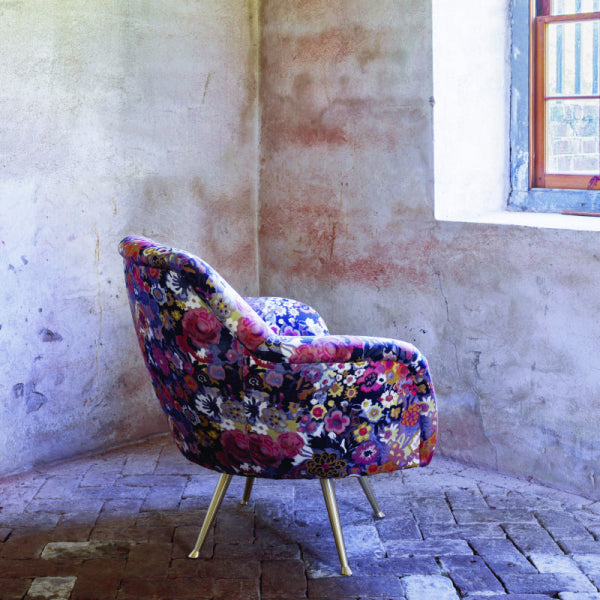
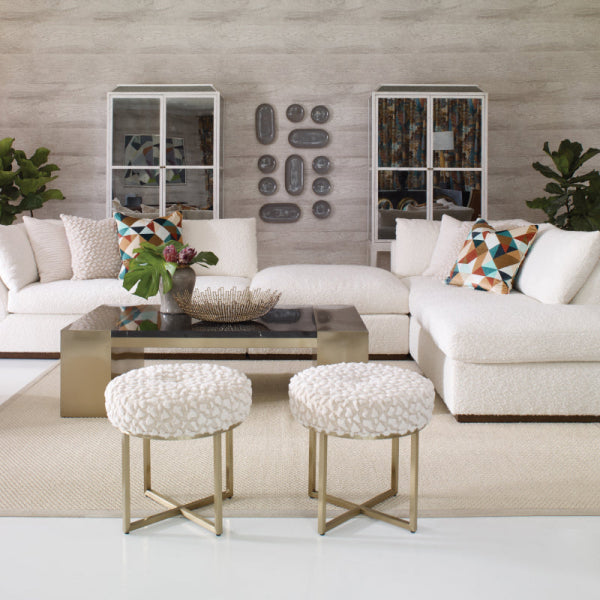
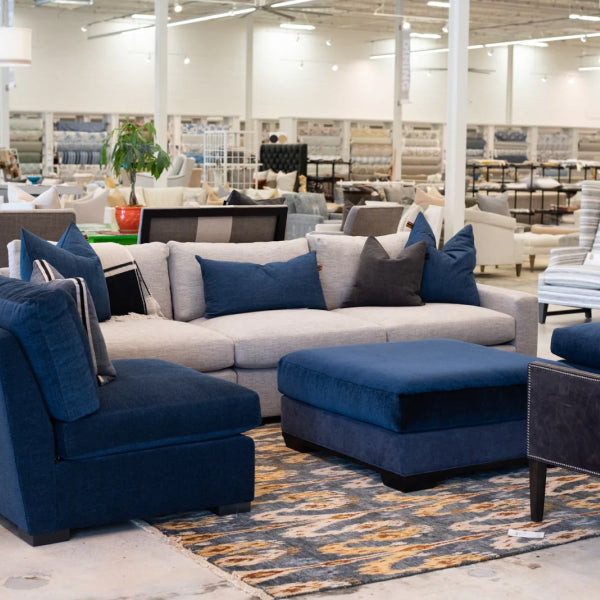












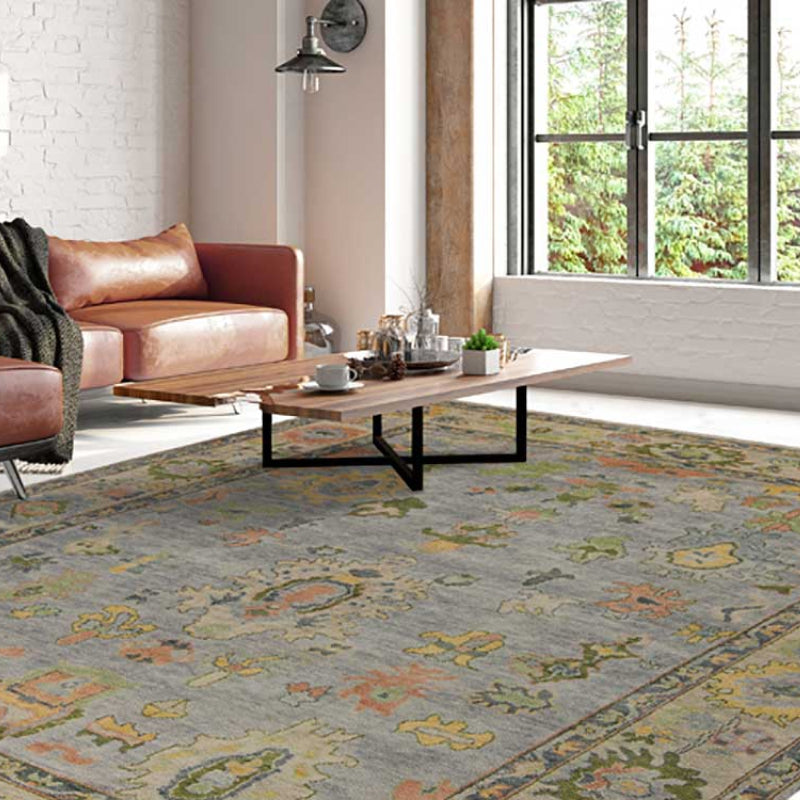
You walk into a showroom because the room at home still feels unfinished. The sofa is fine, but the scale feels off, the fabric looks flat in daylight, and the chair you ordered online doesn't sit like the one you test-sat in person. That's the moment designer retail stores earn their keep, not by looking pretty, but by letting you compare, touch, measure, and decide like a serious buyer.
For homeowners in Atlanta, Buckhead, Alpharetta, Roswell, and Sandy Springs, this matters more than many admit. A good designer store isn't a place to browse aimlessly; it's a working showroom for high-end furniture, luxury sofas, custom upholstered furniture, and statement furniture pieces that need to fit a room, a lifestyle, and a budget that goes beyond sticker price.
What Walking Into a Designer Store Really Feels Like
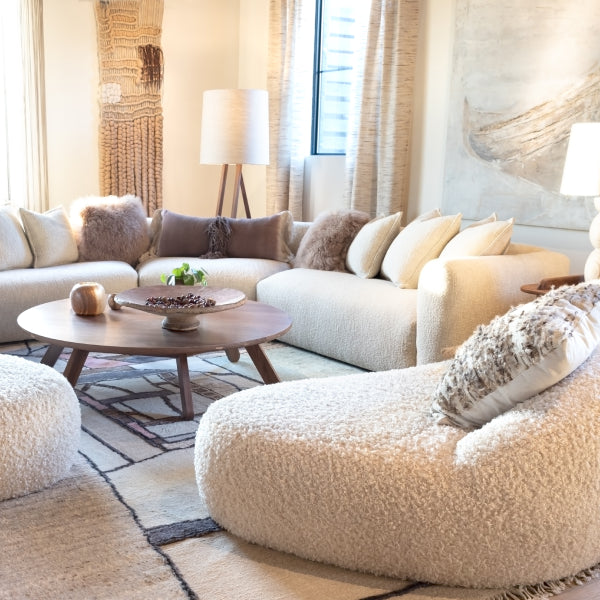
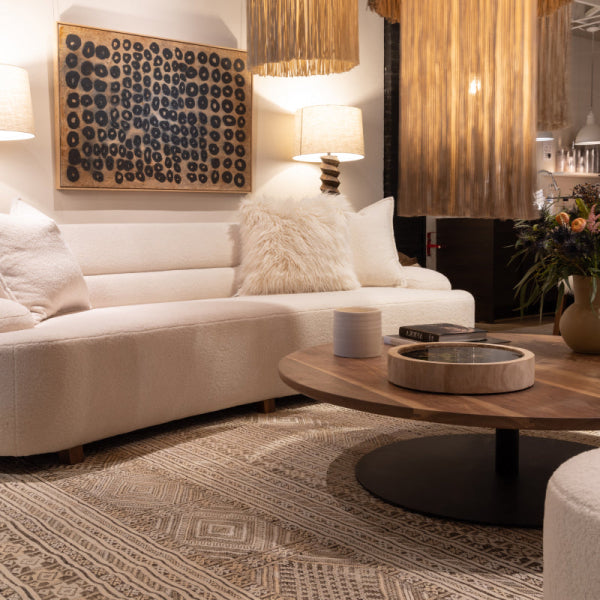
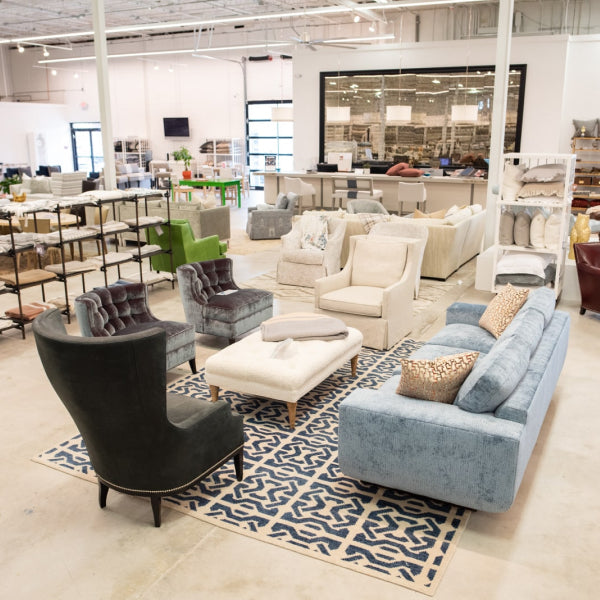
The first thing you notice is what isn't happening. Nobody is shouting for attention, the floor isn't crowded with random discount tags, and the pieces seem edited instead of dumped in. That calm matters, because designer retail stores are built for decisions, not impulse grabs.
A client might walk in after living with a lumpy, overstuffed sofa for eight years and decide the new one has to solve three problems at once, better scale, better fabric, better durability. A decorator might bring a floor plan and ask whether a pair of custom chairs should sit in a conversation area or anchor a reading corner. A homeowner restoring an heirloom piece might want to know whether the frame is worth keeping before any fabric is cut.
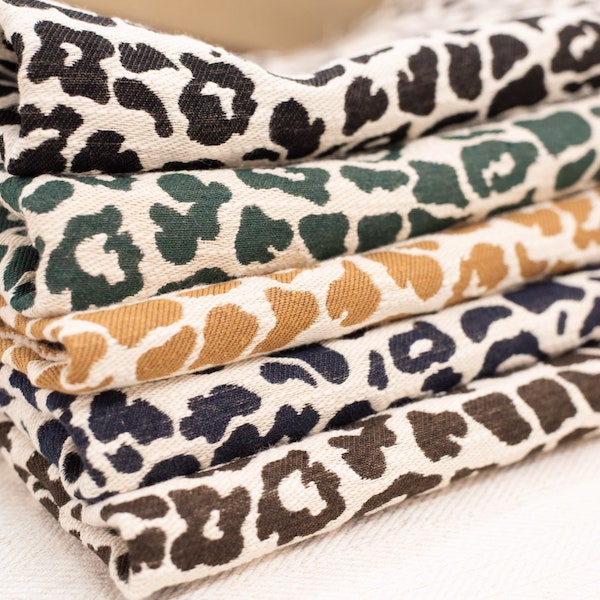
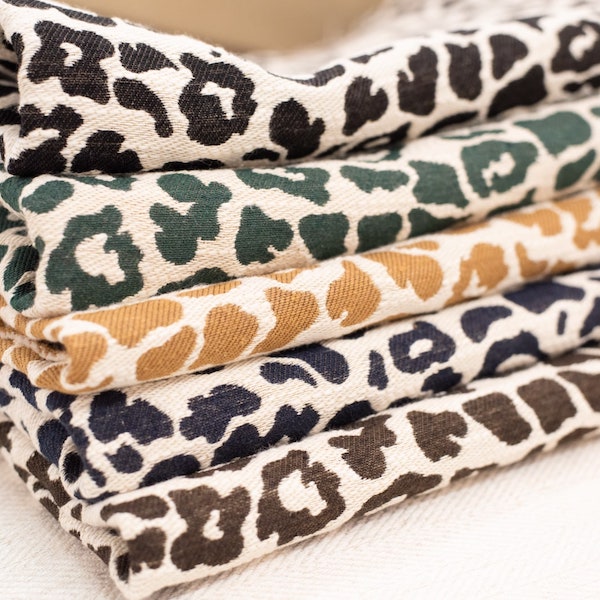
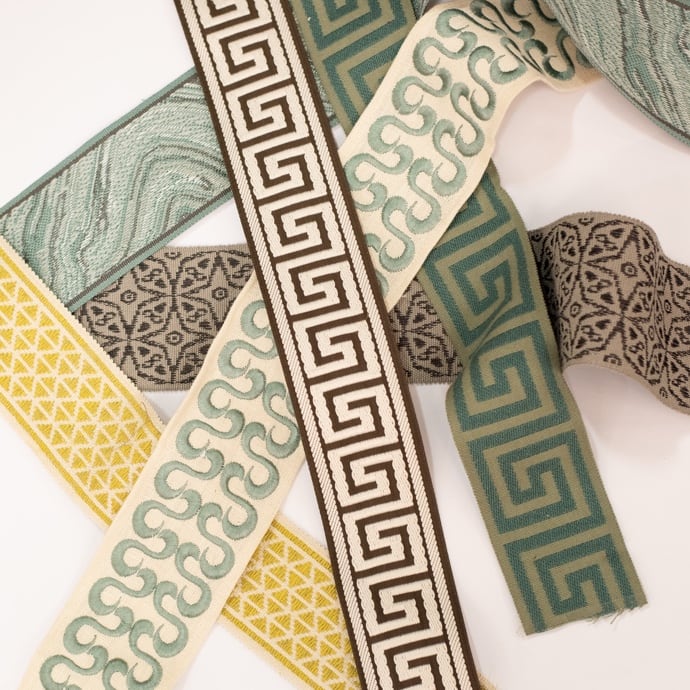
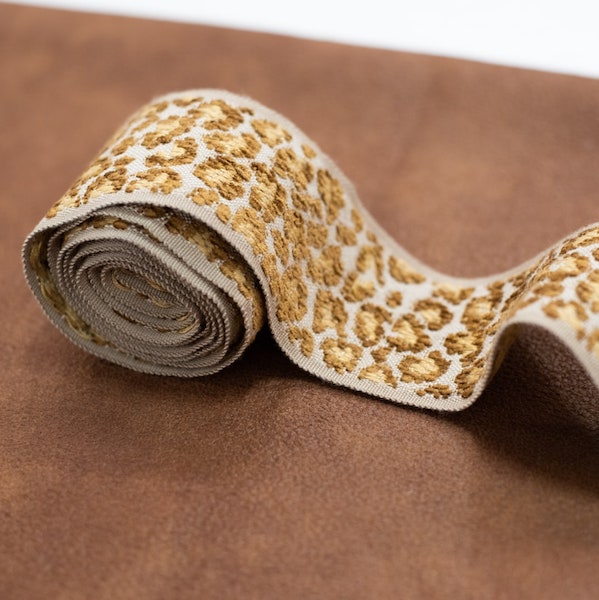
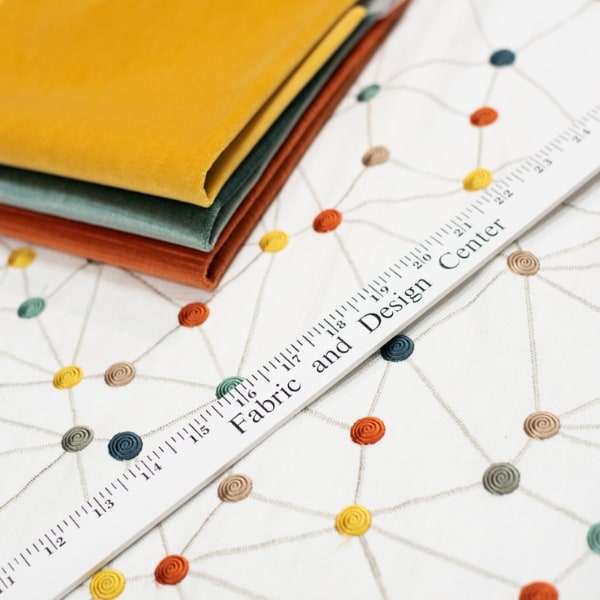
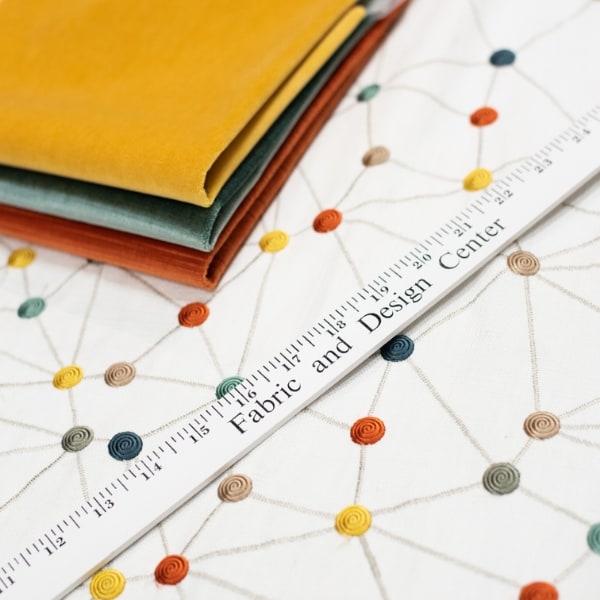
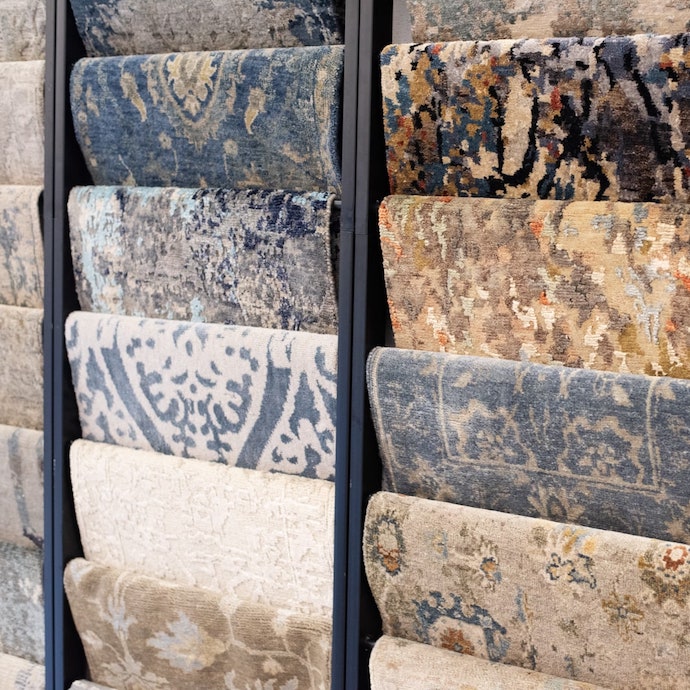
The format works. You're not just looking at furniture, you're looking at a textile library, finish samples, trim options, and people who can translate all of that into a room that feels intentional. If you're also comparing hard surfaces for the space, a good visual reference like browse retail cement tile designs can help you see how flooring, upholstery, and pattern scale should talk to each other.
Practical rule: if a store makes you feel rushed, defensive, or embarrassed to ask about construction, it's not a real design environment.
The buyers who benefit most are the ones with a clear problem to solve. They usually know they want premium sectionals, high-quality couches, or a made-to-order piece, they just want someone who can help them get it right the first time.
How Designer Retail Stores Actually Work
A designer retail store isn't defined by what sits on the floor, it's defined by what it can do for the buyer. A mass-market furniture chain sells inventory. An online-only brand sells convenience. A full-service design store sells access to materials, customization, and informed decisions in one place.
The physical layout is part of the operating system, not decoration. Retail operations include store design and traffic flow, which is why fixture placement, category grouping, and consultation zones affect how efficiently you can browse, compare, and commit. In premium and bespoke categories, quick-purchase items should sit apart from consultation spaces so customers can move from casual browsing into a more focused conversation without the whole room feeling congested. That separation also helps staff manage fulfillment and service work more cleanly, which matters when the furniture isn't off-the-shelf and delivery details are part of the sale. Brightpearl's retail operations overview is useful background on why layout is a business tool, not just an aesthetic choice.

The other difference is technical depth. Luxury and specialty retail hiring emphasizes inventory, logistics, and store operations with software proficiency, including systems like SAP and RFID-enabled visibility, because better item-level stock accuracy supports replenishment and omnichannel fulfillment. In plain language, the store should know what it has, where it is, and how to get it to you without guessing. That matters in designer settings where off-the-floor selling, special orders, and a large assortment live side by side. Kering's operations role posting makes that expectation visible in the trade.
The working definition is simple. If the store can't help you evaluate materials, specify a finish, and understand what happens after the sale, it's just a furniture shop with nicer styling.
The Five Services That Separate a Designer Store From a Furniture Shop
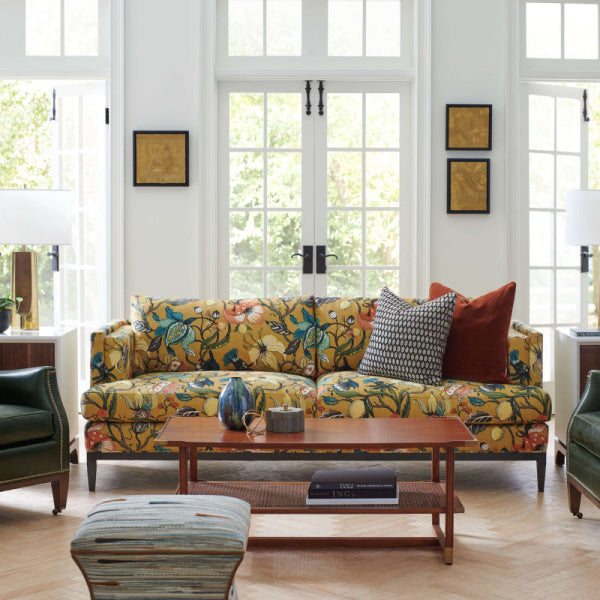
A real designer store usually bundles five services that a normal sofa store can't match cleanly. The first is custom upholstery, where the frame, silhouette, and fabric are matched to the room instead of forcing the room to accept a generic shape. That's what lets a buyer choose the hand, drape, and wear profile of a piece rather than settling for whatever came in a carton.
The second is made-to-order furniture from named makers. That's not the same as custom from scratch. It means you're selecting a known design and specifying the fabric, finish, or configuration through an established maker, which is often the sweet spot for people in Buckhead or North Atlanta who want something distinctive without starting a build from zero.
Service fit by buyer type
- Custom upholstery: best for heirloom frames, exact dimensions, and rooms that need a one-of-one fit.
- Made-to-order pieces: best for buyers who want a designer look with controlled options and predictable workmanship.
- In-house design consultation: best for homeowners and decorators who need help coordinating furniture, rugs, and finishes.
- Reupholstery: best for restoring a frame that still has structural value.
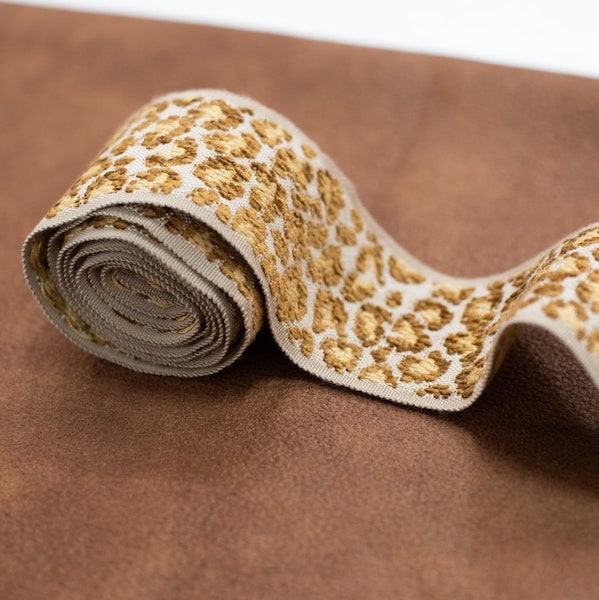
- Textile and trim library access: best for anyone comparing hand, color, and texture before they commit.
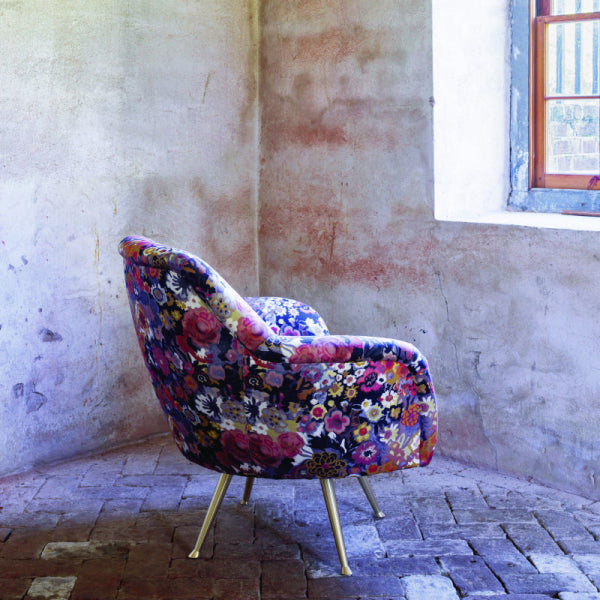
The third service is in-house design consultation, which is where a store becomes a problem solver instead of a catalog. The fourth is expert reupholstery, which keeps a strong frame in circulation instead of sending it to the landfill just because the fabric is tired. The fifth is a real textile and trim library, because serious buyers need more than a thumbnail photo before they sign off on a sofa, a pair of custom chairs, or a set of drapery panels.
In Atlanta, that mix matters because buyers often want trade-level sourcing without hiring a separate firm for every step. The question isn't whether a store sells furniture, it's whether it can help you move from selection to specification to installation with fewer mistakes and fewer returns.
Custom Made or Ready to Leave the Floor
There's no single right route, only the right route for your timeline and tolerance for compromise. If you need a room turned around quickly, buying off the floor makes sense. If you want control without reinventing the wheel, made-to-order is the practical middle ground. If the space has exacting proportions or a very specific fabric goal, custom upholstery is the cleaner answer.
| Route | Typical Lead Time | Personalization | Best For |
|---|---|---|---|
| Off the floor | Immediate or near-immediate | Low | Fast room updates, staging, urgent replacement |
| Made-to-order | Longer than stock, shorter than fully custom | Moderate | Designers, homeowners who want a named maker and selected finishes |
| Fully custom upholstery | Longest | High | Unique rooms, heirloom recovery, exact scale and fabric goals |
The trade-off is easy to understand. Off-the-floor buying gives speed, but you live with the dimensions and materials that are already there. Made-to-order gives you a strong design base, then lets you shape the visible parts. Fully custom gives you the most control, and it usually costs more because you're paying for labor, fabric handling, and a build process that's customized to your order rather than a batch run.
For many buyers, the smartest move is made-to-order. You get the designer silhouette without giving up too much time or control. For a client who's furnishing a family room in Sandy Springs or specifying a long premium sectional for a second home, that middle path often beats a fast purchase that looks tired in a year.
Read the practical breakdown of custom upholstery versus retail furniture before you commit to a route. It clarifies where custom pays off and where it's just expensive.
What I'd skip is the fake-custom sales pitch, where a store offers three fabric choices and calls it bespoke. Real customization changes how the piece lives in your home.
Measuring Selecting Fabrics and Setting a Real Budget
Start with the room, not the sofa. Measure doorways, stairwells, elevators, and hall turns before you fall in love with a piece that can't get inside. Then measure the room itself, because a designer sofa that looks elegant on the floor can still overpower circulation if the scale is off.
Fabric choice comes next, and it should be tested in the actual light of your home. Morning light, afternoon glare, and evening lamps all change the way a textile reads. If you have kids, pets, or strong sun exposure, those conditions should shape the fabric grade, finish, and maintenance plan before anything is ordered.

Budget rule: don't price a piece from the tag alone. Price the furniture, the fabric, the labor, the fill, the delivery, and the install together, or you'll underestimate the real cost.
A realistic plan also includes timing. If you need a room finished before guests arrive, or before listing photos, or before the final punch list on a renovation, the order has to start early enough for fabric selection, production, and delivery coordination. That's why good stores ask about the whole project, not just the chair.
If you want a useful fabric primer before shopping, save how to choose upholstery fabric and bring those notes with you. It's a faster way to avoid a soft, pretty fabric that won't survive real use.
The cleanest checklist is simple. Measure first, sample second, price third, and order last. That order saves more money than chasing a sale ever will.
Why Designer Quality Outlasts the Discount Sofa
The price gap between a discount sofa and a designer piece usually comes down to structure, not branding. Hardwood frames, better spring systems, and repairable construction hold up because the piece was designed to be serviced, not just sold. That matters if you're buying heirloom-quality furniture, because the point is to keep it in play through moves, reconfigurations, and changing rooms.
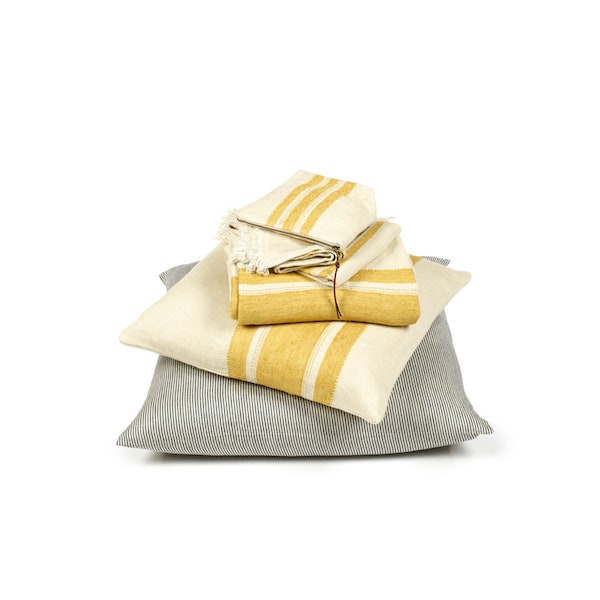
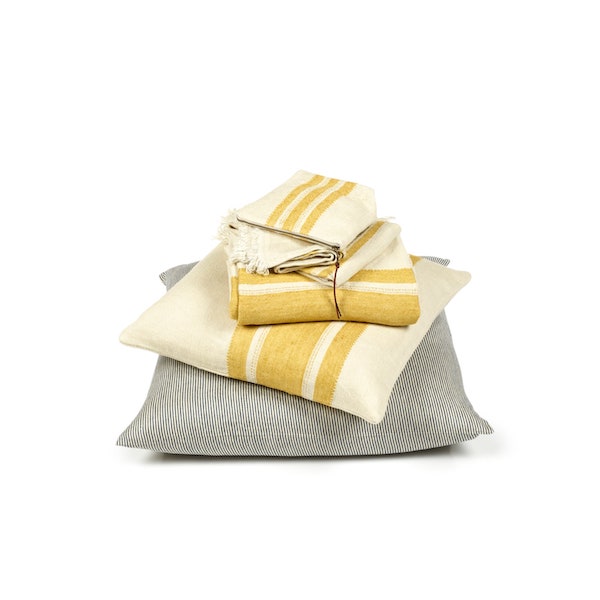
Materials tell the same story. Performance fabrics from mills like Crypton and natural textiles like Belgian linen are chosen for different reasons, but both are about function as much as appearance. The value is that good upholstery can be refreshed, re-covered, or reworked instead of replaced when the room changes.
A comparison study also found that shoppers often perceive designer-branded or higher-priced items as higher quality even when the actual quality difference isn't significant, and that department-store merchandise was 31% higher in price than outlet-store merchandise. That tells you something important about buying behavior. Price signals quality fast, but the smarter buyer still checks what's under the fabric, because a sofa is judged over years of use, not on the first afternoon in the showroom. The comparison study is a good reminder not to confuse label with build.
The right way to think about value is cost per year of use, repairability, and how well a piece can be reupholstered later. Discount furniture rarely wins that math. Designer-grade pieces often do.
How Lewis and Sheron Textiles Fits as Atlanta's Premium Stop
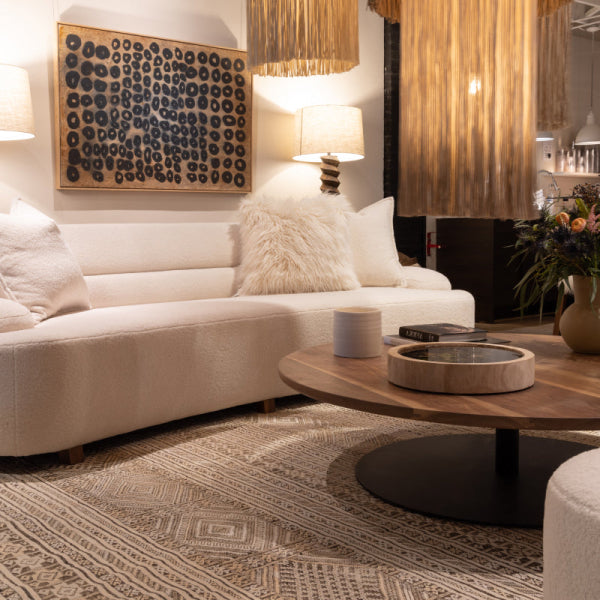
Lewis and Sheron Textiles makes sense in this category because it behaves like a hybrid showroom and supply house, not a simple retail floor. It's a design center and showroom on Collier Road in Atlanta, and the trade-facing model matters because it lets buyers compare fabrics, furniture, rugs, and finishes in one place instead of stitching together separate appointments. Its brand-new Design Center supports the kind of high-consideration buying that custom rooms demand.
The assortment is serious. The store carries over a thousand in-stock bolts and thousands of cut-yardage options from mills including Kravet, Fabricut, P. Kaufmann, Libeco Home, and Crypton. It also offers made-to-order American-crafted upholstery from makers such as Verellen, Wesley Hall, LEE Industries, and Ambella, which gives shoppers real range when they're choosing luxury sofas, premium sectionals, or custom upholstered furniture for a home in Atlanta, Buckhead, Roswell, or the surrounding Fulton County market.
For renovation work, it helps to think of the showroom as one stop in a broader project. If you're already selecting surfaces for a room, a resource like your renovation tile resource can be useful when you're comparing flooring tone against upholstery, trim, and wood finish. That kind of cross-material planning is exactly what premium interiors need.
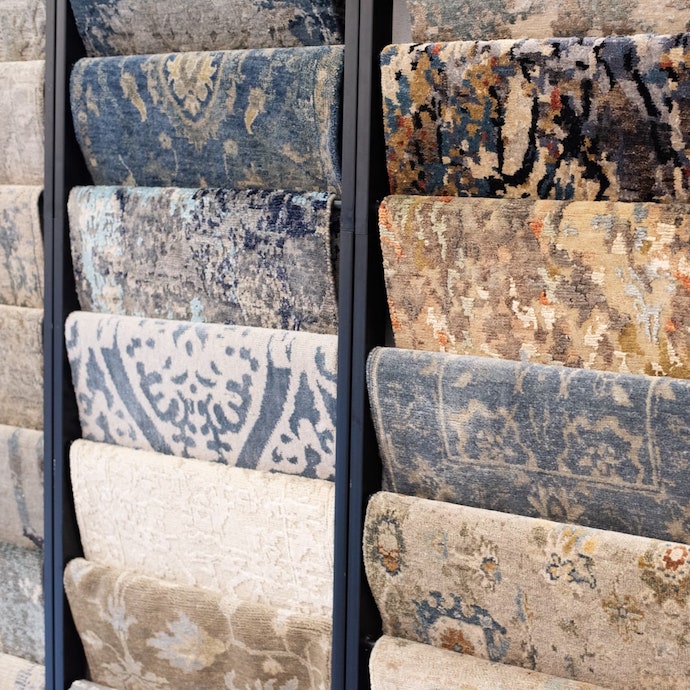
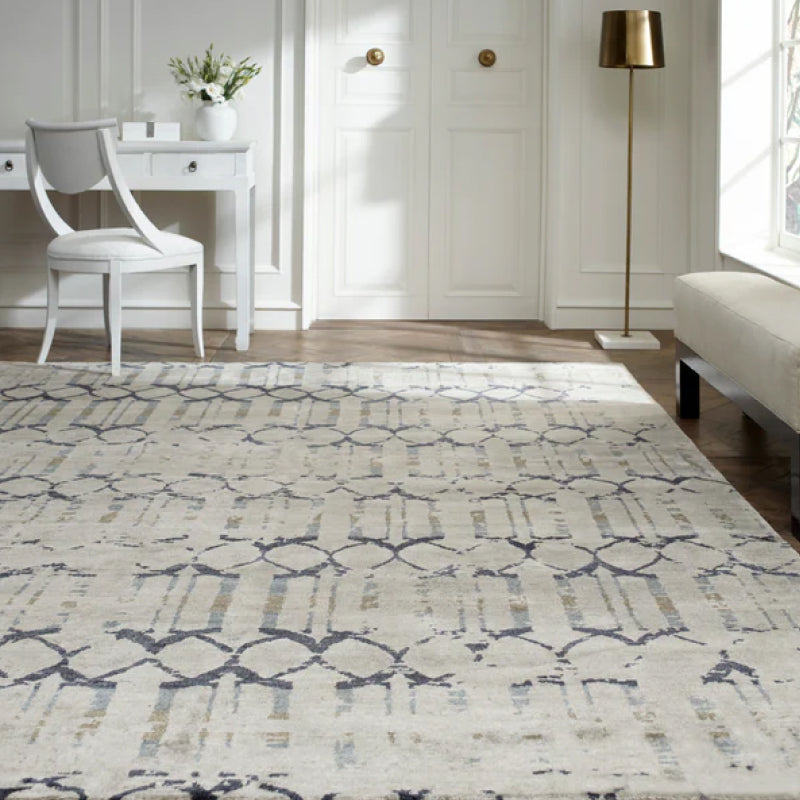
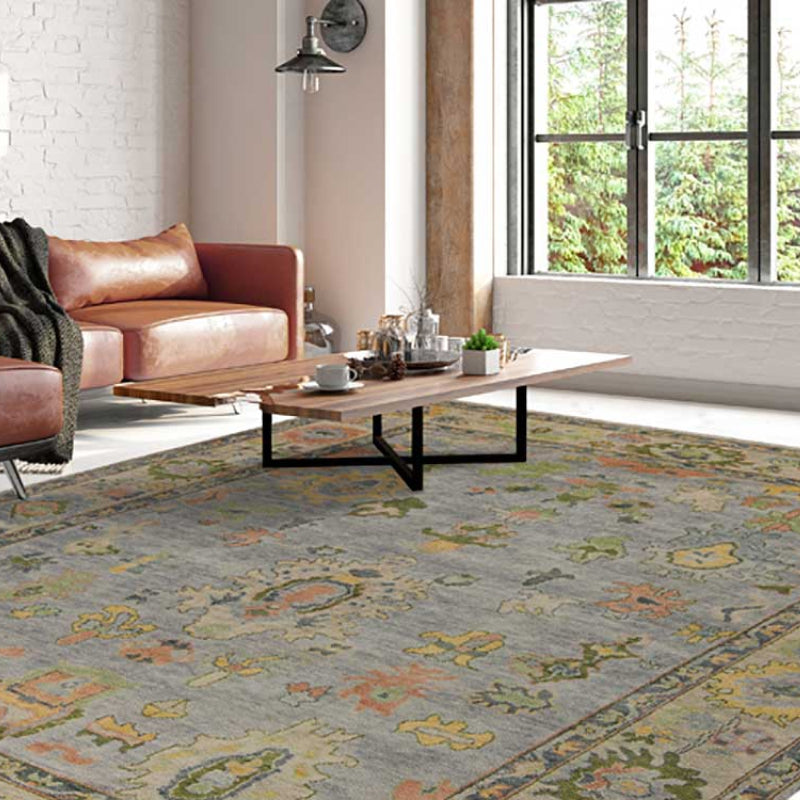
The store's complimentary in-house designers make the next step easier, because a buyer can move from inspiration to install without hiring a separate firm for every decision. Add reupholstery, custom drapery, Belgian linens from Libeco, and hand-knotted rugs from Kalaty and HRI, and the store stops being just a place to buy fabric. It becomes a working specification center for people who care how a room is built.
Questions to Ask on Your First Visit and How to Care for What You Buy
Bring specific questions. Ask what the frame is made of, what the cushion fill is, whether the store handles COM fabric, what the lead time looks like, and how white-glove delivery is handled. If you're considering a custom piece, ask what the reupholstery path looks like five or ten years down the line, because a good store should think beyond the first sale.

Keep care simple and consistent. Rotate cushions regularly, avoid prolonged direct sun, follow the cleaning code, and call the store before you try a shortcut that could set a stain or damage a finish. If the piece is upholstered well, those habits do more for longevity than is often appreciated.
For a sharper first-visit checklist, read the ten questions to ask when choosing upholstery and use it as your script. That one page can save you from buying a beautiful piece that turns into a maintenance problem.
Bring your room measurements, a few photos, and a realistic budget, then let the showroom do its job. If you're ready to compare designer furniture near me options or start a custom furniture Atlanta project, visit Lewis and Sheron Textiles and walk the floor with a real plan in hand.