


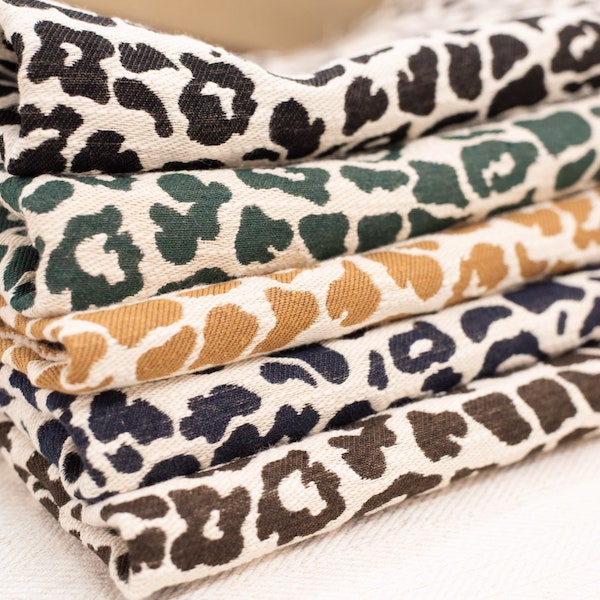
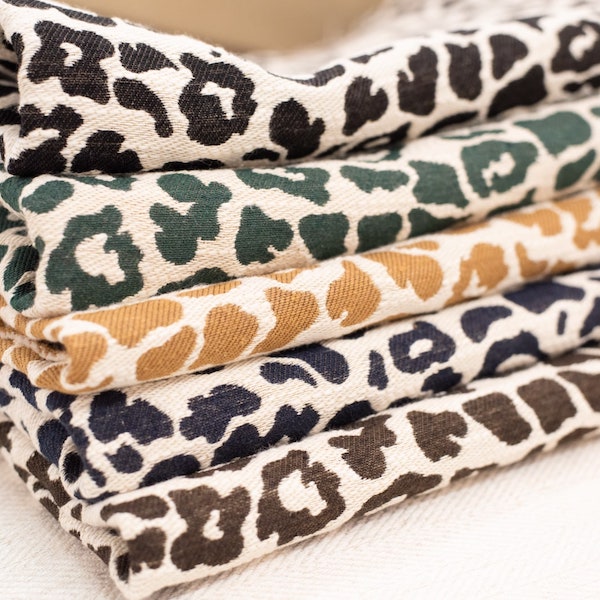
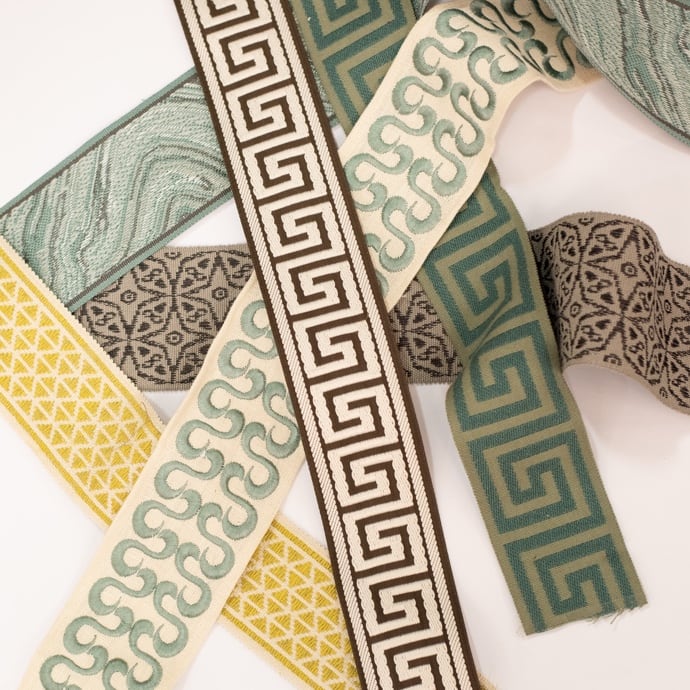

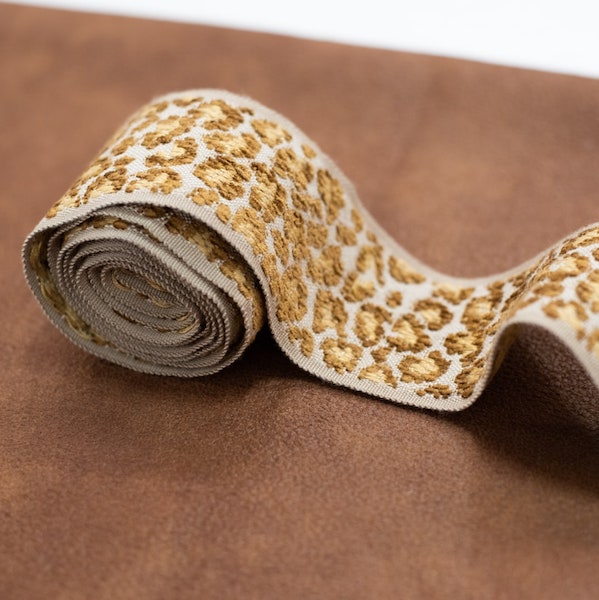
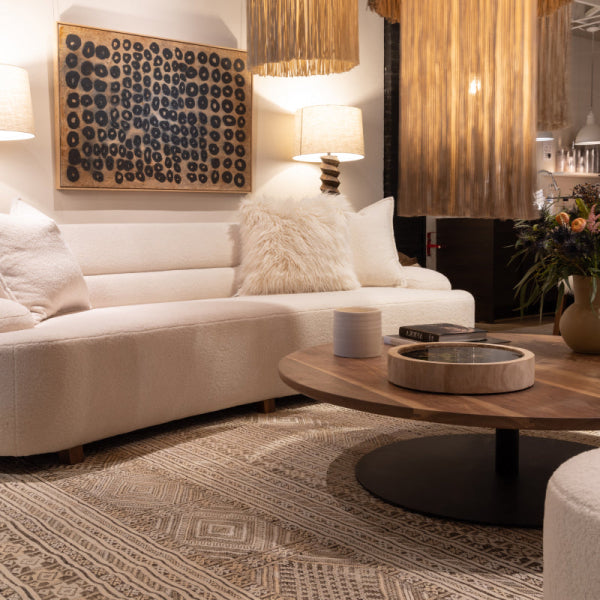
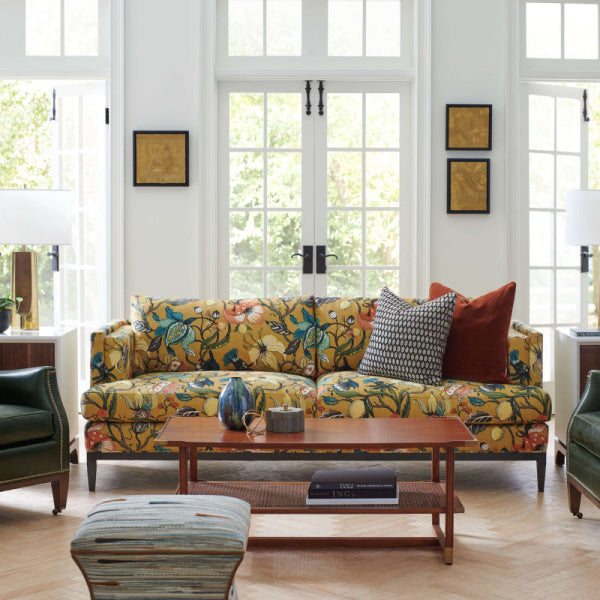
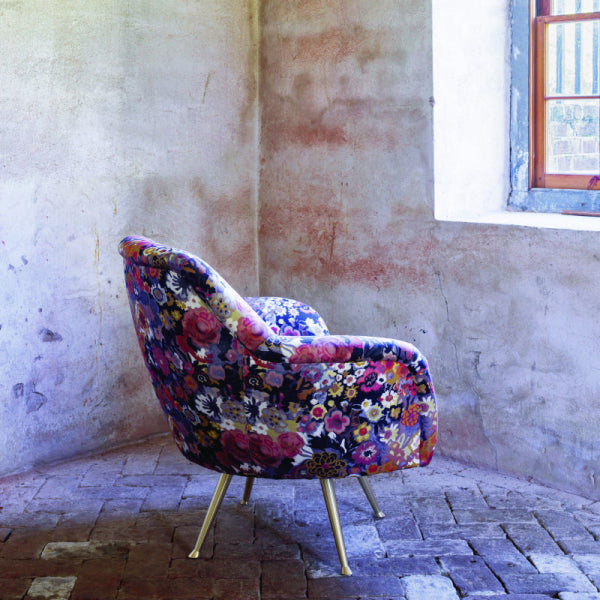
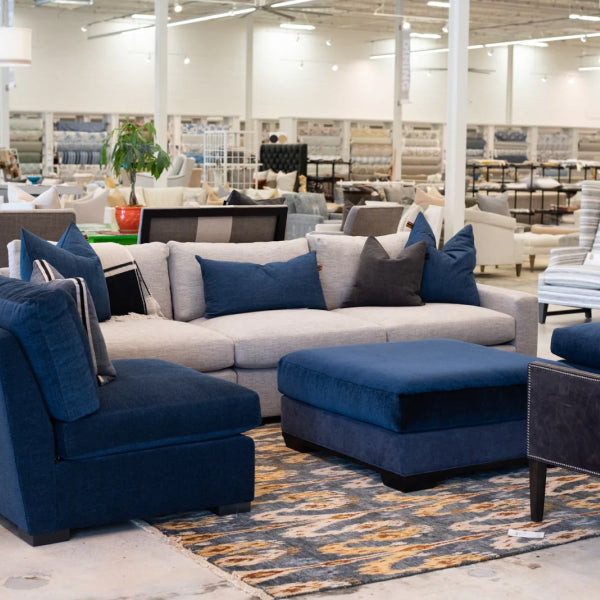









You're standing in a showroom beside a velvet sectional that looks remarkably similar to one you saw at a national chain. Then you notice the price, which is several times higher, and wonder what you're paying for. The answer isn't a recognizable designer name or a more fashionable silhouette. It's found in the frame, the joints, the suspension, the cushion interior, the fabric, the finish, and the ability to repair those parts when daily life eventually marks them.
For homeowners in Atlanta, Buckhead, Alpharetta, Roswell, Sandy Springs, Fulton County, and North Atlanta, furniture durability matters because a luxury sofa, custom chair, or statement furniture piece should serve the room for years rather than follow a short decorating cycle. A well-built piece earns its place through comfort, repairability, material quality, and the way it continues to look intentional after regular use.
What Furniture Durability Really Means
A showroom associate may start with the frame, and that's reasonable. The frame carries the load, establishes the shape, and determines whether a sofa feels stable or flimsy. But structural durability is only one part of the buying decision.
A piece also has a serviceable lifespan. That describes how long its cushions, upholstery, finish, drawer runners, springs, and other user-facing components remain functional or attractive before they need attention. Most furniture doesn't fail in one dramatic moment. A finish dulls, a cushion softens, a drawer begins to drag, or a fabric develops visible wear long before the frame gives way.
Practical rule: Ask what can be replaced, refreshed, or repaired before you ask whether a piece is indestructible.
A durable dining table might use solid wood and careful joinery, yet still need finish maintenance if it sits near strong sunlight or receives constant handling. A luxury sofa may have a sound hardwood frame but lose comfort when its cushion core compresses. A custom chair can remain structurally sound while its fabric needs replacement because the chair has become the household's favorite reading spot.
The lifespan ranges make the difference between construction types clear. Solid wood dining tables commonly last 15 to 40 or more years, dressers 15 to 30 years, and bookshelves 20 to 50 years, while flat-pack or particleboard furniture is typically estimated at 3 to 10 years. Those benchmarks come from furniture lifespan guidance, and they show why material selection matters more than style alone.
For upholstered furniture, the same source commonly places sofas at 7 to 15 years and office chairs at 5 to 10 years. That doesn't mean every sofa reaches an automatic expiration date. It means the frame, joints, springs, cushions, fabric, cleaning routine, and repair options all influence the result.
The Six Building Blocks of a Long-Lasting Piece
Durability becomes easier to judge when you separate a piece into its working parts. The six building blocks below don't carry equal risk in a real home. Finishes and cushions often show age first, followed by fabric, hardware, and suspension. A properly built frame and its joinery may remain serviceable long after those visible components need work.

Wood and moisture control
Premium sofas and custom chairs often specify kiln-dried hardwood. The drying process removes moisture from the wood and reduces the risk of warping and cracking, a construction detail discussed in this furniture durability overview. Engineered cores can perform well in the right application, but a buyer should learn where they're used, especially in rails, legs, and load-bearing areas.
Joinery that handles movement
Joinery connects wood components without depending entirely on nails, screws, or glue. Mortise-and-tenon connections, dowels, reinforced corner blocks, and carefully fitted joints help a piece manage daily stress and natural humidity movement. Guidance from Ebert Furniture on joinery explains why this distinction matters for furniture intended to remain solid for decades or generations.
Suspension beneath the cushions
Luxury upholstered furniture may use 8-way hand-tied coil springs, sinuous springs, or webbing. The 8-way hand-tied method is widely described as exceptionally resilient and flexible, although individual coils can still loosen or fail over time. You can review the construction details in this guide to 8-way hand-tied furniture.
Cushion cores
A cushion's label rarely tells the whole story. High-resilience foam, down or fiber wrapping, latex, and pocketed coils each create a different balance of support, softness, recovery, and maintenance. A plush cushion can be beautifully comfortable, but it may need more frequent rotation and reshaping than a firmer foam design.
Fabric selection
The right upholstery fabric depends on traffic, sunlight, pets, cleaning habits, and the visual standard you want to maintain. A tightly woven performance textile may suit a busy family room, while a natural linen can be appropriate for a formal sitting room with lighter use.
Protective finishes
A finish protects the surface from handling, spills, abrasion, and light exposure. Ask the maker what finish was applied and how it should be cleaned. On a heavily handled tabletop, a catalyzed lacquer may offer more resistance than a conventional polyurethane, but the finish still needs care suited to the material.
The frame matters, yet the parts that receive hands, bodies, friction, and sunlight often determine whether a piece continues to look luxurious. That's why a fabric specification sheet deserves the same attention as the frame description.
How to Read Fabric Performance Numbers
A fabric specification sheet becomes useful when each figure answers a showroom question: how will this textile wear, clean, and age in the room where it will live? The Martindale abrasion test rubs fabric against standard wool under controlled pressure. Its cycle count records when visible wear, yarn breakage, pilling, or holes appear, giving buyers a repeatable comparison rather than relying on appearance alone. The method was introduced in 1942 by J.G. Martindale at the Wool Industries Research Association and later standardized through BS EN ISO 12947, as explained in this Martindale testing guide and this fabric abrasion resistance article.
For residential upholstery, approximately 10,000 to 15,000 rubs indicates light duty, 15,000 to 30,000 suits medium residential use, and 30,000 to 50,000 or more supports heavy-duty or commercial seating. These ranges appear in Herman Miller's textile quality standards. Treat them like a tire rating: useful for comparison, but not a prediction of every household's experience.
Pilling measures a different problem. A fabric may tolerate repeated rubbing yet develop surface fuzz or pills. The pilling scale runs from 1 to 5. 5 means no visible change, while 1 indicates severe pilling, according to fabric specification guidance.
| Martindale Rubs | Pilling Grade | Best Room / Household | Example Fabric |
|---|---|---|---|
| 10,000 to 15,000 | 4 to 5 | Light-use formal room or occasional chair | Delicate woven textile |
| 15,000 to 30,000 | 4 to 5 | Moderate residential seating | Durable linen blend |
| 30,000 to 50,000 or more | 4 to 5 | Busy living room or family seating | Performance blend |
| Commercial range | 4 to 5 | High-use hospitality or contract setting | Heavy-duty upholstery |
Use the number as a starting point. Ask about colorfastness to light, especially for a sofa beside a south-facing window, and ask whether the seams resist slippage. Confirm the recommended cleaning method too. Strong abrasion resistance cannot compensate for poor light stability, difficult stain care, or a textile that cannot be repaired or replaced when the first-worn seat eventually needs attention.
Custom Upholstery Versus Mass-Produced Furniture
Custom upholstered furniture and mass-produced furniture can share a similar profile, but the interior construction often differs. A bench-made American sofa typically gives you more information about the hardwood species, joinery, spring system, cushion wrap, fabric, and warranty. A mass-produced piece may offer a lower entry price and faster availability, but its specifications can be less detailed.
| Feature | Custom Bench-Made | Mass-Produced |
|---|---|---|
| Frame | Kiln-dried hardwood selected for the design | Engineered wood or mixed materials may be used |
| Joints | Mortise-and-tenon, doweled, or reinforced connections | Staples, screws, glue, or simpler blocking |
| Suspension | 8-way hand-tied, sinuous springs, or specified webbing | Webbing or spring systems with limited detail |
| Cushions | Foam selected by feel and use, often with a wrap | Foam-only interiors are common |
| Upholstery | Customer-selected fabric, finish, and tailoring | Fixed fabric and standardized options |
| Warranty | May state frame, springs, cushions, and service terms | Often limited, with coverage varying by part |
Imports have improved. Some now include stronger steel hardware, better certifications, and more consistent manufacturing. Those improvements don't automatically address the parts that often affect comfort and appearance first, such as corner blocks, deck padding, cushion access, and the ability to replace worn upholstery.
The warranty deserves careful reading. A frame warranty is useful only if the cushion, suspension, labor, and upholstery terms are also clear. Ask whether the warranty follows the original owner, what exclusions apply, and whether the manufacturer will service the piece.
A premium price becomes easier to understand when you consider cost per year, not only the amount paid at delivery. A custom sofa that can be repaired, recovered, or refilled may remain useful through changing rooms and design preferences. A cheaper sofa that cannot be opened or serviced may need replacement when one concealed component fails.
For buyers searching for custom furniture Atlanta, the central question isn't whether custom construction always costs more. It's whether the maker gives you a piece with documented materials, accessible components, and a realistic path to repair.
A Ten-Minute In-Store Evaluation Method
You don't need to dismantle a sofa to learn a great deal about its construction. A short, respectful inspection can reveal whether a piece feels substantial, whether the upholstery is serviceable, and whether the salesperson can answer precise questions.

Start with weight and stability
During the first couple of minutes, lift one corner of the sofa or chair. You're not trying to win a strength contest. You're listening and feeling for a solid, planted construction rather than a hollow or unusually flexible body. Rock the piece gently and check whether the legs, frame, and joints move together.
Run your hand beneath the front rail and along the underside. Look for corner blocks, reinforced joinery, neat upholstery attachment, and evidence that the maker considered future access. Loose staples, uneven fabric tension, or exposed unfinished edges deserve a question.
Test the comfort system
Press each cushion with an open palm. Notice how quickly it recovers and whether the filling shifts dramatically toward the edges. Sit firmly in more than one position, then listen for squeaks, rubbing, or movement from the suspension.
If the design allows it, lift a seat cushion or unzip a back panel. Inspect the deck fabric, webbing, tie-downs, and zipper quality. A serviceable cushion cover and accessible interior can make later cleaning or reupholstery far more practical.
Read the textile and warranty information
Use a damp white cloth on a hidden area only after asking permission. The test can reveal whether dye transfers, but it isn't a substitute for the manufacturer's cleaning instructions or a professional colorfastness report. Read the tag for fiber content, origin, performance ratings, and care requirements.
Finish by photographing the label, warranty card, and fabric code. That small record will help you compare designer furniture options later, especially when two showroom pieces look similar but have different interiors.
Matching Durability to Your Household
A family room and a formal living room shouldn't receive the same upholstery specification. The right choice depends on how people sit, what they carry into the room, how often the furniture gets cleaned, and whether pets treat the sofa as part of their daily route.
The family with children and a dog
A household with two children and a Labrador needs a textile that can handle friction, spills, and claws. The plan might include a tight, stain-resistant weave rated above 50,000 Martindale cycles, removable cushion covers, and a performance-blend down wrap that combines comfort with recoverability.
Leather or a performance fabric can make sense where claws and repeated contact are unavoidable. Owners comparing protective options can also review this resource on best pet furniture protection, particularly when they want to protect a favorite chair or sectional without changing the room's design.
The lightly used formal room
A sitting room used only a few evenings a week gives you more freedom to prioritize silhouette, hand, and natural-fiber elegance. Linen rated around 30,000 rubs may suit this lower-traffic environment when the household accepts that the fabric will need thoughtful care.
The decision isn't about choosing the toughest fabric available. It's about matching performance to use so the material feels appropriate rather than over-specified.
The short-term rental
A short-term rental places repeated turnover and varied guest behavior on every component. A buyer may look toward Crypton or Sunbrella-grade textiles above 100,000 rubs, high-resilience foam without down, reinforced corner blocking, and commercially rated springs.
That combination favors cleanability, shape retention, and service access. It may feel too firm or technical for a quiet primary residence, but rental furniture has a different job. It must remain presentable through accelerated use and prompt turnover.
Care and Reupholstery That Extend Service Life
Maintenance protects the parts that fail visibly first. Vacuum seams and crevices regularly, rotate loose cushions, and blot spills promptly, ideally within the first 15 minutes, so liquid has less opportunity to migrate into the textile or cushion. Those routines reduce abrasion, uneven compression, staining, and finish breakdown.
Surface scratches and small cushion refills may be manageable for an owner with the right product and patience. Loose springs, sagging webbing, torn welting, and damaged support decks usually deserve a professional upholstery shop. A quick patch can hide a symptom while leaving the underlying failure untouched.

Recognize the repair window
At around 10 years, a luxury sofa may need a fabric refresh, cushion refill, or targeted repair while the frame remains strong. Around 20 years, the owner may evaluate new upholstery, replacement foam, spring work, and refinishing together. Around 30 years, a full frame inspection can determine whether restoration makes sense.
These are decision points, not mandatory deadlines. Upholstered items are commonly cited at 7 to 15 years, while a quality hardwood-frame sofa may last 50 years or more when maintained and repaired. Reupholstery can extend usable life by 15 to 25 or more years, according to durable design research and industry coverage.
For wood surfaces, a professional may be appropriate when the finish has widespread wear or the color needs to be matched across a set. If you're comparing refinishing approaches, the concept of a factory-quality cabinet finish can help clarify what a controlled, durable surface treatment involves.
Professional reupholstery is most valuable when the frame, proportions, and design still suit your home. The art of professional reupholstery becomes a practical part of furniture durability because it keeps repairable pieces in service instead of treating every worn surface as a reason to replace the entire object.
Choosing Furniture That Earns the Heirloom Label
Heirloom-quality furniture isn't defined by a logo alone. It earns that description through a sequence of decisions you can verify before purchase and maintain after delivery.
Use four showroom checkpoints
-
Confirm the frame. Ask whether the frame uses kiln-dried hardwood and whether the corners are blocked and reinforced. Don't accept “solid construction” as the complete answer. Ask which parts are solid wood and which use engineered material.
-
Verify the joinery and suspension. Look for mortise-and-tenon or doweled connections where appropriate, then ask whether the seat uses 8-way hand-tied coils, sinuous springs, or webbing. The system should match the comfort and traffic level you expect.
-
Match the fabric to the room. Review Martindale abrasion performance, pilling grade, lightfastness, seam performance, and cleaning instructions together. A beautiful textile is a durable choice only when its specifications fit your household.
-
Read the warranty in writing. Check frame, spring, cushion, labor, and upholstery coverage separately. Clear build specifications and service terms tell you more than a vague promise of quality.
A buyer should also prioritize repairability over sticker price. For example, a $6,000 sofa that can be reupholstered three times may offer a stronger long-term proposition than a $2,500 sofa replaced three times. That comparison isn't a universal financial formula, since labor, fabric, and care requirements vary, but it shows why the first price isn't the same as total value.

A durable piece can also need careful handling during relocation. If you're moving a valuable designer cabinet, antique chair, or inherited table, review guidance on packing heirlooms for a move before arranging transport.
For shoppers comparing luxury furniture in Atlanta, designer furniture near me, or premium furniture in Buckhead and North Atlanta, the buying verdict is straightforward. Choose the piece whose materials, construction, fabric performance, warranty, and repair path make sense for the way you live. Heirloom status comes from intentional choices, not from a brand name or an expensive silhouette.
Lewis and Sheron Textiles offers premium fabrics, custom upholstered furniture, reupholstery, custom drapery, rugs, trims, and design support through its Atlanta Design Center, with options from makers including Verellen, Wesley Hall, LEE Industries, and Ambella. Visit Lewis and Sheron Textiles to compare performance textiles, source an American-crafted piece, or plan a durable renewal for furniture you already love.