





















You can measure a Buckhead dining nook to the sixteenth of an inch and still end up with a bench that feels wrong once the cushion lands. That happens all the time in high-end homes, because bench seating dimensions are only the starting point, not the whole story. Difference comes from how the frame, cushion, back angle, and front edge work together, and that's where custom upholstery either earns its keep or disappoints the room.
A homeowner in Alpharetta can order a beautiful banquette, then discover the seat is too deep once the down-wrapped cushion compresses, or too upright once the back pitch is locked in. In a luxury space, that's not a small miss. It changes how the dining table reads, how easily guests get in and out, and whether the piece feels built into the architecture or dropped into it.
If you're comparing custom options, I'd treat the measurements the way you'd treat stone selection or millwork profiles. Precision matters because the bench has to suit the body, the table, and the room at the same time. For design professionals juggling custom furniture Atlanta projects, that's also why it helps to keep a dependable resource list handy, including tools like top influencer gifting platforms from Linda's Electric Quilters when you're sourcing presentation ideas for client-facing spaces.
Why Bench Seating Dimensions Matter in Luxury Interiors
A client can love the fabric and still reject the piece the moment they sit down. That's the danger in custom bench work, especially in places like Buckhead, Sandy Springs, and Roswell where the finish level is high enough that the furniture has to hold its own against the architecture. A bench that's an inch too deep or too tall doesn't just feel off, it can pull the eye out of balance with the table, the wall trim, and the surrounding casework.
The room notices what the body notices
In a formal dining room, the bench has to respect the table height, the knees under the apron, and the line of sight across the room. In an entry or window seat, the scale shifts, but the same rule applies, the piece has to look intentional from across the room and feel natural the moment someone sits. That's why a designer-quality bench isn't judged on upholstery alone. It's judged on whether the dimensions support the use case without crowding the space.
Luxury projects also leave less room for compromise because the upholstery choices are usually more distinctive. A thick cushion changes the finished seat height. A deeper back cushion changes the visual mass. A slim plinth base changes how the bench sits in the room. If any one of those decisions is handled casually, the whole composition loses clarity.
Practical rule: in high-end interiors, measure the bench with the same discipline you'd use for a built-in cabinet, because the wrong proportions show up every time someone sits down.
That's why trade professionals should treat bench planning as part ergonomics, part visual architecture. The right dimensions make the room feel custom. The wrong ones make even expensive materials look improvised.
The Standard Dimension Envelope for Bench Seating
Start with the standard envelope, then customize with purpose. For a widely used benchmark, bench seating dimensions cluster around a seat height of 18 to 20 inches, a seat depth of 15 to 20 inches, and a total width of 42 to 60 inches as documented in standard dimension guides. That range exists because it fits the way most adults sit, stand, and share a bench without crowding.
| Core Bench Seating Dimensions | Standard Range | Design Purpose |
|---|---|---|
| Seat height | 18 to 20 inches | Supports upright sitting and easier standing |
| Seat depth | 15 to 20 inches | Balances dining posture with comfort |
| Total width | 42 to 60 inches | Covers common two-person to small-group seating |
Why each dimension matters
Seat height is the first number I look at because it affects the relationship to the table and the ease of standing. A bench in that 18 to 20 inch zone usually feels familiar in residential and hospitality settings, and it avoids the awkward perch that comes from going too low or too high. The seat depth matters just as much. A 15 to 20 inch depth gives enough support for the thighs without forcing the sitter into a lounge posture that doesn't belong at a dining table.
Width is where a lot of people guess instead of plan. The commonly used comfort rule allocates about 18 to 24 inches per person, which explains why a narrower bench may suit two people and a wider one works better for three or more per general residential and hospitality guidance. In practical terms, that means the width has to match the social intention of the room, not just the wall length.
Design truth: a bench that looks elegant in elevation can still be uncomfortable if the width, depth, and seat height don't work as a set.
For custom upholstered furniture, this is the part where the maker and the designer need the same language. If the table is fixed, the bench should be dimensioned around the table first, then styled. That's how you end up with premium sectionals, banquettes, and statement furniture pieces that feel designed, not merely assembled.
Dimensions by Use Case and Room Type
A bench for a dining room should not borrow its proportions from a window seat. The use case decides the posture, and the posture decides the dimensions. In a luxury home, that distinction matters because the same estate may need a crisp built-in in the breakfast room, a softer upholstered landing in the foyer, and a deeper seat in a bay window overlooking the garden.

Dining benches
Dining benches need the most restraint. Shallower depths are the safer move because they support an upright posture and make standing up easier after a long meal. In practice, that's why many designers stay near the lower end of the general range for a dining application, especially when the bench shares the room with a substantial table and tighter circulation. If the seat gets too deep, guests start sliding back, which looks relaxed but reads as awkward once plates, stemware, and table height enter the picture.
Entryway benches
Entryway seating should look generous without becoming bulky. A bench here is usually about a landing spot for shoes, bags, and brief pauses, not a place where anyone plans to linger. That means the dimensions should feel visually light and easy to access, with enough height to sit down comfortably and enough depth to remain compact beside millwork, doors, or console pieces. For inspiration on upholstered formats that hold up well in custom work, the bench and ottoman discussion on upholstered ottomans and benches is a useful companion reference.
Window seats and banquettes
Window seats can go deeper because lounging is part of the appeal. A deeper profile gives the body room to settle, especially when the seat is paired with a back and cushions that invite conversation or reading. Banquettes sit somewhere between the two extremes. They need enough depth for comfort, but not so much that the bench swallows the table relationship or forces the knees too far from the edge. If the installation is built-in, leg clearance, base thickness, and nearby trim all need to be accounted for before the frame is built.
Storage benches
Storage changes the equation because the internal compartment affects the exterior height and the feeling of the seat. A storage bench that's engineered poorly often ends up too tall, too stiff, or too shallow once the lid mechanism and upholstery are layered in. The smartest move is to prioritize the room's function first, then let the storage dictate the hidden structure rather than the visible comfort zone.
Hidden Comfort Variables That Change Everything
Two benches can share the same width, height, and depth, then feel completely different the moment someone sits down. That's not a mystery, it's upholstery geometry. The hidden variables are what separate a nice-looking bench from one that belongs in a high-end dining room, a boutique hospitality project, or a custom furniture Atlanta commission.

Seat angle and posture
Comfort guidance points to a seat-to-back angle of about 95 to 105 degrees, a seat that's slightly off horizontal, and a front edge that's curved rather than squared off as noted in seating guidance. That angle range matters because it controls how upright or relaxed the body feels. A tighter angle suits dining and conversation. A looser angle softens the posture and makes a bench feel more lounge-like.
The front edge is just as important. A squared edge can feel clean in a photo, but it presses harder into the thighs during longer sitting. A curved front edge distributes pressure better and gives the bench a more refined upholstered profile. In custom work, I'd choose a softened edge almost every time unless the design language is intentionally architectural and the use is very short-duration.
Cushion compression and frame proportion
Cushion build changes the final sitting depth more than most clients expect. A bench designed around a thick, soft cushion will sit differently once the fill compresses under real use. That means the internal frame shouldn't be judged only by raw measurements on paper. It has to be judged by how the cushion finishes the seat line after upholstery, piping, welt, or topstitching are added.
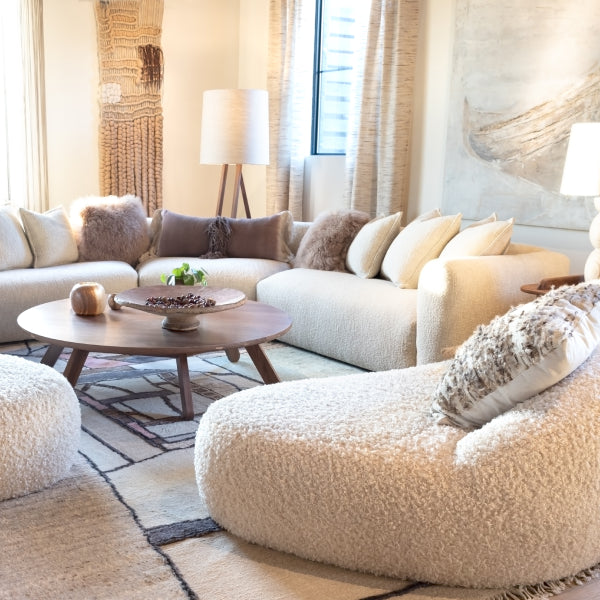
For affluent homeowners commissioning high-quality couches, custom chairs, or custom upholstered furniture, the conversation gets serious here. Makers such as Verellen, Wesley Hall, and LEE Industries are often considered because they can build for the intended feel, not just the nominal size. If the room needs a firmer sit, specify it. If the piece needs to read structured rather than plush, say so. The seat has to look composed after years of actual use, not just on install day.
ADA Compliance and Accessible Bench Design
Accessible bench design is not a watered-down version of luxury, it's disciplined design. For a compliant bench, the ADA Standards specify a minimum seat length of 42 inches, a seat depth of 20 inches minimum and 24 inches maximum, and a seat height of 17 to 19 inches above the finished floor or ground per the ADA Standards. Those numbers exist for a reason, they support easier transfer, stable sitting, and safer standing.

What to preserve and what not to oversize
The common mistake is to assume deeper automatically means more comfortable. It doesn't. Once depth pushes past the accessible range, the sitter can slide forward, lose stable thigh support, or struggle to rise cleanly. That's why a bench for older adults, guests with limited mobility, or multi-generational households needs more discipline, not more bulk.
For Sandy Springs and Roswell homes where universal design is becoming part of the architectural brief, I'd build the accessible bench as a custom object with the right height and a controlled seat plane. That usually means keeping the seating predictable, adding support where the room can absorb it, and choosing upholstery that doesn't visually overstate the frame. If you're coordinating broader bath accessibility as well, safe and stylish handicap bathroom designs can be a helpful reference point for how good accessible design still reads as finished and elegant.
Design moves that protect aesthetics
Accessible seating doesn't have to look clinical. An upholstered base with restrained proportions and clean trim can keep the bench in step with the rest of the room. What matters is that the visual softness doesn't erase the functional target. In a high-end residential project, elegance comes from precision, not from disguising the fact that the piece was designed for real bodies.
Fabric Selection and Upholstery Impact on Final Dimensions
Fabric affects more than style. It changes how the bench builds out, how the edges read, and how much cushion volume the eye expects from the finished piece. A dense textile can make a compact frame feel more substantial, while a smoother covering can make the same bench read leaner and more architectural. If you're specifying a bench for a luxury interior, you need to think about the upholstery as part of the dimension package, not as a finish layer after the fact.
The textile and cushion relationship
Heavy fabrics and structured upholstery techniques demand tighter planning because they alter the visual depth of the seat and the way corners land. A softer construction can read more relaxed, but it also changes how the cushion compresses over time. That's why a bench intended for a crisp dining room should not be built the same way as one meant for a deep upholstered nook. The material and the intended feel have to match.
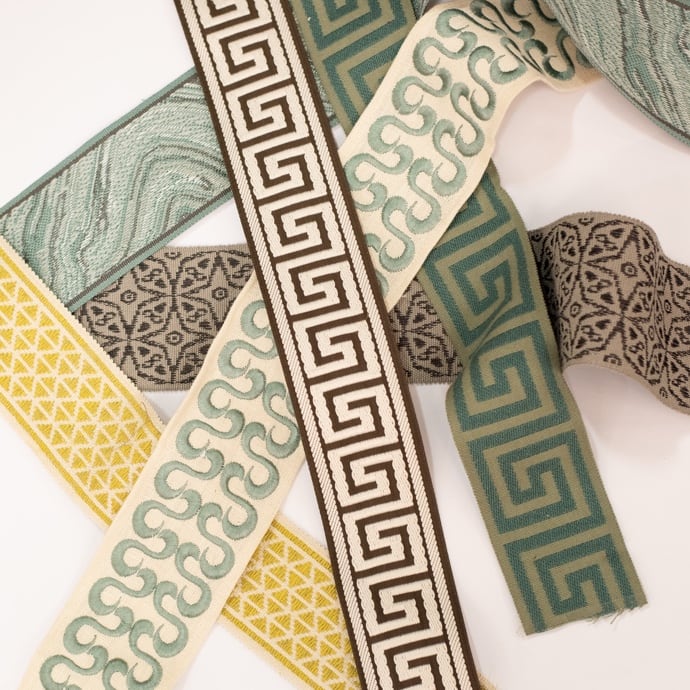
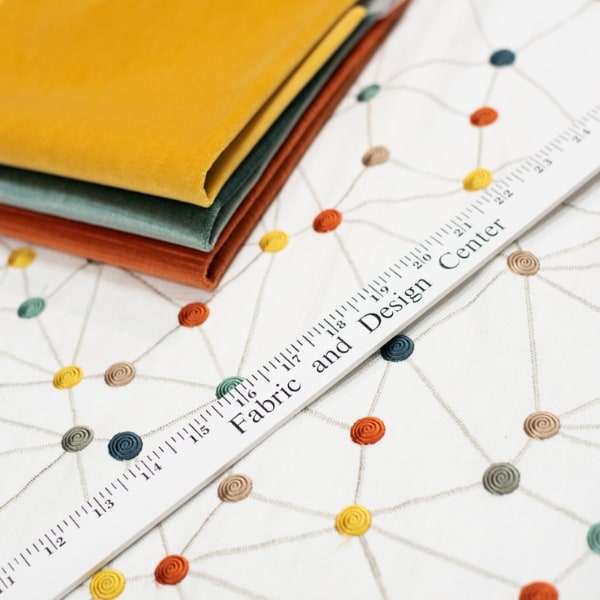
Lewis and Sheron Textiles' fabric selection gives designers access to a broad mix of options, and the practical benefit is that the fabric choice can support the dimensional intent instead of working against it. Their design resource on how to choose upholstery fabric is a useful reminder that fiber, hand, and pattern scale all affect the final result. The sewing side matters too, especially when a fabric needs pre-treatment before fabrication, which is why why prewashing fabric matters is worth reading before any custom upholstery order goes to work.
What to tell the upholsterer
Be clear about how you want the bench to feel, not just how long you want it to be. Say whether you want the seat to read cushioned or lounge-ready. Say whether the project is for a formal dining room, a bedroom alcove, or a hospitality-style entry. Then let the upholsterer shape the cushion build and edge treatment to match.
The best custom pieces don't start with fabric swatches. They start with a clear decision about how the seat should feel under real use.
That's especially true in projects involving designer furniture near me searches, because affluent clients are usually comparing more than one source. A strong upholstery partner should be able to explain how a chosen textile influences the final silhouette, and how the cushion build supports the daily function.
Measurement Checklist for Custom Bench Orders
A custom order goes smoother when the numbers are complete before the first sketch. I tell clients and designers to document the bench the same way they'd document built-in cabinetry, because expensive mistakes happen there. If the room has trim, outlets, vents, or a tight circulation path, those details belong in the measurement set from the beginning.

Record the right numbers
- Overall dimensions: length, depth, and total height.
- Seat specifics: seat height from floor and seat depth from the front edge.
- Back and arms: back height from the seat, back angle, arm height from the seat, and arm width.
- Base and mounting: base or plinth height and clearance from the wall.
Measure at multiple points for accuracy. Floors are rarely perfectly level, and built-ins have a way of revealing every small inconsistency once the upholstery is installed. For a deeper planning workflow, the internal guide on how to measure for a custom sectional is a good companion piece because the same discipline applies to custom seating of any kind.
Don't skip the room context
Baseboards, outlet placement, and window trim can all affect how a bench lands in the room. A piece that looks perfect on a cut sheet may still interfere with door swing or dining circulation if the surrounding architecture wasn't measured with it in mind. For trade professionals, that means the quote should be based on the installation environment, not just the furniture footprint.
If the bench will sit near a table, document the table height and the relationship between the bench edge and the table apron. That single step eliminates a lot of rework later. In custom work, accuracy isn't extra, it's how the project stays expensive in the right way.
Partnering with Atlanta Custom Furniture Experts
Good bench seating comes from good coordination, not guesswork. In Atlanta, that usually means working with people who understand both the material story and the dimensional story, because the best-looking upholstery in the world still fails if the seat is awkward. For homeowners in Buckhead, Alpharetta, Fulton County, and North Atlanta, that matters more than ever as custom sofas, premium sectionals, and statement furniture pieces become part of the overall home strategy.
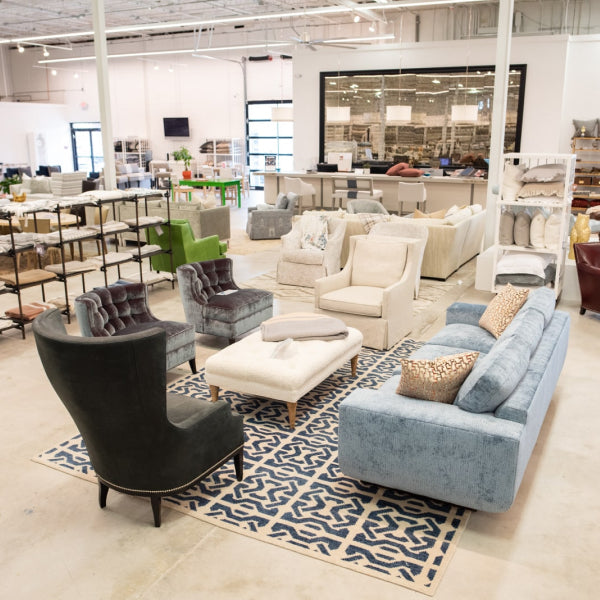
Lewis and Sheron Textiles fits that brief because the showroom brings together upholstery materials, made-to-order furnishings, and in-house design support under one roof. Their approach is practical, which is exactly what custom bench projects need. You can compare textiles, talk through proportions, and make decisions with the people who understand how the dimensions will translate once the piece is built and installed.
For designers and homeowners who care about designer furniture near me searches leading to real expertise, that kind of consultation saves time and prevents bad assumptions. It also keeps the project grounded in what the piece has to do every day, not just how it looks on a render. When you're investing in high-end furniture, custom chairs, or luxury sofas, that's the difference between a decorative object and a piece that performs for years.
Lewis and Sheron Textiles helps Atlanta homeowners and design professionals specify custom upholstered seating, choose fabrics, and coordinate made-to-order furniture with the right proportions from the start. Visit Lewis and Sheron Textiles to explore bench seating, upholstery options, and design support for your next custom project.