
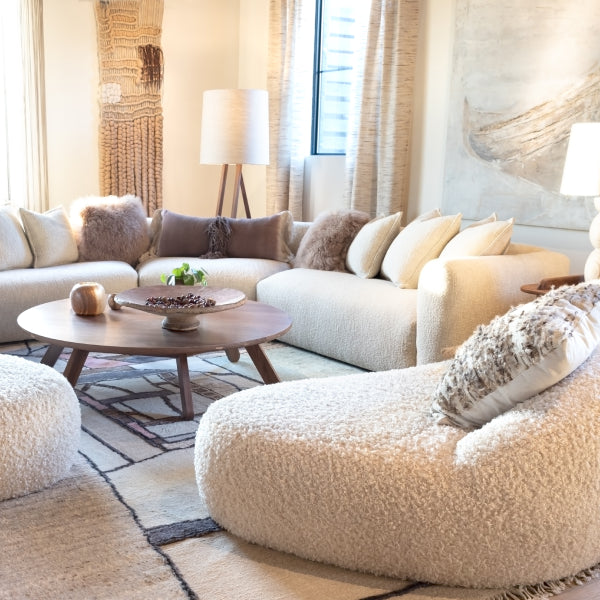
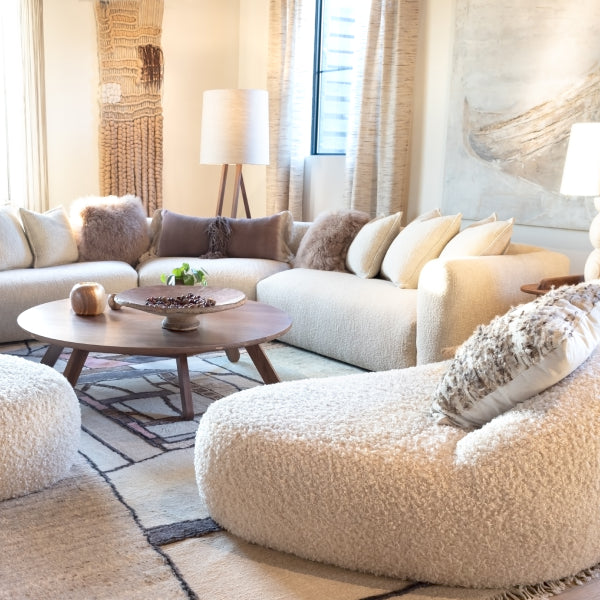
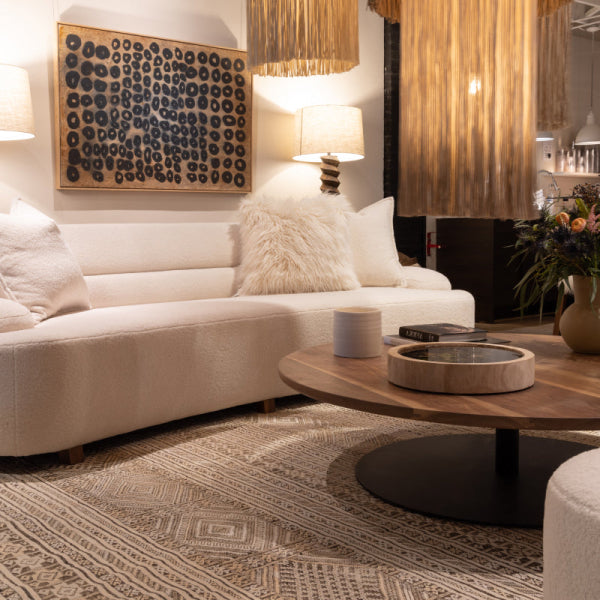
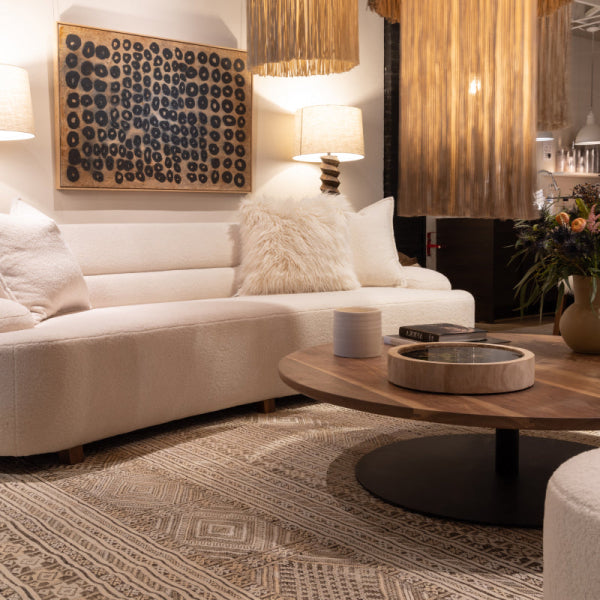




Fashion-forward means being more modern than current fashion or attuned to the latest trends, and in interiors that usually means a room feels ahead of the curve without feeling loud. For an affluent homeowner choosing a sofa, fabric, or statement chair, the question is whether the piece still feels current after the novelty wears off.
That's the test many Atlanta buyers face in Buckhead, Sandy Springs, Alpharetta, and Roswell. You can walk into a showroom and sense, almost immediately, whether a piece reads as thoughtful and future-aware, or whether it's just chasing the moment. A room can look expensive and still miss that feeling of being fashion-forward.
Setting the Scene for Fashion Forward Interiors
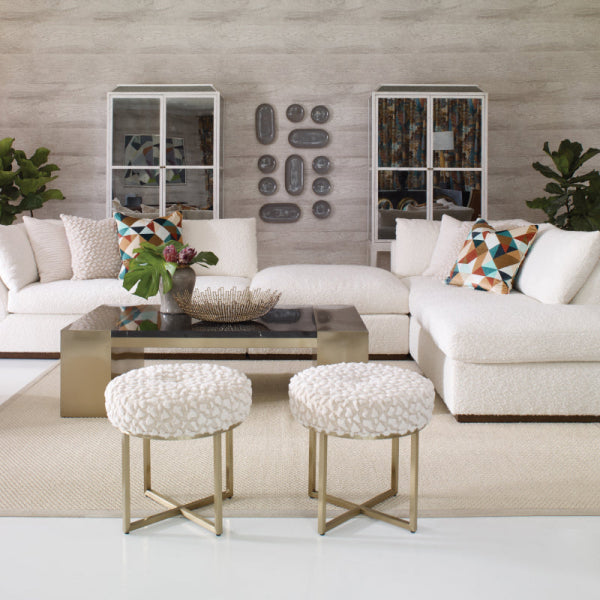
A homeowner in Buckhead walks into a showroom after months of pinning luxury sofas, custom chairs, and premium sectionals. The room looks polished, but one vignette stops her cold because it feels sharper than the rest, less copied, more intentional. That reaction is usually what people mean when they say a room feels fashion-forward.
When a room feels ahead of the curve
The phrase matters because interior buying at this level is rarely impulse-driven. People shopping for high-end furniture and designer furniture near me are usually trying to solve a longer problem, how to make a home feel current now without turning it into a short-lived trend board. That's why a good design resource can be useful, whether you're looking at a kitchen refresh, a bath renovation, or a living room update. Jennifer Gilmer Kitchen & Bath's piece on 2026 bathroom design trends shows how modern taste keeps evolving across the home, even when the goal is still livability.
The same logic applies to upholstery and casegoods. A fashion-forward room isn't one that announces itself with gimmicks. It's one where the scale, silhouette, texture, and finish feel current together, the way a well-fitted jacket looks more modern than something overworked.
Practical rule: If a piece looks fresh because of its proportions and materials, not because it's loud, it usually ages better.
For homeowners comparing custom upholstered furniture to mass-produced pieces, that distinction matters. Custom work can carry a quieter confidence, especially when the finish choices are disciplined. If you're drawn to restrained interiors, the idea of quiet luxury often overlaps with fashion-forward thinking, and this analysis of quiet luxury interior design captures that overlap well.
Defining Fashion Forward for Modern Homes

Fashion-forward still means what the major dictionaries say it means, more modern than current fashion or reflecting the latest trends. Cambridge, Merriam-Webster, Collins, and Oxford all treat it as a standard descriptive adjective, not a niche industry term, which matters because it shows the phrase has moved into common English and can describe clothing, furniture, and home design with the same basic logic.
The concept behind the word
For homeowners, the useful part is relativity. Fashion-forward is not a fixed style category like traditional or contemporary. It is a moving benchmark, so a dining chair, sofa, or console can feel fashion-forward in one season and look ordinary in another if the market shifts around it. Merriam-Webster's nuance makes that clear, because the phrase points to what is more modern than the current baseline, not to a permanent look.
That is the lens to keep in mind as you evaluate furniture in Atlanta or anywhere else where buyers want pieces that last. A showroom chair may look current because of its silhouette, or because its finish speaks to the moment. A fashion-forward home uses that same idea with more discipline, so the room feels timely without becoming dependent on a single passing style.
The visual language below helps make the idea concrete. Fashion-forward design is built from trend awareness, consumer understanding, and choices that are readable, current, and forward-thinking.
A useful way to read it is as a concept map.
- Proactive Trend Adoption means a designer notices what is starting to matter before it becomes overused.
- Consumer Research-Driven means taste is not guessed, it is observed in how people choose and spend.
- Dictionary Definitions, Creatively Applied means the word itself already carries the idea of being ahead of the mainstream.
This consumer data is particularly significant. In one Acxiom survey, 16% of consumers were classified as “Fashion-Forward,” and they were at least twice as likely as other consumers to say it was time to start spending across categories like apparel and electronics. Among women, the segment spent $65.92 per month on apparel, compared with $39.67 for Conservative/Traditional women and $24.07 for Value-Driven women, which shows why the term is useful in buying behavior, not just style language. The dictionary definition is the starting point, and the consumer data explains why marketers, retailers, and designers pay attention to it. Cambridge's definition of fashion-forward makes that link easier to see.
How Fashion Forward Became a Cultural Marker
The phrase changed shape once it moved from editorial language into audience research. Nielsen's analysis of commercial radio listeners found that about 3.67 million people, or 38%, identified as fashion-forward, and that the segment was 57% female and 43% male, with an average household income of $104,000 per year. That's a very different use of the term than praising a jacket or a chair.
From style label to market signal
Once a phrase becomes measurable, it starts doing real work. Fashion-forward consumers were also reported to be likely shoppers, with 67% likely to spend more than $50 in a shopping center each week, and they spent an average of $66 per week on entertainment, compared with $54 for fashion-idler consumers. The point isn't that furniture buyers should care about radio segments. The point is that the label now signals an early-adopter mindset, the kind of customer who notices a fresh silhouette before the rest of the market catches up. Nielsen's listener analysis makes that evolution visible.
For luxury furniture shoppers in Atlanta, that matters because design centers and independent showrooms often see demand shifts before mass retail does. A buyer in Fulton County may not use the phrase “fashion-forward” while shopping, but she's often responding to the same instinct, the desire to pick pieces that feel ahead of the local norm. That's why terms like designer furniture, statement furniture pieces, and heirloom-quality furniture sit in the same conversation. They're all trying to balance freshness with staying power.
A home can be trend-aware without becoming trend-dependent.
That balance is what separates a smart investment from a decorative gamble. Once you understand the cultural meaning of the phrase, it becomes easier to evaluate why one sofa feels like a long-term anchor and another feels like a temporary placeholder. The label is no longer just about style, it's about the type of buyer who wants to be first without being careless.
Key Aspects That Make Design Fashion Forward
A fashion-forward benchmark works because it's relative, time-sensitive, and not fixed. That doesn't mean it's vague. It means the judgment depends on where the market is today, not where it was three years ago or where it might drift next.
Relative to the present market
A piece reads as fashion-forward when it sits a step ahead of what is already being bought. That can show up in the frame profile of a luxury sofa, the arm shape on a custom chair, or the way a sectional handles proportion in a large room. In other words, the object doesn't need to be radical, it just needs to feel like it's leading rather than following.
Time-sensitive by nature
Forecasting enters the picture. In the ICCV 2017 study on fashion forecasting, researchers learned visual garment attributes, clustered them into fine-grained styles in an unsupervised way, and used historical consumer-purchase statistics to estimate each style's temporal trajectory and predict future trends. For brands, that means a fashion-forward assortment is engineered by linking visual attributes to demand history, so buyers can prioritize silhouettes, colors, and materials likely to accelerate in the next selling window. The ICCV paper is a good reminder that “modern” is often the result of pattern recognition.
Not a fixed category
That fluidity matters in homes, too. A chair can be fashion-forward because of its slender legs today, but next season the market may move toward softer lines or more textural upholstery. The underlying standard stays the same, the piece must feel ahead of the present, but the expression changes with taste. That's why affluent buyers in Alpharetta or Roswell often make better decisions when they focus on designer quality, craftsmanship, and customization rather than chasing every visible trend.
- Silhouette: Shape is usually the fastest signal of whether a piece feels current.
- Material choice: Textiles, woods, and finishes can modernize a traditional form.
- Editing: A restrained room often feels more fashion-forward than an overfilled one.
Translating Fashion Forward Into Home Textiles
Oxford's example of “fashion-forward furniture” is helpful because it confirms the phrase belongs in interiors, not only in apparel. Once you apply that logic to upholstery, the focus shifts from clothing analogies to the practical language of high-quality couches, premium sectionals, and custom upholstered furniture.
Where the idea becomes tactile
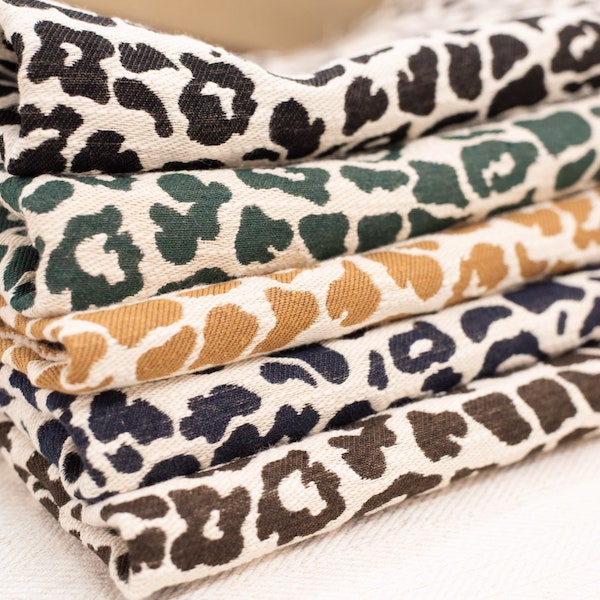
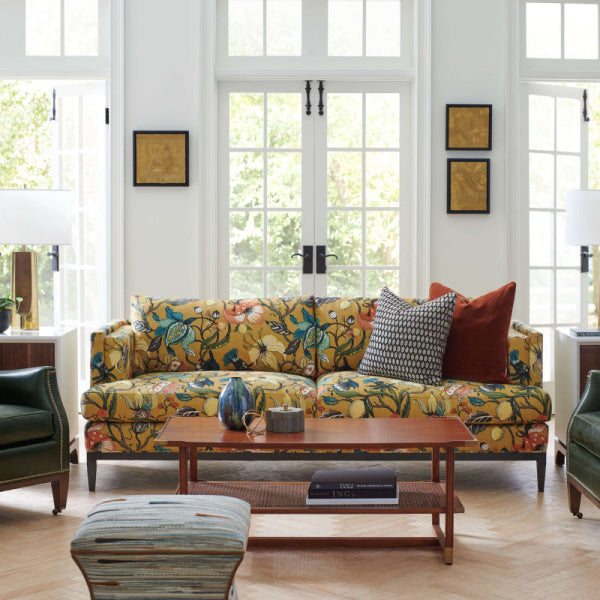
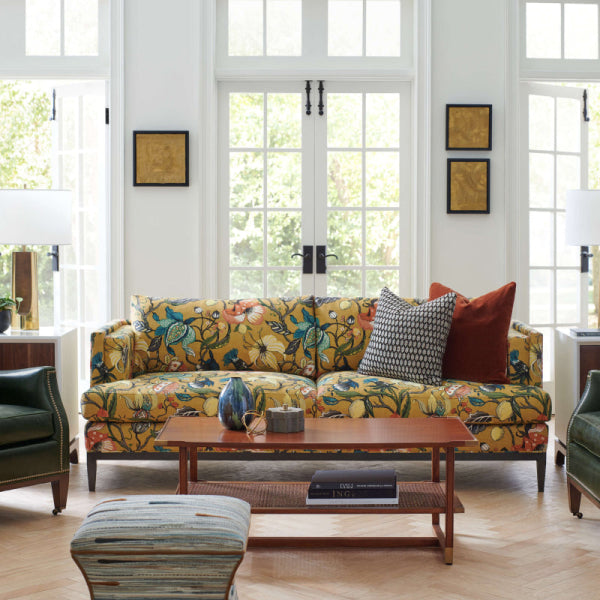
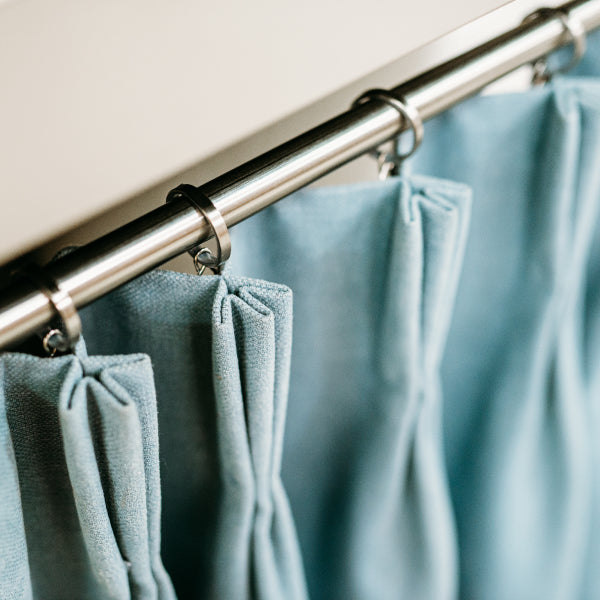
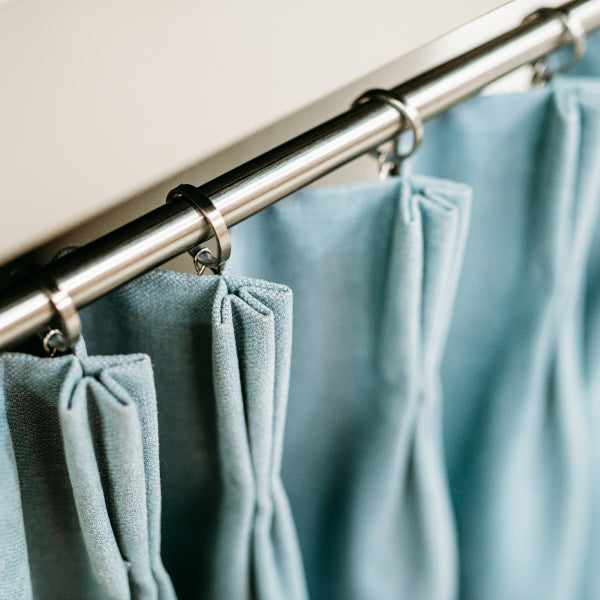
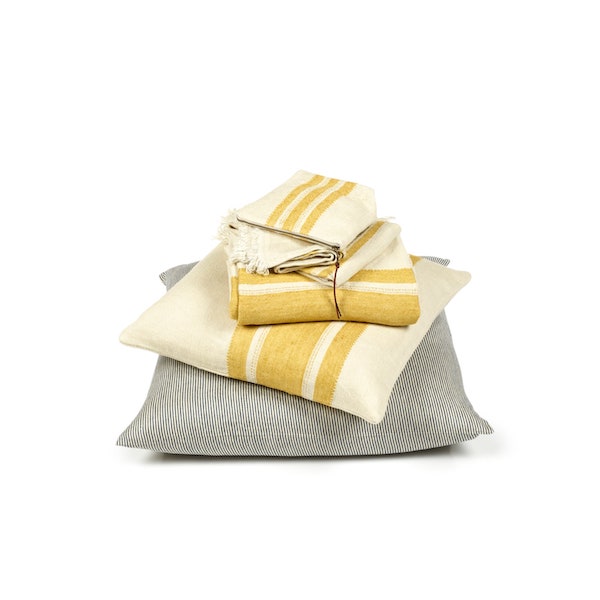
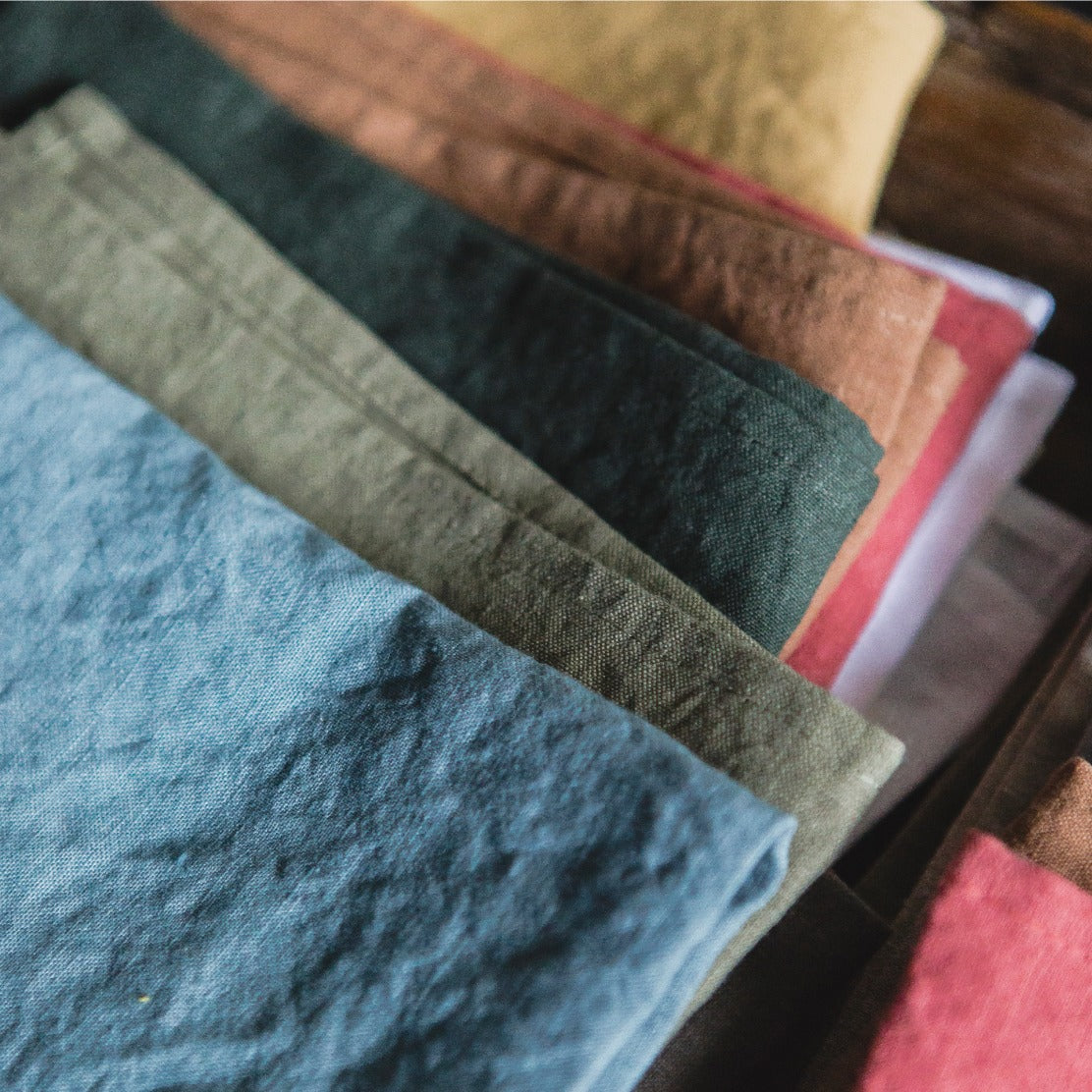
A room feels fashion-forward when the fabric does more than cover the frame. Belgian linen, textured performance cloth, a deep matte weave, or a refined patterned fabric can change the whole reading of a sofa without making it feel like a showroom stunt. That's why custom work matters so much in custom furniture Atlanta searches. Buyers aren't just choosing color, they're choosing how a piece will live in the room, hold its shape, and speak to the rest of the house.
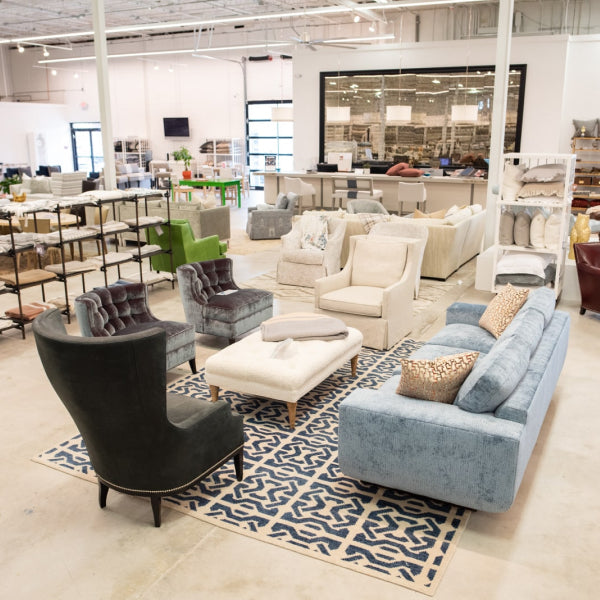
Lewis and Sheron Textiles is one local example of a showroom model built around that logic, with fabrics, custom furnishings, and design support for homeowners and professionals. Their approach aligns with the broader idea that fashion-forward interiors depend on coordinated materials, not isolated star pieces. For a deeper look at textile-driven room planning, their guide on designer fabrics for home decor is a useful companion.
The same principle applies to sleep and upholstery textiles. Fabric choice affects how modern a room feels, but also how it functions day to day. If you're comparing fibers for a bedroom or guest suite, about lyocell for better sleep offers a practical look at a textile associated with comfort and performance.
Design insight: Fashion-forward upholstery usually feels deliberate from across the room and inviting up close.
That's the standard affluent homeowners often want. They want a room that looks polished, yet still works for real family life, pets, guests, and entertaining. In that setting, fashion-forward isn't about novelty, it's about making better material decisions so the furniture looks composed longer.
Concrete Examples of Fashion Forward Fabrics
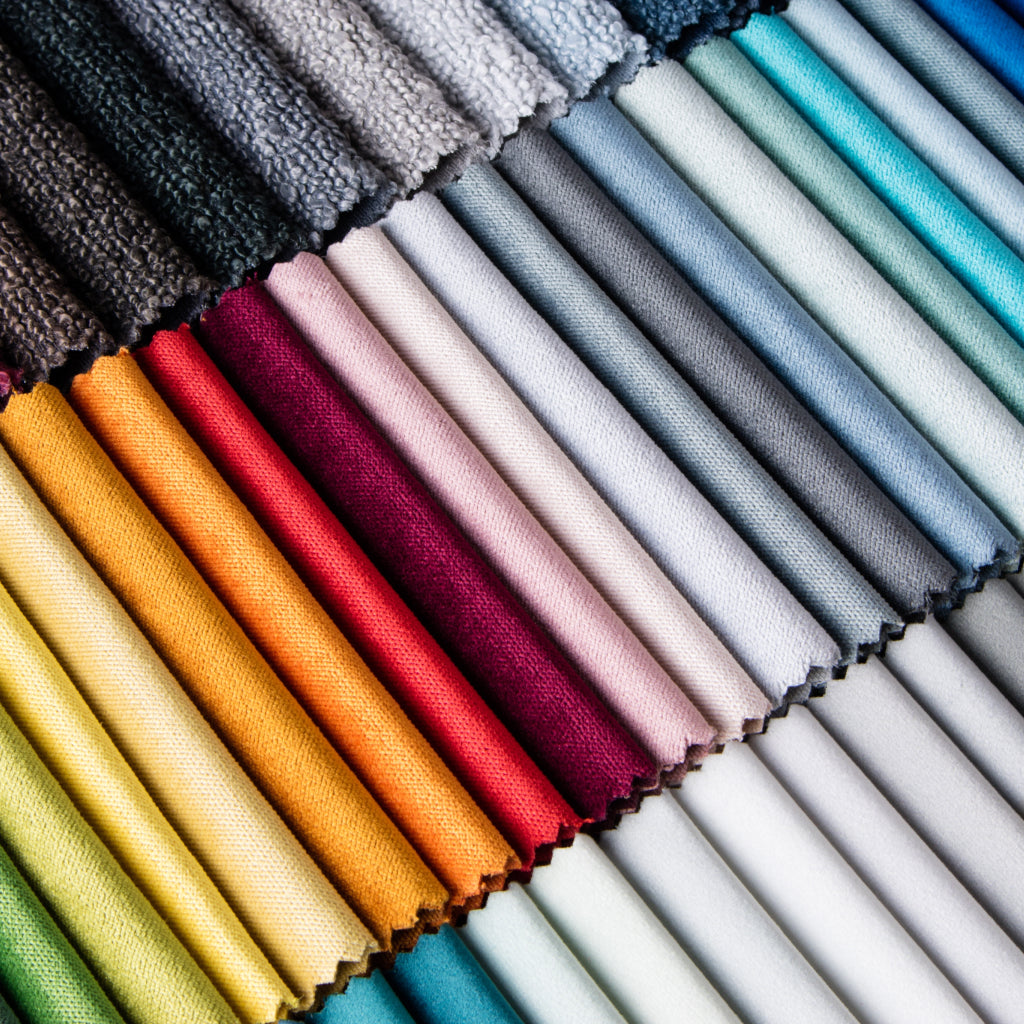
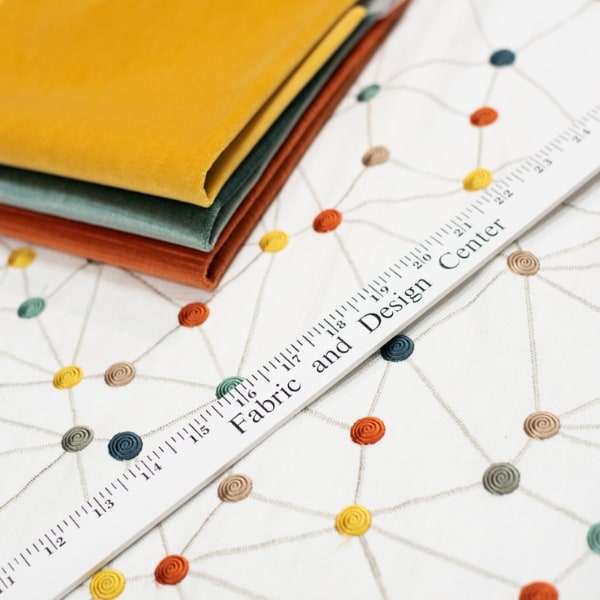
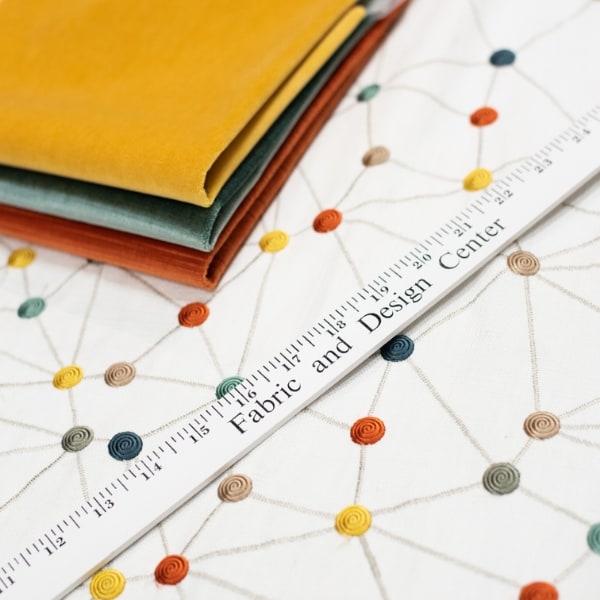
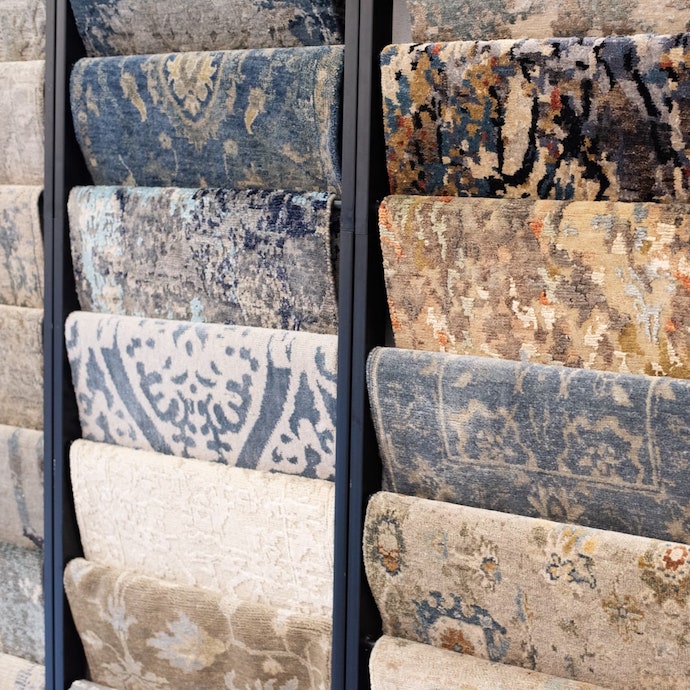
The easiest way to recognize fashion-forward design is to look at the fabric board, not the sales pitch. A room can shift from ordinary to current with one well-chosen textile, especially when the palette and texture feel edited rather than overloaded.
What it looks like in practice
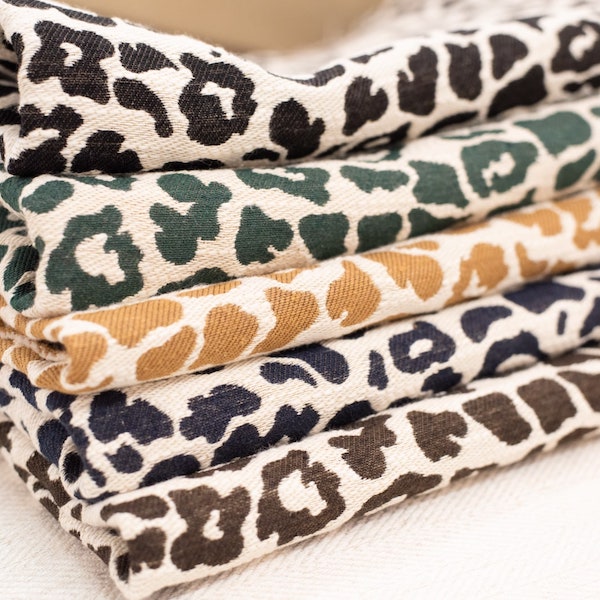
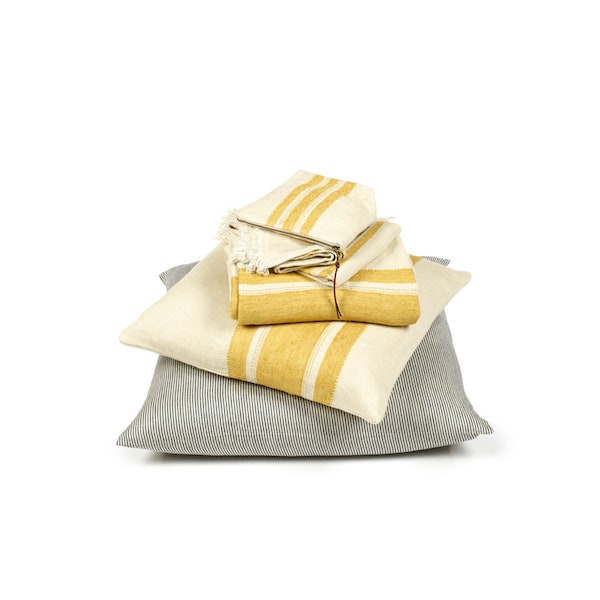
A fashion-forward sofa might use a Belgian linen with visible weave, then pair it with a cushion in a quieter tonal stripe. A custom chair might take a classic shape and update it with a matte textured wool that reads clean instead of ornate. For premium sectionals, a low-sheen performance fabric in a muted organic palette can feel far more modern than a glossy, high-contrast textile that tries too hard.
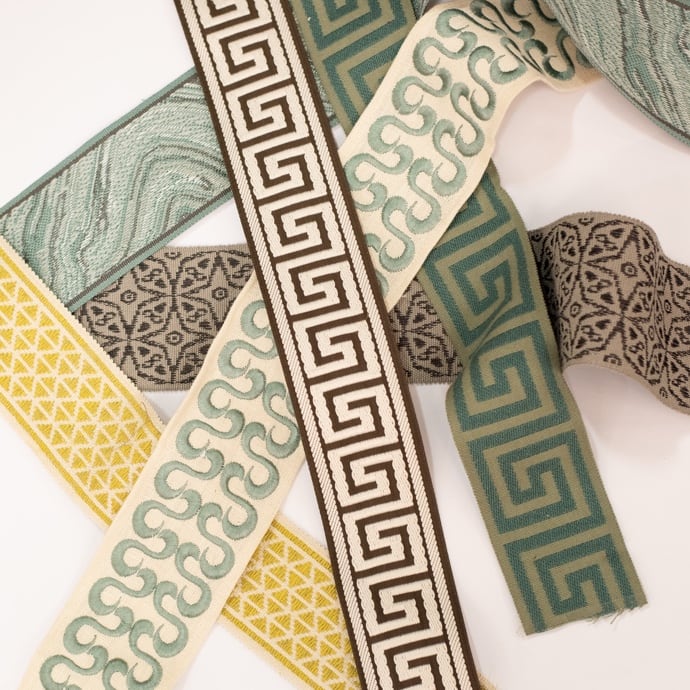
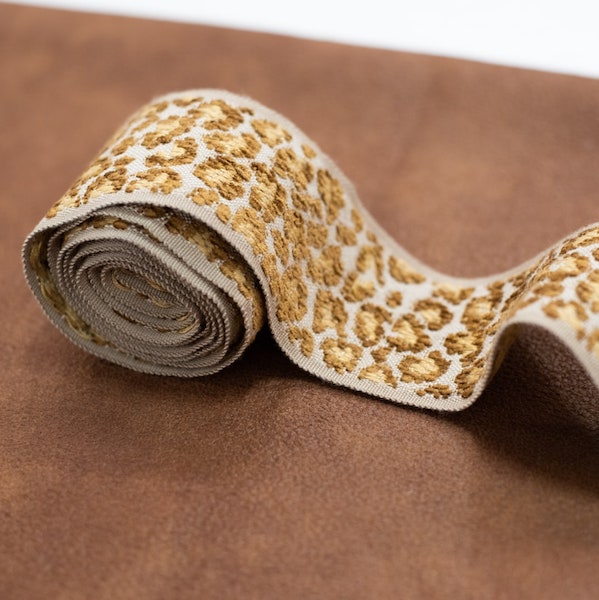
The best examples often mix restraint with one strong gesture. Think of a deep neutral base, then a single accent fabric with geometric patterning or a subtle metallic thread. That's the kind of combination that feels design-conscious in North Atlanta homes because it respects scale, daylight, and everyday use.

A simple fabric reading guide
- Woven geometry: Suggests structure and intention, especially on angular seating.
- Matte leather: Feels more grounded than high gloss, and often suits heirloom-minded interiors.
- Soft organic neutrals: Keep the room flexible while still looking current.
- One unusual finish: Adds distinction without turning the space into a trend sample.
A useful textile-trend reference is the discussion of luxury textile trends for upholstery, especially if you're briefing a designer or comparing swatches in person. The takeaway is simple, the more confidently a fabric balances texture, tone, and usability, the more likely it is to feel fashion-forward without losing its dignity.
Designer Guidance for Lasting Luxury Interiors
The smartest definition of fashion-forward in a luxury home is not “newest” or “most unusual.” It's modern enough to feel current, restrained enough to last, and crafted well enough to justify the investment. That's why affluent buyers in Atlanta often get better results when they start with structure, then layer in trend-sensitive details instead of building the entire room around a passing look.
What to prioritize first
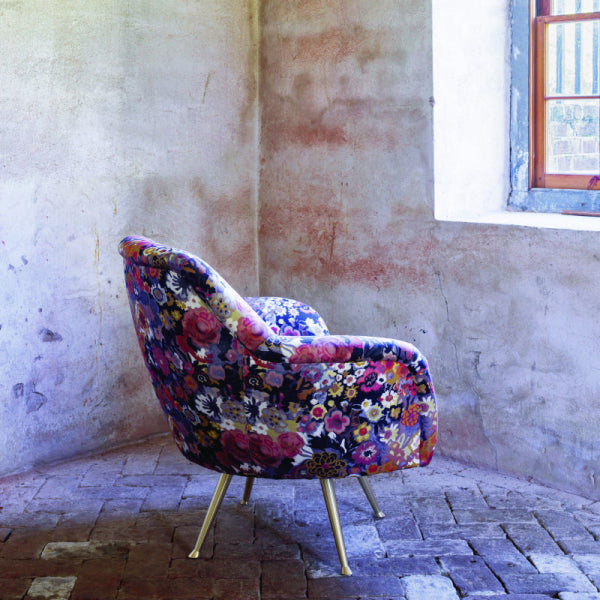
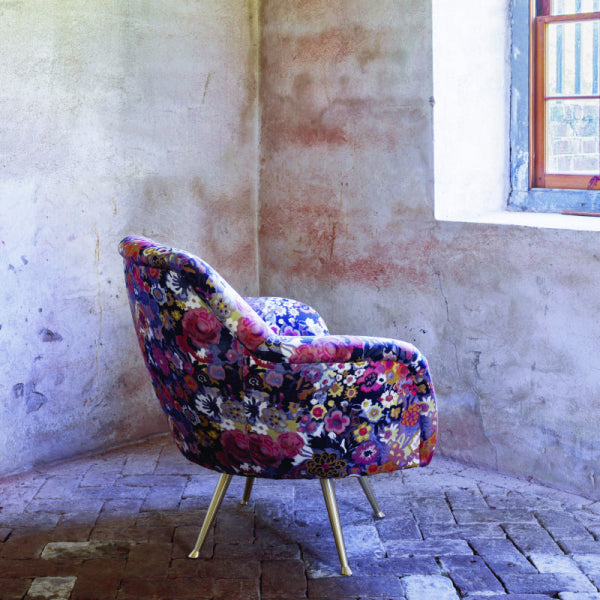
The 2025 to 2026 conversation around modern design keeps circling back to sustainability, inclusivity, and local adaptation, which fits the larger shift away from one-note trend chasing. The useful design rule is the 70-20-10 balance, where only about 10% of an assortment should be experimental, because the market still values a measured balance between innovation and everyday usability. In a home, that means one bold chair or a distinctive side table can carry the fashion-forward note while the rest of the room stays timeless.
For premium buyers, the safest order of priorities is usually this.
- Craftsmanship: Joinery, upholstery quality, and tailoring matter more than a temporary finish.
- Customization: Scale and fabric choices should suit the room, not the catalog.
- Longevity: A piece should still work once the trend moves on.
- Local fit: Atlanta, Buckhead, Alpharetta, Roswell, Sandy Springs, and surrounding Fulton County homes all handle light and proportion differently.
A room can also become more fashion-forward through artful restraint. If you want the furnishings to feel composed rather than crowded, meditative accents and clean lines help. For example, this guide to statuary for meditative spaces shows how a single object can create atmosphere without cluttering the room.
Where the decision gets easier
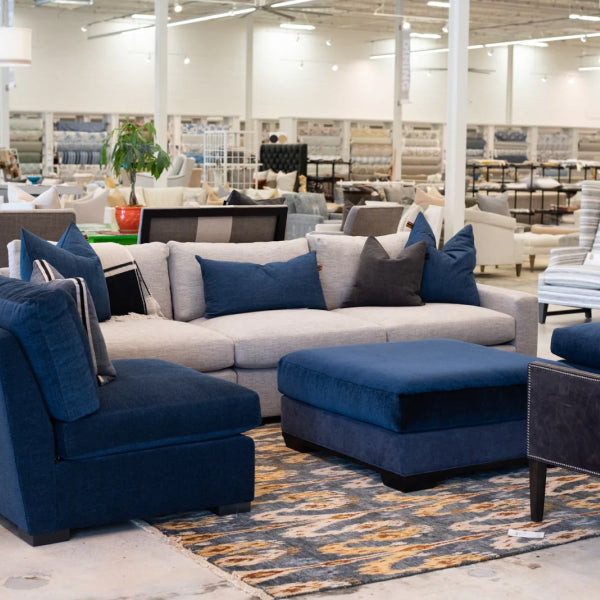
Showrooms matter because you can compare hand, drape, and scale in real light. That's where designer furniture near me searches become practical rather than aspirational. When you touch the fabric, sit in the sofa, and see how the proportions relate to your architecture, the definition of fashion-forward becomes concrete.
If you're choosing between a mass-produced piece and a custom one, ask a simple question. Which option will still feel considered when the room stops being new? In luxury interiors, that question usually leads to the better investment.
Lewis and Sheron Textiles helps Atlanta homeowners and designers source fabrics, custom furnishings, and upholstery that support that kind of decision-making. Visit Lewis and Sheron Textiles if you want to explore luxury textiles, custom furniture options, and design support for a room that feels modern now and lasting later.