



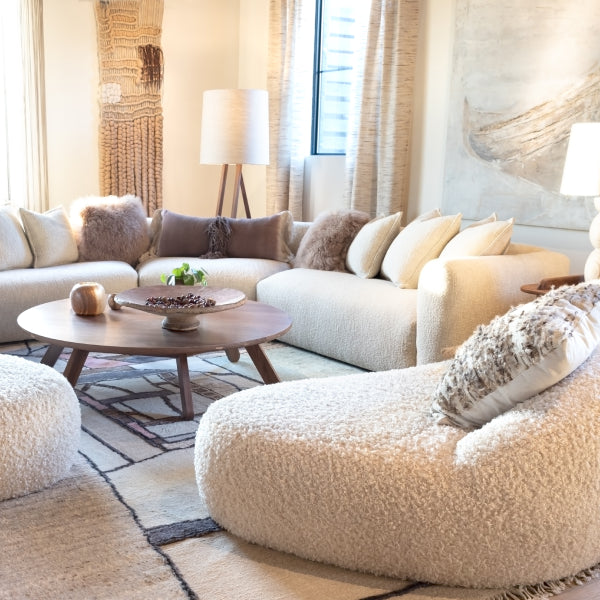
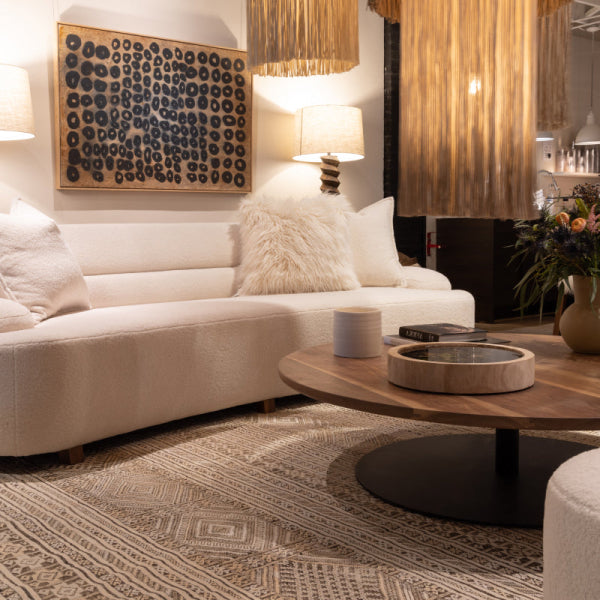











Let's be honest—corners are the trickiest spots in any room. Awkward. Overlooked. Often left empty. But what if that forgotten space could become the anchor for your entire design?
The Secret Weapon of Atlanta Interior Design
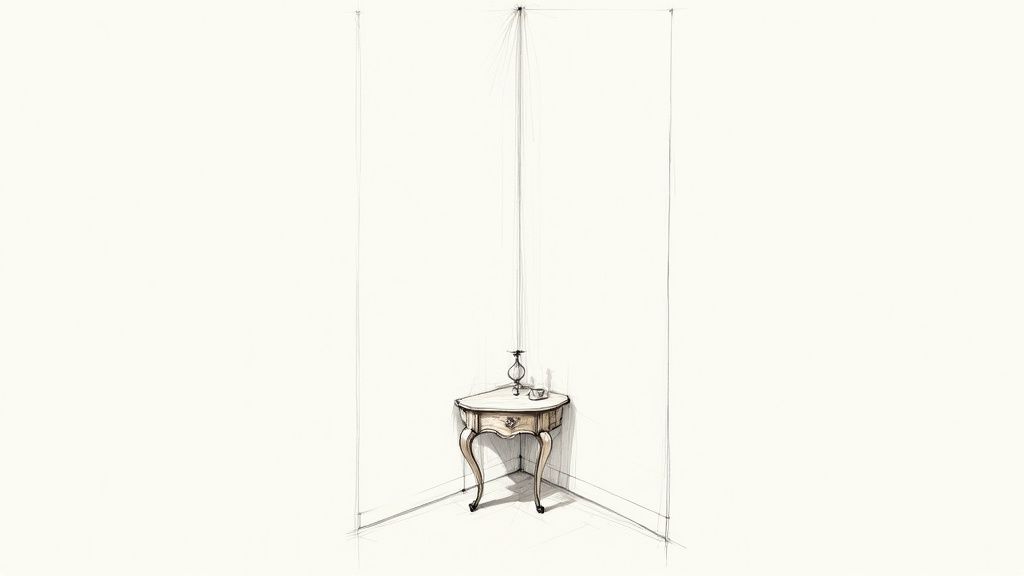
Enter the antique corner table. This is so much more than furniture; it's a slice of history and the secret tool that top interior designers across Atlanta use to breathe soul into a room. We're not talking about a fleeting trend from a big-box store. This is an enduring design solution that solves a very real problem.
An antique corner table merges beautiful form with practical function, turning those underused spaces into statements of character. It’s the kind of detail discerning designers use to add a layer of sophistication and solve spatial puzzles in homes from Buckhead to Alpharetta.
Why This Classic Piece Is Making a Comeback
In the world of high-end furniture, character is currency. Homeowners in Roswell and Marietta are shifting away from mass-produced items, searching for pieces with a story. An antique corner table delivers exactly that.
- Architectural Interest: Its unique triangular or curved shape adds dimension, breaking up the monotony of straight lines and boxy furniture.
- Smart Functionality: It carves out a useful surface in a previously unusable area—perfect for a statement lamp, a collection of books, or a vase of fresh flowers.
- Timeless Style: It pairs beautifully with modern, high-end furniture from brands like Verellen and Wesley Hall, creating a curated, layered look that feels collected over time.
This blend of old and new is the signature of sophisticated Atlanta interior design. It’s about creating rooms that feel collected, not decorated in a weekend. For more foundational knowledge, check out our guide on interior design tips for beginners.
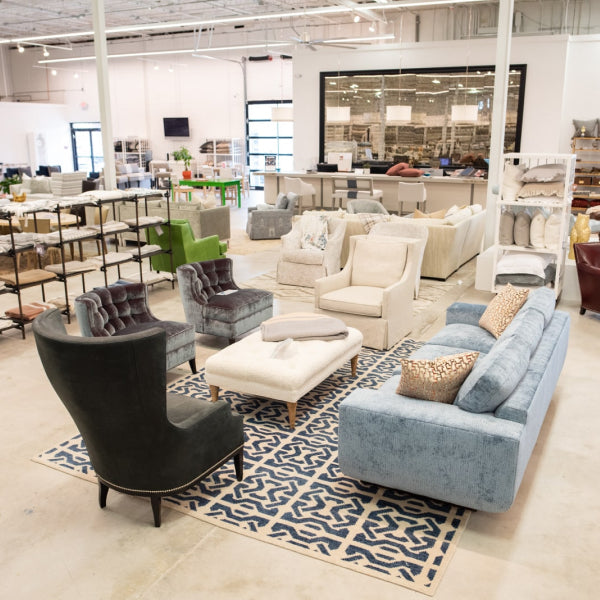
Step inside our Buckhead showroom, and you’ll see this very principle in action. A beautifully crafted Ambella table isn't just an accent; it's a conversation starter. It’s the kind of exquisite furniture that elevates a home from simply being furnished to being thoughtfully designed. This guide will show you how to find and style the perfect one.
A Designer's Guide to Historical Styles
Forget the dry history lessons. Think of this as a design tour, where understanding the story behind an antique corner table helps you choose the perfect one with total confidence. From the graceful curves of Queen Anne to the confident swagger of Art Deco, the culture of each era shaped these pieces into works of functional art.
This isn't just trivia. It’s practical knowledge that will serve you well, whether you're furnishing a historic Roswell home or a modern Atlanta high-rise. Learning to spot these signature details helps you build your design eye, so you can walk into our Buckhead showroom and immediately know which styles speak to you.
Queen Anne The Graceful Curve
Emerging in the early 18th century (circa 1720-1760), the Queen Anne style is all about refined, understated elegance. This period wasn’t about heavy ornamentation; it was about graceful, flowing lines.
- Signature Detail: The cabriole leg is the undisputed star here. Its gentle "S" curve, inspired by an animal's leg, gives furniture a delicate, almost weightless feel.
- Materials: Walnut was the wood of choice, loved for its warm, rich grain. You'll also see pieces in rich mahogany and cherry.
- Best For: A Queen Anne table adds classic sophistication that feels right at home in a traditional West Paces Ferry estate. It’s a natural fit with soft, luxurious textiles and custom upholstery that highlight its gentle silhouette.
Georgian The Confident Classic
Next up is the Georgian period (circa 1714-1830), an era of prosperity that brought grander architecture and design. The furniture from this time mirrors that confidence, with more substantial, symmetrical, and often more ornate forms.
You’ll notice a big shift toward mahogany, a stronger wood that gave craftsmen the ability to carve more intricate details. Think ball-and-claw feet, detailed fretwork, and delicate inlays. This is a style that commands attention without shouting—making it a perfect anchor for a formal living room or a grand entryway.
This era solidified many furniture forms we now consider timeless classics. A Georgian corner table isn't just another piece; it's a slice of design history that looks incredible alongside modern luxury furniture from vendors like Wesley Hall.
Art Deco The Bold Statement
Let’s jump forward to the early 20th century (circa 1920-1940). Art Deco burst onto the scene as a reaction against the fussy styles of the past. It's bold, geometric, and unapologetically glamorous. We're talking symmetrical patterns, sharp angles, and luxe materials like exotic woods, lacquer, and gleaming metallic accents.
An Art Deco corner table is a true statement piece. It’s the perfect way to inject drama into a modern Buckhead penthouse or a chic sitting area in Alpharetta. Its clean lines create a beautiful contrast with contemporary furniture, like a streamlined Verellen sofa, for a dynamic, curated look.
The desire for these kinds of timeless, well-made pieces is only growing. The global market for antique tables is projected to see steady growth, driven by a renewed appreciation for sustainable, beautifully crafted furniture. You can learn more about the rising value of antique furniture from Cognitive Market Research. It’s a trend that confirms what Atlanta's top designers have always known: true quality never goes out of style.
How to Spot a Genuine Antique
Telling a true period piece from a clever reproduction is the ultimate design flex. But it’s not a mystical gift; it’s about knowing where to look and what to look for. Think of this as your guide to becoming a more discerning buyer, arming you with the same knowledge Atlanta's top interior designers use when sourcing their best finds.
The truth is in the details—the tiny imperfections and masterful construction techniques that can't be faked by modern machines. It’s about training your eye to see the story the piece is telling you. This is especially true for antique corner tables, where craftsmanship was everything.
Reading the Signs of Age and Quality
First, talk joints. Before modern machinery, furniture was joined by hand. Look for dovetail joints in any drawers—that interlocking, fan-shaped connection. If they're slightly uneven, with small gaps or little variations, that’s a fantastic sign. It points to a human touch, not the flawless uniformity of a machine.
Next, look at the wood itself. A genuine antique won't look brand new. It should have a patina, that rich, deep luster that develops after decades of polishing, use, and exposure to air. This soft glow is nearly impossible to replicate with today's stains and varnishes. Also, look for subtle signs of wear in logical places, like the edges, the feet, and across the top.
The global market for genuine antiques is a testament to this enduring value. Valued at USD 238.1 billion in 2024, the antiques and collectibles market is driven by passionate collectors who appreciate authentic craftsmanship. You can dive deeper into the robust demand for antiques with this market analysis.
The biggest tell is imperfection. An authentic antique corner table has lived a life. Look for minor nicks, slight warping, or subtle inconsistencies that whisper its history. Perfection is often the hallmark of a reproduction.
This handy decision tree can help you narrow down which stylistic path speaks to your design sensibilities.
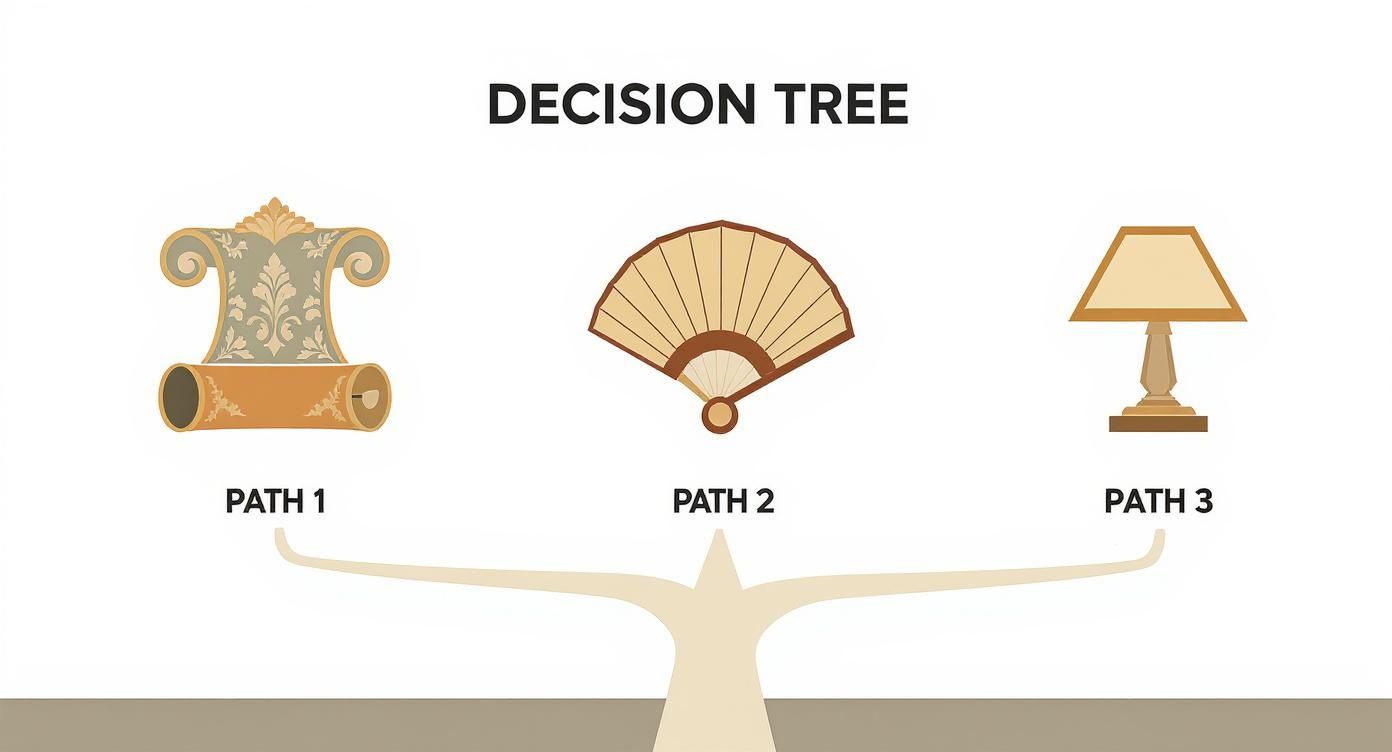
Whether you're drawn to ornate scrolls, clean geometric lines, or simple, honest craftsmanship, understanding your own preference helps you focus your search from the start.
Materials and Hardware Matter
The type of wood can also place a piece in time. Early American furniture often featured local woods like pine, maple, or cherry. Later, in the 18th and 19th centuries, imported mahogany and walnut became the standard for high-end furniture, especially in luxury Atlanta homes.
Finally, check the hardware. Are the pulls, knobs, and locks original? Old hardware will show wear, its own patina, and might have slight irregularities from being hand-cast. If the screws have a single, straight slot instead of a Phillips head, it’s a great indicator of pre-20th-century construction. These small clues build a compelling case for authenticity.
Mastering Placement and Proportion
An exquisite antique corner table can be a serious design problem-solver, but only if it fits the space. Get the scale wrong, and the entire room feels off. A table that’s too large will overwhelm the corner, while one that’s too small will have its unique character swallowed up. This is about mastering perfect placement.
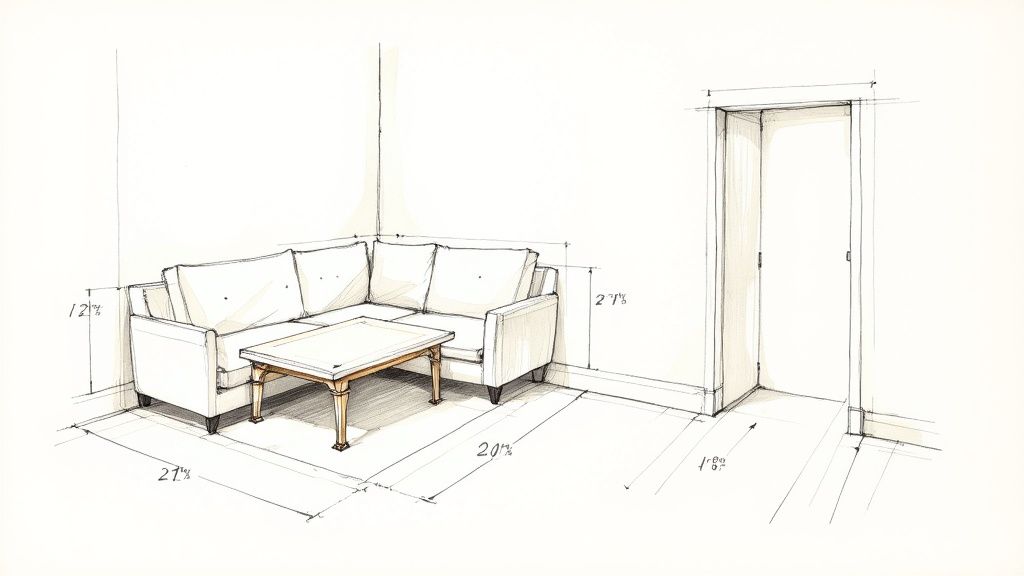
The goal is to create a moment that feels both intentional and effortless. In a grand West Paces Ferry foyer, a larger, more commanding table might be just the ticket. But for a cozy reading nook in a Roswell home, a more delicate piece is the perfect fit. Before you even start your search, grab a tape measure. Map out the corner's footprint and consider the height of nearby furniture, like a Wesley Hall sofa or Lee Industries chair.
Beyond the Living Room Corner
Think beyond the usual spots. An antique corner table can transform any overlooked space into a deliberate, stylish vignette. These forgotten zones are your opportunity to add a whole new layer of sophistication.
- Hallway Landings: That boring stair landing? Turn it into a destination. A small table topped with a beautiful lamp or a single piece of art creates a lovely pause point.
- Spacious Bathrooms: A corner next to a freestanding tub becomes a chic surface for toiletries or a candle, adding a touch of luxury furniture feel to the room.
- Dining Room Buffers: Use a corner table to hold serving dishes or display decor, freeing up space on your main table and improving the room's flow.
The demand for compact, beautiful accent furniture is stronger than ever. In 2024, the global side table market was valued at an incredible USD 13.12 billion, reflecting a massive trend toward pieces that blend vintage style with modern function.
A well-placed antique corner table doesn't just fill a space; it completes it. It anchors the design, improves flow, and proves that every square inch of your home deserves to be beautiful.
To truly unlock your home's potential, especially with pieces like these, understanding the best furniture for small spaces is absolutely key. This knowledge helps you choose pieces that serve a real purpose without adding clutter. Whether your home is in East Cobb or Buckhead, getting the proportions right makes all the difference.
Styling Your Table With Exquisite Fabrics
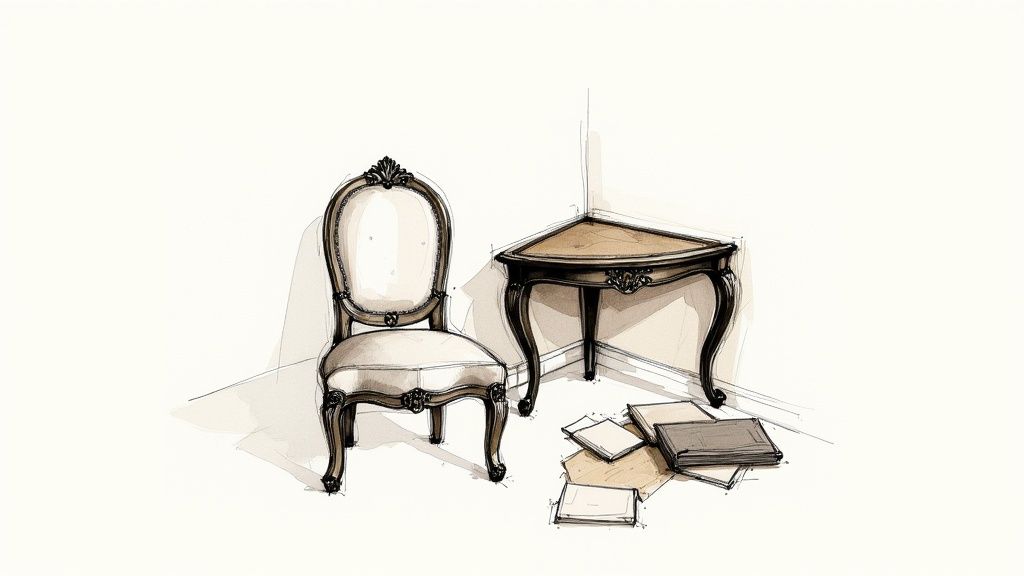
This is where the magic happens. A beautiful antique table is a fantastic foundation, but the styling is what makes it unforgettable. It’s how you take a piece of history and make it completely, undeniably yours.
Think of your corner table as the perfect little stage for showcasing exquisite textiles. This is your chance to play with texture, color, and pattern to create a stunning vignette that feels both timeless and personal. It’s a core principle of elevated Atlanta interior design—layering textures to create depth.
Weaving a Narrative with Fabric
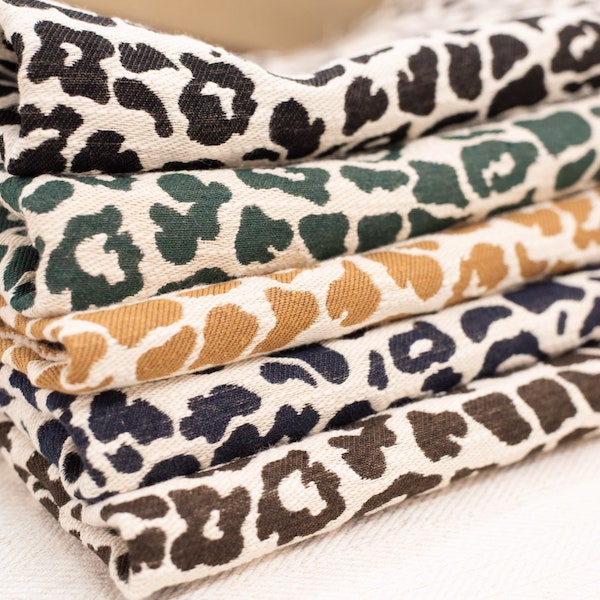
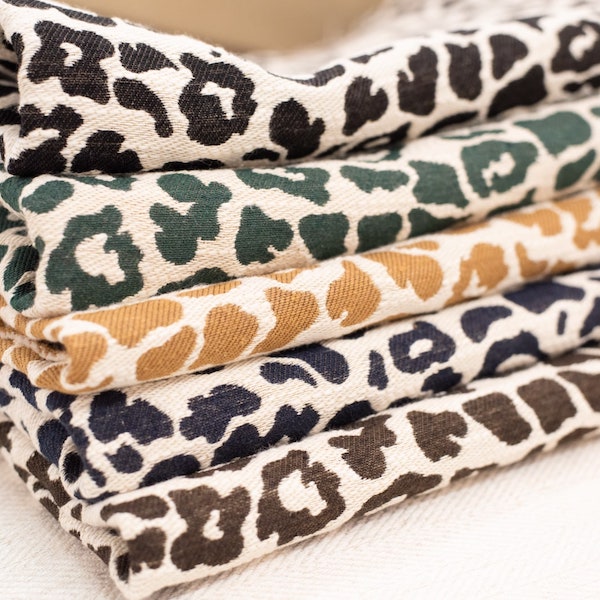
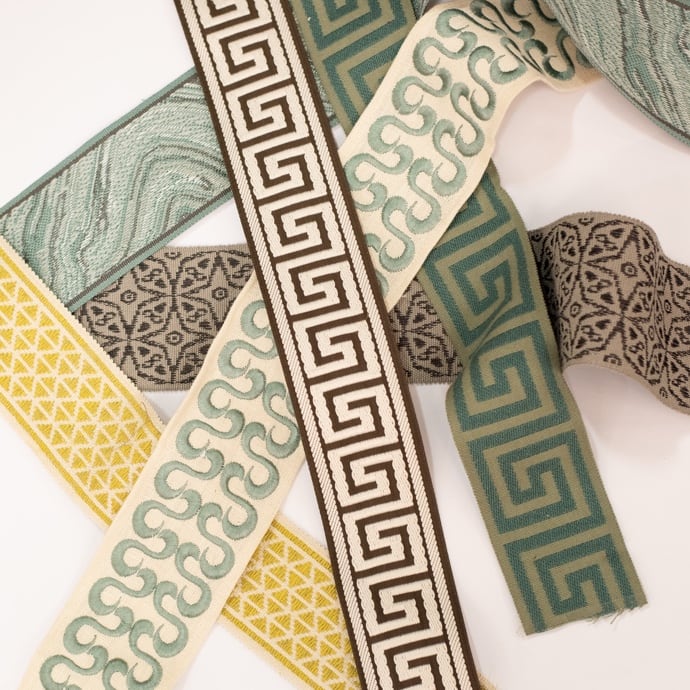
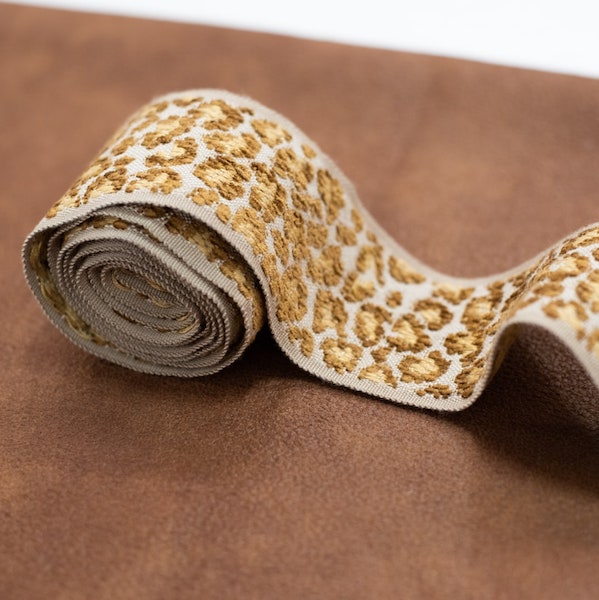
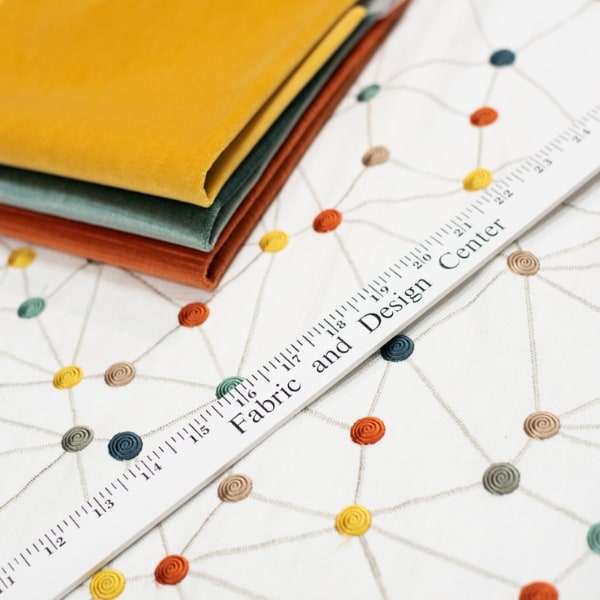
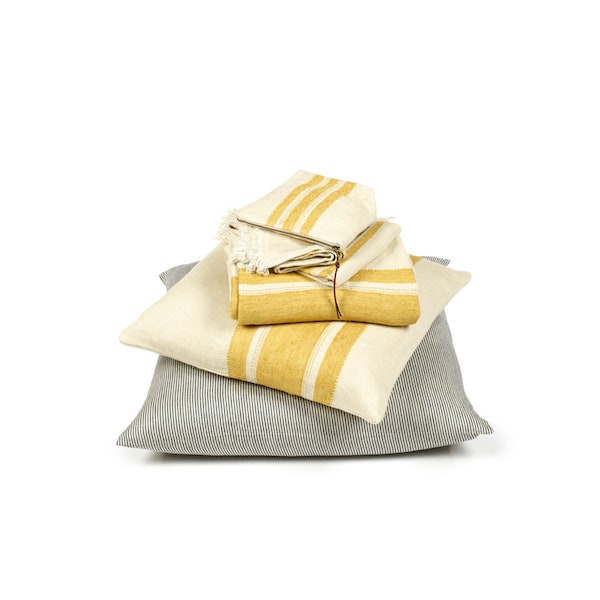
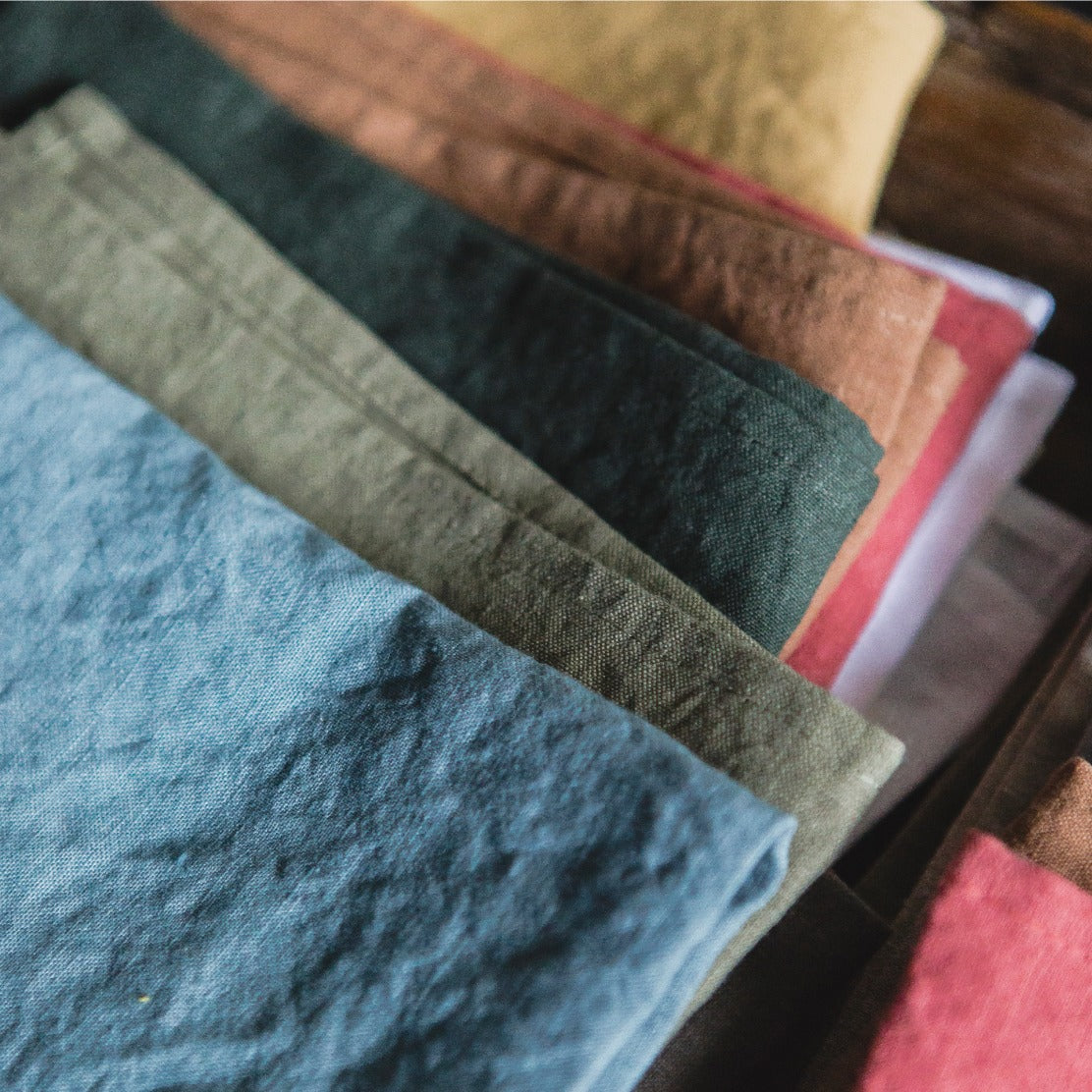
The right fabric tells a story. Imagine draping a length of luxurious linen from our designer fabrics collection across the top, letting it pool slightly on the floor for a touch of drama. Or consider the sharp contrast of a modern geometric print against the soft, aged patina of a Georgian-era table.
This is where our Atlanta fabric showroom becomes your playground. You can explore textures that feel incredible and find colors that make the wood tones of your antique sing. This isn't just decorating; it's curating a moment.
- Create Contrast: Pair a dark mahogany table with a light, airy printed fabric to create beautiful visual tension.
- Harmonize Tones: Select a fabric with threads that pick up the warm undertones of your table's wood for a cohesive, sophisticated look.
- Go Bold: An antique corner table is the perfect piece to handle a bold pattern. A vibrant floral or a striking abstract can turn your corner into the room’s main event.
Beyond the Tabletop with Custom Upholstery
The styling doesn’t have to stop with the table. The pieces around it are just as crucial. Placing your antique table next to a Wesley Hall chair revitalized with our custom upholstery services creates a powerful design statement. Suddenly, the two pieces are in conversation.
For designers in our trade furniture program, this is a secret weapon. Sourcing a unique antique and pairing it with a custom-upholstered piece from a premier vendor like Lee Industries or Verellen is how you create one-of-a-kind rooms for clients from Milton to Marietta. It’s that perfect blend of history and bespoke luxury.
The goal is to make the corner feel like a curated collection, not just a place to set down your keys. Every element, from the fabric on a nearby pillow to the trim on a lampshade, should feel intentional.
By thoughtfully selecting textiles, you elevate your antique corner table from a simple piece of furniture to a true statement of sophisticated design. To get more ideas, explore our detailed guide to selecting elegant table linens and fabrics that will perfectly complement your find.
Preserving Your Investment for Generations
When you bring an antique corner table into your home, you're not just buying furniture—you're becoming the custodian of a future heirloom. Proper care ensures it remains a beautiful, valuable part of your life for decades, ready to be passed down with its own story. This isn't about aggressive cleaning or trendy hacks, but simple, time-tested techniques.
Let's start with the basics, especially here in Georgia. Humidity and strong sun are the biggest threats to fine wood finishes. Place your table away from direct sunlight, which can bleach the color and dry out the wood over time. Your best friend in daily care is a soft, lint-free cloth for gentle dusting. This simple act prevents abrasive particles from scratching the surface.
Simple Care for Lasting Beauty
For the occasional spill, a slightly damp cloth is all you need. Wipe in the direction of the wood grain and immediately follow up with a dry cloth. Steer clear of commercial, silicone-based polishes. They create a cloudy film that's a headache to remove and can complicate future refinishing.
The goal is preservation, not perfection. You want to maintain the rich patina and character that took a century to develop, not erase it.
Knowing how to handle little accidents is part of the territory. To make sure your antique corner table lasts, it helps to understand how to tackle common problems, like repairing water damaged wood furniture. Those small white rings or minor marks can often be handled with gentle methods at home.
However, there are times when it’s best to call in the experts. For deep scratches, a wobbly leg, or any significant structural damage, a professional restorer is your safest bet. A DIY repair gone wrong can seriously devalue the piece. If you want to learn more about what the pros do, our guide on how to restore antique furniture offers fantastic expert insight.
Your Antique Corner Table Questions Answered
We get a lot of questions in our Buckhead showroom about sourcing and styling antique corner tables. From a designer working on a project in Milton to a new homeowner in Cumming, the curiosity is always the same: how do I choose the right one, and what do I do with it?
Here are some of the most common questions we hear, answered by our team.
What Is the Difference Between an Antique and a Vintage Corner Table?
Great question. The answer comes down to age. For a piece to earn the title of a true antique, it needs to be at least 100 years old.
The term ‘vintage’ is more flexible, usually referring to items between 20 and 99 years old. While both have historical character, antiques often carry more value because of their age, rarity, and craftsmanship. We appreciate the story behind every piece, whether it’s a true Georgian antique or a stunning mid-century vintage find.
Can I Mix an Antique Corner Table With Modern Furniture?
Absolutely—in fact, we live for this mix! A thoughtful blend of old and new is the signature of sophisticated, curated interiors all across North Georgia. An antique corner table adds warmth, history, and a unique focal point to a room with contemporary pieces from luxury furniture vendors like Verellen or Lee Industries.
The trick is to find a common thread, like a complementary wood tone, a shared color, or a similar scale. This creates a cohesive look that feels intentional, not random. Our design experts in Buckhead can help you master this beautiful balance, pairing fine fabrics from our Atlanta fabric showroom with the perfect modern pieces to tie it all together.
Mixing styles is what transforms a house into a home with a soul. It's about creating a space that feels collected over time, not decorated in a weekend.
How Do I Know if an Antique Corner Table Is a Good Investment?
A great investment piece comes down to three things: authenticity, condition, and provenance (a fancy word for its history).
When you're looking at a piece, check for original hardware, signs of quality craftsmanship like hand-cut dovetail joints, and a beautiful, age-appropriate patina. A few dings and scratches are part of its story, but you want to make sure the "bones" are good.
Market trends will always come and go, but a well-made, beautiful piece from a desirable period will always hold its value. More importantly, it will bring you joy. Our Lewis and Sheron Trade Program for designers offers access to exceptional pieces vetted for quality, making it a valuable Atlanta interior design resource. At the end of the day, finding a piece you truly love is always the best investment.
Ready to discover the perfect piece to complete your vision? Visit the Lewis and Sheron Textiles showroom in Buckhead to explore our exquisite furniture and designer fabric collections, or get started online.