



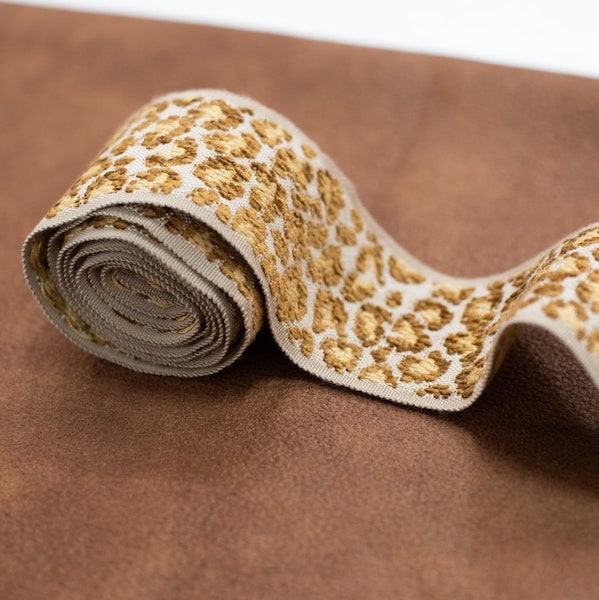


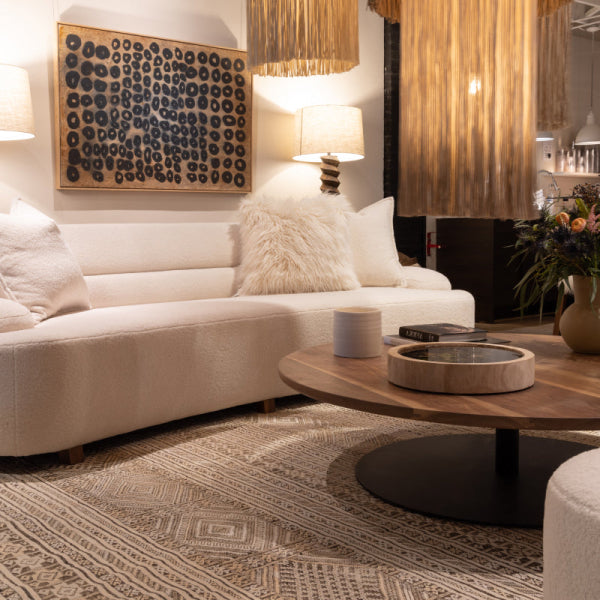


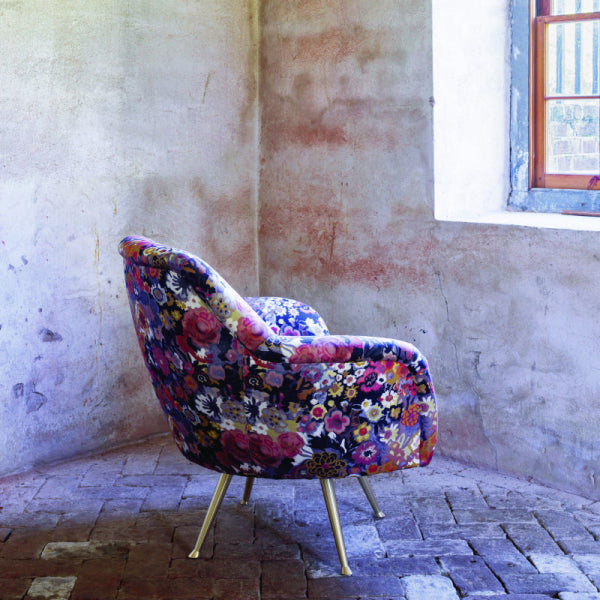












Sewing with lace trim is a designer secret. It's how you take something simple and give it texture, character, and a truly bespoke finish. With quality lace and a few key techniques, you can turn out a flawless, professional-looking piece. Every single time.
The Enduring Allure of Lace in Modern Design
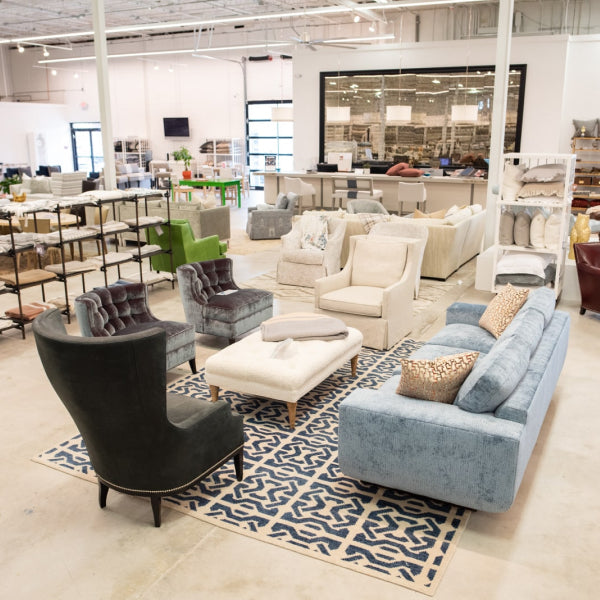
Step inside our Buckhead showroom and you’ll understand why Lewis and Sheron has been Atlanta’s destination for exquisite furniture and fine fabrics for decades. It’s the details. The small touches that separate good design from truly great design.
Lace trim is one of those masterful secrets.
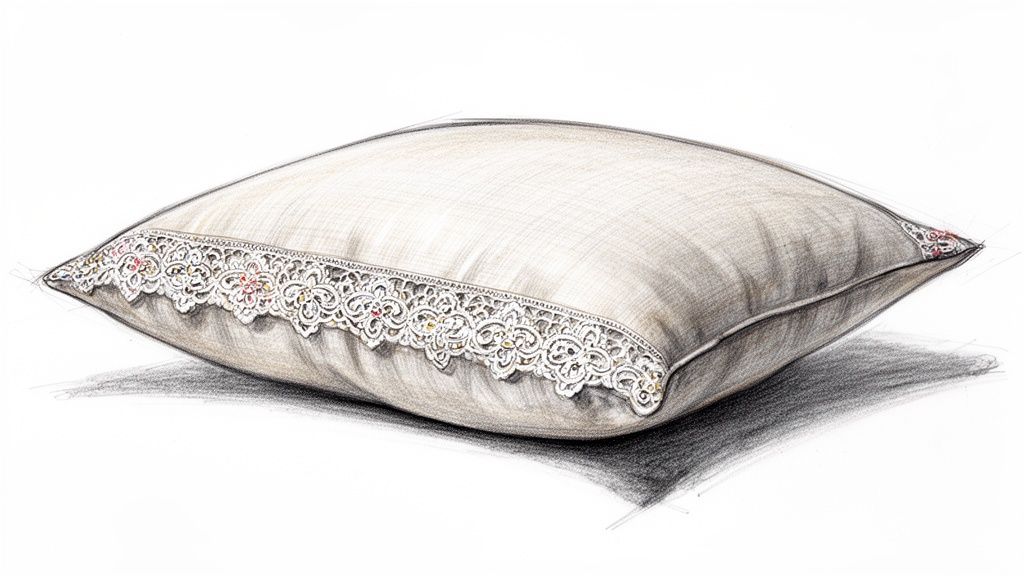
Forget fussy, old-fashioned frills. For today's designers and discerning homeowners, modern lace trim adds a layer of sophisticated texture and personality. It’s that artful touch that turns a standard throw pillow into a custom showpiece or gives bespoke drapery a final, polished edge.
More Than Just an Embellishment
Think of lace as a storytelling tool. A simple strip tells a story of craftsmanship and intentional design. It can break up a solid field of color, introduce a delicate pattern, and add a tactile quality that begs you to take a closer look. For interior designers in Atlanta and homeowners from Roswell to Milton, this is an invaluable way to create depth and visual interest.
A well-chosen lace can do so much:
- Infuse Character: A bold, geometric lace gives a classic Lee Industries chair a fresh, modern identity.
- Add Softness: A delicate, hand-stitched trim softens the clean, architectural lines of a Wesley Hall sofa or a structured Verellen headboard.
- Create a Focal Point: Used strategically, lace draws the eye, highlighting the beautiful drape of a curtain or the tailored lines of custom upholstery.
The difference between a well-made piece and a luxury piece is often the quality of its finishing. High-end lace, just like the fine fabrics Alpharetta designers seek, provides that unmistakable mark of quality.
Quality Is the Cornerstone
Of course, not all lace is created equal. There's a world of difference between flimsy, synthetic trims from big-box stores and the rich cottons and intricate weaves in a dedicated Atlanta fabric showroom. The weight, drape, and durability of premium lace are what make your project look exquisite and stand the test of time.
This is exactly why Atlanta’s most discerning designers have trusted Lewis and Sheron for decades. Our curated collection of fine fabrics and trims is the perfect starting point for creating interiors with soul. Before you even thread the needle, the journey begins with selecting materials that speak to a legacy of quality and timeless style.
Choosing the Perfect Lace for Your Project
Selecting the right lace is where the artistry begins. It’s more than finding a pretty pattern; it's about creating a perfect marriage between your trim and your base fabric. This is your insider's guide to navigating the world of trims like a seasoned Atlanta designer, ensuring your choice elevates your project.
Think of it as casting. Your main fabric is the lead actor; the lace is the supporting role that makes the star shine. A delicate, whisper-thin Chantilly lace is perfect for an ethereal touch on sheer drapery, but it would get lost on a heavy, textured sofa. That's a job for a more robust Guipure or a sturdy cotton Cluny lace.
Matching Lace to Luxury Fabrics
In high-end design, the materials must speak the same language. Pairing a heavyweight Belgian linen with an equally substantial cotton lace creates a look of grounded, organic luxury—perfect for custom upholstery on a Wesley Hall sofa. The textures just work together.
Now, imagine fine silk curtains for a sunroom in an East Cobb home. Adding a fine, lightweight silk or alençon lace maintains that breezy, elegant feel. The key is always balance.
The secret to a designer finish is ensuring the weight and scale of your lace are in harmony with your fabric. A heavy trim on light fabric will pull and pucker. A delicate trim on heavy fabric will simply disappear.
To get you started, here's a quick guide to pairing popular lace trims with the right home textile projects.
Lace Trim Selection Guide for Home Textiles
| Lace Type | Best For | Pairs Well With | Design Vibe |
|---|---|---|---|
| Chantilly | Sheer curtain edges, lingerie, delicate apparel overlays | Silk, organza, voile, fine cotton batiste | Ethereal, romantic, delicate |
| Alençon | Pillowcase edging, heirloom quilts, table linens | Sateen, silk dupioni, high-quality linen | Elegant, classic, refined |
| Guipure | Sofa slipcovers, heavy drapery, decorative pillows | Velvet, heavyweight linen, tweed, canvas | Bold, structural, modern |
| Cluny (Cotton) | Kitchen curtains, aprons, children's clothing, cushions | Gingham, chambray, denim, quilting cotton | Rustic, charming, durable |
| Venise | Lampshades, decorative accents, tablecloth borders | Brocade, damask, jacquard fabrics | Ornate, formal, traditional |
This table is a great starting point, but the best way to learn is by seeing and feeling the textures for yourself.
Developing a Designer's Eye
To nail the perfect lace choice, keep these three elements in mind:
- Scale: How large is the lace pattern? A wide, bold lace makes a statement on something large like a slipcover for a Lee Industries chair. A narrower, intricate design is ideal for smaller accents like pillow edges.
- Color and Sheen: Do you want the lace to blend in or stand out? A tone-on-tone application creates a subtle, sophisticated texture. A contrasting color introduces a pop of personality. Also, consider the finish—a matte cotton lace has a completely different feel than one with a slight sheen.
- Material: The fiber content matters for durability and care. Cotton and linen laces are workhorses, ideal for high-traffic items. Silks and delicate synthetics are best for decorative pieces that won’t see as much wear.
If you're curious and want to go deeper, you can explore the many different kinds of lace and their unique characteristics in our detailed guide.
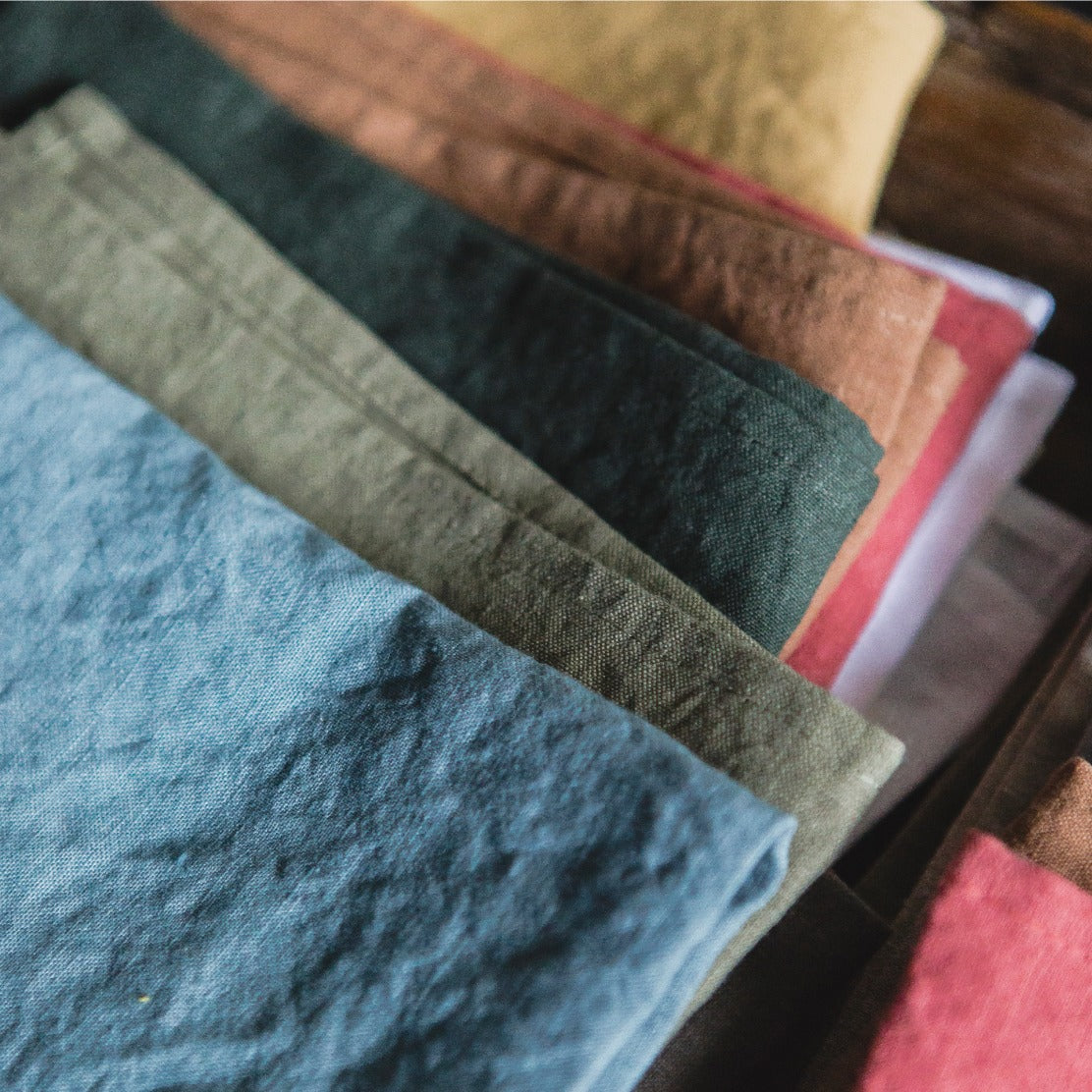
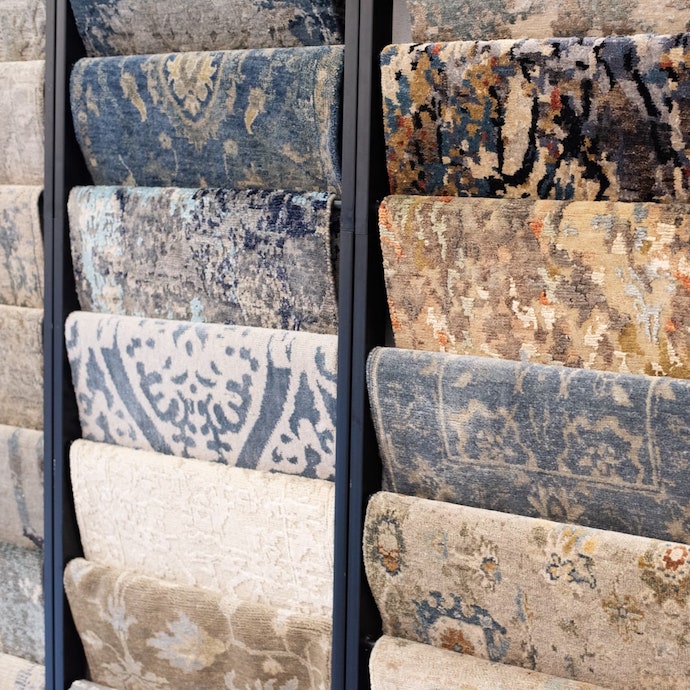
Walking through our Atlanta fabric showroom, you’ll find endless inspiration. Seeing and feeling the textures together is the best way to develop your designer's eye and confidently choose the perfect trim for your next project.
Gathering Your Essential Tools and Materials
Great results don't just happen—they start long before you sit down at the machine. Getting your tools and materials in order is the first step toward a beautiful, professional finish. It makes the entire process smoother, more accurate, and a lot more fun. We’re not talking about basics; we’re talking about the details that elevate a project from "homemade" to "high-end."
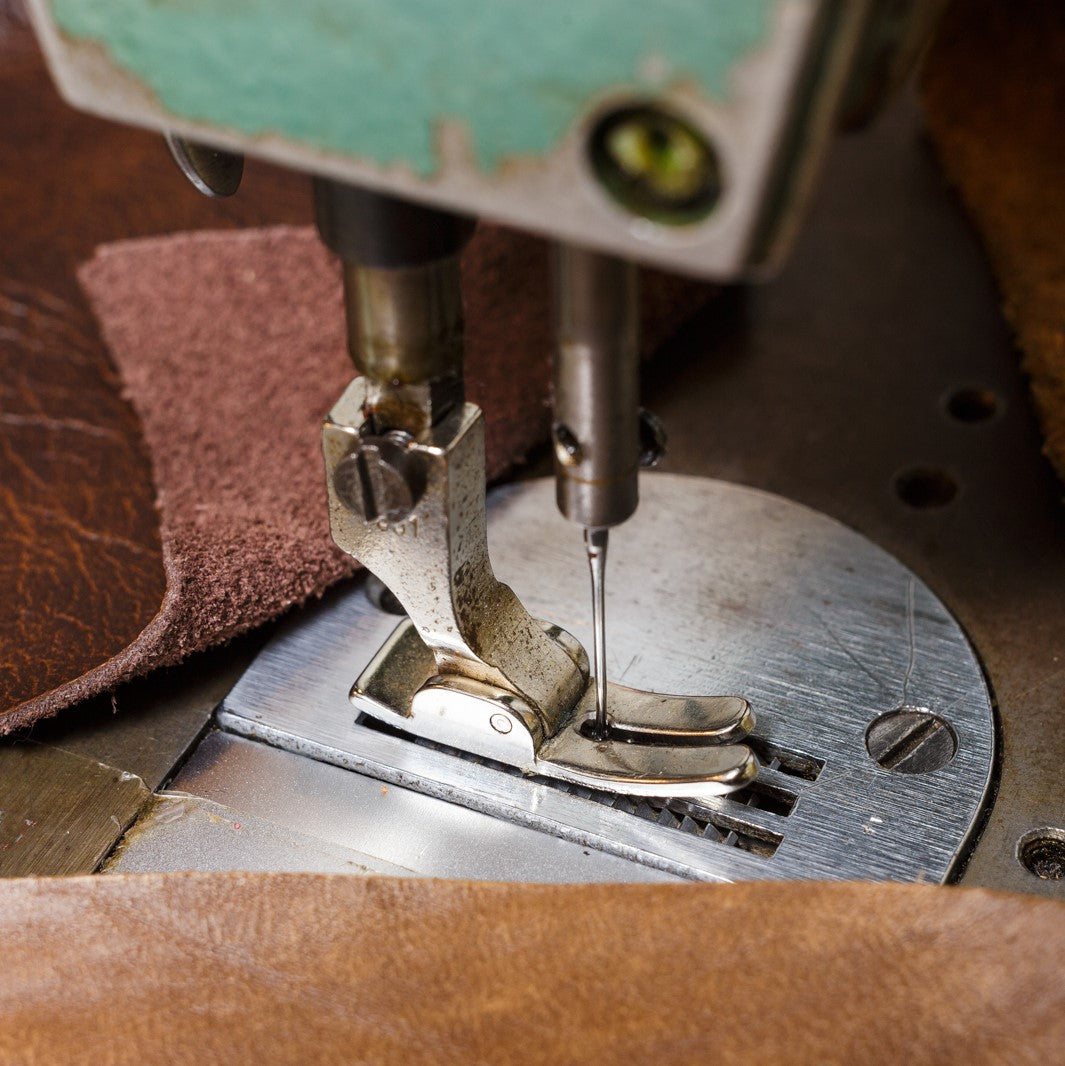
Your sewing machine is the star of the show. While a standard foot might work, switching to a zipper foot or an edge-stitching foot is a game-changer. It gives you the control you need to stitch right along the delicate edge of the lace, creating that clean, barely-there line that screams quality.
The Non-Negotiables for a Flawless Finish
Beyond your machine, a few items are absolutely essential. Trust me, don't cut corners here. Investing in quality tools is an investment in your final product.
- Fine-Point Needles: Lace is delicate. A standard needle can snag or leave noticeable holes. I always reach for a fine-point or Microtex needle, usually a size 70/10 or 80/12. And please, start every new project with a fresh needle.
- High-Quality Thread: You want your thread to disappear. Match it perfectly to your lace or fabric in both color and weight. Good quality cotton or polyester thread blends beautifully and prevents frustrating breaks while you're sewing.
- Fabric Markers or Chalk: Eyeballing it rarely works out. A water-soluble marking pen or tailor's chalk is your best friend for drawing precise guidelines. This guarantees your trim is perfectly straight and evenly placed.
The most important step in achieving a luxury finish is also the one most people skip: preparation. Prepping your fabric and trim prevents puckering, warping, and that sinking feeling of disappointment later on.
The Crucial Step of Fabric Preparation
Here's a tip straight from Atlanta’s top design workrooms: pre-wash everything. I can't stress this enough. Your main fabric and your lace trim need to be washed and dried exactly how you plan to care for the final item. This is especially true for natural fibers. Cotton and linen laces can shrink by as much as 10%. If that happens after you’ve attached them, you’ll have a puckered, bunched-up mess that's impossible to fix.
Once everything is washed and dried, give it all a good press with a hot, steamy iron. This smooths out every wrinkle and gets the materials back to their true, stable shape. Now you have a perfect canvas. This simple step lays the groundwork for every successful lace project.
If you want to dive deeper into the essential tools of the trade, you can discover a world of helpful sewing notions that will take your work to the next level.
Mastering Hand and Machine Sewing Techniques
This is where the magic happens. Your sewing technique brings your design vision to life, whether you're chasing the painstaking detail of a couture piece or need durable efficiency for daily use. In luxury design, both hand and machine sewing have their moments to shine. Knowing when to use each is a secret weapon.
The project is usually the deciding factor. For a delicate, custom lampshade or an heirloom pillow, the control and nearly invisible finish of hand-sewing is second to none. But for long, straight seams on drapery or the robust construction needed for custom upholstery, the sewing machine is my best friend.
The Art of Hand Sewing Lace
There’s something meditative about hand-stitching lace, and the results can be breathtaking. It’s the technique behind those special pieces that feel truly custom-made and luxurious. The goal is to create stitches that practically disappear from the front, securing the lace without distracting from its pattern.
The whipstitch is my go-to for this. It’s a simple, elegant stitch that wraps around the edge of the lace, catching just a few threads of the base fabric.
- First, thread your needle with a single strand of thread that matches your lace and knot the end.
- Next, bring the needle up from the underside of the fabric, right underneath the lace's edge.
- Now, loop the thread over the edge and push the needle back into the fabric, very close to where you first came out.
- Remember to keep your stitches small and evenly spaced—this is key to a clean, secure finish.
This method allows the lace to sit beautifully on the fabric without any visible machine lines. It’s what creates that bespoke, heirloom-quality look.
Precision Machine Sewing
When you need speed, strength, and consistency, nothing beats a sewing machine. This is the perfect approach for projects that will see regular use, like slipcovers for family room chairs or curtain hems. The secret to getting it right is all in the setup.
Before you touch the pedal, visualize the core steps for a successful project.
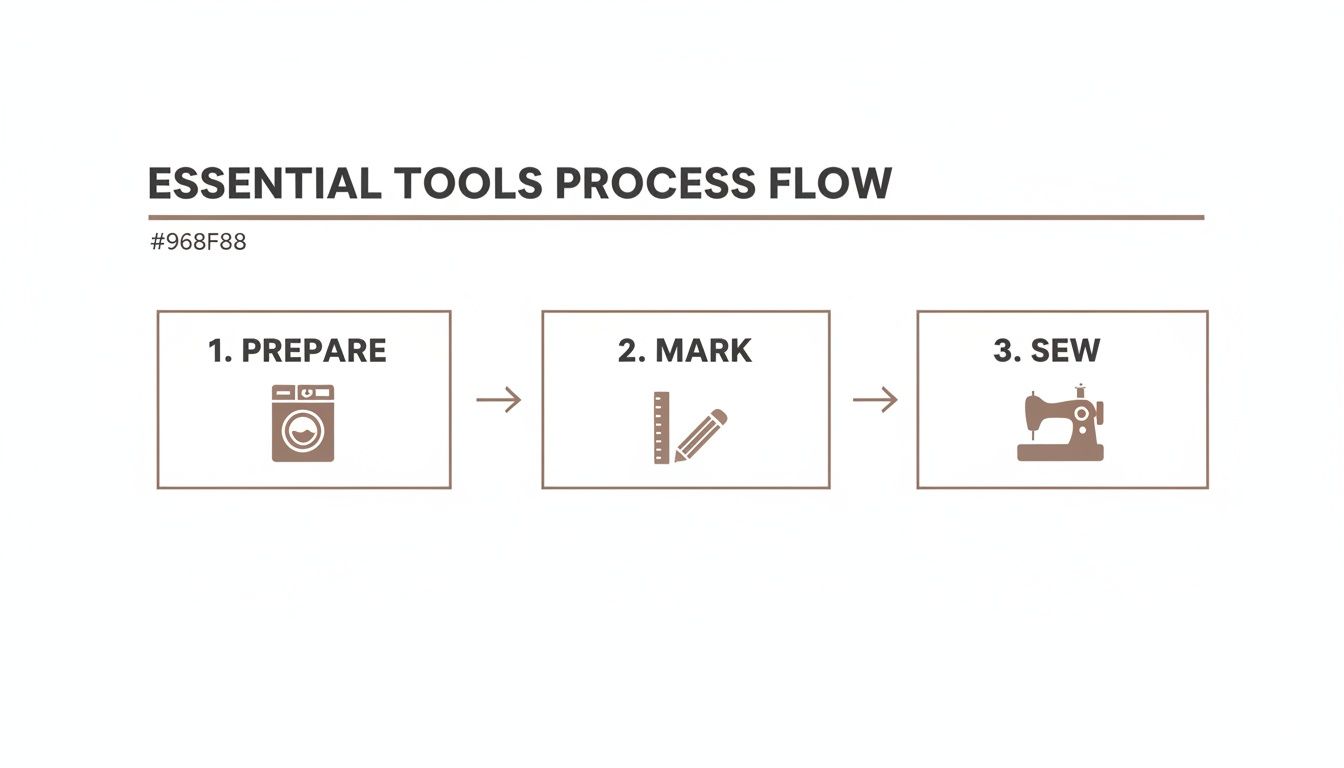
This little visual is a great reminder that sewing is the final stage, built on a foundation of careful preparation and marking. To elevate your work, learning how to sew on trim like a pro is essential for professional and durable results.
For attaching lace with a machine, a narrow zigzag stitch is often your best bet. It catches both the edge of the lace and the fabric, securing it firmly while allowing a little flex. I usually set my stitch width to 1.5-2.0 and the length to 2.0. Always, always test on a scrap piece first! If you see puckering, slightly reduce your upper thread tension until it lays flat.
Pro Tip: When joining two ends of lace for a continuous look—like on a curtain hem—overlap the ends by about a half-inch. Carefully trim the top piece to follow the pattern of the piece underneath. Then, zigzag along that cut edge to create a seamless, nearly invisible join.
Turning a neat corner is another classic challenge. Sew up to the corner, stop with the needle down, lift the presser foot, and pivot the fabric 90 degrees. For an extra-sharp corner, create a mitered fold in the lace before you pivot, tucking the excess neatly. It’s a small detail that makes a world of difference.
Finding Creative Placement and Design Inspiration
This is where the fun begins—when you start thinking like a designer. Let's throw out the old rulebook that says lace only belongs on a hemline. The most breathtaking projects I’ve seen in beautiful Atlanta homes, from Buckhead mansions to charming Roswell farmhouses, use lace trim as a central design feature, not just a border.
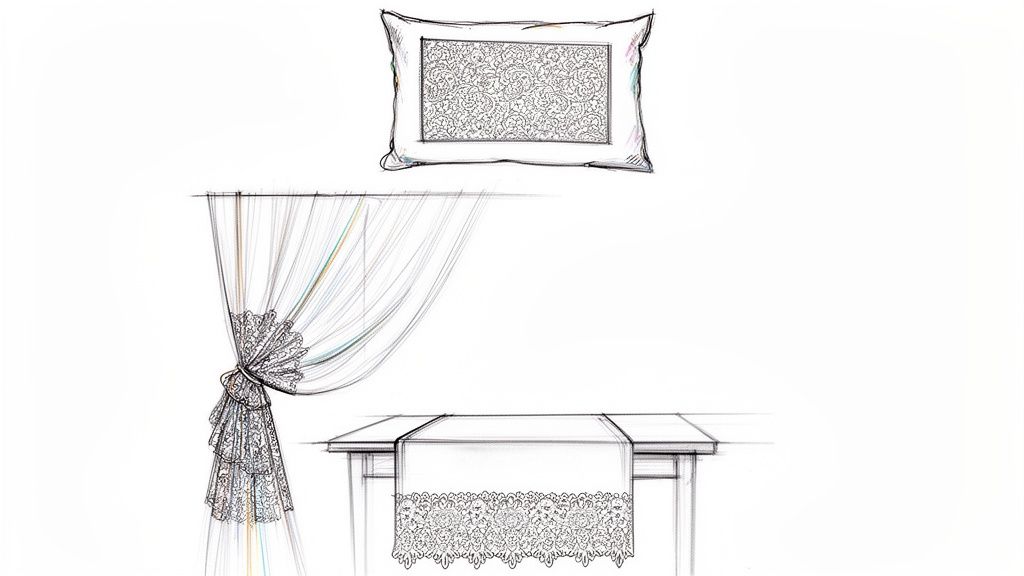
It’s about being strategic and sometimes unconventional. This is your chance to turn a basic project into something bespoke. Instead of just tracing a pillow's outline, ever considered an inset panel right in the middle? This technique, lace insertion, gives you a gorgeous peekaboo effect that adds texture and draws the eye.
Thinking Beyond the Edge
The best approach is to think of lace as a way to tell a story. A single, bold strip of geometric lace can instantly modernize the classic silhouette of a Lee Industries chair, making it feel current. On the flip side, a soft floral trim can beautifully soften the clean lines of a structured Verellen sofa, injecting romance into the room.
To get your creative juices flowing, here are a few ideas:
- Inset Panels: Cut into the main body of a pillow or drapery panel to insert a wide band of lace. It creates a stunning focal point and a sophisticated, layered feel.
- Layered Tie-Backs: Ditch plain fabric tie-backs for your curtains. Craft one from several overlapping layers of different lace trims. The result is a rich, textural detail that looks incredibly high-end.
- Table Runner Borders: Frame a simple linen table runner with a wide, intricate lace border. It’s a classic look that feels both grand and inviting—perfect for hosting dinner parties in Marietta or Alpharetta.
The most memorable designs often arise from unexpected pairings. Don't shy away from mixing a rustic, heavy linen with a surprisingly delicate lace. That contrast is precisely what creates the "wow" factor.
Finding Your Design Muse
Inspiration is everywhere. I often look at how fashion designers use lace to build structure and detail into high-end clothing. Take the Emalie Long Lace Trim Robe, for example; it’s a beautiful showcase of how trim can define a shape and add pure elegance.
You can apply those same principles to your home décor. Vertical rows of lace on a slipcover can make it appear taller and more graceful. Horizontal bands on a curtain can add visual weight and structure. It’s a delicate dance of balancing pattern, texture, and scale to create a look that feels polished and complete.
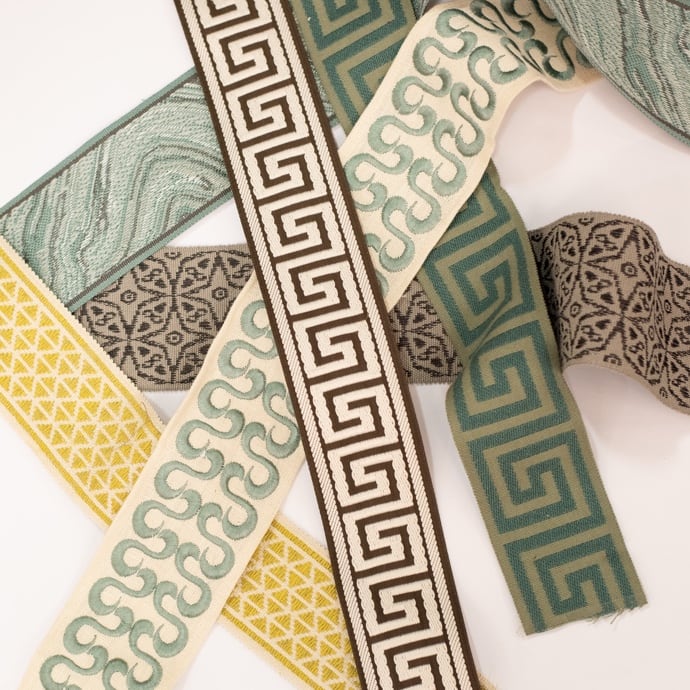
For even more ideas on using different types of embellishments, I highly recommend exploring the world of ribbons and trim in our other design guides. The absolute key is to experiment. Sketch your ideas, drape different laces over your fabric, and see what speaks to you. That's how you'll discover your own signature style.
Finishing Your Project and Caring for Your Lace
That last bit of effort is what really makes a project shine. Once you've sewn on your lace trim, taking a few extra minutes for finishing touches and knowing how to care for it will keep your work beautiful for years. This isn't just about cleaning; it's about preserving the craftsmanship.
First, give your project a final, careful press. Grab a pressing cloth to protect the delicate lace fibers, set your iron to a steam setting appropriate for your fabric, and gently press the seams and trim. This simple step sets your stitches, smooths out any little puckers, and gives the whole piece a crisp, professional look. It makes a huge difference.
Now, take a close look. Snip away any stray threads, paying special attention to where you started and ended your stitching. The goal is seamless. If you hand-sewed, weave the thread tail back through your stitches on the wrong side. For machine-sewn pieces, a few neat backstitches, trimmed closely, will do the job perfectly.
Protecting Your Work for the Long Haul
Let's talk about keeping your creation looking its best. How you wash and dry your newly-trimmed piece is as crucial as how you stitched it. The wrong approach can cause snagging, discoloration, or shrinking—ruining your hard work.
-
Hand-Washing is Best: For delicate laces on special items like heirloom linens or decorative pillows, hand-washing is your safest option. Use cool water and a mild detergent, and gently squeeze out the excess water. Whatever you do, don't wring it out.
-
Machine Washing (with care): For sturdier cotton laces on slipcovers or everyday curtains, a machine wash is often fine. The trick is to always place the item in a mesh laundry bag, use the delicate cycle, and stick to cold water. This prevents the lace from snagging on the machine's agitator.
-
Drying Done Right: Never toss your delicate laced items into a hot dryer. The heat can cause the lace to shrink or lose its shape. The best way is to lay the piece flat on a clean, dry towel or hang it up to air dry.
Think of your handcrafted textiles the way you would any other fine piece in your home. You wouldn't neglect a beautiful Wesley Hall sofa or a custom Verellen piece, and your lace-trimmed creations deserve that same thoughtful attention.
Answering Your Top Lace Trim Sewing Questions
Over the years in our Buckhead showroom, we've helped countless designers and homeowners tackle their sewing projects. We've heard just about every question there is about working with lace trim. Let's walk through the most common ones so you can get started with total confidence.
How Do I Keep My Lace From Puckering?
Puckering—that frustrating bunching of fabric—is almost always caused by one of two culprits: tension problems or fabric shrinkage.
The most critical step happens before you even thread your needle: pre-wash and dry your main fabric and your lace trim. Treat them exactly how you'll care for the finished item. This ensures any shrinking happens before you sew, not after.
Once you're at the machine, switch to a fine needle, like a 70/10, and always test your stitch on a scrap. If you see puckering, gently lower your upper thread tension. Keep adjusting and testing until the fabric lies perfectly flat.
Is It Possible to Add Lace to Something I've Already Made?
Absolutely. This is one of my favorite ways to give new life to older pieces. It’s an easy and incredibly effective refresh.
For items with a simple edge, like pillowcases or curtain hems, you can often just topstitch the lace right on top. It's a quick update with a big impact. If you're working on something more complex, like a slipcover, and want a seamless look, you can carefully pick open an existing seam, tuck the lace inside, and sew it back up. This is a go-to technique in high-end upholstery for a reason.
The real secret to a professional result isn't fancy equipment—it's preparation. Taking those few extra minutes to pre-wash, press your materials, and test your stitches on a scrap is what elevates a project from homemade to a high-end, designer finish.
Ready to discover the perfect lace for your next masterpiece? Explore the curated collection of designer fabrics and trims at Lewis and Sheron Textiles and let's bring your vision to life. Stop by our Atlanta showroom or browse our selection from anywhere.