



















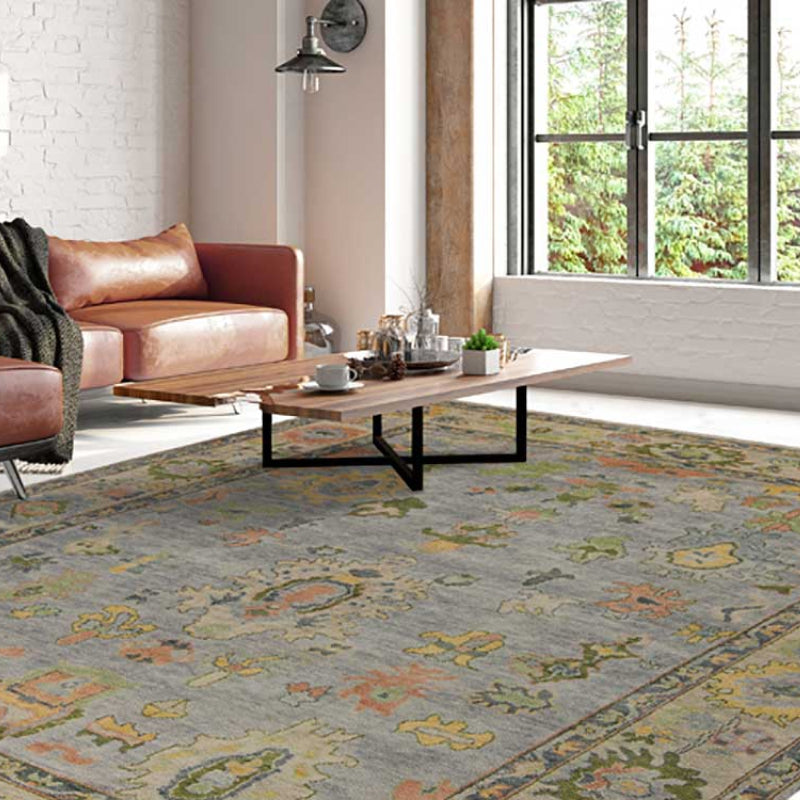
Working with an interior designer is more than picking pretty paint colors. It's translating your life into a cohesive, functional, beautiful space.
And the secret to a great project? It’s not a magic formula. It’s killer communication, a realistic budget, and a shared vision before a single piece of furniture is ordered.
This is your roadmap. Let’s get started.
Preparing for Your First Design Consultation

Think of that first meeting as less of an interview, more of a creative brainstorm. It’s your chance to see if your personalities and aesthetics just click. When you show up prepared, a vague chat becomes a powerhouse strategy session.
You’re not expected to have all the answers. Just the right questions.
You live in the space. You know where the morning light hits, which chair everyone fights over, and where the mail always piles up. This is the gold you bring to the table. Nailing down what makes a strong design brief beforehand makes the whole process smoother and ensures your designer gets you from day one.
Define Your Vision and Budget
"I'll know it when I see it" is a project's kryptonite. You need a starting point.
Think feelings, not just furniture. Do you want the space to feel like a cozy retreat or an entertainer's dream? Relaxed and lived-in or sophisticated and polished?
Start a visual diary. Pinterest is great. So are old-school magazine clippings. Collect textures, colors, art, even fashion that speaks to you. This visual language helps a designer understand your style, even if you can’t put it into words. If you're stuck, a few basic interior design tips for beginners can give you a solid foundation.
Next up: the budget. The conversation everyone dreads, but transparency is non-negotiable. It covers more than just the pretty things.
- Designer Fees: How do they charge? Hourly, flat fee, or a percentage? Get it in writing.
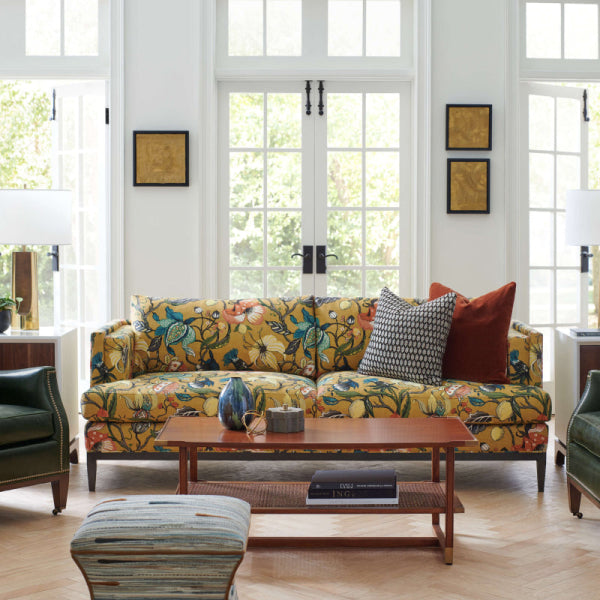
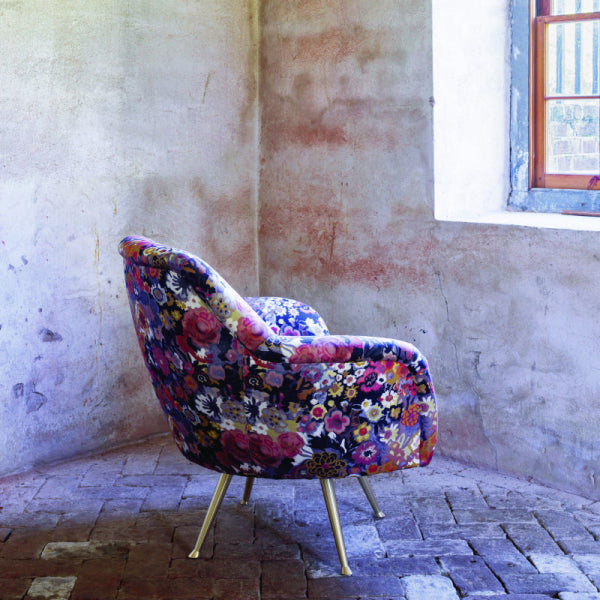
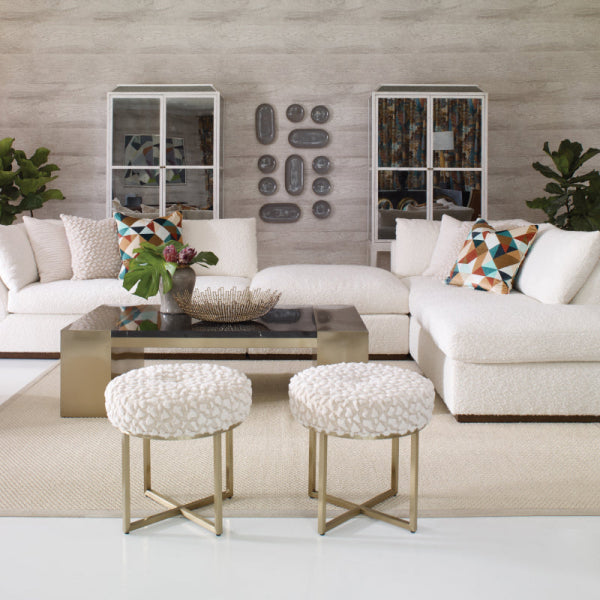
- Furniture & Fabrics: The main event. This covers everything from a statement Wesley Hall sofa to the exquisite designer fabrics for custom upholstery.
- Contingency: The secret weapon. Always set aside 15-20% for the unexpected. Because something always comes up.
A well-defined budget isn't a limitation; it's a roadmap. It empowers your designer to make strategic choices, investing in foundational pieces that define a room and deliver maximum impact.
Being upfront about your numbers lets your designer guide you to the right resources. They’ll know whether to source from the best high-end furniture stores in Buckhead or dive into the fine fabrics Alpharetta designers covet. It’s all about a realistic plan to achieve the luxury you’re after.
Understanding Designer Fees and Contracts
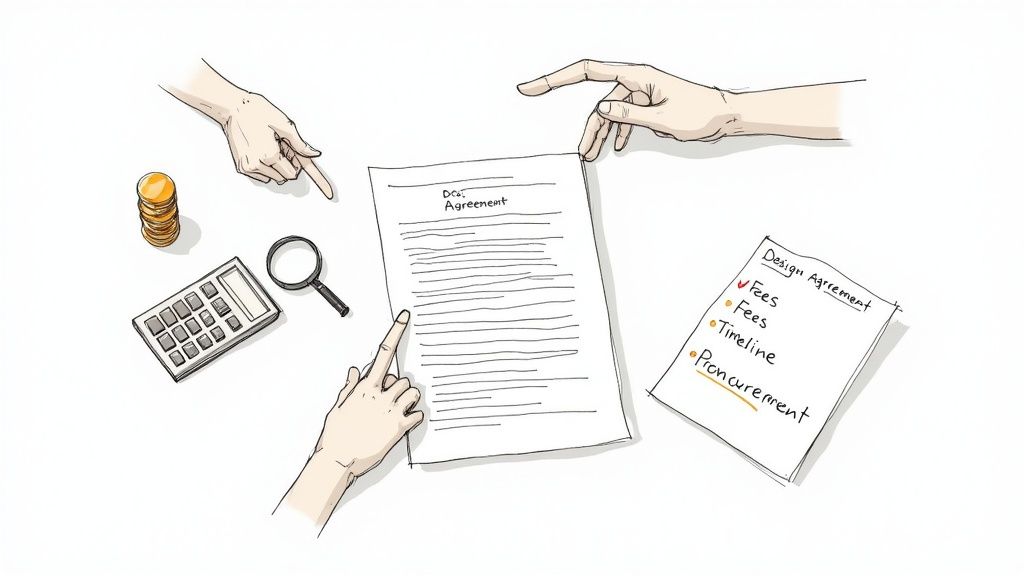
Let's talk money. A great designer-client relationship is built on trust, and nothing builds trust faster than clarity on costs. Get this right, and you can stop worrying about the numbers and focus on the fun part: creating a home you love.
The interior design industry is a creative powerhouse, but nearly 77% of firms are small, single-practitioner operations. This means you’ll see a wide variety in how they structure fees. Always ask for a detailed proposal that breaks down every cost, from their time to the price of materials.
Common Fee Structures Explained
Most Atlanta designers use one of these tried-and-true models.
- Hourly Rate: Common for smaller projects or consultations. It's flexible, but you’ll want a clear "not-to-exceed" number to stay on budget.
- Flat Fee: Perfect for projects with a well-defined scope. You know the total design cost upfront, which is a massive relief. This fee is based on the designer's expert estimate of the time and resources your project will require.
- Cost-Plus / Percentage of Project Cost: The designer charges a percentage on top of the net cost of all furnishings, fabrics, and services. It’s a standard approach for large-scale projects, aligning the designer's compensation with the project's overall scale.
Decoding the Contract
Your contract is the project's constitution. It’s not just legal jargon; it's a practical roadmap that protects you both by setting crystal-clear expectations. Read. Every. Line.
A solid contract outlines the scope of work (what’s included and what’s not), the payment schedule, and policies on purchasing, returns, and change orders.
Your contract isn’t a hurdle; it’s a safety net. It ensures everyone is on the same page, preventing misunderstandings and keeping the focus on creating a beautiful space.
Pay close attention to procurement. Your designer sources incredible pieces through trade-only programs, handling all the ordering, tracking, and logistics. The contract will explain any markups or fees, which compensate them for this significant management work.
Understanding these costs is crucial, especially when investing in custom pieces. Our guide can help you get a feel for how these one-of-a-kind elements are priced: check out our guide on custom reupholstery costs. A clear contract means no surprises—just stunning results.
Your Role in the Creative Design Process
Contract signed. Budget locked. Now, the real fun begins.
This is a creative partnership. You’re not a spectator; you're an essential collaborator. This is the phase where big ideas become tangible plans—mood boards, floor plans, maybe even 3D renderings.
Your job? Give honest, clear, constructive feedback.
Specificity is your superpower.
"I don't like that" is useless. "The dark wood feels a bit heavy for this room; I was picturing something lighter and more airy" is gold. It helps your designer refine, not restart.
Trust the Vision, Push the Boundaries
At some point, your designer will suggest something that pushes you right out of your comfort zone. A daring fabric. An unexpected layout. A color you’d never pick on your own.
Take a deep breath. This is often where the magic happens.
You hired an expert for their trained eye and their access to incredible resources—like the exclusive textiles in our Atlanta fabric showroom or the handcrafted lines of Verellen furniture. Their job is to see possibilities you can’t.
When a bold idea appears, get curious. Ask questions:
- "Help me visualize how this will look with the other elements."
- "What is it about this piece that you feel makes the room?"
- "Can we get a sample to look at in the actual space?"
This dialogue builds trust and opens the door to a design that’s uniquely yours, but elevated with professional skill. It’s about blending your story with their expertise.
The best results come from a partnership that balances professional guidance with personal expression. Trust their expertise, but stay true to your voice. The goal is a space that feels both expertly curated and deeply, authentically you.
Navigating Creative Differences
What if you just can’t get on board with an idea? It’s okay to say no. A good designer will never force a choice on you.
Treat it as a problem-solving moment, not a conflict.
Calmly explain your reservations. Maybe the suggestion, while beautiful, doesn’t fit the functional needs you discussed. Maybe that stunning custom upholstery fabric is too impractical for a home with pets and kids.
The goal is to find a solution together. Your designer might present a fantastic alternative or a compromise that captures the spirit of the original idea in a way that feels just right. This back-and-forth ensures the final space isn’t just a showpiece—it’s your home, perfected.
Sourcing Luxury Furniture and Fabrics
This is where the vision gets real. Your designer becomes your personal curator, unlocking a world of quality that big-box stores can’t touch. They hold the keys to trade-only showrooms—your passport to the exclusive collections that define Atlanta’s most beautiful homes.
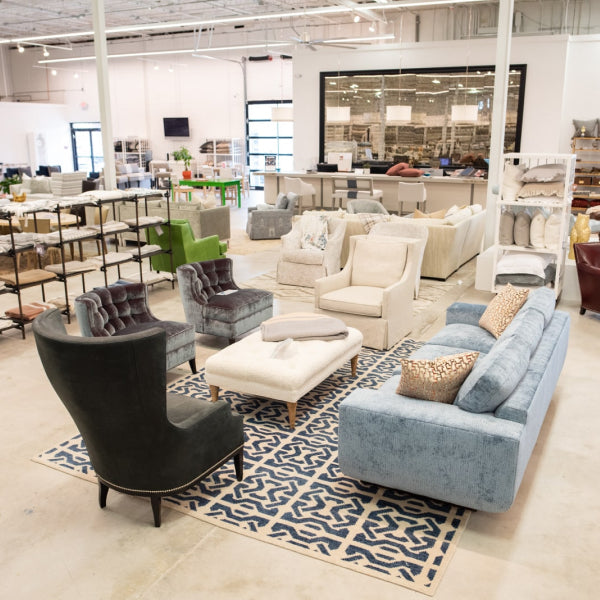
Forget scrolling endlessly through generic websites. The magic happens inside an Atlanta fabric showroom like Lewis and Sheron in Buckhead. It’s where designers from Roswell to Milton come to source exquisite materials and craft custom pieces. This is a tactile, creative process you can’t replicate online.
Inside the Designer Showroom Experience
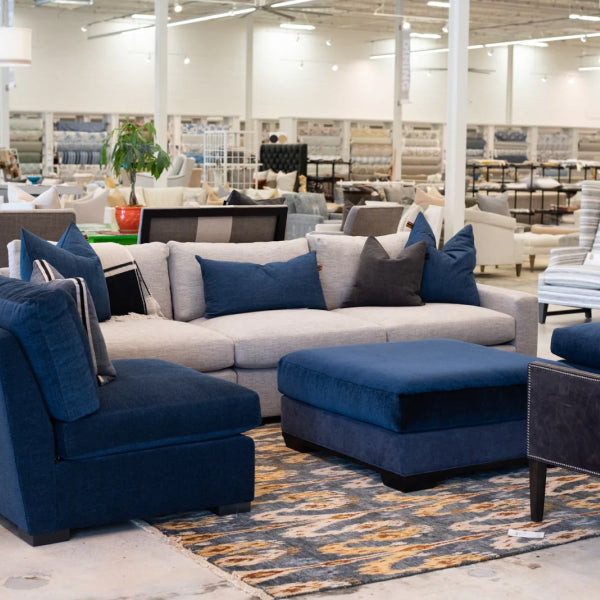
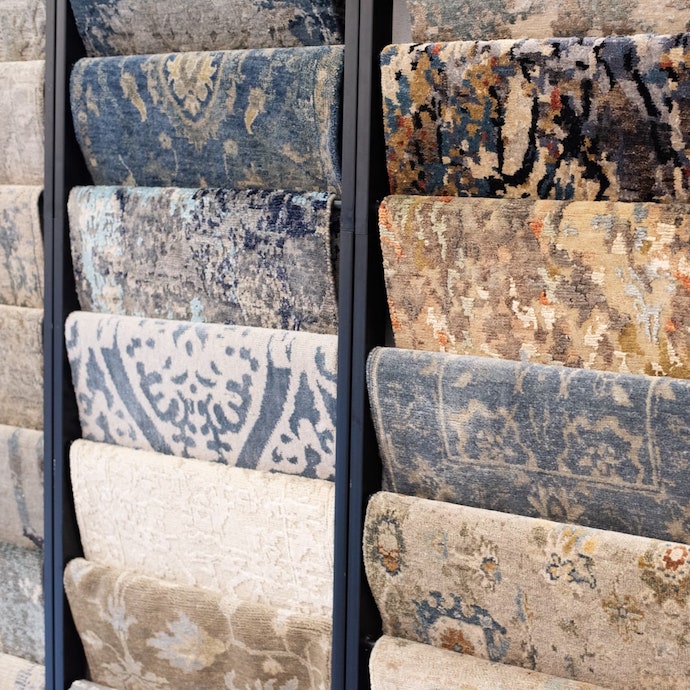
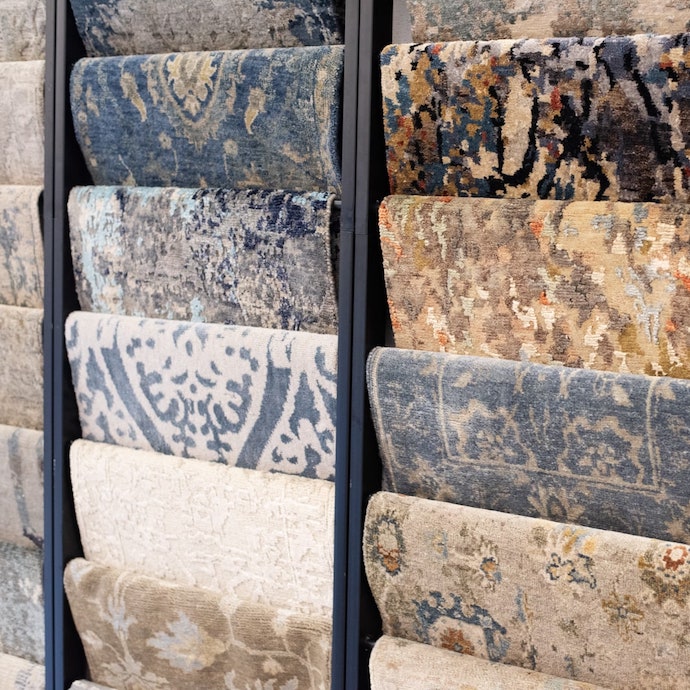
Walking into a designer resource center is a different ballgame. You’re a collaborator, not just a customer. Here, you and your designer can explore thousands of designer fabrics, feel the textures, and see the true colors in proper lighting.
It’s also where the power of custom upholstery comes alive. You’ll quickly see why top designers in Forsyth County and East Cobb partner with vendors known for superior construction and timeless style. You’ll get to see and touch pieces from brands like:
- Verellen Furniture: Belgian-inspired, slipcovered elegance meets sustainable, handcrafted quality.
- Wesley Hall Sofas: The benchmark for quality construction, featuring 8-way hand-tied springs and endless customization.
- Lee Industries Chairs: Synonymous with eco-friendly manufacturing and stylish, comfortable forms built to last a lifetime.
- Ambella Home: The go-to for those artful accent pieces—chests, tables, consoles—that complete a room with a touch of the unexpected.
Your feedback at this stage is critical. From the initial mood board to approving specific fabric swatches, your input shapes every sourcing decision.
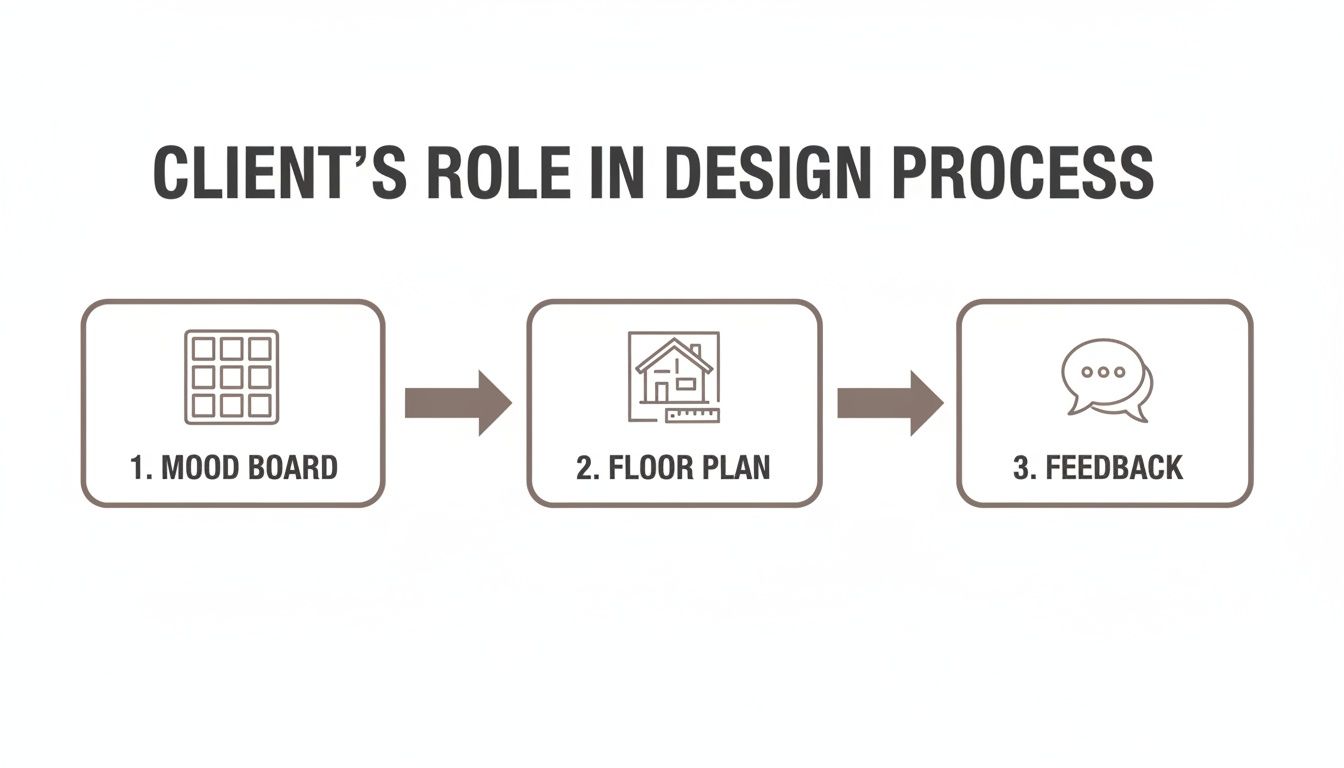
Your collaborative feedback on mood boards and floor plans directly influences every sourcing decision your designer makes.
Here’s a simple breakdown of how this collaboration unfolds.
Key Stages of the Design and Sourcing Process
| Phase | What Your Designer Does | Your Role |
|---|---|---|
| Concept & Mood Board | Gathers inspiration, creates a visual direction with color palettes, textures, and initial furniture ideas. | Provide honest feedback. What do you love? What doesn't resonate? |
| Floor Plan & Sourcing | Creates a scaled layout and begins selecting specific furniture, fabrics, and finishes from trade resources. | Review selections, ask questions, and visit our Buckhead showroom to see key items in person. |
| Quotes & Proposals | Gets pricing for all items, including customization, fabric yardage, shipping, and labor. Presents a formal proposal. | Approve the final selections and budget. |
| Ordering & Management | Places all orders, manages vendors, tracks lead times, and handles all logistical details. | Relax. This is the heavy lifting you hired them for. |
| Installation & Reveal | Coordinates delivery and placement of all items, overseeing the final installation to bring the vision to life. | Enjoy your beautifully transformed space! |
This workflow ensures the final result is a true reflection of your style, elevated by your designer's expertise and access to the best Atlanta interior design resources.
The Power of the Trade Program
So, how do designers get this exclusive access? Through professional partnerships like the Lewis and Sheron trade furniture program. It’s a system built for design professionals, offering them exclusive access and support to execute their vision flawlessly.
This program lets them manage the entire sourcing process—from placing complex custom orders for luxury furniture in Atlanta to coordinating white-glove installations. For you, this means a seamless, stress-free experience.
Your designer isn’t just picking out a sofa. They are commissioning a future heirloom, managing every detail from the frame construction of a Wesley Hall piece to the precise yardage of fine fabric needed for its custom upholstery.
This level of detail is what separates a professionally designed space from a DIY project. Your designer handles the logistics so you can focus on the excitement of watching your home transform.
For a deeper dive into the world of textiles, our guide on the best places to buy upholstery fabric reveals what makes these materials so special. This collaboration is how an exceptional space is born—one stunning piece at a time.
Navigating Project Timelines and Delays
Every design project has a rhythm. But sometimes, that rhythm hits a snag. Understanding the reality of project timelines is essential for keeping your sanity and enjoying the process.
A great designer isn't just a creative; they're the conductor of a complex orchestra, keeping everything moving forward even when the unexpected happens.
Creating a custom home isn't like ordering from a big-box store. When you and your designer select a handcrafted Wesley Hall sofa or a stunning piece from Verellen furniture, you're commissioning something being made just for you. Quality takes time. Artisans need weeks, sometimes months, to build these pieces to their exacting standards.
Why Delays Happen and How to Prepare
Beyond the lead times for custom upholstery, we’re all navigating complicated supply chains. A gorgeous designer fabric from a mill in Italy might be on backorder. A shipping container could get held up at port. These are real-world variables no one can control.
This is precisely why building a buffer into your plan is non-negotiable.
- Pad Your Timeline: Add at least 10-20% to your ideal timeline. If you dream of having it done in six months, plan for seven or eight.
- Create a Budget Cushion: Set aside an extra 10-20% of your budget for those "just in case" moments, especially during a remodel. You never know what's behind a wall.
Think of this buffer as your project's shock absorber. It gives your designer breathing room to solve problems without derailing the schedule or your sanity.
The Power of a Proactive Partnership
It’s normal for a project's timeline to evolve. With modest employment growth for interior designers projected at 3% through 2034, experienced professionals are in high demand, which can also influence timelines. This is why industry pros always recommend that 10–20% contingency for time and cost—it helps you gracefully handle everything from revisions to supply-chain hiccups. (Curious? Learn more about the interior design industry's dynamics here).
A designer's true value is revealed not when things go perfectly, but when they don’t. They are your project manager, problem-solver, and advocate, navigating any challenge that arises.
When a delay happens, your designer is the one on the phone with vendors, tracking shipments, or sourcing an equally beautiful fabric from another mill. They bring you solutions, not just problems. That proactive communication is the hallmark of a strong partnership.
This part of the process comes down to trust. By setting realistic expectations and planning for the unexpected, you and your designer can navigate any bumps in the road together. And when you're living in your thoughtfully curated home, you'll know it was worth the wait.
The Final Reveal and Project Completion

This is the moment. After months of decisions, patience, and anticipation, installation day is when the vision becomes a living, breathing space. It's not a furniture delivery; it's a carefully choreographed event orchestrated by your designer.
On install day, your designer is the director. They’re on-site managing every detail, from guiding delivery teams to ensuring that Wesley Hall sofa is placed with precision. They direct installers, hang art, and style every last accessory until the room tells the story you set out to create.
The transformation is always incredible. Looking at compelling before and after staging examples gives you a real sense of how dramatically a professional can revitalize a space.
After the Last Pillow Is Fluffed
A great designer’s job isn’t over when the trucks leave. Next up: the final walkthrough. This is your chance to go through the space with your designer and create the "punch list."
Don’t worry, it’s not about finding fault. It’s about perfection.
The punch list is a collaborative document noting any minor, final adjustments. A small paint scuff from delivery. A drapery hem that needs a tiny tweak. A drawer on an Ambella chest that isn’t gliding just right. Your designer will promptly coordinate with the tradespeople to resolve every item.
The punch list is the final polish. It’s what elevates a project from “finished” to truly flawless, ensuring every detail meets the highest standard of quality.
Wrapping Up with Confidence
Once the punch list is complete, it's time for the final details. Your designer will hand over all the essential documentation for your beautiful new furniture and custom pieces.
Think of it as a care package for your new space. It should include:
- Warranties: Official warranty information for your new Lee Industries chairs, Verellen furniture, and other key investments.
- Care Instructions: Specific guidance on how to clean and maintain your designer fabrics and custom upholstery to keep them looking beautiful for years.
- Final Invoices: A clear, itemized final statement to officially close out the project.
This final handover is the culmination of a successful partnership. It’s the moment you stop being a client and start being a resident, ready to enjoy a home that is a perfect reflection of your story, expertly told.
Step inside our Buckhead showroom and you’ll understand why Lewis and Sheron has been Atlanta’s destination for exquisite furniture and fine fabrics for decades. From the handcrafted lines of Verellen and Wesley Hall to the curated textures of Lee Industries, every piece tells a story of quality, comfort, and design mastery.
Your dream home is a conversation away.